Emelina
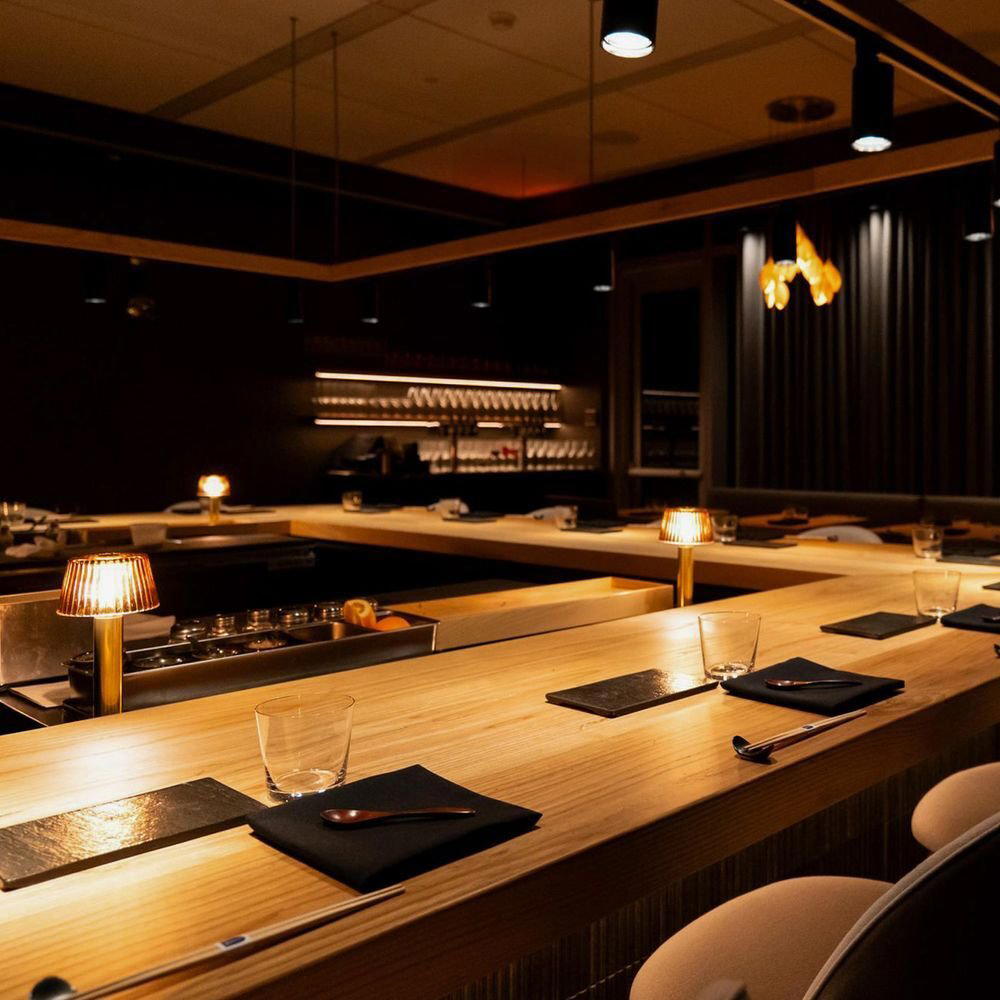
Cuban omakase is a rare format anywhere in the United States, and Emelina brings it to West Palm Beach with counter seating that places the kitchen's choreography at the center of every meal. The format belongs to a small national tier where Cuban culinary tradition and the precision of multi-course tasting structure converge. For the city's dining scene, it represents a distinct departure from the steakhouse-and-Italian axis that has long defined the area.
Pearl is the En Primeur Club membership app — saves, bookings, and concierge access live there. Same editors, same standards.
- Address
- West Palm Beach, United States
 Saves & bookings on Pearl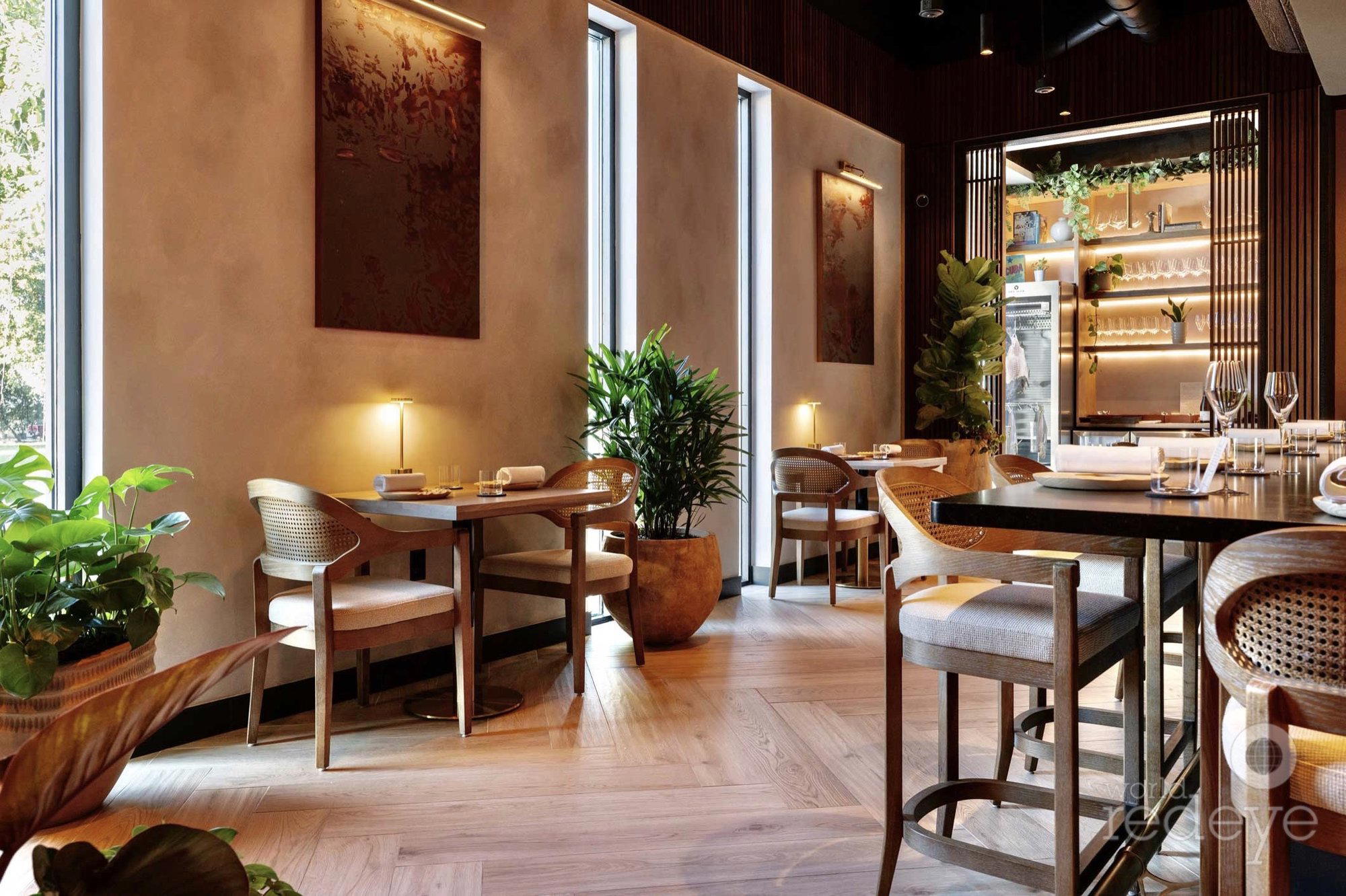
Where the Counter Becomes the Room
West Palm Beach has spent the better part of a decade building a dining identity that moves beyond resort-adjacent seafood and old-guard Italian. Marcello's La Sirena and Okeechobee Steakhouse still represent the category anchors that have defined the city's special-occasion dining for decades. But the more interesting question now is what fills the space around them. Emelina answers that question with a format the city has not seen before: Cuban omakase, structured as counter dining, where the physical proximity between cook and guest is the organizing principle of the experience. With a smart casual dress code and reservations essential, it is a high-commitment room by design.
The omakase counter as a format carries specific expectations regardless of the cuisine it frames. You sit close enough to watch technique, to see mise en place shift as a course completes, to register the sequencing logic in real time. That intimacy, more than any single dish, is what distinguishes the counter from a tasting menu served at a table. The guest doesn't receive the meal; the guest witnesses its construction. Emelina's Cuban framework layers onto that format something that most omakase counters in the United States do not attempt: a cuisine with its own highly specific pantry, spice logic, and braising tradition, recomposed into a progression of courses rather than a spread.
Cuban Cuisine in a Counter Format
The relationship between Cuban cooking and fine-dining structure is genuinely uncharted at most price points in the American market. The cuisine's canon, built around sofrito, black beans, slow-cooked pork, and fried plantain, is not naturally sequential. It is simultaneous: the meal arrives in a constellation, not a line. Reformatting that into an omakase progression requires a specific kind of editorial discipline from the kitchen. What gets separated? What gets concentrated into a single bite? Which elements of the tradition survive abstraction, and which lose their meaning when isolated from the full plate?
Those are the questions a Cuban omakase counter forces a kitchen to answer in front of its guests. At counters operating in the Japanese tradition, the analogous problem is which preparations survive the minimalism the format demands. At Moody Tongue Sushi in West Palm Beach, for instance, the omakase format is already established in the city, but within a well-worn genre where the grammar of progression is broadly understood. Emelina is working in a genre with no established grammar, which makes it a different kind of exercise.
For reference, this is the level of structural ambition you see at tasting-format restaurants that have reshaped their respective categories nationally: Lazy Bear in San Francisco, Alinea in Chicago, or Single Thread Farm in Healdsburg. Each of those venues built a new grammar for a particular cuisine-meets-format combination. Emelina is attempting something similar on a smaller, more local scale.
The Counter Experience in Practice
Counter dining at this format tier operates differently from a standard restaurant visit in ways that matter logistically. The experience is time-bound in both directions: there is a set start time, and the progression ends when the kitchen decides it ends. That structure means arriving late disrupts the room, not just your own seat. It also means booking in advance is not a preference but a condition of access. Formats like this, in any city, tend to book ahead on a rolling window, and West Palm Beach's population of frequent diners has learned to treat tasting-counter reservations with the same advance planning they apply to The French Laundry in Napa or Le Bernardin in New York City.
The counter format also changes the social contract of the meal. At a table, conversation between guests is private. At a counter, especially in a small room, the kitchen's narration of each course becomes part of the shared experience. Regulars at counter-dining formats often report that this communal element, where strangers seated next to each other move through the same sequence, creates a different kind of evening than a table for two ever does. The counter imposes a pace and a shared attention that tables do not.
Where Emelina Sits in the City's Dining Picture
West Palm Beach has a reasonably developed dining scene for a city of its size, anchored by restaurants that serve the dual market of permanent residents and seasonal visitors. aioli and City Cellar Wine Bar & Grill occupy the mid-to-upper tier of accessible dining, where the format is familiar and the entry point is lower. Emelina positions above that tier, not simply by price but by format: the omakase counter is a different category of commitment from the guest, requiring advance booking, a fixed timeframe, and a willingness to cede menu control entirely to the kitchen.
That positioning puts it in a small national comparable set of Cuban-inflected fine dining that includes a handful of restaurants across Miami and New York. Cuban fine dining has never achieved the national institutional recognition that, say, French tasting-menu cuisine has at Alain Ducasse's Louis XV in Monte Carlo or that Japanese kaiseki has internationally. What exists instead is a growing cohort of kitchens treating the Cuban pantry with the structural rigor typically applied to European fine-dining traditions. Emelina in West Palm Beach is part of that cohort, in a city that has not previously had a representative in it.
For the city's seasonal dining market, that matters. Visitors arriving from November through April, the high season when Palm Beach County swells with residents from the northeast and midwest, are increasingly looking for experiences that go beyond the standard white-tablecloth steak or the obvious Italian. A Cuban omakase counter addresses a specific appetite: the diner who already knows Emeril's in New Orleans and 8½ Otto e Mezzo Bombana in Hong Kong, who travels with dining as a primary itinerary item, and who finds comfort in the counter format precisely because it removes decision fatigue and substitutes the kitchen's judgment for the menu's optionality.
Planning a Visit
Given the omakase format, advance reservations are the expected mode of access at Emelina, and booking well ahead of any preferred date is the prudent approach, particularly during the October-to-April season when West Palm Beach dining demand peaks. The counter format runs on a fixed schedule, so flexibility on date tends to matter more than flexibility on time. For visitors building a broader dining itinerary around the city, our full West Palm Beach restaurants guide covers the range from casual to counter-format. For pre-dinner drinks or extended evenings, our West Palm Beach bars guide maps the cocktail scene, while the hotels guide covers accommodation across price tiers.
Cuisine and Awards Snapshot
Comparable venues nearby, for context on price, style, and recognition.
| Venue | Cuisine | Price | Notes |
|---|---|---|---|
| EmelinaThis venue — the venue you are viewing | Modern Cuban Fine Dining | $$$$ | Not listed |
| Raindancer Steakhouse | Classic American Steakhouse | $$$$ | Palm Beach Lakes |
| Bacaro - The Belgrove | Modern Italian Al Fresco | $$$ | Lake Mangonia |
| Cafe Centro | Northern Italian Trattoria | $$$ | Northwood |
| Grato | Modern Italian with Wood-Fired Pizzas | $$$ | El Cid |
| 8 Pot Korean BBQ & HotPot | Korean BBQ & Hot Pot | $$$ | West Palm Beach |
Continue exploring
More in West Palm Beach
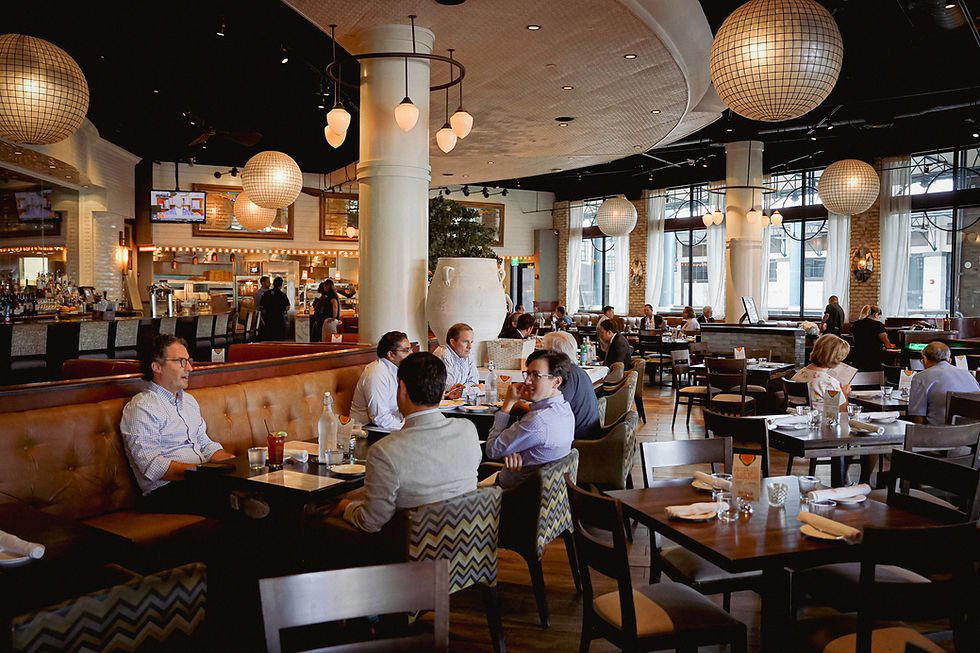
Restaurants in West Palm Beach
Browse all →
Bars in West Palm Beach
Browse all →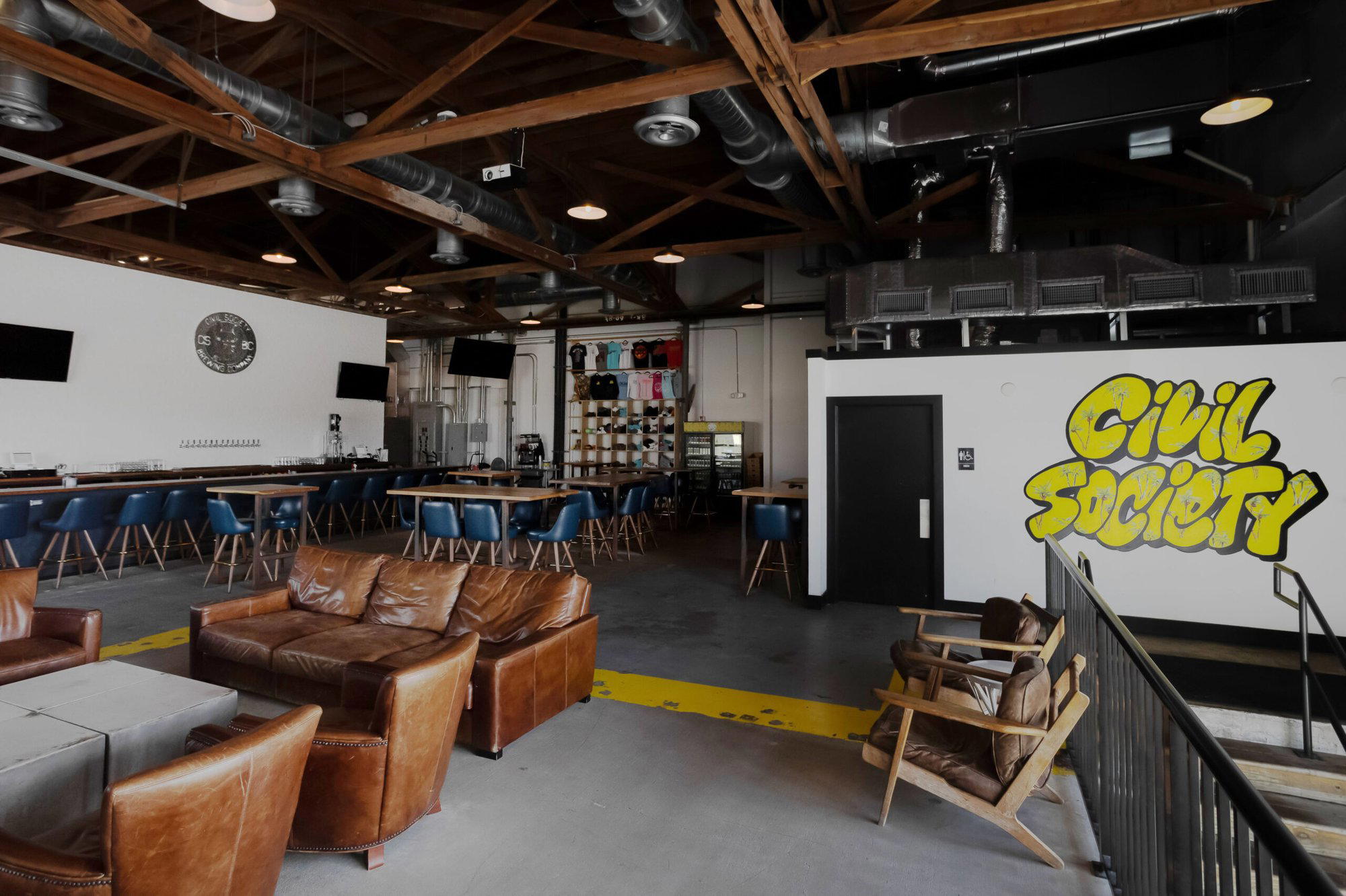
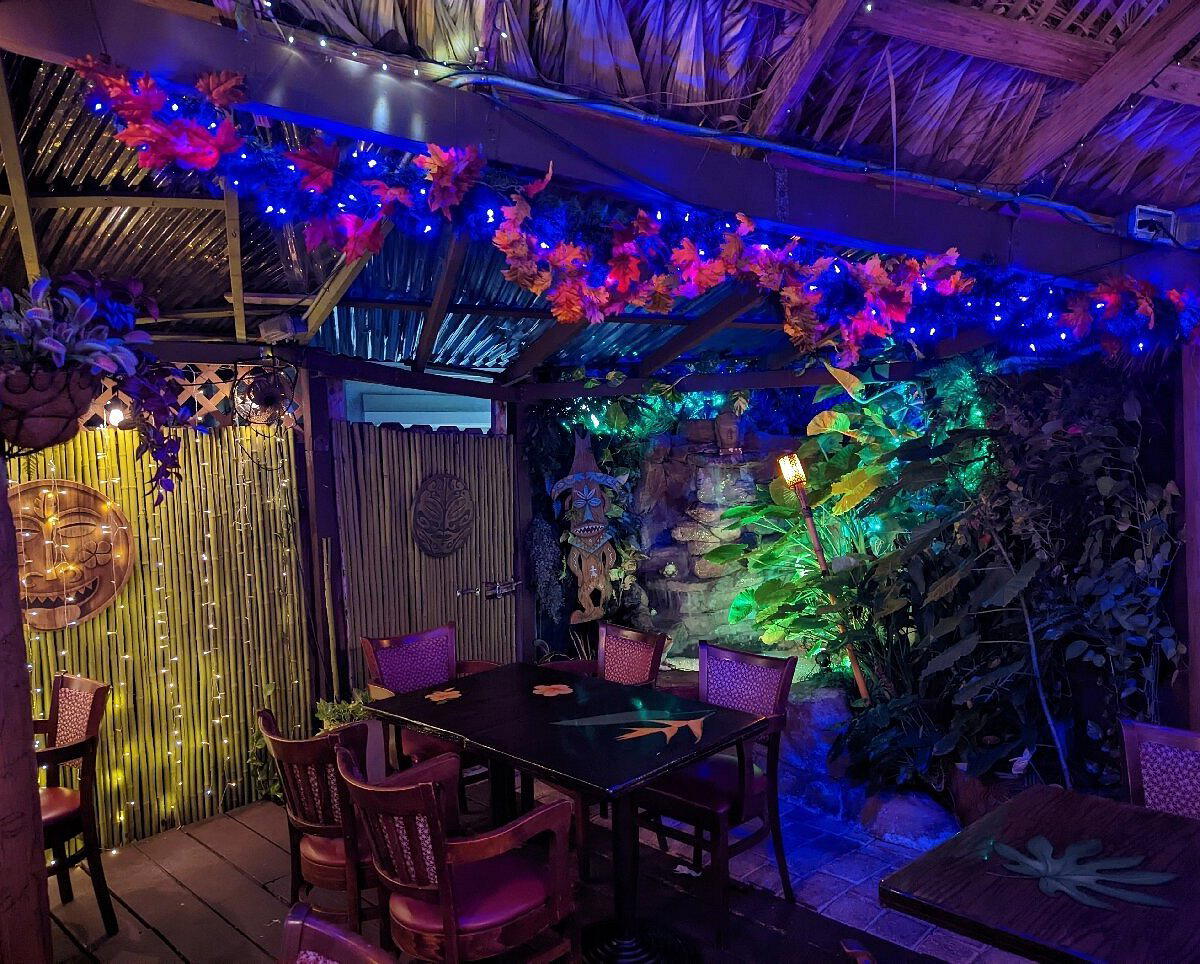
Hotels in West Palm Beach
Browse all →
At a Glance
- Intimate
- Elegant
- Modern
- Sophisticated
- Date Night
- Special Occasion
- Chefs Counter
- Open Kitchen
- Local Sourcing
- Sustainable Seafood
Dark, moody color scheme with slick, grown-up design, theatrical open kitchen, and subtle Florida touches like rattan chairs creating an intimate, intentional atmosphere.