

Michelin Bib Gourmand · Macarfi 7.7 Food Rating · Guía Repsol 1 Sol
Our verdict
A taberna-format restaurant in València's Ensanche district where two veterans of Madrid's DSTAgE kitchen have built a program around taste memory and classic bar and tasca dishes reframed through technique. Two tasting menus, Olvido and Huella, carry the concept from entrance bar to simply furnished dining room. The cooking is delicate, surprisingly precise, and grounded in something most modern menus forget: familiarity.

Pearl is the En Primeur Club membership app, where members save venues, book tables and use the concierge.
The menu
What to order
- Potato, Egg and Onion
- Duck with Apple
- Daily Cod Preparations
- Rabbit with Figs
- King Prawn and Garlic Coca
The Taberna Form, Taken Seriously
Spain's most interesting restaurant openings in recent years have not always arrived with fanfare. Across cities like Madrid and Barcelona, a particular format has gained traction: the neighbourhood bar or tasca reimagined not as a theme or a concept, but as a genuine proposition, where the physical humility of the space is matched by intellectual seriousness in the kitchen. Valencia has followed this trajectory, and Memoria Gustativa, on Carrer del Comte d'Altea in the Ensanche district, belongs to that current.
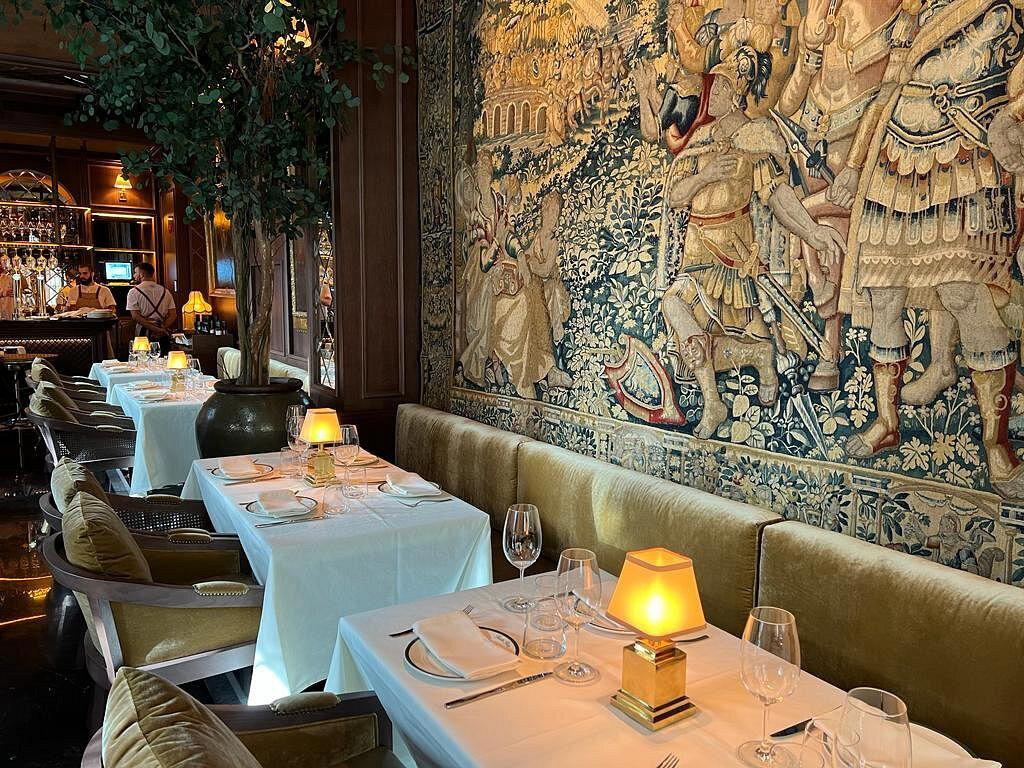
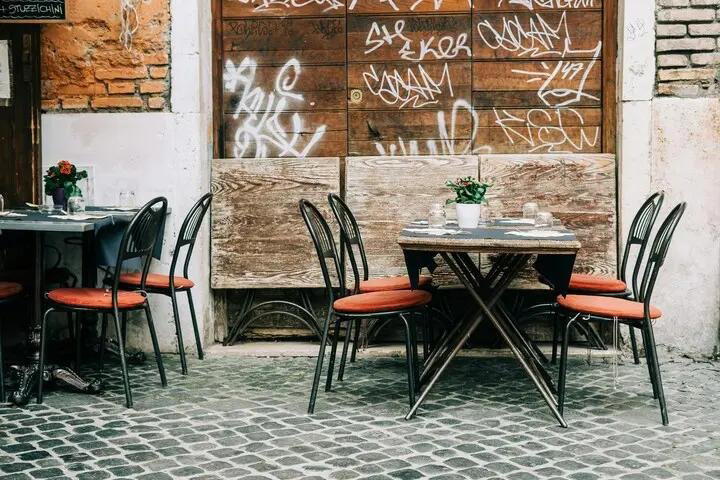
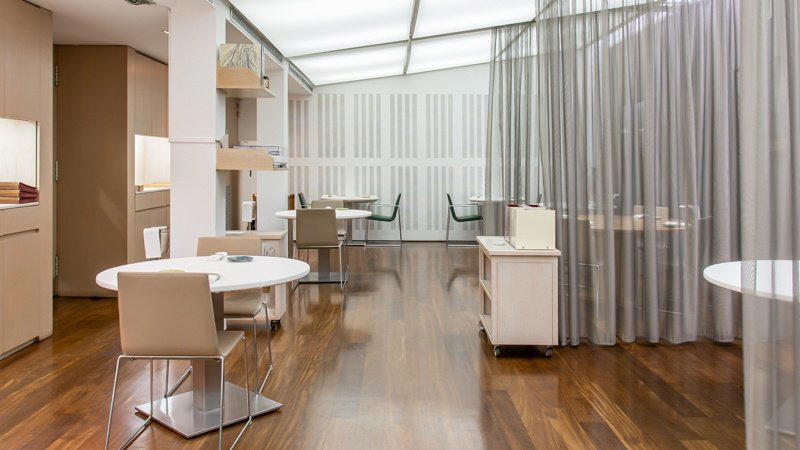
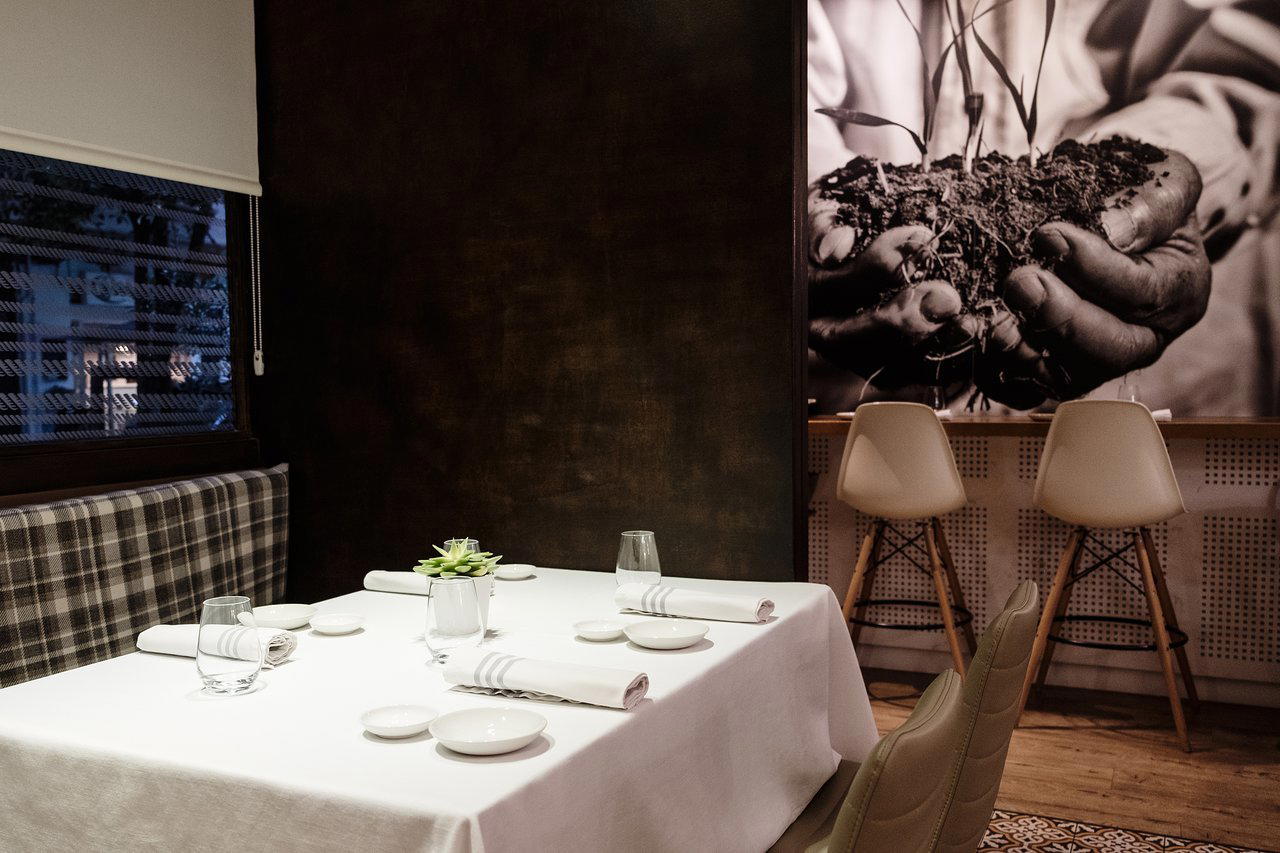
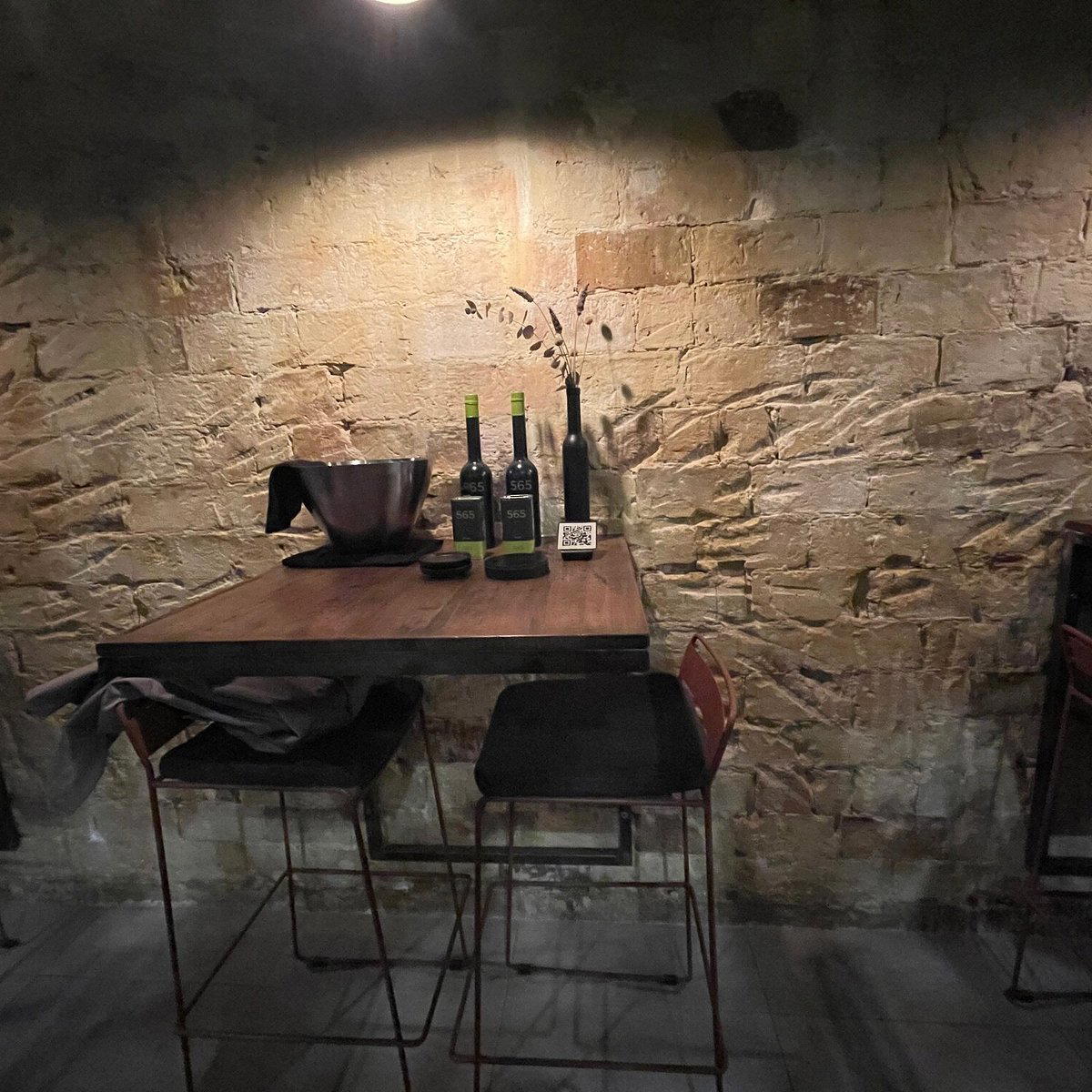
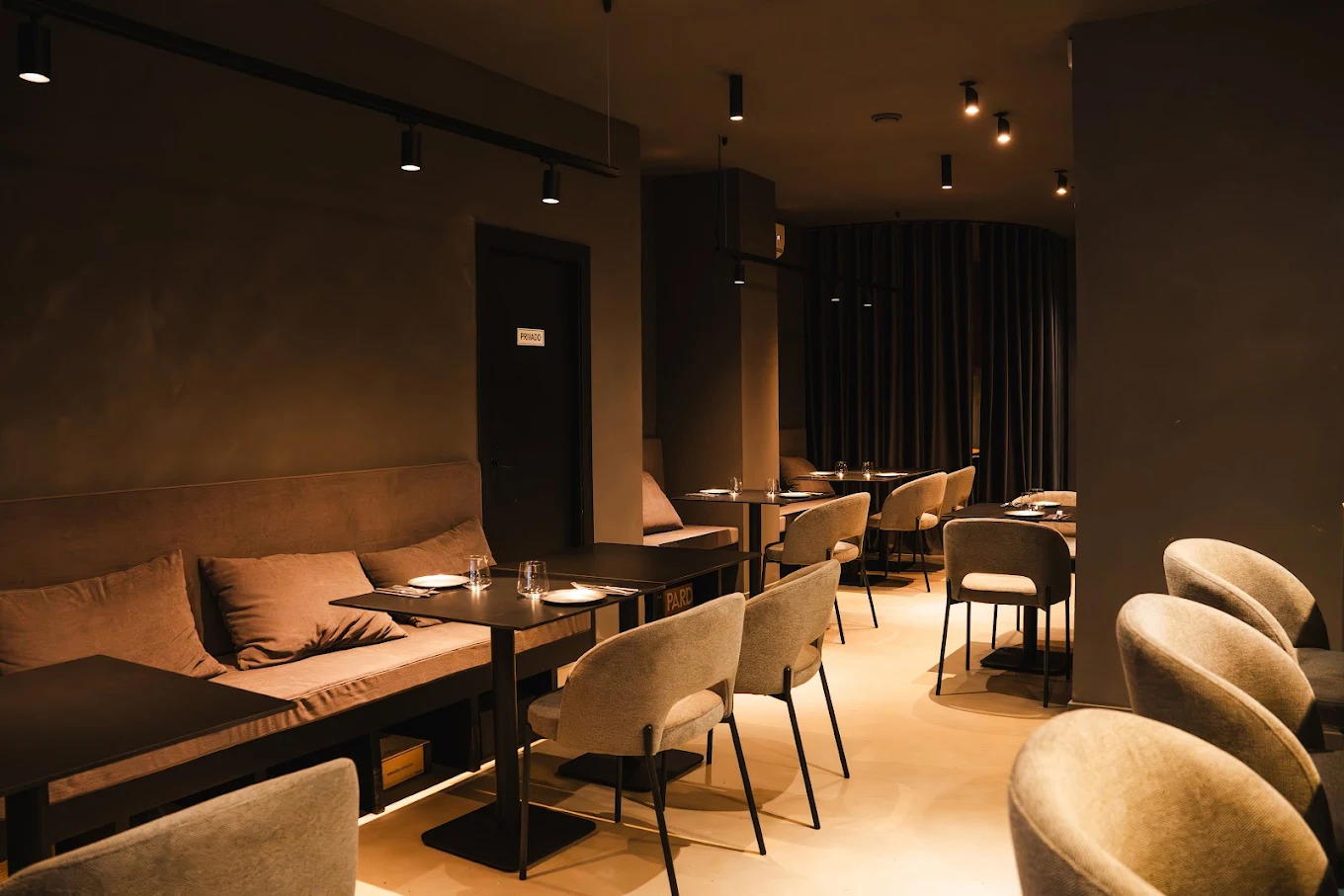
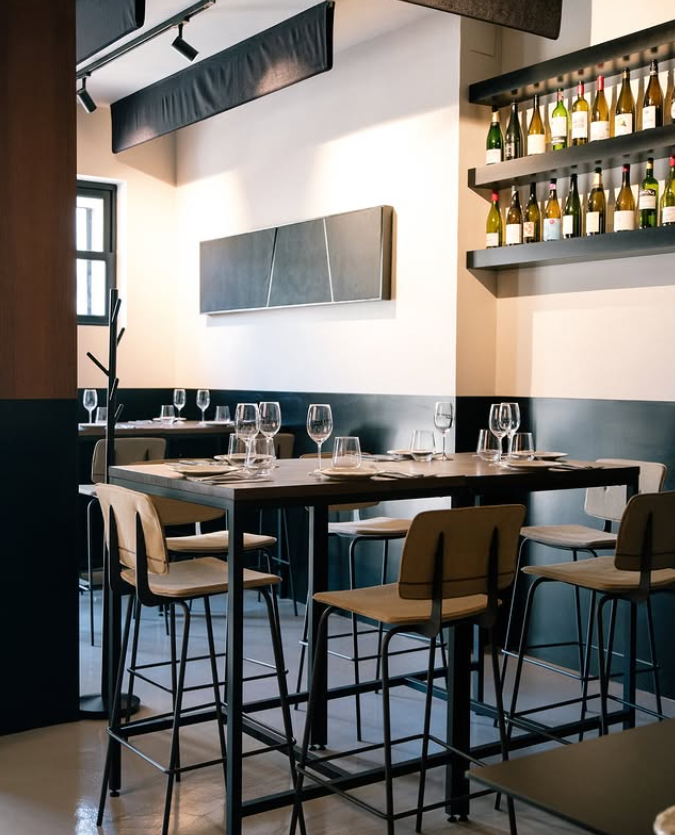
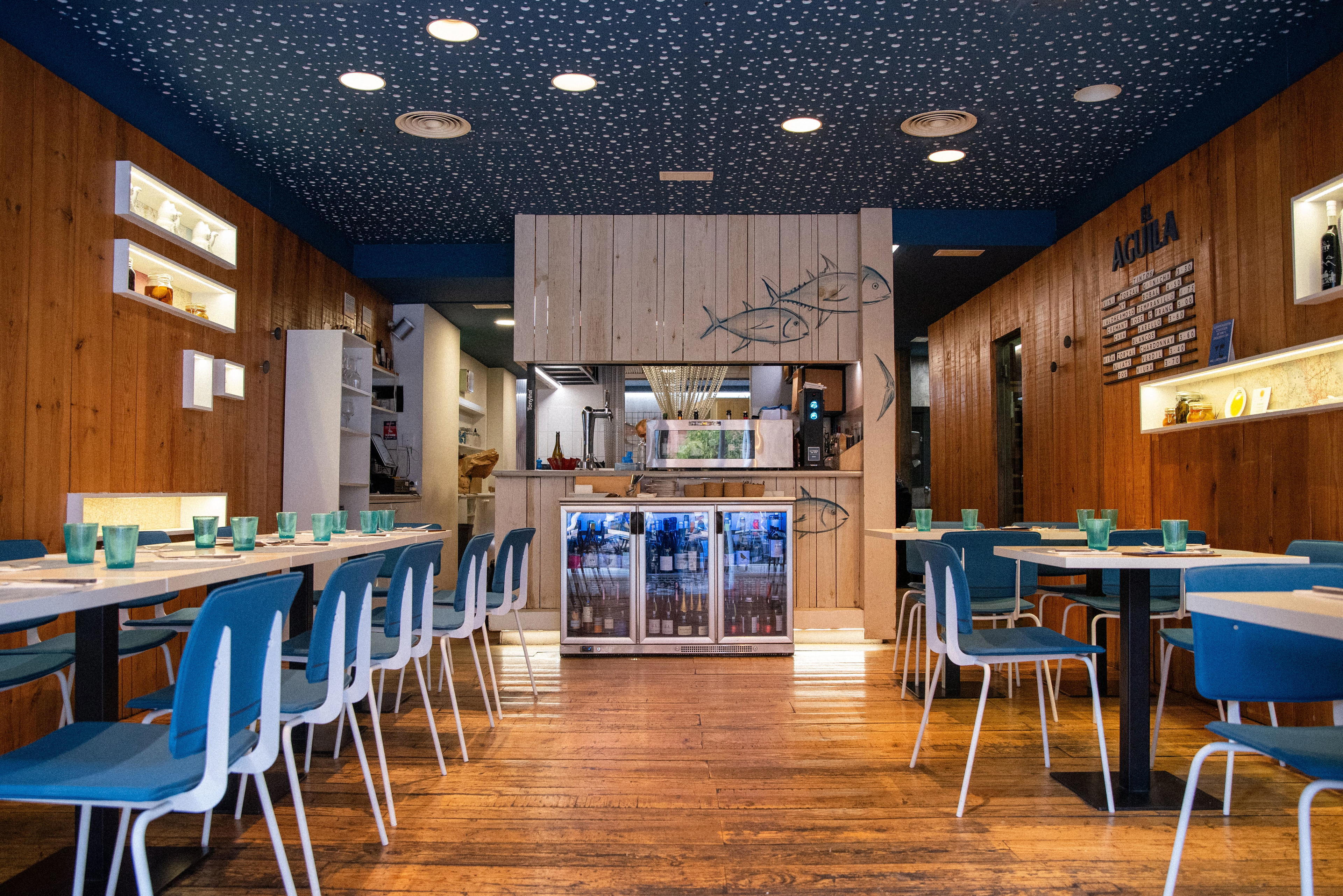
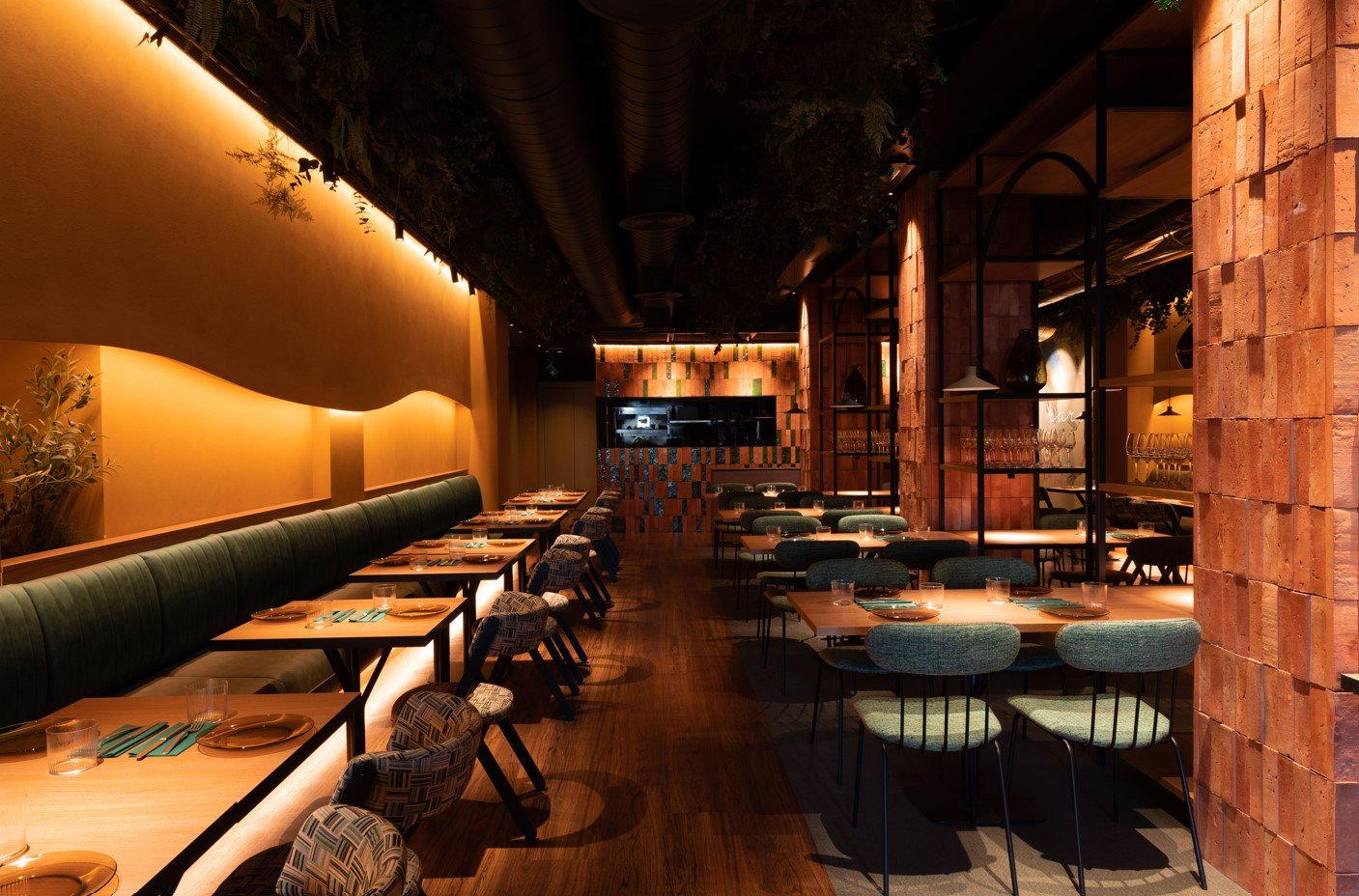
The address is a ground-floor space with a bar at the entrance and a simply furnished dining room beyond. Nothing about the exterior signals the training behind the food inside. That gap between appearance and substance is not accidental. It mirrors the central argument of the menu: that dishes associated with bars, family kitchens, and tascas are not lesser material. They are the source.
Two Kitchens, One Direction
The editorial angle here is collaborative by nature. Javier Vega and Blanca Martínez are partners in both the personal and professional sense, and the project functions as a shared authorship rather than a hierarchy with a named lead. That dynamic matters in practice. Restaurants built around a single dominant voice tend to develop blind spots. Spaces where two experienced cooks share the decision-making tend to produce more internally coherent programs, with front-of-house tone and kitchen output pulling in the same direction.
Both brought substantial experience from outside Valencia before opening here. Their time at DSTAgE in Madrid, one of Spain's more technically focused creative restaurants, placed them in a kitchen where precision and conceptual development were operating norms. DSTAgE is not a restaurant that tolerates drift. Carrying that discipline into a taberna format, rather than a formal tasting-menu destination, represents a considered choice about where the gap in the Valencia market actually exists.
Valencia's premium restaurant tier already includes addresses that operate at significant scale and international recognition: Ricard Camarena, El Poblet, and Fierro each occupy distinct positions in the city's creative dining conversation. Memoria Gustativa does not compete in that register. It operates in a different register entirely: accessible in form, demanding in content, with a lower threshold of occasion-dressing required from the guest.
The Concept: Memory as Method
The name translates as gustatory memory, and the program is organised around that idea with enough discipline that it does not collapse into nostalgia. Taste memory, as a culinary methodology, asks a kitchen to identify dishes that exist in collective cultural consciousness, the potato, egg, and onion combination that most Valencian and Spanish households would recognise, and then reconstruct them with a precision that reveals something new without erasing the familiar.
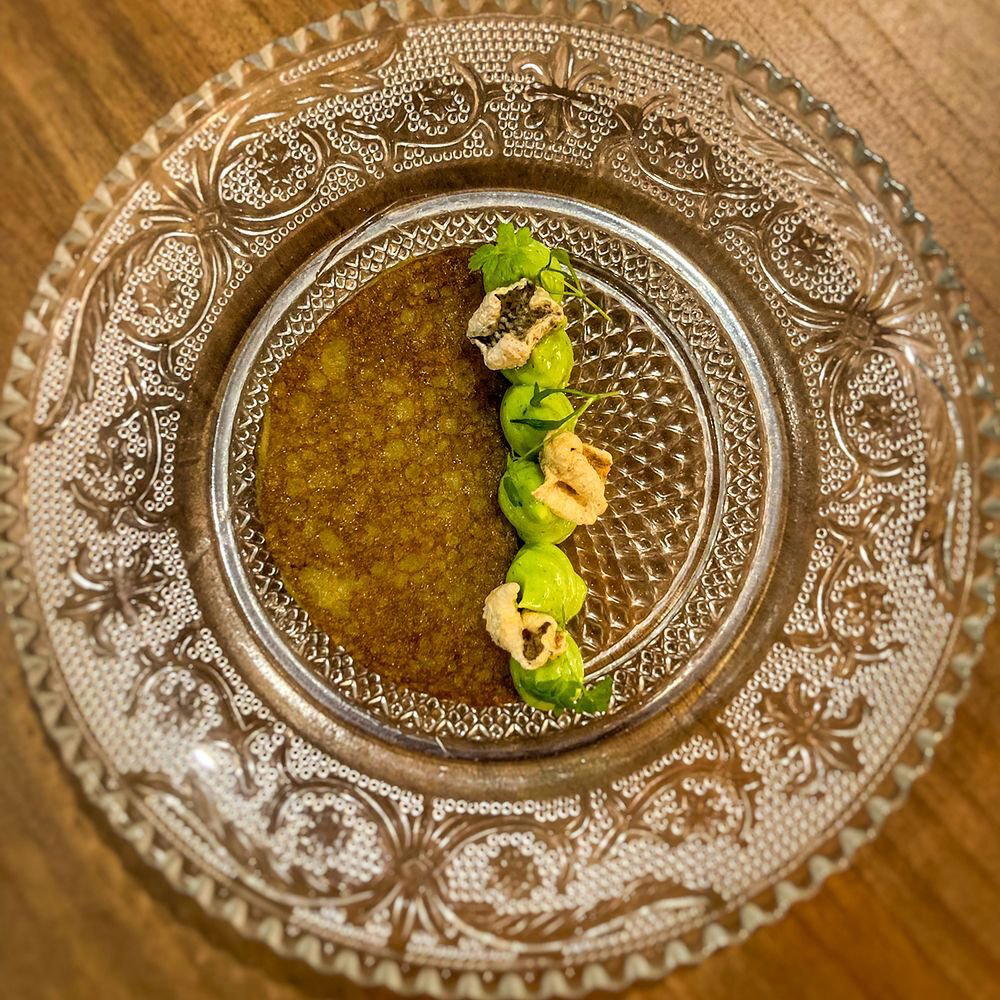
The potato, egg, and onion dish at Memoria Gustativa arrives presented as a flan. The visual surprise is the point of entry, but the underlying argument is about the relationship between recognition and expectation: you know what these ingredients taste like together before the fork reaches your mouth, and that foreknowledge becomes part of the experience. This is a more sophisticated operation than simply cooking classic dishes well. It requires an understanding of how memory and perception interact, and a technique precise enough to deliver on that understanding dish by dish.
Two tasting menus carry the concept across a full sitting: Olvido (forgetting) and Huella (trace or imprint). The naming logic tracks the central theme from opposite directions. Olvido implies the gaps in memory, the things that fade. Huella implies what remains. Together they suggest a kitchen interested in the full emotional register of food as memory, not just its more sentimental end.
Where It Sits in the City
The Ensanche is Valencia's 19th-century grid expansion, a district of wide avenues and residential blocks that sits between the historic centre and the more contemporary parts of the city. It is not a tourist-facing neighbourhood in the same way as the old town, which means Memoria Gustativa draws predominantly from a local and domestic visitor base rather than an international one. That affects the register of the room and the assumptions the kitchen can make about its audience.
Within the broader Valencia dining picture, Memoria Gustativa occupies the space between neighbourhood restaurant and tasting-menu destination that cities like San Sebastián and Barcelona developed strong examples of over the past decade. Fraula and Kaido Sushi Bar represent other addresses in the city pushing at format and expectation from different angles. Memoria Gustativa's specific angle, the taberna as technical kitchen, is less common and therefore more legible as a positioning choice.
Spain's broader creative dining scene provides useful context. Operations like Quique Dacosta in Dénia, Aponiente in El Puerto de Santa María, and landmark kitchens like El Celler de Can Roca in Girona or Arzak in San Sebastián established a generation of high-formality creative cooking in Spain. What has followed, in smaller cities and emerging restaurant districts, is a counter-current: kitchens that absorbed the technique but rejected the ceremony. Memoria Gustativa belongs to that counter-current.
Planning a Visit
The restaurant sits at Carrer del Comte d'Altea, 43, bajo derecha, in the Ensanche district of Valencia, a walkable area from the city centre with good public transport connections. Given that the space is compact and runs a tasting-menu format, tables are limited and advance booking is the reliable approach. Phone and online booking details are best confirmed directly, as operational specifics are subject to change. For those spending more time in the city, EP Club maintains guides covering Valencia's full restaurant scene, alongside resources on accommodation, bars, wineries, and experiences across the city.
Frequently asked questions
What part of town is Memoria Gustativa in?
Memoria Gustativa is located at Carrer del Comte d'Altea, 43, bajo derecha, Ensanche, 46005 València, Valencia, Spain, València.
What distinctions does Memoria Gustativa have?
Memoria Gustativa has received recognition including: You’ll soon realise that this is a typical “taberna” but with a difference – something that they are keen to emphasise on the windows of the front door. This eatery, with a bar at the entrance and a simply furnished dining room to the rear,….
What do people recommend at Memoria Gustativa?
The potato, egg and onion dish is the most cited example of the kitchen's approach: it arrives resembling a flan, a presentation that signals the gap between expectation and execution that runs through both tasting menus. The Olvido and Huella menus are the only formats offered, so the full picture comes through committing to one of them rather than ordering à la carte.
Can I walk in to Memoria Gustativa?
Venues of this format and profile in the Ensanche district tend to fill quickly, particularly at dinner, so walk-in access is not guaranteed.
What's the signature at Memoria Gustativa?
The defining move is the reinterpretation of classic bar and tasca dishes through contemporary technique, a direction shaped by Javier Vega and Blanca Martínez's time at DSTAgE in Madrid. The potato, egg and onion dish, plated to resemble a flan, is the clearest single expression of that philosophy on the menu.
Can Memoria Gustativa handle vegetarian requests?
The menus are built around reinterpreted taberna classics, a format traditionally centred on eggs, vegetables, and cured products alongside meat and fish.
Where It Fits
Comparable venues nearby, for context on price, style, and recognition.
| Venue | Cuisine | Price | Awards | Notes |
|---|---|---|---|---|
| Memoria GustativaThis venue (the venue you are viewing) | Modern Spanish Tavern Cuisine | $50–100 | Michelin Bib Gourmand · Macarfi 7.7 Food Rating | Not listed |
| Karak | Modern Mediterranean Fusion | $50–100 | Michelin Plate · Guía Repsol 1 Sol | El Mercat |
| El Bressol | Premium Mediterranean Seafood | Not listed | Michelin Plate · Macarfi 8.6 Food Rating | El Pla Del Remei |
| Vuelve Carolina | Modern Spanish Fusion Tapas | $50–100 | Michelin Plate · Macarfi 7.2 Food Rating | Sant Francesc |
| Casa Carmela | Traditional Valencian Paella | $50–100 | Star Wine List · Macarfi 8 Food Rating | La Malva-Rosa |
| Haku | Italian-Japanese Fusion Omakase | $50–100 | Michelin Plate · Macarfi 8 Food Rating | La Gran Via |
Recognition history
Dated appearances from independent guides and award organizations, with the underlying list record or original source where available.
Michelin Bib Gourmand
Michelin
Guía Repsol 1 Sol
Guía Repsol
Macarfi 7.7 Food Rating
Macarfi