El Petirrojo

A stone house restaurant in rural Burgos province, El Petirrojo holds consecutive Michelin Plate recognition for 2024 and 2025. The kitchen focuses on Basque-influenced cod preparations, delivered by the owners at a €€ price point. For the Castilian interior, it represents a specific and consistent standard of traditional cooking.
Pearl is the En Primeur Club membership app — saves, bookings, and concierge access live there. Same editors, same standards.
- Address
- Quintana de los Prados, 44, 09569 Quintana de los Prados, Burgos, Spain
- Phone
- +34 630 12 38 31
- Directions
- Get directions
 Saves & bookings on Pearl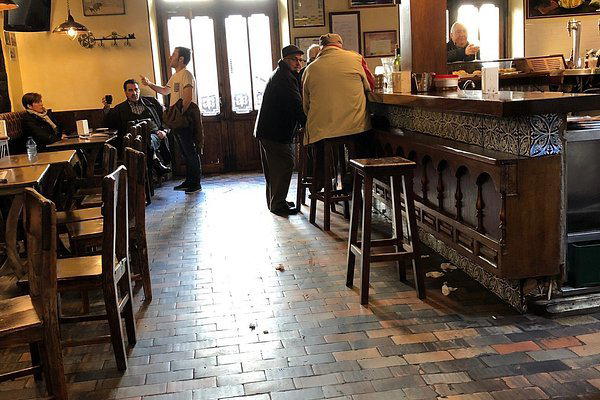
Stone Walls and Salted Cod in the Burgos Countryside
The approach to Quintana de los Prados sets the tone before you reach the door. This is Castilian hill country at its quietest: stone villages, broad skies, and a pace that has nothing to prove. El Petirrojo occupies a traditional stone house on the village address, its small garden kept with evident care, its interior arranged with the kind of deliberate rustic detail that takes effort to achieve without tipping into self-conscious decoration. The room signals regional pride rather than any desire to perform modernity.
That physical context is not incidental. Across northern Spain, particularly persuasive traditional restaurants tend to exist in exactly this kind of setting, where proximity to landscape and ingredient source gives cooking a specificity that urban kitchens can reference but rarely replicate. El Petirrojo draws on Basque culinary tradition, with a pronounced focus on cod, and that combination of place and lineage frames everything on the plate. It is a restaurant in Quintana de los Prados, Burgos, serving traditional Basque-influenced Spanish cooking at an €€ price point.
Bacalao and the Basque Thread Running Through Burgos
The Basque influence in Burgos province is older and less remarked upon than food writers tend to acknowledge. Trade routes connecting the Basque coast to the Castilian interior carried salt cod long before any contemporary chef thought to put it on a tasting menu. Bacalao, preserved and transported inland, became a fixture of village cooking precisely because it kept. Over generations, the techniques for rehydrating, desalting, and finishing cod became a point of local knowledge as much as any coastal tradition.
El Petirrojo positions itself inside that tradition. The culinary focus from the couple who own and run the restaurant is on cod dishes built from that Basque-influenced framework, which means preparations where the fish itself carries the argument: pil-pil emulsions, al pil-pil technique, confited textures, and the patience that distinguishes cod cooked correctly from cod treated as a neutral backdrop. In a country where three-Michelin-star cod preparations exist at houses like Arzak in San Sebastián and Azurmendi in Larrabetzu, the ingredient carries serious critical weight regardless of price tier.
That weight is the point. The restaurants at Spain's highest citation levels, from Martin Berasategui in Lasarte-Oria to Mugaritz in Errenteria, operate at €€€€ price points with tasting menus that run to multiple hours. The restaurant at €€ occupies a different tier entirely, one where the editorial question is not whether the kitchen matches that register but whether it delivers something honest and specific within its own frame. On the evidence of, the answer is clear.
What the Michelin Plate Actually Signals Here
The Michelin Plate is often misread. It does not indicate a restaurant on the edge of a star, nor is it a consolation category. Michelin awards the Plate to restaurants where inspectors identify good cooking, full stop. In a rural Burgos village at the €€ price range, consecutive Plate recognition in 2024 and 2025 indicates that inspectors found the kitchen consistent and the sourcing credible, not that it narrowly missed a different category.
It is a working restaurant with identifiable culinary standards, verified by an external body with no commercial relationship to the venue.
Sourcing Inside a Regional Tradition
The ingredient-sourcing argument for Basque-influenced cod cooking in Castile is both historical and practical. Salt cod arrives from Atlantic waters, principally Icelandic and Norwegian sources, and has done so for centuries along Iberian trade routes. The skill is not in sourcing the raw product, which is commodified, but in the selection, desalting process, and final preparation. A properly desalted and cooked bacalao should hold its flake while releasing the gelatin that makes pil-pil sauce possible without additional thickeners. That is a technical standard, not a marketing position.
The restaurant's sustained focus on cod dishes points to a kitchen that has built its programme around mastering one ingredient rather than ranging across a seasonal menu of loosely connected plates. That is a coherent editorial choice that puts it closer in spirit to specialist houses, even at the other end of the price spectrum, than to generalist regional restaurants. For comparison, Aponiente in El Puerto de Santa María has built a three-star identity around an equally single-minded marine focus at a completely different scale and price.
The Room and the Atmosphere
The stone house format that restaurant occupies is a recognisable category in northern Spanish dining, from the Basque caseríos to the stone-built mesones of Castile. What distinguishes the better examples is not the architecture, which is shared, but what the owner-operator does with it. The description of the interior here emphasises attention to detail and a small, well-maintained garden, which in the context of a rural village restaurant at the €€ tier signals genuine investment in the setting. A pleasant couple runs the room, which in practice means a front-of-house character that reflects personal investment rather than franchise hospitality.
That ownership model is worth naming because it affects the experience in ways that rating systems do not fully capture. When the people who cook the food are also the people who designed the room and welcome the guests, the result tends toward coherence. The menu, the setting, and the service share a single point of view.
Planning a Visit
Quintana de los Prados sits in Burgos province, in the Castilian interior north of the provincial capital. The €€ price range makes the restaurant accessible for a lunch stop or a deliberate detour rather than a reservation-led destination dinner, though the Michelin recognition means demand will periodically outstrip walk-in availability. Booking ahead is the sensible approach, particularly for weekend visits.
Spain's higher-end creative restaurants, from DiverXO in Madrid to El Celler de Can Roca in Girona, Quique Dacosta in Dénia, Cocina Hermanos Torres in Barcelona, and Ricard Camarena in València, serve as useful orientation points for understanding where within the Spanish dining spectrum the restaurant sits: rooted, focused, and operating at a price tier that asks nothing except that the food be good.
In Context: Similar Options
Comparable venues nearby, for context on price, style, and recognition.
| Venue | Cuisine | Price | Awards | Notes |
|---|---|---|---|---|
| El PetirrojoThis venue — the venue you are viewing | Traditional Basque-influenced Spanish | $$ | Michelin Plate | Not listed |
| Tastavin | Modern Spanish Tapas & Pintxos | $$ | Michelin Plate | Calle San Juan, Old Town |
| Casa Garras | Updated Traditional Basque Cuisine | $$$ | Michelin Plate | Valle de Carranza |
| Karmine | Modern Basque Fine Dining | $$$ | Michelin Plate | historic centre |
| La Portada de Mediodía | Traditional Castilian Roast Meats | $$ | Michelin Plate | Torrecaballeros |
| Ronquillo | Modern Spanish Regional | $$$ | Michelin Plate | Ramales de la Victoria |
Recognition history
Dated appearances from independent guides and award organizations, with the underlying list record or original source where available.
Michelin Plate
Michelin
Michelin Plate
Michelin
Michelin Plate
Michelin
Continue exploring
More in Quintana de los Prados
Restaurants in Quintana de los Prados
Browse all →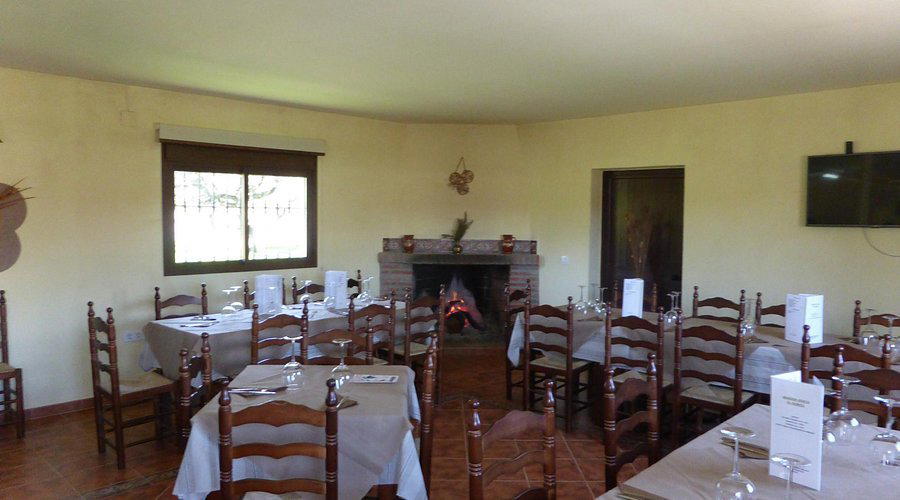
Hotels in Quintana de los Prados
Browse all →
At a Glance
- Rustic
- Cozy
- Intimate
- Date Night
- Family
- Special Occasion
- Garden
- Local Sourcing
- Garden
Current opening hours
- Monday
- Closed
- Tuesday
- Closed
- Wednesday
- Closed
- Thursday
- Closed
- Friday
- 1:30–3 PM, 9–10 PM
- Saturday
- 1:30–3 PM, 9–10 PM
- Sunday
- 1:30–3 PM
Hours can change for holidays and private events. Last verified .
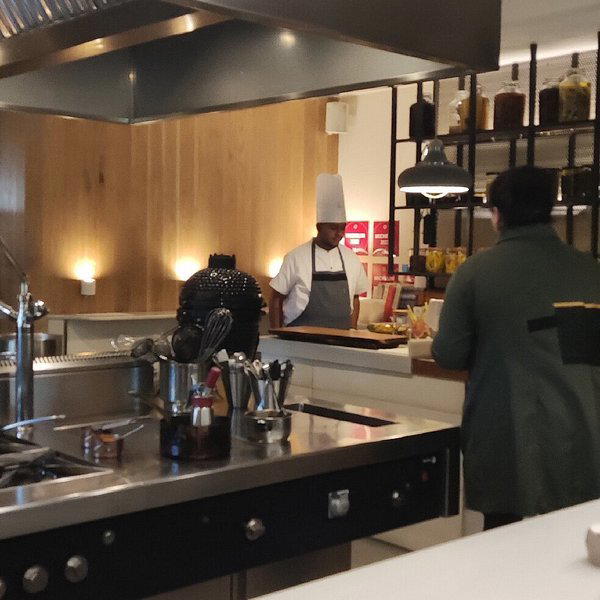
Cozy and welcoming rustic interior with meticulous details, soft ambient music, well-spaced tables fostering tranquility and intimacy.