El Paladar De Zuriñe García

Portugalete’s riverfront dining culture sits between Bilbao’s urban pull and Bizkaia’s product-led cooking, and El Paladar De Zuriñe García belongs to the serious end of that conversation. Its 1 Sol recognition from Guía Repsol 2026 places it among Spanish restaurants where sourcing, restraint, and regional identity carry more weight than spectacle.
Pearl is the En Primeur Club membership app — saves, bookings, and concierge access live there. Same editors, same standards.
- Address
- Maria Diaz de Haro K., 2, 48920 Portugalete, Bizkaia, Spain
 Saves & bookings on Pearl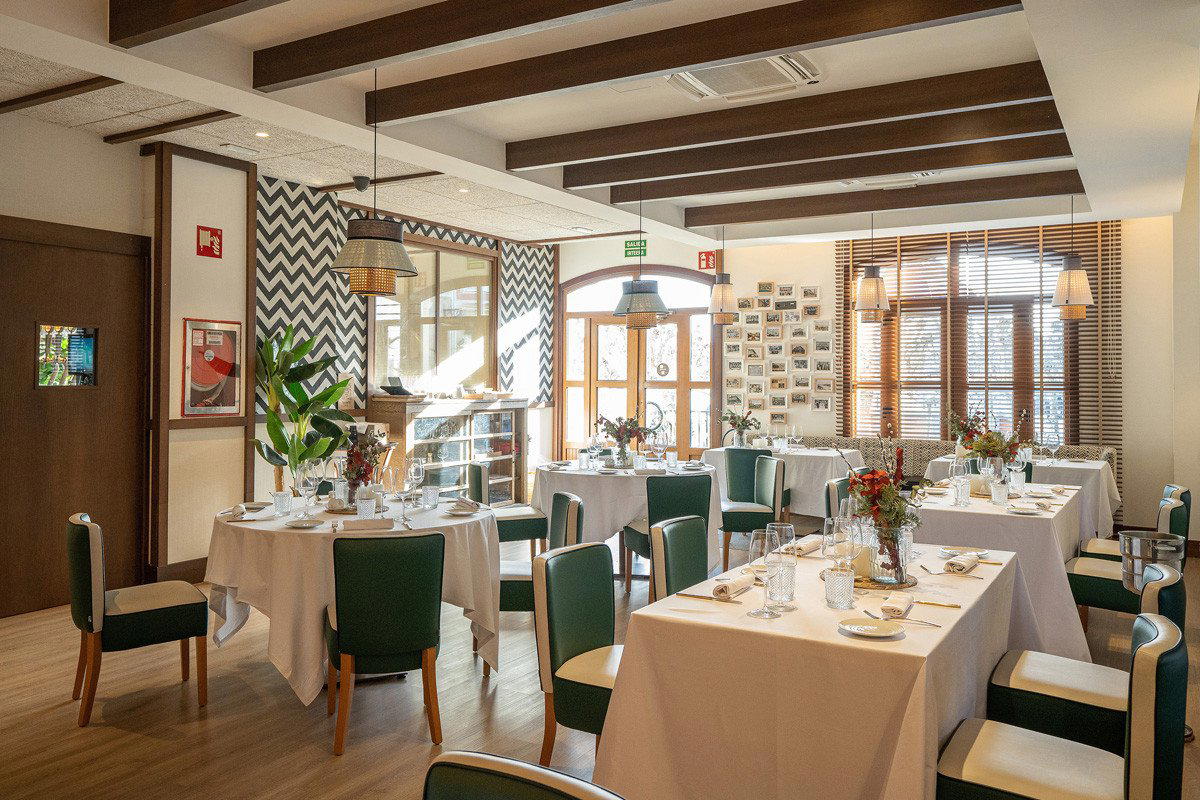
Approaching Portugalete, the mood is set less by dining-room theatre than by the Nervión estuary, Bizkaia’s working texture, and the pull of Bilbao upstream. This is not a town built around destination tasting-menu traffic; its dining identity is tied to local appetite, Atlantic produce, and the Basque habit of treating lunch as a serious civic act. El Paladar De Zuriñe García belongs to a smaller category: restaurants outside the obvious capital-city circuit that earn attention by letting ingredient quality and regional fluency do the work.
Guía Repsol’s 2026 award of 1 Sol gives Portugalete a marker beyond neighbourhood loyalty. Spain’s dining map is crowded with polished rooms in Madrid, Barcelona, San Sebastián, and Bilbao; a Sol in a smaller municipality signals cooking defined enough for a national field. For readers comparing local restaurants, the question is not whether this is a grand occasion room, but whether the kitchen frames Bizkaia’s product culture clearly enough to justify leaving the larger city orbit. The award suggests it does.
Bizkaia produce without capital-city overstatement
Ingredient sourcing is the natural lens here. Basque cooking is shaped by proximity: Cantabrian fish, market vegetables, dairy, beans, peppers, and the inland-meets-coast rhythm that distinguishes Bizkaia from more theatrical restaurant regions. In Portugalete, that relationship feels less abstract than in tourist-heavy dining districts. The town’s scale keeps expectations grounded, an advantage for a kitchen asking product rather than performance to carry the meal.
That distinction matters in northern Spain. The region’s restaurant culture has two visible tracks: high-concept tasting formats for international diners, and product-led houses where technique is present but not the headline. El Paladar De Zuriñe García sits closer to the second. Public signals point to a restaurant judged for execution and coherence rather than a heavily publicized chef narrative. That is often where Basque dining is strongest: seafood handled with discipline, vegetables treated as more than garnish, sauces used for structure rather than decoration, and portions calibrated for eating rather than photographing.
Portugalete also reframes value. In Bilbao, recognition can fold into a city break shaped by Guggenheim traffic and hotel demand. Across the estuary, the meal must stand on its own. That pressures sourcing and consistency: a restaurant cannot lean on location, room design, or tourism momentum; it has to satisfy local and regional diners who know the difference between competent Basque cooking and cooking with a point of view.
A serious table in a smaller dining circuit
The comparison set is revealing. Within northern Spain, traditional cuisine rooms such as 1860 Tradición in Elciego and urban Basque references such as 144. in Vitoria-Gasteiz show how regional cooking moves between heritage and contemporary polish. Portugalete’s version is more compact and less loudly positioned, which makes the Repsol signal useful: it separates serious cooking from ordinary local convenience.
Spain’s broader restaurant field clarifies that signal. A diner moving from tapas-driven formats such as 12 Tapas in Castilleja de la Cuesta to coastal or island rooms such as 1742 in Ibiza, 365 in Pollença, or 1890 La Bodeguita in Las Palmas de Gran Canaria crosses different regional food grammars. Basque cooking asks for another attention: less heat and spectacle, more stock, timing, fish handling, and the discipline of buying well.
That is why the Portugalete address belongs in a Bilbao-area planning conversation rather than as a footnote. Nearby comparables show the range: Delaunay Restaurant and Tamarises Izarra sit outside the immediate metro frame, while Iwasaki represents a Japanese kaiseki register, Waman a Peruvian one, and San Mamés Jatetxea a higher-priced traditional-cuisine bracket. Against that spread, El Paladar De Zuriñe García is best understood as a regional Spanish table with national recognition, not a global-format restaurant importing a foreign template.
For a Spain itinerary, the point is not to treat every recognized restaurant as interchangeable. "B de J" in Madrid, 1881 per Sagardi in Barcelona, 1928 in Canfranc-Estación, and 2 Estaciones in València each belong to different city economies and dining habits. Portugalete adds another reading: a smaller estuary town where award recognition must be earned through the plate, not metropolitan visibility.
How to place it in a Portugalete trip
Portugalete rewards a slower food itinerary than Bilbao’s denser restaurant circuit. Its appeal is partly structural: the estuary, Bizkaia’s everyday rhythm, and a dining culture that still gives midday meals weight. For readers using the restaurant as an anchor, the stronger plan is regional. The full Portugalete restaurants guide gives the local dining frame, while the Portugalete hotels guide, Portugalete bars guide, Portugalete wineries guide, and Portugalete experiences guide help separate a quick meal stop from a fuller estuary stay.
There is also a naming wrinkle for planning: EP Club separately lists El Paladar by Zuriñe García (Basque), pointing to the same Portugalete dining conversation through a Basque-language naming form. That matters in this part of Spain, where language, place, and food identity are tightly linked rather than decorative.
The editorial case is concise: Portugalete is not trying to compete with Bilbao on volume, and this restaurant does not need that frame. Its relevance comes from a 2026 Guía Repsol 1 Sol and its position inside Bizkaia’s product-first tradition. For diners who care where Spanish cooking comes from, not only how it is staged, that is the useful distinction.
For wider comparison outside Spain, Japanese-leaning formats such as Jōdo Saké Bar in Los Angeles and Onigiri Time in Pasadena show how ingredient specificity can define a restaurant in another register. The Portugalete lesson is different but related: when the sourcing culture is strong, the room does not need to shout.
Fast Comparison
Comparable venues by cuisine and price in the same metro.
| Venue | Cuisine | Price | Awards | Notes |
|---|---|---|---|---|
| El Paladar De Zuriñe GarcíaThis venue — the venue you are viewing | Contemporary Basque Fine Dining | $$$ | Not listed | Not listed |
| El Paladar by Zuriñe García | Traditional Basque Fine Dining | $$$ | Michelin Plate | Portugalete |
| Yakitxori | Traditional Basque Yakitori | $$$ | Not listed | Biscay |
| Aleño Brassafina | Modern Spanish grill & charcuterie | $$$ | Not listed | Pozuelo de Alarcón |
| Casa Cámara | Traditional Basque seafood restaurant | $$$ | Not listed | Pasai Donibane |
| Casa Garras | Seasonal Basque fine dining | $$$ | Not listed | Barrio Concha |
Recognition history
Dated appearances from independent guides and award organizations, with the underlying list record or original source where available.
Guía Repsol 1 Sol
Guía Repsol
Continue exploring
More in Portugalete
Restaurants in Portugalete
Browse all →
Bars in Portugalete
Browse all →
At a Glance
- Elegant
- Romantic
- Cozy
- Classic
- Intimate
- Special Occasion
- Date Night
- Business Dinner
- Group Dining
- Waterfront
- Wine Cellar
- Design Destination
- Hotel Restaurant
- Standalone
- Extensive Wine List
- Sommelier Led
- Local Sourcing
- Waterfront
Current opening hours
- Monday
- 1:30–4 PM
- Tuesday
- Closed
- Wednesday
- Closed
- Thursday
- 1:30–4 PM
- Friday
- 1:30–4 PM, 8–10:30 PM
- Saturday
- 1:30–4 PM, 8–10:30 PM
- Sunday
- 1:30–4 PM
Hours can change for holidays and private events. Last verified .
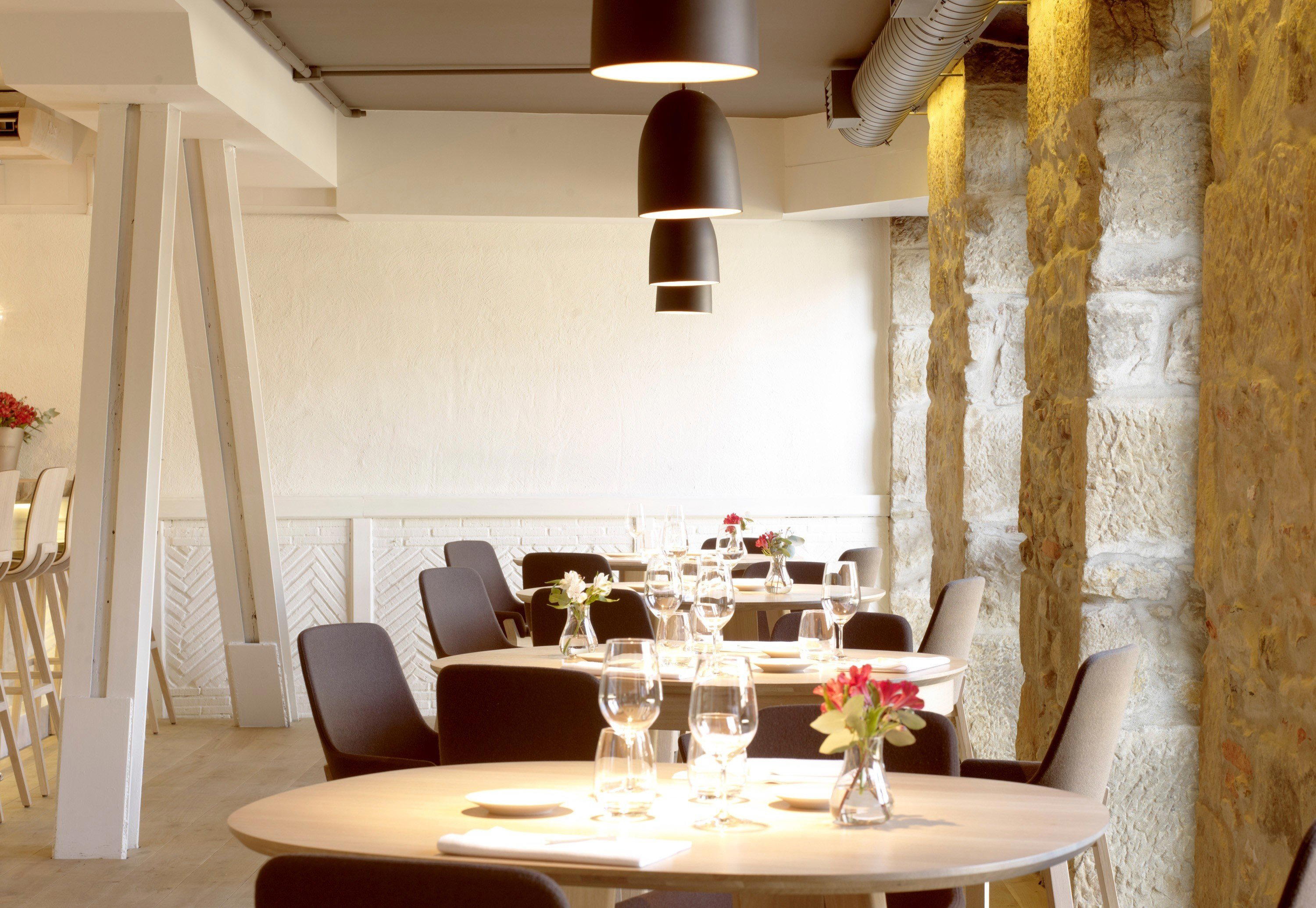
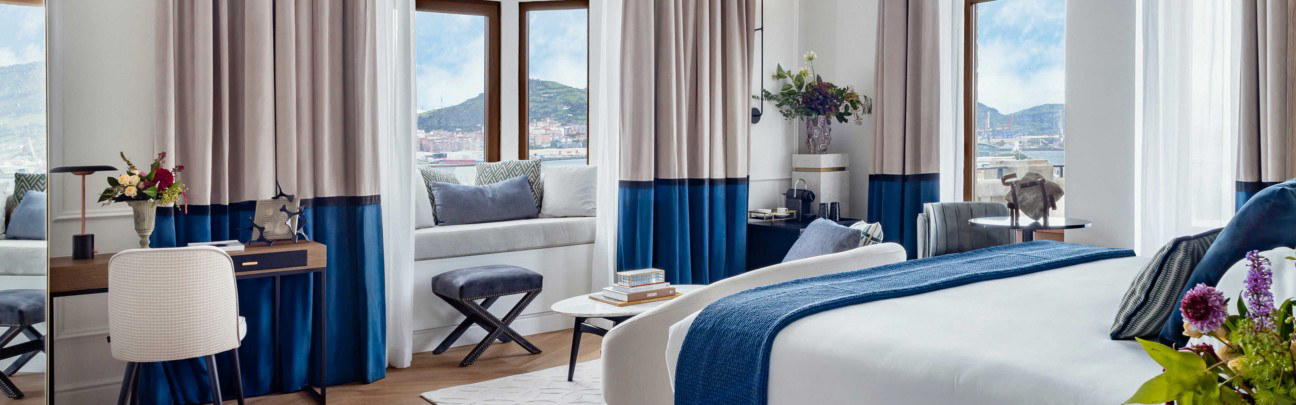
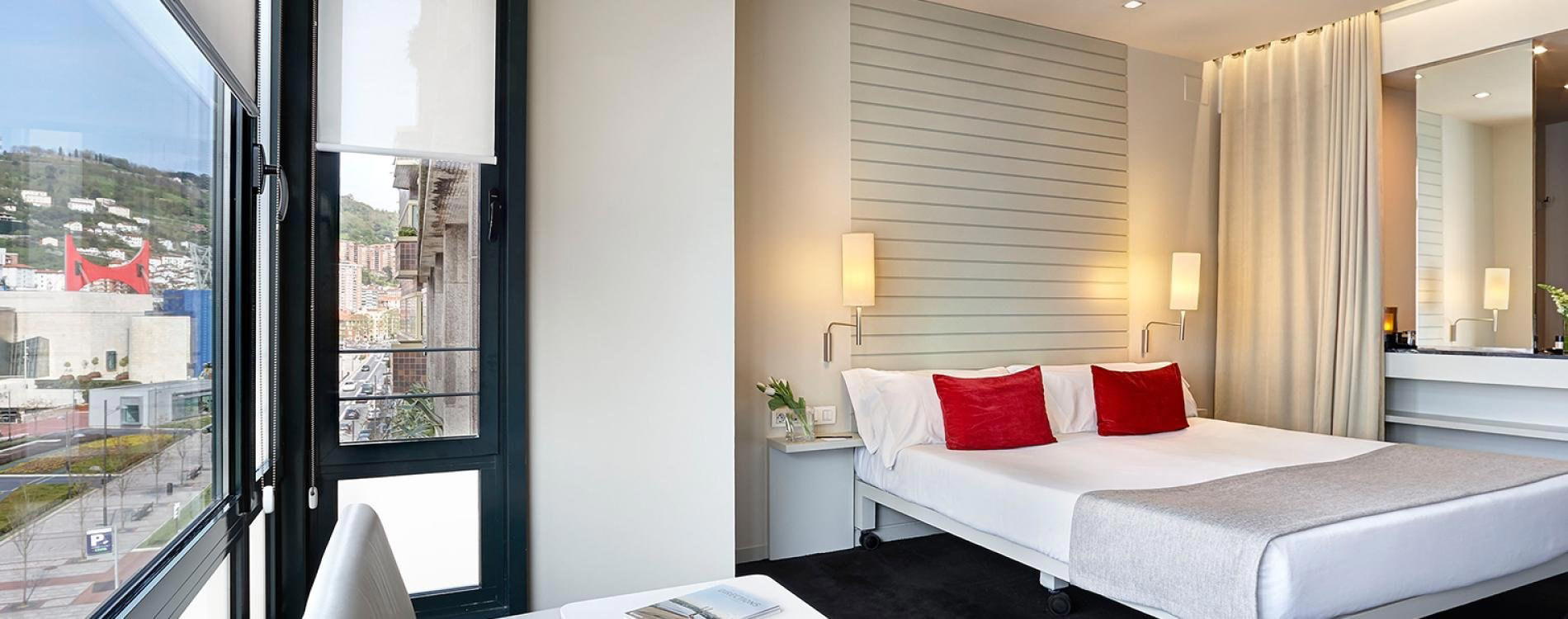
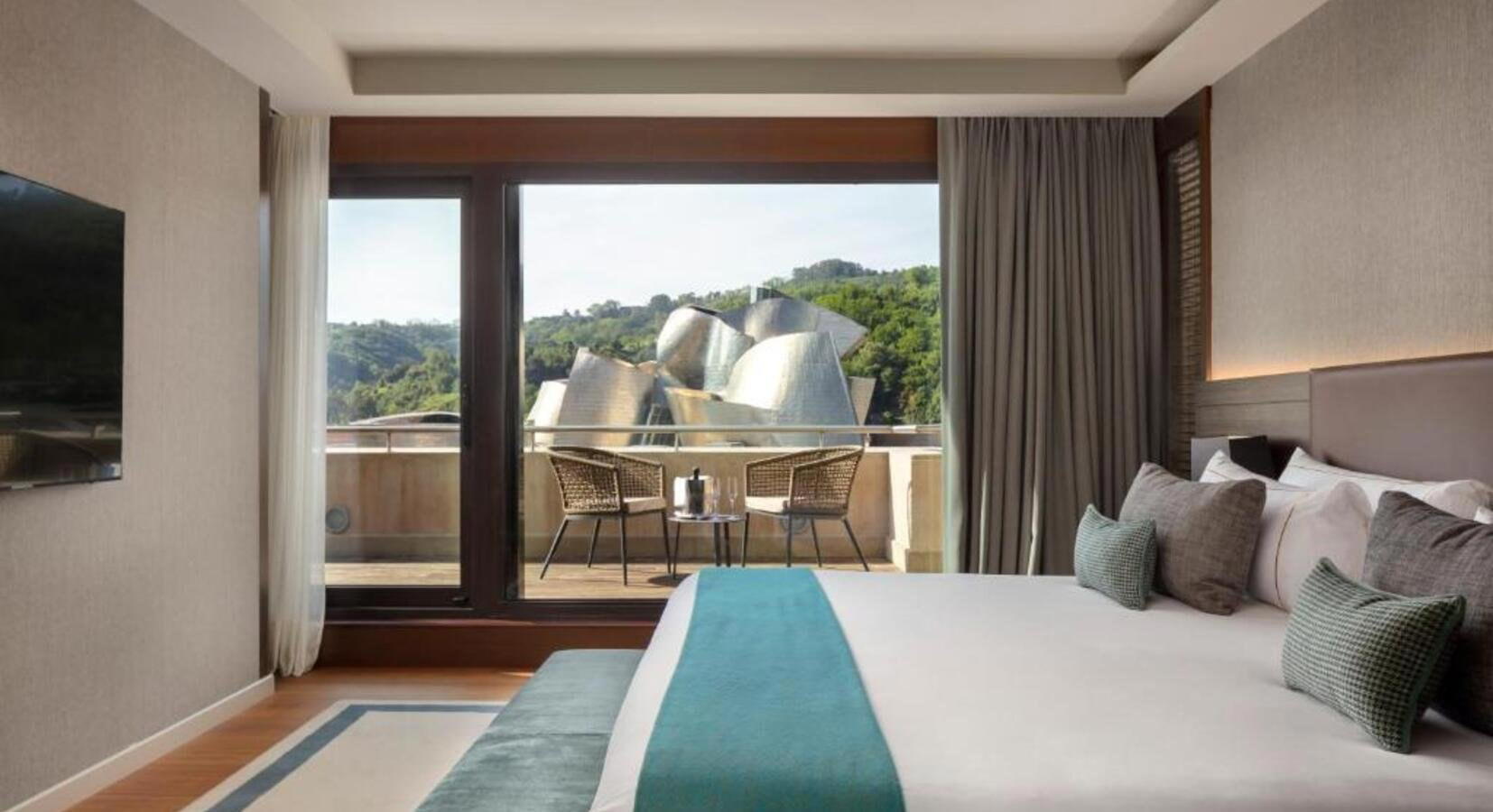
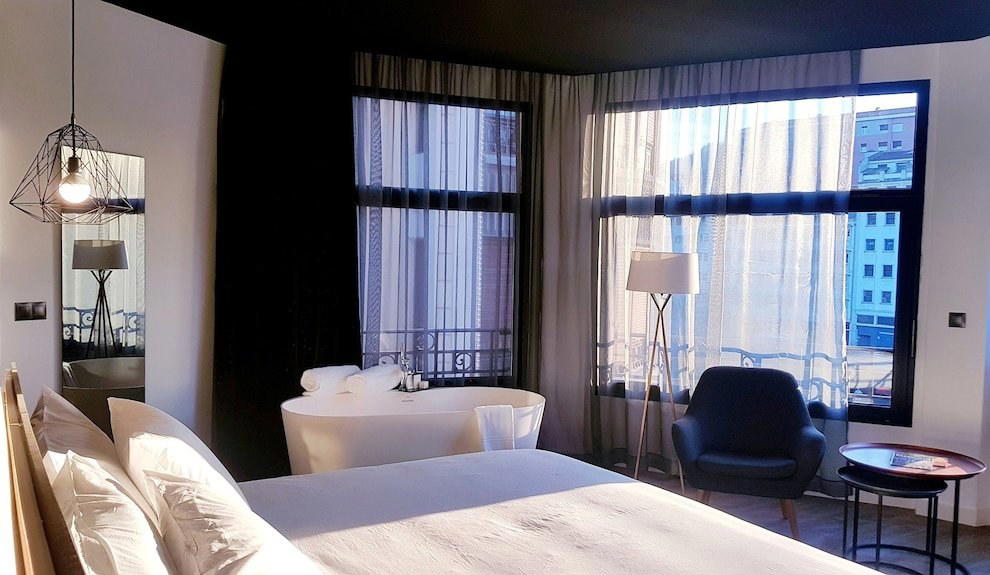
An intimate, elegant dining room within a restored colonial‑style boutique hotel, with soft lighting, white‑tablecloth formality, and views over the Nervión estuary that create a calm, romantic setting for lingering lunches and dinners.