Our verdict
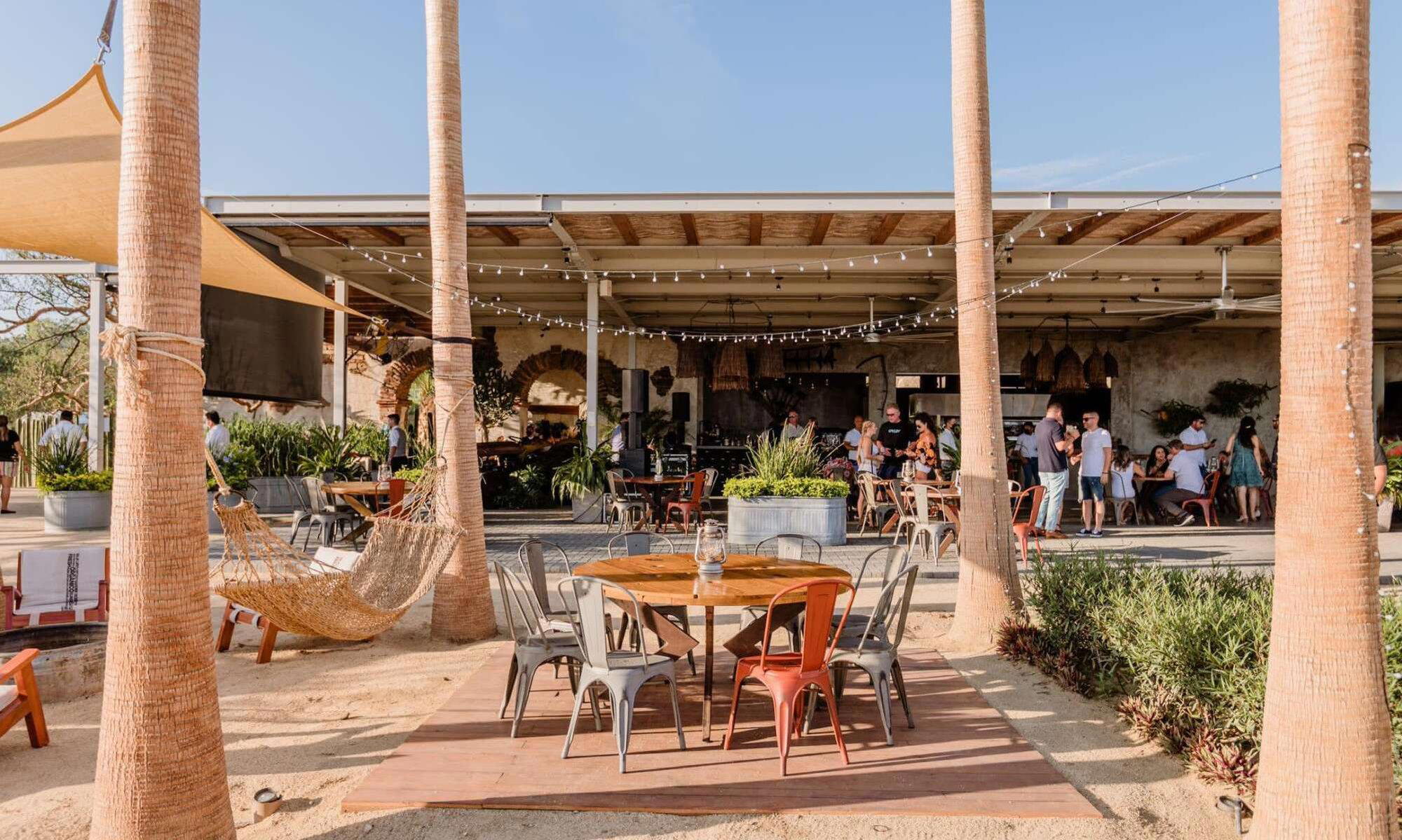
Positioned on a working ranch outside Cabo San Lucas, El Huerto Farm to Table brings the farm-to-fork format that has reshaped Mexican fine dining into the arid Baja landscape. The setting and sourcing model place it in a distinct tier from Los Cabos resort dining, offering a slower, more deliberate meal rhythm anchored to seasonal produce grown on-site or nearby.

Pearl is the En Primeur Club membership app — saves, bookings, and concierge access live there. Same editors, same standards.
- Address
- Calle Sin Nombre SN, Rancho San Angel, 23454 Cabo San Lucas, B.C.S., Mexico
- Phone
- +526242119476
- Hours
- Mon ClosedTue–Sun 8 AM–12:30 PM, 5:30–9:30 PM
- Website
- elhuertorestaurant.com
- Directions
- Get directions
- Booking
- Book on OpenTable
The menu
What to order
- Kurobuta pork chop
- Heirloom tomato salad
- Wood-fired pizzas
Baja's Farm Table Tradition, Planted in the Desert
The farm-to-table format arrived in Mexico's fine dining scene not through a single moment but through a slow shift in priorities. Restaurants like Animalón in Valle de Guadalupe and Olivea Farm to Table in Ensenada helped establish the template across Baja California: a meal that begins in or adjacent to cultivated land, where the distance between harvest and plate is measured in steps rather than supply chain links. El Huerto Farm to Table, set at Rancho San Angel outside Cabo San Lucas, applies that same logic to the southern peninsula's drier, more dramatic terrain. Where northern Baja has vineyards and Mediterranean-adjacent growing conditions, Los Cabos operates in a harsher microclimate, which makes the commitment to working within local produce cycles a more deliberate editorial choice on the part of any kitchen.
Mexico's broader turn toward sourcing-led dining has its reference points further afield. Pujol in Mexico City made ingredient provenance central to the modern Mexican conversation. Alcalde in Guadalajara and KOLI Cocina de Origen in Monterrey followed in their respective cities with menus that treat regional produce as both ingredient and argument. What El Huerto represents at the Los Cabos end of this conversation is a format that prioritises place over spectacle, at a destination more commonly associated with resort buffets and poolside tasting menus.
The Ritual of a Ranch Meal
The pacing of a meal at a working-farm restaurant differs structurally from urban fine dining. There is typically no pre-arrival cocktail lounge, no theatric amuse-bouche sequence timed to a watch. The rhythm here is set by the environment: the slow light, the outdoor setting, the sense that what arrives on the table grew within the same sight lines. That pacing is itself part of the format's proposition, and El Huerto's location at Rancho San Angel makes it a physical embodiment of that logic.
In the farm-to-table tradition that has taken hold across Mexico's culinary regions, from Levadura de Olla Restaurante in Oaxaca to Lunario in El Porvenir, the ritual of the meal is inseparable from the setting. Guests arrive knowing the format will dictate a slower tempo. Dishes arrive when they are ready, not when a service choreographer signals. The table is held for the full experience rather than managed toward a turn. These are the conventions of the category, and they signal to diners that the kitchen operates on its own terms rather than to the conventions of resort hospitality.
For visitors arriving from Los Cabos's hotel corridor, the shift in register is noticeable. The dining rooms and terraces of venues like Ardea Steakhouse, Agua, and ANICA operate within the polished rhythms of hotel hospitality. El Huerto steps outside that register entirely, toward a format where the environment is not controlled and curated but present and legible.
Sourcing as Editorial Position
Across Mexico's high-attention dining circuit, the sourcing narrative has moved from marketing footnote to central premise. HA' in Playa del Carmen builds its format around coastal and cenote-adjacent ingredients. Le Chique in Puerto Morelos approaches Mexican ingredients through a technical lens. Pangea in San Pedro Garza Garcia uses regional sourcing as the anchor for a menu that speaks to northern Mexico's food culture.
At El Huerto, the sourcing argument is spatial. A ranch setting is not a design choice or a visual backdrop; it is a declaration that the produce arriving on the plate has a specific and verifiable origin. In a destination where much of the premium restaurant supply chain originates far from the Baja peninsula, that geographic specificity carries weight. The farm-to-table format, at its most rigorous, requires a kitchen to work within seasonal availability rather than engineer menus around consistent supply. Whether the kitchen at El Huerto holds to that discipline is something only diners who visit during different seasons can fully assess, but the category commitment positions the restaurant at a different point on the Los Cabos spectrum than venues focused on imported ingredients or hotel-standard consistency.
Los Cabos in Context
Los Cabos has, over the past decade, developed a restaurant scene that extends well beyond its resort infrastructure. Venues like Alebrije and Bella California contribute to a broader offer that spans regional Mexican, contemporary Baja, and international formats. The destination's dining identity is no longer defined solely by proximity to the ocean and access to imported wine lists. A category like farm-to-table, which requires land, relationships with local growers, and a kitchen willing to work with what the season offers, is a harder proposition to sustain in Los Cabos than in, say, Valle de Guadalupe, where wineries and farms exist in close proximity. That difficulty is part of what gives the format its credibility when it works.
Diners planning a broader Los Cabos eating itinerary should consult our full Los Cabos restaurants guide to map El Huerto against the city's other dining formats and price tiers. As a comparison point internationally, the farm-anchored dining ritual has its most refined expressions at venues like Le Bernardin in New York City and Atomix in New York City, where sourcing discipline and tasting format converge at a high level of precision. El Huerto operates in a different register, at a different price point, and in a setting where the raw environment is the primary architectural element.
Planning a Visit
El Huerto is located at Rancho San Angel on the outskirts of Cabo San Lucas, set away from the tourist corridor and requiring transport by car or arranged transfer. The ranch address places it outside walking distance of any hotel zone, which means arrival requires planning. Given the format and the setting, a visit works well as the main event of an afternoon or evening rather than as a stop in a busier day itinerary. The slower dining rhythm of the farm-to-table format is better suited to guests who have built time around the meal rather than those working to a tight schedule. Booking ahead is advisable, particularly during the high winter season from November through March when Los Cabos sees its highest visitor volume.
Frequently asked questions
Where is El Huerto Farm to Table located?
El Huerto Farm to Table is located at Calle Sin Nombre SN, Rancho San Angel, 23454 Cabo San Lucas, B.C.S. Mexico, Los Cabos.
How do I get to El Huerto Farm to Table at Rancho San Angel from central Los Cabos?
El Huerto is located at Calle Sin Nombre SN, Rancho San Angel, on the outskirts of Cabo San Lucas, away from the main hotel and restaurant corridor. The address is not served by walkable routes, so a rental car or arranged transport is required. Factor in travel time when planning your reservation, particularly for evening sittings in an area without abundant taxi infrastructure.
What should I order at El Huerto Farm to Table?
El Huerto operates from a working-farm premise at Rancho San Angel, which means the menu follows what the land is producing at the time of your visit rather than a fixed list. Dishes reflect Baja's growing seasons and the ranch's own harvest. Ask the kitchen what arrived that day — that question will get you further than any printed menu.
Should I book El Huerto Farm to Table in advance?
El Huerto sits outside the main Cabo San Lucas tourist corridor at Rancho San Angel, which limits walk-in traffic but also limits seating. Farm-format restaurants in this category typically run with small covers tied to the day's yield, so securing your reservation before arrival is the practical approach rather than an optional one.
What is El Huerto Farm to Table known for?
El Huerto is identified with its working-ranch setting at Rancho San Angel and a sourcing model where the ingredients come directly from the surrounding land. Within Los Cabos, that positions it apart from the resort-driven dining strip — the experience is structured around a ranch meal rather than a hotel restaurant format.
What if I have allergies at El Huerto Farm to Table?
Because the menu at a farm-driven kitchen like El Huerto changes with the harvest, there is no static dish list to cross-reference in advance. check the venue's official channels before your visit and state your allergies clearly — kitchens operating at this scale and format generally have more flexibility to accommodate than a high-volume resort dining room, but early communication is necessary.
Is El Huerto Farm to Table worth the price?
The value case rests on what that format delivers: produce sourced meters from the table and a pacing that urban dining rooms in Los Cabos cannot replicate.
Cuisine and Credentials
Comparable venues nearby, for context on price, style, and recognition.
| Venue | Cuisine | Price | Awards | Notes |
|---|---|---|---|---|
| El Huerto Farm to TableThis venue — the venue you are viewing | Mediterranean-Asian Farm-to-Table | $30–50 | Not listed | Not listed |
| Puerta Vieja | Traditional Mexican Seafood | $50–100 | Not listed | Cabo San Lucas |
| Café des Artistes Los Cabos | Mexican with French Influences | $100–150 | Wine Spectator Best of Award of Excellence | San José del Cabo |
| Mako Restaurant | Modern Mexican Seafood Grill | $50–100 | Not listed | Cabo San Lucas |
| Talay | Thai Street Food | $50–100 | Not listed | Cabo San Lucas |
| SEARED | Premium Wood-Fired Steakhouse | $200–300 | Not listed | San José del Cabo |
Continue exploring
More in Los Cabos
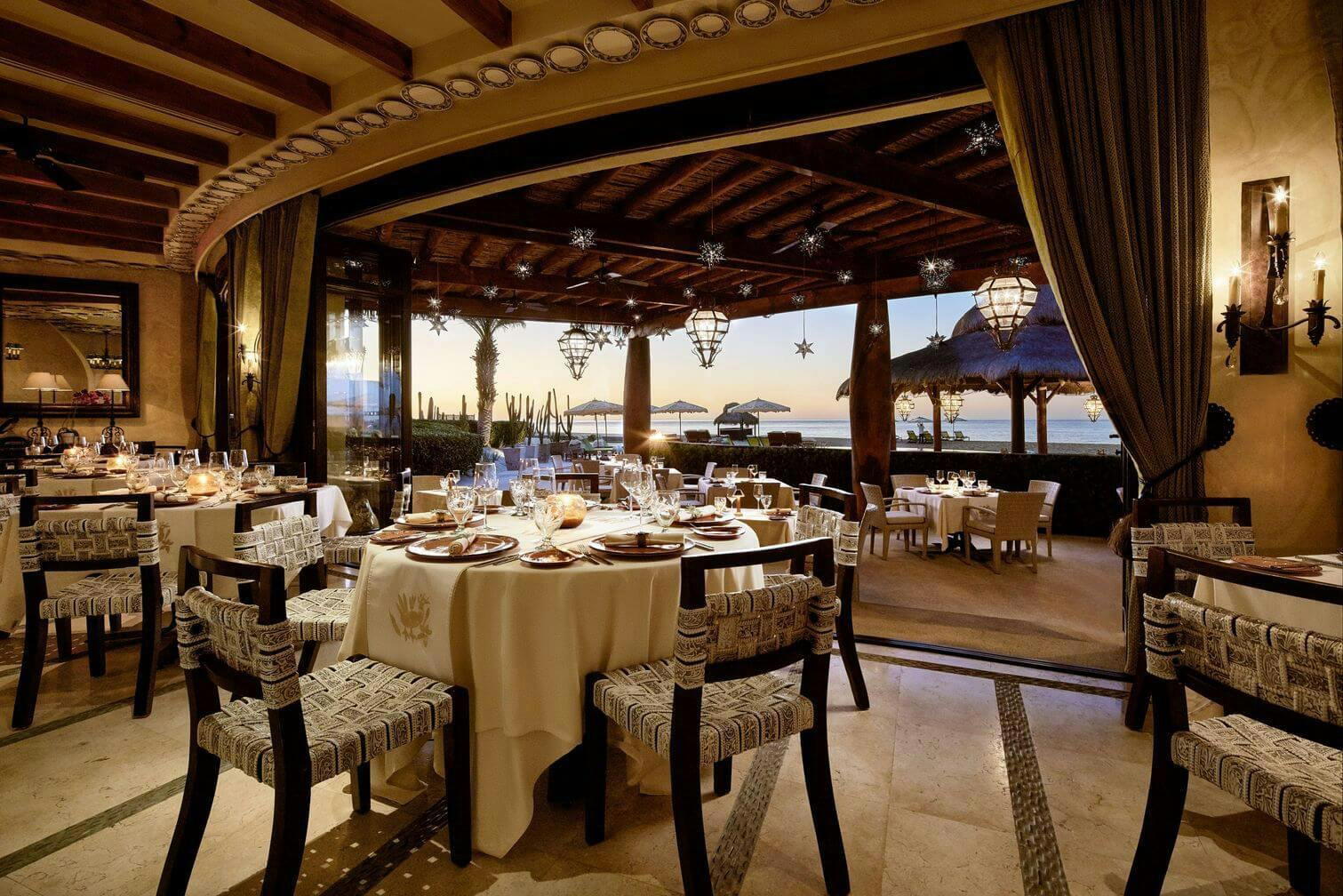
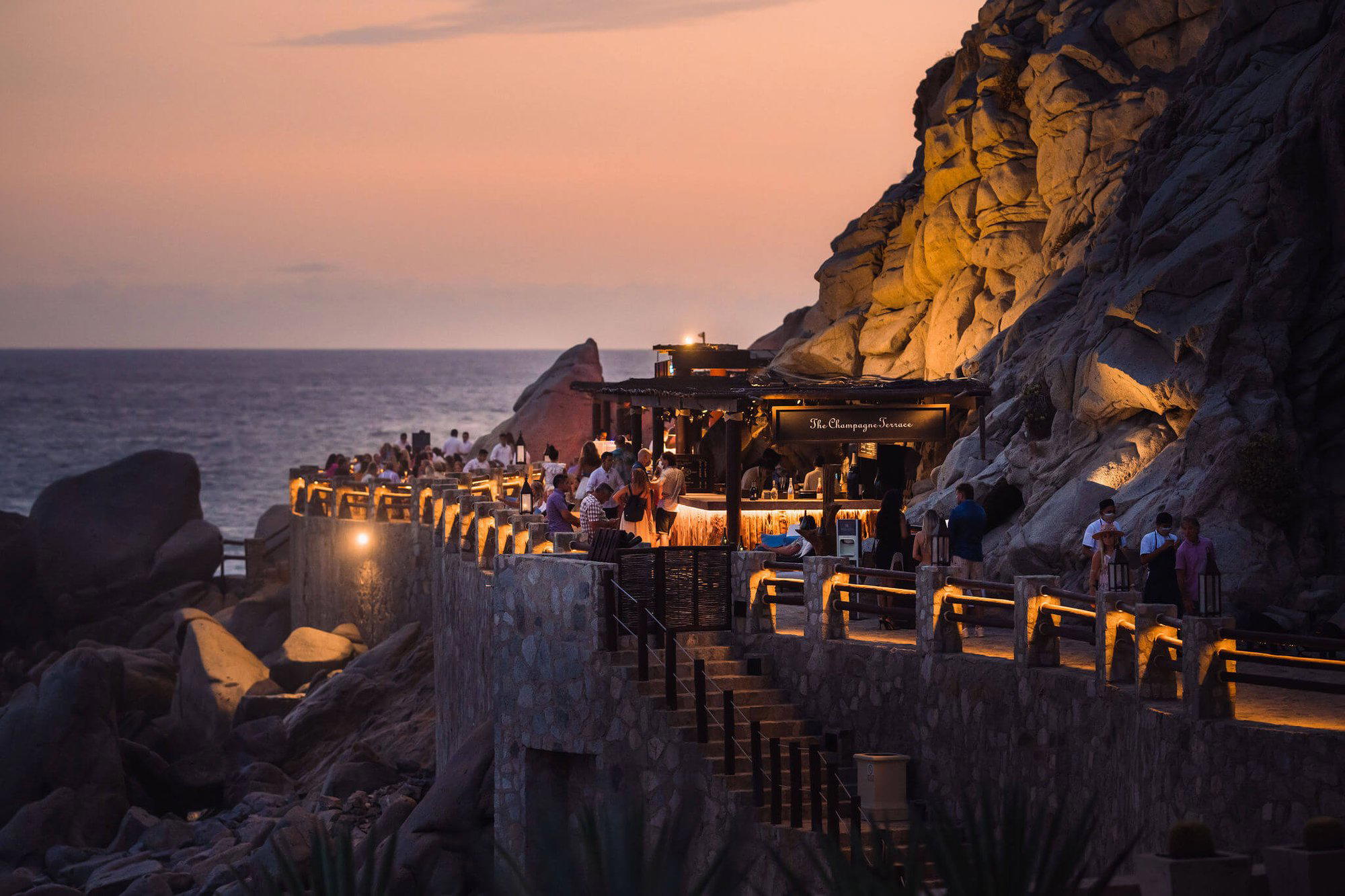
Restaurants in Los Cabos
Browse all →
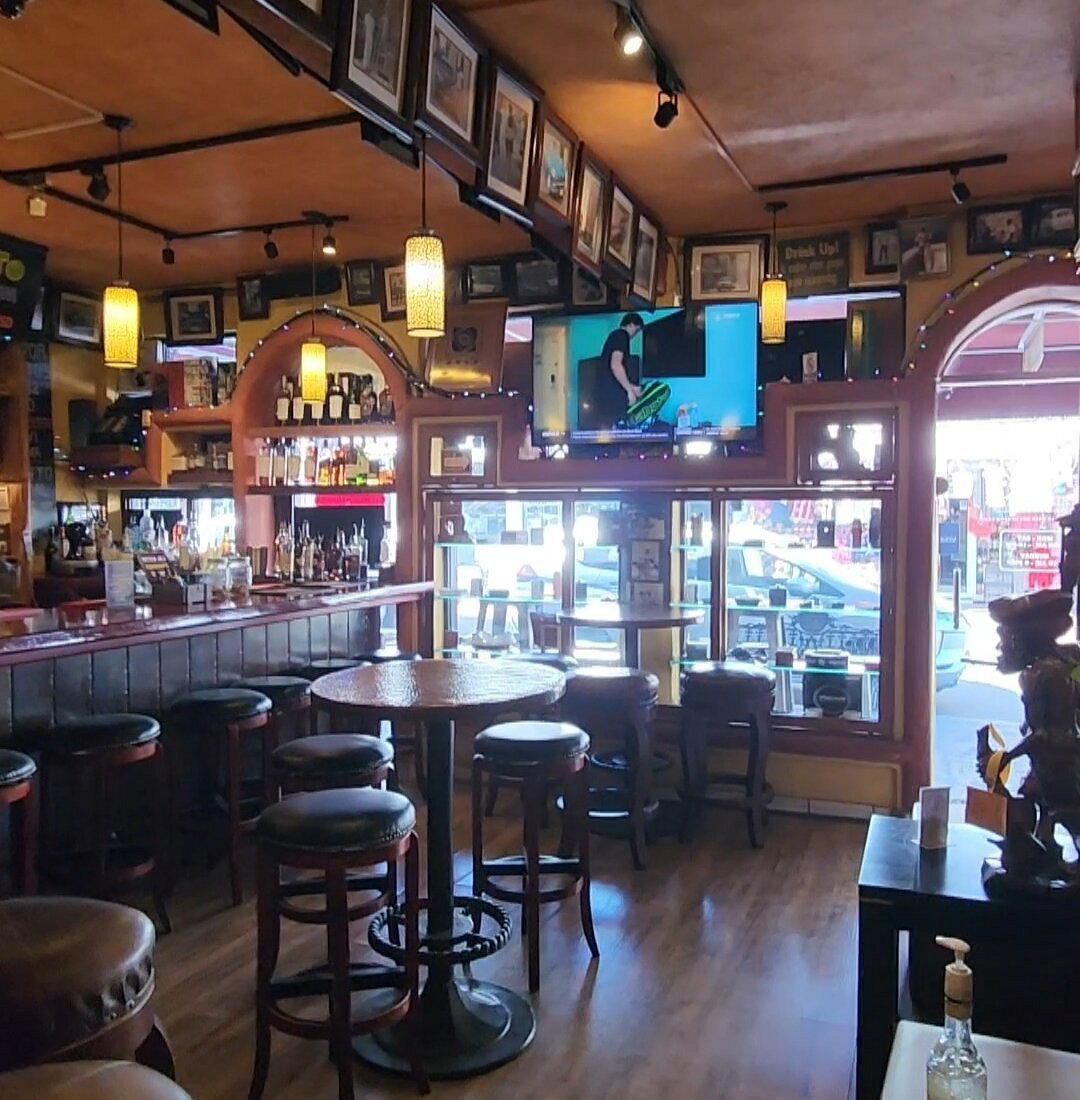
Bars in Los Cabos
Browse all →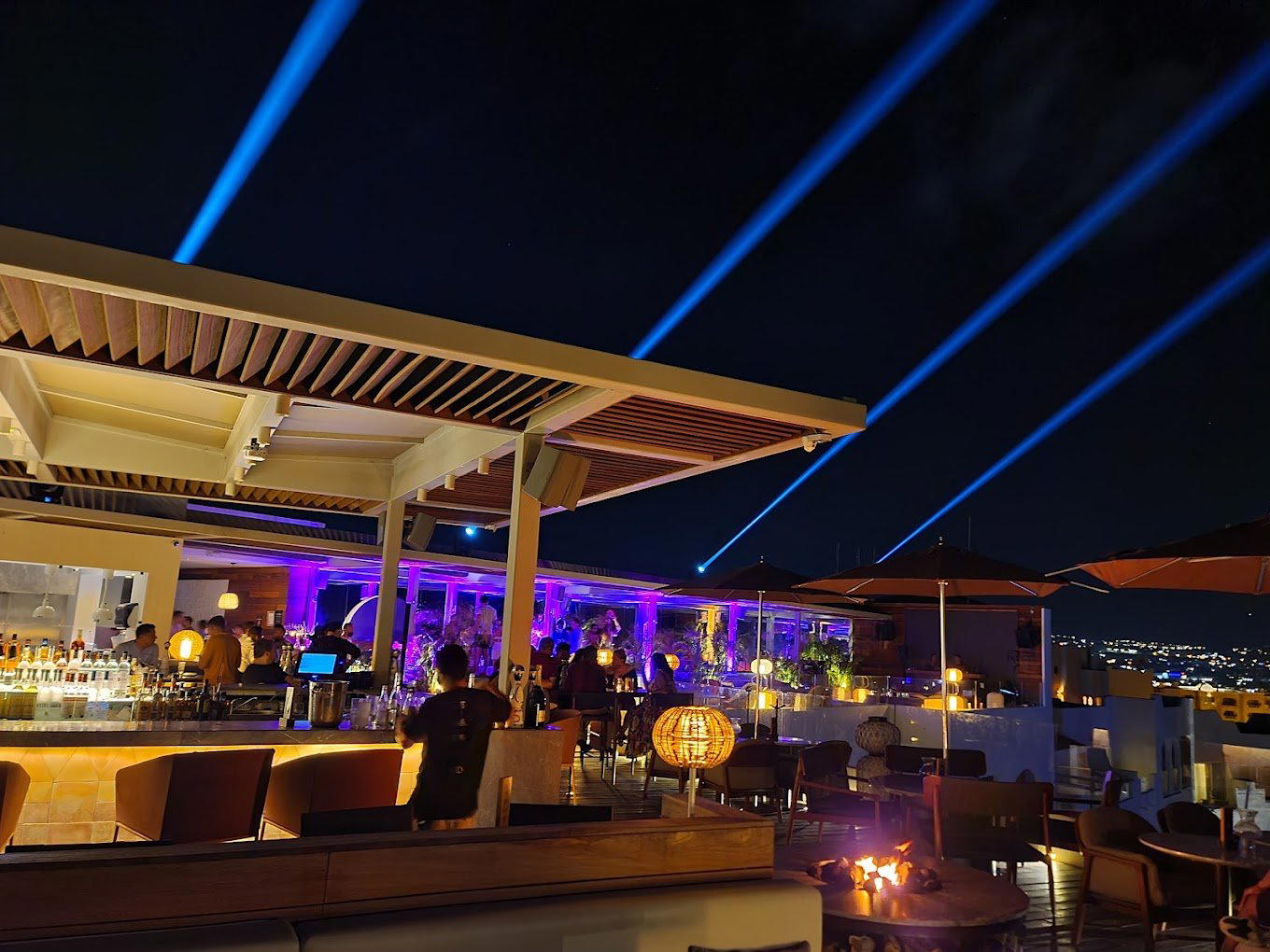


Details
- Rustic
- Romantic
- Cozy
- Scenic
- Elegant
- Date Night
- Family
- Brunch
- Special Occasion
- Garden
- Open Kitchen
- Terrace
- Extensive Wine List
- Craft Cocktails
- Farm To Table
- Organic
- Local Sourcing
- Garden
- A La Carte
- Vegetarian Friendly
- Vegan Options
- Gluten Free Options
Current opening hours
- Monday
- Closed
- Tuesday
- 8 AM–12:30 PM, 5:30–9:30 PM
- Wednesday
- 8 AM–12:30 PM, 5:30–9:30 PM
- Thursday
- 8 AM–12:30 PM, 5:30–9:30 PM
- Friday
- 8 AM–12:30 PM, 5:30–9:30 PM
- Saturday
- 8 AM–12:30 PM, 5:30–9:30 PM
- Sunday
- 8 AM–12:30 PM, 5:30–9:30 PM
Hours can change for holidays and private events. Last verified .
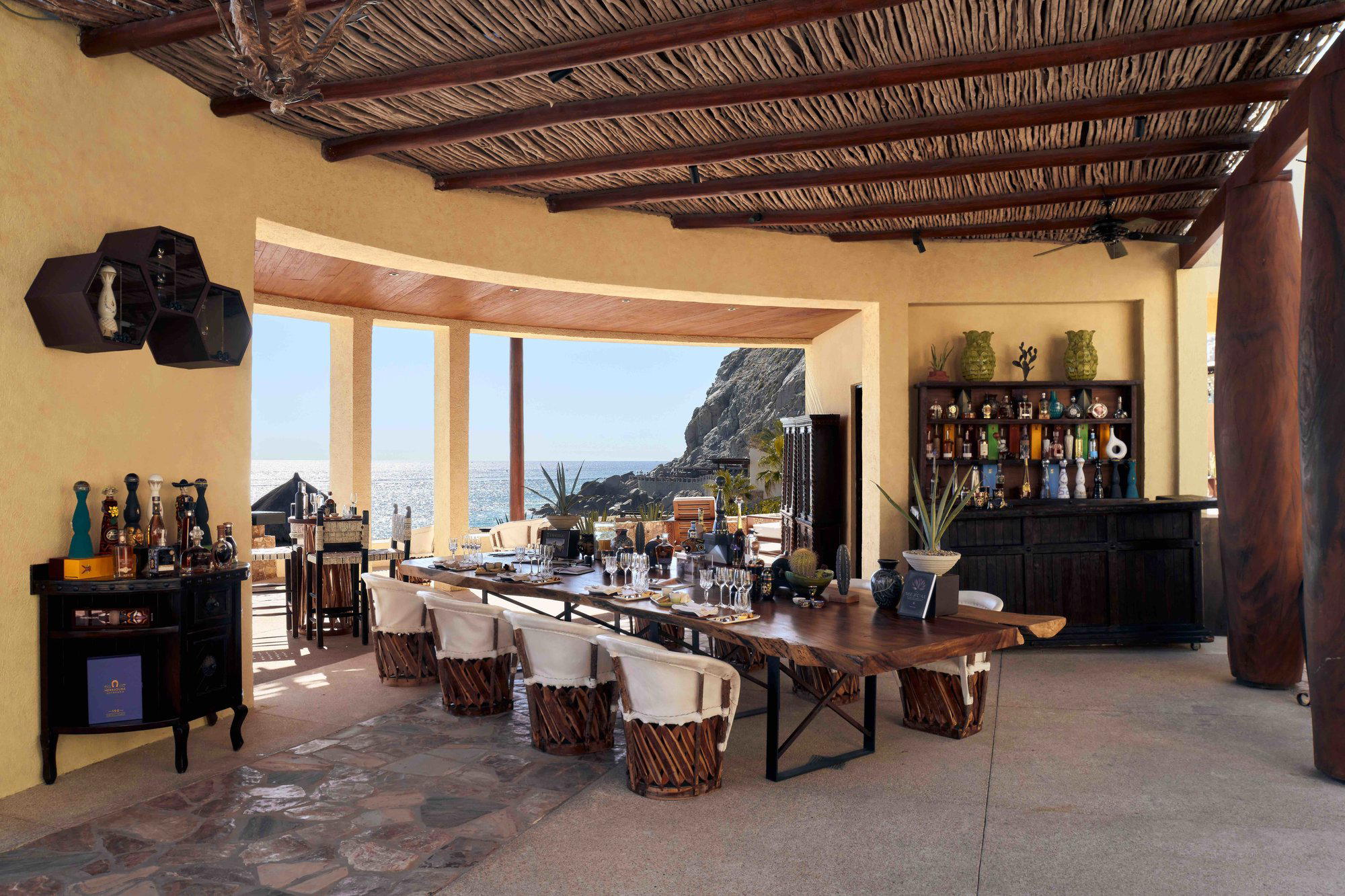
Magical hacienda-style setting with lush greenery, fruit trees, beautiful lighting, and a tranquil farm-like atmosphere.