El Hostal del Pericote


Michelin Plate · Macarfi 7.9 Food Rating
Our verdict
A colonial-meets-mountain manor house in the Cantabrian village of Oruña de Piélagos, El Hostal del Pericote serves à la carte dining built around premium aged beef, including Macharra-breed cuts and ox. The setting spans terraced gardens and a library-turned-dining room. Owner César shapes the experience at the table — his guidance on ordering is worth following.

Pearl is the En Primeur Club membership app — saves, bookings, and concierge access live there. Same editors, same standards.
- Address
- Bo. el Puente, 13, 39477 Oruña de Piélagos, Cantabria, Spain
- Phone
- +34 648 86 15 79
- Hours
- Mon ClosedTue–Thu 1–4 PMFri–Sat 1–4 PM, 8:30–11 PMSun 1–4:30 PM
- Directions
- Get directions
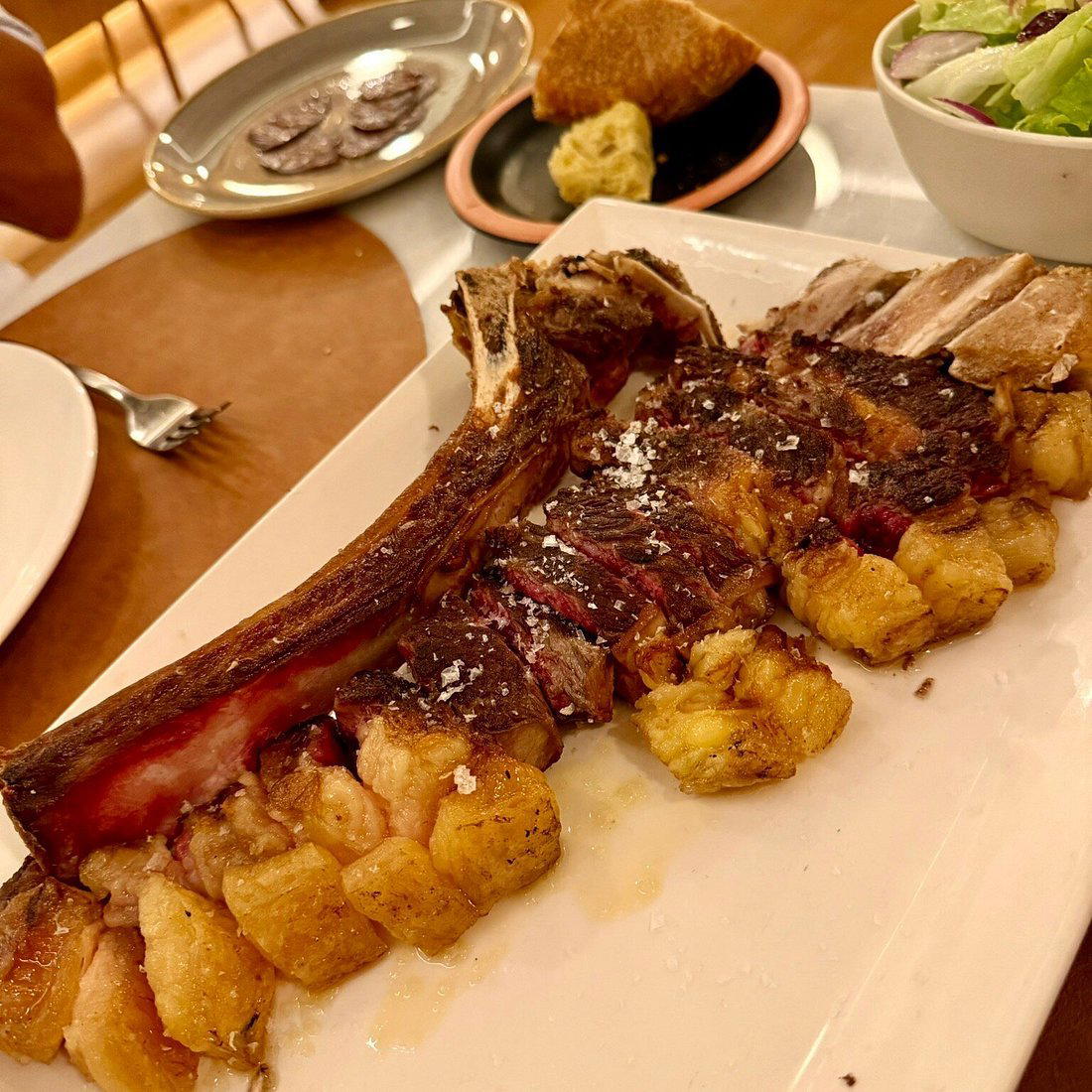
The menu
What to order
- Chuletón
- Entrecôte
- Mollejas
- Croquetas de Cecina
- Lomo Marinado
Stone Walls, Library Tables, and Cantabrian Beef Country
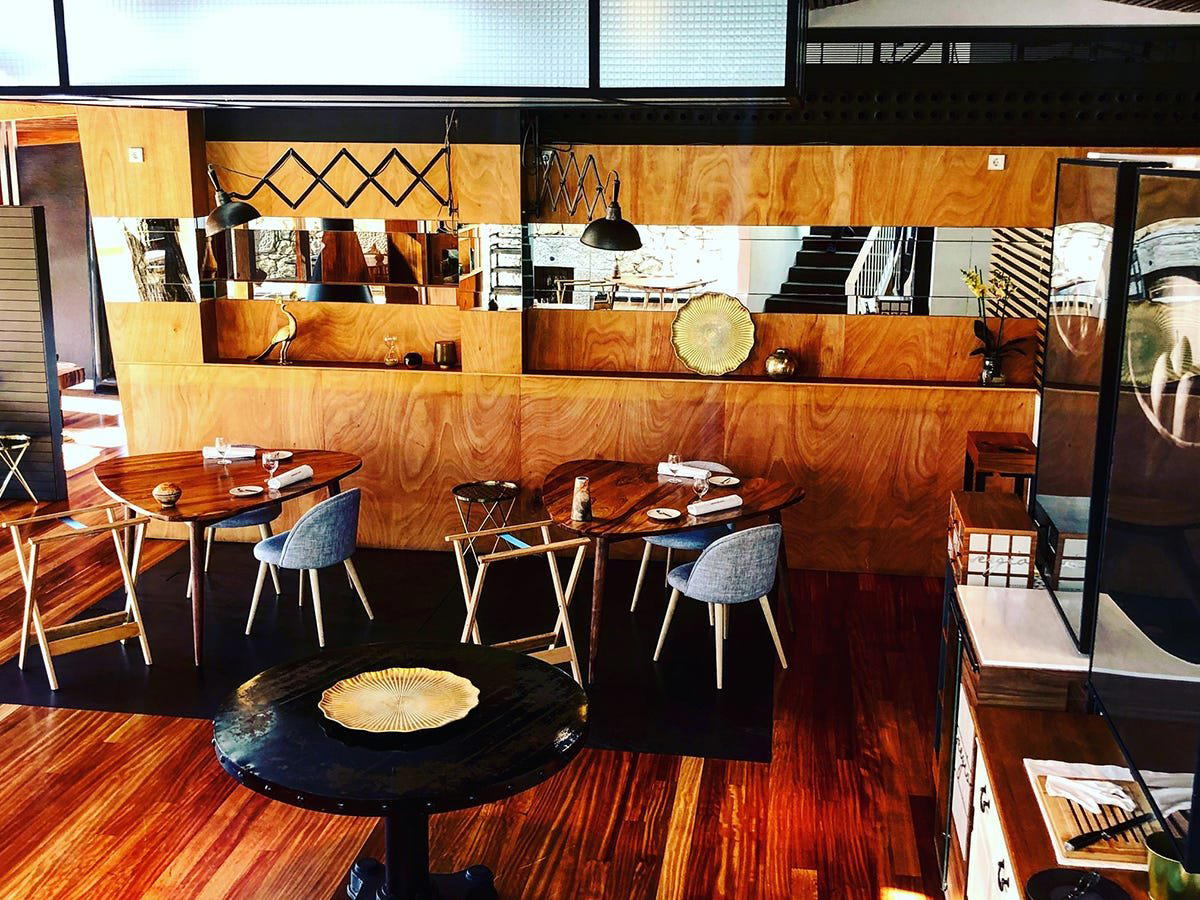
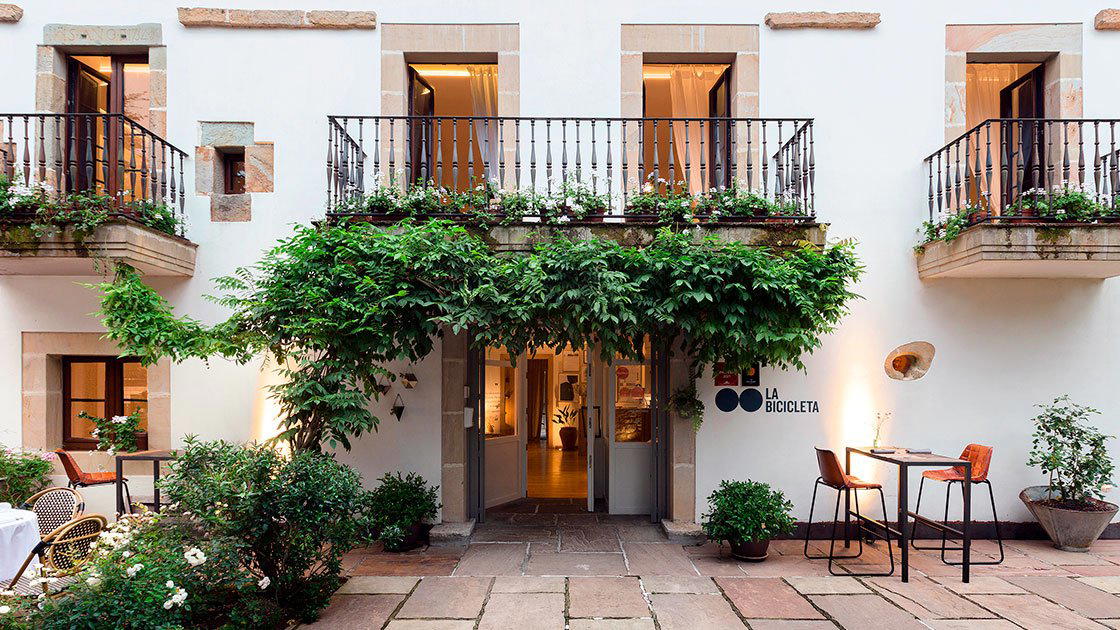
The road into Oruña de Piélagos passes through the kind of Cantabrian countryside that still orients itself around cattle rather than tourism. The village sits inland from the Cantabrian coast, folded into green hills where the climate and the terrain produce some of northern Spain's most serious beef. El Hostal del Pericote arrives at the end of that approach as a colonial-mountain hybrid — the kind of stone-and-timber property that looks as though it predates the question of architectural style. Wide terraces open to the grounds, and the interiors run to classically dressed dining rooms, one of which is housed inside what was once a library. That detail matters: rooms built for books rather than banquets tend toward a different register of quietude, and this one does not disappoint.
In the broader picture of dining across northern Spain, properties like this one occupy a distinct niche. The Michelin-starred circuit along the Basque coast and beyond — from Arzak in San Sebastián to Martin Berasategui in Lasarte-Oria or Mugaritz in Errenteria, commands attention for its technical ambition. El Hostal del Pericote is playing a different game entirely. This is a house rooted in the agricultural traditions of Cantabria, one where the sourcing of the main ingredient is the statement, and where a dining room inside a library signals that the experience is closer to visiting a private estate than to entering a restaurant in the conventional sense. For the full picture of what Oruña de Piélagos has to offer beyond this address, see our full Oruña de Piélagos restaurants guide.
Where the Beef Comes From, and Why That Is the Menu
Cantabria has a long-standing claim on premium beef, and the region's cattle culture predates any modern farm-to-table framing by several centuries. The wet Atlantic climate, the mountain pastures, and the tradition of slower-growing native breeds combine to produce beef with a depth of flavour and a fat structure that is rarely replicated in more industrialised systems. Within that tradition, aged beef has become the benchmark for serious carnivores across northern Spain: the long-matured cuts served at houses like this one are not a trend but an extension of an existing relationship between the land and the table.
El Hostal del Pericote's à la carte leans into this directly. The menu specialises in meat, with premium aged options including Macharra beef and ox as the headline cuts. Macharra is a locally recognised aged-beef designation that points to extended dry-ageing under controlled conditions, resulting in concentrate flavour and a texture that distinguishes it sharply from standard beef. Ox, which requires longer rearing timelines and produces larger, more intensely flavoured cuts, is among the rarer proteins on Cantabrian menus, its appearance here is a meaningful signal about the kitchen's commitment to sourcing at the upper end of the regional supply chain.
The comparison venues that serve as reference points in Spain's broader dining conversation, Aponiente in El Puerto de Santa María, Azurmendi in Larrabetzu, or El Celler de Can Roca in Girona, all operate with ingredient sourcing as a structural principle, even if their cuisines move in entirely different directions. El Hostal del Pericote's approach is less technically theatrical but no less ingredient-serious. The sourcing is the show.
The Setting as an Argument
Colonial architecture in northern Spain carries specific connotations. Properties built or styled in the colonial-mountain register typically draw on the wealth that returned from the Americas in the eighteenth and nineteenth centuries, mixing Iberian grandeur with Cantabrian solidity. The result, when handled well, produces spaces that feel neither museum-piece stiff nor artificially rustic, rather, they have the settled weight of a building that knows what it is. The terraces at El Hostal del Pericote extend the dining experience into the grounds, which in Cantabria's moderate Atlantic climate can mean comfortable outdoor tables for a longer stretch of the year than the latitude might suggest.
The library dining space rewards advance planning. If the room matters to you, and at a property like this, it should, it is worth noting the preference when making a reservation. There is no confirmation in the public record of exact seat counts or room allocation, but properties of this type typically run dining at a scale that makes communication with the house, ideally in advance, the sensible approach.
Spain's wider dining scene has pushed hard in the direction of avant-garde formats over the past two decades, with houses like DiverXO in Madrid, Quique Dacosta in Dénia, Cocina Hermanos Torres in Barcelona, and Ricard Camarena in València driving the technical and conceptual frontier forward. El Hostal del Pericote is not in dialogue with that movement. Its relationship is with tradition, with place, and with the specific agricultural heritage of a region that has been producing serious beef longer than most of those chefs have been cooking.
César and the Logic of Following His Advice
In the context of a meat-focused à la carte with premium aged cuts, that guidance carries genuine weight. Aged beef menus change with availability, the condition of specific cuts, the degree of ageing, and the particular characteristics of what arrived from the supplier that week are not static. An owner who knows the current state of the cellar is in a position to steer guests toward whatever is at its peak that day, a form of service intelligence that no printed menu can replicate. At high-end beef houses across northern Spain, this kind of floor-level curation is precisely what separates the good visits from the memorable ones. The recommendation to consult César is not a nicety, it is operational advice.
Planning a Visit
El Hostal del Pericote is at Bo. el Puente, 13, 39477 Oruña de Piélagos, Cantabria. The address places it in a village setting rather than a town centre, which means arriving by car is the practical choice for most visitors. Booking ahead is advisable, given the property's scale and the presence of a dining room setup that functions more like an estate dining experience than an open-seating restaurant.
For wider planning across the area, our Oruña de Piélagos hotels guide, bars guide, wineries guide, and experiences guide cover the broader options in the municipality. For reference points elsewhere in Spain's serious dining picture, the lists of Atrio in Cáceres or the New York benchmarks of Le Bernardin and Atomix provide useful context for the global conversation around which Spain's premium dining operates.
Frequently asked questions
Would El Hostal del Pericote be comfortable with kids?
The setting — a colonial-mountain property with multiple terraces and a classically styled dining room inside what was once a library — is unhurried and rooted in a traditional à la carte format. That pace suits families who are comfortable with a sit-down meal rather than a casual drop-in. The beef-forward menu at Oruña de Piélagos is not a children's menu environment, but the space itself is not restrictive.
What should I expect atmosphere-wise at El Hostal del Pericote?
The property reads as an aristocratic rural hostal with colonial and mountain architectural registers — stone, terrace dining, and one dining room positioned within the house library. In Cantabria, where cattle culture has shaped the countryside for centuries, the room feels consistent with its menu: deliberate, traditional, and unhurried. It is the kind of place where the setting reinforces the meal rather than competing with it.
Is El Hostal del Pericote Michelin-listed?
El Hostal del Pericote has received recognition including: An aristocratic property that will charm guests thanks to its attractive colonial/mountain-style decor and various terraces. In its classically styled dining space, one of which is inside the library, explore a traditionally inspired à la c….
What's the best thing to order at El Hostal del Pericote?
The à la carte specialises in meat, with premium options including Macharra aged beef and ox. Follow it.
What part of town is El Hostal del Pericote in?
El Hostal del Pericote is located at Bo. el Puente, 13, 39477 Oruña de Piélagos, Cantabria, Spain, Oruña de Piélagos.
Do they take walk-ins at El Hostal del Pericote?
No booking or reservations policy is documented for El Hostal del Pericote. Given the address at Bo. el Puente, 13 in the village of Oruña de Piélagos — a rural Cantabrian setting rather than a town centre — it is worth making contact before travelling, particularly for weekend visits when aged beef covers tend to go quickly.
Fast Comparison
Comparable venues nearby, for context on price, style, and recognition.
| Venue | Cuisine | Price | Awards | Notes |
|---|---|---|---|---|
| El Hostal del PericoteThis venue — the venue you are viewing | Traditional Cantabrian Meat Cuisine | $100–150 | Michelin Plate · Macarfi 7.9 Food Rating | Not listed |
| Zortziko | Modern Basque Cuisine | Not listed | Not listed | Abando |
| El Nuevo Molino | Traditional Cantabrian Fine Dining | $50–100 | Michelin Plate · Guía Repsol 2 Soles | Barrio Monseñor |
| Abadesa | Spanish Grilled Meats & Asador | $50–100 | Michelin Plate | Villagonzalo Pedernales |
| Bidea2 | Traditional Spanish Steakhouse Grill | $100–150 | Guía Repsol 2 Soles | Pamplona |
| Asador Hormo Onda | Traditional Basque Asador & Grill | Not listed | Guía Repsol 1 Sol | Larrabetzu |
Recognition history
Dated appearances from independent guides and award organizations, with the underlying list record or original source where available.
Michelin Plate
Michelin
Macarfi 7.9 Food Rating
Macarfi
Continue exploring
More in Oruña de Piélagos
Restaurants in Oruña de Piélagos
Browse all →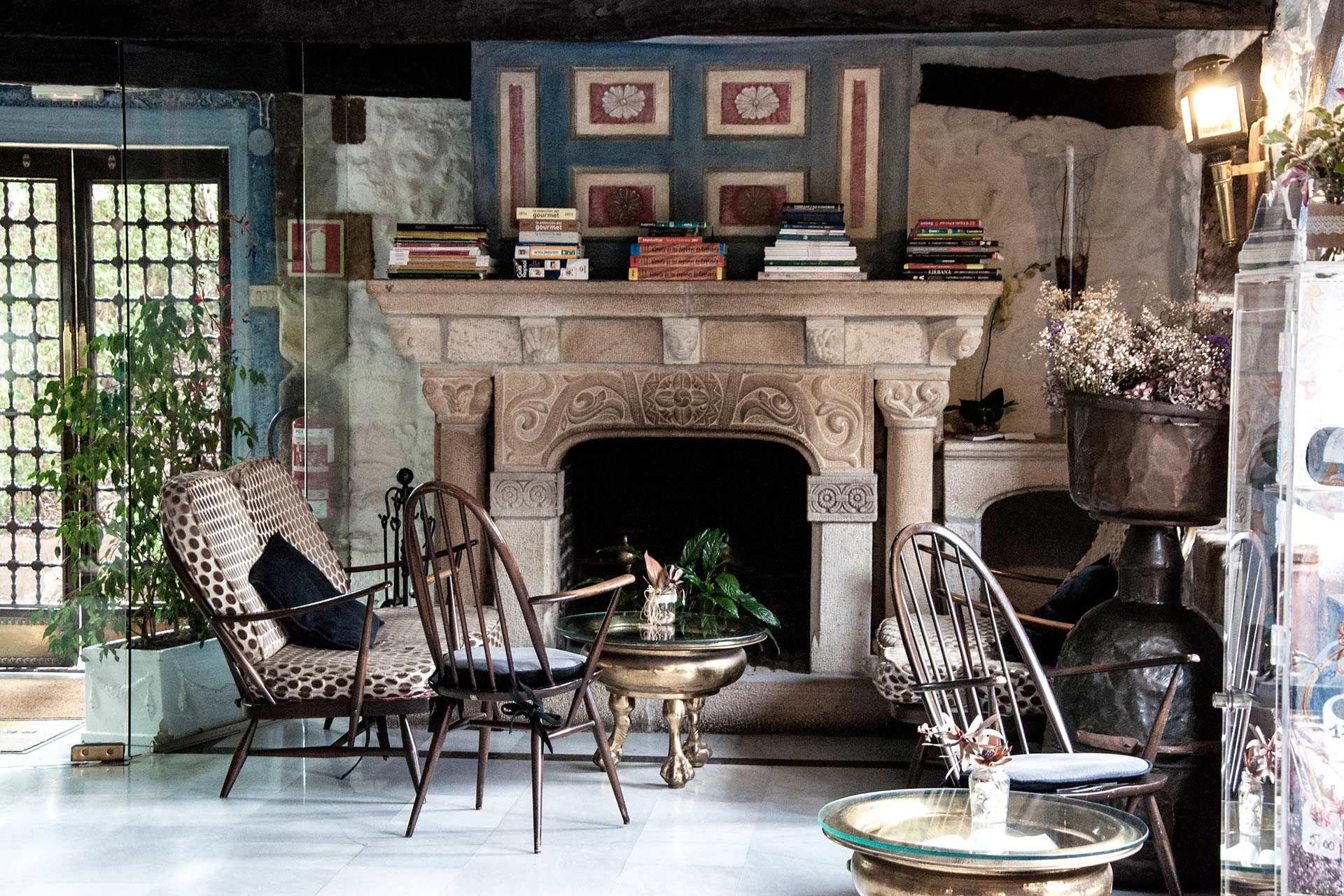
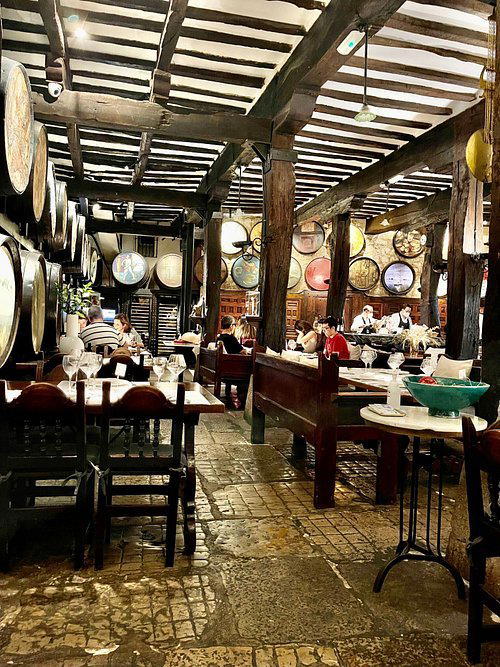
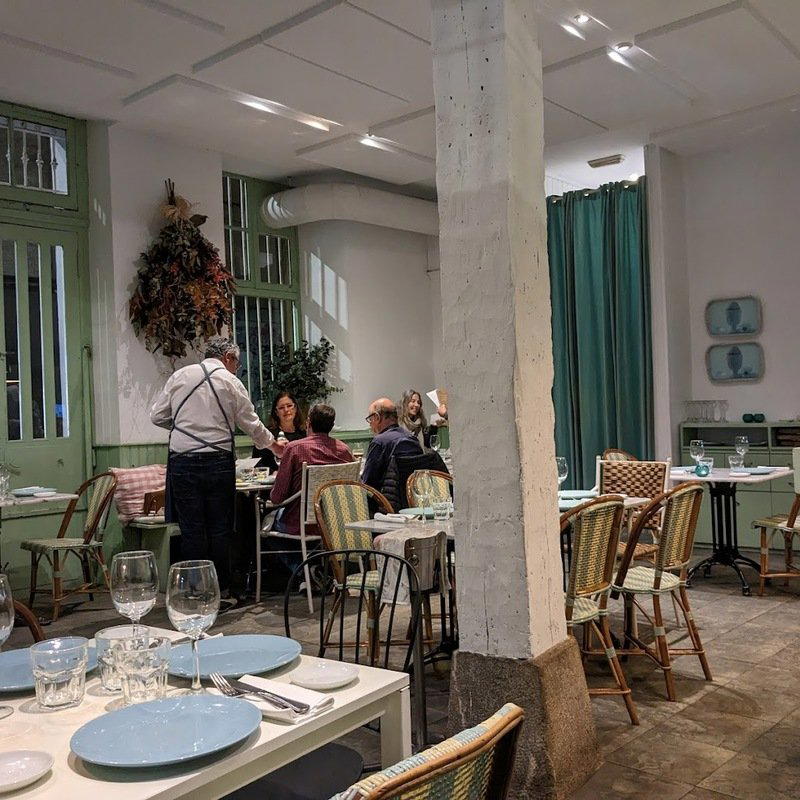
Hotels in Oruña de Piélagos
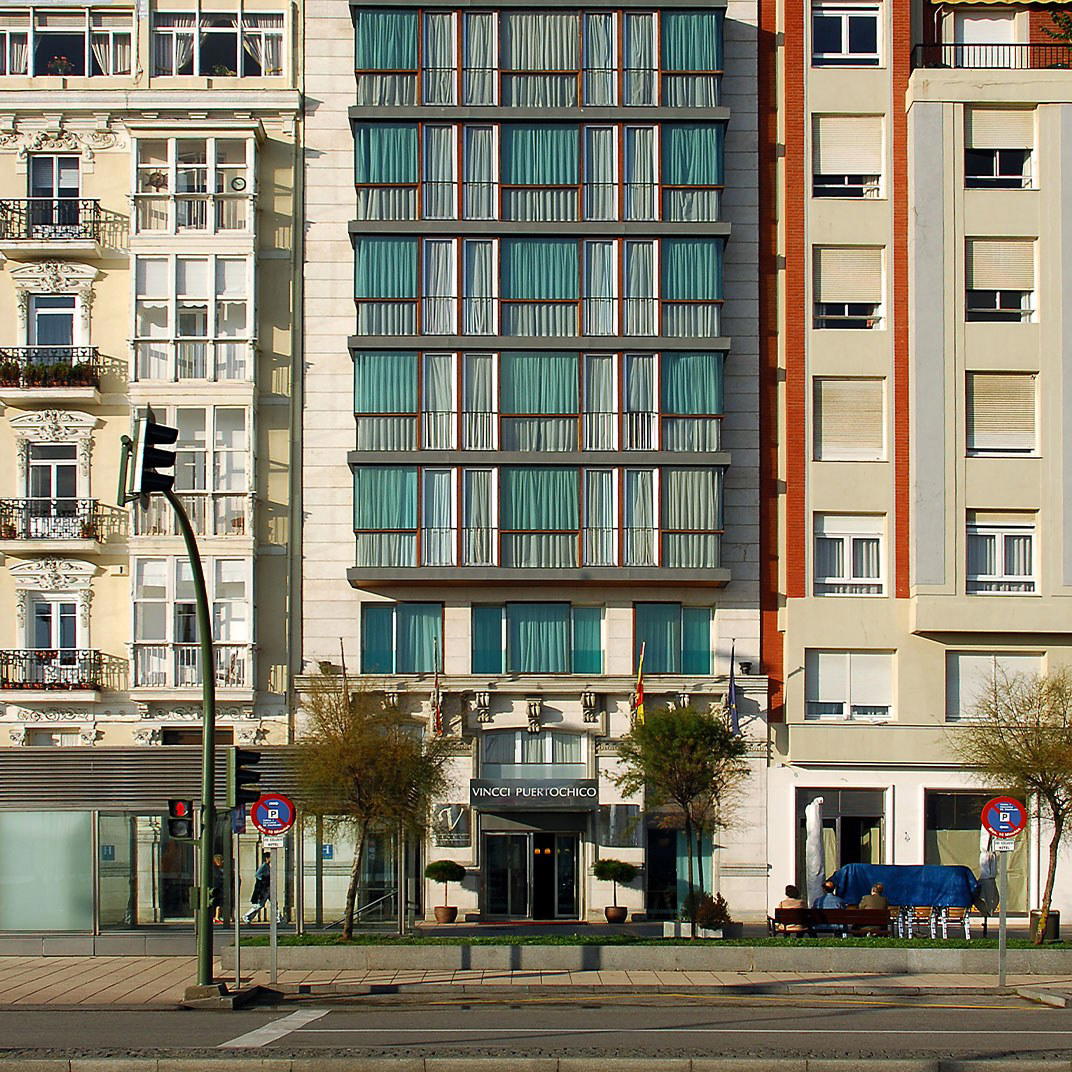
Browse all →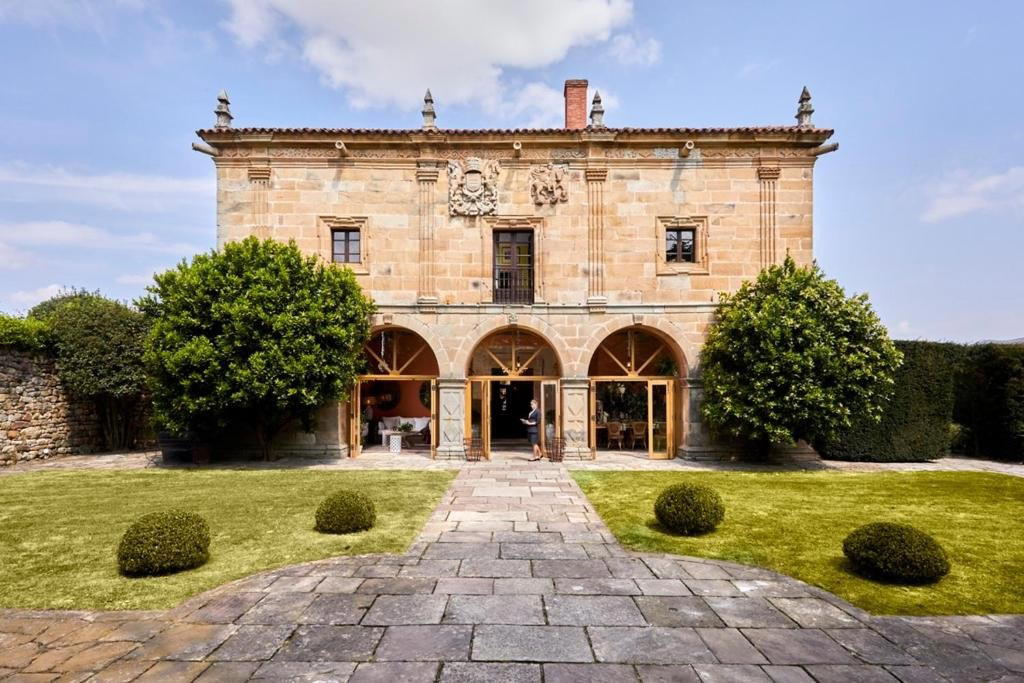
El Hostal del Pericote
The wine
- Wine program
- Curated wine list
- Extensive wine list
Details
- Classic
- Elegant
- Cozy
- Rustic
- Special Occasion
- Celebration
- Group Dining
- Terrace
- Historic Building
- Private Dining
- Extensive Wine List
- Local Sourcing
- Farm To Table
- A La Carte
- Spanish Wine
- Rioja
- Gluten Free Options
- Vegetarian Friendly
Current opening hours
- Monday
- Closed
- Tuesday
- 1–4 PM
- Wednesday
- 1–4 PM
- Thursday
- 1–4 PM
- Friday
- 1–4 PM, 8:30–11 PM
- Saturday
- 1–4 PM, 8:30–11 PM
- Sunday
- 1–4:30 PM
Hours can change for holidays and private events. Last verified .
Charming colonial-style setting with warm, intimate lighting and a sense of cosy familiarity; terrace seating ideal for summer dining with views of the surrounding landscape.