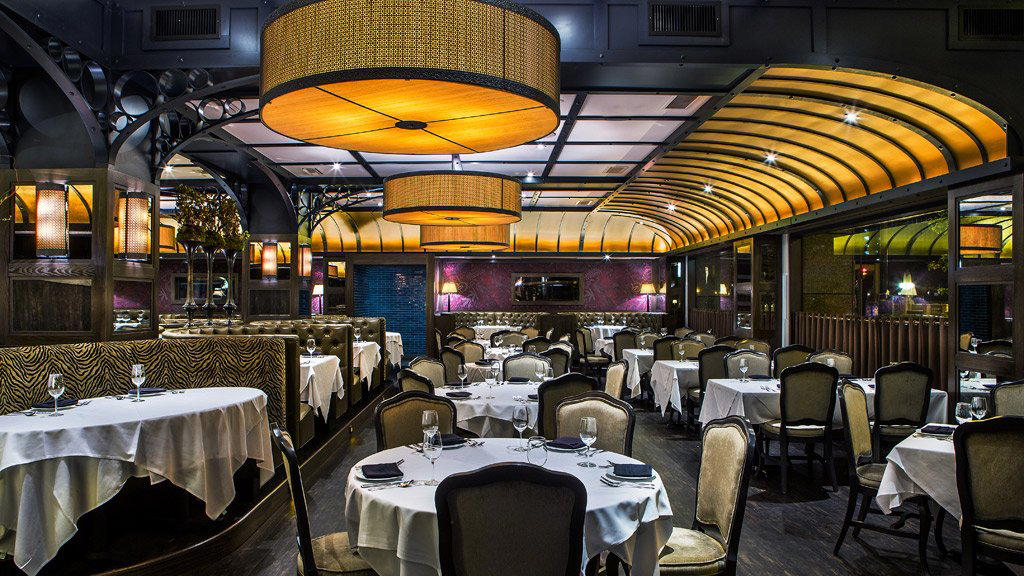
El Guapo occupies a Hamilton Street address in Vancouver's Yaletown, where the gap between imported culinary technique and Pacific Northwest produce has become one of the city's more productive creative tensions. The room and menu position it within a broader shift in Vancouver dining: away from either strict regionalism or transplanted tradition, toward something built from both simultaneously.
Pearl is the En Primeur Club membership app — saves, bookings, and concierge access live there. Same editors, same standards.
- Address
- 1009 Hamilton St, Vancouver, BC V6B 2R9, Canada
- Phone
- +1 604-423-4224
- Website
- elguapo.ca
- Directions
- Get directions
 Saves & bookings on Pearl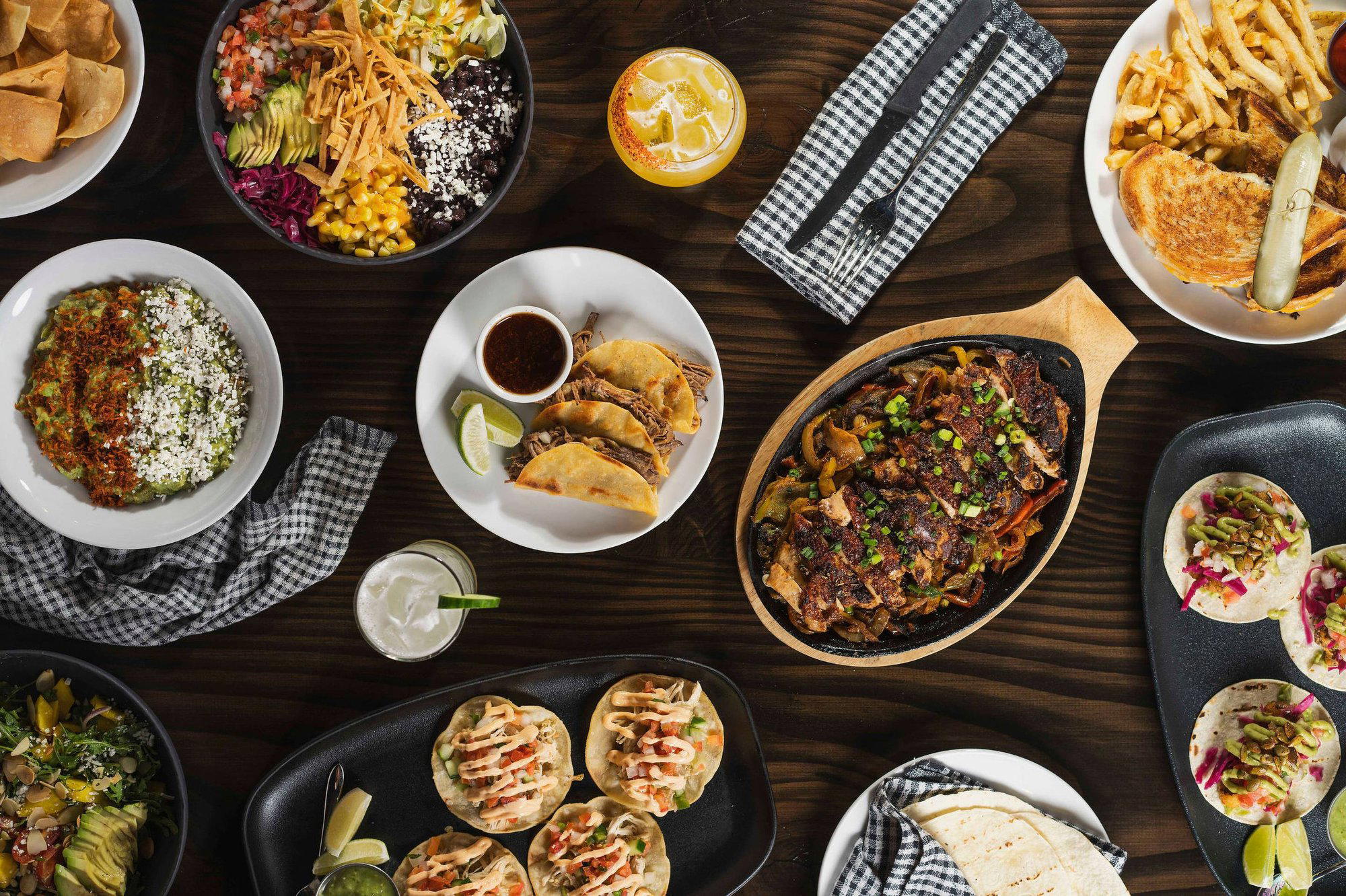
Where Hamilton Street Meets the Larder
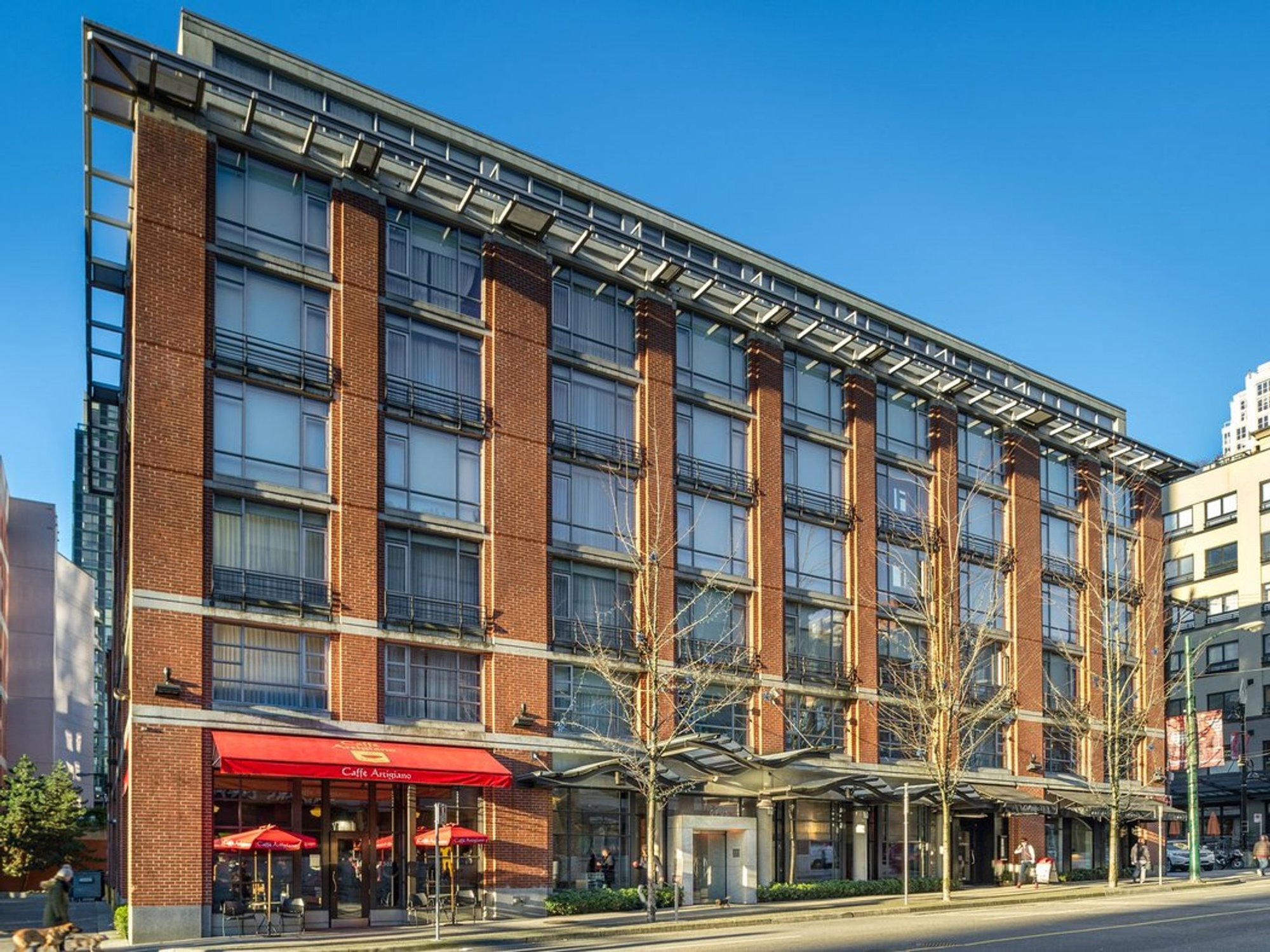
Yaletown's Hamilton Street has spent the better part of two decades cycling through formats: converted warehouse bars, New American bistros, neighbourhood Italian. What it has arrived at, in recent years, is a block more willing to hold two culinary traditions in tension rather than choosing between them. The address at 1009 Hamilton places it in a stretch where the industrial bones of the neighbourhood are still legible in the architecture, and where the dining room's physical relationship to the street matters more than it does in, say, the sealed counter-service world of downtown core omakase.
The broader Vancouver dining conversation has moved toward this kind of intersection. The more interesting question, the one that venues like Kissa Tanto answered with its Italian-Japanese fusion and sustained Canada's 100 Best recognition, or that Masayoshi addresses through Japanese technique applied to local seafood, is what happens when a trained culinary framework meets a larder that operates by different logic entirely.
The Technique-and-Terroir Framework in Vancouver
Vancouver's position on the Pacific Rim gives its kitchens access to a specific set of raw materials: Dungeness crab, wild salmon runs from the Fraser and Skeena systems, spot prawns with a season measured in weeks, chanterelles and pine mushrooms from the coastal forests of British Columbia. These are not interchangeable with European or East Coast equivalents, and any kitchen that treats them as such tends to produce food that feels slightly misaligned.
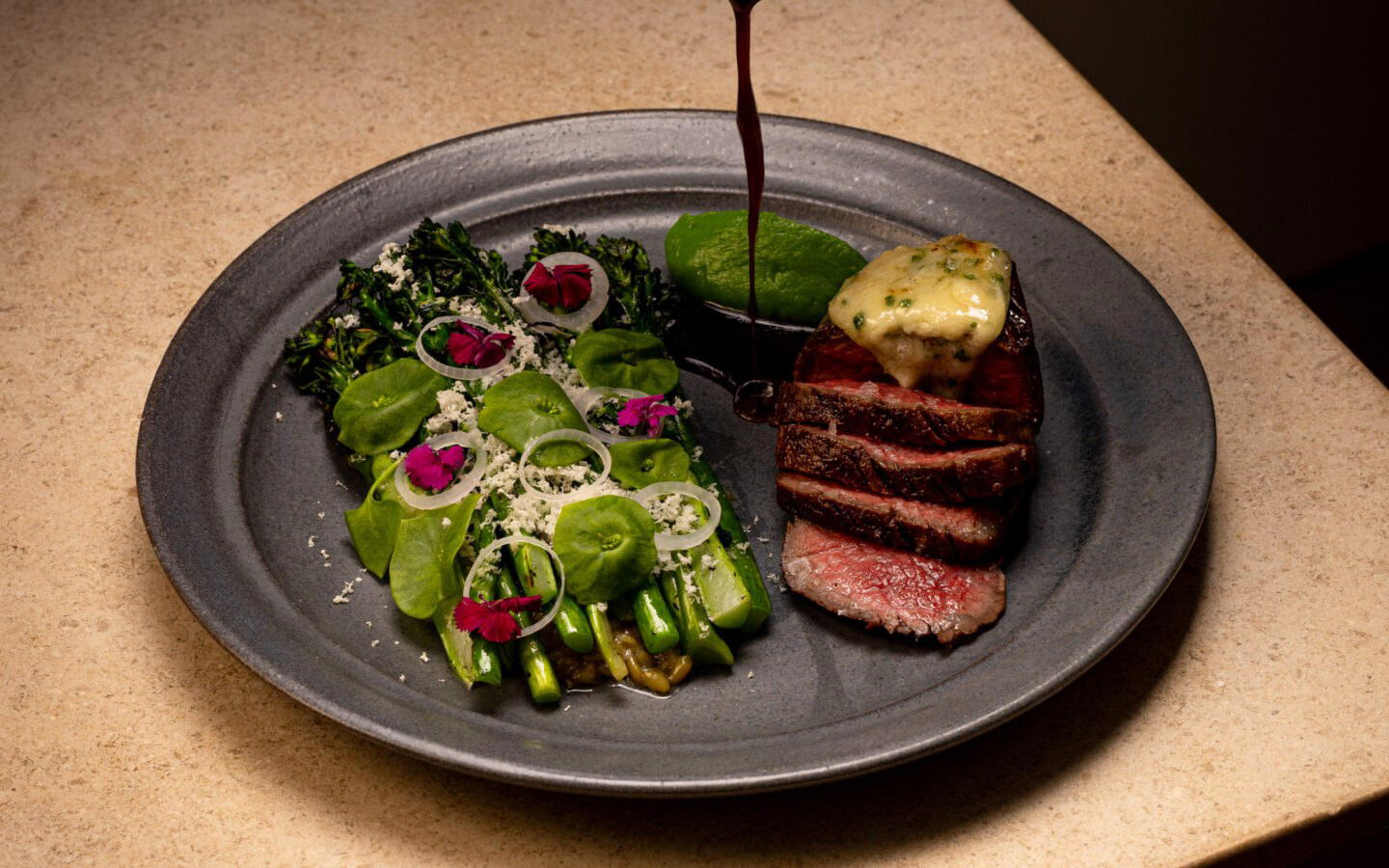
The more productive approach, and the one that defines the better end of contemporary Vancouver dining, is to apply rigorous external technique to ingredients that have their own strong character. This is what separates a kitchen worth noting from one that is merely competent. You see it in the way AnnaLena handles its contemporary Canadian menu, or in how Barbara has built a reputation in the contemporary tier at a $$$$-level price point without leaning entirely on imported references. El Guapo operates in this same field of tension, where the methodology may arrive from elsewhere but the ingredients insist on their own terms.
This dynamic is not exclusive to Vancouver. Across Canada, particularly discussed rooms tend to be the ones working at exactly this intersection. Tanière³ in Quebec City has built a serious critical reputation on pre-colonial and foraged ingredients processed through contemporary European technique. Restaurant Pearl Morissette in Lincoln does something structurally similar in wine country Ontario. Even Fogo Island Inn's dining room in Newfoundland has made the case that hyper-local, near-austere ingredient sourcing and serious culinary craft are not opposing forces. El Guapo belongs to a Canadian dining generation that has absorbed these arguments and is working through them at the neighbourhood level, without the institutional weight or destination-restaurant framing.
Yaletown's Competitive Context
The $$$$ tier in Vancouver has a clearly defined peer group. Kissa Tanto, with multiple Canada's 100 Best placements and a compact room that books well in advance, set a template for what fusion at that price point could look like when it was handled with discipline. iDen & QuanJuDe Beijing Duck House occupies the Chinese fine dining end of the same bracket, bringing Beijing roast duck tradition into a formal dining environment. These venues define a competitive set where credentialling, technique, and ingredient quality are all under scrutiny.
El Guapo on Hamilton sits within walking distance of this conversation. Yaletown, unlike Chinatown or Main Street, is not a neighbourhood with a dominant culinary identity, its character is more mixed, which gives individual kitchens more room to define their own terms. This can work in a venue's favour when the cooking is confident enough to anchor the room, and it puts the focus squarely on what arrives at the table rather than on neighbourhood cachet doing part of the work.
For comparable approaches at different scales elsewhere, Alo in Toronto and Jérôme Ferrer's Europea in Montreal both demonstrate how imported classical frameworks (French, in both cases) operate on Canadian terms when the kitchen has a clear point of view. The technique-as-lens approach that works at those addresses translates across cities; the specific ingredients and reference points shift with the geography.
What El Guapo Represents in the Broader Sequence
Vancouver's dining scene has passed through several distinct phases over the past twenty years: the sushi and dim sum dominance that was always more than a trend, the farm-to-table period that briefly made provenance the only credential that mattered, and the current moment in which technique and origin are both on the table as arguments. The restaurant enters this sequence at a point when Vancouver diners have enough reference points to evaluate both sides of the equation and enough well-travelled palates to notice when one is missing.
The venues generating one sustained critical conversation in the city right now tend to be the ones where a specific culinary tradition has been applied with enough rigour that it functions as a real framework, not decoration. That is the standard against which the restaurant will be measured, and it is a higher bar than it was a decade ago. And for other Canadian kitchens working in this vein, Eigensinn Farm in Singhampton, Narval in Rimouski, and Cafe Brio in Victoria each offer a useful comparative frame. At the international level, the local-ingredient, imported-technique model finds expression at Le Bernardin in New York City and Lazy Bear in San Francisco, both of which have made the case that rigorous method and strong local sourcing are not competing priorities.
- Address: 1009 Hamilton St, Vancouver, BC V6B 2R9
- Neighbourhood: Yaletown
- Hours: Mon: 4 PM-12 AM; Tue: 11:30 AM-12 AM; Wed: 11:30 AM-12 AM; Thu: 11:30 AM-1 AM; Fri: 11:30 AM-2 AM; Sat: 11 AM-2 AM; Sun: 11 AM-12 AM
- Price range: About $25 per person
Quick Comparison
Comparable venues nearby, for context on price, style, and recognition.
| Venue | Cuisine | Price | Notes |
|---|---|---|---|
| El GuapoThis venue — the venue you are viewing | Authentic Mexican Taqueria | $$ | Not listed |
| Tacofino Commissary | Baja-Inspired Mexican Tacos | $$ | Grandview-Woodland |
| Sal y Limon | Authentic Mexican Taqueria | $ | Sunset |
| Sabina Mexican Food | Authentic Guadalajara Mexican | $$ | Gastown |
| Banter Room | West Coast Fusion with International Influences | $$ | Yaletown |
| Central Restaurants - Vancouver Bentall | Global Fusion Casual | $$ | Coal Harbor |
Continue exploring
More in Vancouver
Restaurants in Vancouver
Browse all →
Bars in Vancouver
Browse all →

At a Glance
- Lively
- Trendy
- Casual Hangout
- Brunch
- Late Night
- Open Kitchen
- Terrace
- Craft Cocktails
Current opening hours
- Monday
- 4 PM–12 AM
- Tuesday
- 11:30 AM–12 AM
- Wednesday
- 11:30 AM–12 AM
- Thursday
- 11:30 AM–1 AM
- Friday
- 11:30 AM–2 AM
- Saturday
- 11 AM–2 AM
- Sunday
- 11 AM–12 AM
Hours can change for holidays and private events. Last verified .
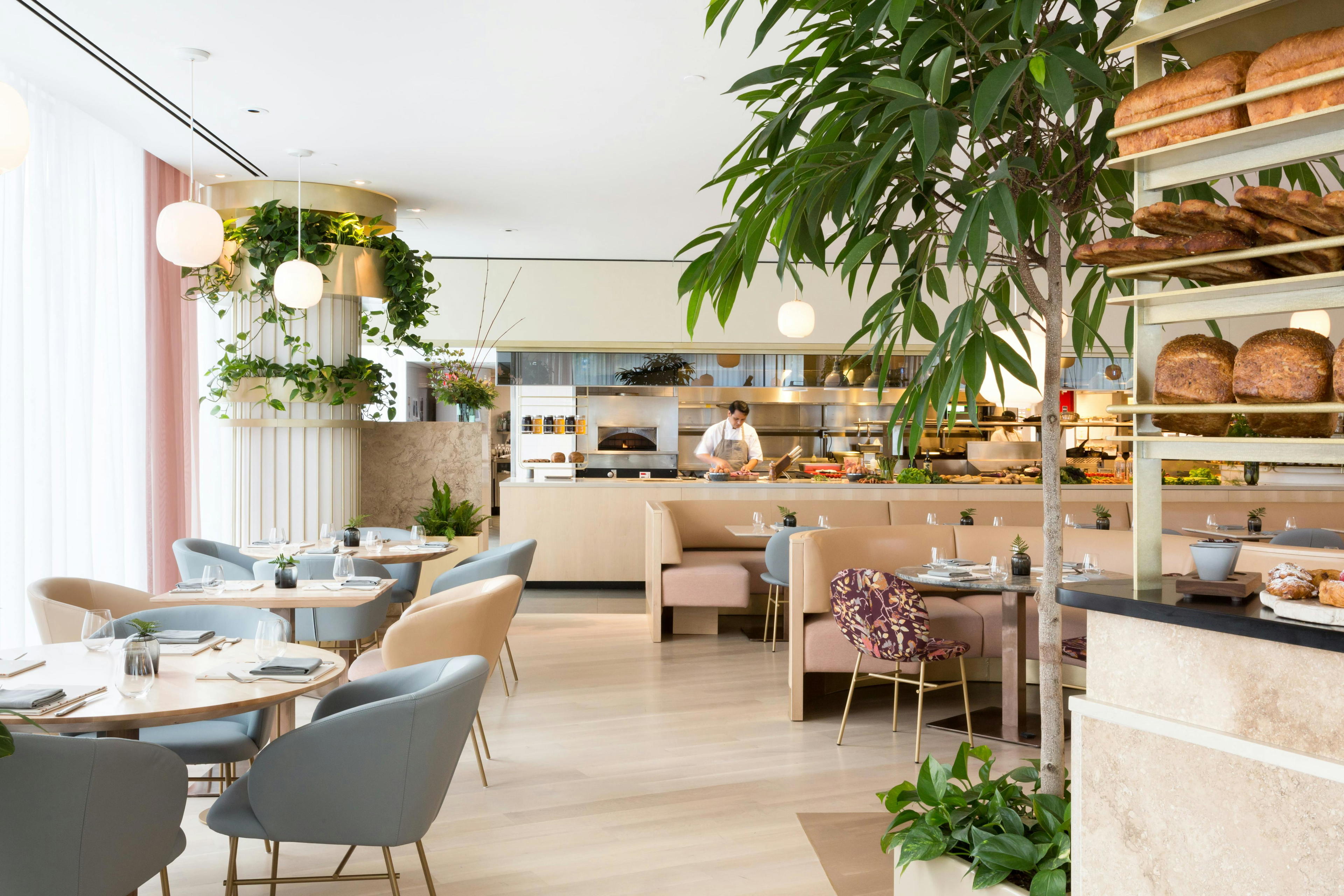
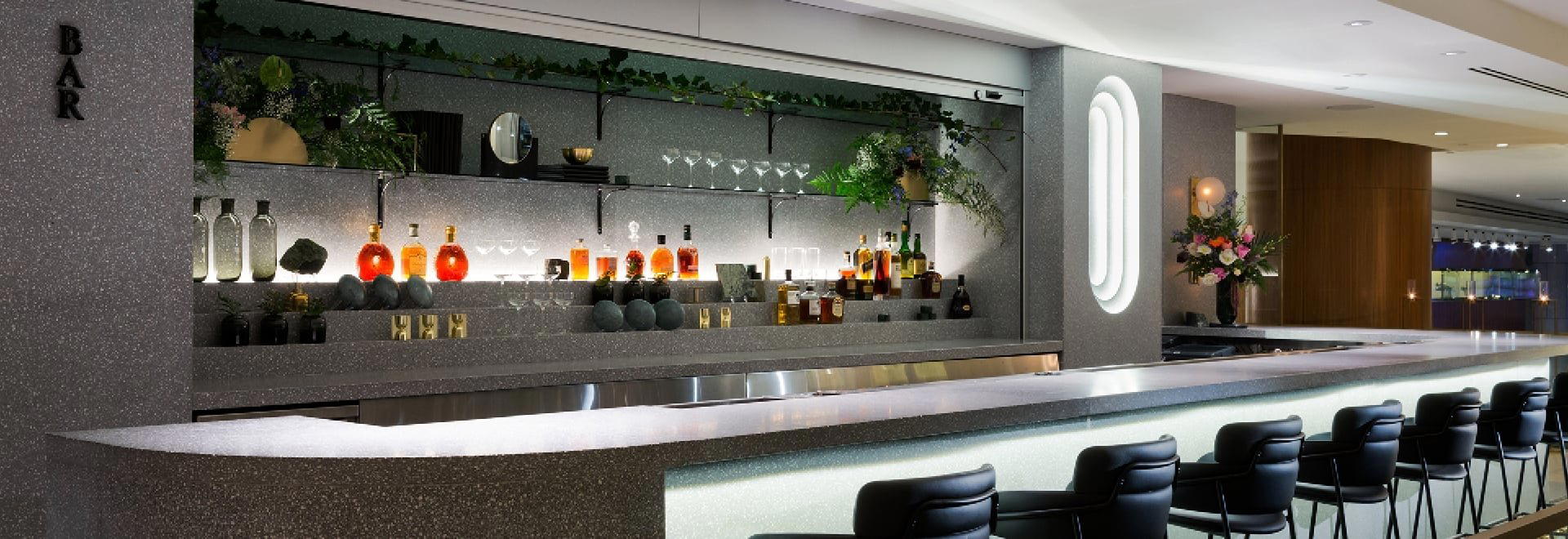
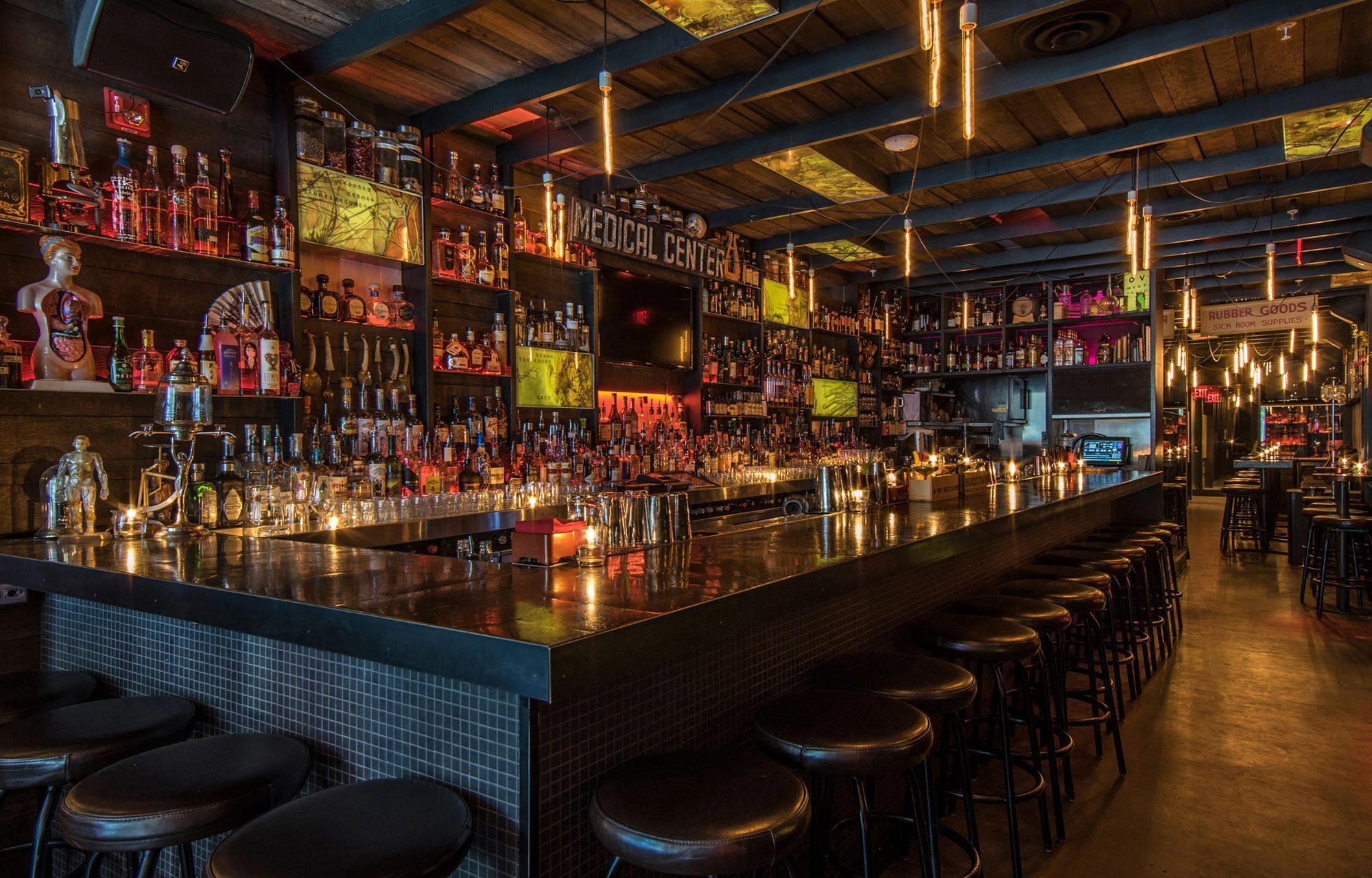
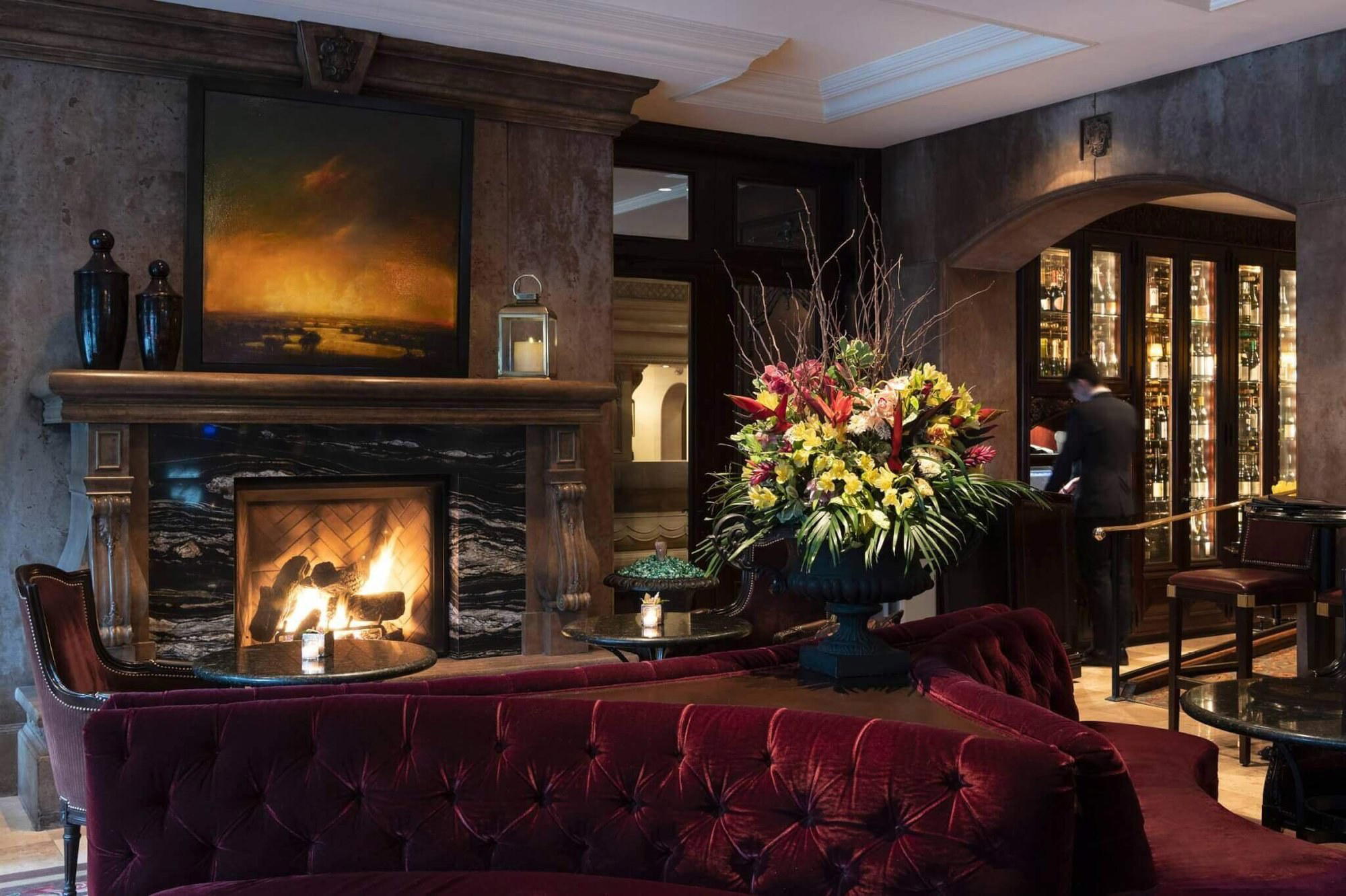
Lively and warm atmosphere with a lively sports bar feel, free WiFi, televisions, and table service.