El Cid
El Cid at 4212 Sunset Blvd occupies a stretch of Silver Lake where independent venues have long held their ground against the churn of Los Angeles dining. Without a fixed cuisine category or price point in the public record, it reads as one of those neighborhood anchors that accumulates meaning gradually, through repeat visitors and local word of mouth rather than awards cycles or press launches.
Pearl is the En Primeur Club membership app — saves, bookings, and concierge access live there. Same editors, same standards.
- Address
- 4212 Sunset Blvd, Los Angeles, CA 90029
- Phone
- +13236680318
- Website
- elcidsunset.com
- Directions
- Get directions
 Saves & bookings on Pearl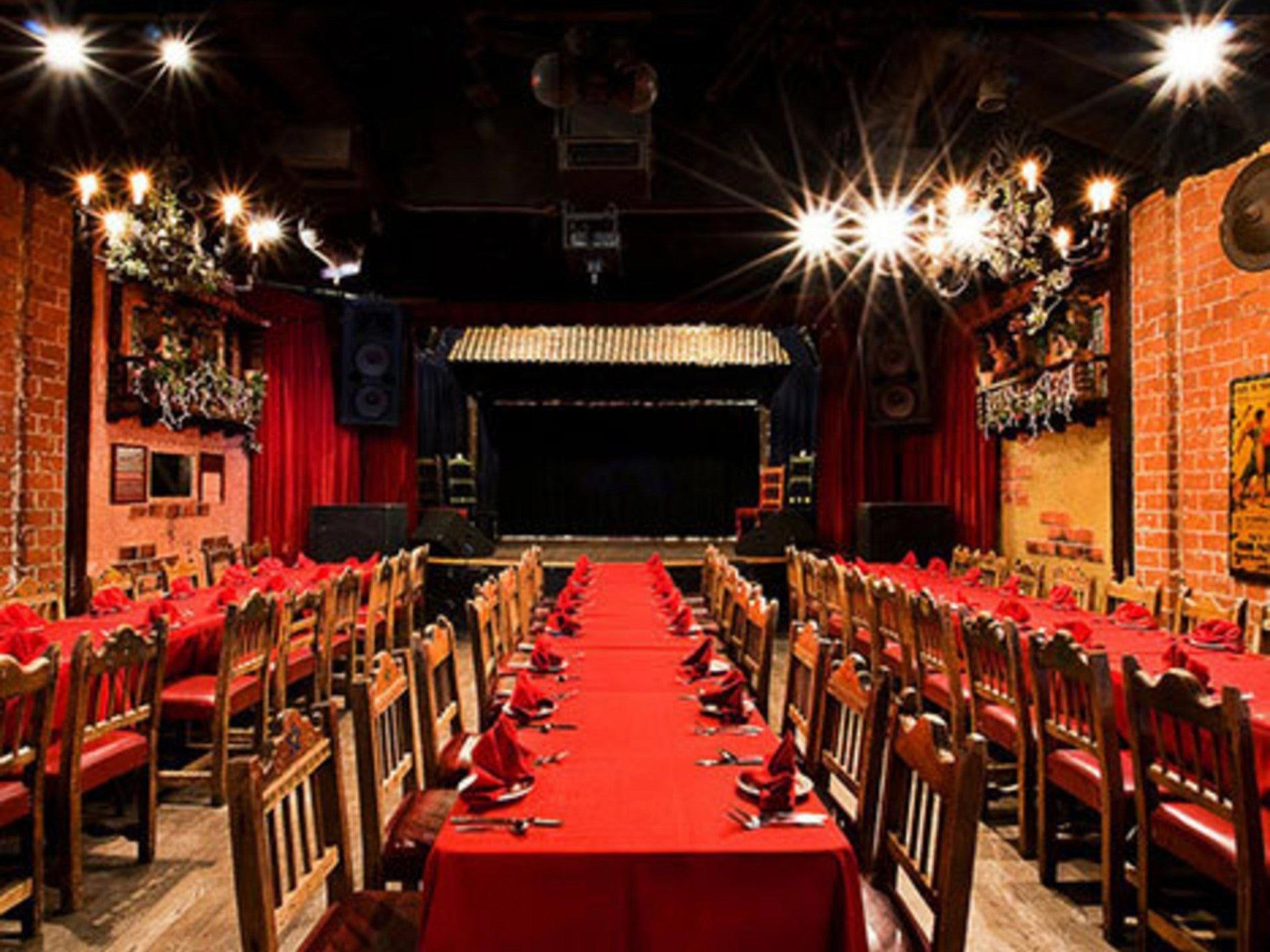
Sunset Boulevard's Quieter Register
The section of Sunset Boulevard that runs through Silver Lake and Echo Park operates on a different frequency from the louder dining corridors of West Hollywood or downtown. Landlords here have historically tolerated longer tenures, and the venues that survive multiple economic cycles tend to do so because they serve a consistent local function rather than chasing a rotating audience of trend-followers. El Cid, a restaurant serving Traditional Spanish Tapas with Flamenco at 4212 Sunset Blvd in Los Angeles, sits in that category. Its address alone places it in a neighborhood where sustainability, in the broadest sense of the word, has been a structural reality rather than a marketing position.
Los Angeles dining in 2024 splits clearly between two competitive registers. On one end: the highly capitalized tasting-menu format with formal sourcing programs, documented supplier relationships, and press-ready sustainability narratives. Providence operates in that tier, as does Somni, where the controlled-environment approach to ingredients is part of the guest experience itself. On the other end sits a longer tradition of neighborhood venues whose environmental footprint is low simply because their scale is modest, their waste minimal, and their supply chains short. El Cid belongs to the latter conversation.
What Ethical Sourcing Looks Like Outside the Tasting-Menu Tier
The sustainability discourse in American fine dining has become largely institutionalized among the country's most documented kitchens. Single Thread Farm in Healdsburg runs its own farm. Blue Hill at Stone Barns in Tarrytown has built its entire identity around agricultural integration. Atelier Moessmer Norbert Niederkofler in Brunico has made Alpine sourcing the organizing principle of its menu. These are venues where sustainability is visible, documented, and part of what justifies the price.
But across American cities, the more common form of low-impact dining happens in venues that have never issued a press release about it. A neighborhood bar-restaurant on a stretch like Sunset through Silver Lake typically runs tight inventory, sources locally by default because local produce is cheaper and more accessible, and generates far less waste per cover than a 20-course kitchen producing elaborate preparations from global suppliers. This is not a philosophy; it is an operational reality of running a small-footprint venue over many years. The environmental argument for this kind of place is structural, not rhetorical.
Compare this with how Smyth in Chicago or Lazy Bear in San Francisco approach sustainability: both invest heavily in documented sourcing programs that translate into higher price points and explicit menu language about provenance. That approach serves a different audience and a different purpose. El Cid, by contrast, earns its place on Sunset through a different logic entirely.
Silver Lake as a Dining Context
Silver Lake's restaurant culture has shifted significantly over the past decade. What was once a neighborhood defined by inexpensive, ethnically diverse eating has absorbed a layer of higher-end independent venues without fully displacing the original character. The result is a rare kind of block-by-block variety: a serious natural wine bar two doors from a decades-old taqueria, a Korean-inflected small-plates spot across from a venue that has been operating in the same format since before the neighborhood became a point of reference in national food media.
Within Los Angeles more broadly, the venues that generate critical attention tend to cluster elsewhere. Kato, with its New Taiwanese tasting format, operates in a different register from the Silver Lake neighborhood anchor. Hayato runs a Japanese kaiseki program that demands weeks of forward planning. These venues function within LA's most scrutinized dining tier. El Cid occupies a different position: a physical address on one of the city's most culturally loaded boulevards, accumulating meaning through continuity rather than through critical cycles.
That continuity matters. In a city where restaurant turnover is structurally high, a venue that holds the same address over years earns a different kind of credibility. It signals that the economics work, that the local audience is loyal, and that the offering is calibrated to real ongoing demand rather than launch-period buzz.
Placing El Cid in the National Conversation
Any serious reader of American restaurant culture knows that the venues generating particularly documented sustainability credentials tend to be at the highest price points. The French Laundry in Napa has invested in on-site kitchen gardens. Addison in San Diego operates at a price tier that supports elaborate sourcing relationships. The Inn at Little Washington has its own documented supplier network. Frasca Food and Wine in Boulder has made regional sourcing central to its identity for years.
These are meaningful commitments, but they operate within a specific economic structure. The question worth asking, from an editorial standpoint, is what sustainability looks like when it is not the product of a funded sourcing program but simply the result of running a neighborhood venue economically and consistently. El Cid answers that question through its address, its tenure, and its apparent longevity in a stretch of Los Angeles that has seen considerable turnover around it.
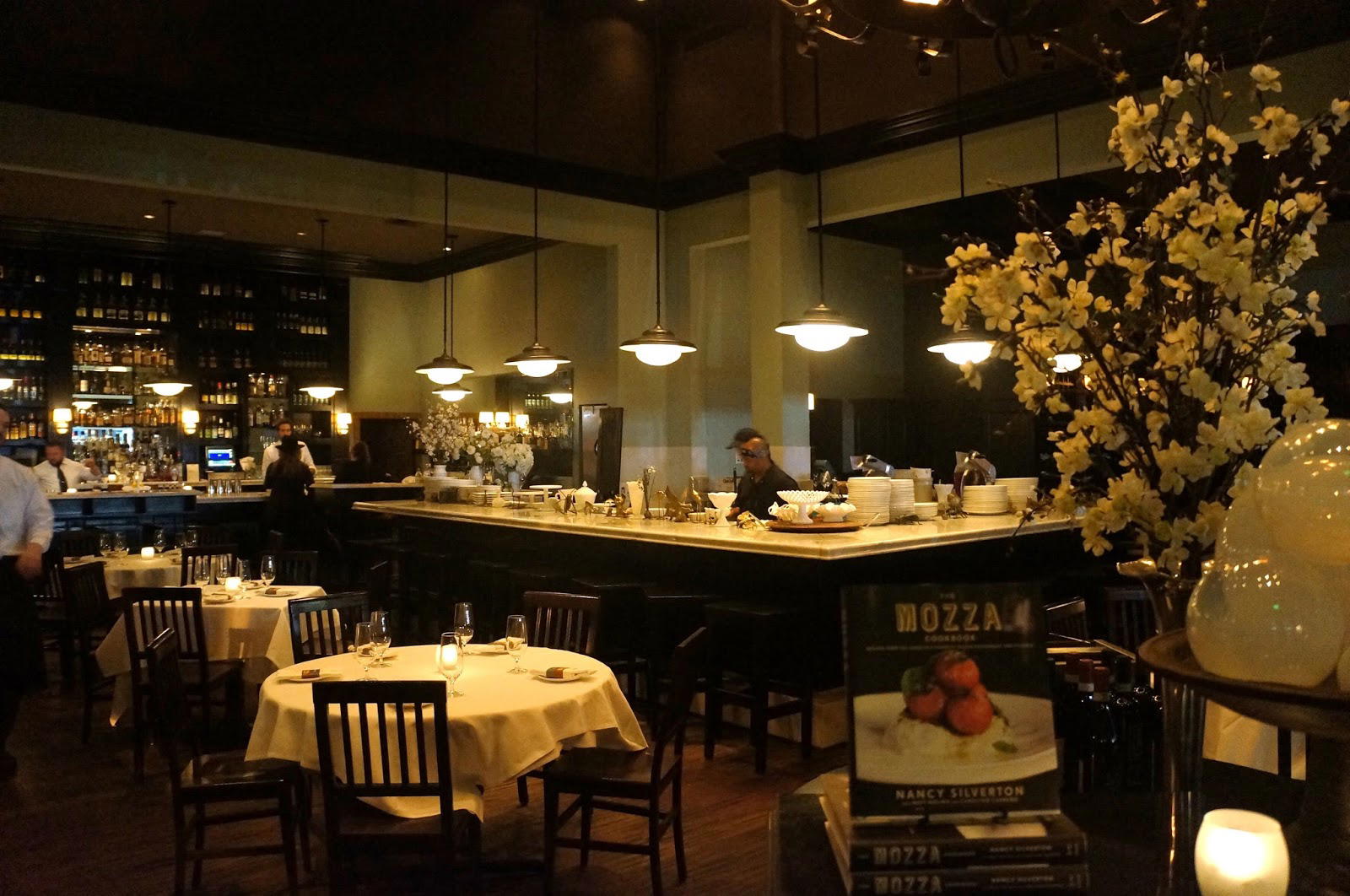
For readers building a broader picture of LA dining, our full Los Angeles restaurants guide maps the city's most significant venues across price tiers and formats. For comparison outside California, Le Bernardin in New York City, Emeril's in New Orleans, and Atomix in New York City each represent different expressions of the sustained-reputation model in their respective cities. Osteria Mozza remains the clearest Los Angeles reference point for what long-term neighborhood anchoring looks like at a higher price tier.
Planning Your Visit
El Cid is located at 4212 Sunset Blvd, Los Angeles, CA 90029, in the Silver Lake section of Sunset Boulevard. Reservations are recommended, and the approximate price per person is about $65. Given the neighborhood's parking constraints, arriving by rideshare or using street parking on the side streets off Sunset is the practical approach for most visitors.
Where It Fits
Comparable venues nearby, for context on price, style, and recognition.
| Venue | Cuisine | Price | Notes |
|---|---|---|---|
| El CidThis venue — the venue you are viewing | Traditional Spanish Tapas with Flamenco | $$ | Not listed |
| Spain Restaurant | Authentic Spanish Tapas & Paella | $$ | Elysian Heights |
| Casa Dani | Modern Andalusian Spanish | $$$ | Westwood |
| Telefèric Barcelona Los Angeles | Authentic Spanish Tapas & Paella | $$$ | Brentwood |
| Clementine | Seasonal American bakery & café | $$ | Century City |
| The Black Cat | Modern American Gastropub | $$ | Sunset Junction |
Continue exploring
More in Los Angeles
Restaurants in Los Angeles
Browse all →
Bars in Los Angeles
Browse all →

Hotels in Los Angeles
Browse all →

Wineries in Los Angeles
Browse all →
At a Glance
- Lively
- Well Known
- Cozy
- Romantic
- Date Night
- Group Dining
- Special Occasion
- Live Music
- Craft Cocktails
Unpretentious and atmospheric with old-world Spanish-style tavern and charming courtyard featuring fountains and Mediterranean tiles, enhanced by live flamenco performances.