Edomasa
On De La Vina Street, Edomasa occupies a quieter register than Santa Barbara's coastal dining circuit, positioning itself as a Japanese-leaning counter in a city where the dominant mode is Californian abundance. For diners who cross-reference Japanese cuisine against the omakase density of Los Angeles or San Francisco, it lands at a different price point and scale than peers like Silvers Omakase, making it a practical entry point into the city's Japanese dining options.
Pearl is the En Primeur Club membership app — saves, bookings, and concierge access live there. Same editors, same standards.
- Address
- 2710 De La Vina St, Santa Barbara, CA 93105
- Phone
- +18056870210
- Website
- edomasasushi.com
- Directions
- Get directions
 Saves & bookings on Pearl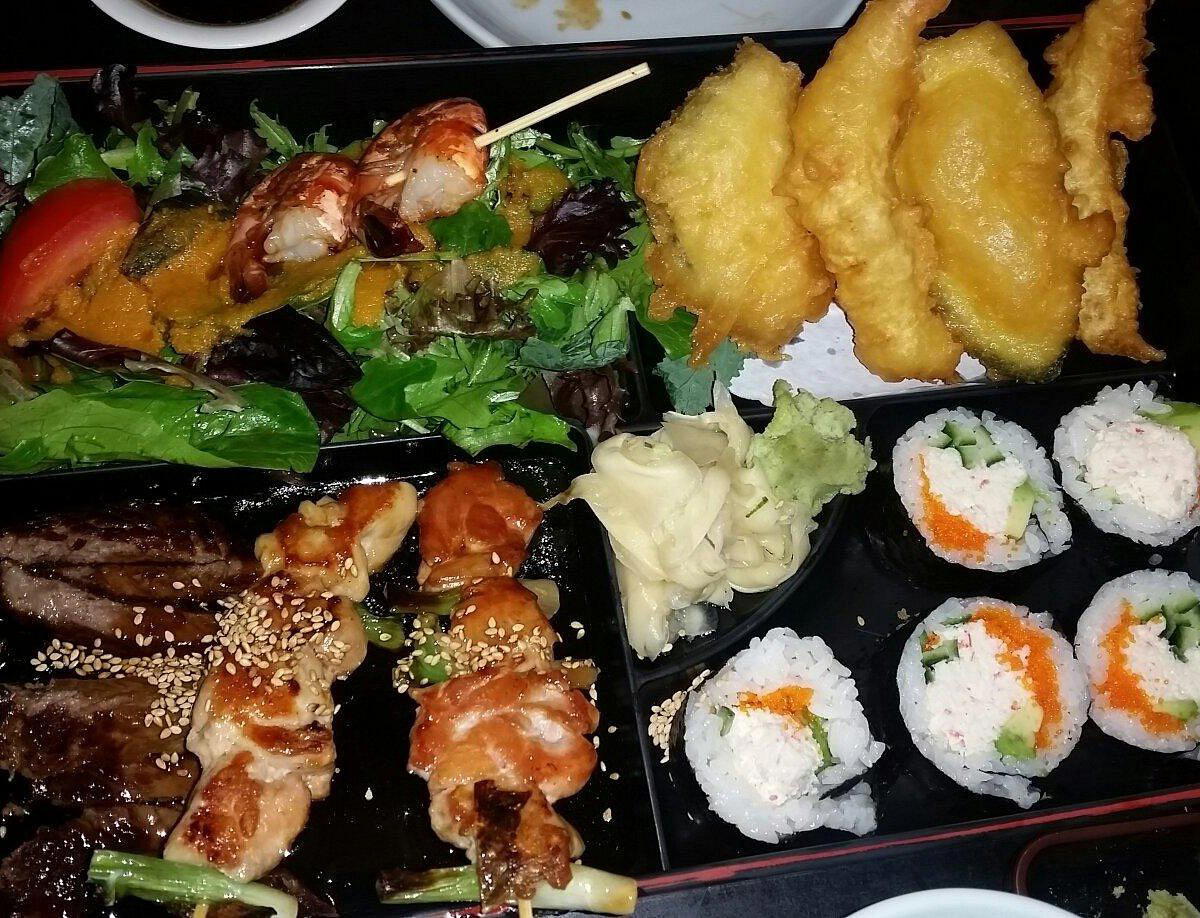
A Different Frequency on De La Vina
Santa Barbara's restaurant identity is built on Californian coastal abundance: farmers' market sourcing, open-flame technique, and a wine list anchored to the Santa Ynez Valley. The dining corridor along State Street and its tributaries runs almost entirely on that logic. De La Vina Street, a few blocks inland, operates at a quieter frequency, and Edomasa, a Japanese sushi bar at 2710 De La Vina St in Santa Barbara, is priced around $25 per person and sits within that register. The approach is less about being seen and more about the transaction between kitchen and table, a posture that Japanese-format restaurants have long cultivated in American cities, even outside major metropolitan markets.
Japanese dining in smaller American cities occupies a particular structural position. Without the competitive density of Los Angeles or San Francisco, where Silvers Omakase and comparable counters calibrate nightly against each other, a restaurant like Edomasa can hold a more singular position in its local hierarchy. Santa Barbara's Japanese dining options are limited enough that a committed practitioner commands attention by default, rather than by volume of marketing.
How the Menu Reveals Its Priorities
The editorial angle most useful for understanding any Japanese restaurant in a non-major market is menu architecture: what the kitchen chooses to offer, in what sequence, and at what depth, signals its ambitions and its honest read of its audience. At the higher end of the American Japanese spectrum, the omakase format, a fixed sequence of courses determined by the chef, has become the dominant grammar. Counters like Silvers Omakase in Santa Barbara operate at the $$$$ tier, positioning themselves against the omakase density of larger coastal cities.
Restaurants that step back from the full omakase commitment often do so strategically. An à la carte or abbreviated format allows a broader audience, local regulars, visitors on mixed-purpose trips, diners who want a Japanese meal rather than a Japanese event, to engage with the kitchen without the time commitment or price threshold that a full omakase sequence demands. This is the structural space that mid-tier Japanese restaurants occupy in smaller American cities, and it is a legitimate one. The trade-off is that menu depth is harder to hide in a shorter format: every dish has to carry its weight without the narrative scaffolding that a long tasting sequence provides.
What a menu reveals about a restaurant's confidence is also readable in what it omits. Kitchens that understand their sourcing capabilities and their audience's expectations tend to build tightly: fewer preparations, better execution. The alternative, a menu that tries to cover sushi, cooked Japanese, and fusion derivations simultaneously, typically signals either commercial pressure or uncertainty about positioning. In Santa Barbara, where Arigato Sushi has long held a broad-menu, high-traffic position in the city's Japanese dining ecosystem, a restaurant that commits to a narrower lane offers a different value proposition to the diner who already knows what they want.
Santa Barbara's Dining Context
The city's dominant restaurant mode is Californian: produce-forward, coast-adjacent, and increasingly serious about sourcing credentials. Barbareño represents one version of that ambition at the $$$ tier, while Arnoldi's Cafe holds the Italian-American generalist position that most mid-sized California cities support. Lighter daytime options like Backyard Bowls serve the health-conscious visitor segment that the city attracts year-round.
Japanese cuisine sits somewhat apart from this dominant mode, which is precisely what gives it a distinct function in the city's dining week. A diner cycling through several nights in Santa Barbara, Californian one evening, seafood the next, will find that Japanese is the natural third register, partly because it resets the palate and partly because the visual and textural grammar is different enough to feel like a genuine change of register rather than a variation on a theme. That functional position is worth something independent of any specific dish or format.
For visitors calibrating Santa Barbara against the broader California dining circuit, it is worth noting that the city operates at a different scale than Los Angeles or San Francisco. Restaurants like Providence in Los Angeles or Lazy Bear in San Francisco function within dense competitive ecosystems that push both ambition and pricing upward. Santa Barbara's pace is slower and its dining room sizes tend to be more intimate, which creates conditions where a focused operator can build a loyal local following without needing to compete on the terms that define the major-city conversation. Nationally, ambitious tasting-menu restaurants like The French Laundry in Napa, Smyth in Chicago, or Atomix in New York City set the formal ceiling for the format; Santa Barbara's Japanese offering operates well below that ceiling in price and format complexity, which is a feature rather than a limitation for most of its audience.
Planning Your Visit
Edomasa is located at 2710 De La Vina Street, a residential-commercial corridor that sits a short distance from the State Street dining cluster. The neighbourhood character is lower-key than the main tourist circuit, which suits a restaurant format that depends on regulars and word-of-mouth rather than foot traffic.
A Lean Comparison
Comparable venues nearby, for context on price, style, and recognition.
| Venue | Cuisine | Price | Notes |
|---|---|---|---|
| EdomasaThis venue — the venue you are viewing | Oak Park, Japanese Sushi Bar | $$ | Not listed |
| Natural Cafe | Not listed | $$ | Lower State, Healthy American Fast Casual |
| THIS RESTAURANT IS CLOSED The Roundhouse | East Beach, American Breakfast Cafe | $$ | Not listed |
| Sushi Teri | West Downtown, Casual Japanese Sushi | $$ | Not listed |
| Cold Spring Tavern | Not listed | $$ | San Marcos Pass, Traditional American BBQ Tavern |
| Mesa Cafe | West Mesa, Classic American Diner | $$ | Not listed |
Continue exploring
More in Santa Barbara
Restaurants in Santa Barbara
Browse all →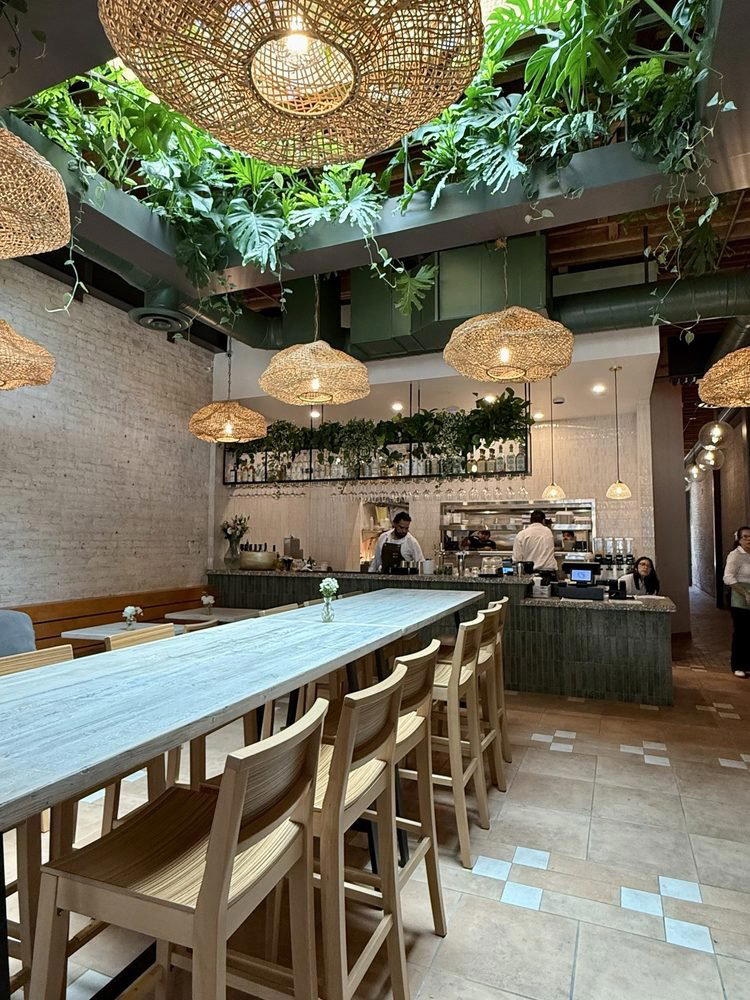
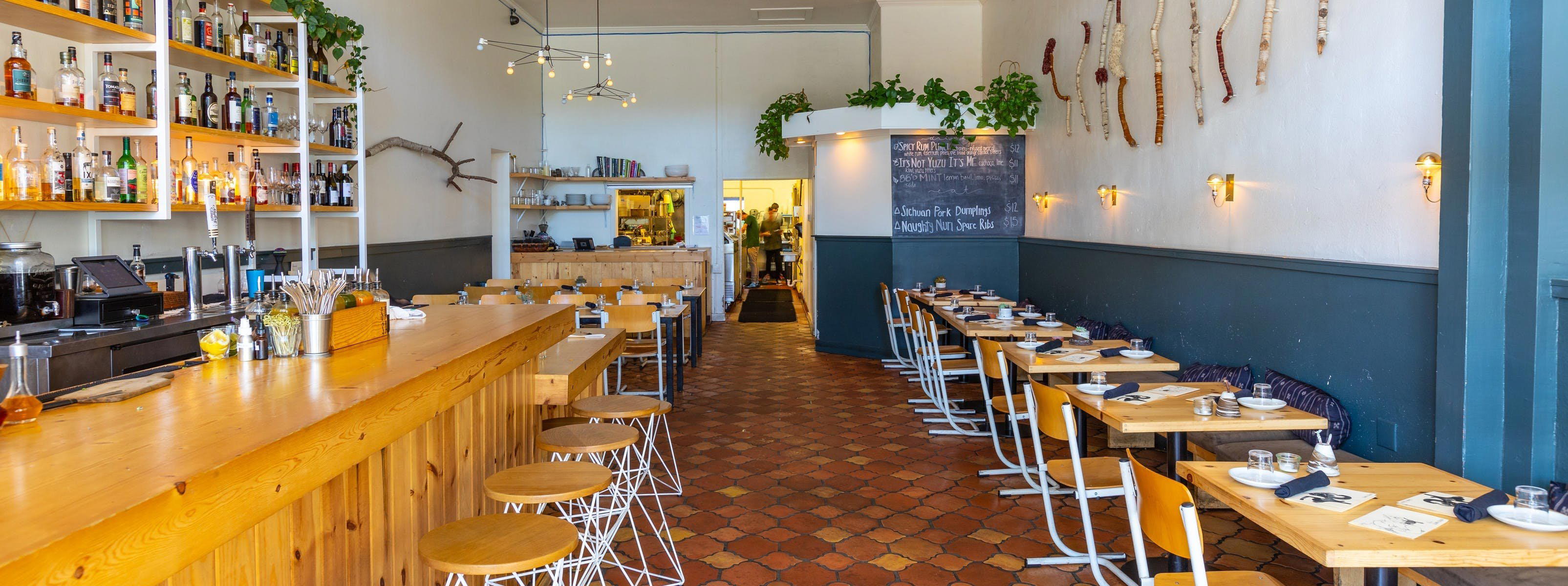
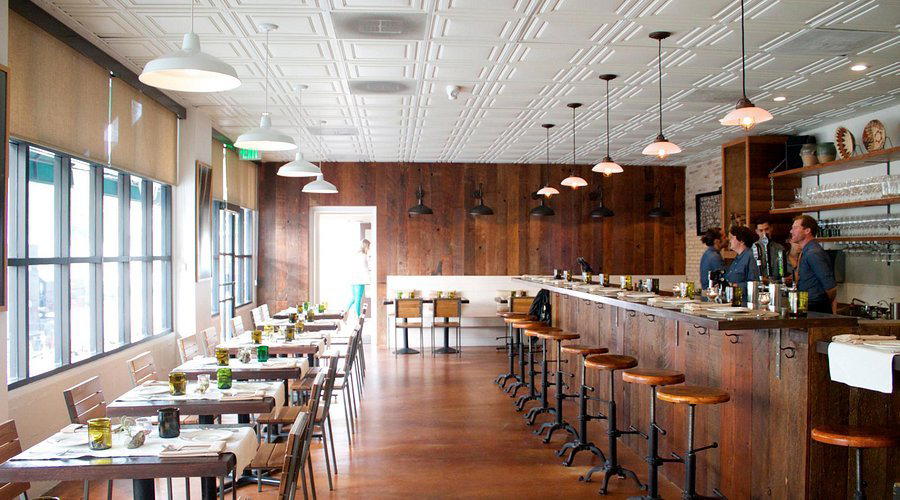
Bars in Santa Barbara
Browse all →
Hotels in Santa Barbara
Browse all →
At a Glance
- Cozy
- Intimate
- Late Night
- Casual Hangout
- Open Kitchen
- Sake Program
- Local Sourcing
Current opening hours
- Monday
- 5–10:30 PM
- Tuesday
- 5–10:30 PM
- Wednesday
- 5–10:30 PM
- Thursday
- 5–10:30 PM
- Friday
- 5–10:30 PM
- Saturday
- 5–10:30 PM
- Sunday
- Closed
Hours can change for holidays and private events. Last verified .
Friendly and roomy atmosphere focused on fresh sushi and sashimi.