Our verdict
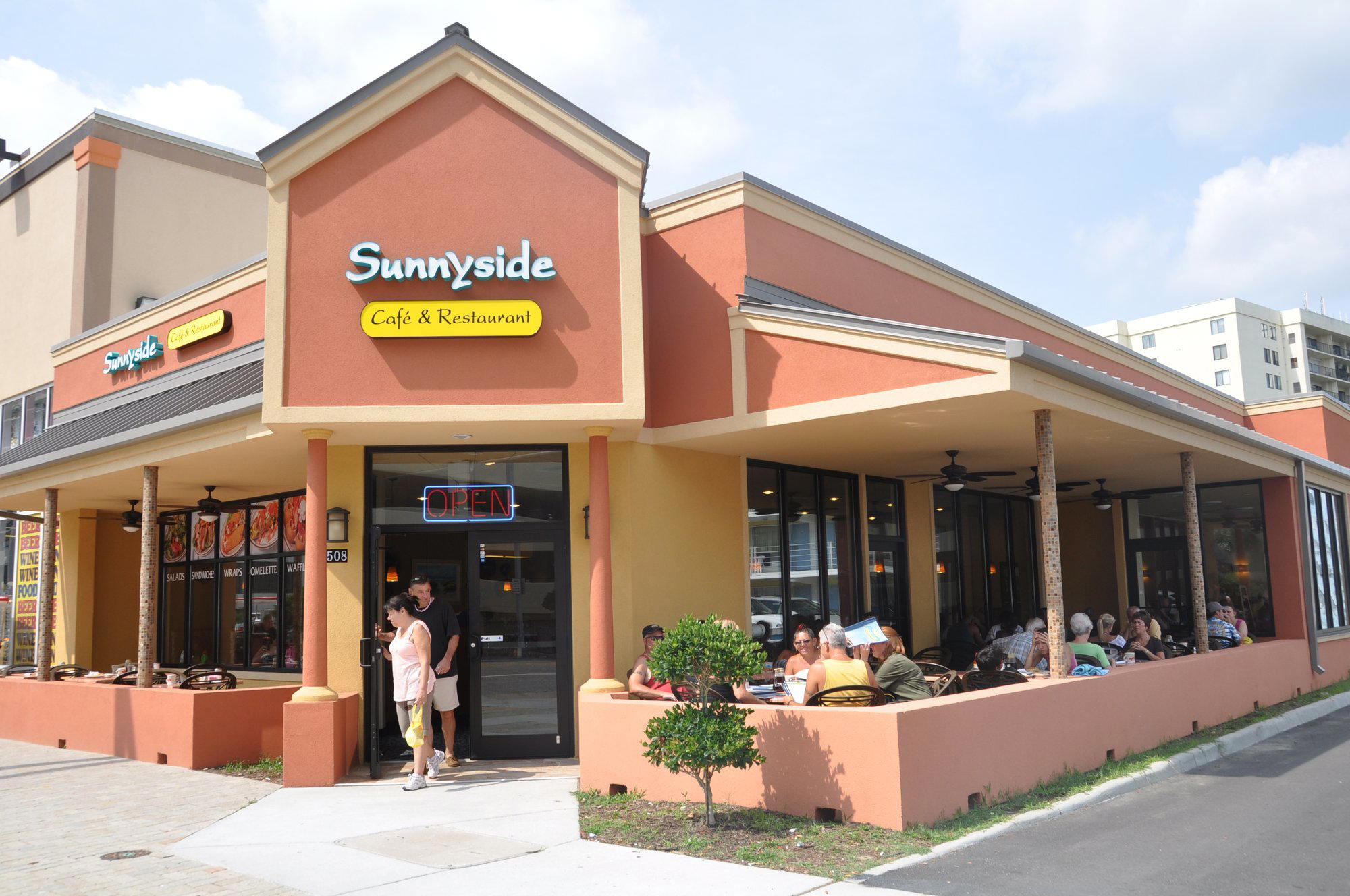
On Atlantic Avenue at the edge of Virginia Beach's oceanfront strip, Eat occupies a address where casual coastal dining meets the everyday appetite of a resort city that runs on seasonal foot traffic. The restaurant sits in a neighbourhood defined by proximity to the water, where the dining calculus shifts with the tides of summer crowds and quieter off-season weeks.

Pearl is the En Primeur Club membership app — saves, bookings, and concierge access live there. Same editors, same standards.
- Address
- 4005 Atlantic Ave, Virginia Beach, VA 23451
- Phone
- (757) 965-2472
- Hours
- Mon ClosedTue–Sat 5–10 PMSun Closed
- Website
- eatbistro.net
- Directions
- Get directions
- Booking
- Book on OpenTable
The menu
What to order
- Grilled Spanish Octopus
- Meatballs with Fresh Mozz
- NY Strip Steak & Frites
Atlantic Avenue and the Rhythm of a Resort Dining Strip
Virginia Beach's Atlantic Avenue corridor operates on a logic that most American dining cities don't have to reckon with: a population that multiplies several times over between Memorial Day and Labor Day, then contracts sharply, leaving restaurants to calibrate their identity around two almost incompatible audiences. The oceanfront strip at 4005 Atlantic Ave sits at the centre of that tension, where walk-in foot traffic from nearby hotels and beach access points shapes the pace of an evening more than any reservation system could. Eat occupies that address, and understanding what the corridor demands of its tenants is the first step toward understanding what any restaurant here is actually trying to do.
The sensory register of Atlantic Avenue at dusk is specific: salt air moving off the Atlantic a block or two east, the low rumble of the resort strip still in motion, and the particular quality of light that coastal Virginia produces in the hours before dark, flattening everything into warm ochre before it drops. Restaurants along this stretch compete on immediacy as much as on food. Guests are already mid-experience by the time they sit down, which shifts the burden away from building atmosphere from scratch and toward matching and sustaining what the city is already delivering outside the door.
Where Eat Fits in the Virginia Beach Dining Picture
Virginia Beach's restaurant scene has diversified considerably over the past decade, moving beyond its historical identity as a fried seafood and boardwalk-fare destination toward a broader spread of formats. The city now holds a range that runs from long-standing Italian institutions like Aldo's Ristorante to Korean dining at Asahi Korean Restaurant, Mediterranean at Azar's Mediterranean Specialties, fast-casual chicken concepts like Chick N Roll, and seafood-forward casual dining at places like Coastal Grill. That range tells a story about a resort city that has started asking more of itself culinarily, even as its economic engine remains tourism.
Within that context, a restaurant on Atlantic Avenue with a name as stripped-back as Eat is making a statement about directness. The name itself positions the place against the trend of narrative-heavy dining brands, suggesting that the exchange on offer is elemental rather than theatrical. That positioning matters on a strip where many competitors are pulling toward spectacle, beach-bar energy, or heavily branded casual formats. Whether a venue can sustain a simpler identity in a high-stimulation environment is always the operational question on a corridor like this one.
For a wider view of what Virginia Beach's dining options now include, the full Virginia Beach restaurants guide maps the scene across neighbourhoods and formats, which is useful context for placing any single Atlantic Avenue address in the broader picture.
The Sensory Conditions of Oceanfront Dining
Dining on or near a beach strip carries sensory conditions that inland restaurants never have to account for. Humidity affects bread, pastry, and anything left exposed. Natural light is a collaborator in ways that urban restaurants can't replicate: the quality of afternoon sun through a window facing west on Atlantic Avenue is fundamentally different from what you get in a landlocked city block. Sound is layered differently, too, with the background register of the ocean functioning as a kind of ambient score that no sound system can quite reproduce indoors.
The restaurants that use these conditions well tend to be the ones that don't fight them. Menus that lean into the coastal context, service pacing that accommodates the unhurried tempo of a beach day, and physical spaces that don't try to hermetically seal themselves from the environment outside tend to read as more coherent than those that pretend the Atlantic isn't a block away. At the level of craft, that's where American coastal dining has been sharpening its instincts over the past two decades, from the technically disciplined seafood work at Le Bernardin in New York City through to destination formats like Single Thread Farm in Healdsburg that place environment at the centre of the dining proposition.
Most Virginia Beach restaurants aren't operating in that register, nor do they need to. But the coastal sensory argument applies across tiers: a restaurant that reads its physical context correctly has a structural advantage over one that ignores it, regardless of price point or format.
Booking, Timing, and Practical Orientation
On a resort strip like Atlantic Avenue, the seasonal timing question matters more than almost any other practical consideration. Summer weekends from late June through August represent peak demand across all formats, with walk-in availability at most oceanfront spots effectively disappearing by early evening. The shoulder periods, particularly late May and September, offer a meaningfully different experience: shorter waits, more attentive service ratios, and a local-to-tourist mix that shifts the atmosphere considerably. For those prioritising a lower-pressure visit, the off-peak window is the structural answer, not an insider secret.
American Dining at Scale: What the Comparison Set Teaches
The broader American fine and serious-casual dining conversation runs through venues that have built reputations on very specific propositions: The French Laundry in Napa, Smyth in Chicago, Lazy Bear in San Francisco, Providence in Los Angeles, Addison in San Diego, Blue Hill at Stone Barns in Tarrytown, Emeril's in New Orleans, The Inn at Little Washington in Washington, Atomix in New York City, and Atelier Moessmer Norbert Niederkofler in Brunico. What these venues share, despite their differences in format, price, and geography, is a legible proposition: you can articulate what they're for before you walk in.
That legibility is the real lesson for any restaurant operating at any tier. A casual oceanfront address in Virginia Beach is not in competition with a Michelin-starred tasting counter, but the underlying challenge is the same: the clearer a venue's proposition, the more reliably it delivers on it. The name Eat sets a low-friction expectation. What matters is whether the execution earns that simplicity or defaults to it.
Frequently asked questions
Where is Eat in Virginia Beach?
Eat is located at 4005 Atlantic Ave, Virginia Beach, VA 23451, Virginia Beach.
Is Eat Virginia Beach a year-round restaurant or a seasonal operation?
Virginia Beach's Atlantic Avenue corridor, where Eat sits at 4005, runs on a pronounced seasonal rhythm: summer brings the city's tourist population surge, while the winter months see significantly reduced foot traffic and some venues operating on shortened schedules or closing entirely. If you're planning a visit outside the June-to-August window, confirming current hours directly before making the trip is the practical move for any restaurant in this part of Virginia Beach.
What do people recommend at Eat?
Specific dish recommendations for Eat at 4005 Atlantic Ave aren't formally documented in published critical sources, which is common for mid-tier resort-strip venues in Virginia Beach. On Atlantic Avenue, menus shift with seasonal demand, so what lands in summer may differ from the shoulder-season offering.
Do they take walk-ins at Eat?
No reservation policy is formally published for Eat on Atlantic Ave, but Virginia Beach's oceanfront corridor operates heavily on walk-in traffic during summer months from Memorial Day through Labor Day. Outside peak season, walk-in availability at restaurants along Atlantic Avenue typically opens up considerably. Arriving before peak dinner service, around 5:30–6pm, is the standard approach for securing a table without advance planning at this type of resort-strip venue.
What's Eat best at?
What the Atlantic Ave address at 4005 does confirm is a location inside Virginia Beach's highest-footfall dining zone, where proximity to the oceanfront tends to shape a kitchen's practical focus toward accessible, high-volume execution. Visitors with specific dietary requirements or strong cuisine preferences should verify the current offering directly before visiting.
Comparable Venues
Comparable venues nearby, for context on price, style, and recognition.
| Venue | Cuisine | Price | Notes |
|---|---|---|---|
| EatThis venue — the venue you are viewing | Eclectic American Bistro | Not listed | Not listed |
| Steinhilber's | Classic Seafood & Steaks | Not listed | Thalia |
| Coastal Grill | Classic Coastal Seafood | $50–100 | Northeast Virginia Beach |
| Nawab Indian Cuisine | Authentic North Indian Cuisine | $20–30 | Hilltop |
| Mannino's Italian Bistro | Traditional Italian Trattoria | $30–50 | Oceanfront |
| Aldo's Ristorante | Northern Italian Fine Dining | $30–50 | Virginia Beach |
Continue exploring
More in Virginia Beach
Restaurants in Virginia Beach
Browse all →
Bars in Virginia Beach
Browse all →
Hotels in Virginia Beach
Browse all →
Wineries in Virginia Beach
Browse all →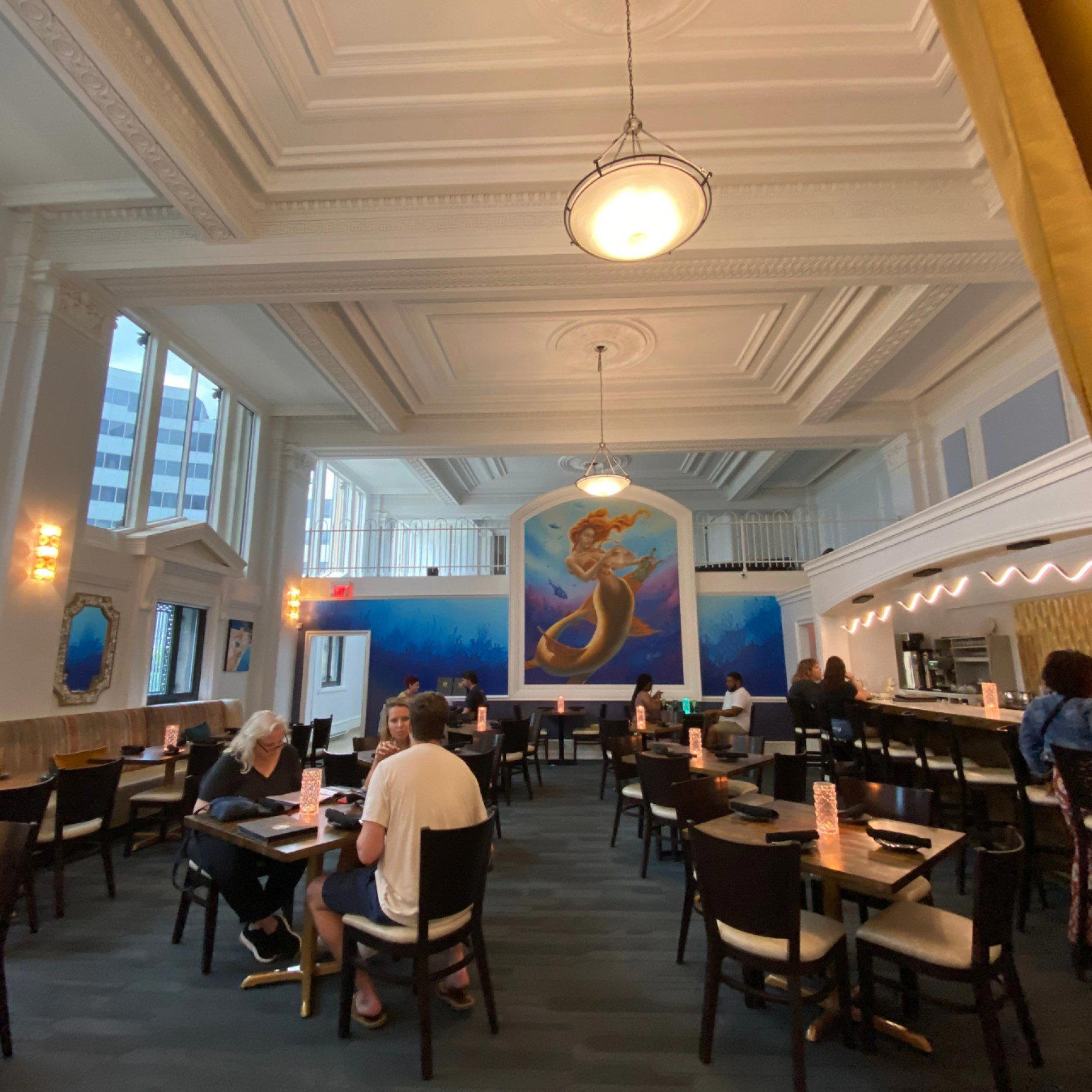
Details
- Intimate
- Casual
- Date Night
- Casual Hangout
- Standalone
- Extensive Wine List
- A La Carte
- Small Plates
Current opening hours
- Monday
- Closed
- Tuesday
- 5–10 PM
- Wednesday
- 5–10 PM
- Thursday
- 5–10 PM
- Friday
- 5–10 PM
- Saturday
- 5–10 PM
- Sunday
- Closed
Hours can change for holidays and private events. Last verified .
Casual atmosphere underscored by friendly and attentive staff.