Asahi Korean Restaurant
Our verdict
Asahi Korean Restaurant on Independence Boulevard brings Korean culinary tradition to Virginia Beach's north side dining corridor. The kitchen operates within a cuisine culture defined by fermentation, communal sharing, and bold, layered seasoning — a cooking philosophy with roots several centuries deep. For locals seeking Korean cooking in a city better known for seafood, Asahi represents a reliable address on the Independence Boulevard strip.

Pearl is the En Primeur Club membership app — saves, bookings, and concierge access live there. Same editors, same standards.
- Address
- 1628 Independence Blvd Suite 1528, Virginia Beach, VA 23455
- Phone
- (757) 318-4111
- Hours
- Mon ClosedTue–Sun 5–8:30 PM
- Directions
- Get directions
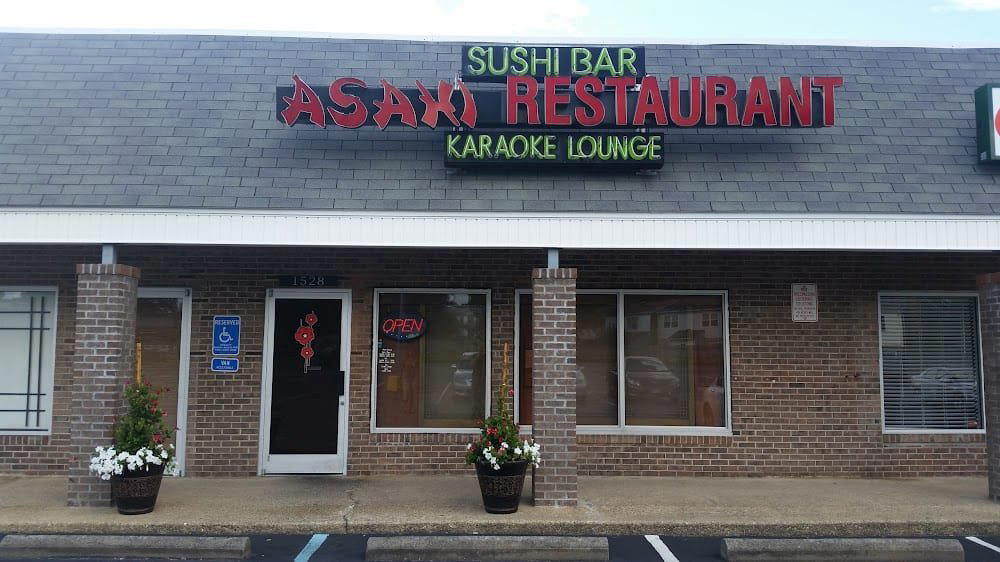
The menu
What to order
- Bibimbap
- Yukgaejang
Korean Cooking in a Coastal American City
Virginia Beach is a city whose restaurant identity is anchored in the Atlantic — crab, oysters, and the kind of casual seafood dining that draws visitors from across the mid-Atlantic. Against that backdrop, Korean cuisine occupies a smaller, more deliberate niche. The kitchens that practice it are serving a tradition built on fermentation cycles measured in months, broths simmered across entire days, and a philosophy of shared eating that treats the table as a social space rather than an individual experience. Asahi Korean Restaurant, located at 1628 Independence Boulevard in the city's north corridor, sits inside that niche.
Independence Boulevard's dining strip is a working neighbourhood stretch rather than a curated food destination. It runs through a part of Virginia Beach where the restaurant mix reflects the area's population directly: Vietnamese bakeries, pan-Asian spots, and a handful of Korean addresses that serve a community with actual roots in those cuisines. Asahi operates in that context, positioning it differently from the oceanfront tourist trade that defines so much of Virginia Beach's dining conversation. For comparison, the broader Virginia Beach table — explored in our full Virginia Beach restaurants guide, spans everything from Italian red-sauce institutions like Aldo's Ristorante to Mediterranean kitchens like Azar's Mediterranean Specialties. Korean cooking is a distinct register within that range.
What Korean Cuisine Actually Demands
The cultural weight behind Korean restaurant cooking is worth understanding before arriving. The cuisine's central logic is banchan: the array of small fermented, pickled, braised, and seasoned side dishes that arrive alongside every main. Kimchi is the most recognisable, but a full banchan spread can include seasoned spinach, pickled radish, fish cake, bean sprouts dressed in sesame, and braised potatoes. These are not garnishes. They are the meal's foundation, and in a traditional Korean household they would reflect the season, the region, and the cook's judgment accumulated over years. In a restaurant context, the quality of banchan is often the most reliable indicator of a kitchen's commitment to the cuisine.
Beyond banchan, Korean cooking divides broadly into a few primary formats. Grill-table formats, where marinated cuts of beef or pork are cooked tableside over charcoal or gas, have become the most globally recognisable Korean restaurant experience. Jjigae, the fermented and stew-based dishes, doenjang jjigae, kimchi jjigae, sundubu, represent the more home-style register, built around long-fermented pastes that give them a depth of flavour no amount of fresh ingredient can replicate. Bibimbap, naengmyeon, and the broader rice and noodle category round out the menu vocabulary that most Korean kitchens work within. At the award-recognised end of Korean dining in the United States, operations like Atomix in New York City have demonstrated how far that culinary vocabulary can be extended in a fine-dining context, but the neighbourhood Korean restaurant that executes the fundamentals faithfully represents a different and equally legitimate tradition.
The Independence Boulevard Corridor
Virginia Beach's north side dining corridor, running along Independence Boulevard and the surrounding commercial streets, is not the city's most discussed dining zone, the Oceanfront and Town Center tend to dominate those conversations. But it is arguably where the city's most culturally specific cooking happens. The concentration of Asian restaurants along this corridor reflects a decades-long pattern of immigrant community settlement, and the Korean restaurants within it are largely cooking for a local audience with specific expectations rather than a tourist trade with general ones. That distinction matters: kitchens serving a community audience tend to hold to their own standards rather than calibrating to a generalised palate. In that sense, Asahi's address tells you something before you've ordered.
For context on how neighbourhood corridors can define a city's dining character more than its marquee addresses do, the dynamic is visible across American food cities, from the Korean strip along 32nd Street in Manhattan's Koreatown to the Vietnamese corridors of Houston's Bellaire district. Virginia Beach's Independence Boulevard operates on a smaller scale but within the same logic: community-driven cooking anchored to a specific population rather than a destination-dining model.
Korean Dining Alongside Virginia Beach's Broader Table
Virginia Beach's restaurant range is genuinely wide once you move past the beachfront. The city has fast-casual formats operating across multiple cuisines, Chick N Roll represents one end of that spectrum, while more ingredient-focused kitchens like Coastal Grill and Eat sit in a different register. Korean cooking occupies its own category within this spread: cuisine-specific, fermentation-dependent, and formatted around sharing rather than individual plating.
For readers whose frame of reference extends to the highest tier of restaurant dining in America, it is useful to understand how different that world is from the neighbourhood Korean context. Operations like Le Bernardin in New York City, The French Laundry in Napa, Blue Hill at Stone Barns in Tarrytown, or Smyth in Chicago are all operating in an entirely separate category defined by tasting menus, sourcing programs, and critical recognition structures. So are Lazy Bear in San Francisco, Providence in Los Angeles, Addison in San Diego, Single Thread Farm in Healdsburg, Emeril's in New Orleans, and The Inn at Little Washington. Internationally, the distinction is equally sharp, as venues like Atelier Moessmer Norbert Niederkofler in Brunico demonstrate. Asahi operates in none of those categories and should not be evaluated against them.
Planning Your Visit
Asahi Korean Restaurant is located at 1628 Independence Boulevard, Suite 1528, in the commercial corridor on Virginia Beach's north side. The address sits within a shopping centre format typical of this part of the city, where restaurants occupy inline retail units rather than standalone buildings.
Frequently asked questions
Where do I go for Asahi Korean Restaurant?
Asahi Korean Restaurant is located at 1628 Independence Blvd Suite 1528, Virginia Beach, VA 23455, Virginia Beach.
Is Asahi Korean Restaurant a good option for Korean food in Virginia Beach outside the oceanfront area?
Asahi Korean Restaurant at 1628 Independence Boulevard, Suite 1528, is positioned in Virginia Beach's north-side commercial corridor, well away from the oceanfront's tourist-facing restaurant density. For diners looking for Korean cuisine specifically in Virginia Beach — a city with limited dedicated Korean dining relative to its size — the Independence Boulevard address represents one of the more accessible options on that side of the city.
What dish is Asahi Korean Restaurant famous for?
Korean restaurants in this category typically anchor their menus around foundational dishes such as bibimbap, bulgogi, and jjigae, supported by rotating banchan spreads. Contacting Asahi directly at their Independence Boulevard location is the most reliable way to confirm current offerings.
Is Asahi Korean Restaurant reservation-only?
No confirmed booking policy is available for Asahi Korean Restaurant. Restaurants along Virginia Beach's Independence Boulevard corridor at this category level often operate on a walk-in basis, though calling ahead is worth doing for larger groups given Korean cuisine's table-centred, shared-format service. No phone number is currently listed in public records for the restaurant.
What's the standout thing about Asahi Korean Restaurant?
Asahi occupies a specific niche in Virginia Beach's dining range: Korean cuisine in a city whose restaurant identity is dominated by Atlantic seafood and beachfront casual dining. The Independence Boulevard location, at Suite 1528, places it in a working north-side commercial corridor rather than the tourist-facing strip, which tends to shape the clientele toward local regulars rather than visitors. That positioning alone distinguishes it from most Virginia Beach dining options.
Can Asahi Korean Restaurant accommodate dietary restrictions?
Korean cuisine broadly includes vegetable-forward dishes and fermented preparations — kimchi, namul, doenjang jjigae — that can suit certain dietary needs, though many contain fermented seafood or meat-based broths. Guests with specific restrictions should verify directly with the restaurant at their Independence Boulevard address before visiting.
Budget Reality Check
Comparable venues nearby, for context on price, style, and recognition.
| Venue | Cuisine | Price | Notes |
|---|---|---|---|
| Asahi Korean RestaurantThis venue — the venue you are viewing | Authentic Korean BBQ | $20–30 | Not listed |
| Mannino's Italian Bistro | Traditional Italian Trattoria | $30–50 | Oceanfront, Traditional Italian Trattoria |
| Chick N Roll | Japanese-Mexican Fusion | $10–20 | Centerville, Japanese-Mexican Fusion |
| Marchese Italian Market & Cafe | Dining | Not listed | Not listed |
| Steinhilber's | Classic Seafood & Steaks | Not listed | Thalia, Classic Seafood & Steaks |
| Judy's Sichuan Cuisine | Authentic Sichuan Cuisine | $20–30 | Town Center area, Authentic Sichuan Cuisine |
Continue exploring
More in Virginia Beach
Restaurants in Virginia Beach
Browse all →
Bars in Virginia Beach
Browse all →
Hotels in Virginia Beach
Browse all →
Wineries in Virginia Beach
Browse all →
Details
- Cozy
- Classic
- Family
- Casual Hangout
- Group Dining
- Standalone
- A La Carte
- Family Style
- Vegetarian Friendly
- Vegan Options
Current opening hours
- Monday
- Closed
- Tuesday
- 5–8:30 PM
- Wednesday
- 5–8:30 PM
- Thursday
- 5–8:30 PM
- Friday
- 5–8:30 PM
- Saturday
- 5–8:30 PM
- Sunday
- 5–8:30 PM
Hours can change for holidays and private events. Last verified .
Cozy and welcoming family-run establishment with warm, authentic Korean dining atmosphere.