à¸à¹à¸§à¸¢à¹à¸à¸µà¹à¸¢à¸§à¸«à¸¡à¸µà¹à¸à¸´à¸ สาà¸à¸² à¸à¸à¸à¸¡à¸´à¸à¸£à¸ าภà¸à¸¸à¸à¸£-หà¸à¸à¸à¸à¸²à¸¢
A guay teow shop in Mueang Udon Thani serving noodles from a roadside address in Mu Mon, this spot sits within Udon Thani's established street-food tradition. The province's northeastern Thai kitchen draws from Isan flavors shaped by Lao proximity and decades of local practice. Visitors looking for an authentic regional bowl will find the surrounding area well-stocked with independent noodle houses at every price point.
Pearl is the En Primeur Club membership app — saves, bookings, and concierge access live there. Same editors, same standards.
- Address
- 190 1, Mu Mon, Mueang Udon Thani District, Udon Thani 41000, Thailand
- Phone
- +66650711065
- Website
- meekidnoodle.com
- Directions
- Get directions
 Saves & bookings on Pearl
Noodles in Udon Thani: Reading the City Through a Bowl
Udon Thani's street-food culture is easier to understand from a plastic stool than from a restaurant menu. The city sits in Thailand's northeastern Isan region, close enough to the Lao border that the local kitchen reflects two culinary traditions at once: the fish-sauce brightness of central Thai cooking and the fermented, herb-forward palate of Laos. In that context, guay teow, the broad category of Thai noodle soups, is less a dish than a daily institution. Shops open early, serve fast, and close when the broth runs out. Guay Teow Tee Yiao Hmee Tip (กวยเตี๋ยวหมี่ทิพย์), located at the roadside address in Mu Mon inside Mueang Udon Thani District, operates within that tradition.
The Character of Isan Noodle Shops
Across Thailand's northeast, guay teow shops occupy a specific social function that differentiates them from the sit-down restaurants of Bangkok or the fine-dining rooms that have brought attention to Thai cuisine internationally. Venues like Sorn in Bangkok and PRU in Phuket have placed refined Thai cooking in a global conversation, but the noodle shop operates on entirely different logic: consistency over complexity, speed over ceremony, and community over curation. The leading indicators of quality in this format are not awards or chef credentials but rather the regulars who return for the same bowl at the same hour, year after year.
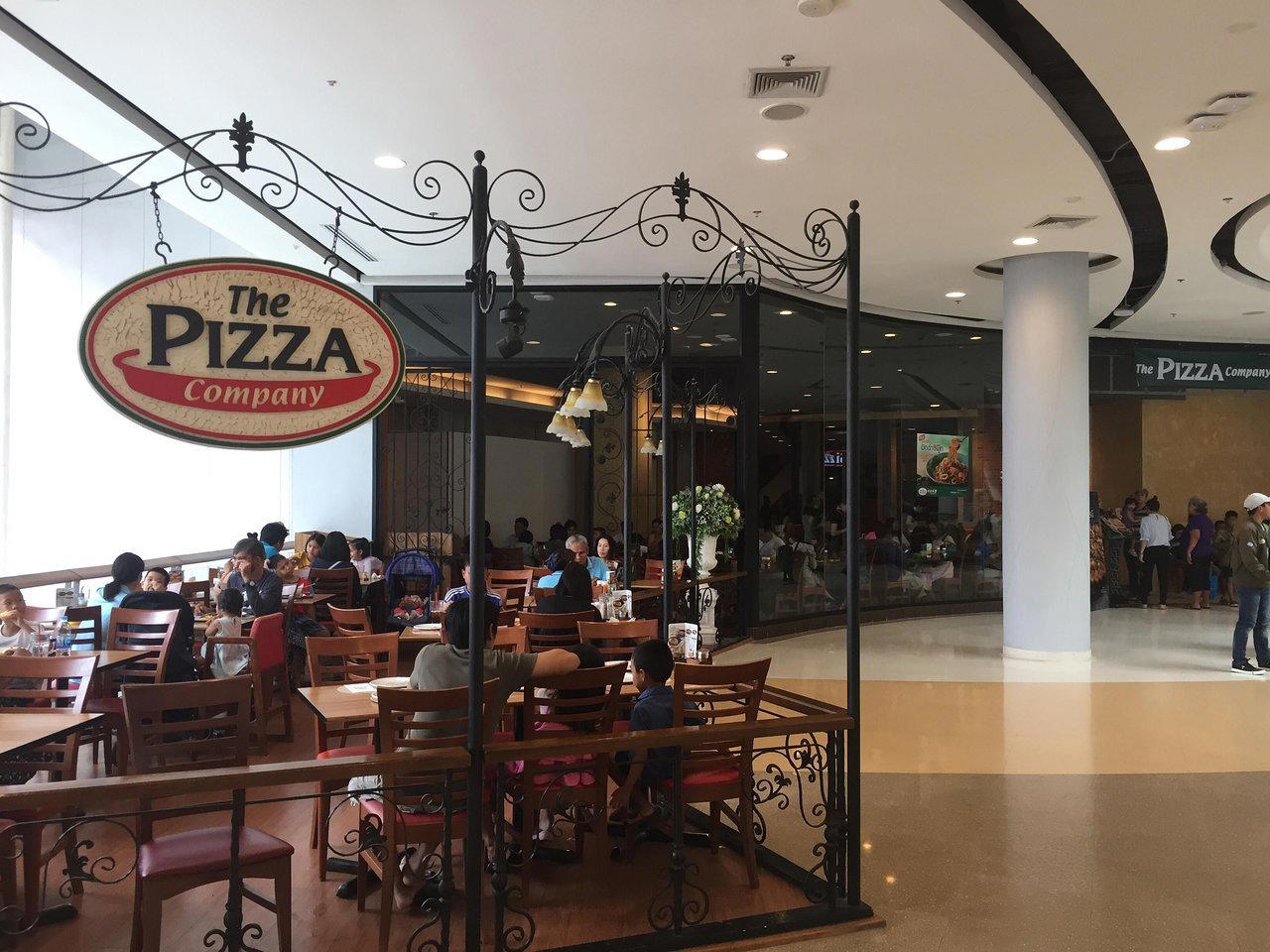
In Udon Thani specifically, this format is dense on the ground. The city's dining scene, covered more broadly in our full Mueang Udon Thani restaurants guide, ranges from Korean barbecue like U Seoul Grill Udonthani and pizza chains like The Pizza Company to deeply local kitchens like Krua Khun-Nid and noodle specialists like PA Noi Noodles. Within that mix, the guay teow shop represents the city at its most unmediated.
What Guay Teow Means in the Northeastern Context
The guay teow category across Thailand covers a wide range of formats: boat noodles with dark, spiced broth; clear broth soups with pork or beef; dry-style noodles dressed with sauces rather than served in liquid. In Isan, the regional pantry leaves its mark on all of these. Fermented fish paste (pla ra) appears as a background note in some preparations. Herbs that rarely reach Bangkok tables show up as fresh garnish. The noodles themselves, whether flat sen yai, thin sen lek, or egg-based ba mee, absorb broth differently depending on how they are produced locally, and many Isan shops still source from suppliers they have used for decades.
This kind of supply-chain continuity, invisible to the casual visitor, is what distinguishes a neighborhood institution from a general noodle shop. It connects to a broader pattern visible elsewhere in Thai regional cooking: the way that Cherng Doi Roast Chicken in Chiang Mai anchors northern Thai grilling traditions, or the way that Loet Rot in Mueang Chiang Mai holds a specific place in that city's street-food geography. In each case, the shop's significance is partly culinary and partly architectural: it marks where a neighborhood eats.
Placing Guay Teow Tee Yiao Hmee Tip in Its Setting
The address in Mu Mon places this shop in the outer residential fabric of Mueang Udon Thani District rather than in a tourist-facing zone. That positioning is typical of serious noodle shops across Thai provincial cities: the audience is local, the footprint is modest, and the operation is structured around volume and repetition rather than occasion dining. This contrasts sharply with the format logic of something like Le Bernardin in New York City or Atomix in New York City, where every element of the experience is engineered for a specific price point and audience. A guay teow shop in Mu Mon engineers for none of that, which is precisely what makes the category worth seeking out.
Travelers coming to Udon Thani for the first time often anchor their food itinerary around the city center or the Night Market, both of which provide accessible entry points. The Mu Mon area requires slightly more intention to reach but puts the visitor inside the residential eating culture that defines the city's daily rhythm more honestly than any tourist corridor does. For reference, similar patterns of residential-first dining can be found across Thai secondary cities, from the market-kitchen strip in Surat Thani (where venues like Little Edo Suratthani represent the international fringe) to the beach-adjacent casual dining of places like Krua Laew Tae R-Rom in Pattaya.
Practical Notes for Visiting
Most operate without reservations, phone lines, or websites, relying instead on physical presence and word of mouth. The address at 190/1, Mu Mon, Mueang Udon Thani District, Udon Thani 41000, Thailand provides a reference point for mapping.
Visitors with dietary needs should note that many Thai noodle broths are built on pork or chicken stock and may contain fish sauce, shrimp paste, or both. Communication directly at the shop, using Thai if possible, is one effective method for clarifying ingredients. Regional noodle kitchens at this price tier do not typically maintain allergen documentation in the way that larger restaurant groups might. Venues like DEVASOM BEACH GRILL in Takua Pa or The Spa in Lamai Beach operate with staffing and systems designed for international guest needs; a standalone Isan noodle shop operates on different infrastructure entirely.
Price and Positioning
Comparable venues nearby, for context on price, style, and recognition.
| Venue | Cuisine | Price | Notes |
|---|---|---|---|
| à¸à¹à¸§à¸¢à¹à¸à¸µà¹à¸¢à¸§à¸«à¸¡à¸µà¹à¸à¸´à¸ สาà¸à¸² à¸à¸à¸à¸¡à¸´à¸à¸£à¸ าภà¸à¸¸à¸à¸£-หà¸à¸à¸à¸à¸²à¸¢This venue — the venue you are viewing | Not listed | Not listed | Not listed |
| The Pizza Company à¸à¸µà¸à¸µà¸à¸µ à¸à¸¸à¸à¸£ | Mueang Udon Thani, Italian Pizza | $$ | Not listed |
| PA Noi Noodles | Not listed | $ | Mueang Udon Thani District, Authentic Thai Beef Noodle Soup |
| Krua Khun-Nid | Mueang Udon Thani, Authentic Isan | $ | Not listed |
| U Seoul Grill Udonthani - ยูà¹à¸à¸¥à¸à¸£à¸´à¸¥ à¸à¸²à¸à¸¹ à¸à¸´à¹à¸à¸¢à¹à¸²à¸ à¸à¸¸à¸à¹à¸à¸à¹ à¸à¸¸à¸à¸£à¸à¸²à¸à¸µ | Not listed | $$ | Mueang Udon Thani, Korean BBQ and Shabu Buffet |
| โรงกลั่นเนื้อ | Not listed | $$ | สัมพันธวงศ์, Thai Beef Noodle Soup |
Continue exploring