DTTN 2.0
DTTN 2.0 occupies a street-level address in downtown Santa Ana's 4th Street corridor, a block that has quietly accumulated some of Orange County's more considered dining options.
- Address
- 220 E 4th St #102, Santa Ana, CA 92701
- Website
- detentiondtsa.com
- Directions
- Get directions
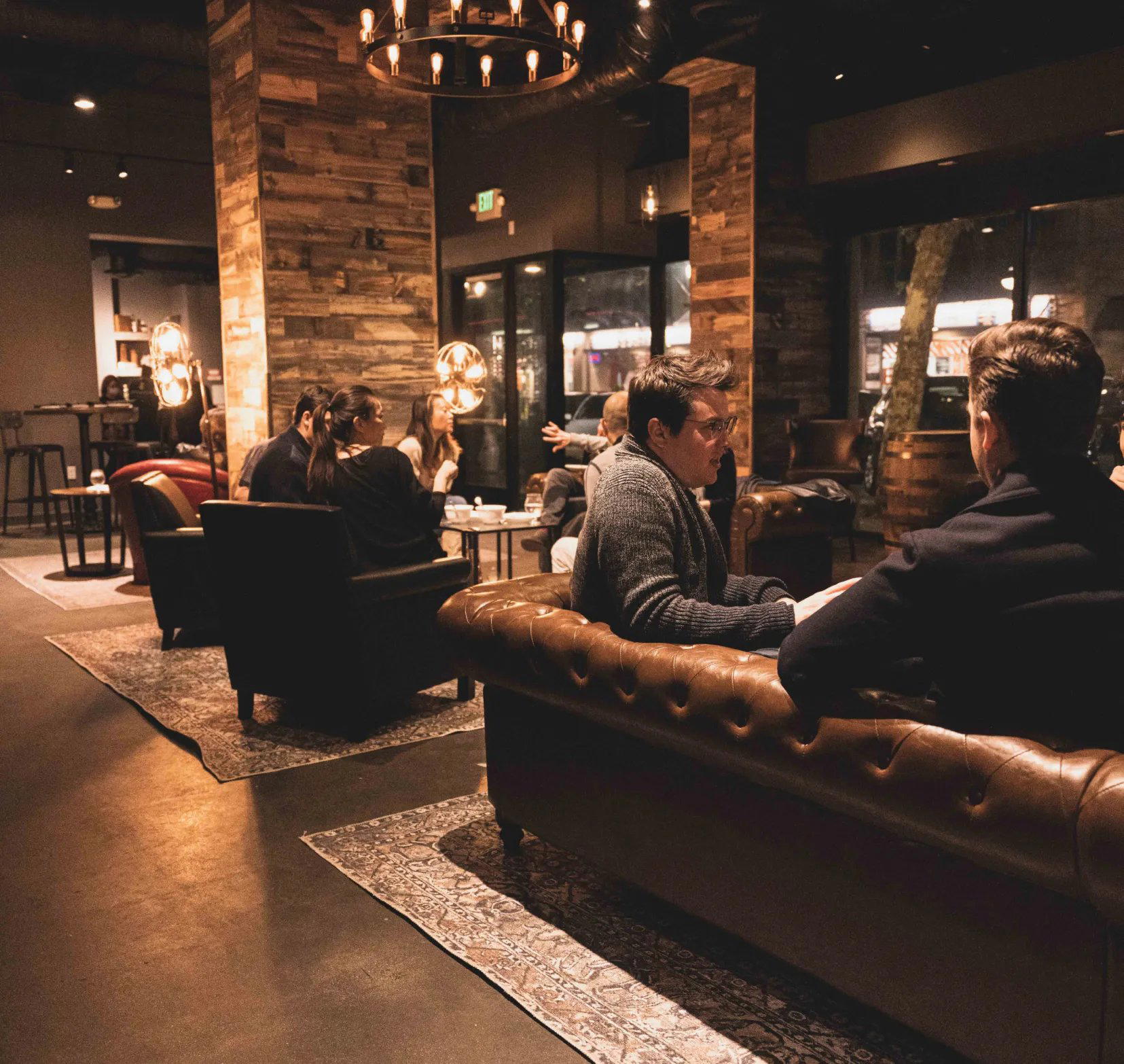
Downtown Santa Ana and the Block That Keeps Shifting
Fourth Street in Santa Ana has spent the better part of a decade in a state of productive tension. The blocks between the old civic core and the Artists Village have accumulated an unusually mixed roster of operators: long-running family taquerias, modernist cocktail rooms, and a handful of concept-driven independents that fit no easy category. DTTN 2.0, at 220 E 4th St, sits inside this churn. The address is suite 102, a ground-floor position that in this particular stretch of downtown signals a certain deliberateness about foot traffic and walk-in culture rather than the destination-only model you see in more isolated parts of Orange County.
Santa Ana's dining identity is not monolithic. The city has one of California's densest concentrations of Mexican American cooking traditions, a legacy visible in everything from the carnicerias along First Street to the more composed regional Mexican formats that have emerged closer to the civic center. Alongside that tradition, a different kind of operator has moved into the 4th Street corridor specifically: smaller, format-conscious, often harder to categorize. DTTN 2.0 belongs to this second cohort by address if not always by explicit declaration.
What the Name Implies About Format
The "2.0" suffix in a restaurant name is almost always intentional editorial positioning. Across the American independent dining scene, the version-number convention signals iteration rather than origin: the operator has run something before, learned from it, and returned with a more deliberate structure. This is not a rebrand of a failed concept; it is, by convention, an upgrade of a tested one. That framing matters for how a diner should approach the room. The expectation built into the name is not nostalgia or comfort, but calibration.
In cities like San Francisco, where Lazy Bear moved from pop-up to permanent with a fully reconsidered format, or in New York, where Atomix rebuilt Korean fine dining around a card-based menu architecture, the version-two restaurant tends to operate with a tighter, more opinionated structure than its predecessor. Whether DTTN 2.0 follows that model precisely is something diners will need to verify on arrival, but the naming convention sets a context that is worth understanding before you book.
Menu Architecture as the Defining Signal
When public data on a restaurant is limited, the most useful thing to read is how the menu is structured rather than what individual dishes cost or contain. Menu architecture, the way courses are sequenced, how many choices exist at each stage, whether the kitchen dictates pace or the diner does, tells you more about a restaurant's ambitions than any single headline ingredient. A long carte with many options suggests the kitchen is confident in volume and variety. A short, focused format with limited substitution suggests the kitchen is betting on a specific point of view.
At the higher end of this spectrum nationally, places like The French Laundry in Napa or Smyth in Chicago use tightly controlled tasting formats where the menu structure itself is the argument. At the other end, neighborhood independents in dense urban corridors tend toward open, flexible formats that accommodate groups and variable pacing. Downtown Santa Ana's independent operators generally sit closer to the latter, given the demographics and foot-traffic patterns of the 4th Street block.
The Downtown Santa Ana Context
Santa Ana is frequently discussed as Orange County's most overlooked dining city, and that framing is not without basis. The county's dining conversation tends to center on coastal Newport Beach or the suburban sprawl of Irvine, leaving the historic downtown core underrepresented in broader regional coverage. Yet the 4th Street corridor has produced some of the county's more interesting independent formats in recent years. Antonello Ristorante has maintained a standard of Italian cooking in Santa Ana for decades, while operators like Casa Ramos and Hector's On Broadway represent the traditional anchor of the city's Mexican dining identity. Darya has held the Persian end of the spectrum for years.
For visitors building a broader Santa Ana itinerary, Hans' Homemade Ice Cream has long served as a neighborhood fixture for post-dinner stops, and the wider context for planning is available through our full Santa Ana restaurants guide.
How DTTN 2.0 Fits a Regional Pattern
Across Southern California, a cluster of independent restaurants have built reputations outside the traditional critical centers of Los Angeles and San Diego. Providence in Los Angeles and Addison in San Diego operate at the credentialed end of that spectrum. The interesting development in the mid-2020s is how much activity is happening one tier below that ceiling, in cities like Santa Ana where rents and operating costs allow operators to take format risks that are harder to sustain on the Westside. The 2.0 model specifically, iterative and self-aware, fits that pattern of careful recalibration rather than first-time ambition.
Nationally, comparable format evolution can be traced through examples like Single Thread Farm in Healdsburg or Blue Hill at Stone Barns in Tarrytown, where the restaurant's structure is itself a statement about sourcing, sequence, and intention. DTTN 2.0 is not operating at that scale or recognition tier, but the underlying logic of treating the menu as an argument rather than a list is a thread that connects independent operators at multiple price points.
Planning a Visit
Because DTTN 2.0's hours, booking method, and current format are not publicly confirmed in available databases, the practical advice is to approach the venue directly via the address at 220 E 4th St, suite 102, Santa Ana, CA 92701, or to check current operating status through local discovery platforms before building an evening around it. Downtown Santa Ana's 4th Street blocks are walkable from the Santa Ana Regional Transportation Center, which connects Metrolink and Amtrak service from Los Angeles and San Diego, making the neighborhood accessible without a car for visitors arriving from either direction. Parking in the immediate area is available in surface lots off 4th and 5th Streets. Given the independent nature of the operation, confirming current hours before arrival is the single most important logistical step.
Reputation First
| Venue | Cuisine | Price | Awards |
|---|---|---|---|
| DTTN 2.0This venue — the venue you are viewing | Not listed | Not listed | This venue |
| Lola Gaspar | Mexican | $$ | Mexican |
| Omakase by Gino | Japanese | $$$$ | Japanese |
Continue exploring
More in Santa Ana
Restaurants in Santa Ana
Browse all →
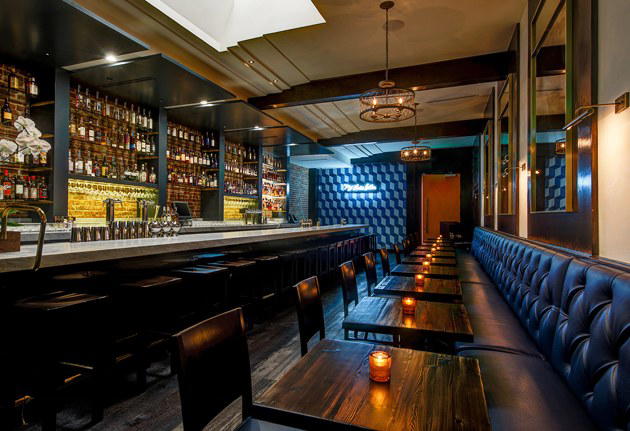
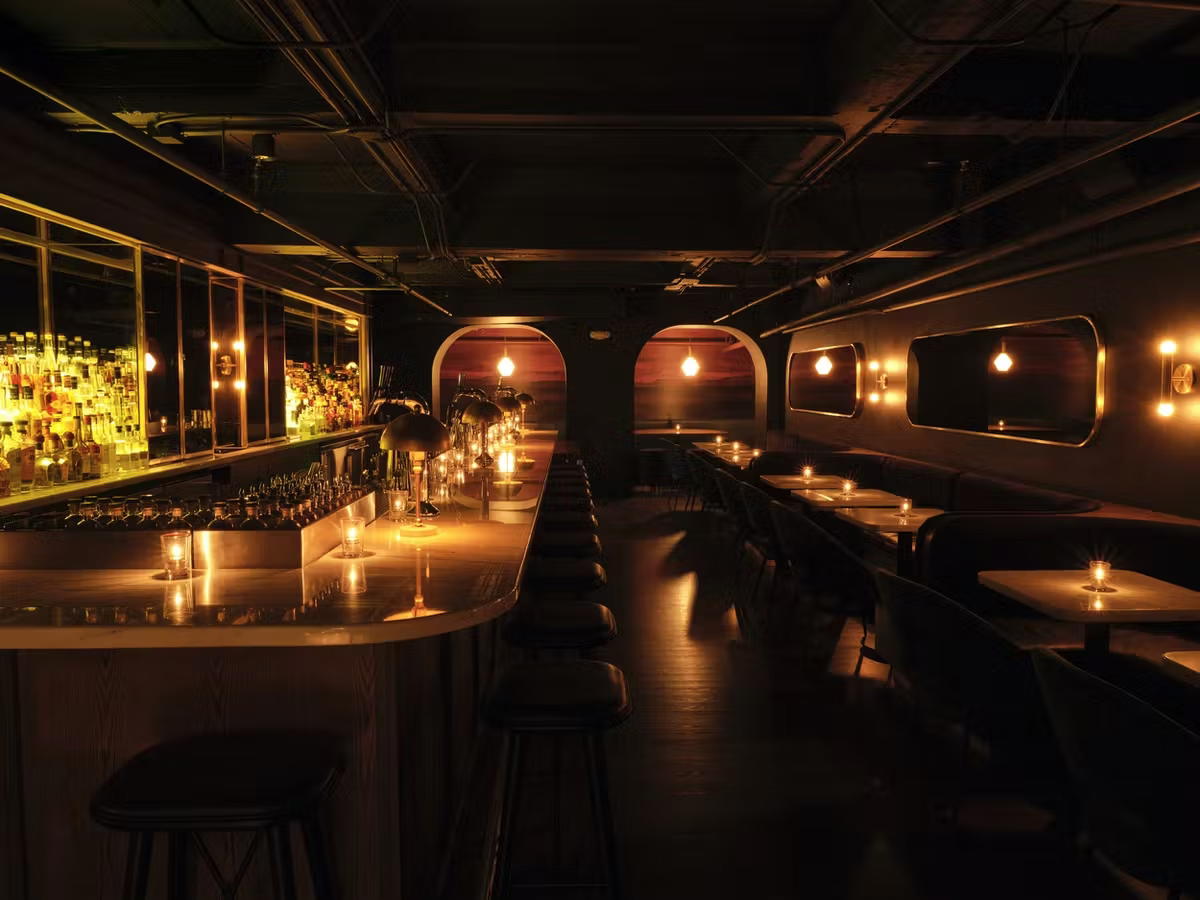
Bars in Santa Ana
Browse all →
Hotels in Santa Ana
Browse all →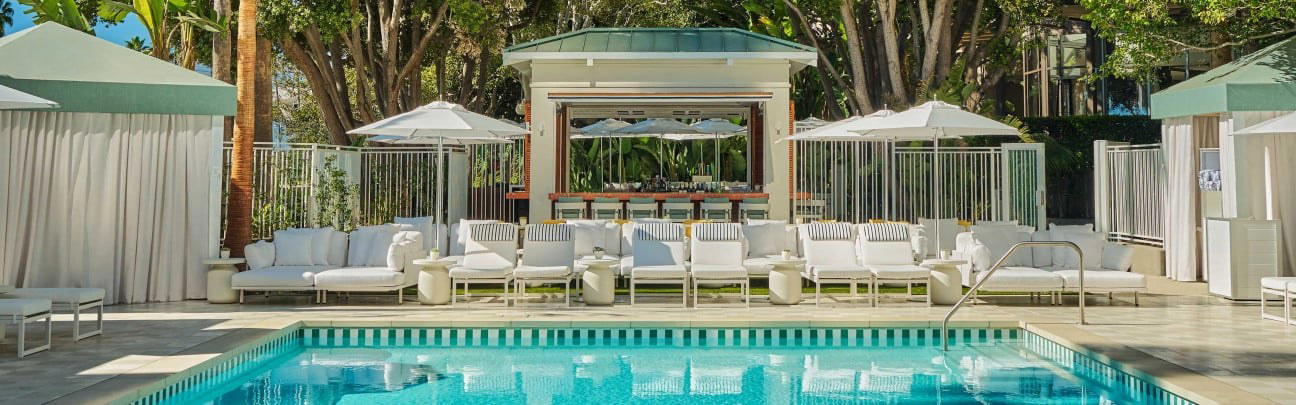
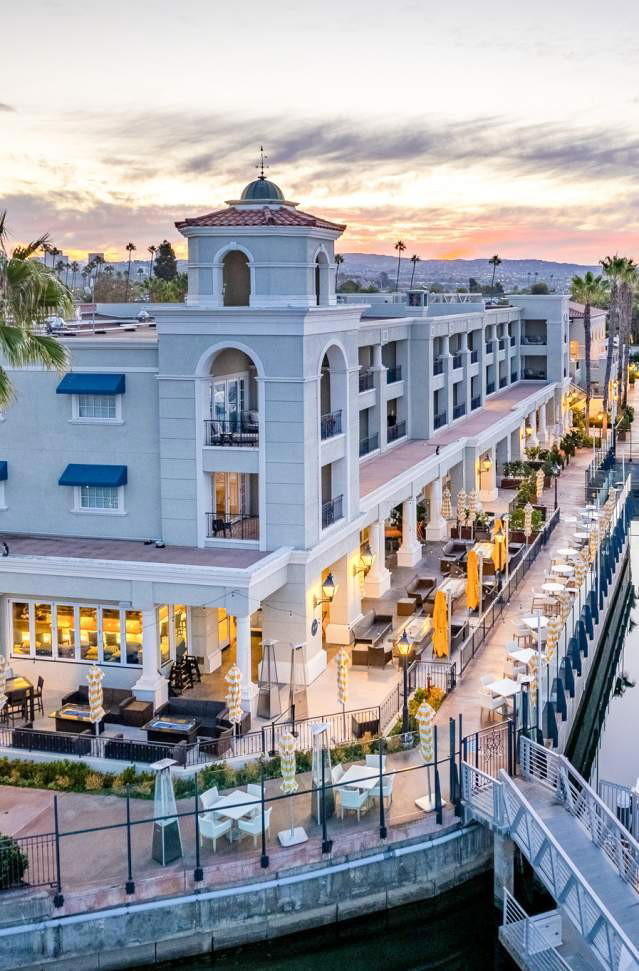

Wineries in Santa Ana
Browse all →
At a Glance
- Intimate
- Modern
- Sophisticated
- Date Night
- Special Occasion
- Open Kitchen
- Craft Cocktails
Intimate lounge atmosphere in the former Detention space with frosted windows, focused on personalized service and customized drinks.
Know Before You Go
- Getting there
- 220 E 4th St #102, Santa Ana, CA 92701