Dryft Revere
Our verdict
Dryft Revere occupies the Ocean building on Revere's waterfront, positioning itself within a coastal dining scene that has long drawn attention for its proximity to fresh Atlantic seafood. The restaurant sits at an interesting intersection: a city historically associated with no-frills beach food now hosting a more considered approach to sourcing and preparation. For context on where it fits in Revere's broader dining picture, see our full guide.

Pearl is the En Primeur Club membership app — saves, bookings, and concierge access live there. Same editors, same standards.
- Address
- Ocean building, 500 Ocean Ave, Revere, MA 02151
- Phone
- (857) 345-2717
- Hours
- Mon–Thu 11 AM–10 PMFri–Sat 11 AM–11 PMSun 11 AM–10 PM
- Website
- dryftrevere.com
- Directions
- Get directions
- Booking
- Book on OpenTable
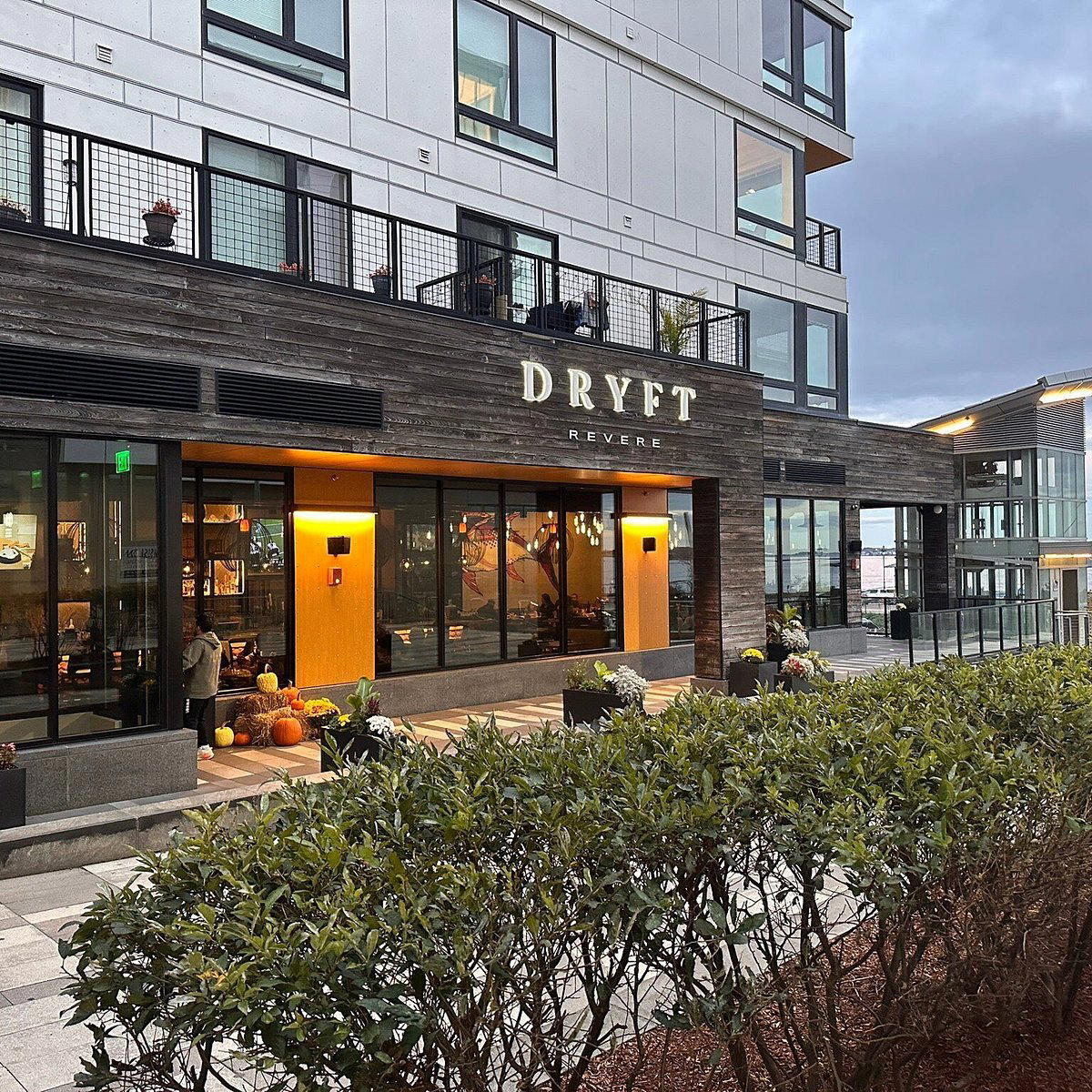
Where Revere's Waterfront Meets a Quieter Kind of Coastal Dining
Approaching 500 Ocean Ave, the Atlantic is not a backdrop — it is the operating logic. Revere Beach, the oldest public beach in the United States, sits steps from the Ocean building, and the salt air that moves through the area on any given afternoon is the same air that has shaped this stretch of coastline for more than a century. What has changed, slowly and without much fanfare, is what local kitchens are choosing to do with that geography. Dryft Revere arrives in this context not as an anomaly but as part of a broader pattern: coastal communities north of Boston quietly recalibrating their dining registers without abandoning the waterfront identity that defines them.
The setting inside the Ocean building carries the functional seriousness of a room that expects the view to do some of the work, which, given the Atlantic sight lines, is a reasonable arrangement. Revere has not historically been a restaurant destination in the way that Salem or Gloucester attract food-focused visitors from further afield, which means that a place like Dryft operates with a different kind of audience pressure: regulars who know the neighborhood, commuters who arrive via the MBTA Blue Line's Revere Beach station (a short walk from the address), and visitors who combine a beach day with a meal. That mix matters when thinking about what a kitchen here needs to deliver.
The Sourcing Logic of a Waterfront Address
In American coastal dining, the credibility of a seafood-forward menu has increasingly come down to one question: how close is the fish to where it was caught? The Gulf of Maine, which supplies much of the cold-water catch available to Boston-area kitchens, produces some of the country's most documented Atlantic species — haddock, pollock, wild striped bass, and the soft-shell clams that define northeastern beach culture. A restaurant on Revere Beach sits within the same supply geography as kitchens operating at considerably higher price points in downtown Boston or Cambridge, which creates an interesting tension between address and ambition.
That tension is not unique to Dryft. Along the American coastline, a recurring dynamic plays out: proximity to exceptional raw ingredients does not automatically translate into kitchens that handle those ingredients at the level the sourcing deserves. The restaurants that close that gap, Le Bernardin in New York City, Providence in Los Angeles, do so through technique and editorial restraint, letting the quality of the catch drive the plate rather than masking it. Closer to the farm-to-table idiom, places like Blue Hill at Stone Barns in Tarrytown and Single Thread Farm in Healdsburg have made sourcing transparency a structural feature of the dining experience rather than a marketing footnote. The question worth asking of any waterfront kitchen is whether the sourcing story is built into the menu or simply implied by the address.
Revere's own food history is instructive here. Kelly's Roast Beef on the beach, a local institution since 1951, represents one extreme of that spectrum: unambiguous, deeply local, built on a single product done consistently. It has never needed to articulate a sourcing philosophy because the product was always the philosophy. The more recent wave of Revere dining, which includes Il Tartufo with its country-cooking orientation, reflects a city that is adding registers without erasing the old ones. Dryft sits within that ongoing negotiation.
Revere in the Wider American Dining Conversation
It is worth placing this moment in Revere against a broader set of reference points. American dining has developed several distinct models for how coastal and agricultural proximity can be converted into a meaningful restaurant proposition. At the tightly controlled end, kitchens like The French Laundry in Napa and The Inn at Little Washington treat sourcing as a form of fine print: the ingredients are exceptional, but the technique is what you are paying for. At the other end, places like Lazy Bear in San Francisco and Smyth in Chicago have built sourcing into the theatrical and narrative structure of the meal itself, making provenance part of the experience design.
Mid-tier coastal markets, and Revere qualifies as one, often sit between these poles. The supply chain is available; the audience is mixed; the price expectations are shaped by neighborhood context rather than national reputation. What distinguishes the better operations in these markets is usually a clarity of intent: they know what they are and do not overreach. Frasca Food and Wine in Boulder and Addison in San Diego both operate in cities that carry less culinary prestige than their coastal counterparts, and both have built reputations through consistency and a specific point of view rather than through ambition that outpaces the room. The same logic applies on Revere Beach.
For readers tracking how ingredient-driven American kitchens are developing outside of major urban centers, The Wolf's Tailor in Denver, ITAMAE in Miami, and Atomix in New York City all offer instructive case studies in how sourcing philosophy scales across different market conditions. Emeril's in New Orleans and Atelier Moessmer Norbert Niederkofler in Brunico represent two very different approaches to regional ingredient identity, one rooted in cultural abundance, the other in ecological restraint, and together they frame the spectrum within which any serious coastal kitchen now has to position itself.
Planning a Visit
Dryft Revere is located at 500 Ocean Ave in the Ocean building, directly on Revere Beach. The MBTA Blue Line stops at Revere Beach station, making the restaurant accessible from downtown Boston without a car, a practical consideration given parking on the beach in summer. Revere's broader dining scene is covered in our full Revere restaurants guide, which maps the neighborhood's options across price points and styles.
Frequently asked questions
Is Dryft Revere good for families?
Revere has a historically working-class, accessible character, and a waterfront address on Ocean Ave at Revere Beach — the oldest public beach in the United States — points to a room built for broad appeal. The neighborhood draws a genuinely mixed crowd of locals and day-trippers rather than a reservation-only fine dining set. That context makes Dryft a reasonable call for families looking for a coastal setting without formality.
How would you describe the vibe at Dryft Revere?
The position inside the Ocean building on 500 Ocean Ave puts the Atlantic directly in frame, and Revere Beach has always leaned toward the unpretentious end of the coastal spectrum. This is not the curated quiet of a boutique dining room — it's a public beach neighborhood with genuine foot traffic and a relaxed register. Expect a room that reads as coastal-casual, shaped by its surroundings rather than set apart from them.
Is Dryft Revere accessible by public transit from Boston?
Yes — the MBTA Blue Line stops at Revere Beach station, placing the restaurant within easy walking distance of 500 Ocean Ave without requiring a car. That connection makes Dryft one of the few waterfront dining options in the greater Boston area that is straightforwardly reachable from downtown by subway. For a city-based visitor wanting a coastal meal without renting a vehicle, the Blue Line access is a practical advantage.
What do people recommend at Dryft Revere?
Visitors consistently point to the ocean-facing setting at 500 Ocean Ave as a draw in its own right. For current dish recommendations, checking the venue directly before visiting is advisable.
Where exactly is Dryft Revere?
Dryft Revere is located at Ocean building, 500 Ocean Ave, Revere, MA 02151, Revere.
Fast Comparison
| Venue | Cuisine | Price | Awards | Notes |
|---|---|---|---|---|
| Dryft RevereThis venue — the venue you are viewing | Modern New England Seafood | $50–100 | Not listed | Not listed |
| Le Bernardin | French Seafood Fine Dining | $300–500 | 3 Michelin Stars · World's 50 Best #13 | French, Seafood |
| Lazy Bear | Modern American Tasting Menu | Not listed | 2 Michelin Stars · World's 50 Best #25 | Progressive American, Contemporary |
| Atomix | Modern Korean Tasting Menu | $300–500 | 2 Michelin Stars · World's 50 Best #7 | Modern Korean, Korean |
| Per Se | French Fine Dining Tasting Menu | $300–500 | 3 Michelin Stars · World's 50 Best #40 | French, Contemporary |
| Masa | Traditional Japanese Omakase | $500+ | 2 Michelin Stars · World's 50 Best #27 | Sushi, Japanese |
Continue exploring
More in Revere
Restaurants in Revere
Browse all →
Bars in Revere
Browse all →
Hotels in Revere
Browse all →
Wineries in Revere
Browse all →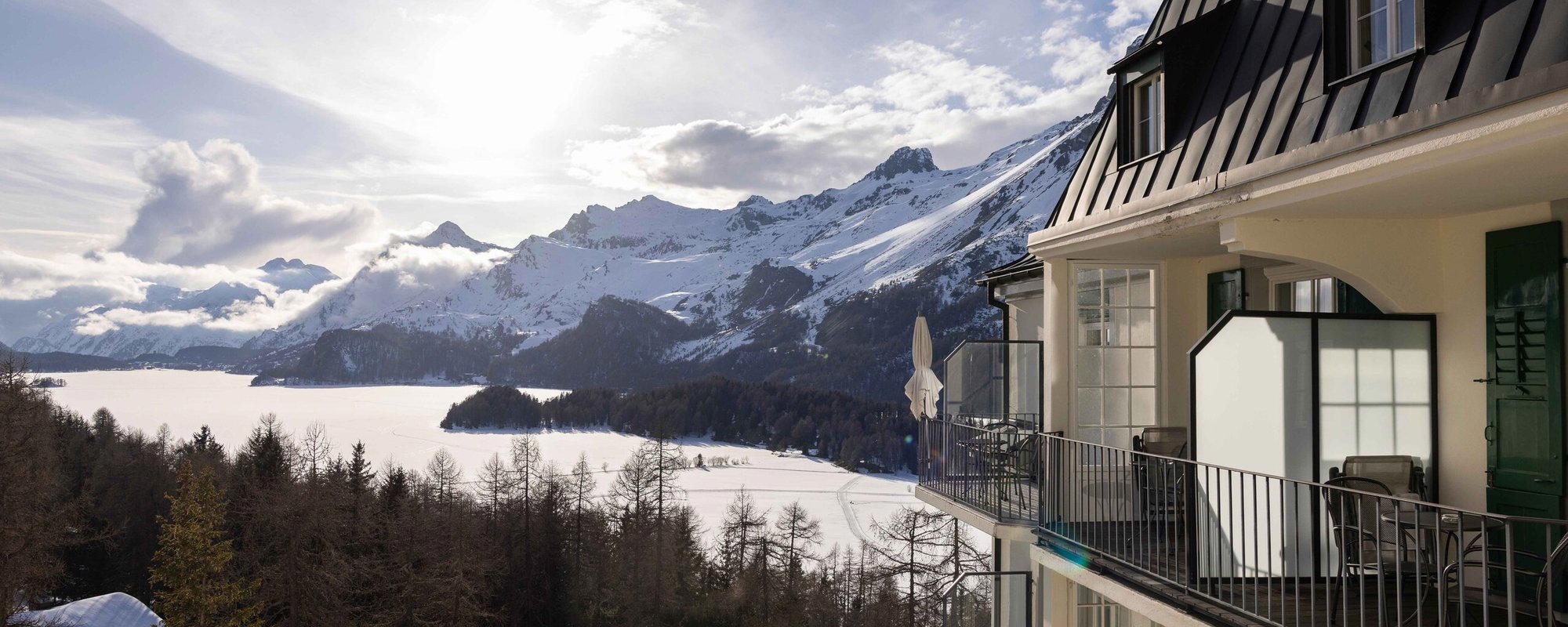

Details
- Romantic
- Cozy
- Trendy
- Scenic
- Date Night
- Special Occasion
- Waterfront
- Terrace
- Craft Cocktails
- Local Sourcing
- Waterfront
- A La Carte
- Small Plates
- Craft Cocktails
- Gluten Free Options
Current opening hours
- Monday
- 11 AM–10 PM
- Tuesday
- 11 AM–10 PM
- Wednesday
- 11 AM–10 PM
- Thursday
- 11 AM–10 PM
- Friday
- 11 AM–11 PM
- Saturday
- 11 AM–11 PM
- Sunday
- 11 AM–10 PM
Hours can change for holidays and private events. Last verified .
Inviting atmosphere blending cozy, romantic, and upmarket casual vibes with oceanfront setting.