Our verdict
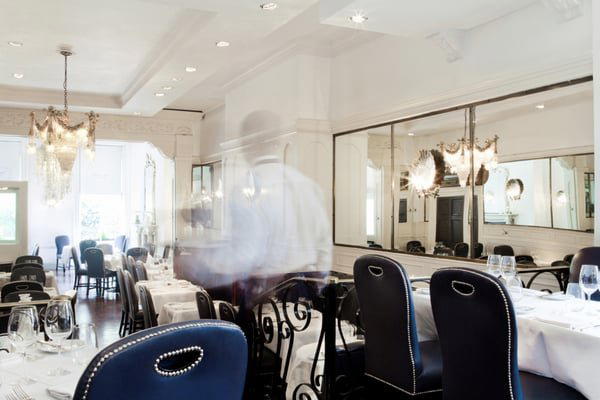
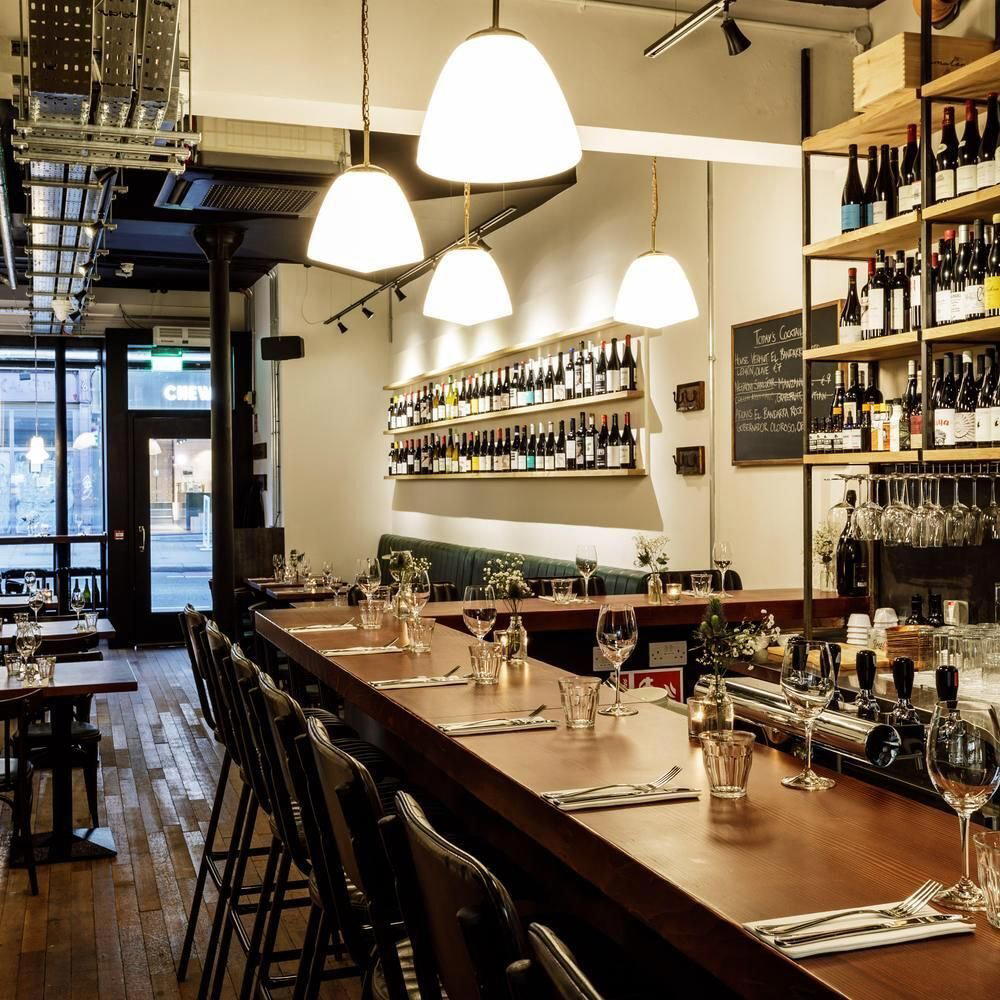
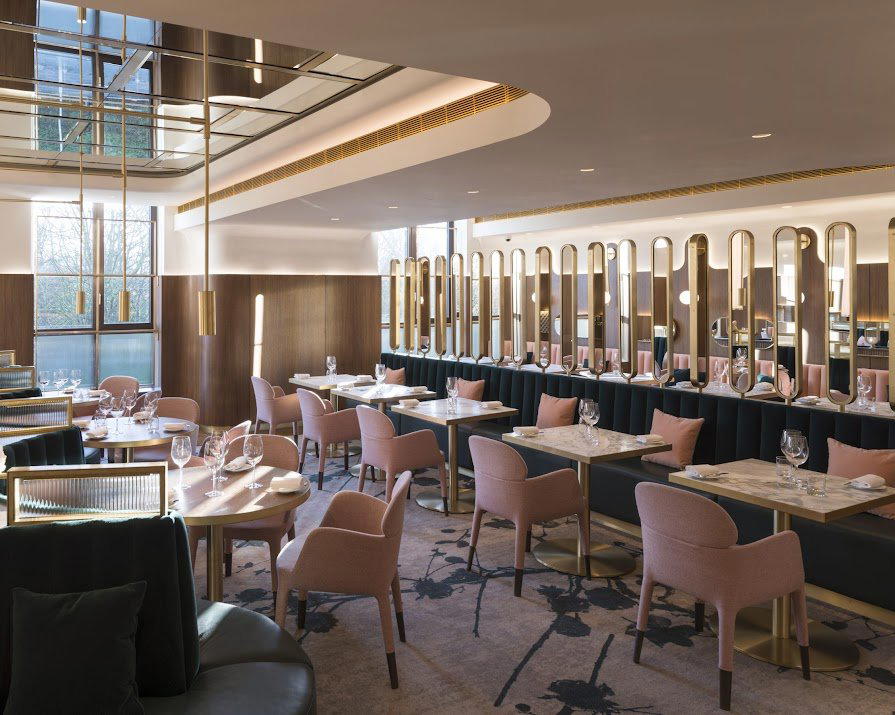
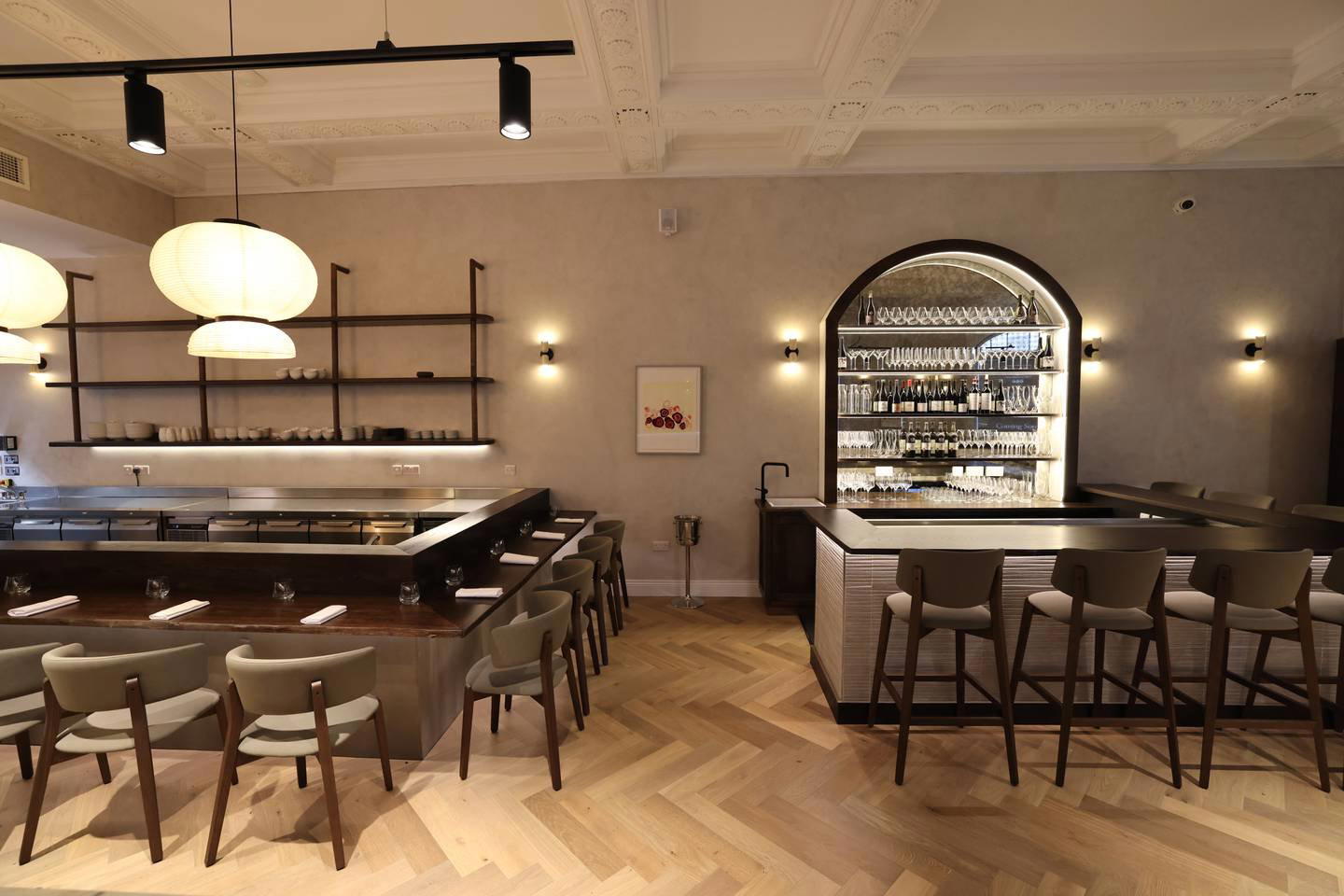
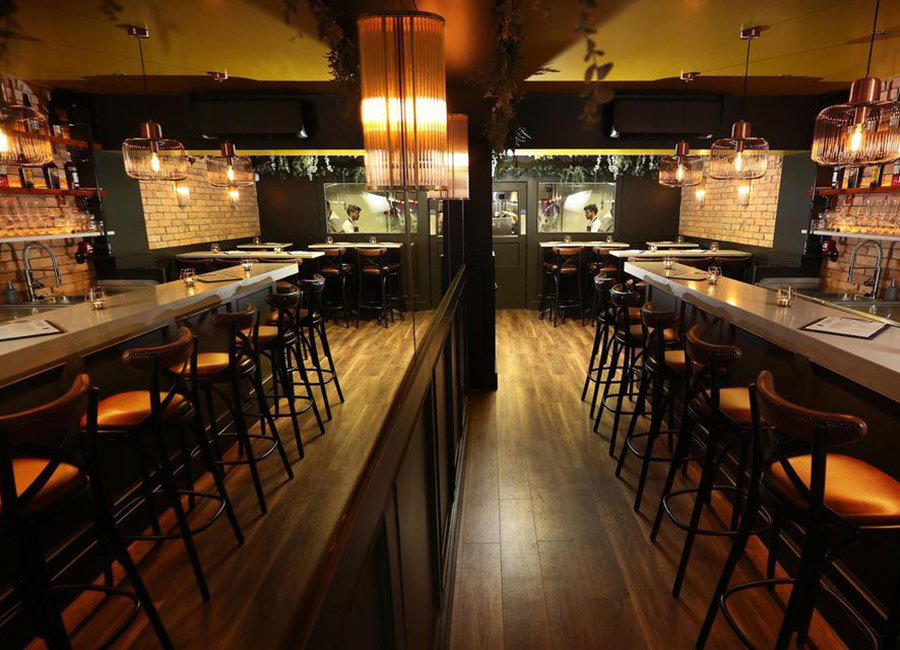
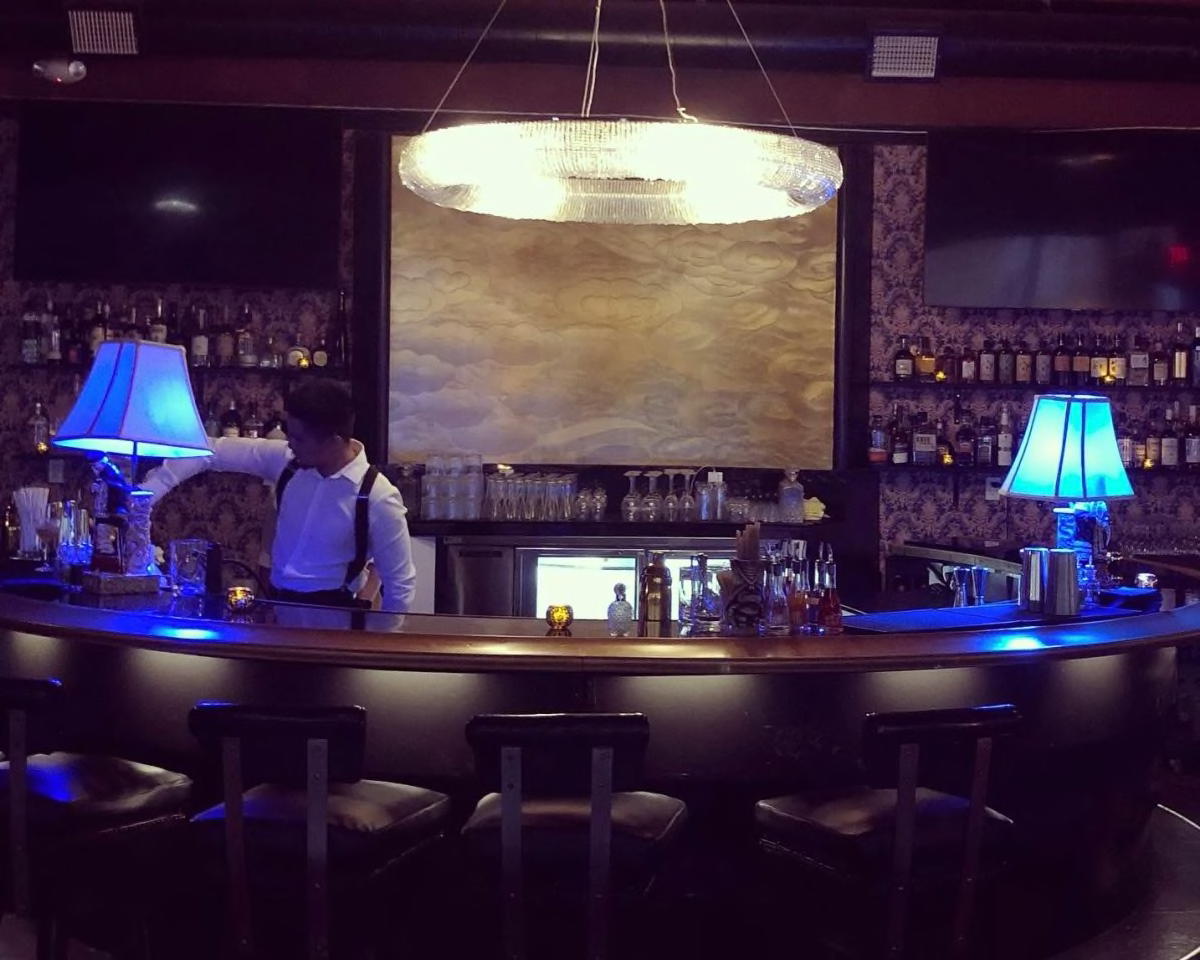
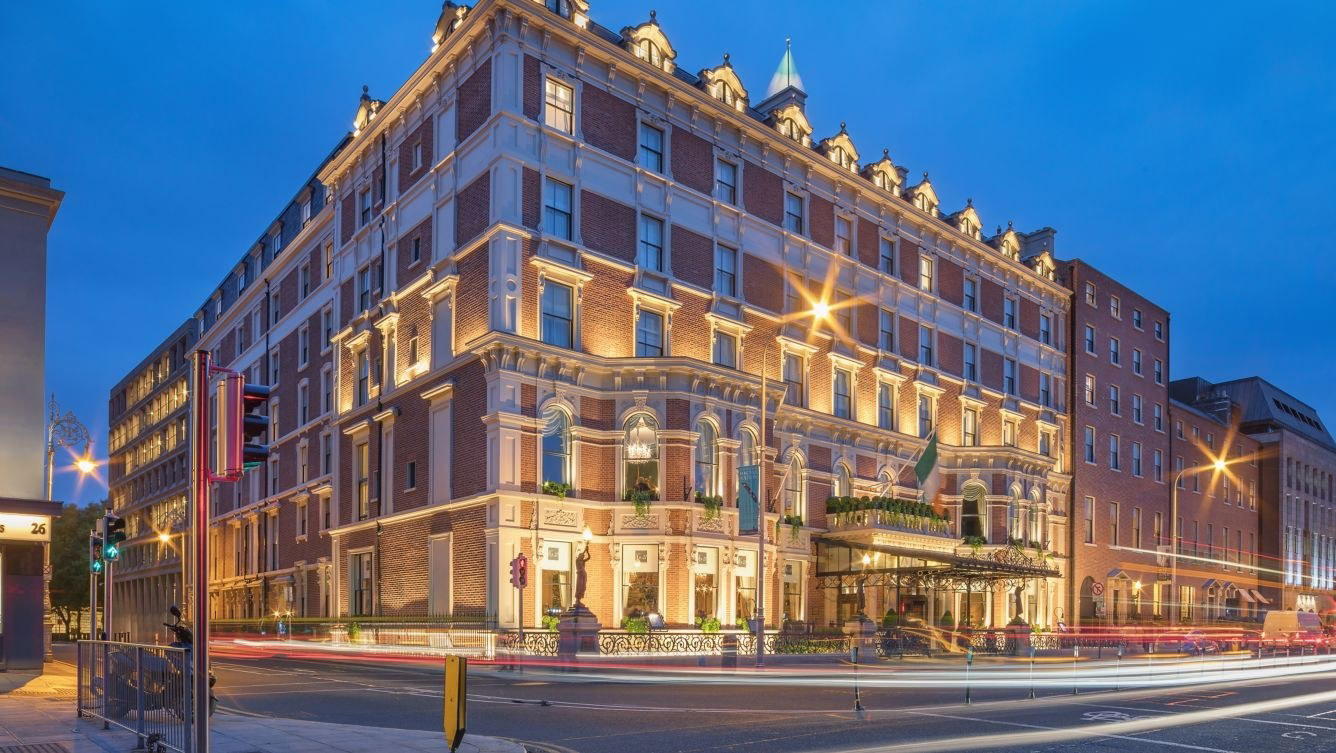
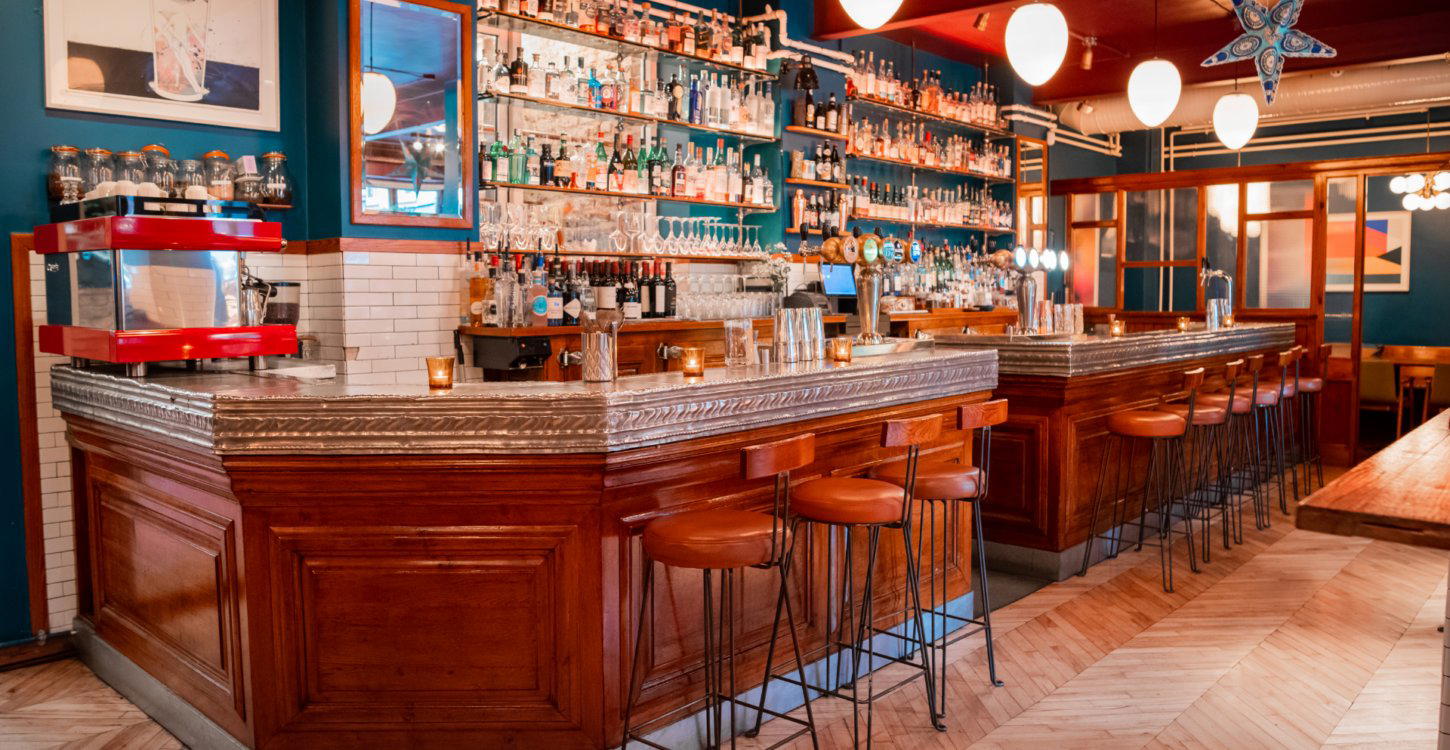
Drury Buildings occupies a converted Victorian warehouse on one of Dublin 2's most characterful streets, positioning itself within the city's mid-to-upper dining tier alongside a wave of venues rethinking what Irish hospitality looks and tastes like. The address places it in the heart of the Creative Quarter, where the neighbourhood's independent retail and café culture sets a tone that the building's interiors continue indoors.

Pearl is the En Primeur Club membership app — saves, bookings, and concierge access live there. Same editors, same standards.
- Address
- 52-55 Drury St, Dublin 2, Ireland
- Phone
- +35319602095
- Hours
- Mon–Wed 12:30–11:30 PMThu 12:30 PM–12:30 AMFri–Sat 12:30 PM–1:30 AMSun 12:30–11:30 PM
- Website
- drurybuildings.com
- Directions
- Get directions
- Booking
- Book on OpenTable
The menu
What to order
- Picanha Steak
- Dublin Bay Prawn Scampi
- Arancini
A Street That Sets the Tone Before You Enter
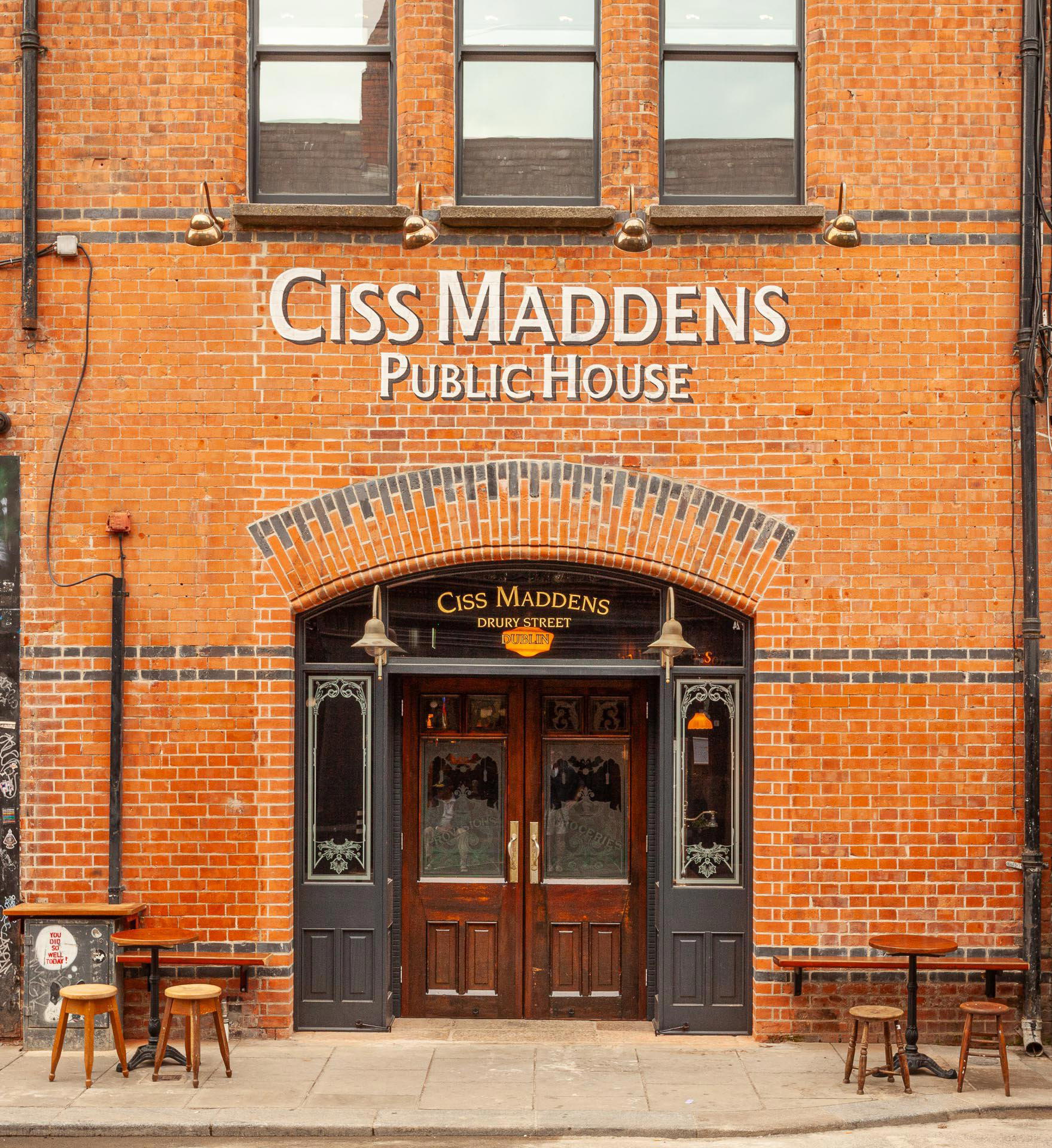
Drury Street sits at the junction of Dublin's Creative Quarter and the older Georgian grid of Dublin 2, a block that has accumulated independent coffee shops, design boutiques, and a Saturday market that draws a decidedly local crowd. The street's character is earned rather than curated: the buildings are Victorian-era brick, the footpaths narrow, and the scale resolutely human. Arriving at Drury Buildings, you are already inside a neighbourhood argument about what Dublin's city centre can be when it resists the pressure to homogenise. That argument is the context in which the venue makes its case.
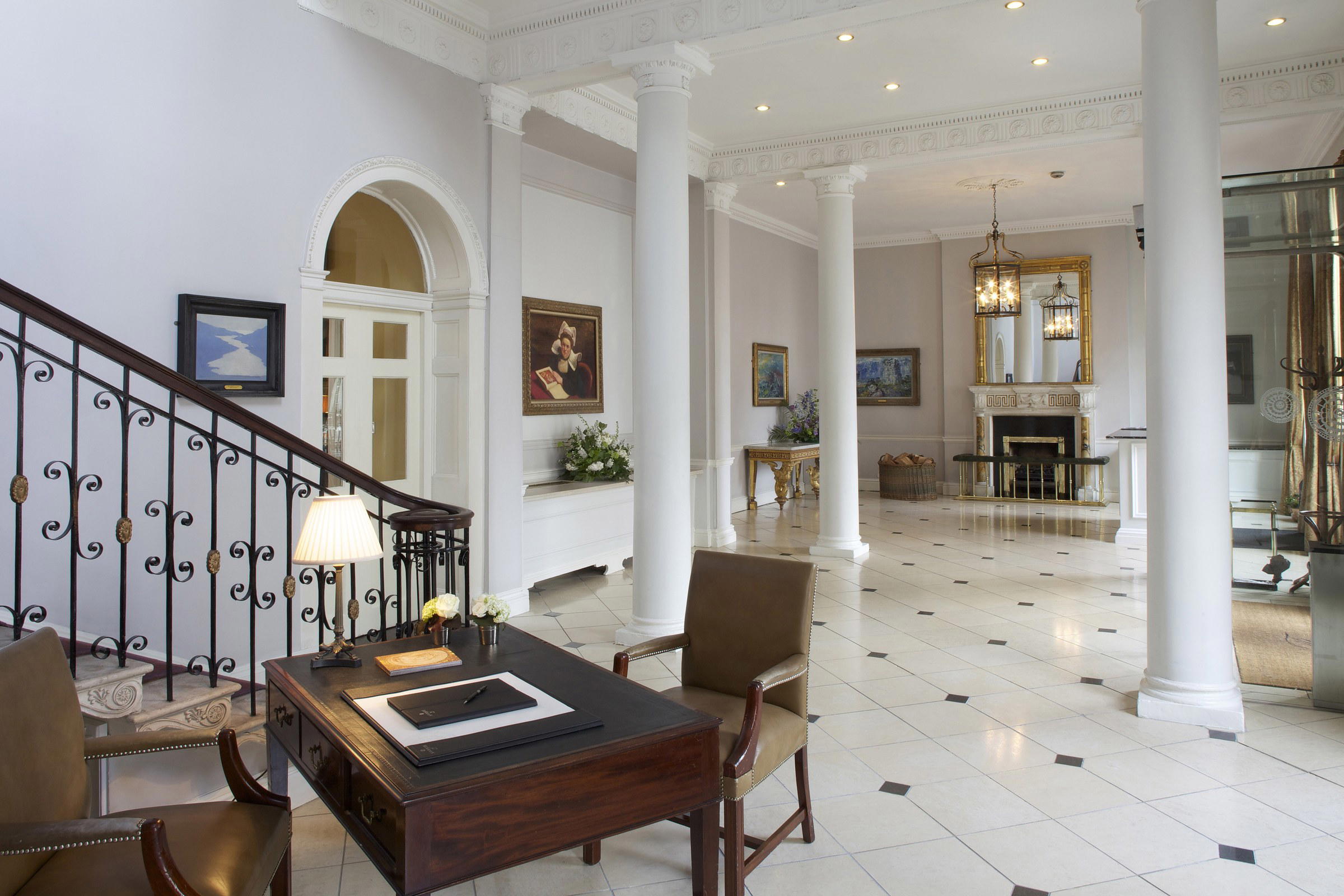
Converted industrial and mercantile buildings have become a reliable format for Dublin's dining expansion over the past decade. The exposed structural elements, generous ceiling heights, and layered patina of older construction give these spaces a texture that purpose-built restaurant interiors rarely achieve. Drury Buildings belongs to that tradition, and its address on Drury Street places it in close proximity to the kind of foot traffic — culturally curious, spending-conscious but not price-averse — that sustains ambitious all-day operations in mid-European cities. Dublin is catching up to that model, slowly and unevenly, and venues like this one are part of how it does so.
Where Drury Buildings Sits in Dublin's Dining Picture
Dublin's dining tier between casual and high-end tasting-menu format has thickened considerably since 2015. The city's upper bracket is anchored by long-established institutions: Patrick Guilbaud at Merrion Street remains the city's only two-Michelin-star address, and Chapter One by Mickael Viljanen occupies a formidable position in the starred tier. Below that, a cohort of venues has emerged that prizes ingredient sourcing, room personality, and a certain ease of register over the formality of the tasting-menu format. Bastible on South Circular Road is one reference point; Glovers Alley on Anne Street South is another. Drury Buildings competes in this middle-to-upper band, where the room matters as much as the plate and where an all-day format, accommodating brunch, lunch, and dinner within the same space, is increasingly the commercial logic.
That all-day structure is culturally significant. In cities like London, Amsterdam, and Melbourne, the conversion of heritage buildings into flexible hospitality venues that serve multiple day-parts without losing coherence became a defining format of the 2010s. Dublin adopted the model later and with less density, but the Creative Quarter's concentration of independent operators has made Drury Street one of the more plausible addresses for it to work. The format asks a venue to hold a consistent identity across very different service contexts, the solo laptop worker at noon is not the same customer as the group booking on a Friday evening, and the room design and menu architecture have to absorb both without contradiction.
The Cultural Logic of Irish Hospitality in This Setting
Irish food culture has undergone a structural shift since the early 2000s, accelerated by the broader European influence that arrived with economic migration and tourism. The country's larder, Atlantic seafood, grass-fed dairy, heritage breed meat, a growing network of artisan producers, was always exceptional in raw material terms. What changed was the willingness of urban restaurants to treat that larder as the foundation of a serious cooking identity rather than a nostalgic backdrop. Venues across Ireland have committed to that premise: Liath in Blackrock, Aniar in Galway, Bastion in Kinsale, and Chestnut in Ballydehob are among those that have built recognised reputations on Irish produce given serious technical treatment.
In Dublin's city centre, the challenge is slightly different. The volume of covers required to sustain a prime-pitch premises means that the produce-led, small-production model operates under greater commercial pressure than it does in a thirty-seat room in West Cork. The venues that manage it, D'Olier Street is a recent addition to that conversation, tend to anchor their identity in the room and the broader hospitality offer as much as in the menu itself. Drury Buildings fits that pattern: the address and the converted building make an identity claim before the food does, and that claim is consistent with where Dublin's dining culture has been heading.
For context further afield, the Irish restaurant wave has parallels in other cities that experienced late but accelerated culinary maturation. dede in Baltimore and Lazy Bear in San Francisco represent American iterations of the same premise, that a strong regional identity and a genuine relationship with local producers can anchor serious restaurants without requiring European-classical formality. The comparison is instructive: what makes those venues work is a clear point of view, not a category.
What to Order and When to Go
What is consistent with the venue's positioning and format is that the menu architecture is likely to reward ordering across multiple courses rather than treating it as a single-dish stop. All-day venues in this tier typically run a lunch format with a tighter edit and an evening menu with more range; the latter is generally where the kitchen shows its full range. Booking ahead for dinner, particularly Thursday through Saturday, is advisable, this price band and neighbourhood combination draws consistent demand.
For dining across the wider country, Campagne in Kilkenny, Terre in Castlemartyr, The Oak Room in Adare, Homestead Cottage in Doolin, and The Morrison Room in Maynooth are worth building an itinerary around. Our full Dublin restaurants guide maps the city's dining tiers in detail.
Know Before You Go
- Address: 52–55 Drury Street, Dublin 2, Ireland
- Neighbourhood: Creative Quarter, Dublin 2, walkable from St Stephen's Green and Grafton Street
- Booking: Confirm current availability and reservation method directly via the venue's website or walk-in; specific booking platform
- Leading approach: Drury Street is most easily reached on foot from the south city centre; limited nearby parking means public transport or taxi arrival is the practical default
- Comparable Dublin addresses: Glovers Alley and Bastible offer useful reference points for the same tier
Frequently asked questions
Where is Drury Buildings in Dublin?
Drury Buildings is located at 52-55 Drury St, Dublin 2, Ireland, Dublin.
What kind of neighbourhood is Drury Street, and how does Drury Buildings fit into it?
Drury Street, Dublin 2 sits at the intersection of the Creative Quarter and the older Georgian grid, a block that has accumulated independent retailers, coffee operators, and restaurants over the past decade. Drury Buildings at 52-55 Drury Street occupies a position within that independent cluster rather than alongside the chain-heavy Grafton Street corridor a short walk away. That address distinction shapes both the clientele and the operating register of venues on this stretch.
What should I order at Drury Buildings?
Confirmed menu data for Drury Buildings is not held on file, so dish-level recommendations cannot be made with confidence here. The venue sits on Drury Street, Dublin 2, within a block that skews toward quality-led independent operators rather than chain formats. Visiting with an open approach to the day's offerings tends to reflect how the kitchen works.
How hard is it to get a table at Drury Buildings?
Drury Street, Dublin 2 sits at the edge of the Creative Quarter, a stretch that draws consistent foot traffic from both locals and visitors. Reserving ahead for weekend evenings is generally advisable for any mid-to-upper-tier address in this part of Dublin 2.
What do critics highlight about Drury Buildings?
No specific critical citations are held on file for Drury Buildings at this time. The venue's address on Drury Street, Dublin 2 places it in a neighbourhood that has attracted editorial attention for its independent dining character since the mid-2010s. EP Club's editorial positioning notes the address as consistent with Dublin's thickening mid-to-upper casual tier.
Can Drury Buildings accommodate dietary restrictions?
As with any Dublin 2 address operating at this positioning, contacting the venue directly on arrival or before booking is the reliable approach. The Drury Street setting suggests a kitchen operating with enough range to field reasonable requests.
Compact Comparison
Comparable venues nearby, for context on price, style, and recognition.
| Venue | Cuisine | Price | Awards | Notes |
|---|---|---|---|---|
| Drury BuildingsThis venue — the venue you are viewing | Modern Mediterranean Small Plates | $30–50 | Not listed | Not listed |
| Coppinger | Mediterranean with Irish Influences | $30–50 | The Sunday Times Ireland’s 100 Best Restaurants | Royal Exchange B, Mediterranean with Irish Influences |
| l'Gueuleton | Modern French Bistro | $50–100 | Not listed | Royal Exchange A, Modern French Bistro |
| Afternoon Tea at The Iveagh Garden Hotel | Traditional British Afternoon Tea | $50–100 | Not listed | Saint Kevin'S, Traditional British Afternoon Tea |
| Boeuf | Irish Steakhouse | $30–50 | Not listed | Royal Exchange A, Irish Steakhouse |
| Floritz | Modern Asian Fusion | $50–100 | Not listed | Mansion House B, Modern Asian Fusion |