D'Raymonds
D'Raymonds occupies a quiet stretch of Osborne Road in Loudonville, New York, one of Albany's more residential dining pockets. With sparse public data and limited online presence, it operates closer to the neighborhood-institution end of the spectrum than the destination-dining circuit, the kind of place local regulars protect by not talking about it too loudly.
Pearl is the En Primeur Club membership app — saves, bookings, and concierge access live there. Same editors, same standards.
- Address
- 269 Osborne Rd, Loudonville, NY 12211
- Phone
- +15184596364
- Website
- draymonds.com
- Directions
- Get directions
 Saves & bookings on Pearl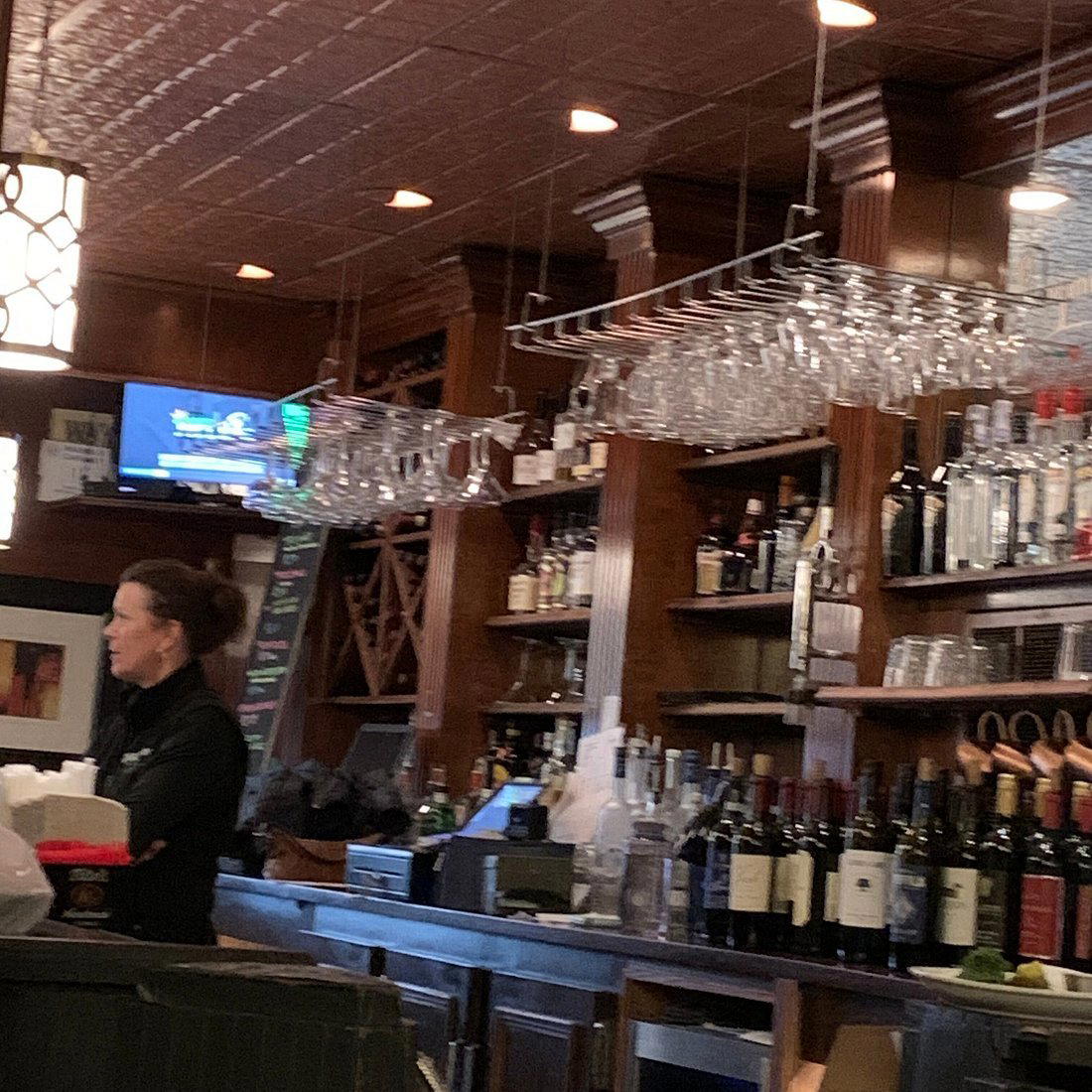
Loudonville's Dining Register and Where D'Raymonds Sits in It
The Capital Region of New York has never competed with New York City on restaurant density, but Loudonville, the residential suburb that borders Albany's north side, holds a specific kind of dining authority: the long-running neighborhood restaurant that outlasts trends by simply being useful to people who live nearby. They are places that accumulate trust the slow way, through regulars who return for years and whose children eventually become the regulars. D'Raymonds is a restaurant at 269 Osborne Rd in Loudonville, NY, serving classic Italian fine dining with a smart casual dress code and reservations recommended. It operates in that register.
Loudonville's restaurant scene is thin by metropolitan standards, which is part of what gives its anchor establishments their staying power. The suburb attracts Albany's professional class, state government workers, hospital administrators, attorneys, and the dining preferences of that cohort tend toward the reliable over the experimental. When a restaurant holds its position in that environment for any meaningful length of time, it signals consistency and community fit. That context shapes how D'Raymonds should be read: not against the $$$$ tasting-menu tier that defines places like The French Laundry in Napa or Atomix in New York City, but against a different and equally demanding standard, sustained local relevance.
Ingredient Sourcing in the Hudson Valley Context
The northeastern corridor from Albany down through the Hudson Valley is among the more agriculturally productive stretches in the American Northeast. Farms within an hour of Loudonville produce vegetables, dairy, heritage pork, and poultry in volume sufficient to supply serious kitchens year-round, not just during the August high season when local sourcing becomes easy. The restaurants that build menus around that supply chain, rather than defaulting to broadline distributors, tend to be the ones that read differently on the plate. Dishes carry a density of flavor that comes from shorter transit time and producer relationships developed over multiple seasons.
This regional sourcing tradition has a significant institutional anchor nearby: Blue Hill at Stone Barns in Tarrytown has spent two decades making the case that the Hudson Valley's agricultural output can anchor a dining program with international standing. That has had a downstream effect on how smaller regional restaurants think about sourcing, even at price points far below the Stone Barns level. The conversation about where ingredients come from has moved from niche to mainstream in this part of New York, and any serious kitchen operating in the Capital Region today is working within, or deliberately against, that expectation.
For a restaurant like D'Raymonds, operating in a residential suburb without the profile of a destination dining room, the sourcing question is less about brand positioning and more about what actually arrives at the kitchen door. Neighborhood restaurants in the $30–$60 per-person range that commit to regional procurement tend to differentiate on the strength of their produce and protein rather than on technique theatrics or elaborate plating. That is a different discipline from what drives the kitchen at, say, Single Thread Farm in Healdsburg or Smyth in Chicago, but it is not a lesser one.
What D'Raymonds Offers Locally
The restaurant has,249 reviews and recommends reservations. In a community like Loudonville, it more often signals a restaurant that has built its audience through direct local relationships rather than digital infrastructure. The absence of a public-facing web presence is a meaningful data point: this is a place that does not need to recruit strangers off a search engine to fill its tables.
That operating model is common among a certain tier of American neighborhood restaurant, most of which predate the review-platform era and have continued functioning without it. Restaurants in this category, and counterparts exist in every mid-sized American city, often carry decades of institutional knowledge that never surfaces in formal criticism. The trade-off is that they remain genuinely unknown to anyone without a local connection, which is precisely the condition that defines them. Compare this to the fully documented, nationally recognized model represented by venues like Bacchanalia in Atlanta, Frasca Food and Wine in Boulder, or Addison in San Diego, all of which have built public reputations commensurate with their quality, and the restaurant reads as a different animal entirely.
Planning a Visit
The restaurant is open Monday from 11:30 AM to 2:30 PM and 4:30 to 9 PM; Tuesday through Friday from 11:30 AM to 2:30 PM and 4:30 to 9:30 PM; Saturday from 3 to 9:30 PM; and closed Sunday. Loudonville is accessible from downtown Albany in under fifteen minutes by car, and parking on and around Osborne Road is typically available without difficulty. Given the venue's neighborhood-institution profile and limited public booking infrastructure, walk-ins are likely the operative model, though mid-week visits will carry less risk than Friday or Saturday evenings when local regulars tend to concentrate.
How D'Raymonds Fits the Regional Picture
Across the United States, particularly interesting sourcing stories are not always attached to the highest-profile kitchens. Oyster Oyster in Washington, D.C. has built a nationally recognized program around hyper-local procurement. Lazy Bear in San Francisco and ITAMAE in Miami each anchor their formats in regional identity. Emeril's in New Orleans built a career around the argument that regional ingredients are the foundation of regional character. Le Bernardin in New York City and Providence in Los Angeles operate at a different altitude altogether, but the underlying logic, that sourcing quality is the first decision a kitchen makes, applies at every price point. Even Atelier Moessmer Norbert Niederkofler in Brunico and The Inn at Little Washington in Virginia, operating at entirely different scales, rest their reputations on the same principle. The Wolf's Tailor in Denver offers another example of a restaurant that has made regional sourcing its primary editorial statement.
The restaurant operates without that kind of public platform, but it occupies a corner of Loudonville's food culture that the destination-dining circuit simply does not reach. For the Capital Region regular, that is often exactly the point.
Quick Comparison
Comparable venues nearby, for context on price, style, and recognition.
| Venue | Cuisine | Price | Notes |
|---|---|---|---|
| D'RaymondsThis venue — the venue you are viewing | Classic Italian Fine Dining | $$$ | Not listed |
| Dante West Side | Italian Small Plates & Cocktail Bar | $$$ | West Village |
| Scarpetta Beach | Sophisticated Italian | $$$$ | Montauk |
| Arte Cafe | Upscale Italian with Artisanal Pizzas | $$$ | Upper West Side-Lincoln Square |
| Lusardi's | Classic Northern Italian | $$$ | Upper East Side-Yorkville |
| Giardino 54 | Authentic Italian | $$$ | Hell's Kitchen |
Continue exploring
More in Loudonville
Restaurants in Loudonville
Browse all →
Bars in Loudonville
Browse all →
Hotels in Loudonville
Browse all →
Wineries in Loudonville
Browse all →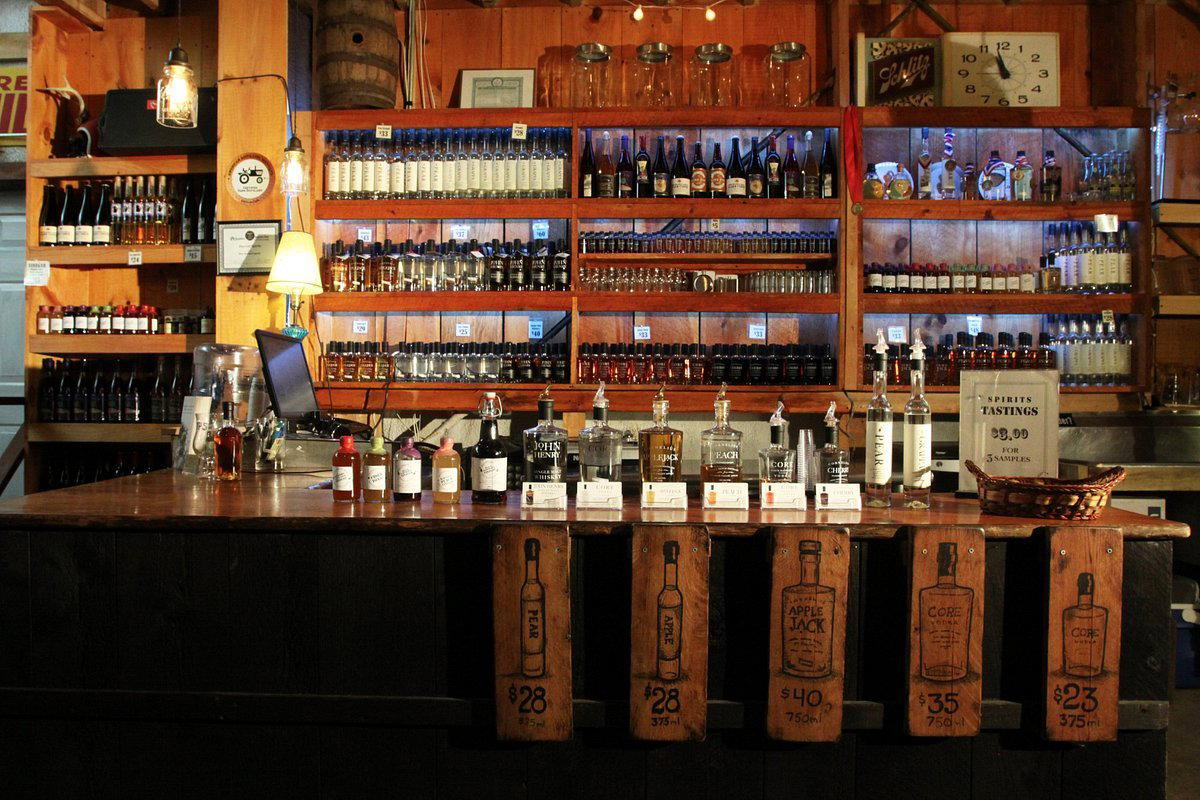
At a Glance
- Classic
- Elegant
- Cozy
- Date Night
- Business Dinner
- Special Occasion
- Standalone
Current opening hours
- Monday
- 11:30 AM–2:30 PM, 4:30–9 PM
- Tuesday
- 11:30 AM–2:30 PM, 4:30–9:30 PM
- Wednesday
- 11:30 AM–2:30 PM, 4:30–9:30 PM
- Thursday
- 11:30 AM–2:30 PM, 4:30–9:30 PM
- Friday
- 11:30 AM–2:30 PM, 4:30–9:30 PM
- Saturday
- 3–9:30 PM
- Sunday
- Closed
Hours can change for holidays and private events. Last verified .
Comfort food with class in a classic suburban setting blending red sauce traditions with upscale touches.