Downtown Providence
Downtown Providence sits at the center of one of New England's most underrated dining cities, where Portuguese fishing heritage, Italian Federal Hill traditions, and a new generation of farm-forward kitchens converge within a walkable radius. The neighborhood draws serious food travelers who want ingredient-driven cooking without the reservation bottlenecks of Boston or New York.
Pearl is the En Primeur Club membership app — saves, bookings, and concierge access live there. Same editors, same standards.
- Address
- Providence, RI
- Directions
- Get directions
 Saves & bookings on Pearl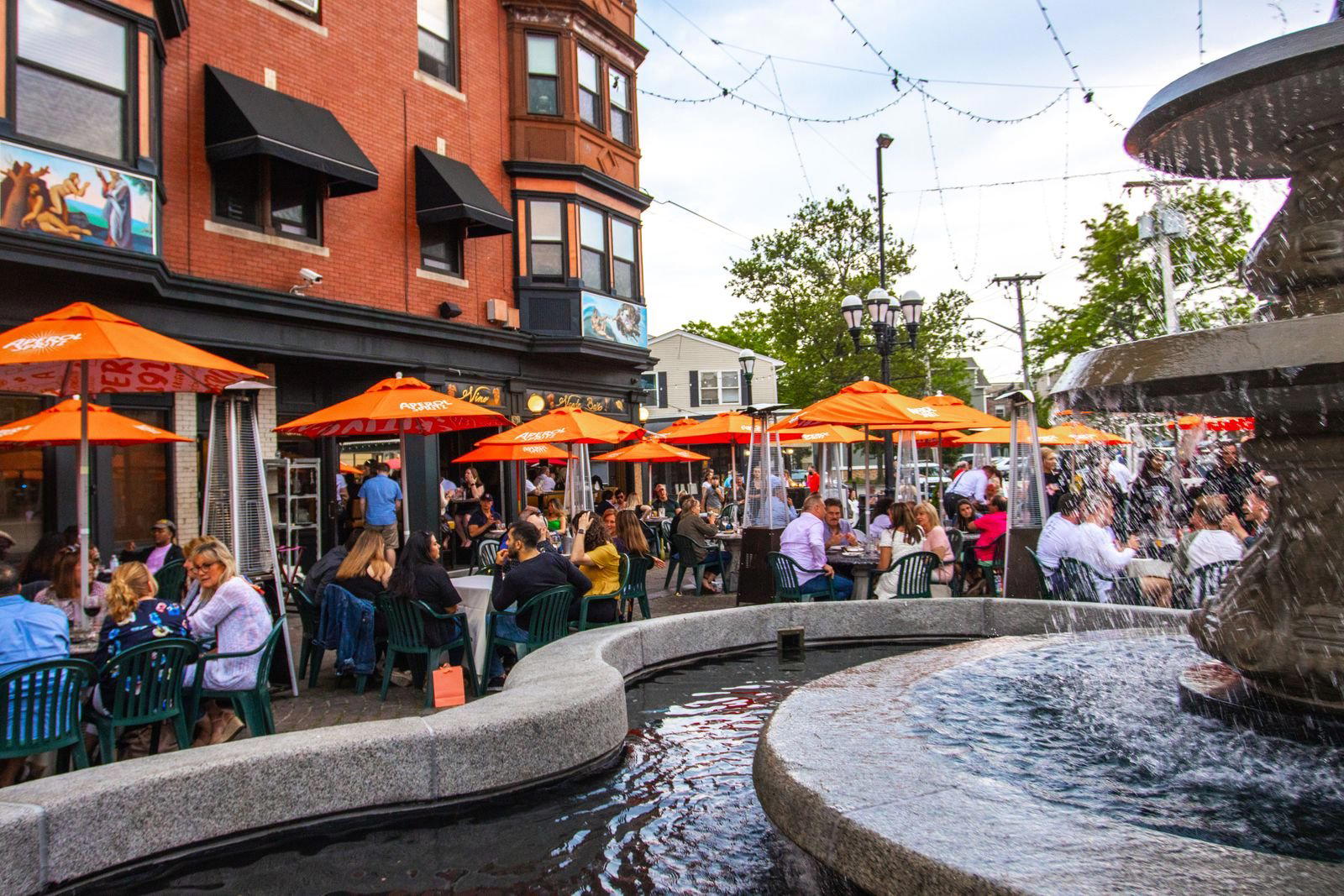
Where Providence Eats: The Downtown Dining Scene
Walk along Westminster Street on a Thursday evening and the picture becomes clear quickly. Providence is a compact city with a serious dining scene. The dining culture here has been built incrementally over decades, shaped by proximity to Narragansett Bay's shellfish beds, the market gardens of the Blackstone Valley, and a dense Italian-American population that never let quality slip into nostalgia. Downtown Providence acts as the connective tissue between those influences, a compact corridor where the sourcing traditions of the region find their most concentrated expression.
What distinguishes Providence from other mid-size American food cities is the supply chain. Rhode Island's small geography, the state measures roughly 48 by 37 miles, means that a chef in downtown Providence can realistically source dayboat fish, small-farm vegetables, and local dairy within a procurement radius that would be logistically impossible in Chicago or Los Angeles. That compressed geography shapes menus in ways that are visible on the plate: seasons shift noticeably, and the distance between ocean and kitchen is often measured in hours rather than days.
The Sourcing Logic Behind Providence Kitchens
New England's seafood infrastructure gives Providence restaurants a structural advantage over inland competitors. Narragansett Bay littlenecks, Point Judith squid, and daggerboard-caught striped bass move from commercial dock to downtown kitchen on timetables that define what appears on nightly menus. This is not farm-to-table as branding exercise. It reflects a regional supply chain that predates that phrase by several generations.
The Italian tradition centered on Federal Hill, a short walk from downtown, reinforces the sourcing orientation from a different angle. Families who built that neighborhood in the early twentieth century maintained relationships with specific producers, particular farms for tomatoes, particular importers for cured meats, and those relationships persisted. Contemporary kitchens working in that tradition inherit both the ingredient standards and the expectation that sourcing should be traceable. Al Forno Restaurant represents one of the clearest expressions of that heritage, building its reputation on wood-fired technique and Italian sourcing discipline. Anthony's Authentic Italian Cuisine operates in a parallel register, applying similar ingredient logic to a more traditional format.
The newer cohort of downtown restaurants crosses those traditions with contemporary sourcing frameworks. Gift Horse applies Korean technique to New England seafood, a pairing that works precisely because both culinary traditions share a respect for ingredient integrity and preservation methods. The combination is not novelty for its own sake. It reflects what happens when a kitchen with deep technical training works within a supply chain that rewards seasonal specificity.
Format Range and Price Architecture
Downtown Providence spans a wider format range than its size suggests. The same few blocks contain counter-service raw bars running on the day's catch, mid-tier trattoria formats with deep wine lists, and reservation-led tasting menus that position themselves within the same competitive conversation as farm-driven tasting programs in cities with significantly larger dining budgets. Bacaro occupies the wine-bar tier, with a program that reflects the sourcing intelligence applied to beverages as readily as to food. 10 Prime Steak and Sushi sits in a different register, combining the steakhouse format with Japanese technique in a pairing that speaks to the city's appetite for category crossover.
For context on where Providence's ambition-tier restaurants sit relative to national peers: the sourcing-first tasting menu format that anchors stronger examples from the city's market shares methodology with operations like Blue Hill at Stone Barns in Tarrytown and Single Thread Farm in Healdsburg, where the procurement relationship is the editorial spine of the menu. The Providence versions operate at lower price points than those destinations, and without equivalent national recognition, but the sourcing discipline is comparable. The gap is not in philosophy, it is in marketing budget and zip code.
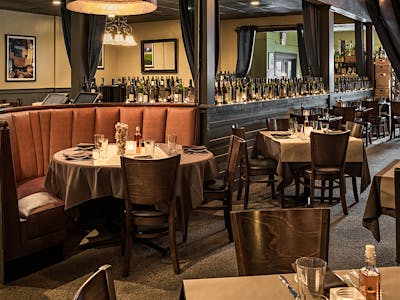
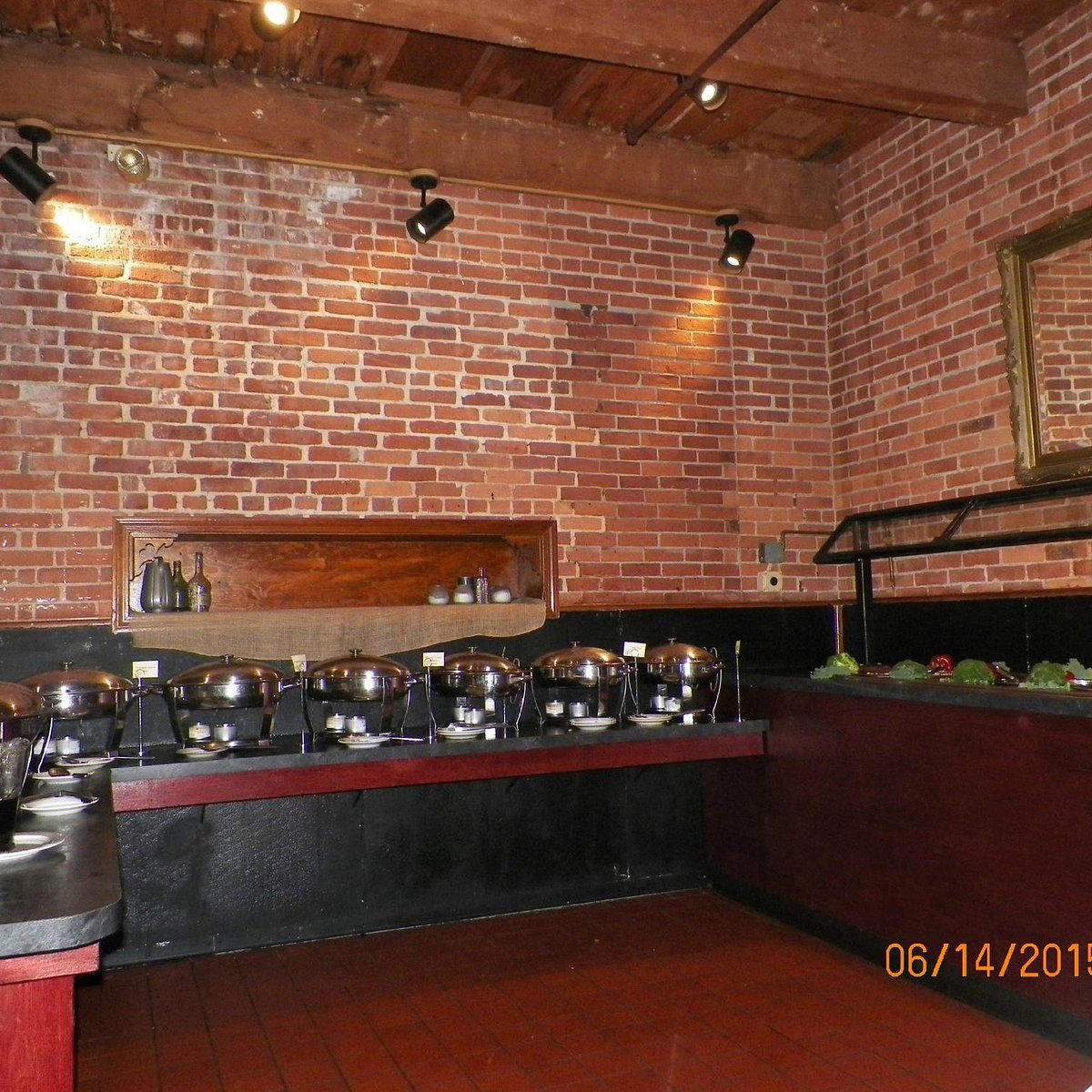
The Rhode Island School of Design campus a few blocks from downtown historically feeds a design-aware customer base into the local restaurant economy, which explains the aesthetic attention visible in many downtown dining rooms. Interiors here tend toward considered minimalism rather than the industrial template that swept American mid-tier dining in the 2010s.
Seasonal Timing and Practical Planning
Providence's dining calendar tracks closely with its agricultural and marine seasons. Late spring through early fall marks the period when the supply chain performs at maximum depth: Narragansett Bay shellfish are in full productivity, local farms are running at capacity, and kitchens are drawing on the widest ingredient pool of the year. Winter menus tighten to preserved, fermented, and root-cellar produce, which at the better kitchens reflects genuine culinary decision-making rather than seasonal retreat.
The city's restaurant density is concentrated enough that walking between multiple establishments in an evening is practical. Downtown connects directly to Federal Hill's Italian corridor on the west and the College Hill neighborhood, home to Brown University and RISD, on the east. For visitors building a multi-day food itinerary, those three zones together cover most of what Providence's dining identity represents.
Reservation patterns vary significantly by format tier. The upper-end tasting programs at downtown's more ambitious tables book several weeks ahead, particularly for Friday and Saturday. Casual and mid-tier formats typically have same-day availability, especially on weeknights. Parking is available in several downtown garages within a few minutes' walk of most restaurant clusters, and Amtrak's Providence station places the city within an hour of Boston and under four hours of New York, making it a realistic day-trip or weekend destination for diners from both cities.
Downtown Providence in National Context
The conversation around ingredient-driven American cooking tends to concentrate on a small set of cities: New York, San Francisco, Los Angeles, Chicago. Providence rarely appears in that conversation despite operating within the same culinary framework. For comparison: the sourcing specificity and technical ambition visible in Providence's leading kitchens would be unremarkable in the context of Smyth in Chicago or Lazy Bear in San Francisco, but both those operations charge significantly more and require longer advance booking. Providence's position as a lower-profile city creates a structural discount on access and price that serious diners should factor into their routing decisions.
The same argument applies when positioning Providence against destination-tier operations like The French Laundry in Napa, Le Bernardin in New York City, or The Inn at Little Washington. Those operations are benchmarks for their respective approaches. The restaurant is not competing in that bracket, but it provides serious, regionally rooted cooking that stands on its own. Comparable ingredient-first logic is visible in operations like Addison in San Diego and Atomix in New York City, where regional sourcing and technique precision define the offering at the summit of their respective markets. Internationally, the farm-territory sourcing model practiced at Atelier Moessmer Norbert Niederkofler in Brunico represents the European version of the same underlying argument: that a kitchen's geographic rootedness is a culinary asset, not a limitation. Providence's downtown dining scene operates on the same premise, with a New England accent.
Comparable Venues
Comparable venues nearby, for context on price, style, and recognition.
| Venue | Cuisine | Price | Notes |
|---|---|---|---|
| Downtown ProvidenceThis venue — the venue you are viewing | Steakhouse & Seafood | $$ | Not listed |
| Suya Joint Providence | Nigerian West African | $$ | Downtown |
| ESTIATORIO FILI | Traditional Northern Greek Small Plates | $$ | Wayland Square |
| Bee's Thai Cuisine | Authentic Thai | $$ | Fox Point |
| Four Seasons | Pan-Asian: Cambodian, Chinese, Thai & Vietnamese | $$ | Reservoir Avenue / Ocean State Job Lot shopping plaza |
| Bluefin Grille | Globally-Inspired Seafood & American Grill | $$ | Downtown Providence |
Continue exploring
More in Providence
Restaurants in Providence
Browse all →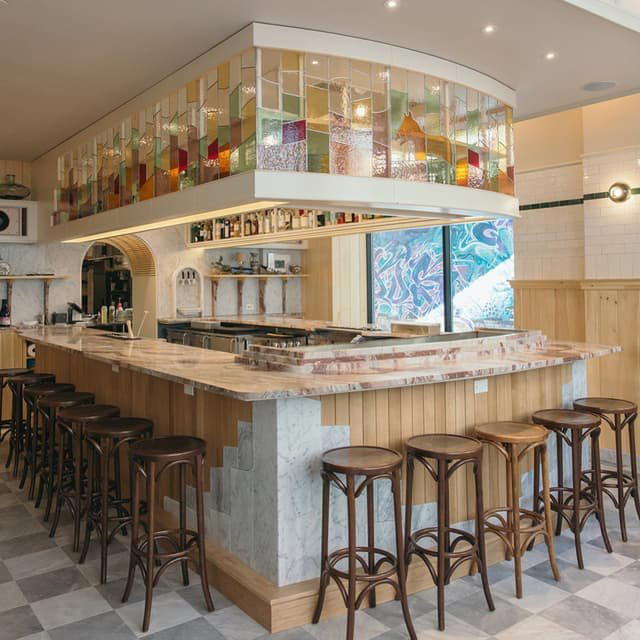
Bars in Providence
Browse all →
At a Glance
- Business Dinner
- Special Occasion
- Waterfront
- Extensive Wine List
- Waterfront
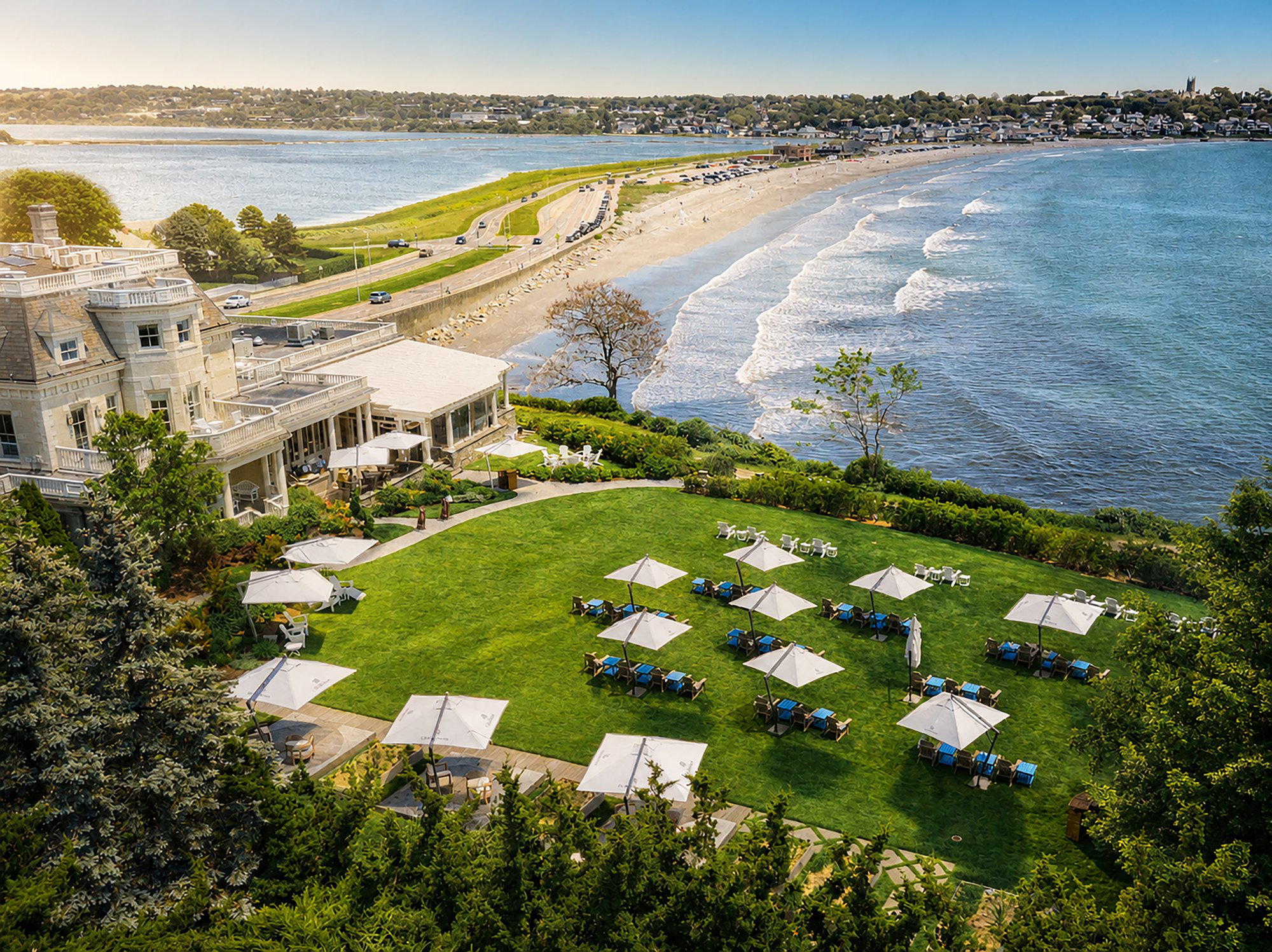
Lively waterfront atmosphere with outdoor seating in warm weather.