
Michelin Plate
Our verdict
Dong Ping Chao belongs to Shanghai’s quieter premium dining register: heritage setting, Xuhui address, and a cultural frame tied to the city’s long habit of treating restaurants as social rooms as much as meal venues. The available recognition points to its century-old surroundings, which matters in a city where dining atmosphere often carries as much status as the cooking category.

Pearl is the En Primeur Club membership app, where members save venues, book tables and use the concierge.
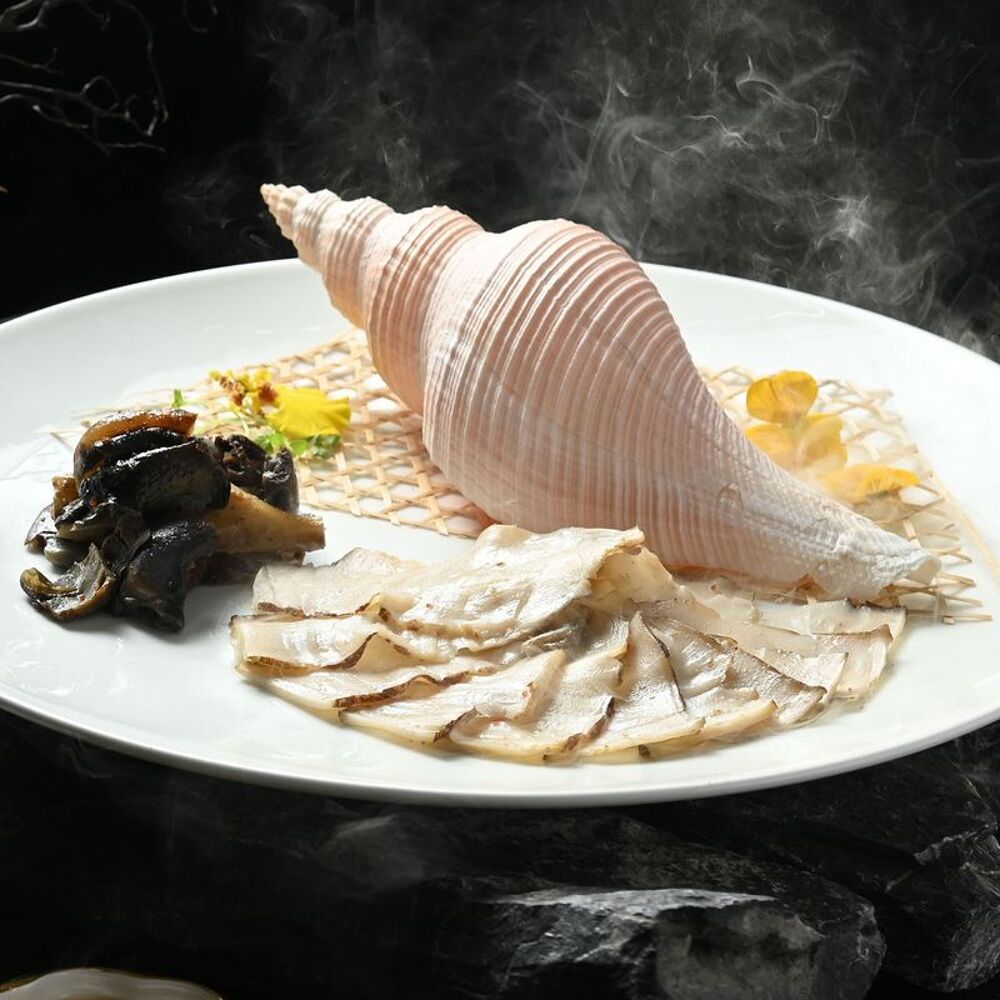
The menu
What to order
- Marinated chilled Chaozhou seafood platter
- Steamed seasonal fish Chaozhou-style
- Slow-braised goose with aromatics
- Teochew-style seafood claypot
Shanghai has a different rhythm beyond the city’s most familiar dining corridors. The approach can feel more intimate and measured in tone, with the city itself pressing closer to the table than the skyline does. That setting matters for Dong Ping Chao because Shanghai’s restaurant culture has never been only about what lands on the plate. It is also about the room, the pace of conversation, the way a meal can act as private salon, family gathering, or business signal without announcing itself too loudly.
In Shanghai, premium dining splits into several camps. Some rooms chase theatrical nostalgia, some lean on polish, and some use atmosphere as a quiet credential. Dong Ping Chao sits in the last category. Its recognition includes a MICHELIN Plate, a distinction that places it within the city’s serious restaurant conversation without turning the experience into a spectacle-led proposition. That distinction is useful for travellers choosing between display and rootedness.
A heritage-room reading of Shanghai dining
Shanghai’s dining identity is often misread through size and speed: high-rise hotels, dramatic views, rapid openings, imported formats. The older story is more domestic and more local. Shanghai has long supported restaurants that trade on discretion rather than display. A meal in the city can feel less like a reservation engineered around a view and more like participation in a social grammar that predates the current luxury boom.
That is why the room is not decorative trivia. In Shanghai, setting changes the terms of a meal. It slows the room, encourages longer ordering patterns, and gives the experience a civic context. The comparison is not only with other restaurants, but with the broader set of Shanghai venues that sell place as part of the value proposition. Other polished dining rooms may work from the language of altitude and corporate finish; Dong Ping Chao reads through a quieter sense of place and local texture.
The absence of a simple public shorthand is less of a problem than it first appears. Many Shanghai dining decisions are not made by taxonomy alone. They are made by occasion: who is hosting, how formal the room feels, whether the table can carry a long conversation, and how much the setting signals local knowledge. In that sense, Dong Ping Chao belongs to a category that international visitors often underweight: restaurants where atmosphere and city identity form part of the meal’s authority.
Where it fits among Shanghai's premium rooms
Shanghai has enough dining range now that contemporary, polished, casual, and locally rooted formats can all compete for the same evening. Cuivre represents one premium lane; Little Catch and Spicy Moment point to casual, urban appetites; YongFoo Elite sits in the city’s heritage conversation; An Fu Lu belongs to Shanghai’s neighbourhood-name dining shorthand. Dong Ping Chao is better understood against that spread than as a standalone curiosity. It is part of the city’s argument over what luxury should feel like: altitude, novelty, technical polish, or the authority of place.
For travellers building a Shanghai itinerary, the choice is sharper than simply one category versus another. A night around Dong Ping Chao gives a different reading of the city from vertical dining rooms or international hotel circuits. The broader planning frame can be mapped through Our full Shanghai restaurants guide, then cross-checked against Our full Shanghai hotels guide, Our full Shanghai bars guide, Our full Shanghai wineries guide, and Our full Shanghai experiences guide. The point is not to overpack the evening; the point is to choose a Shanghai mood and let the meal anchor it.
Within China’s wider restaurant map, Shanghai’s premium rooms also differ from destinations where local identity is expressed through narrower culinary codes. Other Chinese dining rooms may attach identity to a single regional memory, a signature format, or a highly specific local tradition. Shanghai’s version is more hybrid: municipal history, private-room culture, international influence, and a deep appetite for social signalling.
The right use case is a slower Shanghai night
Dong Ping Chao is best approached by travellers looking for a composed Shanghai dinner rather than a checklist meal built around a single headline feature. Its stronger use case is cultural: a meal that places the visitor inside a slower Shanghai dining mood and shows how the city turns atmosphere into dining capital. That makes it better suited to a composed evening than to a rushed stop between attractions.
Planning should be conservative because detailed practical information can vary by source and moment. Treat it as a premium-room decision in Shanghai rather than a casual walk-in assumption, especially if the meal involves guests, a weekend slot, or a tight itinerary. The practical advantage is the city context: Shanghai can give the evening a softer landing than its busiest dining clusters.
For readers comparing outside China, the useful contrast is not cuisine but format. Some international venues show how focused concepts travel through compact urban formats. Dong Ping Chao works through the opposite mechanism: place first, meal second, with atmosphere doing the quiet work that a counter format or named specialty might do elsewhere. That is the reason to put it on a Shanghai list: not for maximal novelty, but for a reading of the city that newer rooms cannot easily replicate.
Frequently asked questions
What awards or recognition does Dong Ping Chao have?
Dong Ping Chao has received MICHELIN Plate recognition.
Where exactly is Dong Ping Chao?
Shanghai.
How far ahead should I plan for Dong Ping Chao?
Plan ahead if Dong Ping Chao is part of a Shanghai evening, because it is better approached as a deliberate dinner than a casual drop-in. For travellers building a night around Shanghai dining, it is the sort of restaurant worth fixing into the itinerary early.
What's the standout thing about Dong Ping Chao?
Its appeal is the setting as much as the meal: Dong Ping Chao points to a slower Shanghai dining experience. That makes it useful for diners who want an atmosphere-led room rather than a checklist meal built around one headline feature.
Cost and Credentials
Nearby venues at a similar price tier for orientation.
| Venue | Cuisine | Price | Awards |
|---|---|---|---|
| Dong Ping Chao | Modern Cantonese Tasting | $200–300 | Michelin Plate |
| Cuivre | Contemporary French Bistro | $30–50 | Michelin Plate |
| Little Catch | Modern Seafood Poke Bowls | $10–20 | Not listed |
| Spicy Moment | Authentic Hunan Cuisine | $10–20 | Not listed |
| YongFoo Elite | Shanghainese Fine Dining | $150–200 | Michelin Plate · La Liste Top Restaurants |
| An Fu Lu | Cantonese Dim Sum | $20–30 | Not listed |
Recognition history
Dated appearances from independent guides and award organizations, with the underlying list record or original source where available.
Michelin Plate
Michelin
Continue exploring
More in Shanghai
Restaurants in Shanghai
All restaurants in Shanghai →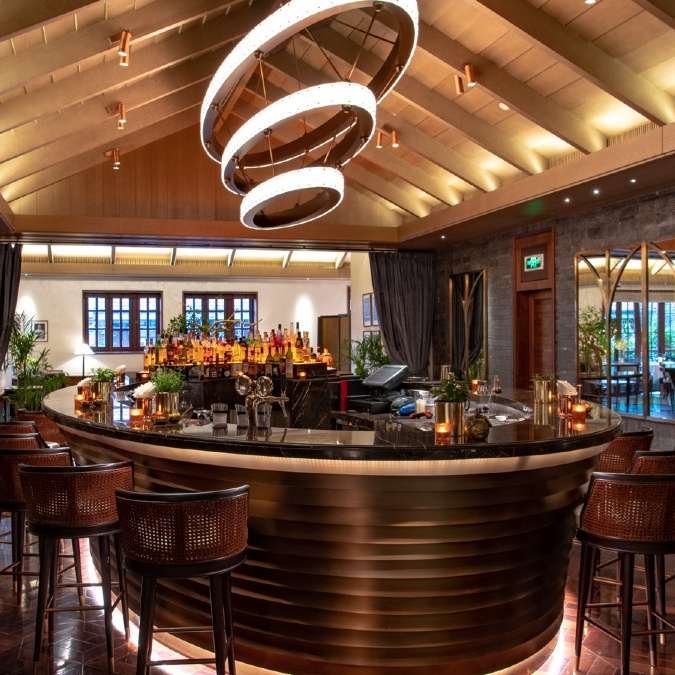
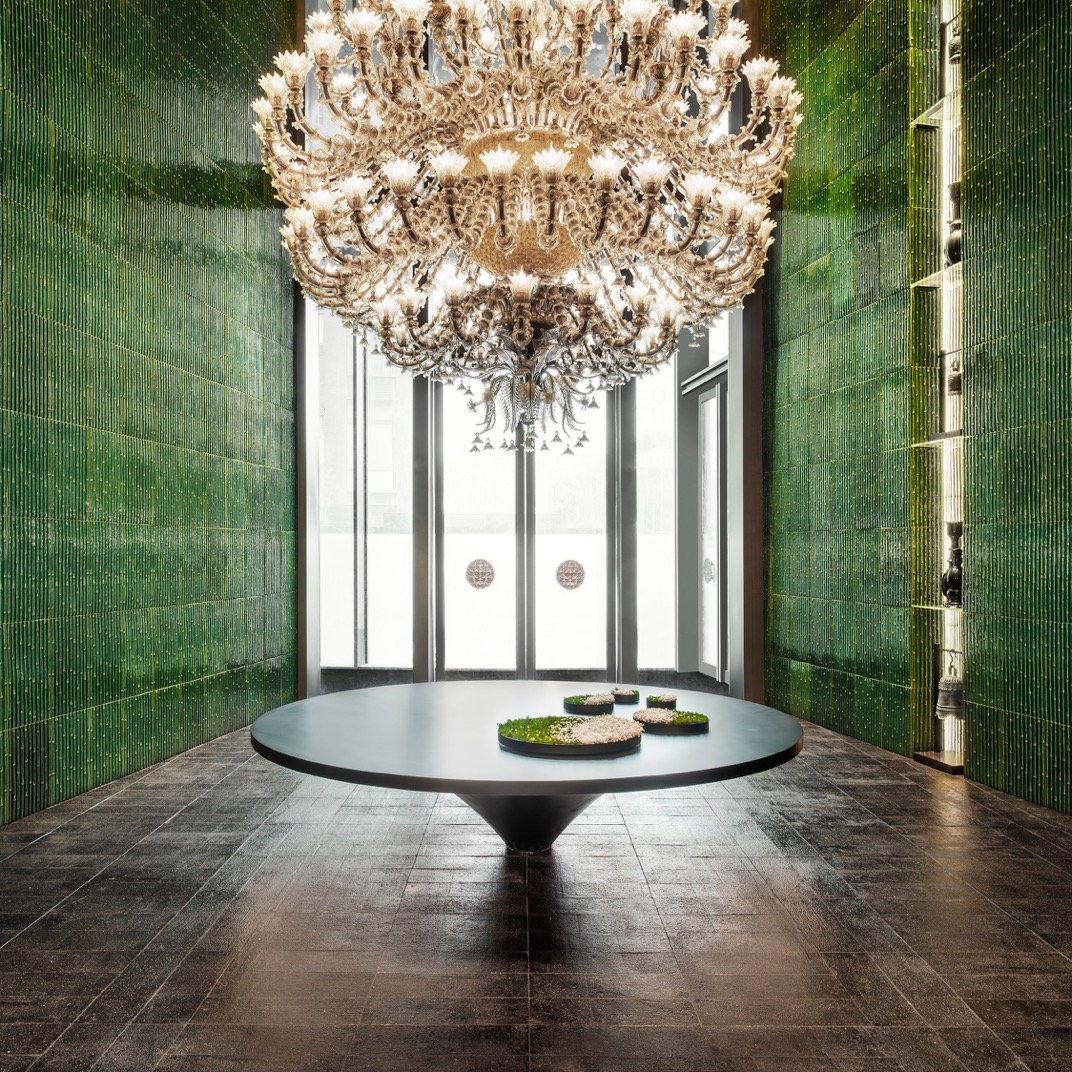
Bars in Shanghai
All bars in Shanghai →
Details
- Elegant
- Classic
- Sophisticated
- Quiet
- Business Dinner
- Special Occasion
- Group Dining
- Date Night
- Design Destination
- Historic Building
- Standalone
- Private Dining
- Extensive Wine List
- Local Sourcing
- Sustainable Seafood
- A La Carte
- Set Menu
- Wine
- Tea
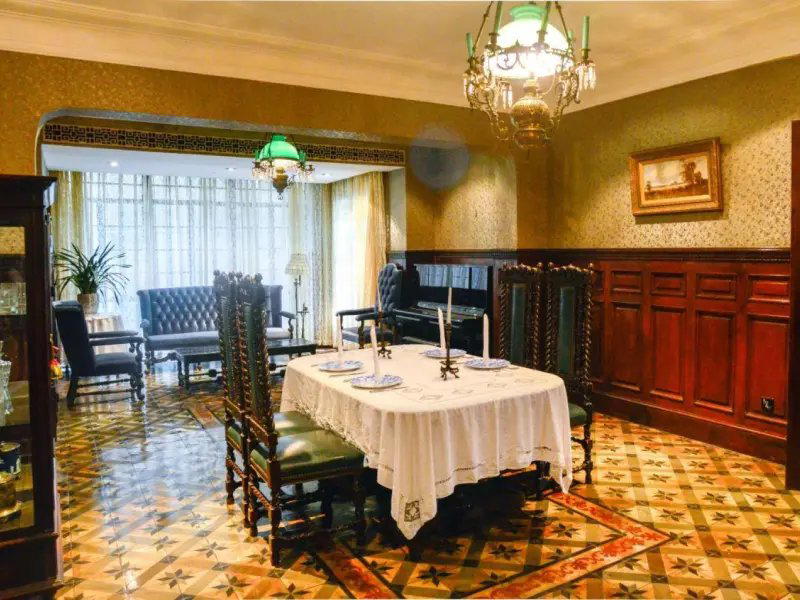
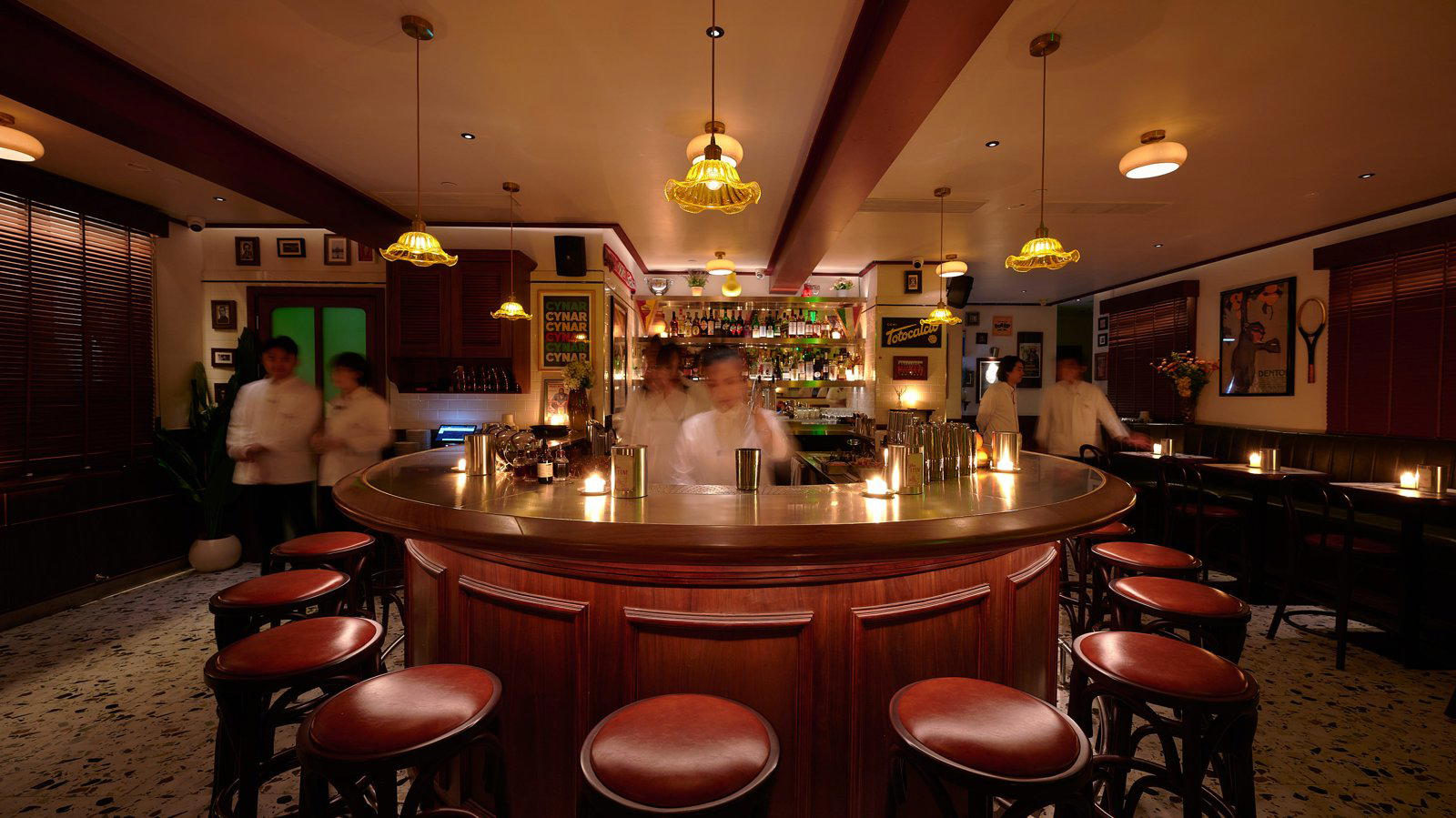
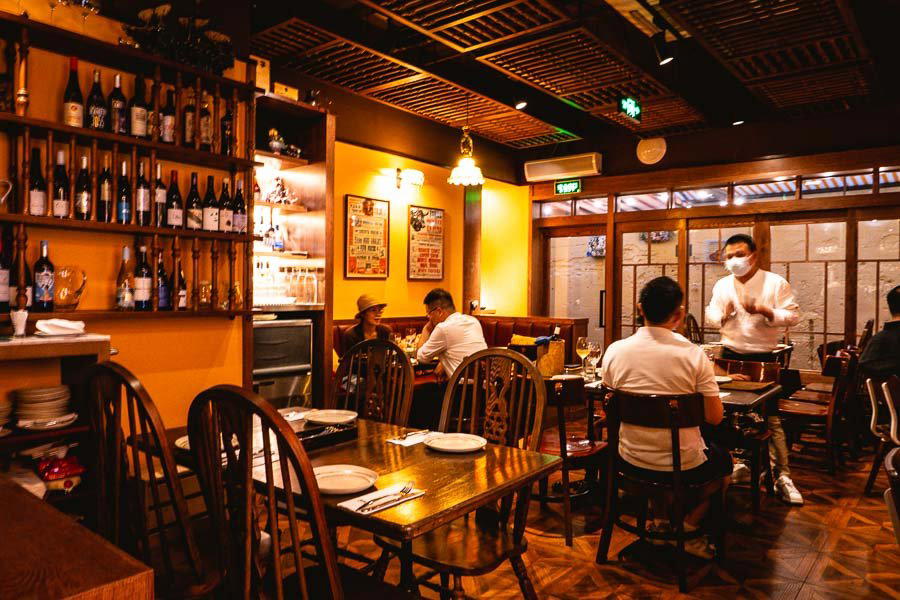
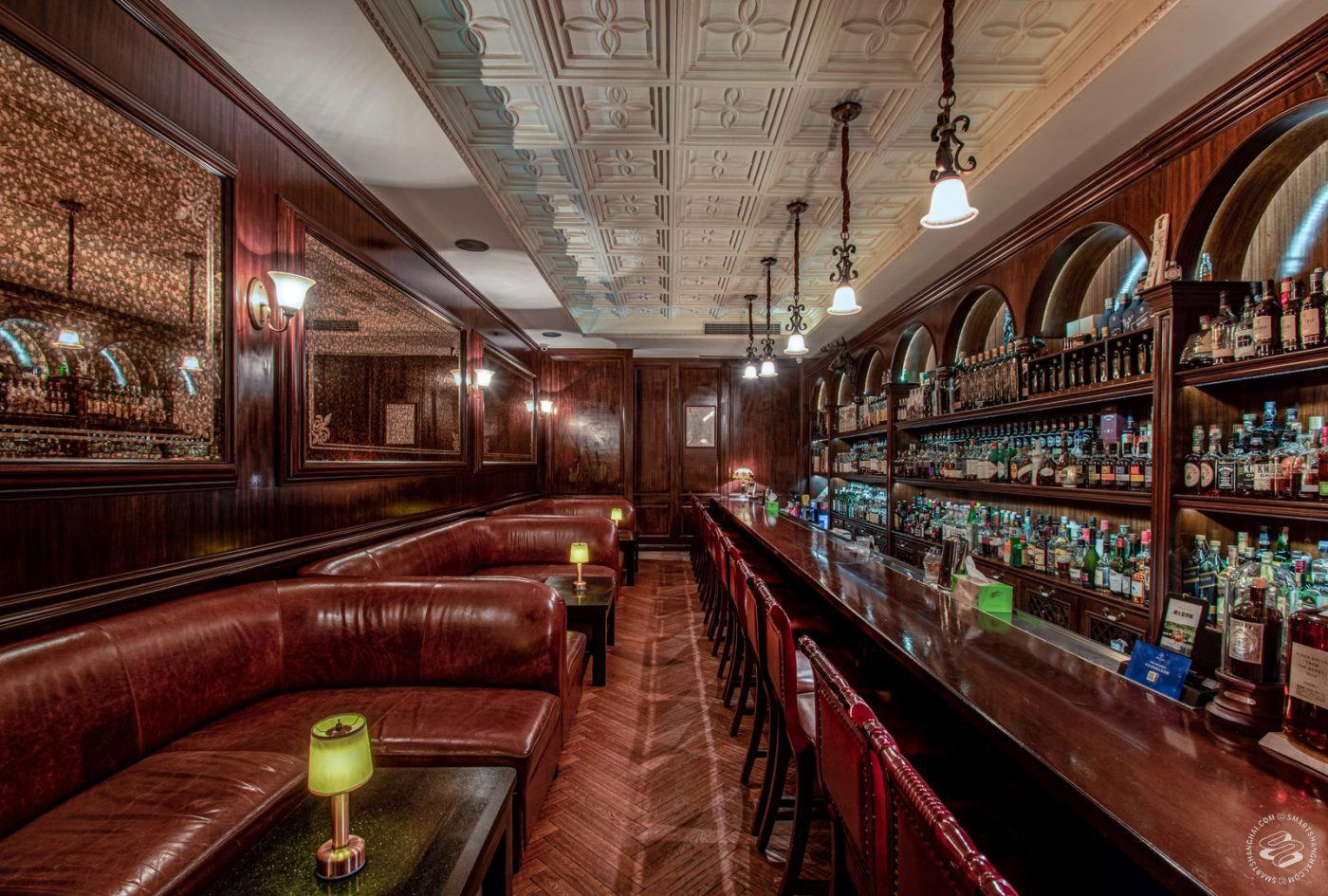
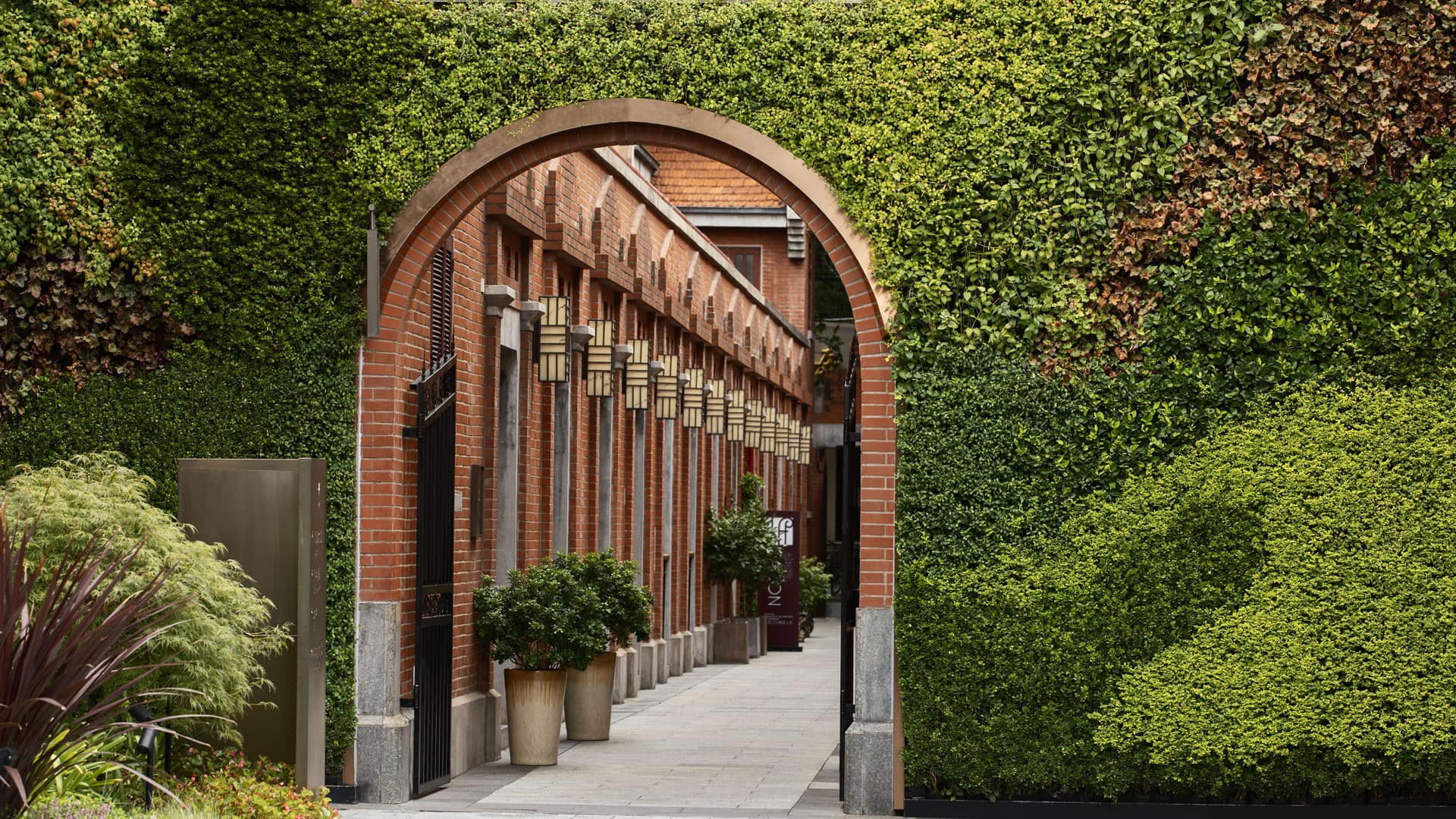
Set in a restored century-old heritage house in the former French Concession, the dining room feels intimate and quietly elegant, with a classic, understated decor that suits unhurried business dinners and special-occasion meals rather than a lively, boisterous atmosphere.