dōma

In Wynwood's warehouse-gallery grid, dōma brings traditional and contemporary Italian cooking to a neighbourhood better known for street murals than Sunday gravy. Where the area's dining tends toward the casual and the crowd-driven, dōma operates at a remove, a quieter register that positions it as one of Miami's more considered Italian addresses, sitting in a different tier from the scene-forward trattorias that dominate South Beach.
Pearl is the En Primeur Club membership app — saves, bookings, and concierge access live there. Same editors, same standards.
- Address
- 35 NE 26th St, Miami, FL 33137
- Phone
- (786) 953-6946
- Website
- domawynwood.com
- Directions
- Get directions
 Saves & bookings on Pearl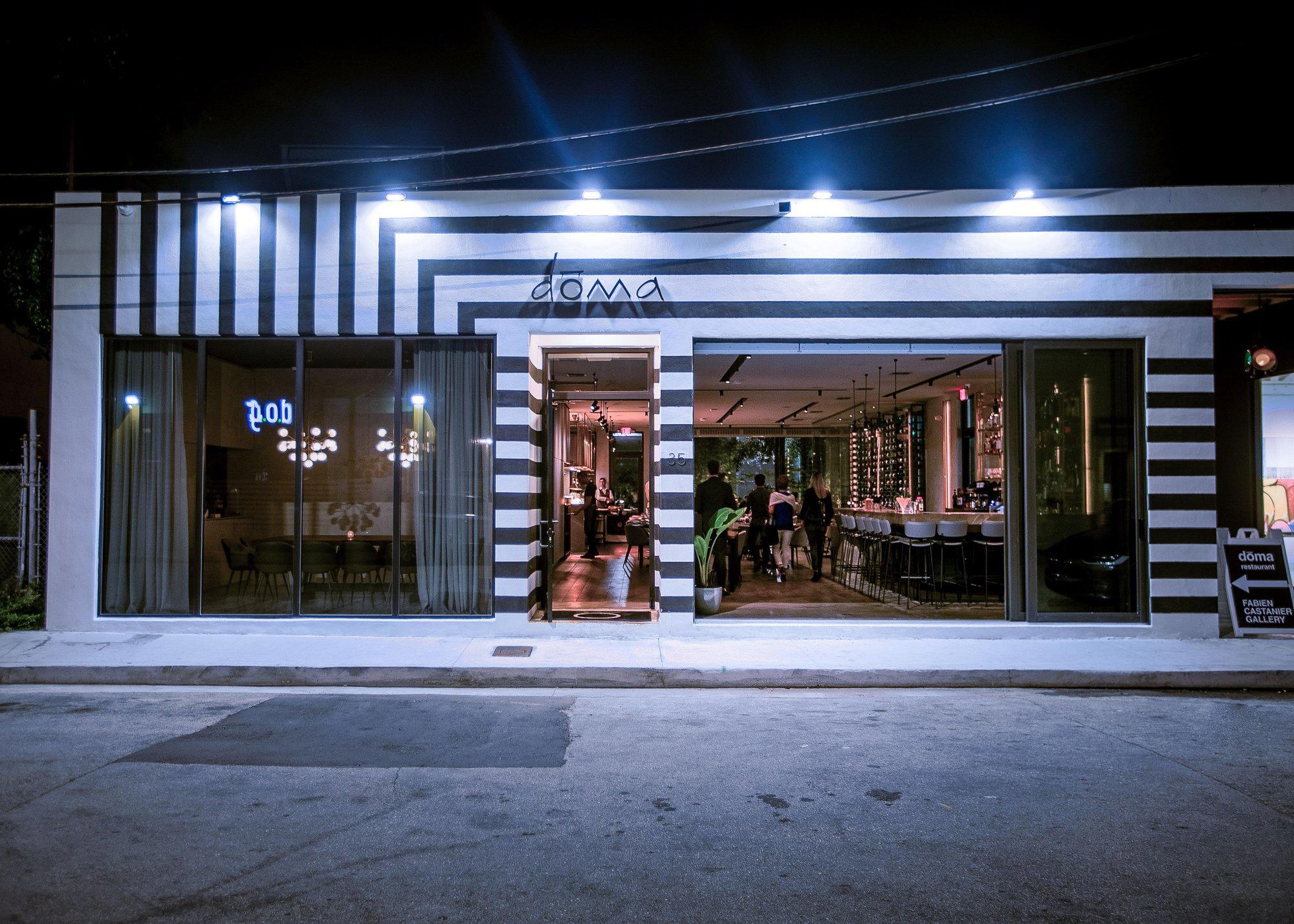
Wynwood's Counterintuitive Italian Address
Wynwood was built on noise: spray cans, gallery openings, pop-ups, weekend crowds thick enough to slow foot traffic to a shuffle. The neighbourhood's dining scene has largely followed that energy, with concepts designed for visibility and throughput. Against that backdrop, dōma, a Modern Italian restaurant at 35 NE 26th St in Miami, occupies a distinct position. It is a fine Italian restaurant that happens to be in one of Miami's most activated entertainment corridors, rather than a restaurant designed by or for that corridor. The distinction matters more than it might first appear.
Miami's Italian dining scene has long operated in two registers. The first is the loud, red-sauce-and-rosé category that anchors Brickell and Miami Beach hotel rows. The second, smaller and less visited by tourists, is the more technically grounded Italian kitchen, places like Boia De, which has earned serious critical attention for its contemporary Italian approach in Little Haiti, where the cooking references tradition without simply reproducing it. Dōma positions itself in that second category, bringing both traditional and contemporary Italian frameworks to a zip code that doesn't typically see this kind of kitchen.
What Wynwood Does (and Doesn't) Do to a Restaurant
Location shapes expectation before a dish arrives. Walk through Wynwood on a Friday evening, past the murals that have made the neighbourhood a reference point for urban art tourism, past the open-air bars and the queues for gallery events, and the idea of sitting down to a composed Italian tasting or a carefully plated pasta course feels like a change of frequency rather than a natural extension of the evening. That friction is not a flaw in dōma's positioning; it is part of what defines the experience.
Restaurants that operate against the grain of their neighbourhood tend to attract a specific kind of diner: one who has sought the place out rather than stumbled in. That self-selecting dynamic affects the room temperature, the pace of service, and the collective attentiveness to the food. At dōma, the contrast between the surrounding street energy and the interior register is part of the argument the restaurant makes about what Italian fine dining can look like in Miami in the 2020s.
For comparison, consider what Ariete does in Coconut Grove: a Modern American kitchen operating in a neighbourhood with a quieter, more residential character, where the restaurant and the surroundings reinforce each other's seriousness. Dōma reverses that logic, the neighbourhood is the loudest thing about the address, and the restaurant functions as a deliberate counterweight.
Traditional and Contemporary Italian: The Two Registers
The dual framing of traditional and contemporary Italian is not a hedge, it reflects a real structural choice that serious Italian kitchens have been wrestling with for decades. Traditional Italian cooking insists on precision within constraint: the right pasta shape for the right sauce, seasonal ingredients treated with restraint, technique that erases itself. Contemporary Italian cooking, as it has developed through the influence of chefs trained in northern Italian and European fine dining traditions, asks different questions: what does an Italian flavour logic look like when applied to local ingredients, or when composed for a tasting menu format?
Miami's geography makes this negotiation more complex. Florida's seasonal produce calendar, its proximity to Latin American and Caribbean ingredient sources, and its dining population, a mix of longtime residents, transplants from the northeast, and international visitors, all pull on any Italian kitchen trying to stay grounded in the tradition. The restaurants that handle this tension most credibly tend to be the ones with clear technical foundations rather than those that lean on atmosphere or Italian-American nostalgia. Dōma's stated positioning in the fine dining tier suggests it is working from the former playbook.
In the broader geography of serious Italian restaurants in the United States, this kind of project has a clear comparable set. 8½ Otto e Mezzo Bombana in Hong Kong is a useful international reference for what Italian fine dining looks like when transplanted far from Italy, the discipline of the Italian canon maintained under pressure from a different culinary environment. Domestically, Le Bernardin in New York demonstrates how a kitchen rooted in European fine dining tradition can sustain itself over decades through technical consistency rather than trend-chasing. These are different cuisines, but the structural challenge is comparable: holding a tradition with integrity while operating in a market that did not produce it.
Miami Fine Dining in Context
Miami's upper tier of restaurants has deepened meaningfully over the past decade. The city now holds serious kitchens across a broader range of categories than its beach-hotel reputation suggests. L'Atelier de Joël Robuchon Miami anchors the French fine dining category. Cote Miami has brought a Korean steakhouse format to the premium bracket. ITAMAE has established a credible Peruvian-Japanese presence. The pattern across these addresses is consistent: serious technique, a clear culinary identity, and a willingness to operate at a remove from the louder entertainment-dining circuit.
Dōma fits this pattern. Its Wynwood address places it inside one of the city's most active neighbourhoods, but the restaurant's orientation, fine Italian, both traditional and contemporary, aligns it with the city's more serious dining cohort rather than with the nightlife-adjacent concepts that dominate the neighbourhood's visible food offer. For diners working through Miami's Italian options, the relevant comparison is not South Beach's Italian-American dining room but the more considered kitchens like Boia De that have been redefining what Italian cooking in Miami can credibly be.
Planning a Visit
Dōma is located at 35 NE 26th Street in Wynwood, within walking distance of the neighbourhood's main gallery and bar corridor. The restaurant's address places it at the quieter northern edge of the Wynwood Arts District, which tends to be slightly less congested than the blocks closer to NW 2nd Avenue.
The Short List
Comparable venues nearby, for context on price, style, and recognition.
| Venue | Cuisine | Price | Notes |
|---|---|---|---|
| dōmaThis venue — the venue you are viewing | Edgewater, Modern Italian | $$$ | Not listed |
| Bar Bucce | Not listed | $$$ | Little Haiti, Italian Market Pizzeria & Wine Bar |
| Salumeria 104 | Not listed | $$$ | Design District, Rustic Italian Trattoria with Salumi |
| Soya e Pomodoro | Not listed | $$ | Miami Jewelry District, Authentic Southern Italian Trattoria |
| BELLILLO US | Not listed | $$ | Miami Riverwalk, Authentic Neapolitan Pizza |
| Da Angelino | Coconut Grove, Modern Italian Cucina | $$$ | Not listed |
Recognition history
Dated appearances from independent guides and award organizations, with the underlying list record or original source where available.
Star Wine List
Star Wine List
Continue exploring
More in Miami
Restaurants in Miami
Browse all →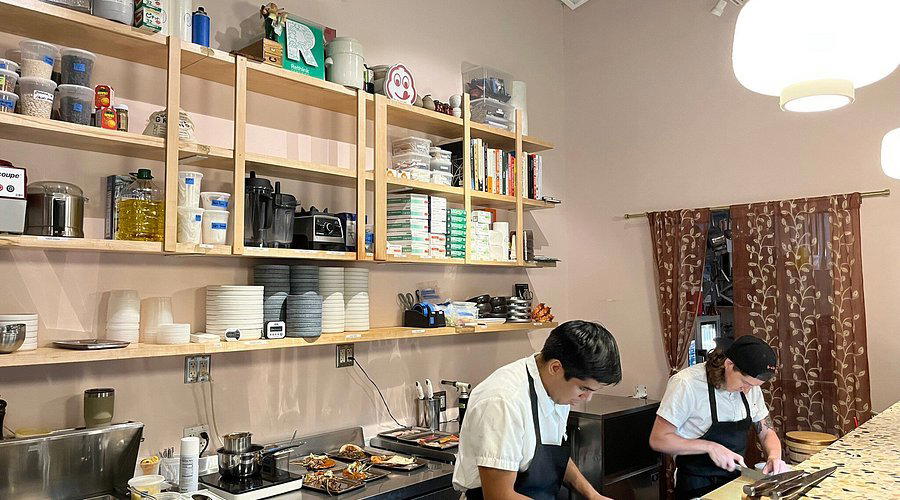

At a Glance
- Elegant
- Modern
- Sophisticated
- Trendy
- Date Night
- Special Occasion
- Celebration
- Garden
- Standalone
- Design Destination
- Extensive Wine List
- Craft Cocktails
- Sommelier Led
- Local Sourcing
- Garden
Current opening hours
- Monday
- 6–10:30 PM
- Tuesday
- 6–10:30 PM
- Wednesday
- 6–10:30 PM
- Thursday
- 6–10:30 PM
- Friday
- 6–11 PM
- Saturday
- 6–11 PM
- Sunday
- 6–10:30 PM
Hours can change for holidays and private events. Last verified .
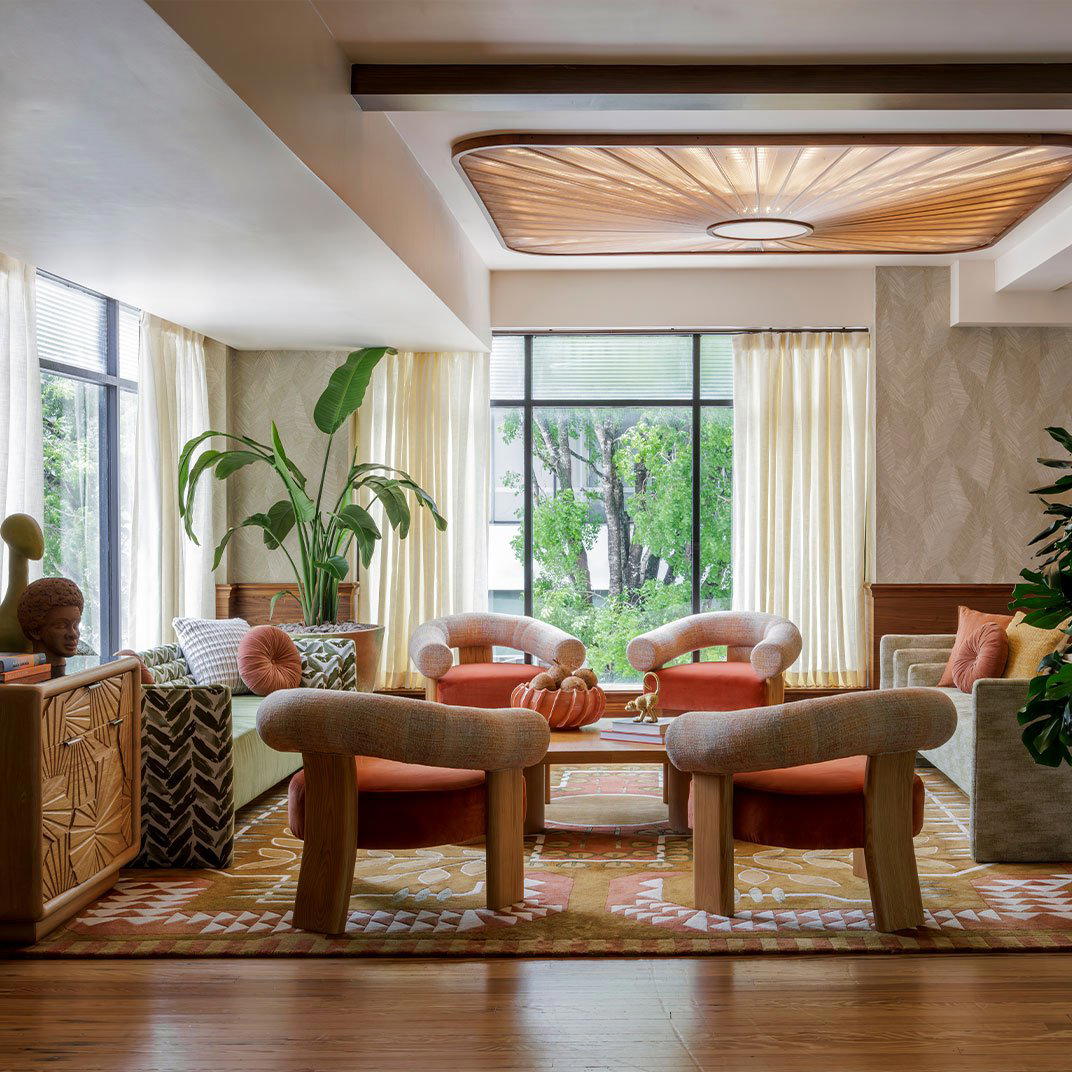
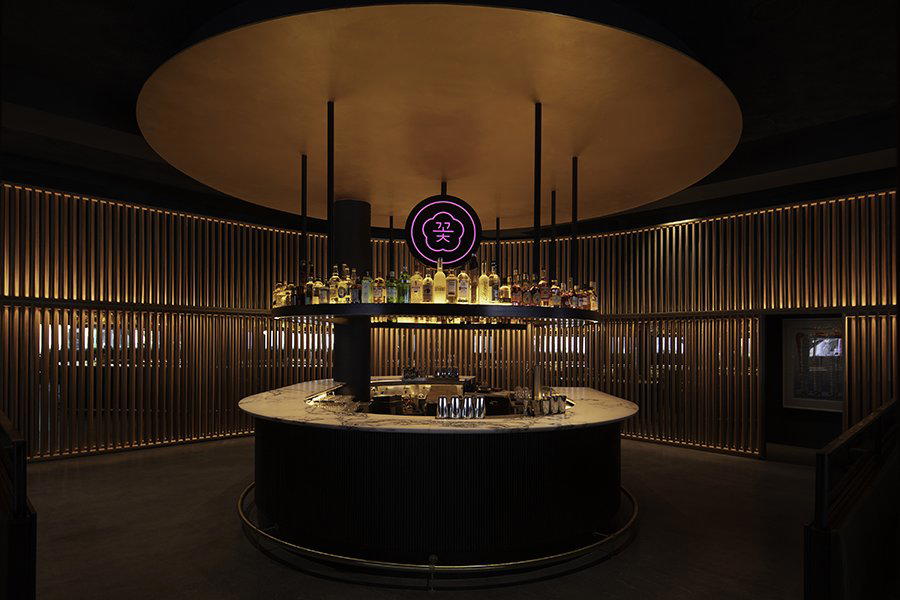
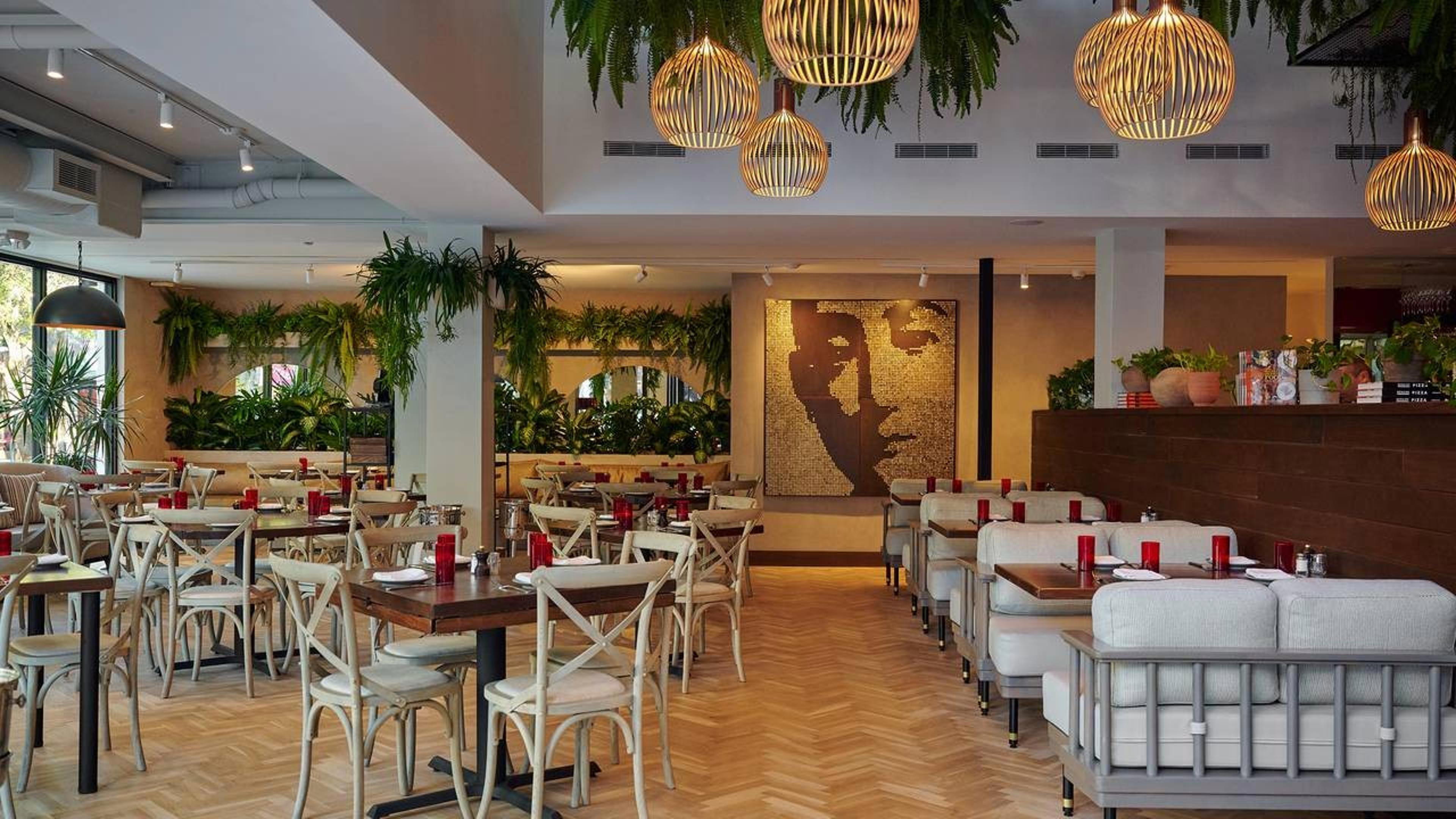
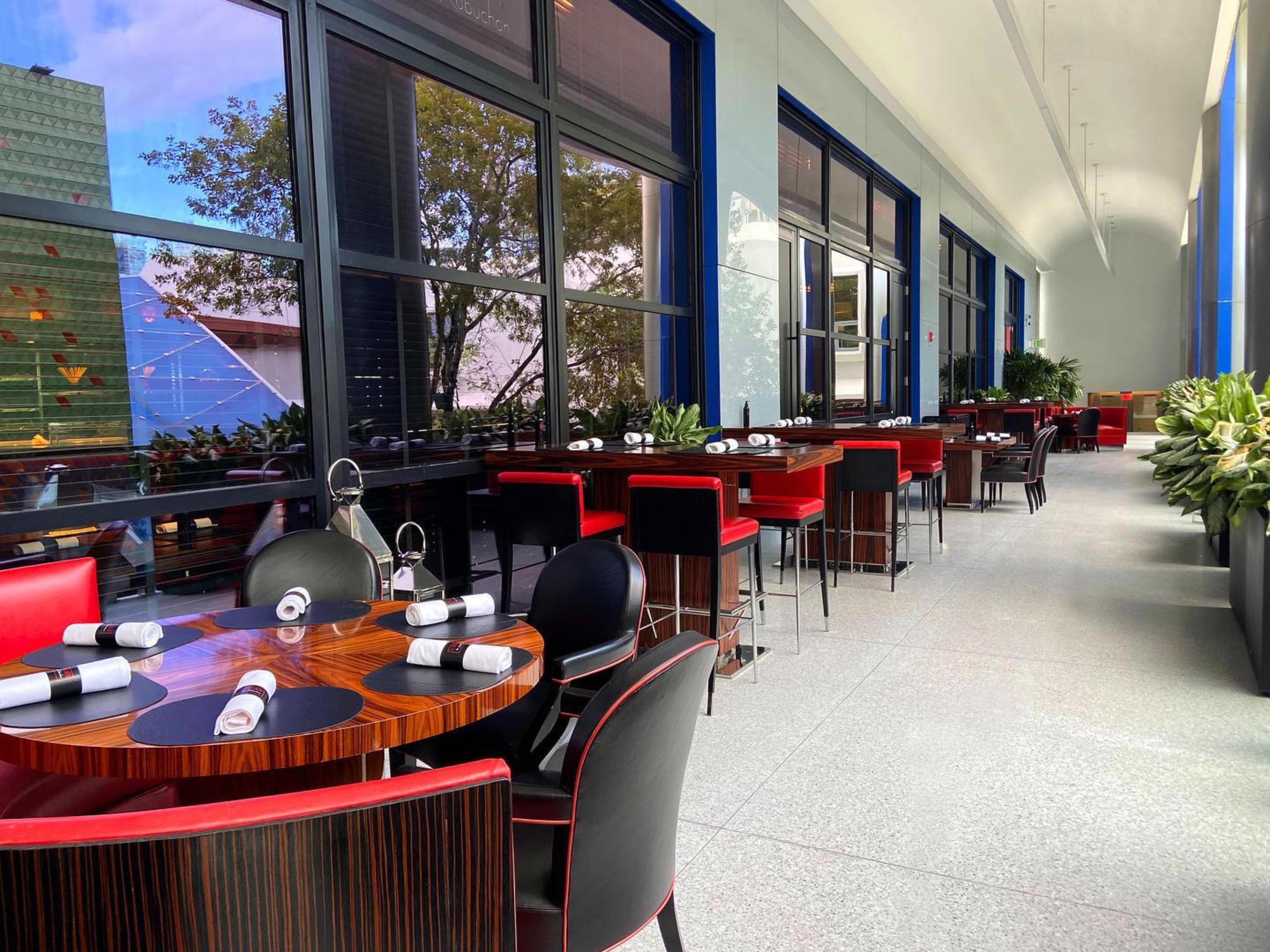
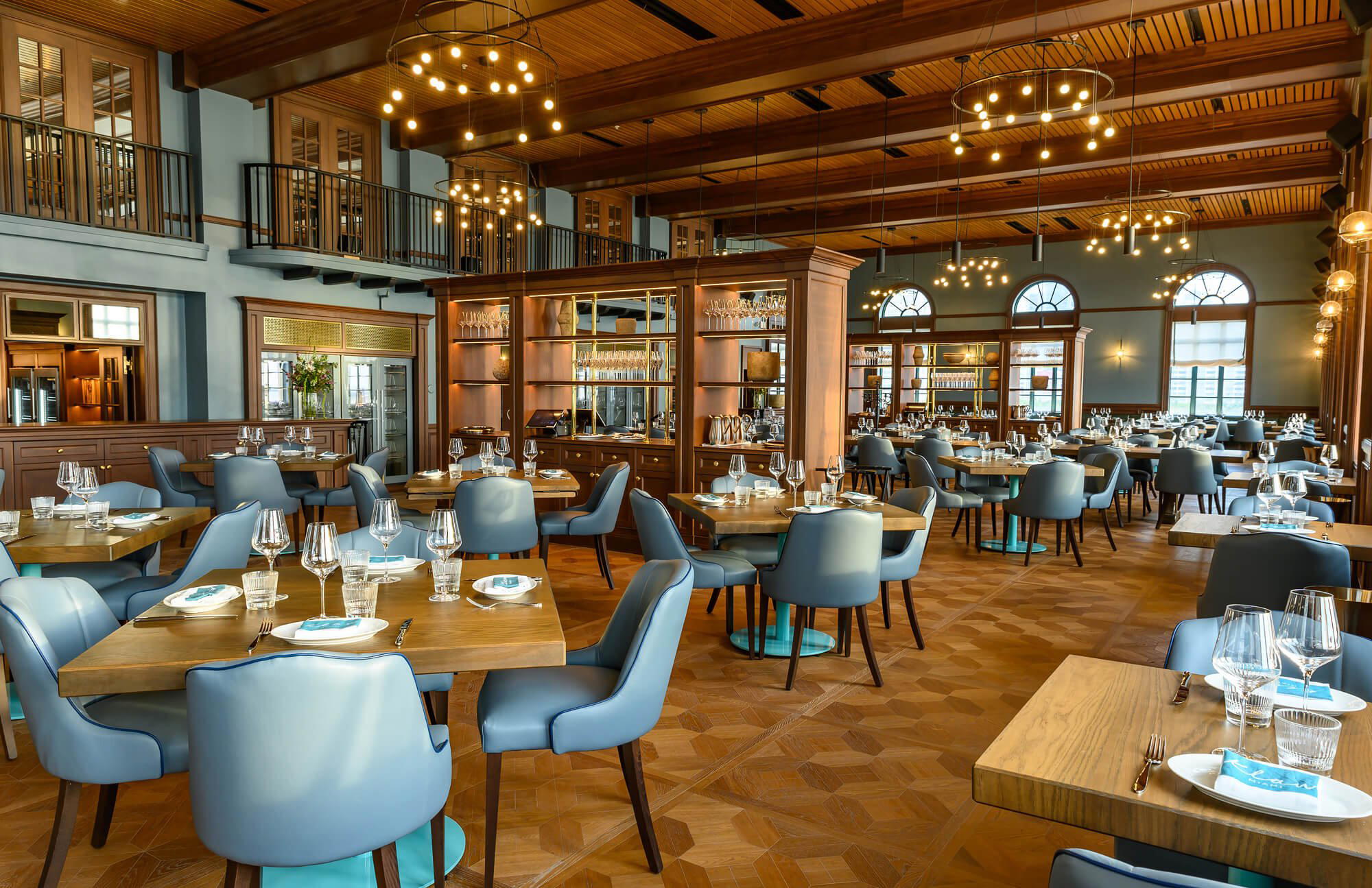
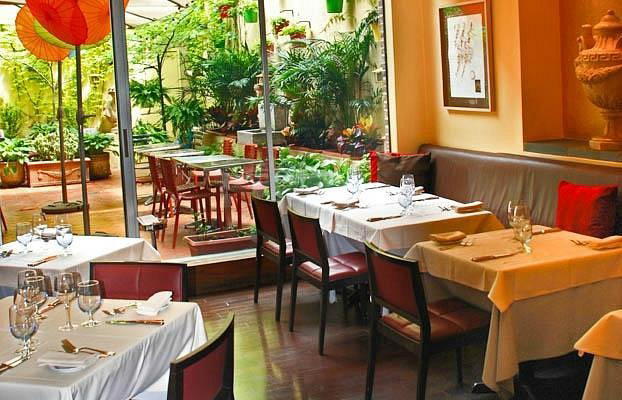
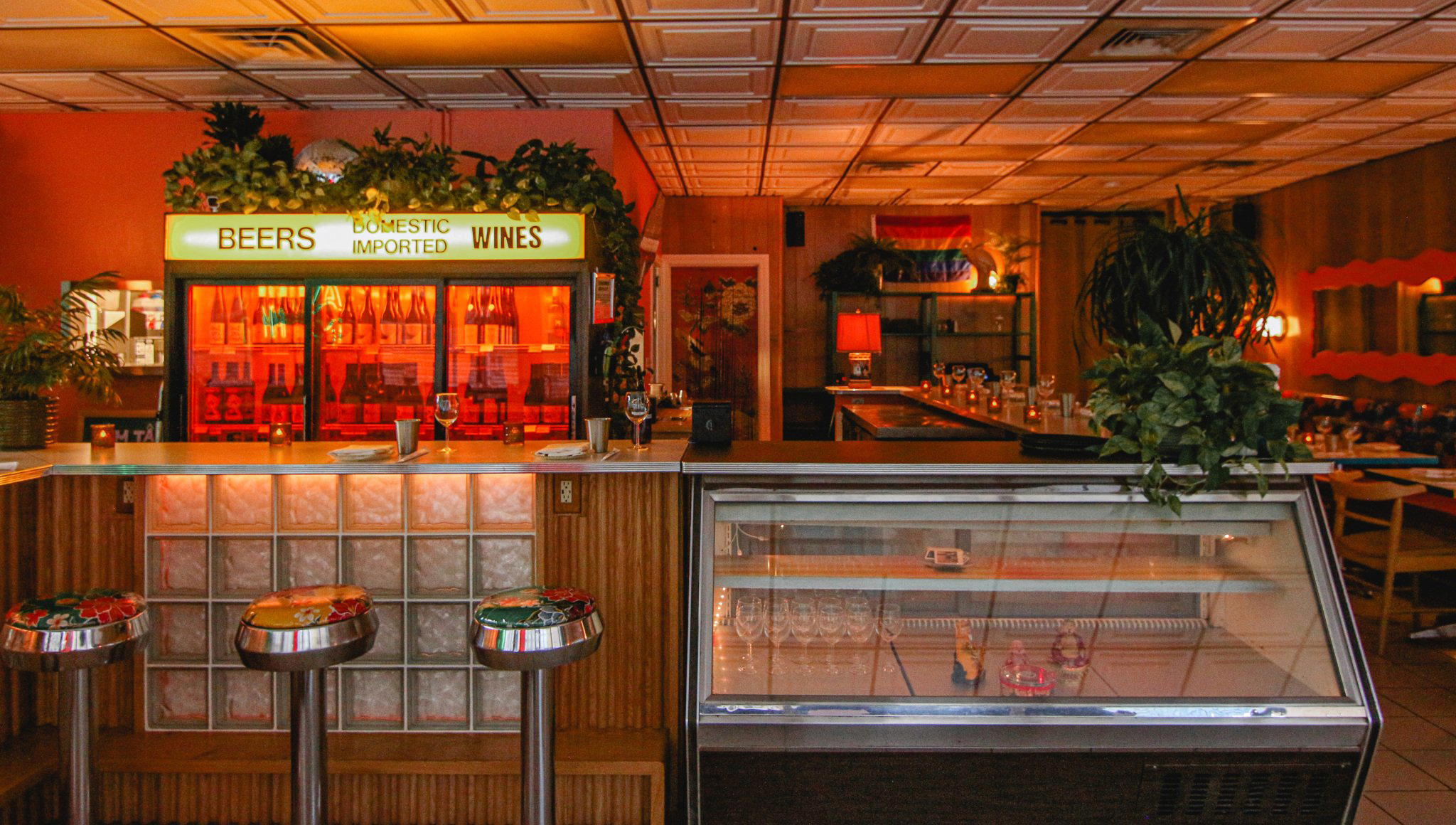
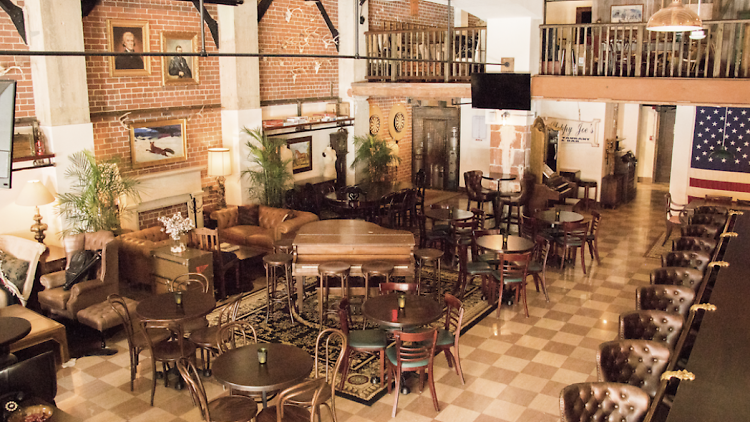
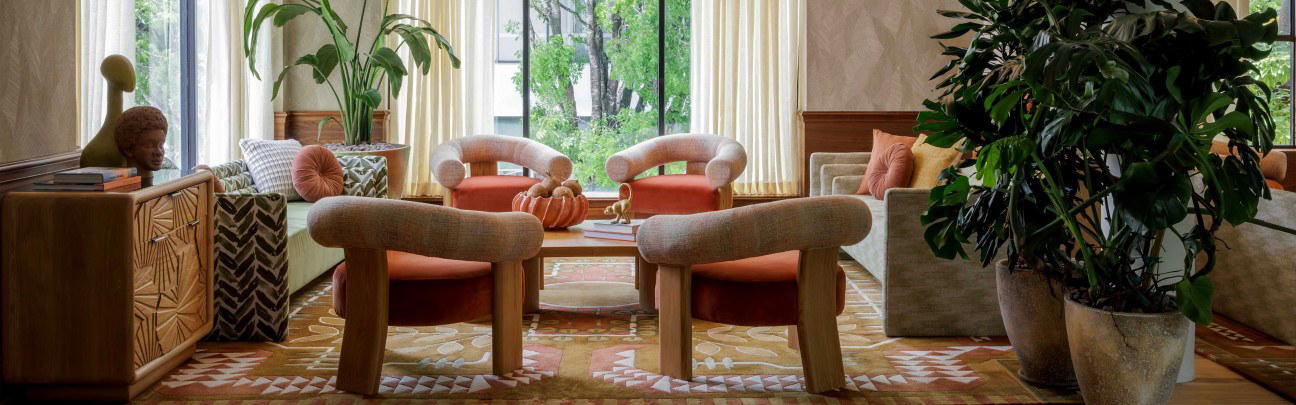
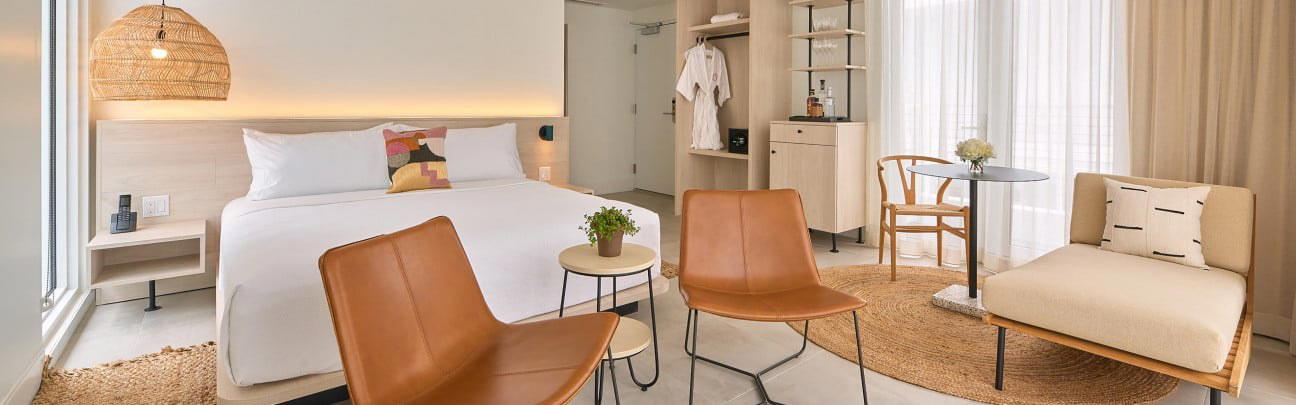
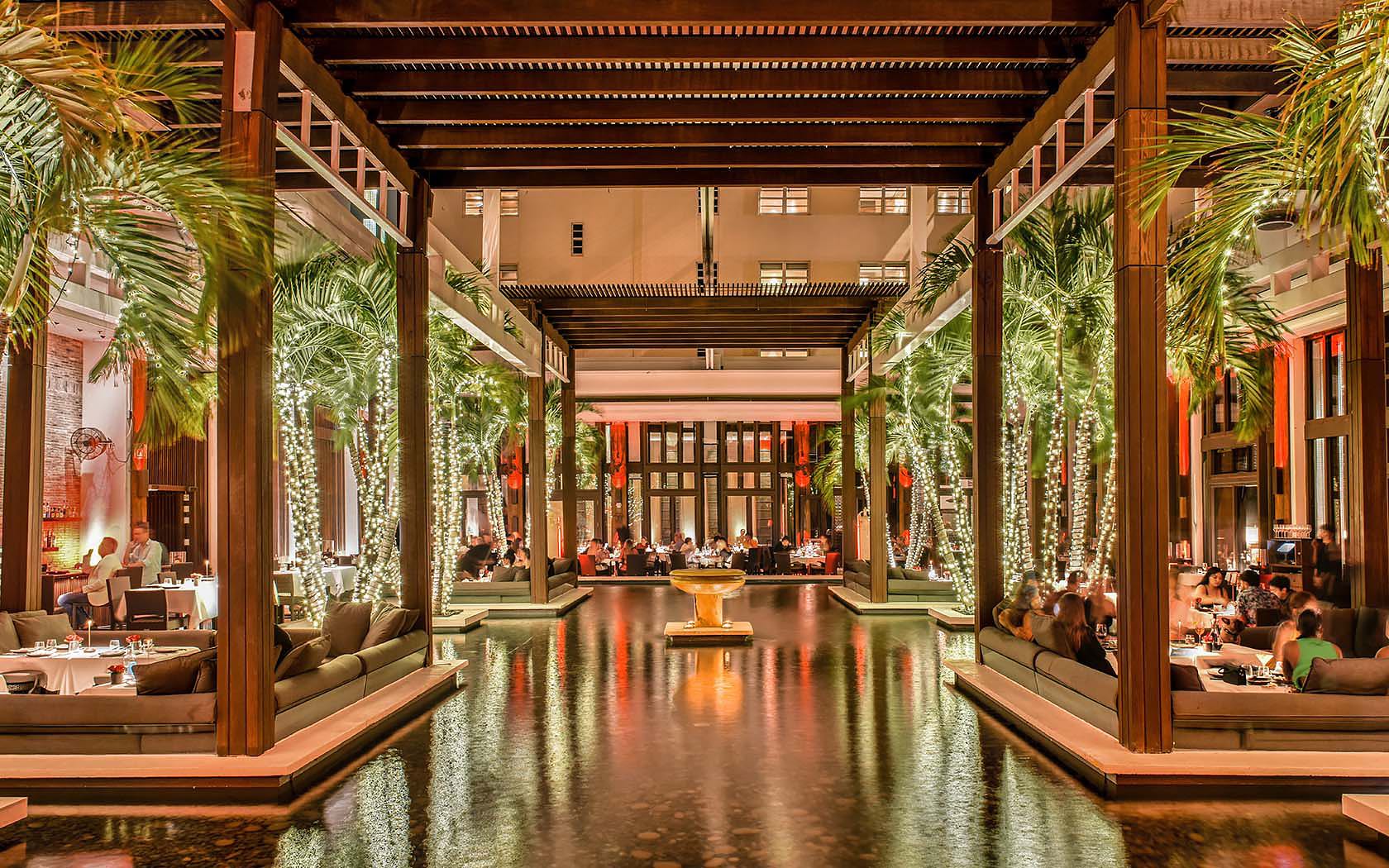
Chic and refined with dimmed lighting, modern art throughout, and a sophisticated gray color palette that creates an upscale yet welcoming atmosphere.