Dolce & Salato
On Douglas Avenue in Providence's North End, Dolce & Salato occupies a spot in a city that has built a serious dining identity around Italian-American tradition and independent operators. The name itself, sweet and salty, signals a kitchen fluent in contrast and balance. For visitors already familiar with Providence's heavier-hitting Italian addresses, this is a neighbourhood-scale counterpoint worth knowing.
Pearl is the En Primeur Club membership app — saves, bookings, and concierge access live there. Same editors, same standards.
- Address
- 209 Douglas Ave, Providence, RI 02908
- Phone
- +14014009766
- Website
- dolcesalatopvd.com
- Directions
- Get directions
 Saves & bookings on Pearl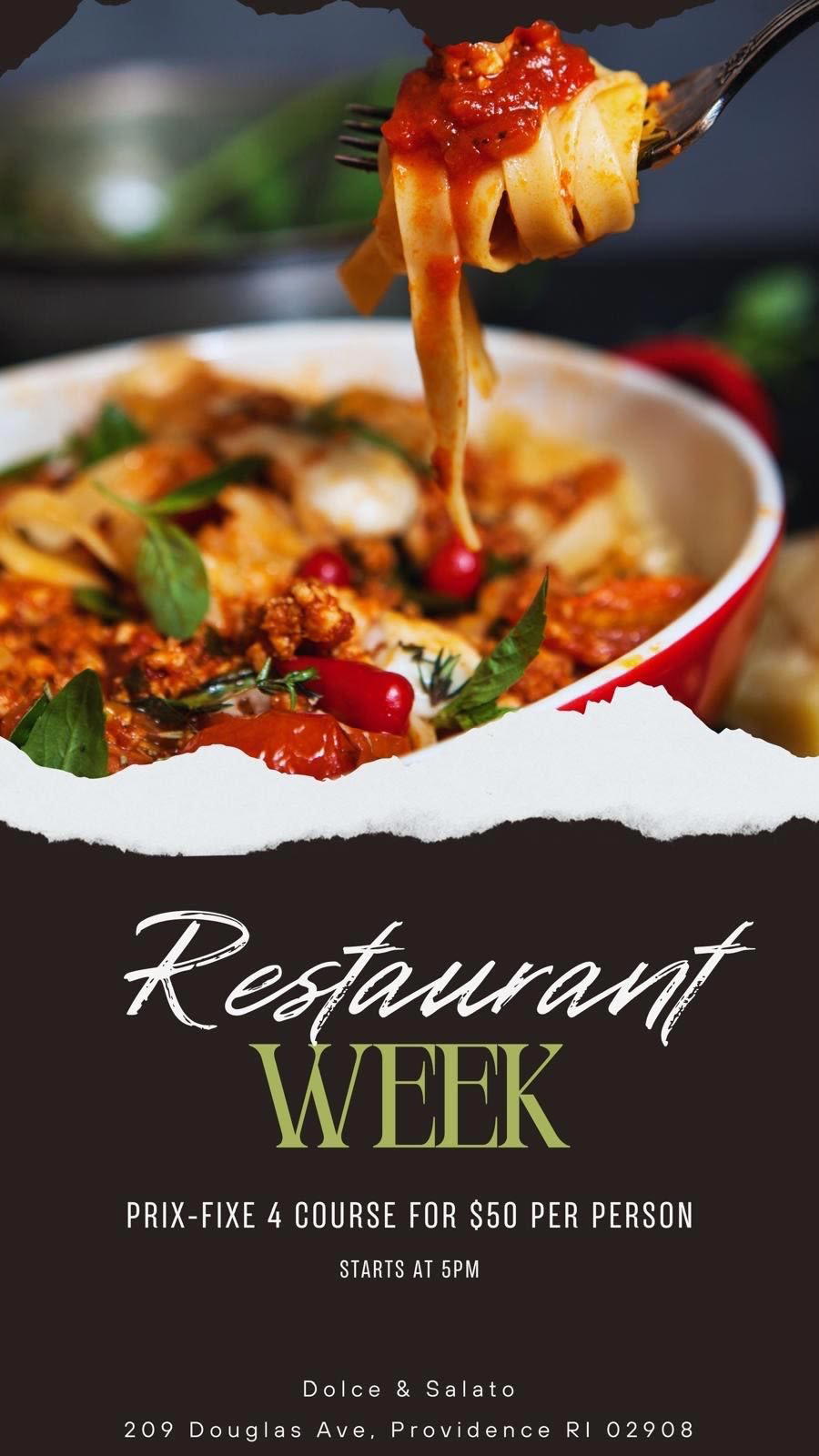
Douglas Avenue and the North End's Quiet Dining Weight
Providence's North End has long operated in the shadow of the city's more photographed dining corridors, but the neighbourhood carries its own authority. Douglas Avenue, where Dolce & Salato sits at number 209, runs through a district shaped by generations of Italian-American settlement, the kind of street where food is treated as a daily obligation rather than an occasion. That context matters when you're reading a venue's name: dolce e salato, sweet and salty, is a pairing that serious Italian baking and pastry culture treats as a guiding tension, not a gimmick.
Providence as a dining city has spent the past decade earning recognition well beyond its size. Rhode Island's dining scene now competes in conversations that include destinations like Blue Hill at Stone Barns in Tarrytown and Single Thread Farm in Healdsburg in terms of producer-sourcing ambition, even if the price brackets and national profiles differ considerably. Within Providence itself, the Italian-American tradition anchors a specific tier of the dining map, one that includes well-established addresses like Al Forno Restaurant, a name synonymous with wood-fired Italian cooking in New England, and Anthony's Authentic Italian Cuisine, which holds a more neighbourhood-facing position. Dolce & Salato occupies a different register, one that the name alone suggests is rooted in baking and the craft side of Italian food culture.
The Sustainability Logic Behind Italian Craft Baking
The broader shift toward ethical sourcing and waste-conscious kitchens has, in many American cities, concentrated most visibly in farm-to-table tasting menu formats. But Italian pastry and bakery traditions carry their own embedded sustainability logic that often goes unremarked. The dolce-salato kitchen is by definition a whole-kitchen operation: offcuts from laminated doughs become filled pastries; stale bread becomes the base for sweet or savoury preparations; the same preferment that leavens a morning cornetto informs an afternoon focaccia. This is not sustainability as marketing posture but as structural kitchen practice.
Restaurants operating at the intersection of bakery and café in American cities have become a more serious category in recent years. At the higher end of that spectrum, venues like Smyth in Chicago have demonstrated how fermentation and preservation techniques native to European baking traditions can anchor a kitchen's environmental posture without the language of conscious consumption appearing on the menu at all. The principle scales down effectively: a neighbourhood bakery that ferments its doughs, sources regionally, and runs a zero-waste pastry case is doing the same work at a different price point.
For Providence diners comparing Italian-rooted independents, the city offers a clear spectrum. Bacaro brings a wine-bar frame to Italian small plates; Al Forno holds the wood-fired, fine-casual register with national name recognition. Dolce & Salato, at its Douglas Avenue address, appears to operate in a more immediate, daily-use format, the kind of place where the product quality speaks without ceremony. That positioning, in Italian food culture, is often where honest cooking lives.
Providence in the Wider American Dining Conversation
Understanding any Providence venue requires placing it inside a dining city that punches above its population. The state's seafood access is genuine, Rhode Island's fishing heritage feeds directly into restaurant kitchens, and venues like Gift Horse, which applies a Korean-influenced lens to New England seafood, represent the city's current appetite for culinary dialogue rather than preservation. The Italian-American tradition operates in parallel, drawing on decades of neighbourhood culture rather than contemporary fusion instincts.
Nationally, the restaurants that have built the strongest reputations around sourcing and environmental accountability include names like Le Bernardin in New York City, which has made seafood sourcing a documented part of its kitchen identity, and Atelier Moessmer Norbert Niederkofler in Brunico, where Alpine regionalism functions as both an ethical and culinary framework. These are different scales from a Providence neighbourhood address, but they illustrate a set of values, provenance, seasonal constraint, whole-product thinking, that Italian baking and pastry culture has long practised without the formal signposting.
Other American restaurants that have brought producer relationships and sourcing transparency to the centre of their identity include Lazy Bear in San Francisco, Addison in San Diego, and The Inn at Little Washington. The thread connecting these operations to a neighbourhood Italian address is less obvious but present: food made carefully, with attention to where ingredients come from and how little gets wasted.
Positioning Within Providence's Italian Tier
The Italian-American dining category in Providence is competitive in a specific way, it is not dominated by a single flagship but distributed across neighbourhood anchors, each with a distinct community following. Anthony's Authentic Italian Cuisine holds one end of that spectrum; Al Forno holds another. Dolce & Salato's positioning on Douglas Avenue in the North End places it geographically inside the neighbourhood that gave Providence its Italian-American identity, which is a form of credentialing that formal awards cannot replace.
For comparison, Providence's broader dining scene also extends to addresses like 10 Prime Steak & Sushi, which occupies the premium end of the city's restaurant register. Dolce & Salato, by contrast, reads as a daily-use address, the kind of operation that a neighbourhood relies on rather than reserves for occasions. That category of restaurant is often the hardest to sustain and, when done well, the trusted.
Planning a Visit
Dolce & Salato is located at 209 Douglas Ave in Providence's North End, a residential district that rewards walking once you arrive, though driving or rideshare from downtown Providence (roughly 1.5 miles from Kennedy Plaza) is one practical approach for visitors unfamiliar with the area. Reservations are recommended. Visitors building a broader itinerary around Italian-rooted dining in Providence should also consider Bacaro for its wine-bar format and Al Forno for wood-fired cooking with a longer track record of national recognition.
Compact Comparison
Comparable venues nearby, for context on price, style, and recognition.
| Venue | Cuisine | Price | Notes |
|---|---|---|---|
| Dolce & SalatoThis venue — the venue you are viewing | North End, Italian Café & Bakery | $$ | Not listed |
| Anthonys Authentic Italian Cuisine | Not listed | $$ | Federal Hill, Authentic Italian Trattoria |
| Massimo | Federal Hill, Regional Italian Trattoria | $$ | Not listed |
| Bacaro | Not listed | $$$ | Downtown Providence, Italian Trattoria & Enoteca |
| Pizza Marvin | Not listed | $$ | Fox Point, Modern New Haven-Style Pizza with Rhode Island Twists |
| Red Stripe | Not listed | $$ | Wayland Square, American Brasserie with French Influence |
Continue exploring
More in Providence
Restaurants in Providence
Browse all →
Bars in Providence
Browse all →
At a Glance
- Cozy
- Rustic
- Intimate
- Brunch
- Casual Hangout
- Open Kitchen
- Local Sourcing
Current opening hours
- Monday
- 7 AM–3 PM
- Tuesday
- 7 AM–3 PM
- Wednesday
- 7 AM–3 PM, 4:30–10 PM
- Thursday
- 7 AM–3 PM, 4:30–10 PM
- Friday
- 7 AM–3 PM, 4:30–10 PM
- Saturday
- 8 AM–3 PM, 4:30–10 PM
- Sunday
- 10 AM–3 PM, 4–9:30 PM
Hours can change for holidays and private events. Last verified .
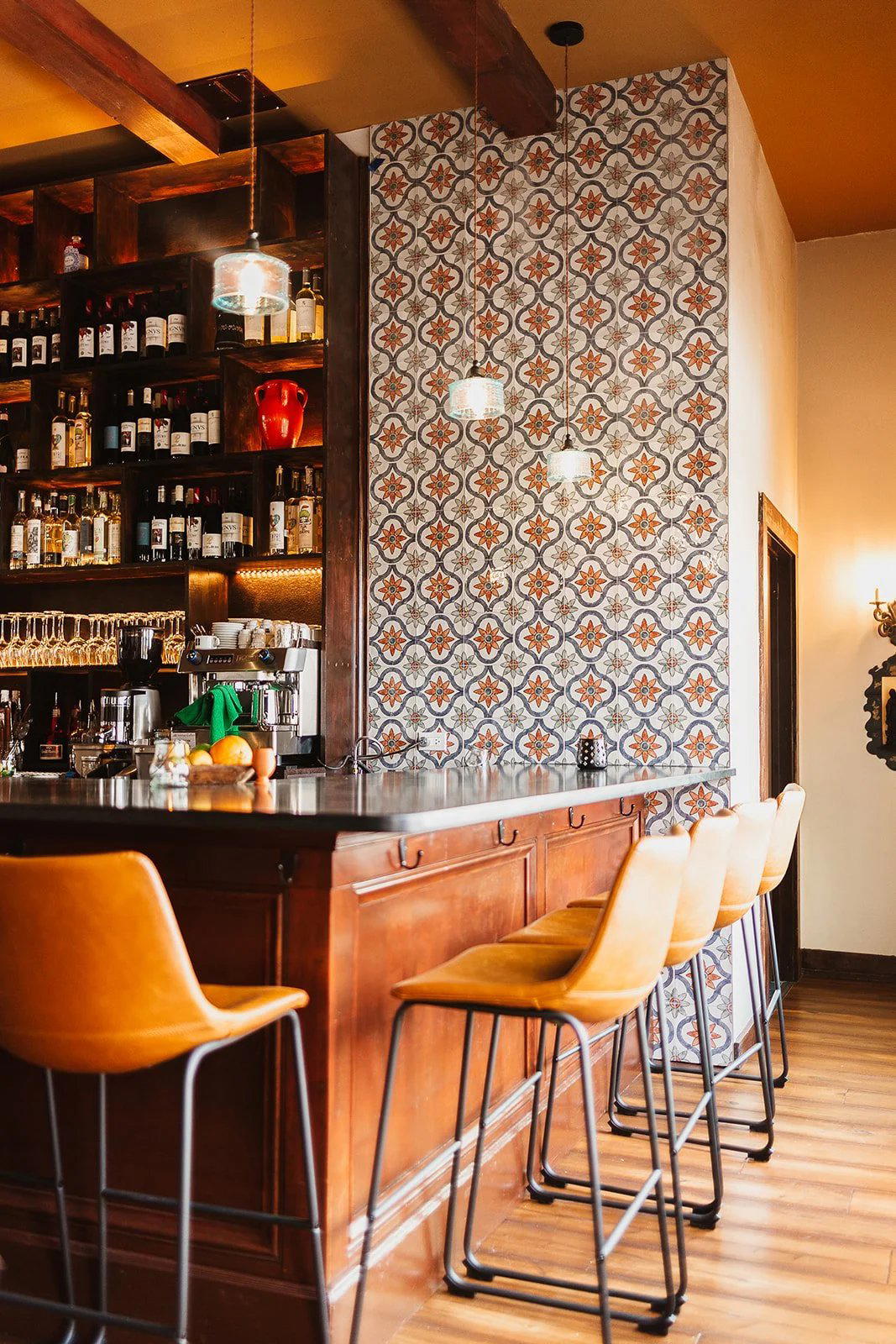
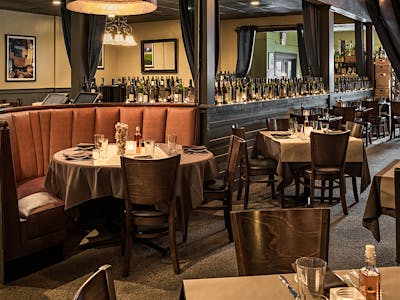
Warm, family-like atmosphere blending casual café charm with refined evening dining.