Doc Martin's
Our verdict
Doc Martin's occupies a historic space within the Taos Inn on Paseo Del Pueblo Norte, where New Mexican culinary tradition meets ingredient-conscious cooking in the heart of a working arts town. The room draws both locals and visitors drawn to the high desert character of the place, and the kitchen's sourcing philosophy connects the menu to the regional agricultural identity that makes Taos dining worth paying attention to.

Pearl is the En Primeur Club membership app, where members save venues, book tables and use the concierge.
The menu
What to order
- Chile Rellenos
- Blue-corn cheese enchiladas
- Blue corn encrusted trout
Where the High Desert Sets the Table
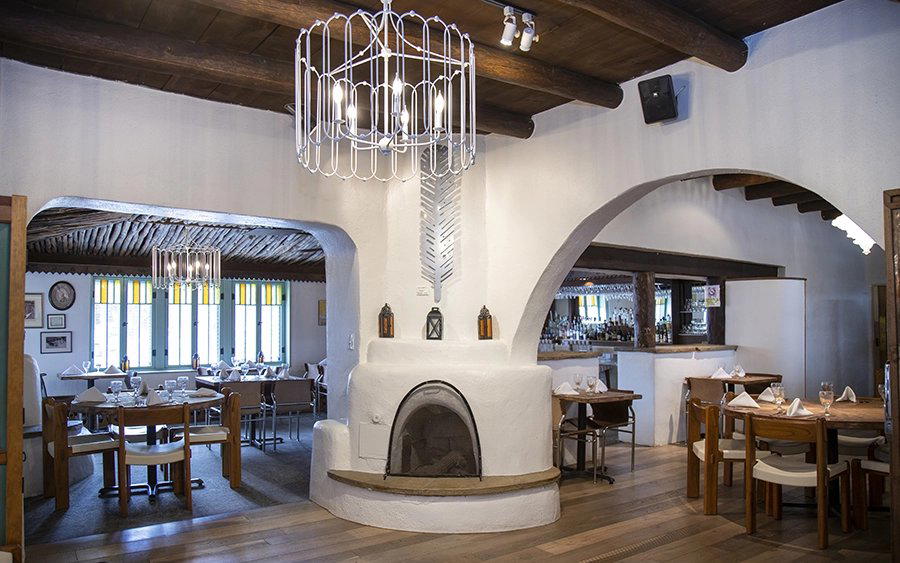
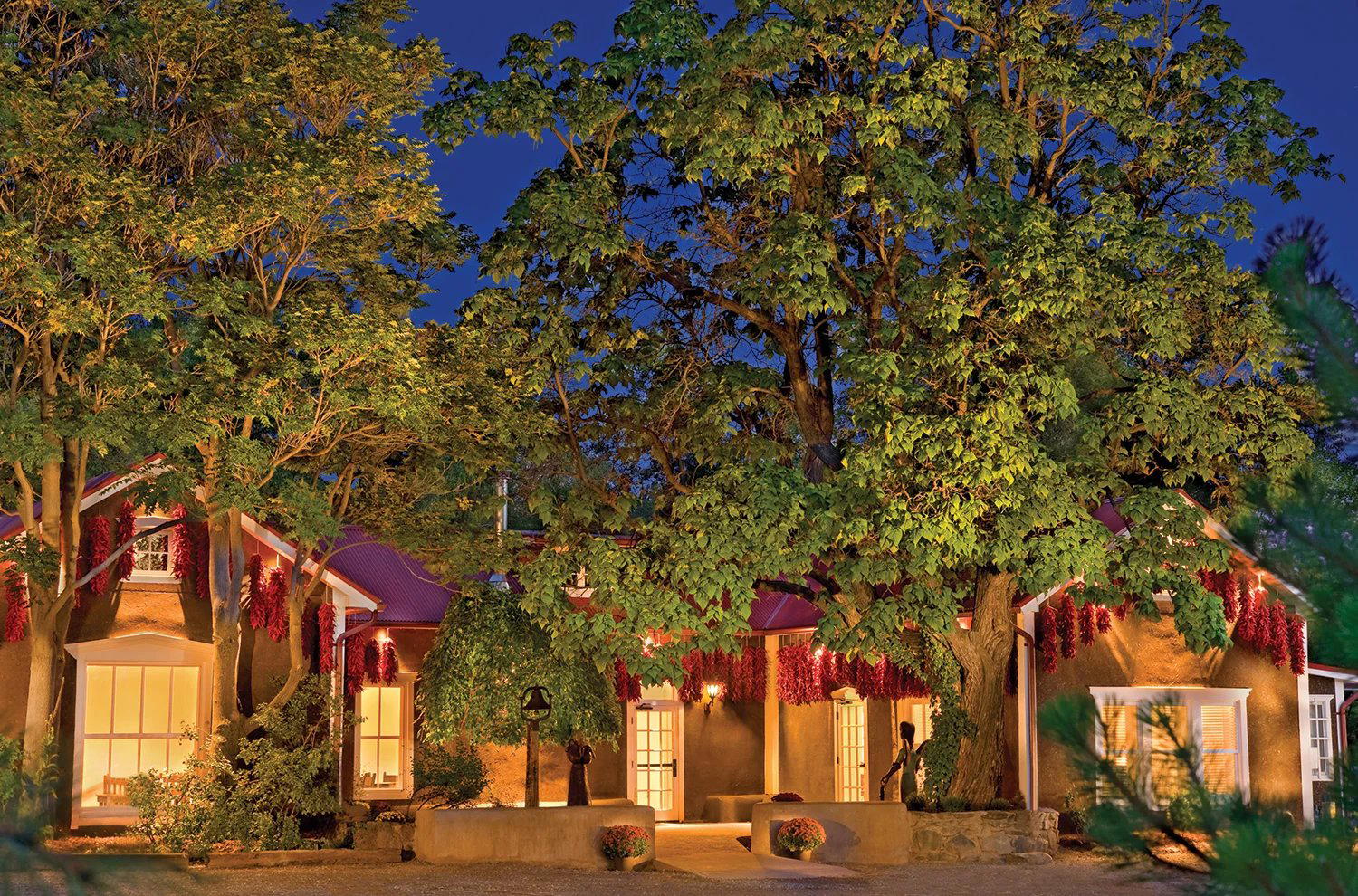
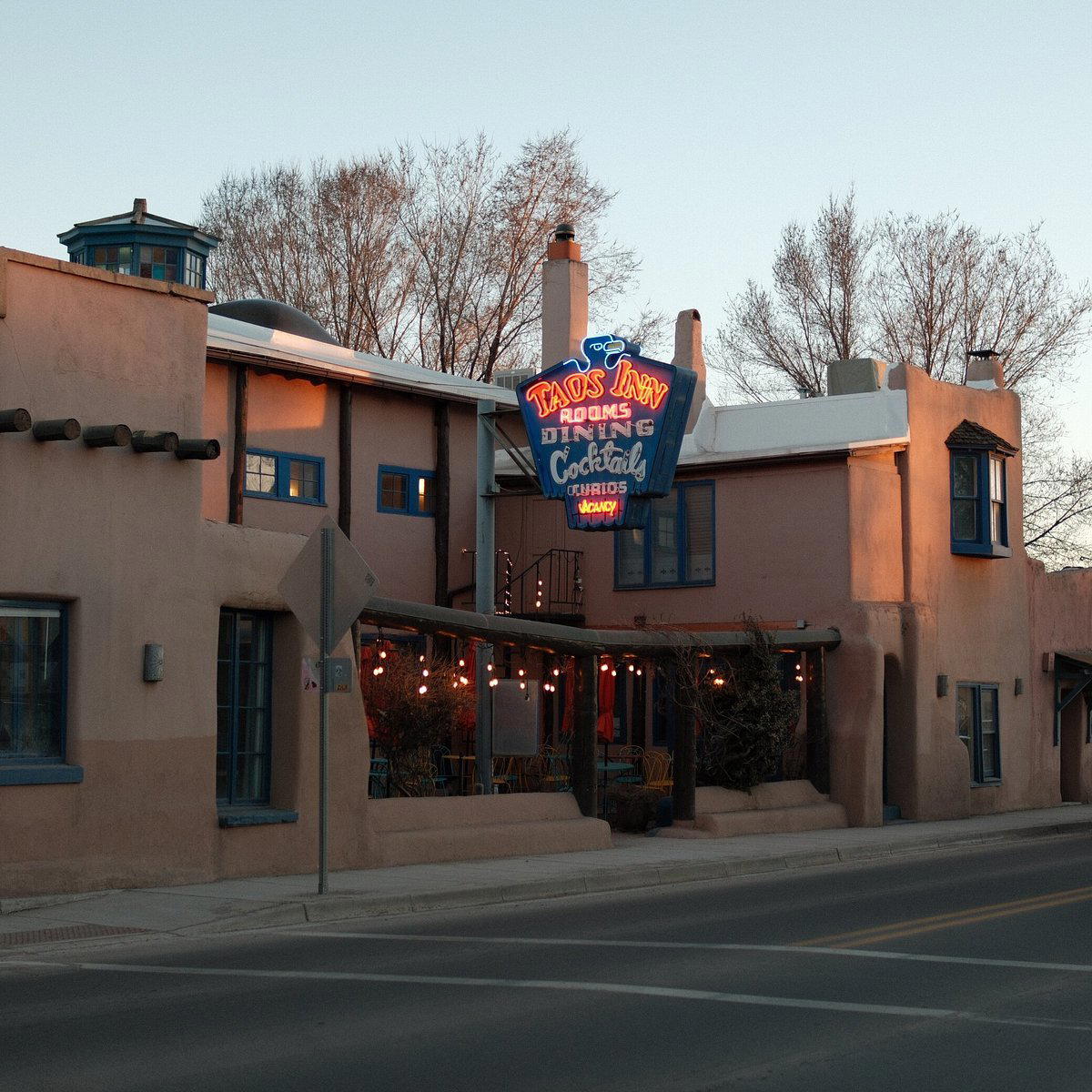
Arriving at Doc Martin's means arriving at the Taos Inn first. The 1936 property on Paseo Del Pueblo Norte is woven into the civic fabric of the town in a way that few restaurant addresses anywhere manage: the building was once a physician's home and medical office, and the transition from private residence to public institution left the interior with a density of adobe, salvaged wood, and collected objects that no amount of interior design money can replicate later. You don't walk into a dining room so much as a room that has always been a dining room, even when it was something else.
That physical context matters because it frames everything that follows. Doc Martin's sits in the tier of Taos restaurants where the setting is doing real editorial work alongside the kitchen. In a town of roughly 6,000 permanent residents operating as both an arts destination and a year-round outdoor recreation hub, that upper bracket is small, closely watched, and meaningful.
New Mexico's Ingredient Geography and Why It Shapes the Menu
The sourcing argument for New Mexican cooking is among the more compelling regional cases in the American Southwest. The state's agricultural identity is defined by its chile crop above almost everything else: Hatch green and red chiles dominate, but the high-altitude varieties grown in the Española Valley, just south of Taos, carry a different heat profile and sweetness than their more famous counterparts further south. A restaurant at this address, in this town, has access to ingredient geography that kitchens on the coasts pay premium freight to approximate.
Beyond chile, the region offers dry-farmed corn varieties traceable to Pueblo agricultural lineages that predate European contact by centuries, heritage breed pork from small northern New Mexico operations, and trout from cold-water streams threading through the Sangre de Cristo Mountains. Lamb from the high desert plateau has long been part of the traditional economy here. When a kitchen at Doc Martin's altitude (roughly 6,970 feet above sea level) makes sourcing decisions, those decisions carry meaning that pure technique cannot manufacture. This is the foundational editorial case for the restaurant: the ingredients available within a two-hour radius of Taos are genuinely differentiated from what most American fine-casual kitchens can draw on.
Compare this to operations like Single Thread Farm in Healdsburg or Blue Hill at Stone Barns in Tarrytown, where ingredient provenance is the explicit architecture of the dining proposition. Doc Martin's operates at a different price point and scale, but the underlying logic of place-bound sourcing applies with equal force in northern New Mexico, even if it's applied with less programmatic fanfare.
The Room and Its Rhythms
The dining room at the Taos Inn carries the warmth of a high-altitude winter refuge and the airy calm of a high-desert summer evening in roughly equal measure depending on when you arrive. The famous Adobe Bar adjacent to the restaurant, a gathering point in Taos since the Inn opened, ensures the space never reads as purely formal. This is not the architectural restraint of a Le Bernardin in New York City or the deliberate minimalism of Atomix in New York City. The register is warmer, more accumulated, more willing to let history show.
That atmosphere anchors the restaurant in a tradition of Western American inn dining that has largely contracted over the past two decades. Properties that maintain a serious restaurant operation inside a historic inn rather than leasing the space to an independent operator are fewer than they were. Doc Martin's occupies that position in Taos, which gives it a continuity of identity that free-standing restaurants in the same market don't automatically inherit.
For practical planning: the restaurant is located at 125 Paseo Del Pueblo Norte, the main artery running through central Taos, within walking distance of the Plaza and the surrounding gallery district. Taos is a drive destination from Albuquerque (roughly two and a half hours) or Santa Fe (about an hour and twenty minutes), and visitors typically combine a meal here with lodging at the Inn or elsewhere in town. Reservations are advisable, particularly during the summer arts season and winter ski season when Taos Ski Valley draws significant traffic to the valley.
Where Doc Martin's Sits in the Broader American Regional Conversation
American regional cooking has been getting more serious critical attention over the past decade, and New Mexican cuisine specifically has benefited from that shift. The chile-forward, Pueblo-influenced cooking traditions of northern New Mexico are not the same as Tex-Mex or the border cooking of the Southwest more broadly, and restaurants that hold that line do something culturally specific. Kitchens in places like Frasca Food and Wine in Boulder or The Wolf's Tailor in Denver make the case for Rocky Mountain regionalism from different angles. Doc Martin's case is built on an older, deeper set of agricultural and cultural traditions that the Colorado Front Range doesn't share.
At the national level, the operations that have most fully articulated the farm-and-region sourcing argument, The French Laundry in Napa, Smyth in Chicago, Addison in San Diego, Providence in Los Angeles, operate at price points and critical profiles substantially above what Taos can sustain as a market. The more relevant comparison is probably Emeril's in New Orleans or The Inn at Little Washington: restaurants with deep regional identities operating inside historic properties where the building itself is part of the culinary argument. Lazy Bear in San Francisco and Atelier Moessmer Norbert Niederkofler in Brunico represent the more rarefied end of place-driven sourcing globally. Doc Martin's speaks a related language at a different altitude of ambition, which is appropriate for its market and arguably more useful to its community.
For visitors building a Taos itinerary, Doc Martin's functions as the anchor reservation: the meal that contextualizes everything else you eat in the valley. See our full Taos restaurants guide for how it fits against the wider field.
Planning Your Visit
Doc Martin's sits inside the Historic Taos Inn at 125 Paseo Del Pueblo Norte, within the walkable core of town. The dual seasons of summer (arts festivals, gallery openings, outdoor recreation) and winter (ski season at Taos Ski Valley) mean the restaurant runs at high occupancy from roughly late June through early March with a quieter shoulder in spring. Evening reservations during peak periods book ahead; walk-in capacity at the Adobe Bar provides an alternative entry point for those who arrive without a booking.
Frequently asked questions
Can I bring kids to Doc Martin's?
The setting inside the historic Taos Inn at 125 Paseo Del Pueblo Norte is informal enough that families are not out of place. Taos draws an active, outdoors-oriented visitor base, so the dining room sees a wider age range than a comparable urban fine-dining address. That said, the inn's character and the menu's regional focus make it a better fit for older children with some interest in food.
What should I expect atmosphere-wise at Doc Martin's?
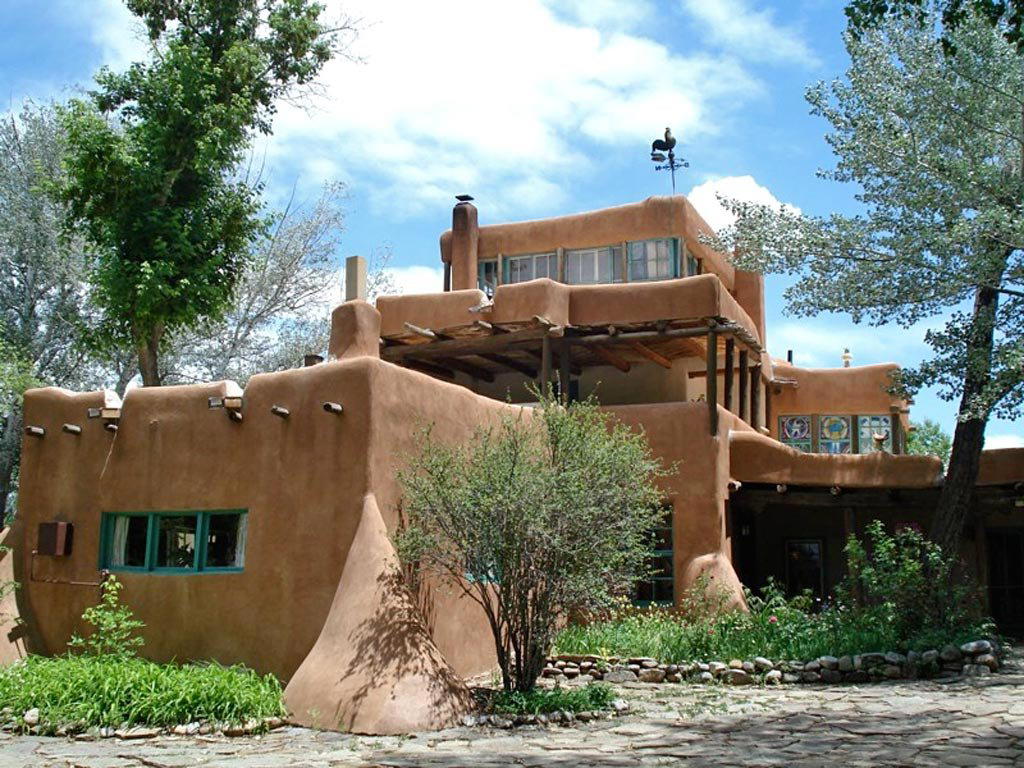
The room occupies a 1936 adobe building on Paseo Del Pueblo Norte, and the architecture sets the tone: thick walls, heavy wood detailing, and collected objects that read as genuinely accumulated rather than art-directed. In winter it functions as a high-altitude refuge; in summer the mood opens into something lighter. Either way, the space carries the civic weight of a property that has been central to Taos social life for decades.
Is Doc Martin's a good choice for visitors specifically seeking New Mexican cuisine rather than general American dining?
Doc Martin's address inside the Historic Taos Inn connects it directly to New Mexico's culinary and cultural identity in a way that generic regional-American restaurants do not. Northern New Mexico chile, the state's agricultural specificity, and the 1936 building's place in Taos civic life all point toward a menu with genuine regional grounding. Visitors whose primary interest is New Mexican cooking will find more contextual depth here than at a standalone restaurant without that institutional backstory.
What's the best thing to order at Doc Martin's?
The honest answer tracks the sourcing logic of northern New Mexico cooking: dishes built around regional chile and locally grown ingredients represent the menu's strongest argument. New Mexico has one of the more distinctive agricultural identities in the American Southwest, and a kitchen with direct access to that supply chain should be ordered accordingly. Follow the chile.
Where is Doc Martin's located?
Doc Martin's is located at 125 Paseo Del Pueblo Norte, Taos, NM 87571, Taos.
A Quick Peer Check
Comparable venues nearby, for context on price, style, and recognition.
| Venue | Cuisine | Price | Awards | Notes |
|---|---|---|---|---|
| Doc Martin'sThis venue (the venue you are viewing) | New Mexican Southwestern | $30–50 | Not listed | Not listed |
| Orlando's | New Mexican | $20–30 | Not listed | El Prado |
| Taos Pizza Out Back | Gourmet Pizza | $20–30 | Not listed | Taos |
| Corner Office | European Farm-to-Table Wine Bar | $30–50 | Esquire Best New Restaurants #31 | Taos |
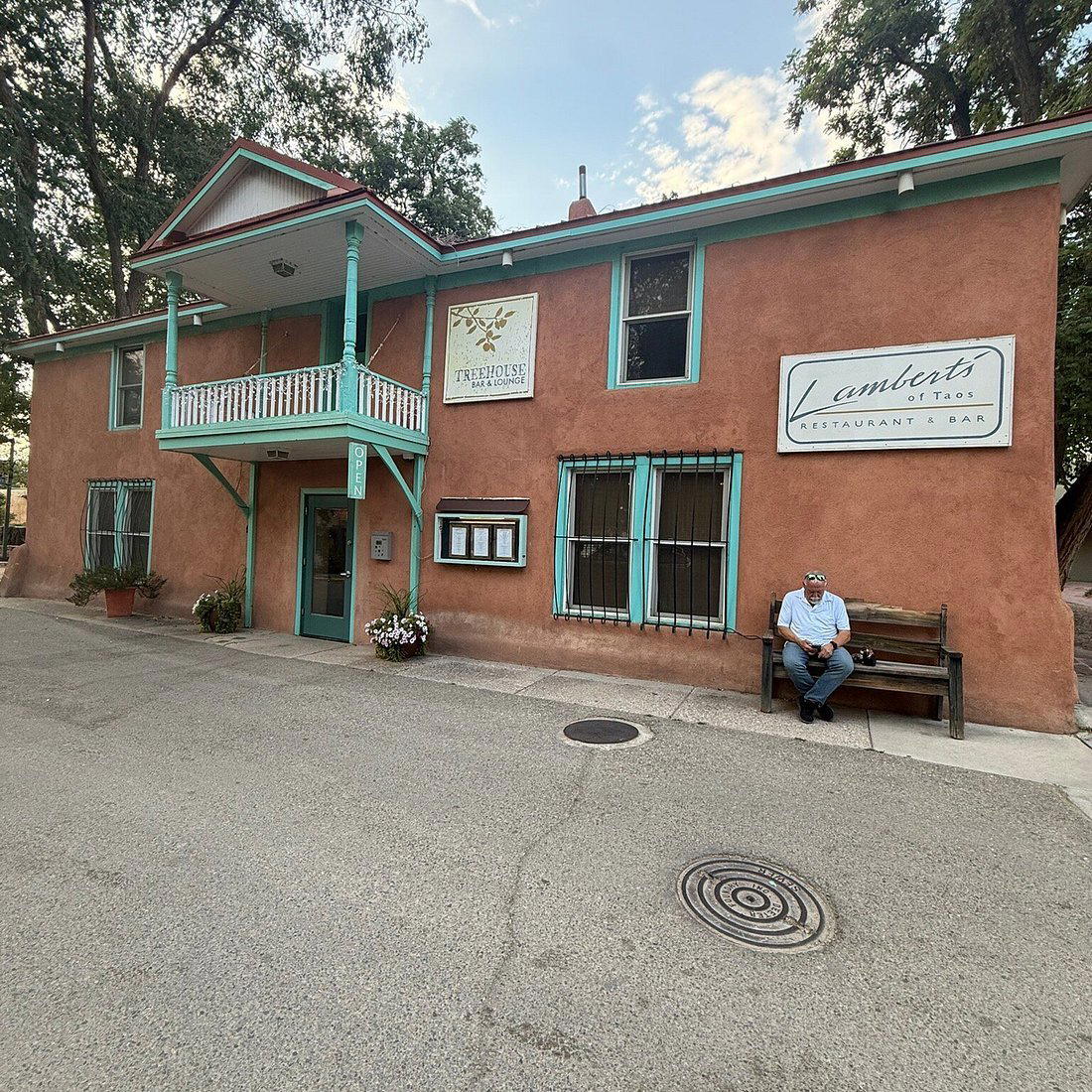
| Lambert's of Taos | Contemporary American | $50–100 | Not listed | downtown |
| 229 Galisteo St | Classic New Mexican | $20–30 | Not listed | Downtown |
Continue exploring
More in Taos
Restaurants in Taos
All restaurants in Taos →

Doc Martin's
The wine
- Wine program
- Deep wine list
- Extensive wine list
- Craft cocktails
Details
- Rustic
- Cozy
- Historic
- Special Occasion
- Brunch
- Date Night
- Historic Building
- Hotel Restaurant
- Extensive Wine List
- Craft Cocktails
- Local Sourcing
- Farm To Table
- A La Carte
- Margaritas
- Vegetarian Friendly
- Gluten Free Options
- Vegan Options
Current opening hours
- Monday
- 5–9 PM
- Tuesday
- Closed
- Wednesday
- Closed
- Thursday
- Closed
- Friday
- 5–9 PM
- Saturday
- 5–9 PM
- Sunday
- 5–9 PM
Hours can change for holidays and private events. Last verified .
Warm, historic adobe atmosphere with welcoming patio seating and Southwestern charm.