Orlando's
Our verdict
Orlando's sits on Don Juan Valdez Lane in Taos, New Mexico, where the cooking draws on the deep agricultural traditions of the Rio Grande corridor. The menu reflects the kind of ingredient-first approach that has defined northern New Mexico's table for generations, connecting local sourcing to a regional cuisine that remains among the most geographically distinct in the American Southwest. For our full editorial context, see our Taos County restaurants guide.

Pearl is the En Primeur Club membership app, where members save venues, book tables and use the concierge.
The menu
What to order
- Blue corn enchiladas
- Los Colores
- Grilled carne adovada
- Sayulita fish tacos
Where the High Desert Shapes What Ends Up on the Plate
Arriving in Taos, the landscape makes an argument before any restaurant does. At 6,900 feet, the air is dry and sharp, the soil is volcanic and alkaline, and the growing season is compressed. These are not romantic details. They are the agrarian constraints that have produced one of the most distinctive regional cuisines in the continental United States, one built on chile cultivation, heritage corn, and a ranching culture that stretches back centuries before New Mexico became a state. Orlando's, located on Don Juan Valdez Lane in the northern reaches of Taos County, operates squarely within that tradition.
Northern New Mexico's food culture occupies a category of its own within American regional cooking. It is not Tex-Mex, not Californian, and not the generic Southwestern fusion that proliferated across the country in the 1990s. The foundation is Pueblo and Hispano agricultural practice: red and green chiles grown at altitude, blue corn from strains cultivated for generations along the Rio Grande, and proteins raised on high-desert range. The distinction between red and green chile here carries the same weight that grape variety carries in wine. When a New Mexican asks "red or green?" the answer is a genuine statement of preference, seasonality, and regional identity. Visitors who have not encountered this before often underestimate the question.
The Sourcing Logic Behind High-Desert Cooking
The ingredient economics of northern New Mexico reward proximity. Hatch chile, grown further south in the Mesilla Valley, is perhaps more nationally recognized, but Taos-area kitchens have long drawn on locally grown Pueblo chiles and the chile farms of the Espanola Valley, roughly 40 miles to the south. The difference in altitude and soil chemistry between these growing zones produces noticeably different heat profiles and sweetness. A restaurant anchored to local sourcing in this county is not simply making a marketing claim. It is accessing ingredients that do not travel well and are rarely available outside the region in fresh form.
This sourcing logic connects Orlando's to a broader pattern seen at a handful of ingredient-anchored American restaurants. Places like Blue Hill at Stone Barns in Tarrytown and Single Thread Farm in Healdsburg have built their reputations on the argument that the distance between farm and table is a measurable quality variable. In northern New Mexico, that argument predates the farm-to-table movement by several hundred years. The challenge for any kitchen here is not adopting the philosophy but executing it with enough consistency and skill to match the integrity of the raw material.
Regional Cuisine in a National Context
Taos County sits at an interesting remove from the circuits that generate national restaurant attention. The Michelin Guide does not cover New Mexico. The James Beard Award geography has historically concentrated recognition on major coastal and Midwestern cities. Restaurants in this part of the country build reputations through sustained local loyalty and word-of-mouth rather than through the award mechanisms that drive visibility for places like Le Bernardin in New York City, Lazy Bear in San Francisco, or Addison in San Diego.
That absence of formal recognition infrastructure does not indicate a lesser dining culture. It indicates a different one. Taos has long attracted artists, writers, and serious travelers who sought something outside the predictable luxury circuit, and the town's restaurants have historically reflected that: rooted, unfussy, specific to place. The comparison set for a restaurant like Orlando's is not the tasting-menu tier occupied by The French Laundry in Napa or Atomix in New York City. It is the tier of regionally grounded American restaurants where the cooking reflects a specific geography rather than a cosmopolitan technique vocabulary. Restaurants like Frasca Food and Wine in Boulder and The Wolf's Tailor in Denver represent the Rocky Mountain and High Plains version of that same orientation.
Within the Southwest specifically, the ingredient-first approach visible at restaurants like Providence in Los Angeles (where sourcing is the central argument) and Oyster Oyster in Washington D.C. (which builds around hyper-local supply chains) reflects a national shift toward provenance as a primary value. Northern New Mexico kitchens have been making the same argument on quieter terms for a long time.
What Brings Travelers Here
Taos draws a particular kind of visitor: people who have come for the Pueblo, the art institutions, the ski mountain north of town, or the general altitude of the place, both literal and cultural. The dining scene reflects that mix. It is not a restaurant town in the way that Santa Fe, 70 miles south, has developed a more polished and tourist-facing food identity. Taos eats more locally, more casually, and with less self-consciousness about its own regional distinctiveness.
Orlando's address on Don Juan Valdez Lane places it in the northern part of Taos, away from the central plaza district where most visitor traffic concentrates. That geography tends to filter for a more deliberate diner, someone who has looked for the restaurant rather than stumbled across it. For those planning around Taos Ski Valley, which sits another 20 minutes north of town, the restaurant sits on a logical route. For visitors staying closer to the plaza, it requires a short drive. Our full Taos County restaurants guide maps the dining options by neighborhood and price tier for those planning multiple meals.
For comparative context on how other regionally anchored American restaurants approach similar questions of sourcing and identity, the work being done at Smyth in Chicago, Bacchanalia in Atlanta, Emeril's in New Orleans, ITAMAE in Miami, The Inn at Little Washington, and Atelier Moessmer Norbert Niederkofler in Brunico (which applies an alpine-sourcing discipline with particular rigor) all offer useful reference points for understanding what a serious commitment to place-specific ingredients looks like across different scales and formats.
Planning Your Visit
Current booking details, hours, and pricing for Orlando's are best confirmed directly, as this information is not centrally listed. The restaurant's address at 1114 Don Juan Valdez Lane, Taos, NM 87571 is the reliable anchor. Given Taos's position as a destination town with a relatively small local population, well-regarded restaurants here can see meaningful wait times during peak season, which runs from late June through early September and again during the ski season from December through March. Planning ahead is a practical matter rather than a formality, particularly for weekend dinners during those windows.
Frequently asked questions
Is Orlando's suitable for children?
Orlando's is a neighborhood restaurant in Taos County, and the regional New Mexican format, familiar dishes built around chile, beans, and corn, tends to translate well for younger diners. Nothing in the venue's profile suggests a formal or adults-only setting. Confirming directly with the restaurant before visiting is advisable, particularly for large family groups.
Is Orlando's better for a quiet night or a lively one?
Orlando's sits on Don Juan Valdez Lane in Taos County, away from the main plaza circuit, which shapes the pace considerably. The setting reads more as a local fixture than a scene destination. Expect a room that fills with regulars and visitors who have done their research, rather than a high-energy crowd.
How does Orlando's fit into the broader northern New Mexico dining tradition?
Northern New Mexico cooking is a distinct regional cuisine, rooted in Pueblo, Spanish colonial, and mestizo food traditions, that differs substantially from Tex-Mex or Arizona-style southwestern food. Orlando's operates within Taos County, a part of New Mexico where that culinary lineage is embedded at the community level rather than packaged for export. The Michelin Guide does not cover New Mexico, so the restaurant exists outside the usual award infrastructure, but that absence says nothing about the cooking's regional integrity.
What's the best thing to order at Orlando's?
Current menu details are best confirmed directly with the restaurant, as Orlando's does not maintain a centrally listed online presence. In the broader context of northern New Mexico cooking, the red and green chile preparations specific to this region are the logical anchor of any meal here, the 'Christmas' option, requesting both on a single plate, is a regional convention worth knowing before you order.
Where exactly is Orlando's?
Orlando's is located at 1114 Don Juan Valdez Ln, Taos, NM 87571, Taos County.
Do I need a reservation for Orlando's?
Booking details for Orlando's are not centrally published, and the restaurant does not appear to maintain a listed phone or website at this time. For a Taos County restaurant with a local following, walk-in availability can vary significantly by season, Taos draws consistent visitor traffic around the ski mountain and Pueblo. Contacting the restaurant at 1114 Don Juan Valdez Lane directly before arrival is the practical approach.
In Context: Similar Options
Comparable venues nearby, for context on price, style, and recognition.
| Venue | Cuisine | Price | Awards | Notes |
|---|---|---|---|---|
| Orlando'sThis venue (the venue you are viewing) | New Mexican | $20–30 | Not listed | Not listed |
| Doc Martin's | New Mexican Southwestern | $30–50 | Not listed | Downtown Taos |
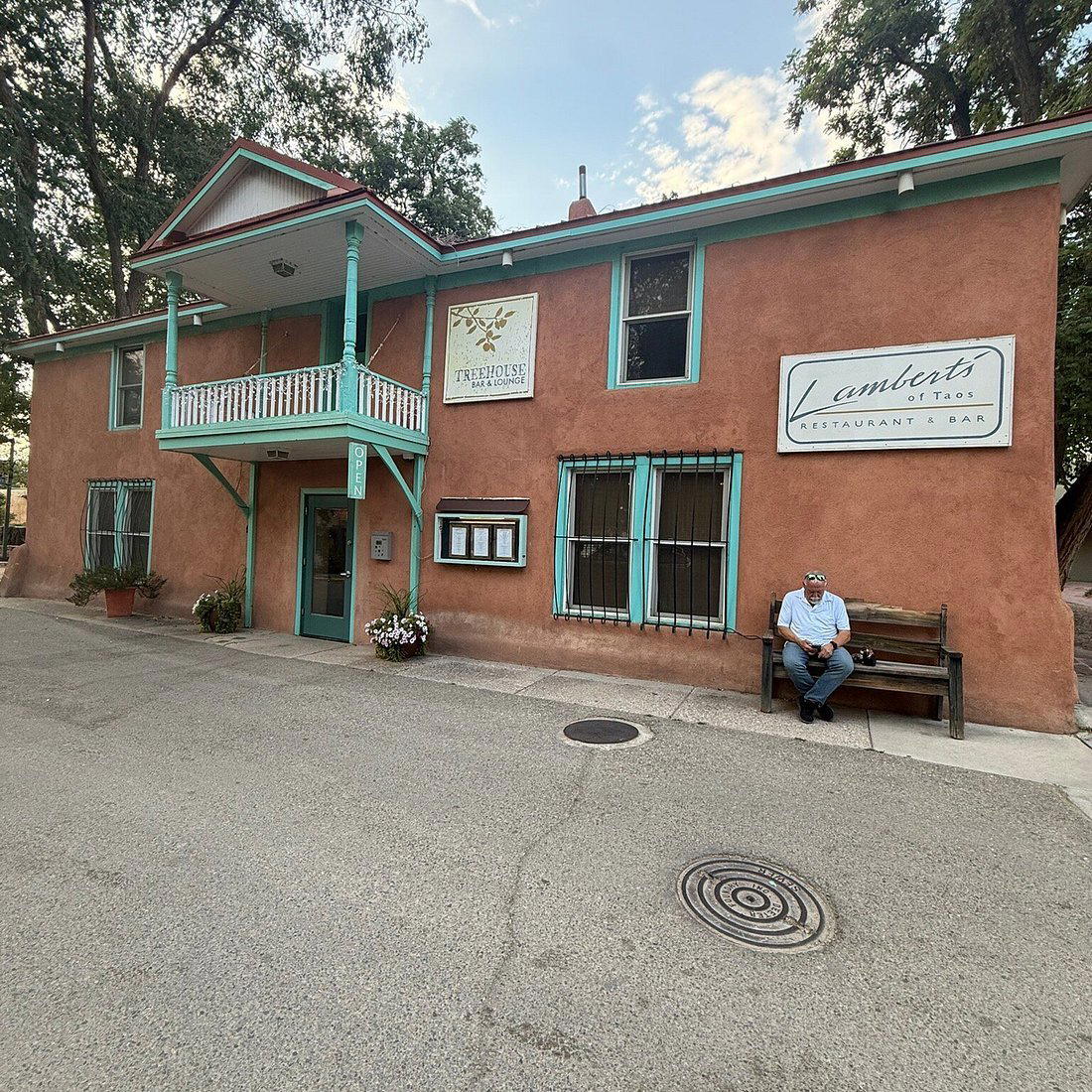
| Lambert's of Taos | Contemporary American | $50–100 | Not listed | downtown |
| Taos Pizza Out Back | Gourmet Pizza | $20–30 | Not listed | Taos |
| Corner Office | European Farm-to-Table Wine Bar | $30–50 | Esquire Best New Restaurants #31 | Taos |
| Horseman's Haven Cafe | New Mexican | $10–20 | Not listed | Cerrillos Road |
Continue exploring
More in Taos


Details
- Rustic
- Cozy
- Lively
- Casual Hangout
- Family
- Open Kitchen
- Terrace
- Craft Cocktails
- Beer Program
- A La Carte
- Margaritas
- Craft Beer
- Vegetarian Friendly
- Vegan Options
- Gluten Free Options
Current opening hours
- Monday
- 10:30 AM–3 PM, 5–9 PM
- Tuesday
- 10:30 AM–3 PM, 5–9 PM
- Wednesday
- 10:30 AM–3 PM, 5–9 PM
- Thursday
- 10:30 AM–3 PM, 5–9 PM
- Friday
- 10:30 AM–3 PM, 5–9 PM
- Saturday
- 10:30 AM–3 PM, 5–9 PM
- Sunday
- Closed
Hours can change for holidays and private events. Last verified .
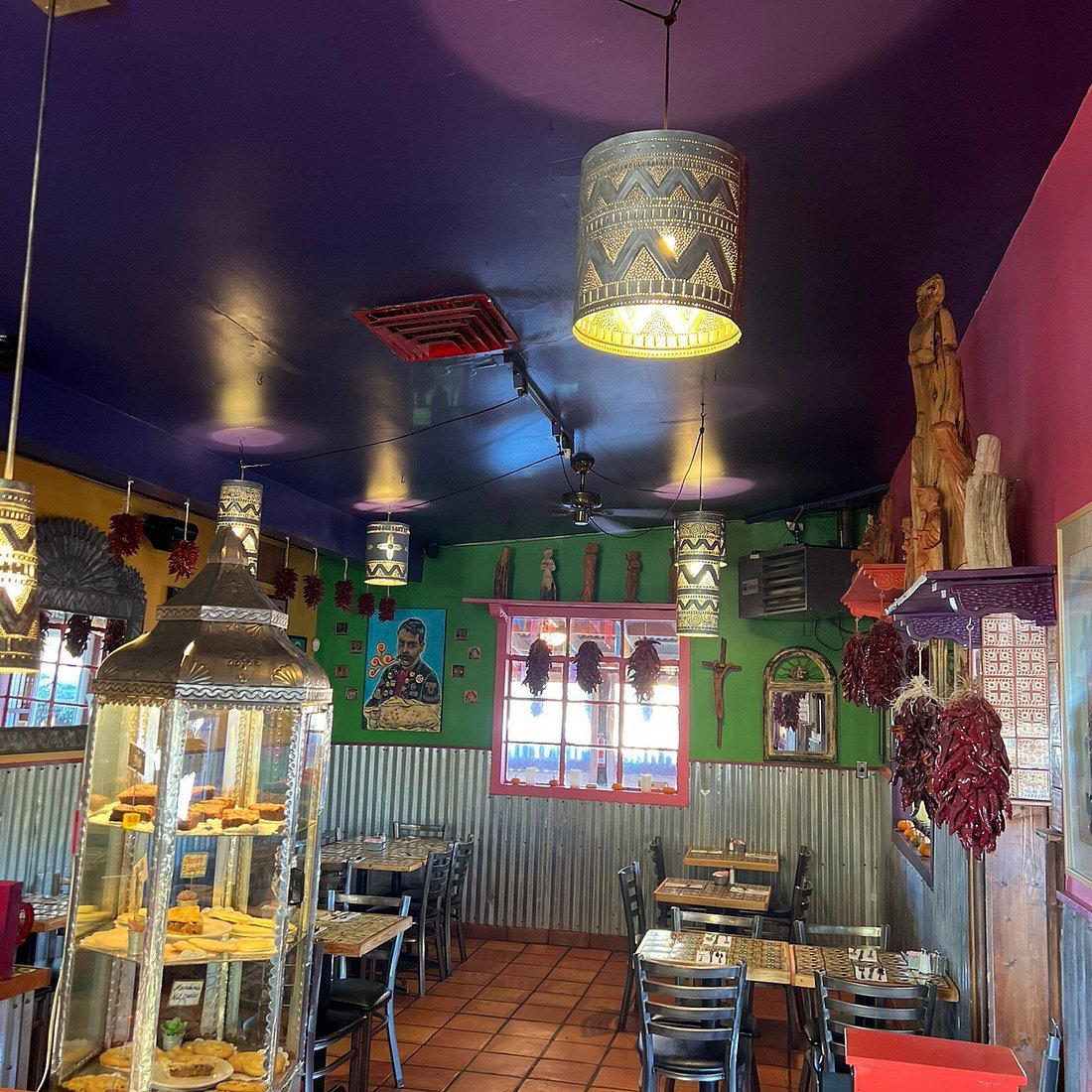
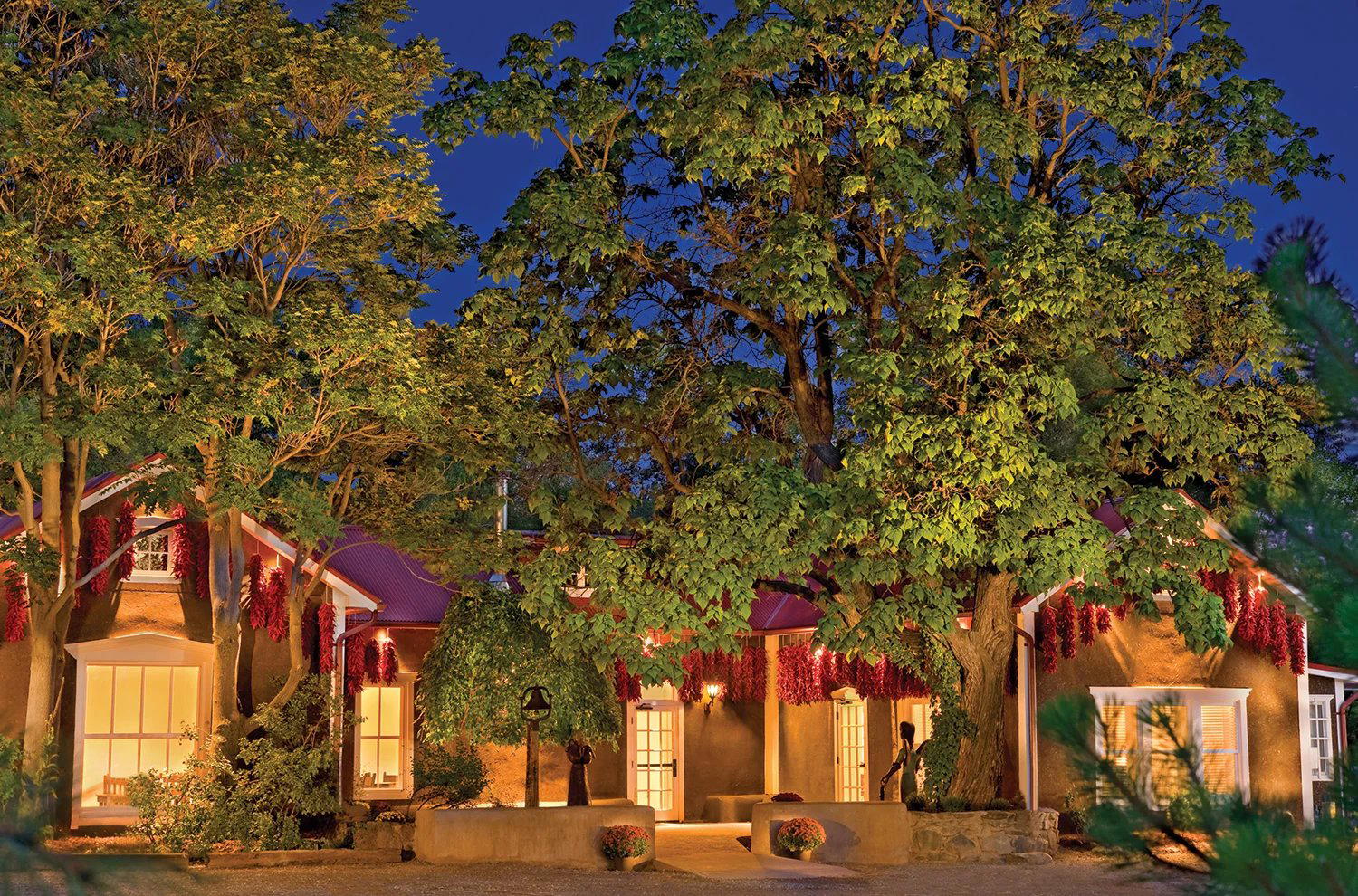
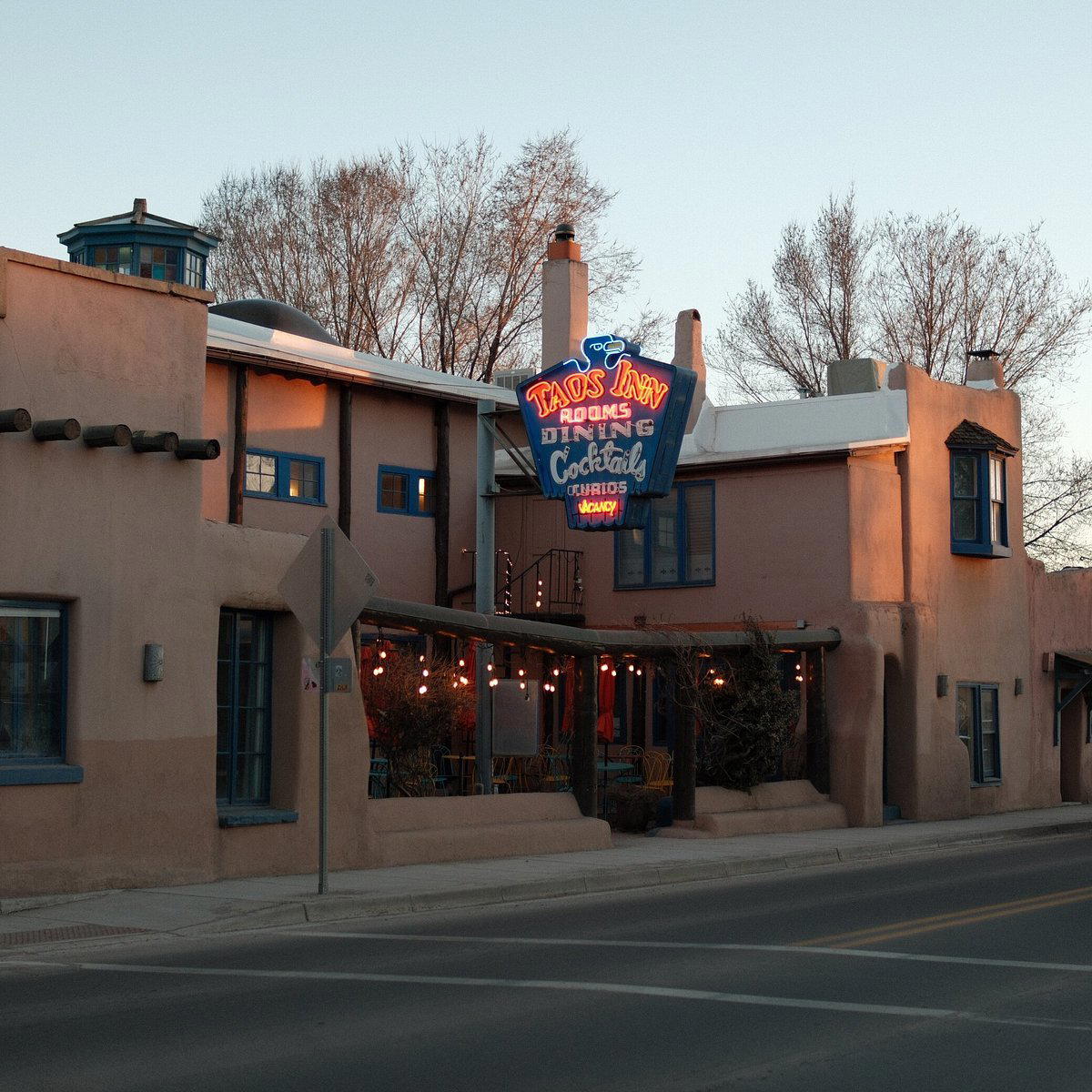
Colorful and lively with open kitchen, red ristras, awards on walls, and lively patio dining under umbrellas.