Dishoom Carnaby
Dishoom Carnaby brings Bombay's Irani café tradition to the middle of Soho's Carnaby Street, a block where independent retail and casual dining share space with some of London's most-visited pedestrian strips. The cooking draws from the Persian-founded cafés that shaped Bombay's twentieth-century food culture, with black daal, bacon naan rolls, and house chai forming the core of what regulars return for repeatedly.
Pearl is the En Primeur Club membership app — saves, bookings, and concierge access live there. Same editors, same standards.
- Address
- 22 Kingly St, Carnaby, London W1B 5QP, United Kingdom
- Phone
- +442074209322
- Website
- dishoom.com
- Directions
- Get directions
 Saves & bookings on Pearl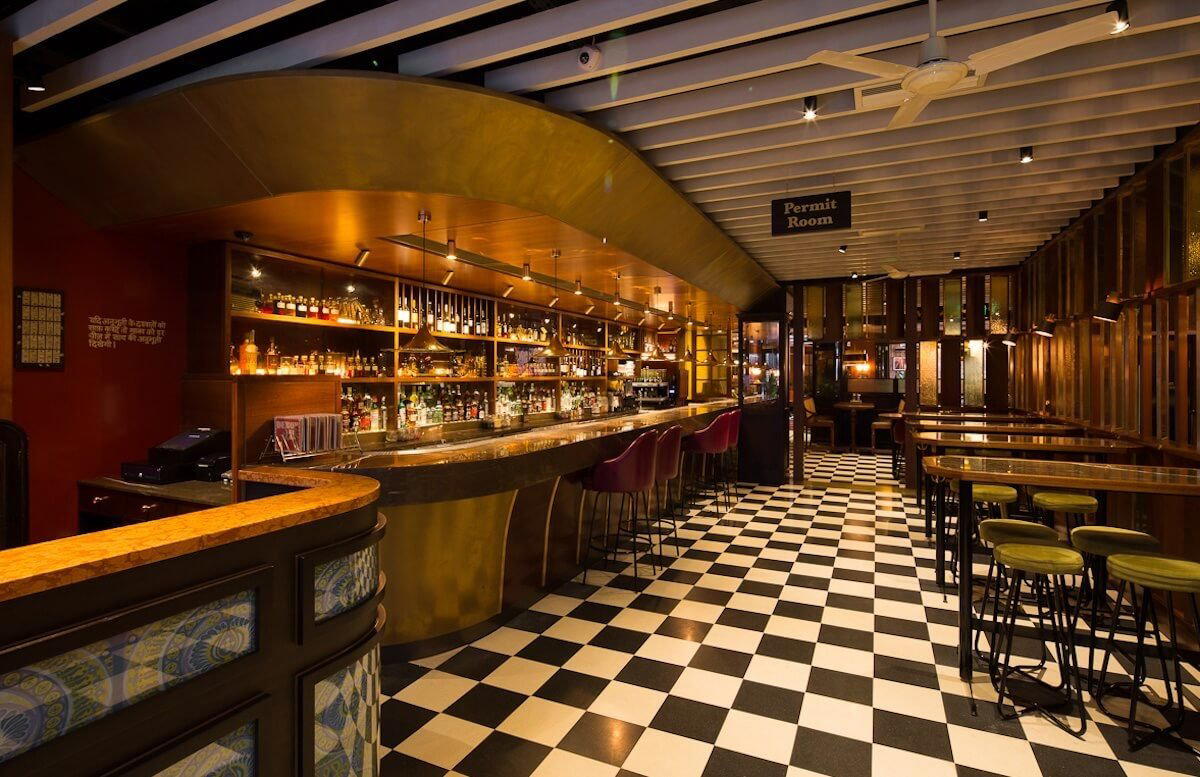
Carnaby Street and the Irani Café Tradition
Kingly Street runs parallel to Carnaby Street proper, a narrower passage that functions as a quieter threshold between the pedestrian shopping strip and the dense hospitality cluster of Soho's southern edge. It is the kind of location where the foot traffic is high but not relentless, where the crowd arriving at a restaurant has usually made a decision rather than stumbled in. Dishoom Carnaby occupies that position at 22 Kingly Street, and the address matters more than it might initially seem: this is a Soho-adjacent site without the claustrophobia of deeper Soho, which shapes both the mood at the door and the composition of the queue that forms outside most evenings.
The Dishoom group's founding premise is a specific one: the reconstruction of the Irani café, a format that Zoroastrian immigrants from Iran brought to Bombay in the early twentieth century and that defined the city's communal eating culture for decades. At its peak the city held hundreds of these cafés. By the 2010s, that number had collapsed to a fraction of what it was. The format that Dishoom works from is therefore a response to urban loss, and that specificity separates its proposition from generic South Asian restaurant chains operating in the same price band across London.
What Kingly Street Tells You About the Experience
The Carnaby site is one of several Dishoom locations across London and Edinburgh, but its Soho adjacency gives it a particular energy. The neighbourhood draws a mix of media and creative workers from the surrounding offices, tourists moving between Oxford Street and Covent Garden, and a consistent local repeat-visit crowd who treat the bacon naan roll at breakfast or the black daal at dinner as something close to a standing appointment. That diversity of visitor type is part of what the Irani café format was originally built for: a democratic space where the menu was affordable enough to be genuinely accessible and the room was designed for extended occupation rather than rapid turnover.
In London's current casual dining market, that positioning sits in an interesting space. The all-day format, the walk-in policy for much of the day, and the accessible price tier place Dishoom in a different competitive bracket from the city's Michelin-tracked Indian restaurants. Opheem in Birmingham, for example, represents the formal fine-dining end of Indian cuisine in Britain, where tasting menus and chef-driven experimentation define the offer. Dishoom operates on the opposite axis: high volume, democratic pricing, and a menu built around consistency of execution rather than seasonal reinvention. These are not competing for the same booking.
The Menu as Cultural Argument
The Irani café menu at Dishoom is not broad. That restraint is deliberate and reflects the original format: Bombay's café culture was built around a small set of dishes executed reliably across a long trading day. The bacon naan roll has become something of a cultural reference point in London's breakfast conversation, combining a format (the bread-wrapped breakfast) that is thoroughly legible to a London audience with spicing and construction that draw from the subcontinent. The black daal, slow-cooked through the night, is the dish that most frequently appears in word-of-mouth recommendations for the restaurant and has been described in multiple publications as the anchor of the menu.
House chai completes the trio that most regulars build a visit around. In the original Irani café context, chai was not an accessory but a reason to be there, and the Dishoom version sustains that logic: it is served through the full trading day and functions as a social punctuation mark rather than a meal component. For a London room at this price point, the consistency of these core dishes across multiple years of operation is itself a form of editorial statement about what the kitchen values.
Where Dishoom Carnaby Sits in London's Broader Dining Picture
London's restaurant culture in 2024 and 2025 has continued to bifurcate between high-investment fine-dining addresses and accessible high-volume casual formats. At the formal end, restaurants like CORE by Clare Smyth, Restaurant Gordon Ramsay, Sketch, The Lecture Room and Library, The Ledbury, and Dinner by Heston Blumenthal hold Michelin recognition and operate with the booking lead times and pricing that accompany that tier. Outside London, the same tier includes Waterside Inn in Bray, L'Enclume in Cartmel, Moor Hall in Aughton, Gidleigh Park in Chagford, Hand and Flowers in Marlow, hide and fox in Saltwood, Midsummer House in Cambridge, Ynyshir Hall in Machynlleth, and Restaurant Andrew Fairlie in Auchterarder.
Dishoom does not compete in that bracket and does not position itself to. Its competitive set is the cluster of accessible, culturally specific, mid-market restaurants that have built genuine repeat-visit audiences in London and that operate at scale without flattening what made the original proposition interesting. By that measure, the Carnaby site has performed consistently: queue times at peak periods remain long enough to suggest demand materially outpacing supply. For comparison, the kind of table-availability discipline that governs a booking at Le Bernardin in New York City or Lazy Bear in San Francisco reflects a different scarcity logic, but the underlying principle of sustained demand relative to capacity applies across price tiers.
Planning Your Visit
Reservations:
Recognition Snapshot
Comparable venues nearby, for context on price, style, and recognition.
| Venue | Cuisine | Price | Notes |
|---|---|---|---|
| Dishoom CarnabyThis venue — the venue you are viewing | Bombay Comfort Food | $$ | Not listed |
| Arya Bhavan Leicester Square | Authentic South Indian Vegetarian | $$ | Leicester Square |
| Madhu's Brasserie Richmond | Modern Indian Brasserie | $$ | Richmond |
| Ragam | Authentic Keralan South Indian | $$ | Fitzrovia |
| Taste of Lahore Queensway | Pakistani & North Indian Curry House | $$ | Queensway |
| Pure Indian Cooking | Modern Indian | $$ | Hurlingham |
Continue exploring
More in London
Restaurants in London
Browse all →
Bars in London
Browse all →
Hotels in London
Browse all →



At a Glance
- Lively
- Trendy
- Well Known
- Energetic
- Group Dining
- Casual Hangout
- Brunch
- Historic Building
- Craft Cocktails
Current opening hours
- Monday
- 8 AM–11 PM
- Tuesday
- 8 AM–11 PM
- Wednesday
- 8 AM–11 PM
- Thursday
- 8 AM–11 PM
- Friday
- 8 AM–12 AM
- Saturday
- 9 AM–12 AM
- Sunday
- 9 AM–11 PM
Hours can change for holidays and private events. Last verified .
Retro 1940s-1960s Bombay atmosphere with eclectic décor, lively and bustling energy.