Dino's Tomato Pie
Dino's Tomato Pie serves New Jersey & Sicilian Pizza with craft cocktails and beer program support, making it a casual, lively option for dinner or late night.
Pearl is the En Primeur Club membership app — saves, bookings, and concierge access live there. Same editors, same standards.
- Address
- 1524 E Olive Wy, Seattle, WA 98122
- Phone
- +12064031742
- Website
- dinostomatopie.com
- Directions
- Get directions
 Saves & bookings on Pearl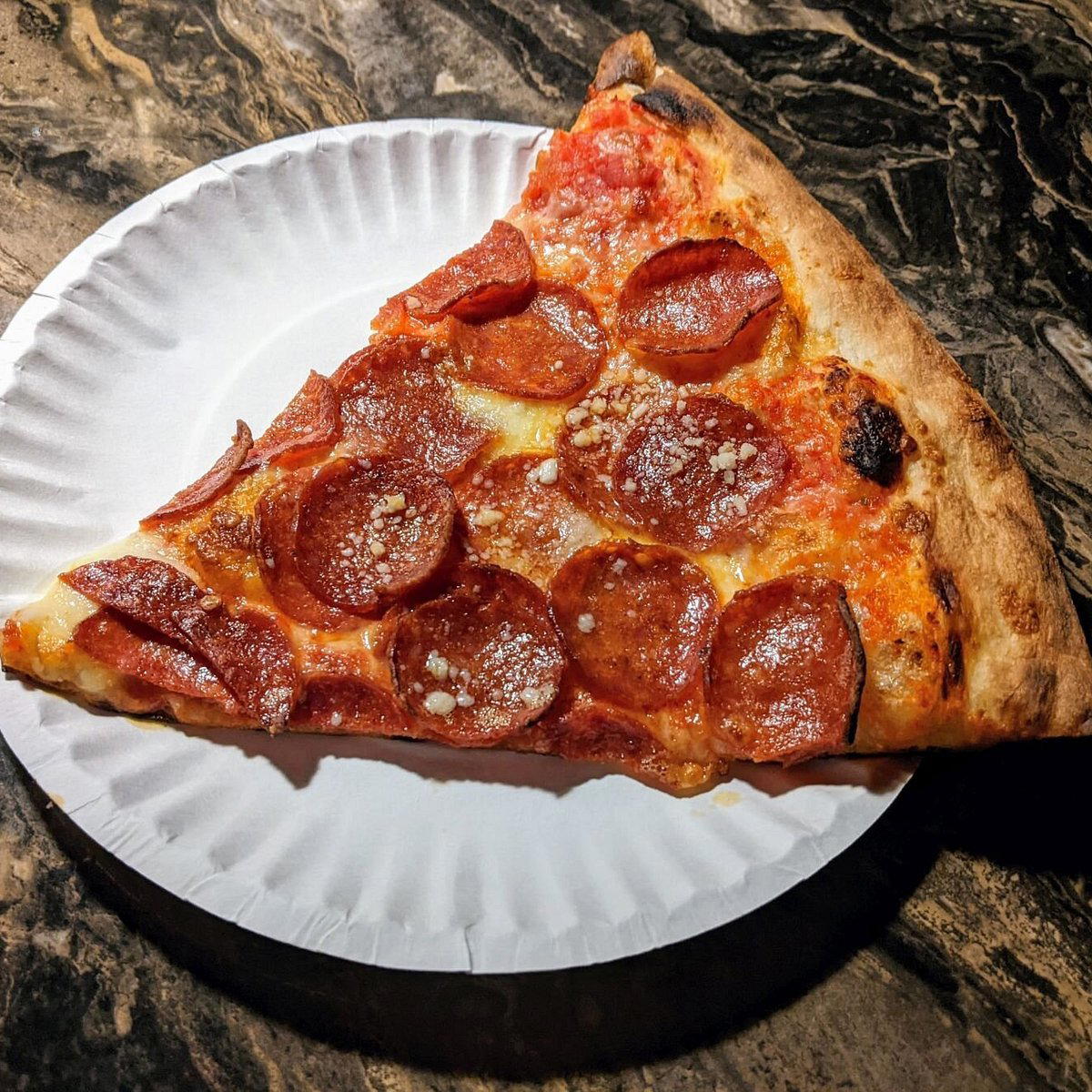
Capitol Hill and the Case for the Neighbourhood Pizza Counter
On East Olive Way, where Capitol Hill shades from boutique retail into residential blocks, the neighbourhood pizza counter occupies a distinct social role. It is not a destination restaurant in the way that Canlis operates as a formal occasion or Joule as a precision-driven New Asian room. It is the kind of place a neighbourhood generates around itself over time, where the draw is consistency, familiarity, and a well-executed product rather than tasting-menu ambition. Dino's Tomato Pie sits squarely in that category, at 1524 E Olive Way, and its position on Capitol Hill places it in one of Seattle's most restaurant-dense zip codes.
Capitol Hill's dining identity has shifted considerably over the past decade. The neighbourhood that once leaned heavily on late-night casual has developed a more layered offer, with serious cocktail bars, chef-driven rooms, and long-standing neighbourhood institutions coexisting on the same blocks. The tomato-pie format, rooted in the East Coast pizza tradition that distinguishes itself from the Neapolitan and New York-slice conventions, occupies a specific niche within that broader map. It tends toward a thicker, more rectangular cut with a sauce-forward profile, and it positions itself naturally as an accessible daily-use option rather than an occasion destination.
The Lunch-to-Dinner Shift at a Neighbourhood Pizza Counter
The lunch-versus-dinner question matters more at a pizza counter than it does at tasting-menu restaurants, where the format is fixed regardless of hour. At the neighbourhood level, daytime service typically runs quieter, with solo diners and working locals making up the majority of covers. The energy and the wait dynamics shift sharply once evening arrives on Capitol Hill, a neighbourhood with a high residential density and a strong culture of walking to dinner.
For a pizza counter on East Olive Way, this split has practical implications for the visitor making a deliberate trip. Lunch tends to offer more direct access, shorter or no wait times, and a lower-pressure environment for eating at the counter if seating is limited. Evening service on Capitol Hill generally brings fuller rooms and a more social atmosphere, which suits the format well but requires more patience. The value calculation also tends to favour daytime visits at casual pizza formats, where a similar product comes with fewer of the evening-adjacent costs that accumulate at table-service restaurants.
This pattern is consistent across Seattle's casual dining tier, from the counter operations along NW Market Street in Ballard to the neighbourhood spots anchoring 4th Avenue South in SoDo.
Where Dino's Sits in Seattle's Pizza Tier
Seattle's pizza market has grown more stratified. At the upper end, chef-driven rooms with wood-fired formats and imported ingredients have pushed prices and expectations upward. At the other end, the delivery-optimised chains hold volume. The neighbourhood counter format that Dino's Tomato Pie represents occupies the middle ground: it draws walk-in regulars, it operates on a human scale, and it is not trying to compete with the occasion-dining tier occupied by Le Bernardin, The French Laundry, or the domestic fine-dining rooms like Smyth in Chicago and Addison in San Diego.
The tomato pie distinction is worth holding onto. Unlike a Neapolitan pie, where the dough and char are often the headline, a tomato pie foregrounds the sauce. The tomato quality, its seasoning, and how it sits on the base are the primary markers of execution. This makes sourcing and recipe discipline more visible to the regular customer, and it means that a good tomato pie holds up to repeat visits in a way that novelty-driven menus do not. For Seattle diners who have tracked the evolution of serious pizza across cities, the format connects to a broader East Coast tradition that remains underrepresented in the Pacific Northwest.
Planning a Visit to Capitol Hill
East Olive Way is walkable from the core of Capitol Hill and accessible via public transit. The address at 1524 sits in a stretch of the street that rewards walking, with enough of the neighbourhood's character visible in the blocks around it to make the approach part of the experience. For visitors already spending time at spots along 1st Avenue in the downtown core, Capitol Hill is a short trip east and sits naturally in a broader Seattle day that also takes in the waterfront or Pike Place Market.
For context on how this fits into Seattle's wider dining picture, our full Seattle restaurants guide maps the city's offer from the counter-casual tier up through the tasting-menu rooms.
Cuisine Lens
Comparable venues nearby, for context on price, style, and recognition.
| Venue | Cuisine | Price | Notes |
|---|---|---|---|
| Dino's Tomato PieThis venue — the venue you are viewing | New Jersey & Sicilian Pizza | $$ | Not listed |
| Bisato | Modern Venetian Small Plates | $$ | Pioneer Square |
| Via Tribunali | Neapolitan Pizza | $$ | Van Asselt |
| Mamma Melina | Authentic Italian Ristorante & Pizzeria | $$ | University District |
| Assaggio | Authentic Central Italian | $$ | Denny Triangle |
| Andare Kitchen & Bar | Italian Trattoria | $$ | Belltown |
Continue exploring
More in Seattle
Restaurants in Seattle
Browse all →
Bars in Seattle
Browse all →
Hotels in Seattle
Browse all →

At a Glance
- Classic
- Lively
- Rustic
- Well Known
- Casual Hangout
- Late Night
- Group Dining
- After Work
- Standalone
- Craft Cocktails
- Beer Program
Current opening hours
- Monday
- Closed
- Tuesday
- 4 PM–12 AM
- Wednesday
- 4 PM–12 AM
- Thursday
- 4 PM–2 AM
- Friday
- 4 PM–2 AM
- Saturday
- 4 PM–2 AM
- Sunday
- 4 PM–12 AM
Hours can change for holidays and private events. Last verified .
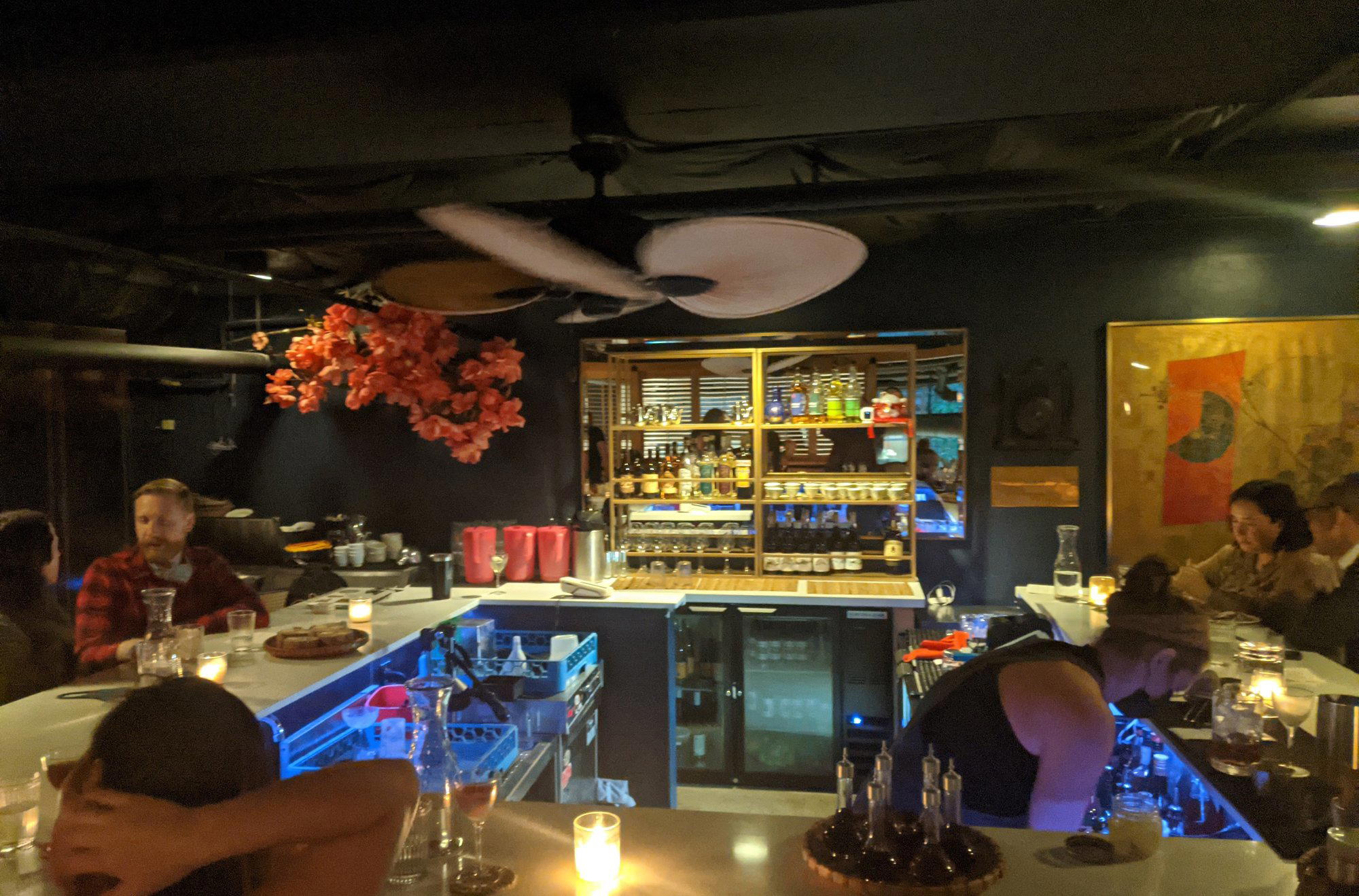
Wood paneling and marbled Formica with mirrored walls and wooden booths, evoking a classic New Jersey turnpike tavern with a lively, nostalgic atmosphere.