Purple Turtle Beach Club
Purple Turtle Beach Club sits on the northern shore of Portsmouth, Dominica's second city, where the Caribbean Sea sets the pace and beach-bar culture runs deep. Part of a stretch of waterfront venues drawing both locals and visitors to Prince Rupert Bay, it operates in a tradition where the line between dining room and shoreline barely exists. Portsmouth's food scene rewards those who know where to look.
Pearl is the En Primeur Club membership app — saves, bookings, and concierge access live there. Same editors, same standards.
- Address
- HGMQ+F4W, Portsmouth, Dominica
- Phone
- +1 767 445 5296
- Directions
- Get directions
 Saves & bookings on Pearl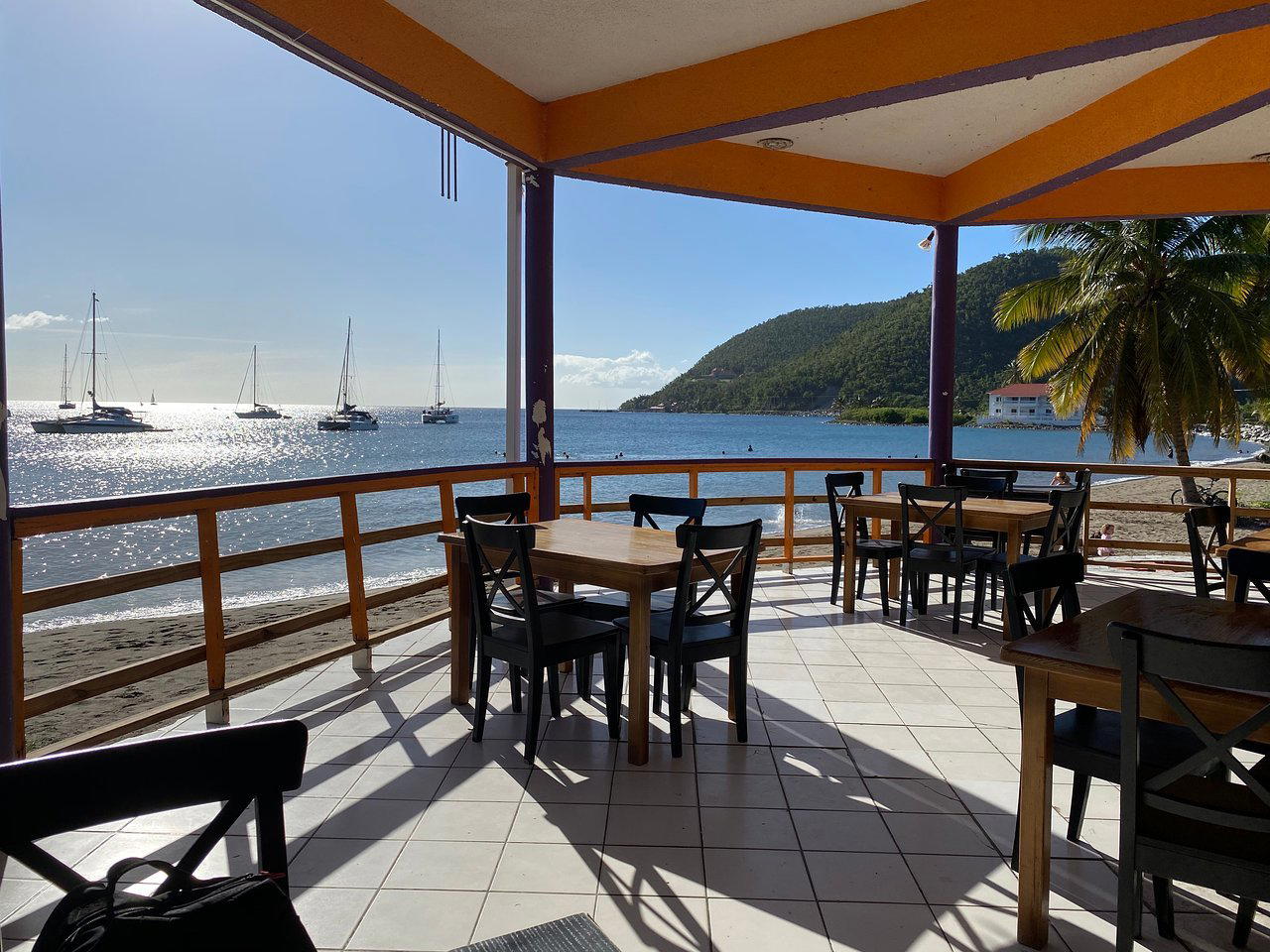
Beach Culture and the Northern Shore Tradition
Portsmouth sits at the edge of Prince Rupert Bay, one of the Eastern Caribbean's most sheltered natural anchorages, and the waterfront dining culture that has grown here reflects both geography and habit. The bay attracts sailing traffic year-round, and the cluster of beach clubs and shoreside restaurants along the northern shore has developed in response to that audience as much as to local demand. Purple Turtle Beach Club occupies a position within this strip that places it squarely in the informal, open-air tradition that defines how Portsmouth eats and drinks closest to the water.
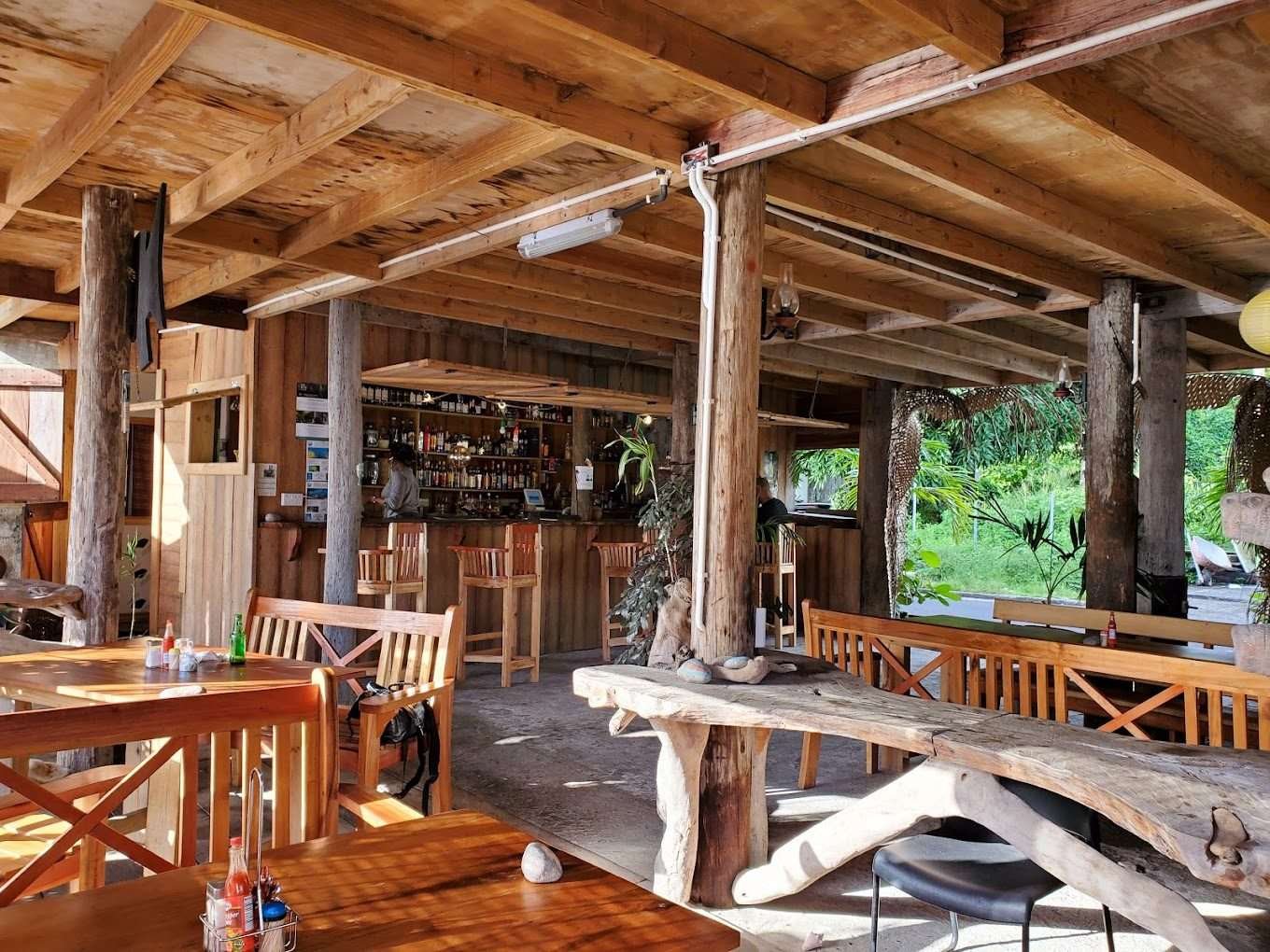
Across the Caribbean, beach club dining operates on a spectrum that runs from resort-annexed sun-lounger service to genuinely rooted community spots where the kitchen answers to local taste more than tourist expectation. Portsmouth's waterfront leans toward the latter. The town's restaurants, from Bwa Denn (Caribbean Fusion) to Captain's Table restaurant, share a commitment to sourcing from what the island produces and catches, and Purple Turtle fits into that same coastal rhythm. The setting does a great deal of the work: open sky, the sound of the bay, and the particular low-key formality that characterises dining in Dominica's less-touristed north.
Dominica's Food Tradition at the Waterline
To understand what a venue like Purple Turtle Beach Club represents, it helps to place it inside Dominica's broader food culture, which draws from African, Carib, French, and British influences layered over several centuries. The island earned its nickname — the Nature Isle of the Caribbean — from its ecological density rather than any single cultural export, and that ecological density shapes what ends up on plates. Fresh catch from Prince Rupert Bay, ground provisions like dasheen and plantain, and the kind of pepper-driven seasoning that characterises the Windward Island tradition are the baseline from which most Portsmouth kitchens operate.
Beach club settings across the Caribbean have historically been where this kind of food is at its least self-conscious. There is no architectural frame to compete with the shoreline, and the food tends to be direct: grilled, fried, seasoned hard, and served without ceremony. The comparison with high-production dining elsewhere is not the right frame. Where a destination like Le Bernardin in New York City applies technique to transform seafood, or Lazy Bear in San Francisco builds a theatrical format around ingredient sourcing, the beach club tradition of Portsmouth's waterfront operates through subtraction: fewer layers, shorter distances from sea to plate, and a directness that formal dining in other contexts spends considerable effort trying to replicate.
That directness is a product of place rather than philosophy. Dominica has not developed the resort infrastructure that neighbouring islands like Antigua or St Lucia have, and that absence shapes the food scene. Portsmouth's waterfront restaurants, including Dinnerhorn and 15 Point Road, serve a mixed clientele of yachters anchoring in the bay, day-trippers arriving from cruise traffic, and local residents for whom the beach is simply the neighbourhood. Purple Turtle Beach Club addresses all three audiences from the same kitchen and the same patch of shore.
Positioning Within Portsmouth's Waterfront Scene
Portsmouth's dining options fall into a few loose categories: the waterfront beach clubs, the slightly more enclosed restaurant-bar formats, and the inland spots that serve the market and residential areas. The beach clubs occupy their own tier, defined less by price or ambition than by proximity to the water and the particular atmosphere that proximity creates. Within that tier, the differences between venues come down to the quality of catch on a given day, the house approach to seasoning, and the reliability of service during peak periods.
For visitors arriving through Indian River, the nearby mangrove waterway that draws a significant share of Portsmouth's nature tourism, the waterfront cluster is a natural endpoint. Indian River boat tours typically deposit visitors back into the northern shore zone, and the beach clubs here serve as a practical landing spot. The timing matters: the midday period, when heat peaks and the bay is at its most active, tends to be when the waterfront venues are busiest and when fresh catch is most reliably on offer.
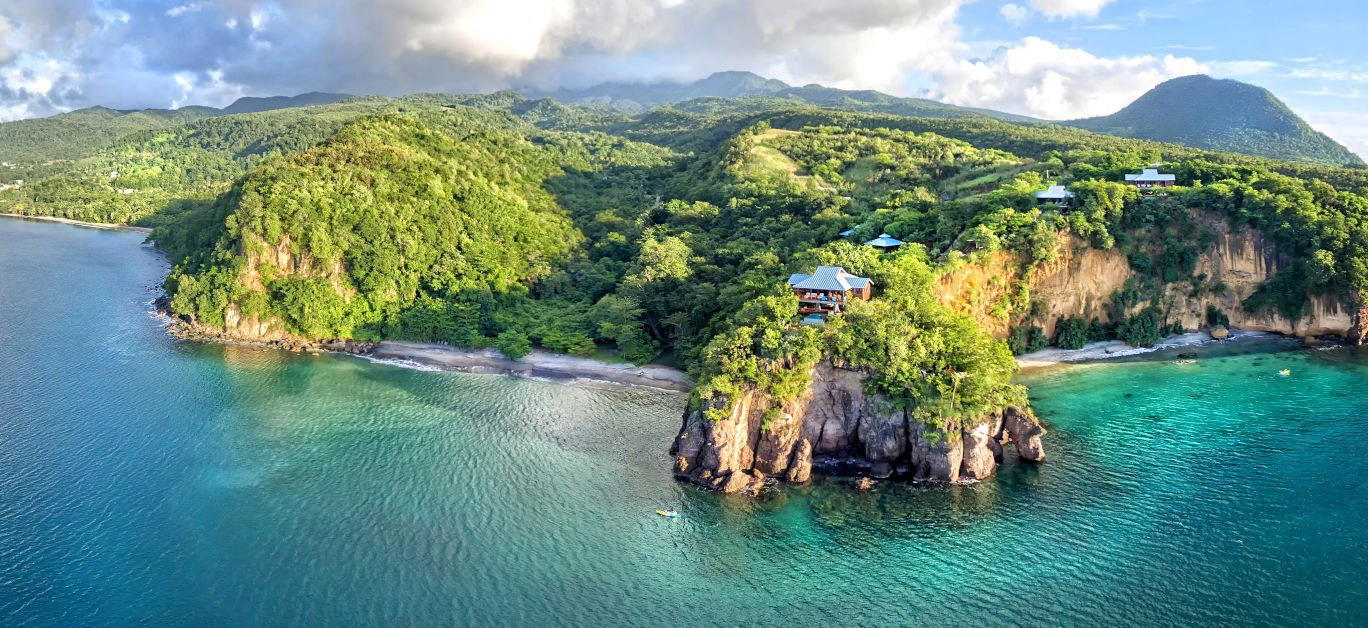
Elsewhere on the island, venues like Coral Reef Bar & Restaurant in Calibishie and Islet View Restaurant & Bar in Castle Bruce operate in comparable coastal formats, each shaped by their local geography. In the south, Palisades Restaurant in Roseau and Sardonyx Restaurant & Bar in Mero serve a slightly more capital-oriented clientele. The north, including Portsmouth and the villages above it toward Keepin' It Real in Toucari, retains a more informal register. Secret Bay in Tibay occupies a different bracket altogether, serving a high-end villa clientele. Purple Turtle operates well below that register, in the relaxed, accessible tier that the northern shore is known for.
Planning Your Visit
Portsmouth is accessible from Roseau by road in roughly 75 to 90 minutes, and from Douglas-Charles Airport in the island's northeast in a shorter drive. The beach club's position on Prince Rupert Bay means arrival by dinghy from an anchored yacht is a practical option for sailing visitors, and the bay's moorings are well-used by the regional cruising circuit, particularly between November and April when the sailing season peaks in the Eastern Caribbean. That seasonal influx means the northern waterfront is at its most animated during the winter months, and the beach clubs along this stretch reflect the extra foot traffic accordingly.
Specific booking policies, hours, and pricing were not available at the time of writing. Given the informal nature of most beach club operations on Dominica's northern coast, walk-in visits are typically the norm, but weekend afternoons and peak season days can see the waterfront fill up quickly. The broader Portsmouth dining scene is covered in our full Portsmouth restaurants guide, which maps the waterfront cluster against the town's other dining options.
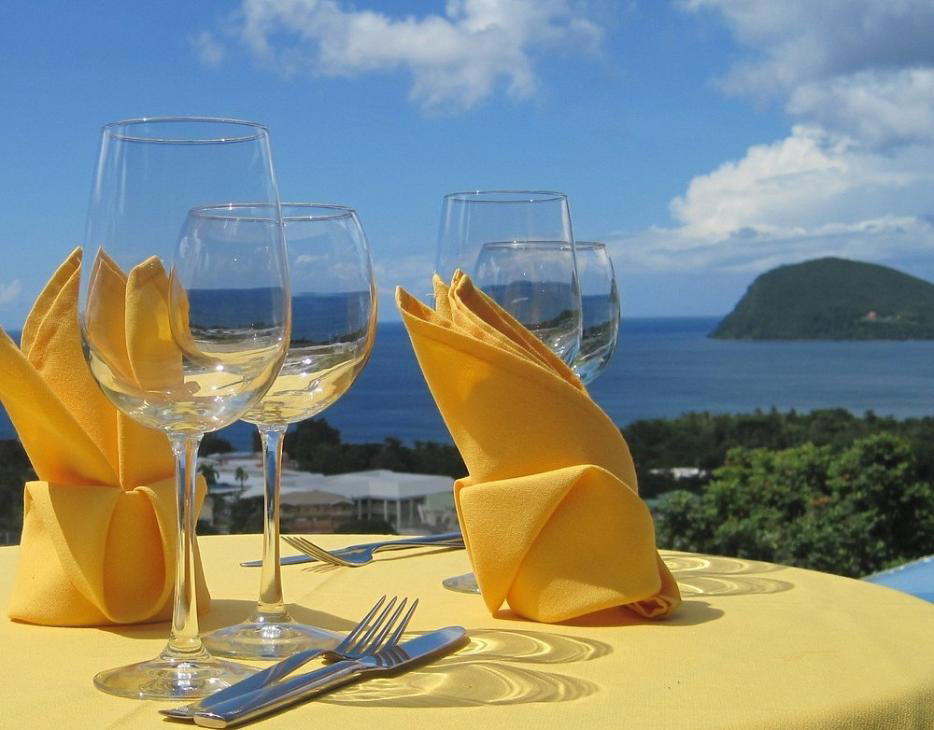
For a sense of the other register Dominica's food culture can reach, the island's more structured dining at venues like Secret Bay represents one end of the range. Purple Turtle Beach Club, by contrast, sits at the end where the sand gets into everything and that is precisely the point.
How Purple Turtle Beach Club Portsmouth compares with similar nearby venues.
| Venue | Cuisine |
|---|---|
| Bwa Denn | Caribbean Fusion |
Continue exploring
More in Portsmouth
Restaurants in Portsmouth
Browse all →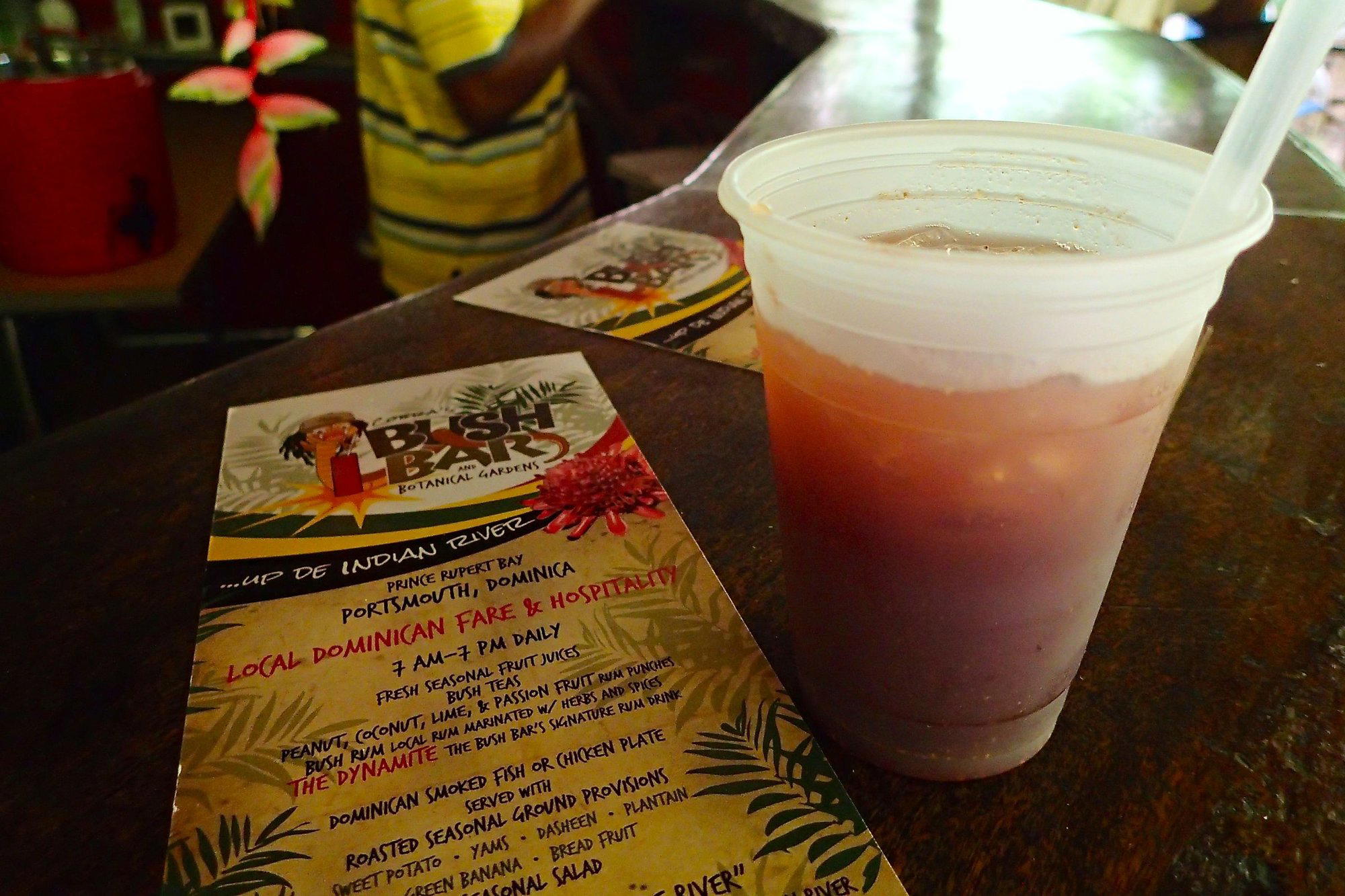
Bars in Portsmouth
Browse all →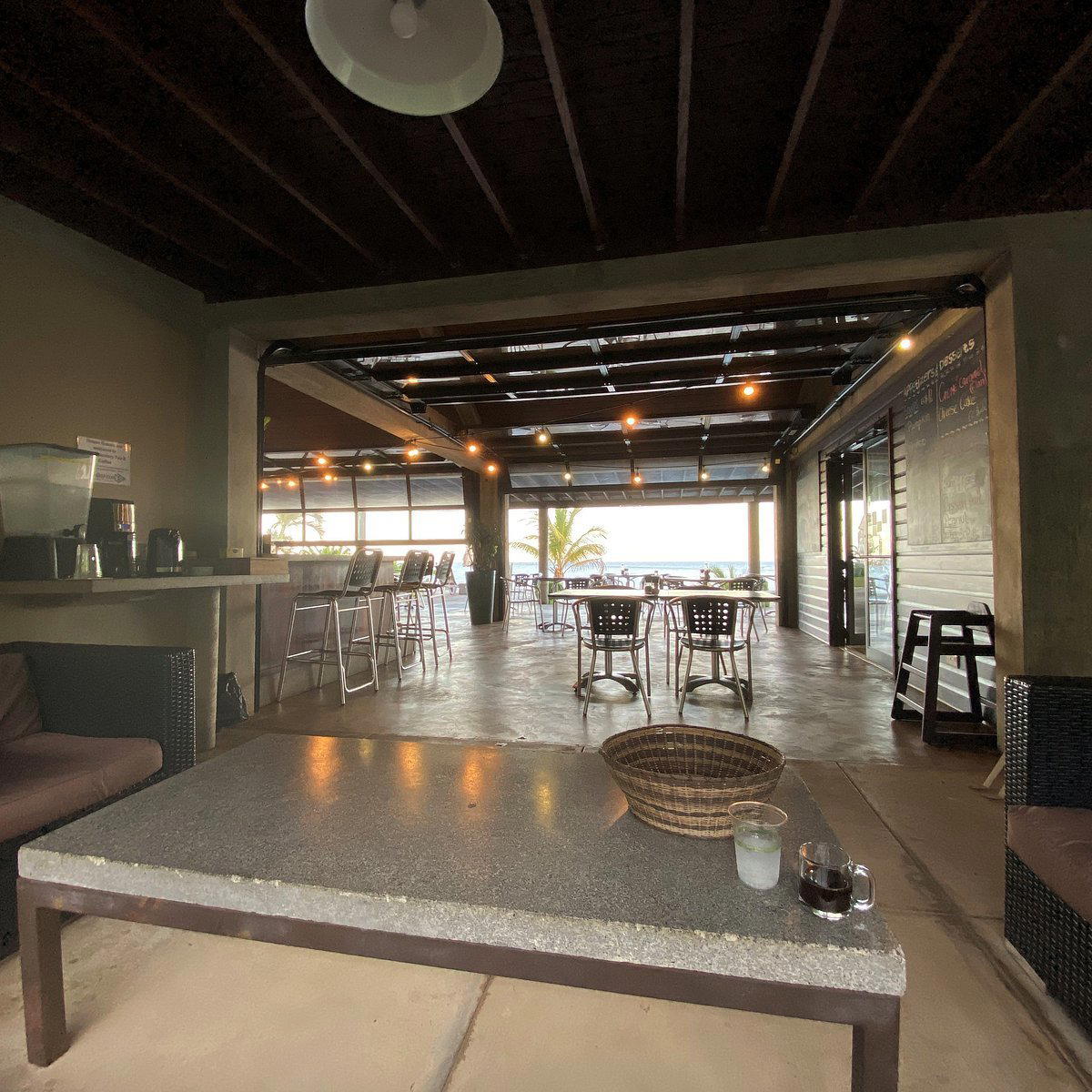
At a Glance
- Lively
- Scenic
- Energetic
- Casual Hangout
- Group Dining
- Beachfront
- Waterfront
- Terrace
- Beer Program
- Local Sourcing
- Waterfront
Current opening hours
- Monday
- 11 AM–9:30 PM
- Tuesday
- Closed
- Wednesday
- 11 AM–9:30 PM
- Thursday
- 11 AM–9:30 PM
- Friday
- 11 AM–9:30 PM
- Saturday
- 11 AM–9:30 PM
- Sunday
- 11 AM–9:30 PM
Hours can change for holidays and private events. Last verified .
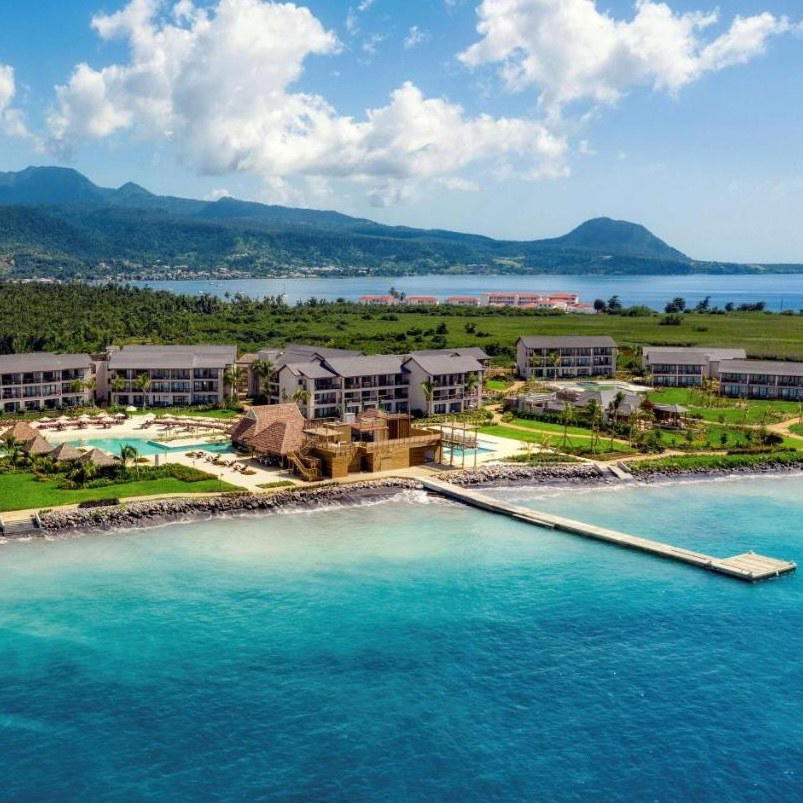
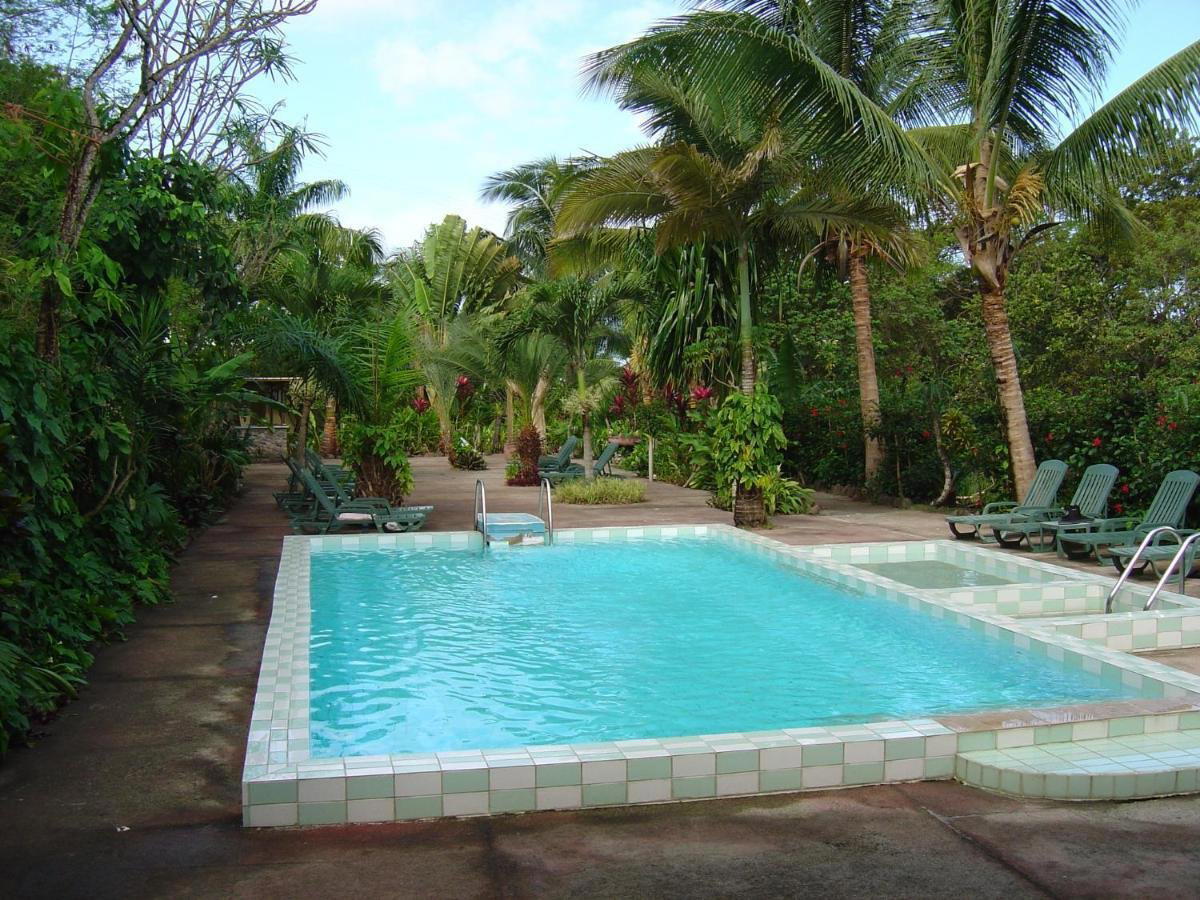
Relaxed beachside atmosphere enhanced by ocean waves, gentle breeze, and lively gatherings.