
Michelin Plate
Our verdict
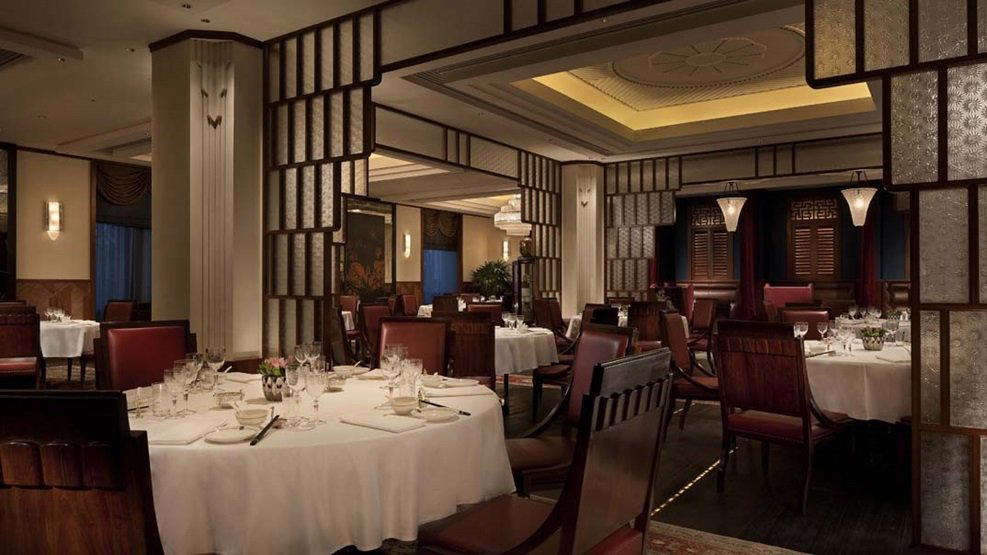
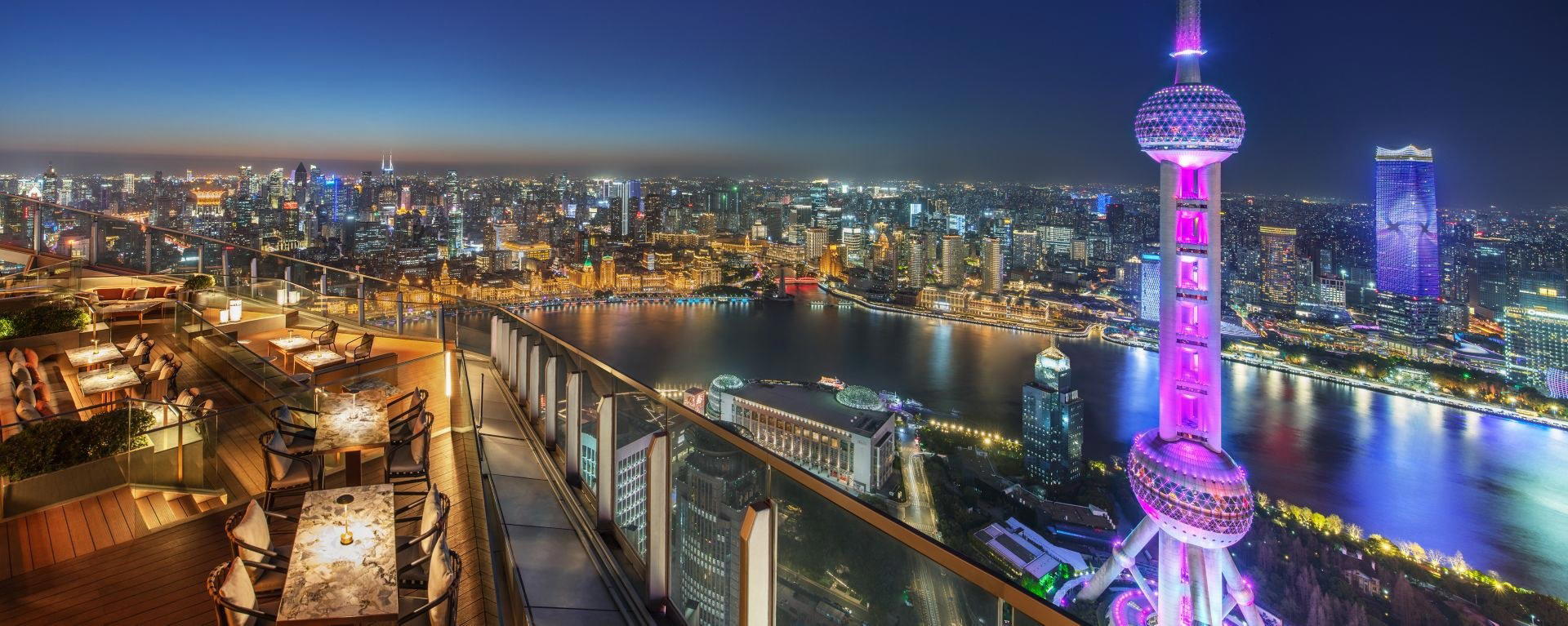
High above Pudong inside the Park Hyatt, Dining Room belongs to Shanghai’s vertical school of hotel dining, where altitude and room geometry shape the meal before the first course arrives. Its reputation rests less on chef mythology than on a high-ceilinged room with full-length views and a menu format that reads as part of the city’s polished hotel-restaurant culture.

Pearl is the En Primeur Club membership app, where members save venues, book tables and use the concierge.
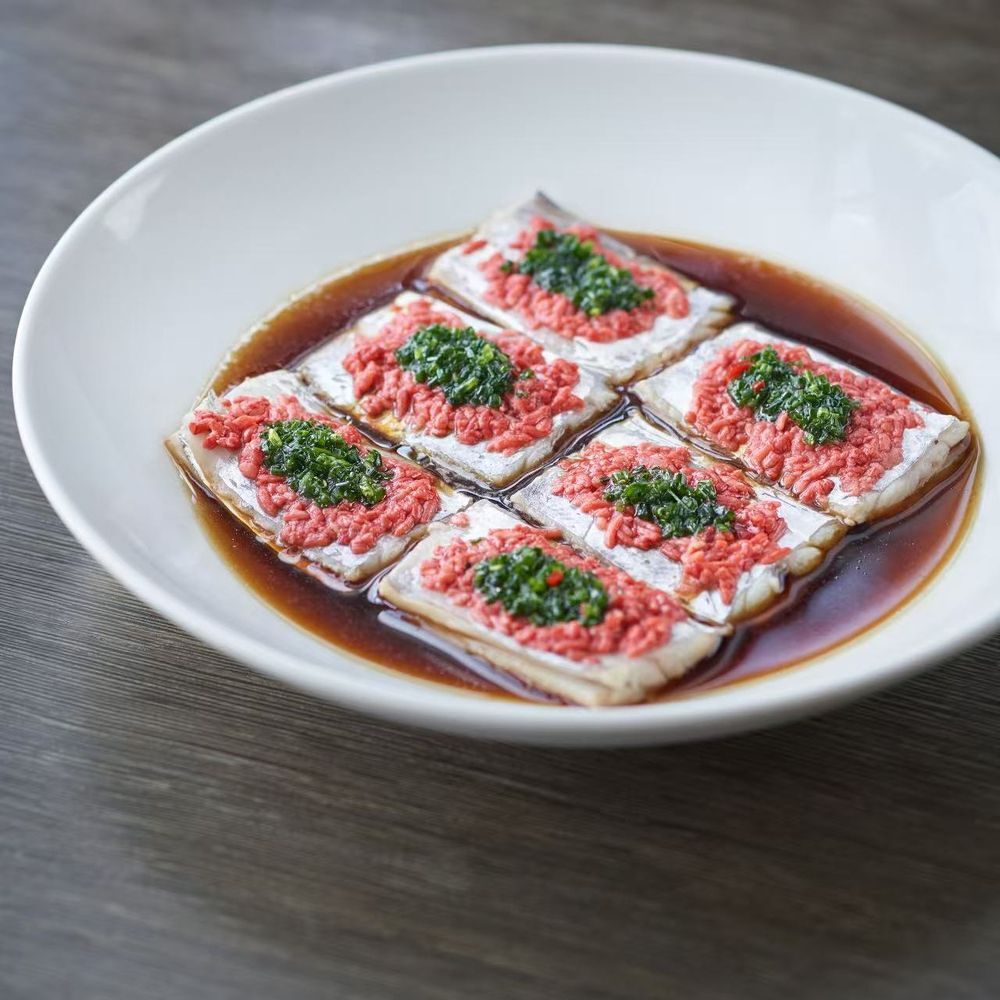
The menu
What to order
- Crispy pork cheek
- Poached chicken with silky meat and bouncy skin
- Stewed Taizhou bean curd
- Whole baked duck
- Steamed air-dried chicken with snow fungus
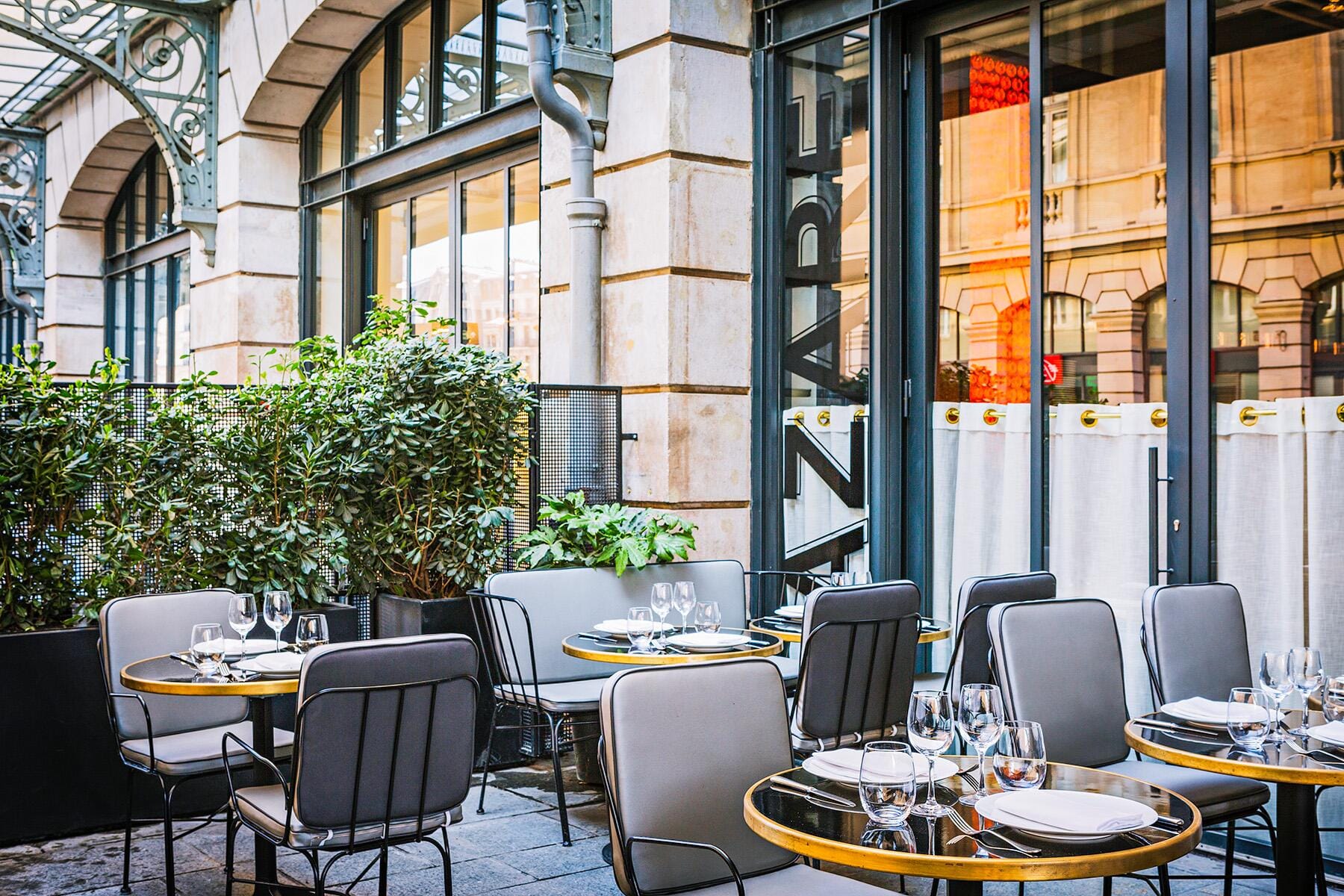
Dining Room’s first fact is contextual: the meal takes place in Shanghai, a city where polished dining rooms often use setting, pacing, and service as part of the experience. That matters here. Shanghai dining has long treated atmosphere as format, not decoration, and Dining Room sits within that broader culture of rooms designed for a measured meal rather than a rushed stop.
Shanghai’s premium restaurants tend to split in two. One camp chases destination dining through chef-led narratives, imported concepts, and tasting-menu theatre. The other works through controlled service, broad appeal, and rooms built for business lunches, visitors, and occasion dinners. Dining Room sits closer to the second camp. The draw is not a narrow culinary manifesto; it is how the meal is organized inside a polished Shanghai dining environment.
A Shanghai room where the setting shapes the menu
Dining rooms in Shanghai often carry a different burden from smaller specialist restaurants. They must serve multiple modes: a local table marking a deal, a visitor who wants Shanghai without decoding every neighbourhood, and a regular expecting consistency. In Shanghai, that often means menus built around legibility rather than provocation. The cooking has to read clearly, the pacing has to suit conversation, and the room has to do some theatrical work.
That is the useful lens for Dining Room. The setting creates occasion before the menu announces one. In Shanghai, where restaurant culture moves quickly from heritage dining to contemporary gloss, this room occupies a specific lane: not the small chef-counter model, not the old-school banquet room, and not the nightlife-adjacent dining room. It is a composed Shanghai restaurant for diners who value setting, service cadence, and a menu that does not require a glossary.
The comparison with other Shanghai dining is instructive. Some rooms divide the experience into clear categories, whether focused on formal Chinese dining, international menus, or drinking with food. Dining Room belongs to that broader Shanghai habit of making the concept legible from the room and format, rather than asking the diner to follow a chef-led narrative.
Shanghai dining between local polish and international gloss
The city’s serious restaurant culture is not confined to one tradition. Formal Chinese dining remains a prestige language for private rooms, seafood, and business entertaining, while Shanghai also supports varied contemporary formats for visitors and corporate diners. That mix explains why a dining room in Shanghai has to feel fluent across expectations. The room may signal first, but the menu structure has to make sense to a table with mixed appetites.
Within Shanghai, comparison venues map the tier. Jin Xuan Chinese Restaurant, Scena, Flair, Jade on 36, and Jade Mansion each represent a version of polished hotel or high-end city dining. Dining Room’s position is quieter than those category labels suggest. It is less about announcing cuisine as identity and more about operating as a composed restaurant where the decision is driven by setting, convenience, and controlled pacing.
For a wider Shanghai itinerary, the contrast with independent dining rooms is useful. Other Shanghai restaurants point to the city’s appetite for refinement across different formats, while specialist concepts sit in lanes where format and spend are usually clearer before booking. Dining Room is different: best understood through atmosphere and dining-room flexibility, not a single cuisine label.
That distinction matters because Shanghai is often misread as a city where luxury dining is defined only by price or skyline. The better reading is structural. Some meals are chef-led, some banquet-led, some bar-led, and some room-led. Dining Room falls into the last group. The menu supports the occasion rather than dominating it, and the restaurant’s context gives it an audience that values composure over novelty.
How to place it in a Shanghai itinerary
Dining Room makes most sense when the meal benefits from calm, polish, and easy Shanghai access. It is not the obvious choice for diners chasing a narrow regional specialty or a chef counter with a fixed tasting sequence. It suits a flexible brief: a composed lunch or dinner in Shanghai, a table where conversation matters, or a first Shanghai meal that frames the city through atmosphere rather than street-level density.
The practical decision is simple. If the priority is depth in a dedicated culinary tradition, compare it with the city’s specialist rooms. If the priority is polished service and a menu built for mixed dining needs, Dining Room belongs on the shortlist. For broader planning, use our full Shanghai restaurants guide alongside our full Shanghai hotels guide, especially if the meal is tied to a stay in the city or a cross-town schedule. Drinking plans sit better in our full Shanghai bars guide, while broader trip structure can be shaped through our full Shanghai experiences guide and our full Shanghai wineries guide.
For a China-wide dining route, Shanghai’s polish can be set against regional restaurants elsewhere in the country. Those comparisons underline the point: Dining Room is not trying to carry a regional canon. It is a Shanghai dining room where room discipline, measured pacing, and menu accessibility define the experience.
There is also value in comparing outside China, where compact specialist formats have become a separate category of premium dining. Smaller rooms and tightly focused counters operate at a different scale and cultural register, but clarify the contrast. Those places ask the diner to focus on a tighter idea. Dining Room asks the diner to read the meal through the room’s tempo.
Frequently asked questions
What's Dining Room's location?
Shanghai.
What kind of recognition has Dining Room received?
Dining Room is listed in the Michelin Guide with a MICHELIN Plate distinction.
Do I need a reservation for Dining Room?
A reservation is advisable, especially for dinner. Polished Shanghai dining rooms can see concentrated demand around peak meal times.
What has Dining Room built its reputation on?
Dining Room’s identity rests on its role as a composed dining room in Shanghai. That format gives it a different appeal from more narrowly specialist restaurants, with the room itself doing much of the work.
Where the Accolades Land
Comparable options at the same price tier.
| Venue | Cuisine | Price | Awards | Notes |
|---|---|---|---|---|
| Dining Room | Modern Shanghainese & Zhejiang Cuisine | $50–100 | Michelin Plate · Black Pearl 1 Diamond | Not listed |
| Jin Xuan Chinese Restaurant | Modern Cantonese | $150–200 | 1 Michelin Star · Forbes 4-Star | Not listed |
| Scena | Michelin-Starred Italian-Mediterranean | $100–150 | Gambero Rosso 2 Forchette | Not listed |
| Flair | Modern Pan-Asian Tapas | $50–100 | Not listed | Not listed |
| Jade on 36 | Modern French Fine Dining | $100–150 | Michelin Plate | French, French Contemporary |
| Jade Mansion | Modern Cantonese | Not listed | Not listed | Chinese |
Recognition history
Dated appearances from independent guides and award organizations, with the underlying list record or original source where available.
Michelin Plate
Michelin
Continue exploring
More in Shanghai
Restaurants in Shanghai
All restaurants in Shanghai →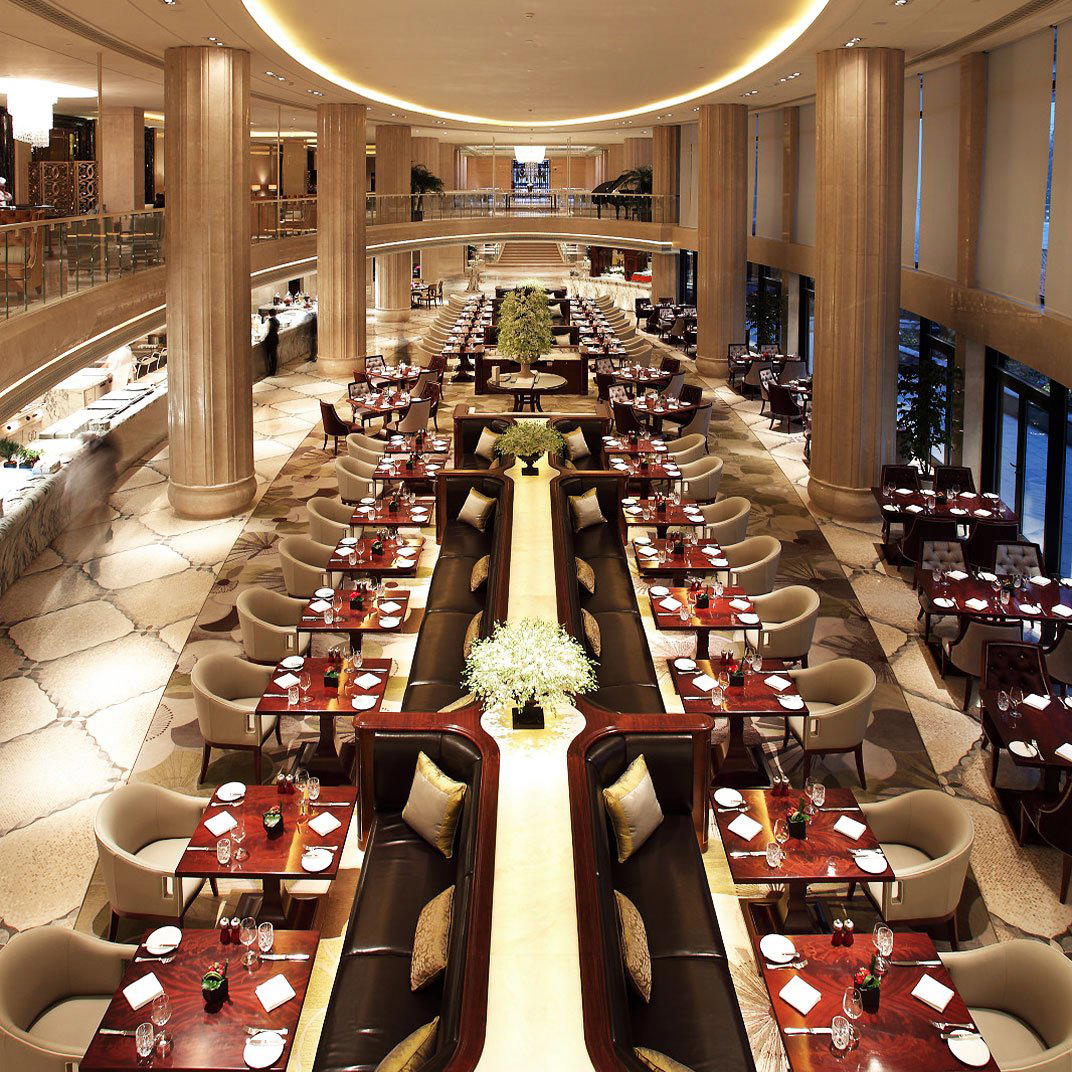
Bars in Shanghai
All bars in Shanghai →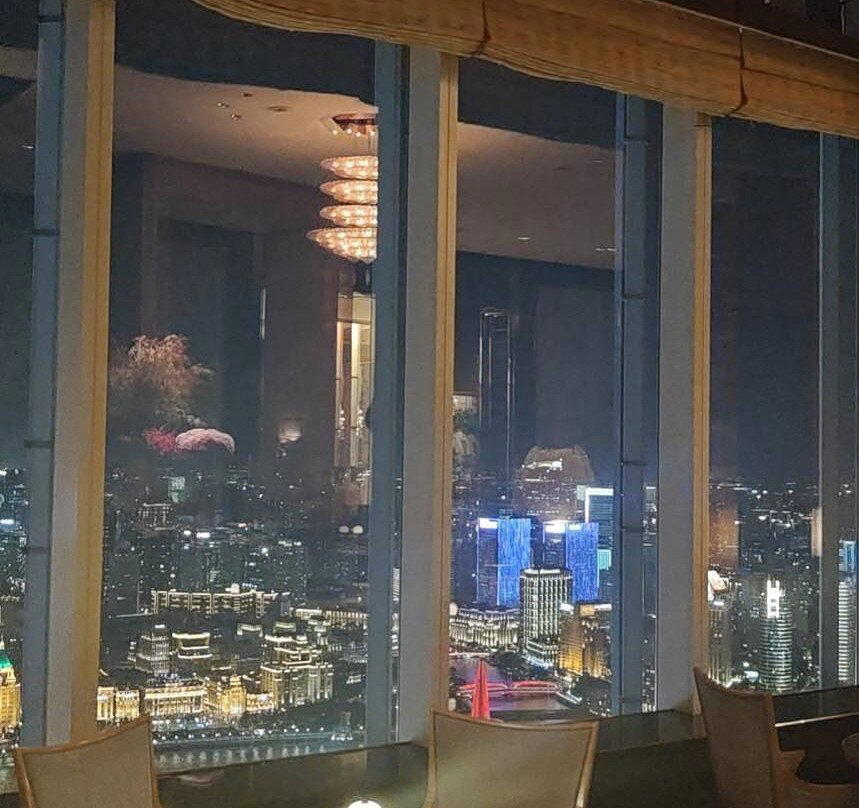
Details
- Elegant
- Modern
- Sophisticated
- Romantic
- Scenic
- Intimate
- Date Night
- Business Dinner
- Special Occasion
- Celebration
- Group Dining
- Hotel Restaurant
- Design Destination
- Panoramic View
- Standalone
- Private Dining
- Extensive Wine List
- Skyline
- A La Carte
- Tasting Menu
- Wine
- Tea
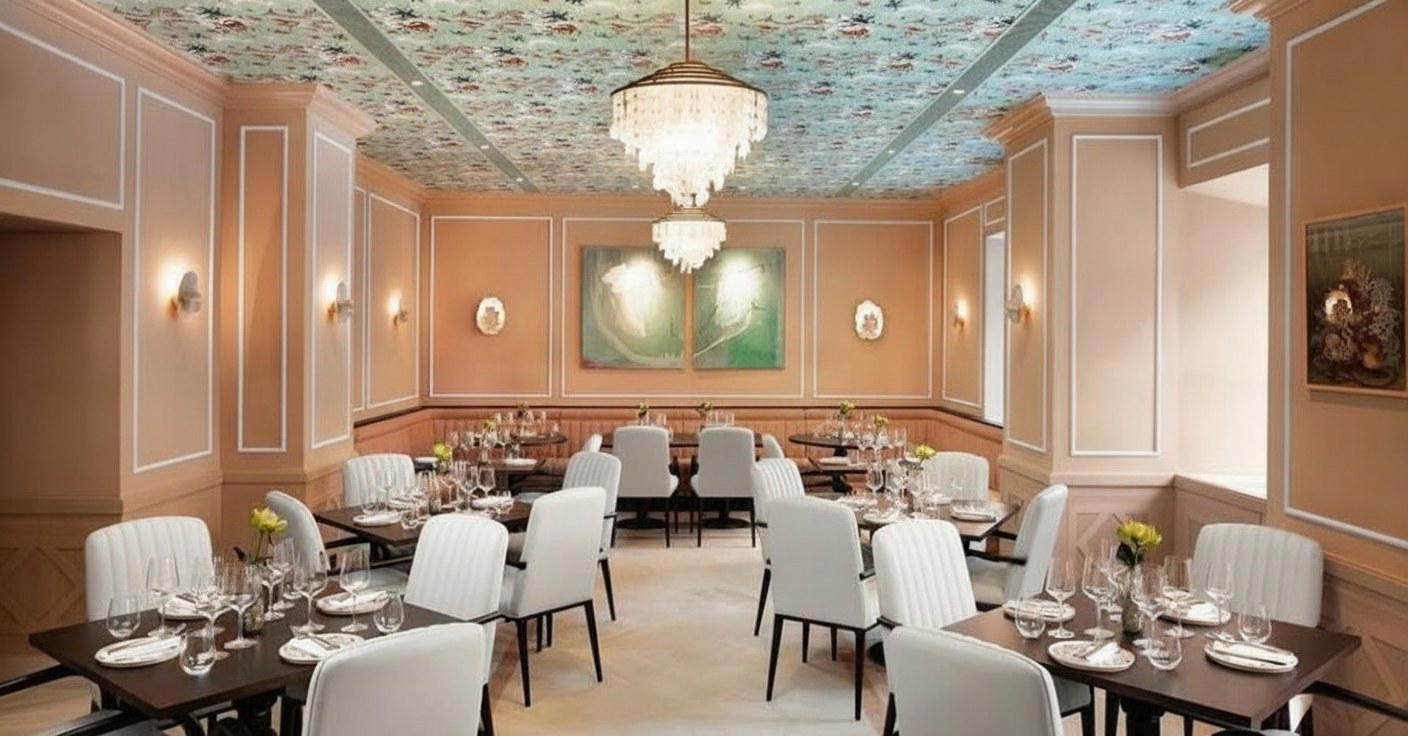
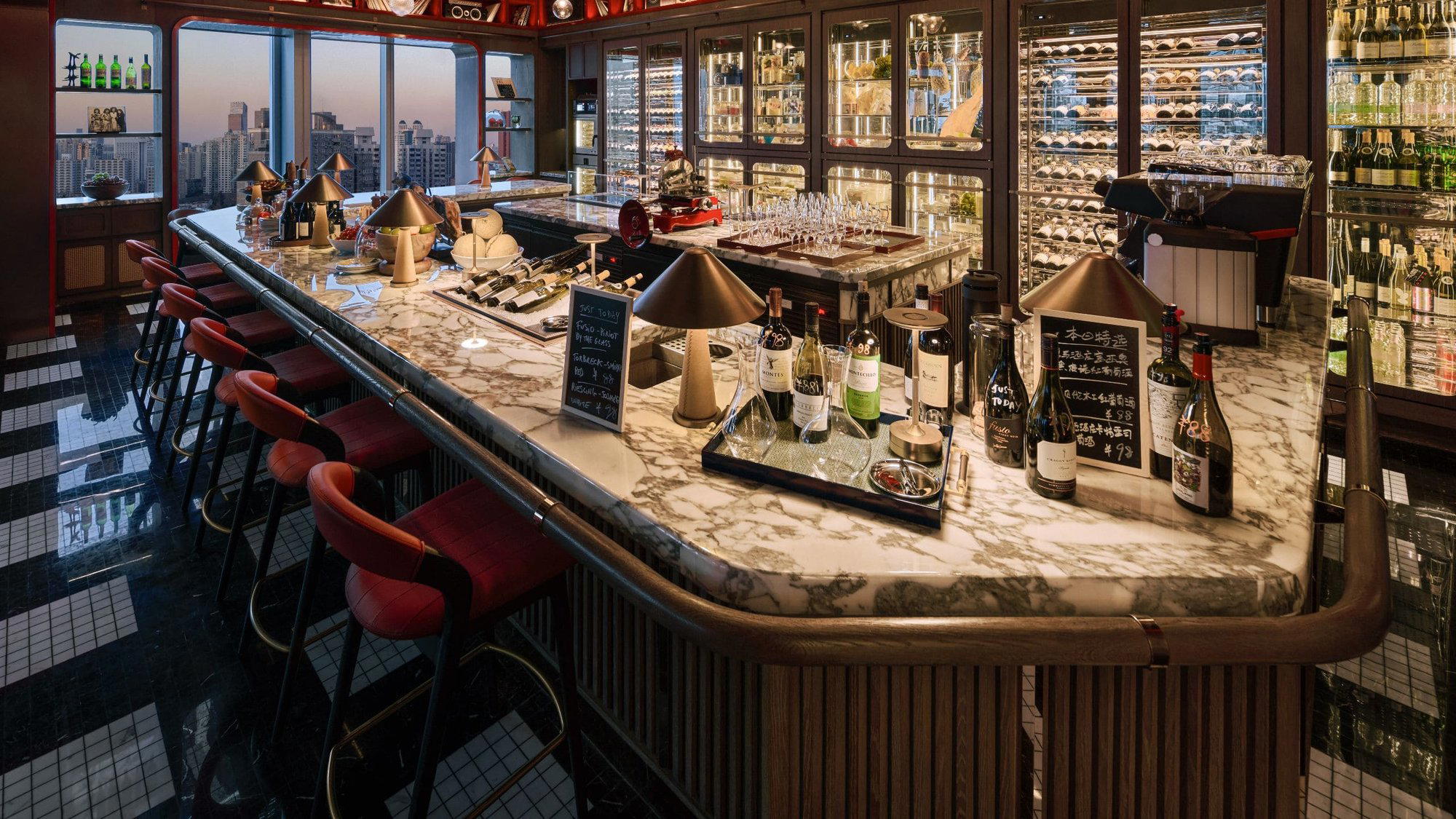
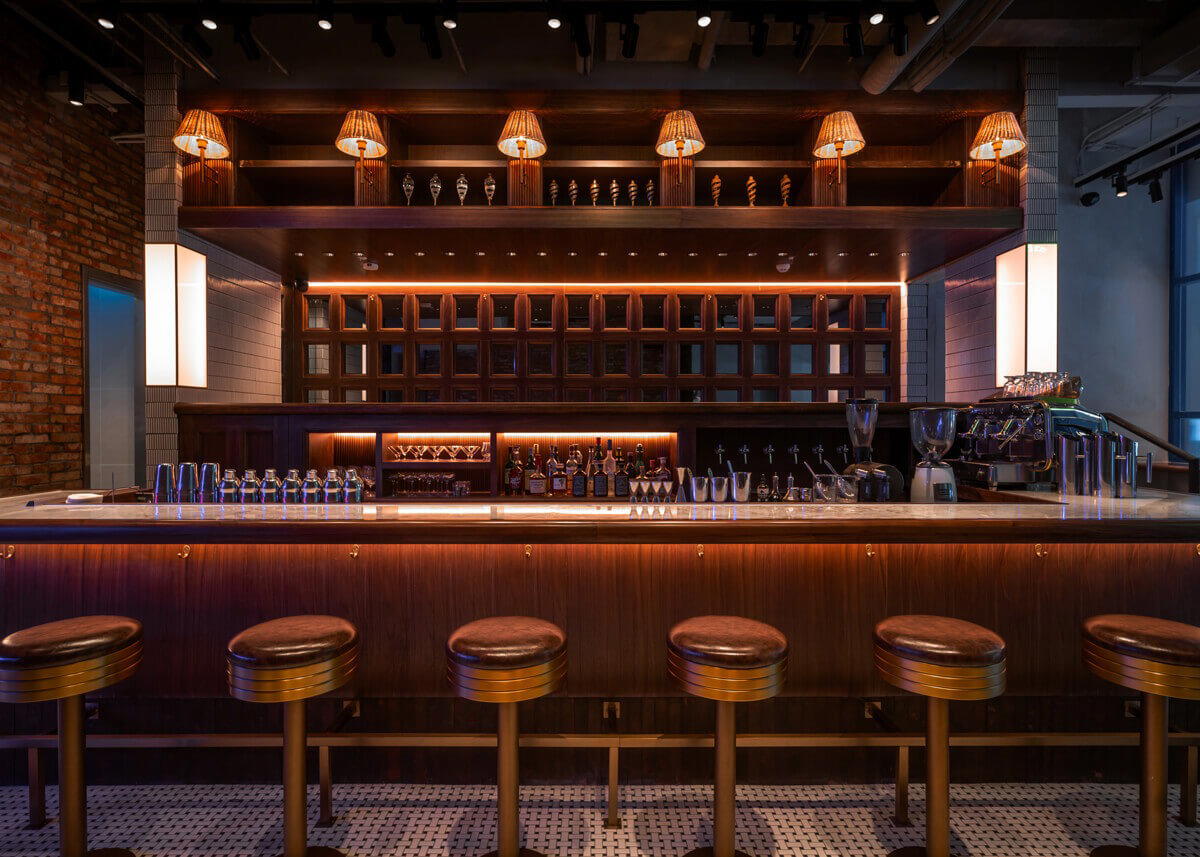
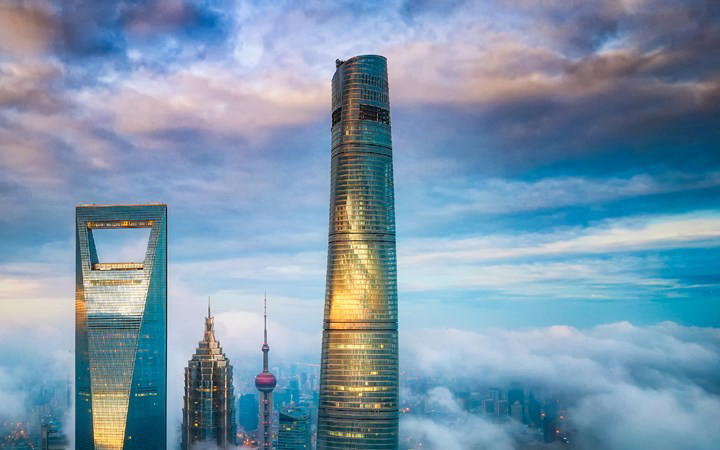
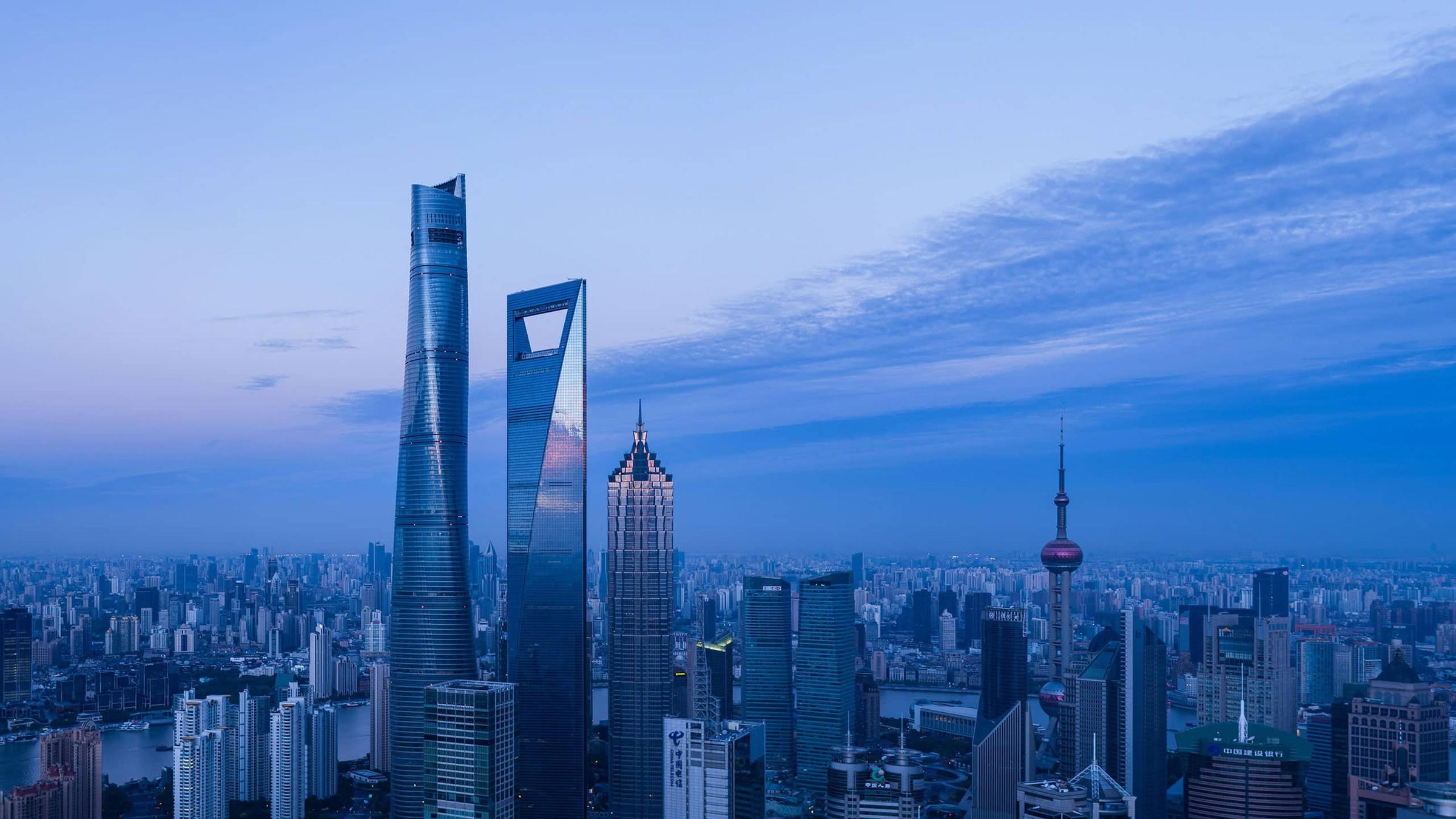
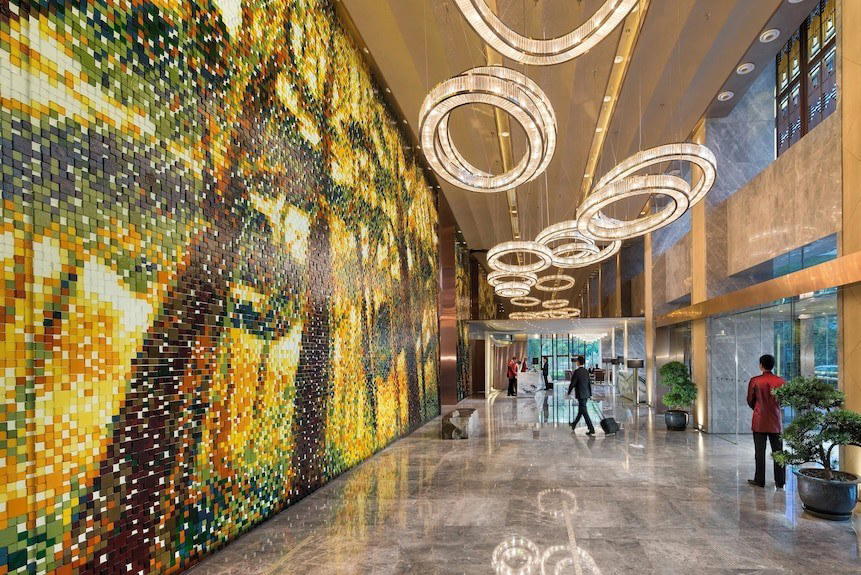
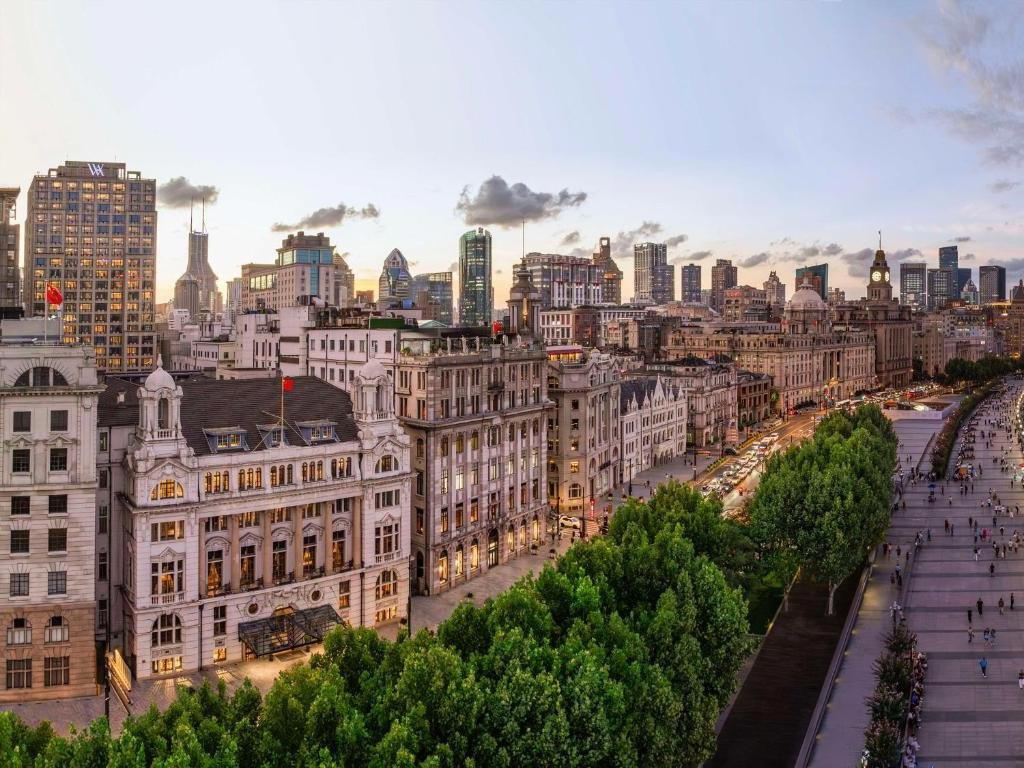
Contemporary and refined hotel-restaurant setting on the 87th floor, with polished service, soft lighting, and a calm, upscale atmosphere framed by dramatic cityscape views.