Diepeschrather Mühle

Set in a historic mill on the rural edge of Bergisch Gladbach, Diepeschrather Mühle operates within the Relais & Châteaux network and places plant-based cuisine at the centre of its German fine dining offer. Chef Jérémie Muller leads the kitchen with a contemporary approach that sits well outside the city's conventional gourmet circuit.
Pearl is the En Primeur Club membership app — saves, bookings, and concierge access live there. Same editors, same standards.
- Address
- Diepeschrather Weg 80, 51469 Bergisch Gladbach, Germany
- Phone
- +49 2202 271170
- Website
- diepeschrather-muehle.de
- Directions
- Get directions
 Saves & bookings on Pearl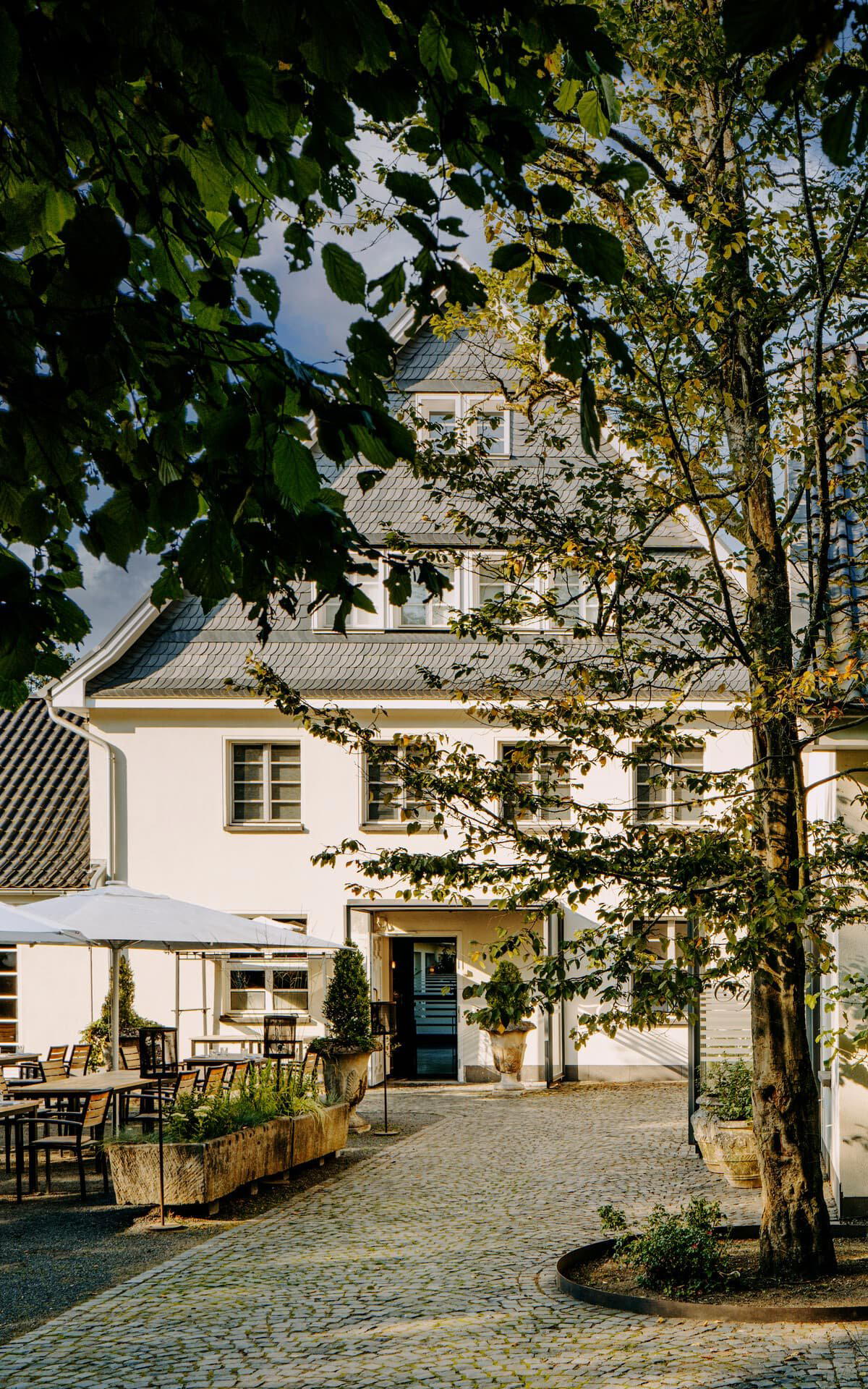
Where the Mill Meets the Menu
Germany's fine dining circuit has, for most of its modern history, been structured around classical French technique applied to regional German produce, a model that produced the country's early Michelin stars and still defines flagship kitchens like Schwarzwaldstube in Baiersbronn and Restaurant Haerlin in Hamburg. What has shifted in the past decade is a parallel current: high-end kitchens in secondary cities and rural settings have started building identities around ingredient philosophy rather than technique lineage, with plant-based and produce-led programs taking a serious foothold in the fine dining tier.
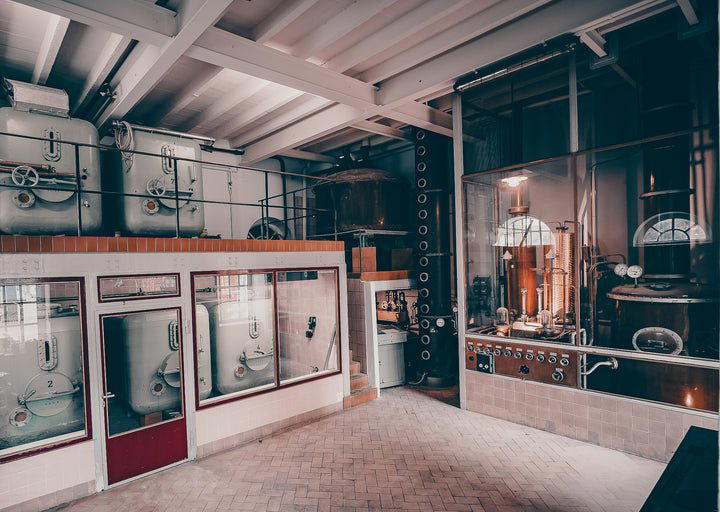
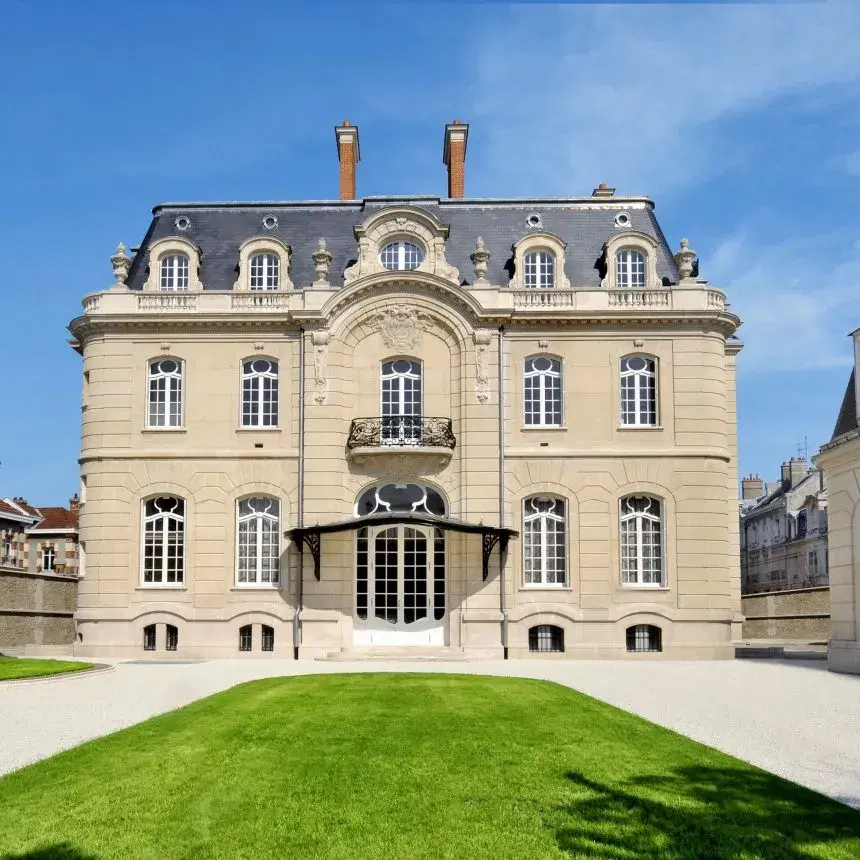
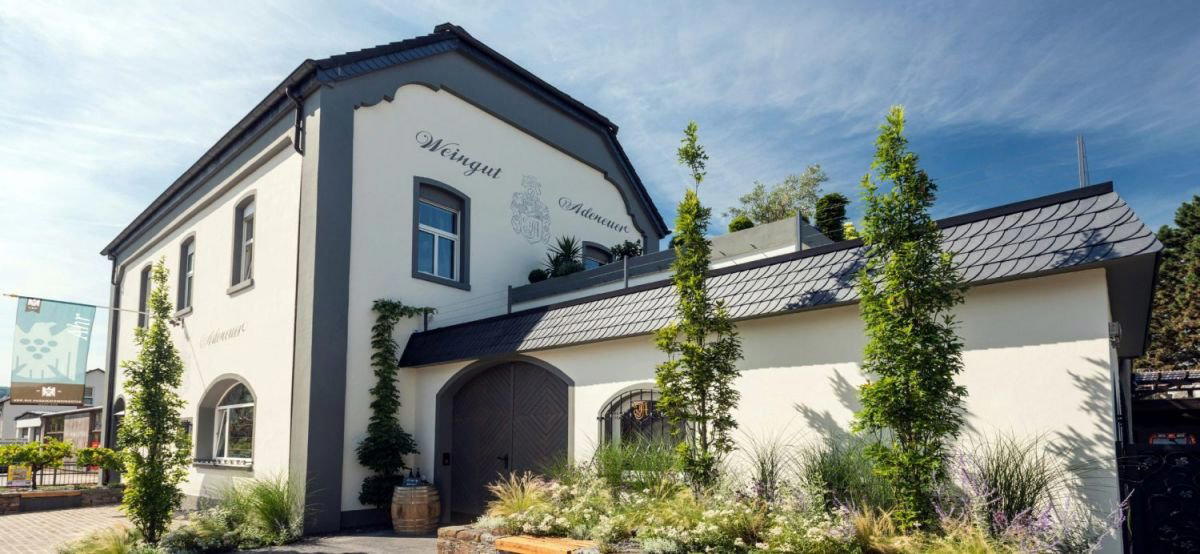
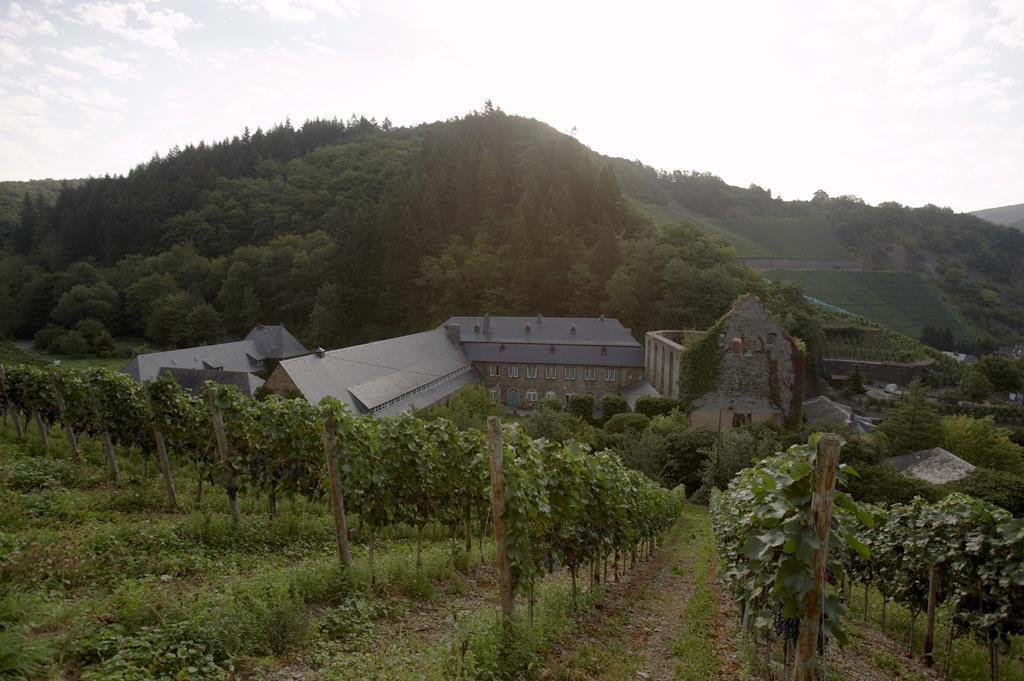
Diepeschrather Mühle sits in that current. Located at Diepeschrather Weg 80 in Bergisch Gladbach, a town in the Bergisches Land region east of Cologne, the property occupies a converted mill on the kind of wooded, unhurried terrain that makes the short drive from the city feel more significant than the distance warrants. The setting is deliberate architecture for what follows inside: contemporary décor within an older structure, the kind of contrast that signals a kitchen working between tradition and something more current.
As a Relais & Châteaux member, Diepeschrather Mühle places itself in a peer group that prioritises property character and kitchen seriousness over brand scale. The R&C designation functions as a trust signal in the German market, it implies an individual property with genuine culinary ambition, not a hotel restaurant fulfilling a menu obligation. That positioning matters in Bergisch Gladbach, where Vendôme holds two Michelin stars and occupies stronger examples from the local fine dining bracket, while places like Restaurant Schote and Dröppelminna serve the established German-modern and traditional registers. Diepeschrather Mühle is working a different lane.
Chef Jérémie Muller and the Plant-Forward Turn in German Fine Dining
One instructive way to understand Jérémie Muller's position is through the broader shift it reflects. German fine dining kitchens have been slow, relative to their Nordic and British counterparts, to treat plant-based cooking as a primary identity rather than an accommodation for dietary requirements. The chefs who have moved in this direction, including the team behind CODA Dessert Dining in Berlin, which built a Michelin-starred program around unconventional format thinking, have done so by treating the constraint as a creative forcing function rather than a limitation.
Muller's kitchen at the restaurant carries this logic into the Bergisch Gladbach context. The EP Club highlight of plant-based cuisine as a defining feature suggests a menu structured around vegetables, botanicals, and non-animal proteins as the primary subject matter, not as accompaniments to protein-led plates. In the German fine dining comparable set, this remains a minority position. The kitchens at Aqua in Wolfsburg, JAN in Munich, and ES:SENZ in Grassau operate within more conventional protein frameworks. Muller's choice to anchor the kitchen's identity in plant-based cuisine places the restaurant in a smaller, more internationally inflected cohort, closer in spirit to what kitchens at Le Bernardin in New York City did for seafood (making a single category the entire creative vocabulary of a fine dining kitchen) than to the generalist multi-course format that still dominates German gourmet dining.
The name Jérémie Muller, French in origin and construction, is itself a contextual signal worth noting. Germany's leading kitchens have historically drawn heavily on chefs trained in the French system, Victor's Fine Dining by Christian Bau in Perl and Schanz in Piesport both reflect that Franco-German lineage. What distinguishes Muller's context is that the French influence here is filtered through a plant-based lens rather than a classical protein-and-sauce framework, which produces a different kind of cooking and a different kind of guest expectation.
The Gourmet Getaway Format and What It Means for Visitors
The restaurant functions as a destination rather than a neighbourhood restaurant, with guests travelling for the setting and kitchen rather than arriving from nearby. The mill's rural position on the edge of Bergisch Gladbach reinforces this: the property is not embedded in a dining district, and arriving there requires intent. This places it in the same category of resort-adjacent fine dining that characterises properties like Atomix in New York City in a different sense, experiences that demand some degree of logistical commitment from the guest and price themselves accordingly.
For visitors to Bergisch Gladbach, the sequence of decisions typically runs as follows: Vendôme for the highest-tier, Michelin-starred occasion; the restaurant for a full-property retreat with a distinctive culinary identity; Schote or Dröppelminna for more accessible German-modern or traditional dining. The mill sits in the middle of that map in terms of commitment, but at the more distinctive end in terms of concept.
The wooded terrain around Bergisch Gladbach shifts considerably between spring and autumn, and a kitchen focused on plant-based ingredients in a natural setting is likely to reflect those shifts on the plate.
Planning a Visit
The restaurant is reachable via the Relais & Châteaux contact infrastructure: the property email is diepeschrather@relaischateaux.com and the direct telephone number is +49 2202 27 117-0, with the full property website at diepeschrather-muehle.de. For a property of this type, rural, R&C-affiliated, with a distinctive kitchen identity, advance reservation is the expected norm rather than the exception. Current hours, specific pricing, and tasting menu formats are best confirmed directly with the property, as these details are not available in current public records.
Comparable Spots, Quickly
Comparable venues nearby, for context on price, style, and recognition.
| Venue | Cuisine | Price | Awards | Notes |
|---|---|---|---|---|
| Diepeschrather MühleThis venue — the venue you are viewing | Modern German Fine Dining | $$$$ | Not listed | Not listed |
| Marcolino | Sardinian Italian Seafood | $$$ | Not listed | Innenstadt |
| La Posada - Bergisch Gladbach | Argentine Steakhouse | $$$ | Not listed | Stadtzentrum |
| Restaurant Schote | Modern German Fine Dining | $$$$ | Michelin Plate | Bergisch Gladbach |
| Gourmetrestaurant Lerbach (formerly Dieter Muller) | Dining | Not listed | Not listed | Bergisch Gladbach |
| Dröppelminna | Fine French Cuisine | $$$$ | Michelin Plate | Herrenstrunden |
Recognition history
Dated appearances from independent guides and award organizations, with the underlying list record or original source where available.
Relais Chateaux Award
Relais Chateaux
Continue exploring
More in Bergisch Gladbach
Restaurants in Bergisch Gladbach
Browse all →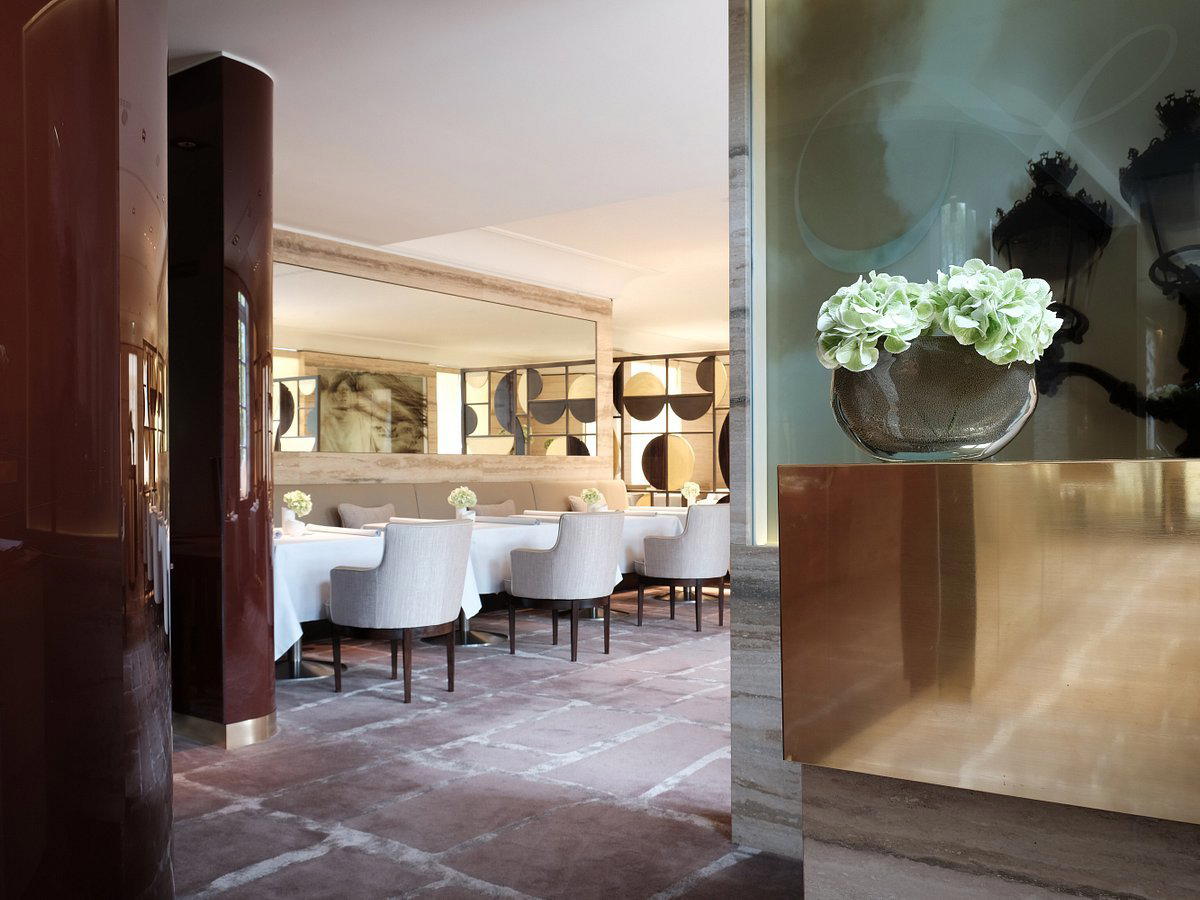
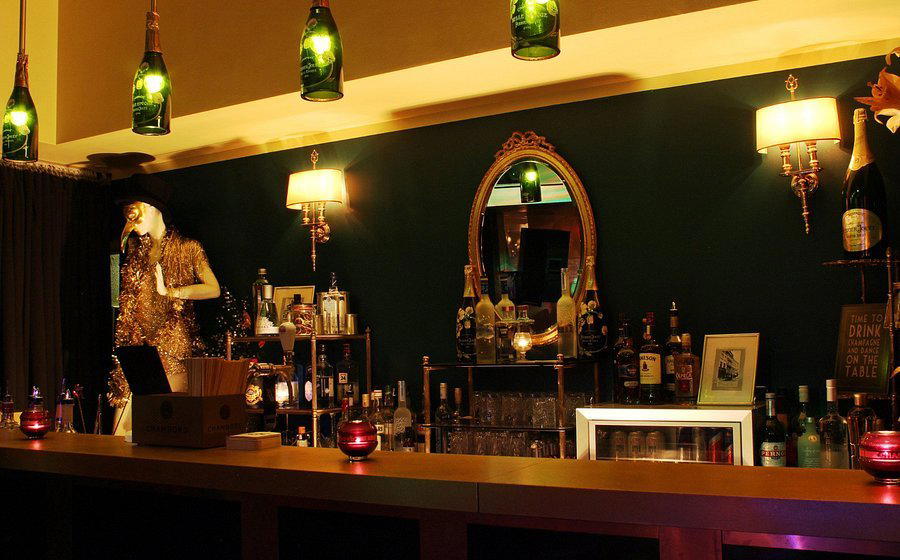
Bars in Bergisch Gladbach
Browse all →

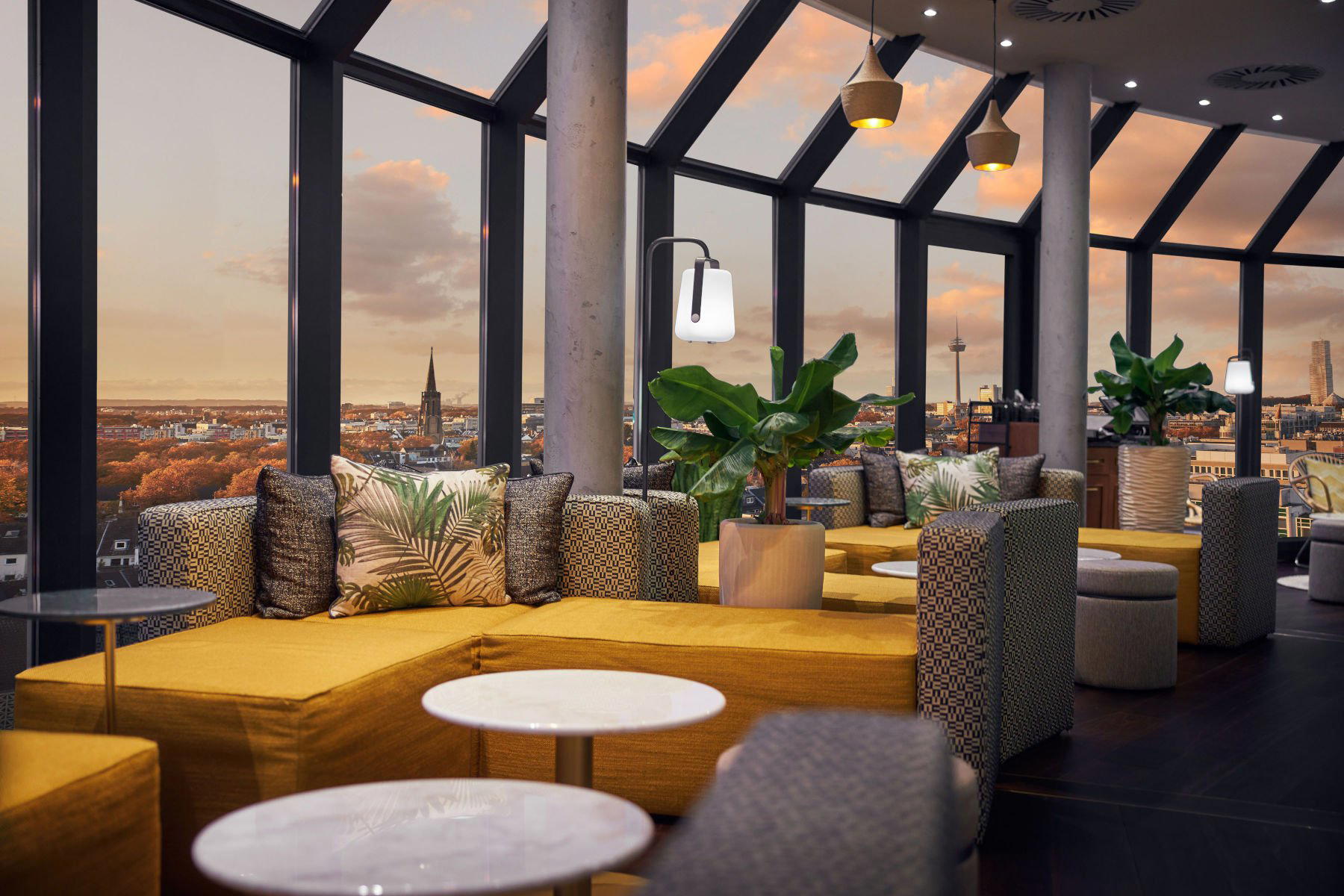
Hotels in Bergisch Gladbach
Browse all →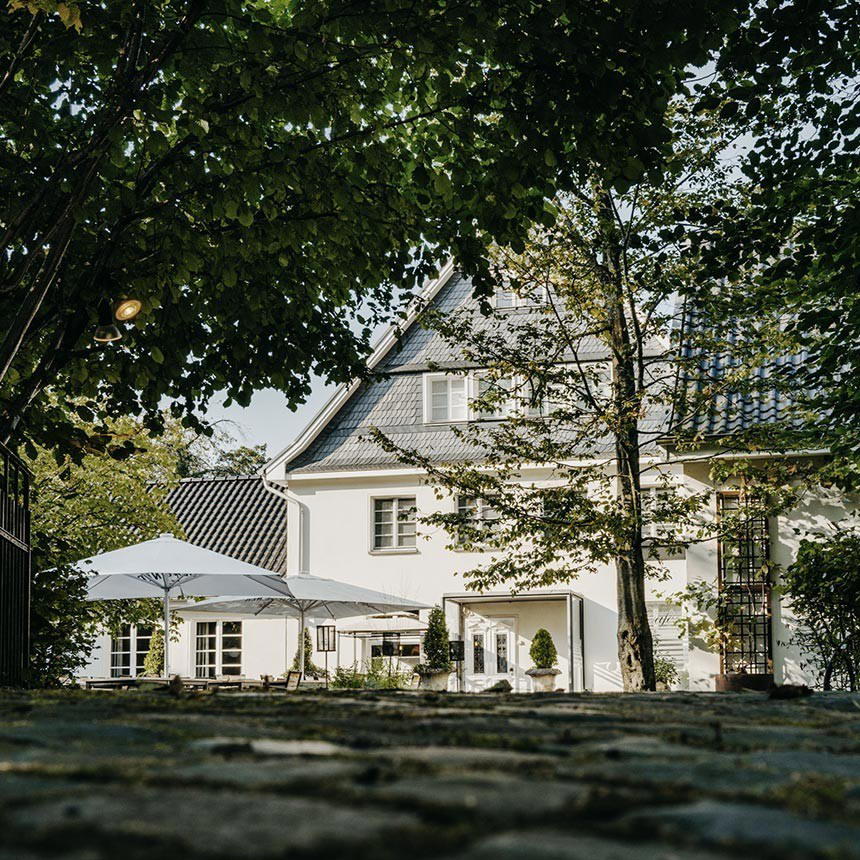
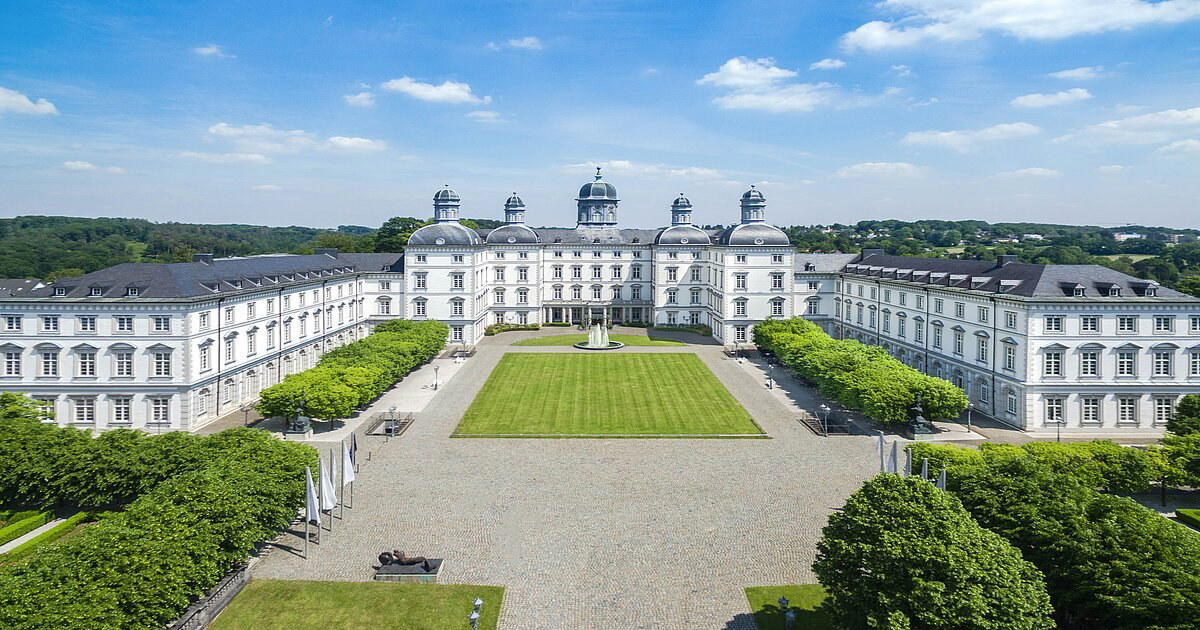
At a Glance
- Elegant
- Romantic
- Scenic
- Sophisticated
- Date Night
- Special Occasion
- Celebration
- Business Dinner
- Open Kitchen
- Garden
- Private Dining
- Terrace
- Historic Building
- Hotel Restaurant
- Sommelier Led
- Local Sourcing
- Garden
Current opening hours
- Monday
- Closed
- Tuesday
- Closed
- Wednesday
- 5:30–10 p.m.
- Thursday
- 5:30–10 p.m.
- Friday
- 12–2:30 p.m., 5:30–10 p.m.
- Saturday
- 12–2:30 p.m., 5:30–10 p.m.
- Sunday
- 12–2:30 p.m., 5:30–10 p.m.
Hours can change for holidays and private events. Last verified .
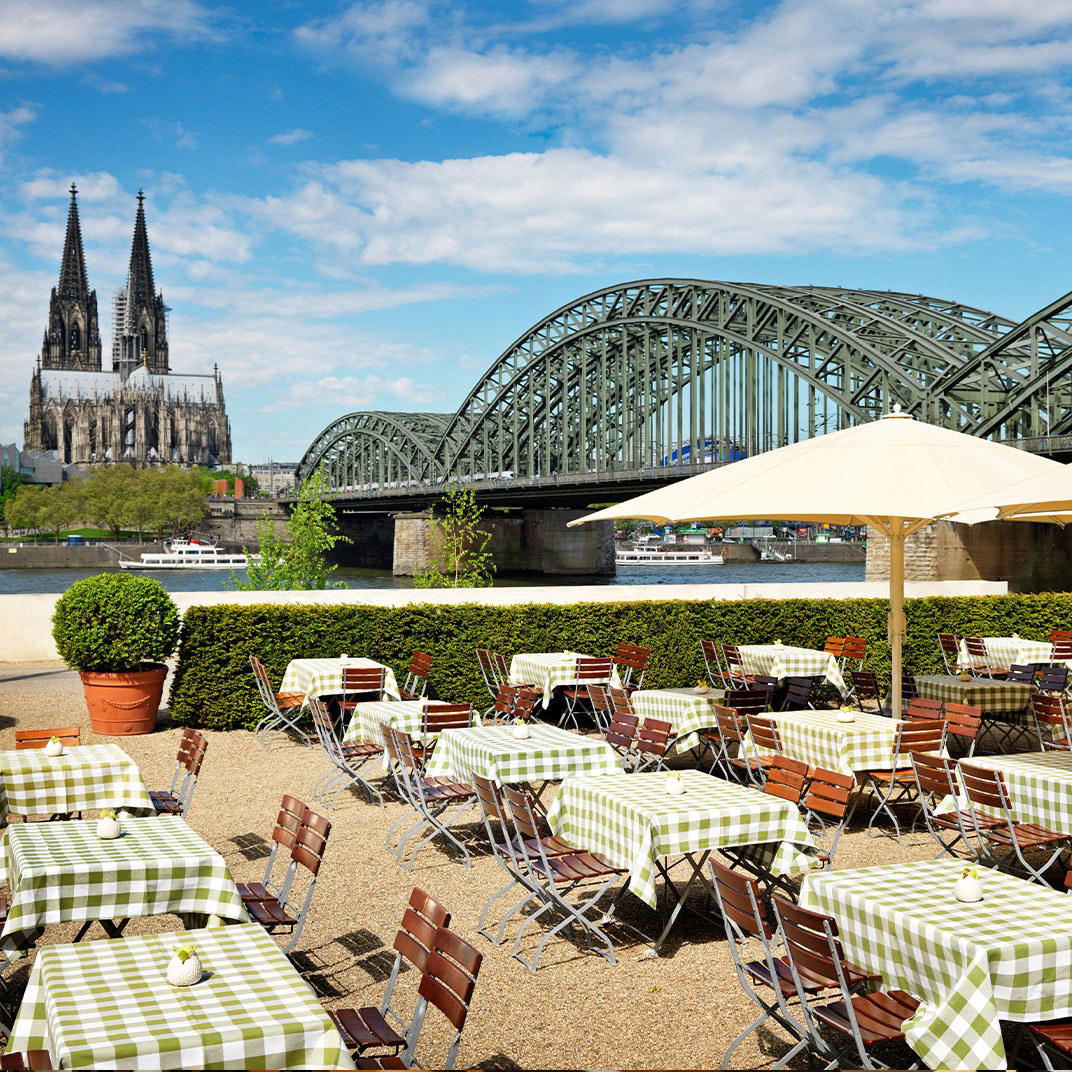
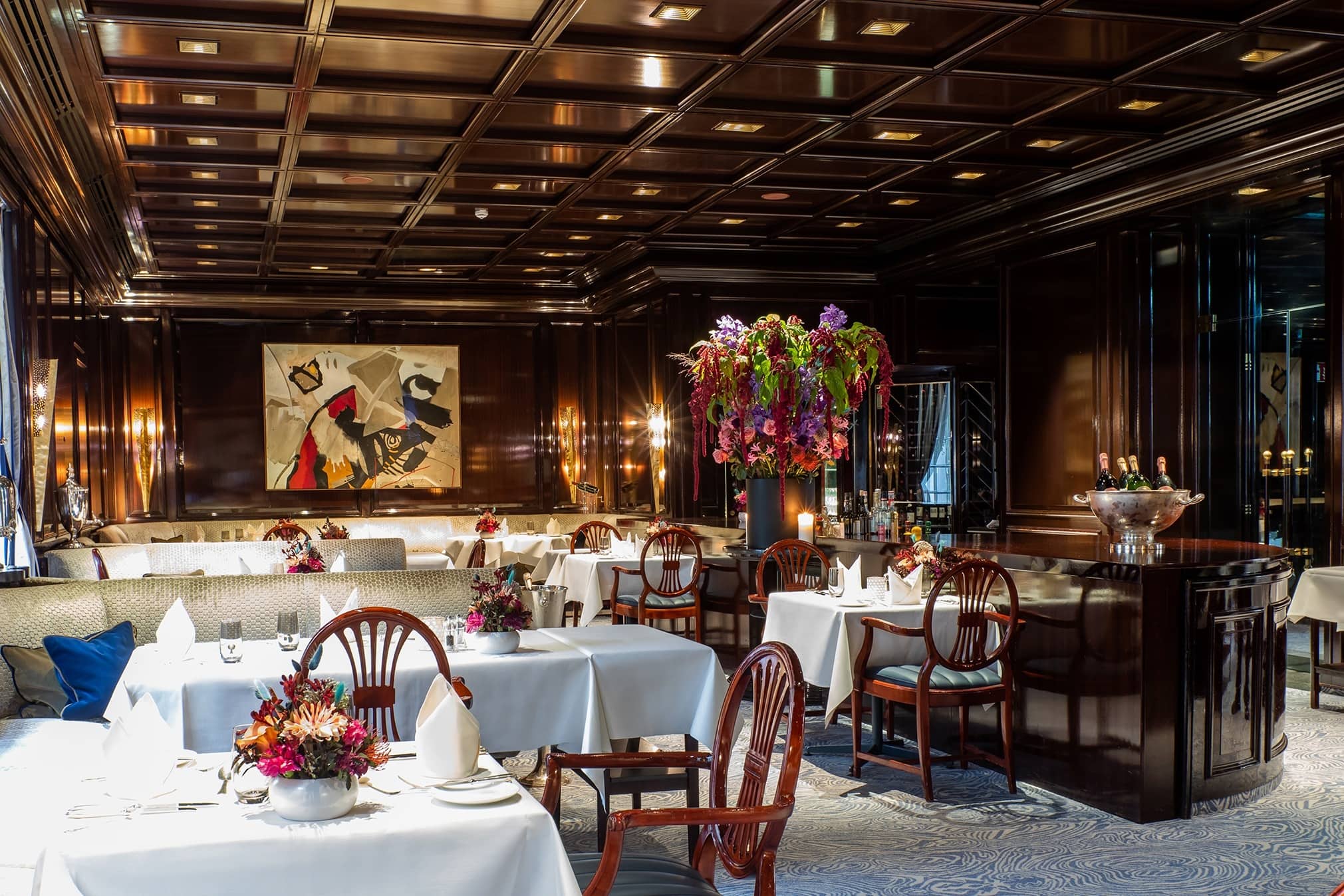
Elegant and contemporary decor in a lovingly restored country manor setting with natural light, garden views, and refined but welcoming atmosphere.