Detroit Sushi
Detroit Sushi sits on Woodward Avenue in Midtown, placing Japanese-influenced cuisine inside one of Detroit's most culturally active corridors. The restaurant operates at the intersection of a revitalizing city and a globally mobile food tradition, where the question of sourcing and sustainability carries as much weight as technique. For diners tracking how American sushi culture is evolving beyond the coasts, Detroit Sushi offers a credible local data point.
Pearl is the En Primeur Club membership app — saves, bookings, and concierge access live there. Same editors, same standards.
- Address
- 3800 Woodward Ave Suite 100, Detroit, MI 48201
- Phone
- +13134743477
- Website
- hammerandnaildetroit.com
- Directions
- Get directions
 Saves & bookings on Pearl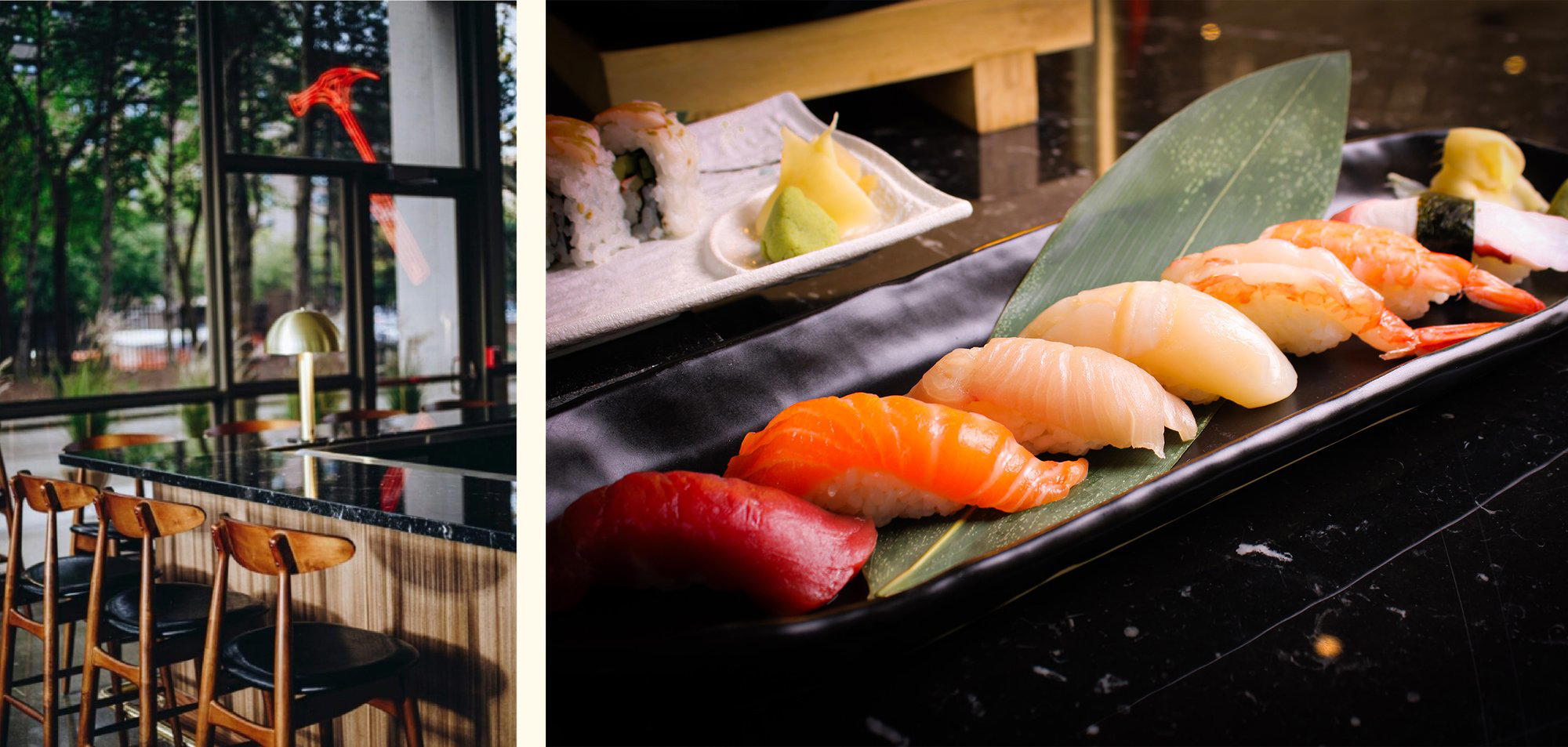
Woodward Avenue and the Sushi Conversation Detroit Is Having
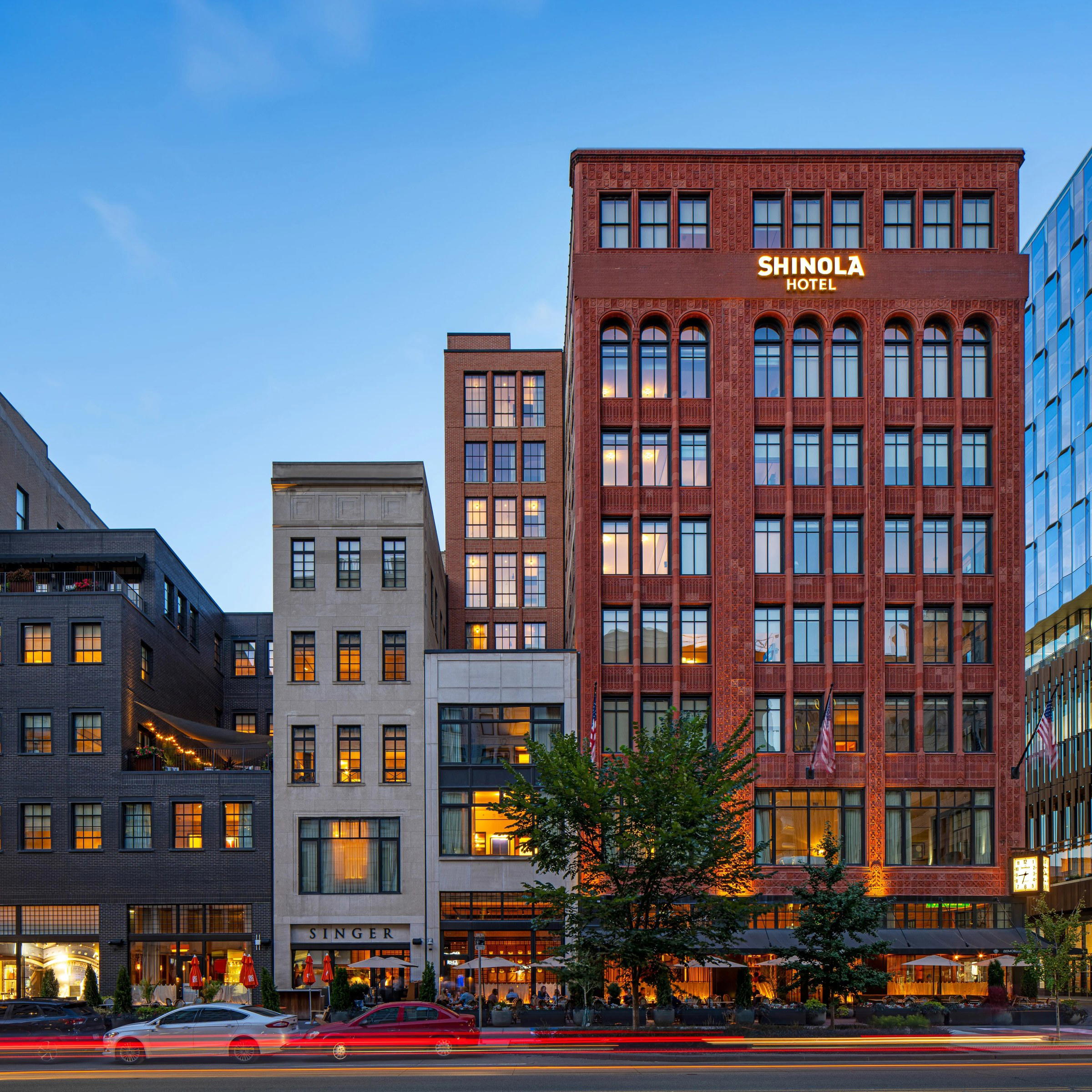
Midtown Detroit's Woodward Avenue corridor has spent the better part of a decade consolidating its identity as the city's most culinarily adventurous stretch. Baobab Fare brings East African cooking to the neighborhood. ADELINA and Alpino represent the newer wave of ingredient-driven European formats. Against that backdrop, Detroit Sushi, at 3800 Woodward Ave Suite 100, enters a corridor that rewards specificity and punishes vagueness. A sushi restaurant here is not operating in a vacuum; it is operating inside a neighborhood that has, in recent years, developed an expectation that a kitchen should be able to articulate what it stands for.
That pressure is useful context for understanding where Detroit Sushi sits in the city's dining map. The Midwest has historically been underrepresented in American sushi discourse, which has concentrated on coastal markets: Los Angeles omakase counters, New York's Korean-Japanese hybrids like Atomix, and San Francisco's market-driven formats. Detroit's sushi scene is smaller and less documented, which means each serious entrant carries more weight in shaping what local diners come to expect from the format.
Sustainability as a Structural Lens, Not a Marketing Add-On
One consequential shift in sushi culture globally over the past decade has not been technical. It has been sourcing. Institutions like Blue Hill at Stone Barns and Single Thread Farm in Healdsburg demonstrated that the sourcing narrative could become the organizing principle of a serious dining program rather than a footnote in the menu copy. In the sushi-specific context, that shift has been even more fraught: bluefin tuna stocks, farmed versus wild salmon, sea urchin seasonality, and the broader question of ocean health are no longer peripheral concerns for chefs working in this format. They are structural decisions that shape what a menu can and cannot offer.
For a sushi restaurant operating in the interior United States, those decisions carry additional complexity. Coastal restaurants have direct supplier relationships and shorter cold chains. Inland operations in cities like Detroit must either invest in freight relationships with trusted fishmongers in cities like Chicago, New York, or Los Angeles, or pivot toward regional freshwater species and plant-forward alternatives that reduce dependence on long-haul marine supply. Particularly thoughtful Midwestern approaches have treated this constraint as a creative prompt rather than a limitation, building menus that acknowledge geography honestly instead of pretending the Great Lakes region is equivalent to Tokyo Bay in terms of access.
Detroit Sushi's position on Woodward Avenue places it in proximity to a dining culture that has absorbed these conversations. Restaurants like Vecino and Selden Standard have each, in their respective formats, demonstrated that Detroit diners engage seriously with sourcing narratives when kitchens make them legible. A sushi restaurant in this context has both the audience and the competitive incentive to treat sustainability as a program-level commitment rather than a line on a menu.
The Broader American Sushi Shift Detroit Reflects
American sushi has undergone a visible stratification over the past fifteen years. At the high end, omakase counters have proliferated in major markets, with eight to twelve-seat formats and prix-fixe structures that position them against European tasting-menu restaurants. Le Bernardin in New York City and Providence in Los Angeles occupy adjacent territory in terms of seafood seriousness, even if their formats differ. Further down the formality register, casual sushi has expanded in every American mid-size city, often with little differentiation in sourcing or technique.
The more interesting tier is the middle: restaurants that operate with genuine craft ambitions but in markets where the omakase premium is harder to sustain. Cities like Detroit, where dining economics differ substantially from Manhattan or Los Angeles, have produced sushi programs that must find their footing between accessible pricing and the sourcing costs that serious fish work requires. That tension is not distinctive to sushi, Lazy Bear in San Francisco and Smyth in Chicago have each navigated versions of it in their own formats, but it is particularly acute for a cuisine where ingredient cost is both visible and non-negotiable.
Detroit Sushi, operating in a city where restaurant economics are still in a post-revival calibration, represents a data point in that broader story. How a sushi restaurant prices, sources, and communicates its choices in this market says something about where the format is heading in American cities beyond the coastal anchors.
Detroit's Dining Corridor and What Surrounds It
The immediate Woodward Ave neighborhood provides useful comparison points for understanding the restaurant's positioning. American Coney Island anchors the deeply local end of the spectrum, representing a Detroit food tradition with decades of documentation. At the other end, Amore da Roma and 313 Cinnamon Rolls represent the newer, specialty-focused operators that have arrived as the neighborhood's foot traffic has grown. Sushi in this context is neither a novelty nor a legacy, it is part of a format diversification that Midtown has absorbed deliberately.
For context on how sustainability-committed dining programs operate at the highest tier nationally, comparisons with Addison in San Diego, The Inn at Little Washington, and Atelier Moessmer Norbert Niederkofler in Brunico are instructive. These are restaurants that have built environmental commitments into their sourcing architecture at a structural level, not as seasonal gestures. Emeril's in New Orleans and The French Laundry in Napa represent longer-arc examples of American fine dining programs that have evolved their sourcing commitments over decades. The restaurant operates at a different scale and in a different market, but the direction of travel in serious American dining is legible from those reference points.
Planning Your Visit
The restaurant is located at 3800 Woodward Ave Suite 100, Detroit, MI 48201, in Midtown. The Woodward corridor is accessible by the QLine streetcar, which runs along Woodward from downtown through Midtown, making the address reachable without a car. The restaurant is recommended for reservations, and the price tier is 3. Detroit's Midtown dining scene is active through the weekend, and newer restaurants on the corridor tend to fill quickly once word circulates. Arriving with a plan rather than on speculation is the practical approach here.
Cuisine Lens
Comparable venues nearby, for context on price, style, and recognition.
| Venue | Cuisine | Price | Notes |
|---|---|---|---|
| Detroit SushiThis venue — the venue you are viewing | Authentic Edomae Sushi | $$$ | Not listed |
| Mink Detroit | Modern Seafood Raw Bar | $$$ | Corktown |
| BARDA | Modern Argentinian Steakhouse | $$$ | Core City |
| MATI | Modern Greek Seafood | $$$ | Greektown |
| La Noria Bistro | Italian-Mexican Wood-Fired Fusion | $$$ | Core City |
| shelby | Modern American Small Plates & Cocktails | $$$ | Financial District |

At a Glance
- Intimate
- Trendy
- Modern
- Date Night
- Special Occasion
- Sake Program
- Craft Cocktails
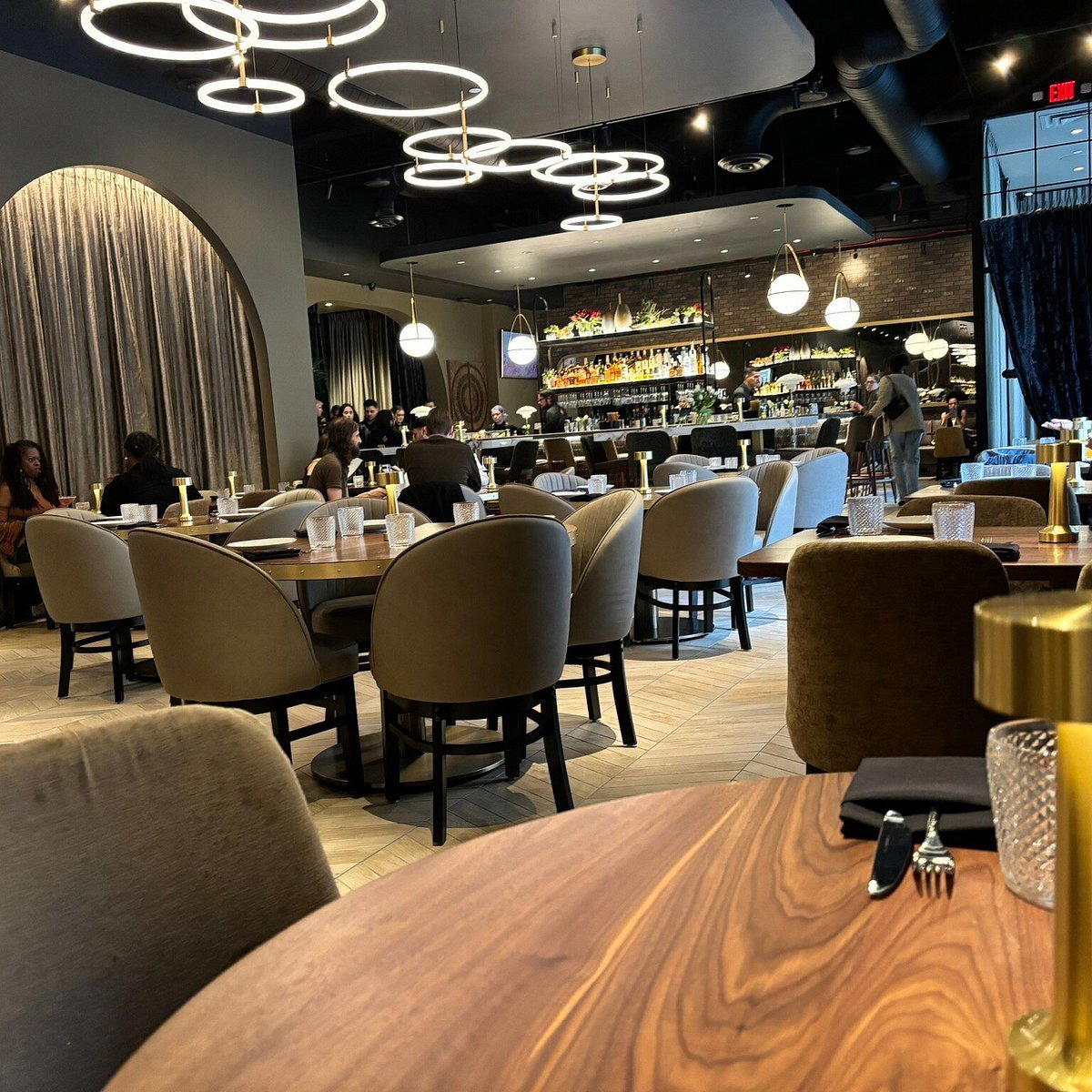
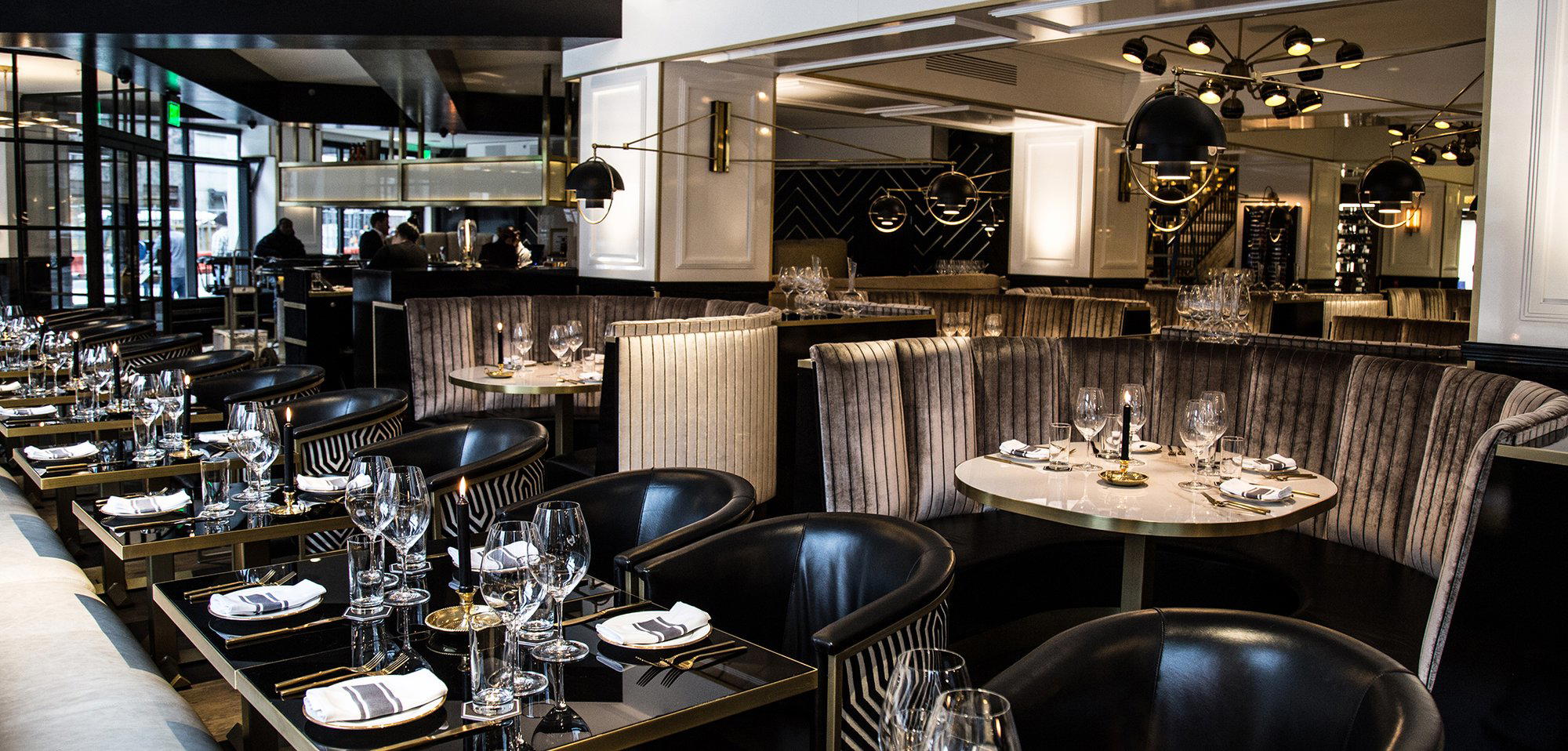
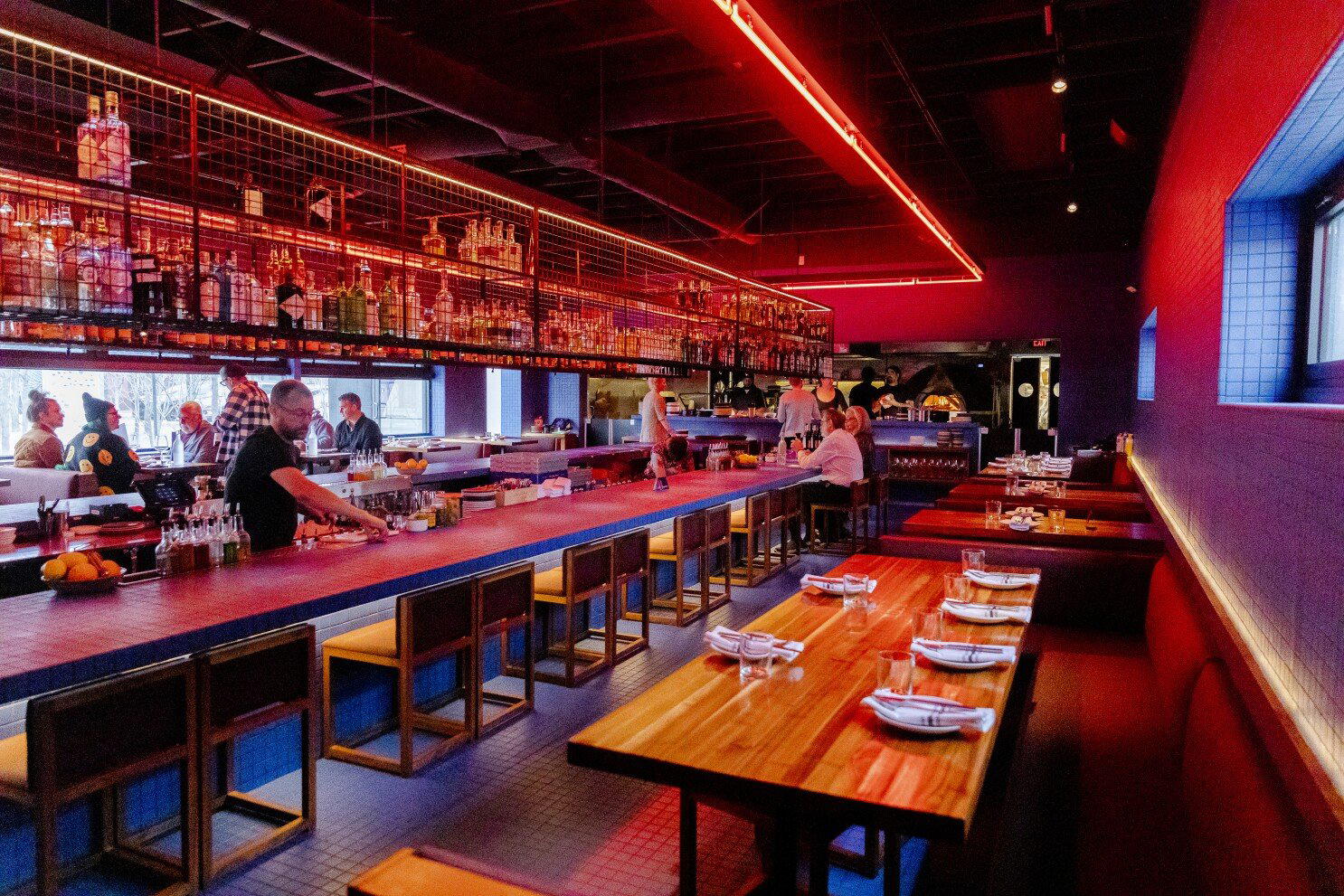
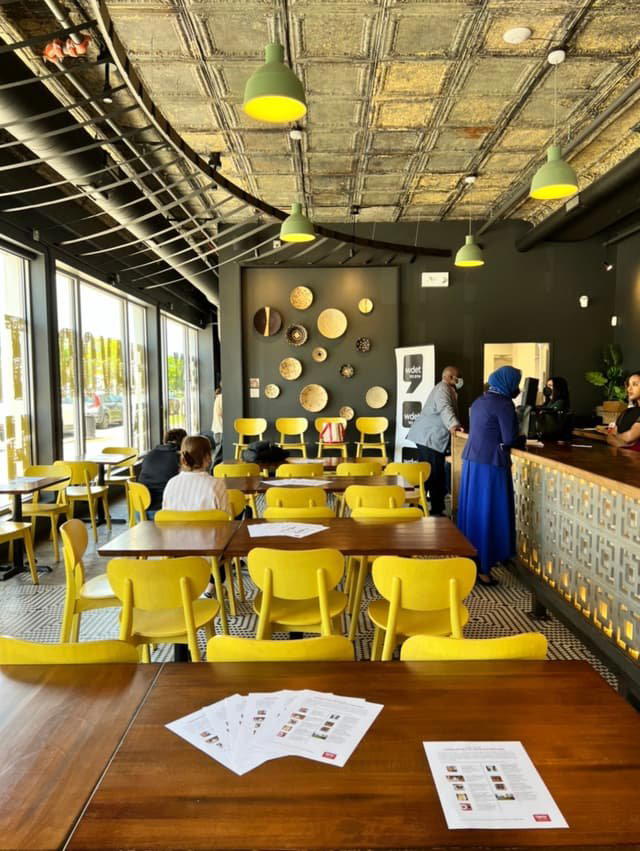
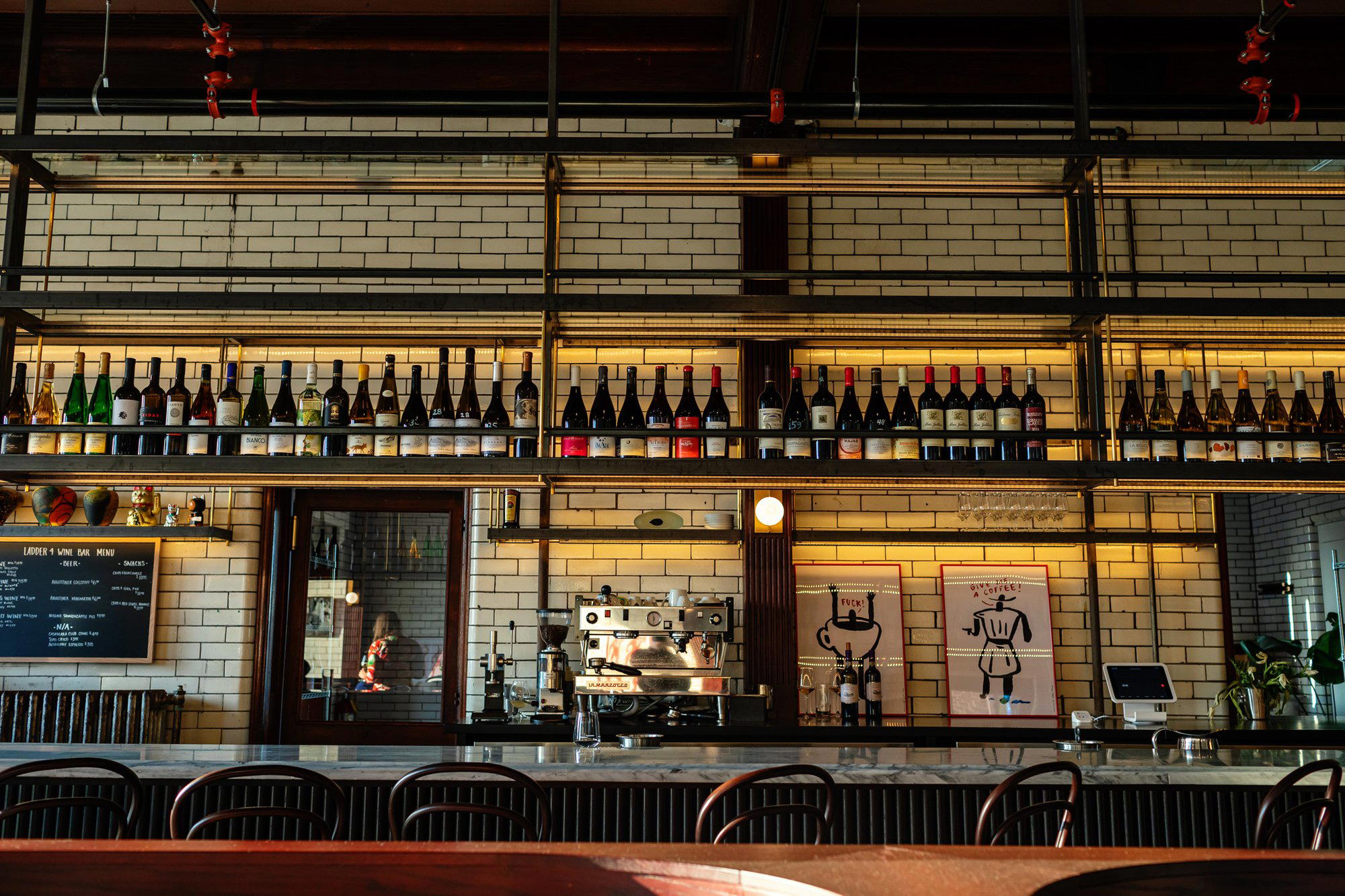
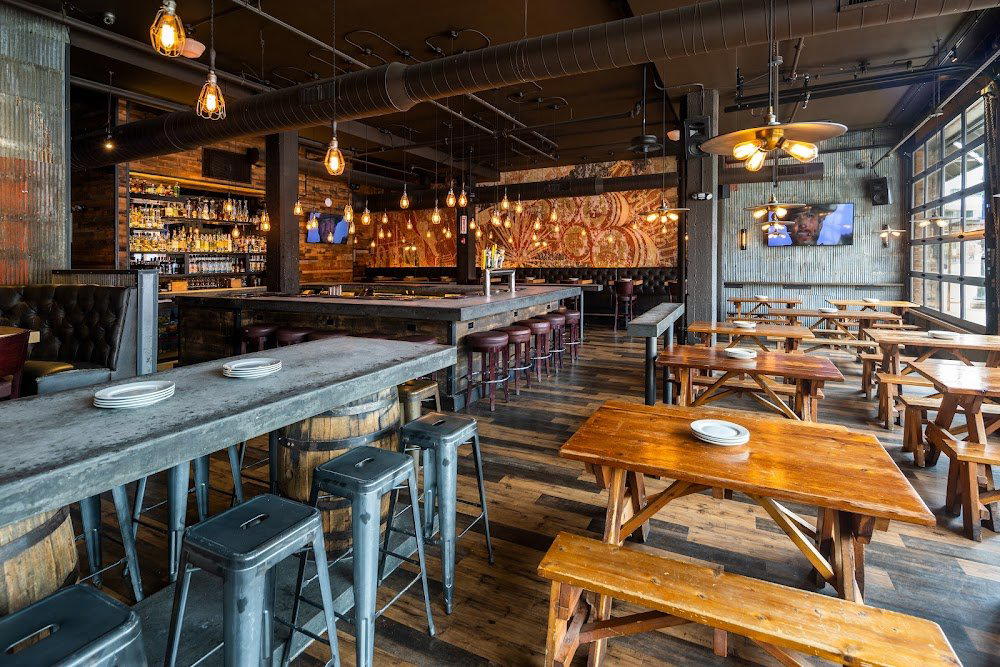
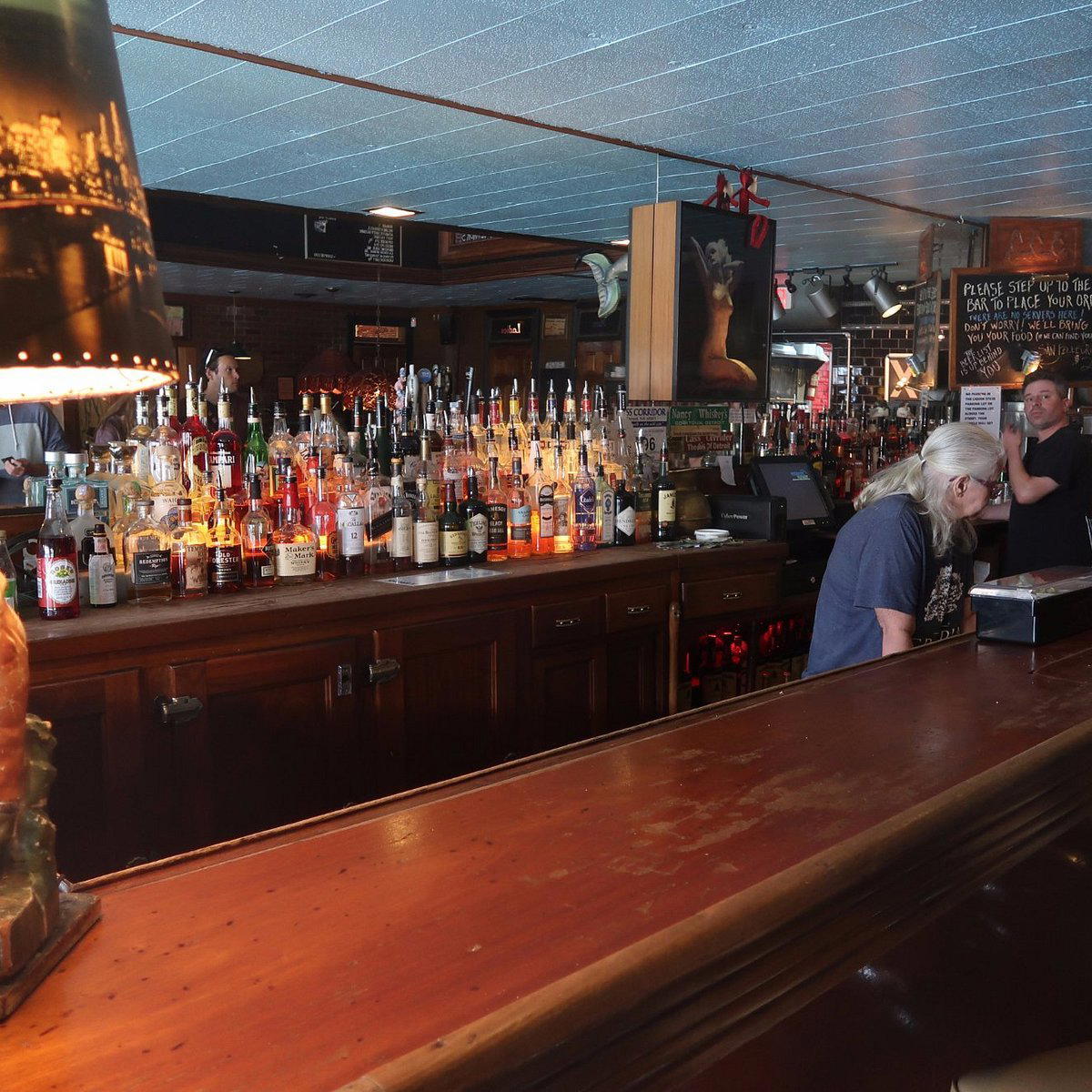
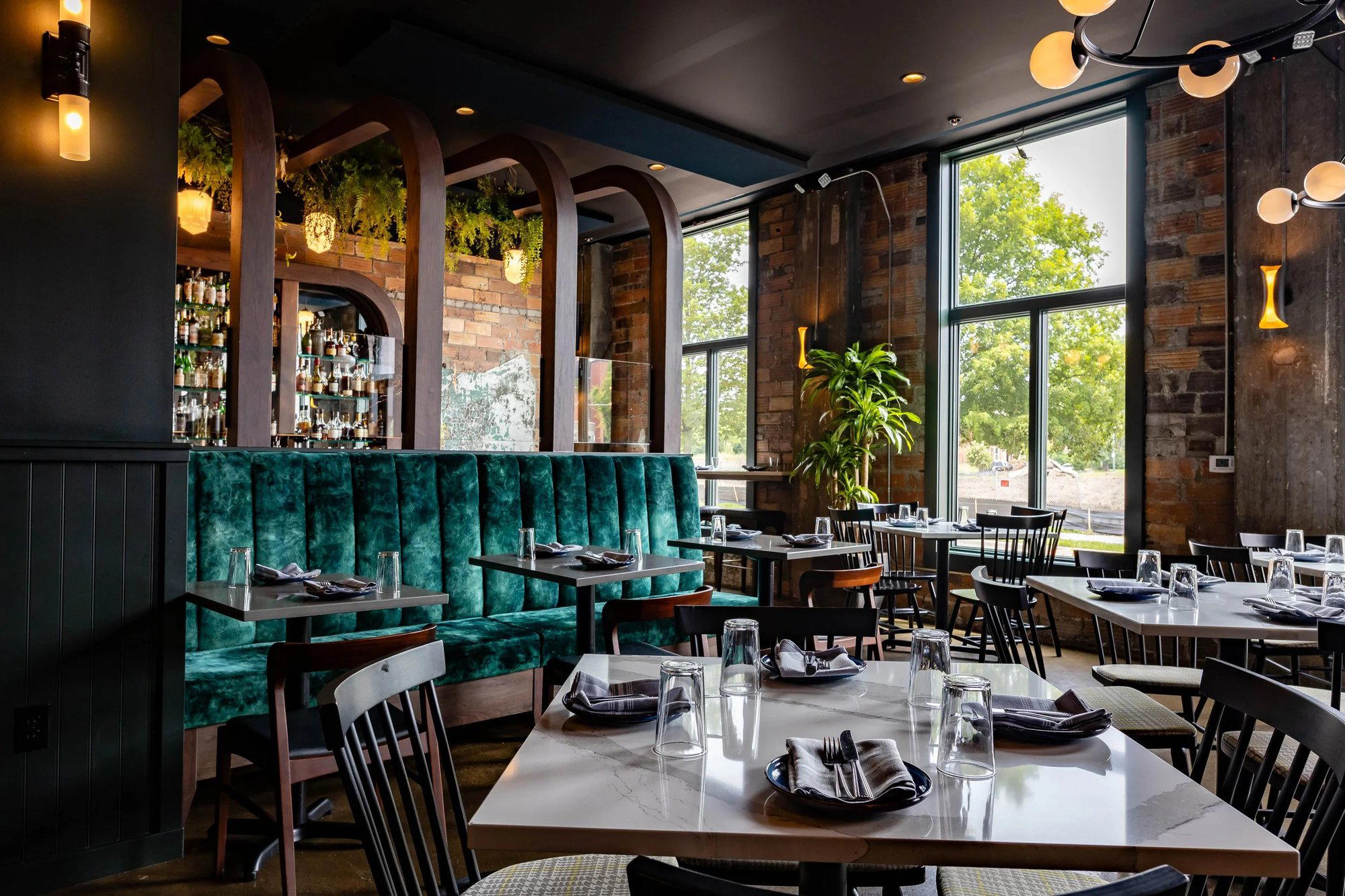
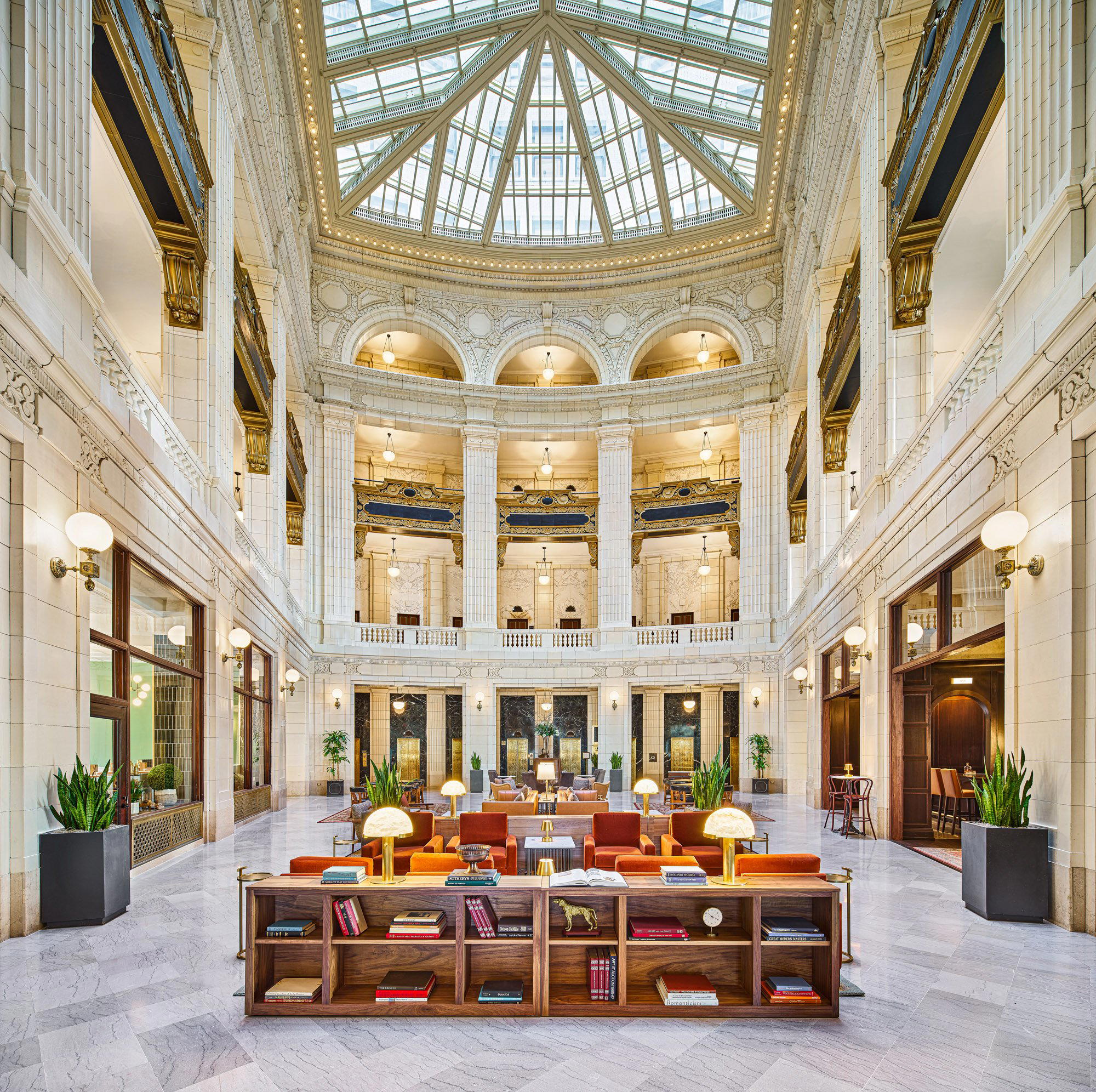
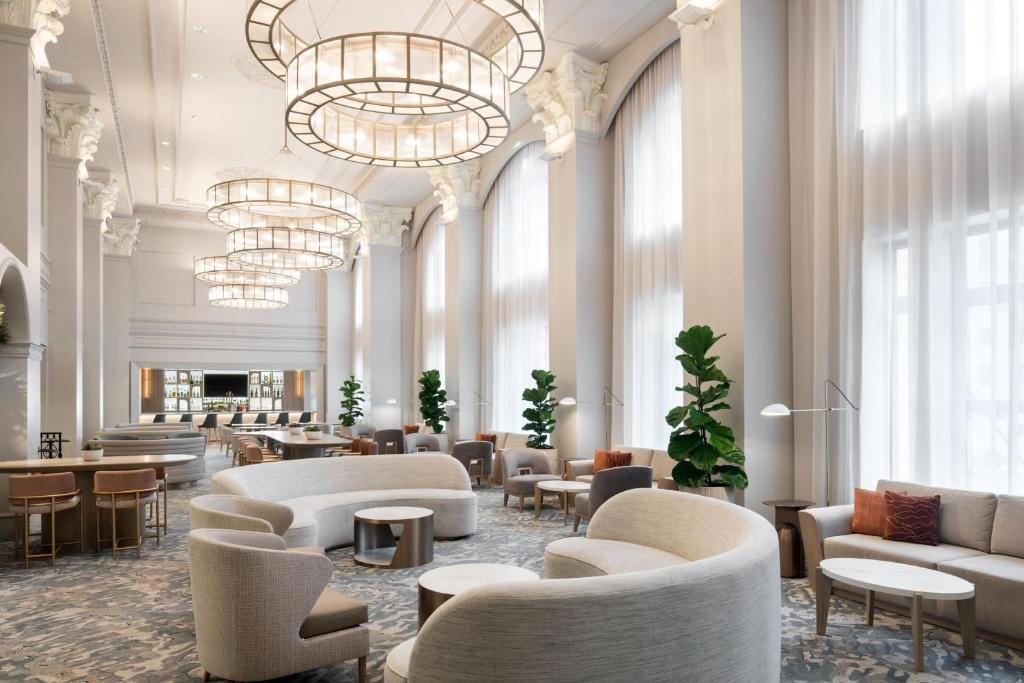
Intimate mid-century cocktail lounge setting with sleek decor, warm walnut and leather banquettes, and floor-to-ceiling windows.