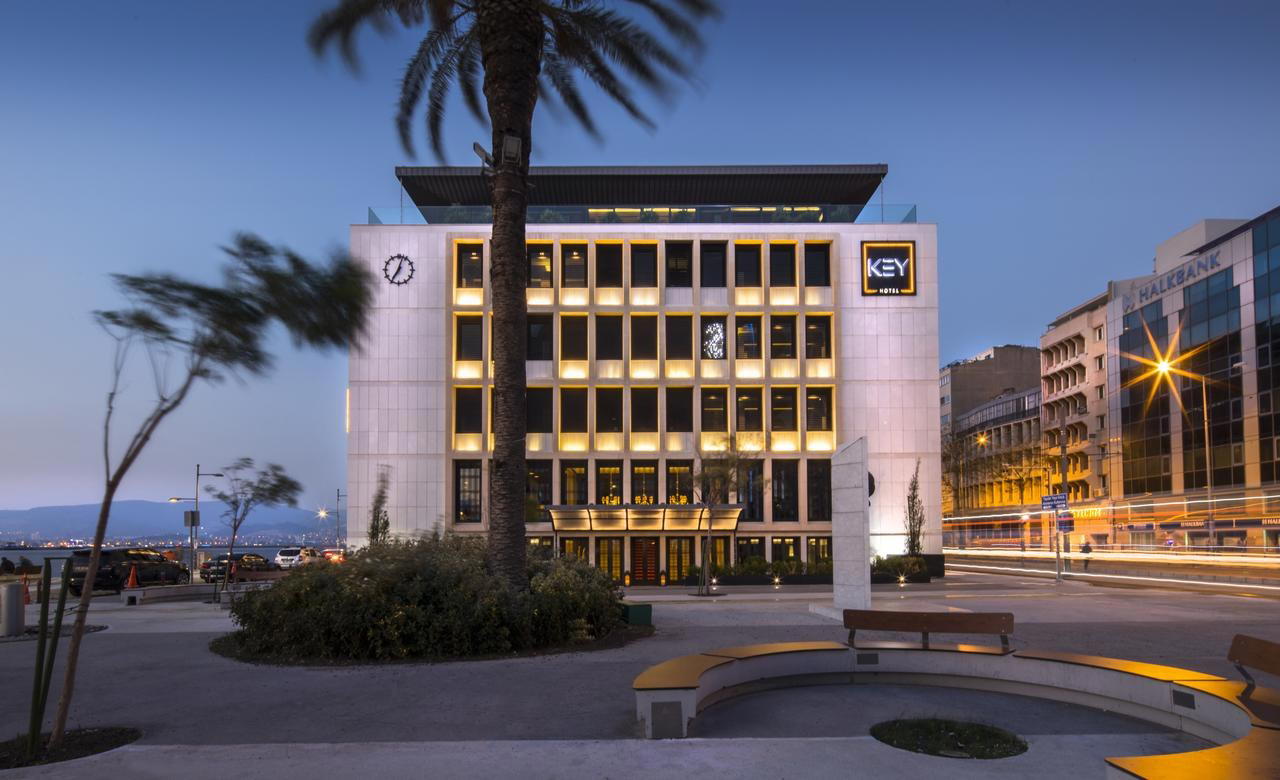
Occupying a prime position inside the İzmir Palas Oteli on Atatürk Caddesi, Deniz Restaurant sits at a junction between Izmir's deep Aegean seafood tradition and the more structured hotel dining that defines the city's central waterfront. The address alone signals a certain register: this is where Izmir's relationship with the sea meets a more formal table.
Pearl is the En Primeur Club membership app — saves, bookings, and concierge access live there. Same editors, same standards.
- Address
- İzmir Palas Oteli, Kültür, Atatürk Cd. No
- Phone
- +902324644499
- Website
- denizrestaurant.com.tr
- Directions
- Get directions
 Saves & bookings on Pearl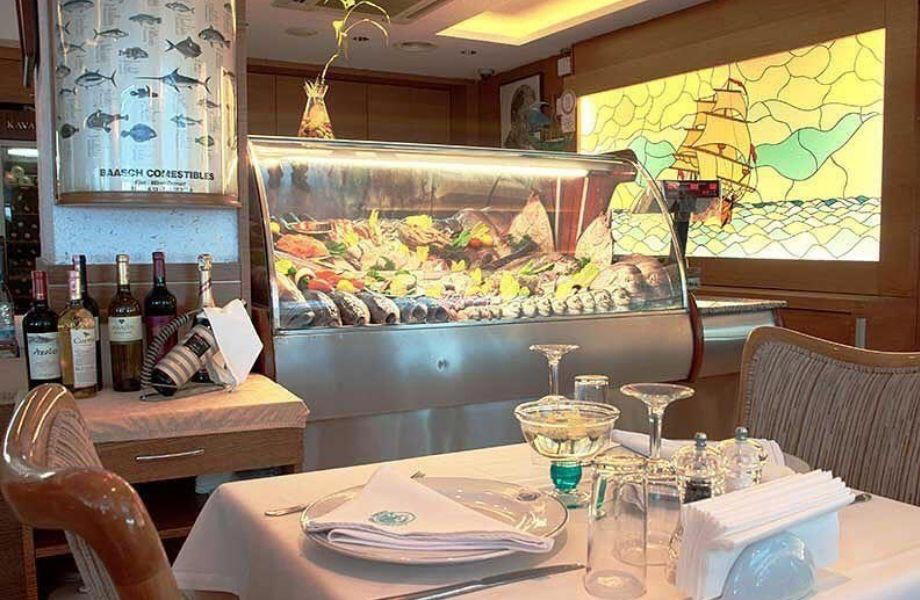
Where the Aegean Arrives at the Table
The stretch of Atatürk Caddesi that runs along Izmir's waterfront has carried the city's civic and culinary identity for generations. Hotels here are not anonymous transit points; they are embedded in the fabric of a city that has always oriented itself toward the sea. Deniz Restaurant, set within the İzmir Palas Oteli, occupies precisely that position: a dining room tied physically and conceptually to the Aegean shore, where the question of ingredient origin is not an abstraction but a daily operational reality shaped by proximity to some of Turkey's most productive coastal waters.
Izmir sits at a geographical crossroads that few Turkish cities can claim. The Gulf of Izmir feeds into among the more biologically active sections of the Aegean, while the surrounding Urla and Çeşme peninsulas produce olive oils, herbs, and wild greens that have structured Aegean cooking for centuries. This is not a secondary or derivative food culture; it is one of the oldest continuous culinary traditions in the Mediterranean basin, and any serious restaurant operating from this address works within that inheritance whether it acknowledges it overtly or not.
The Ingredient Logic of Aegean Hotel Dining
In Istanbul, the farm-to-table conversation has become a marketing posture, separated from the sourcing reality by geography and supply chain complexity. In Izmir, the same conversation carries a different weight. The Karaburun and Urla coastlines lie within an hour of the city centre, and the peninsula's fishing communities operate on a scale that allows direct relationships between kitchen and boat. Restaurants working seriously within this tradition do not need to announce their sourcing credentials; the seasonal availability of red mullet, sea bream, and Aegean octopus makes those credentials legible on the menu itself.
For diners comparing options across the city's dining tier, this matters. Venues like OD Urla and Teruar Urla have built explicit sourcing programs around the Urla hinterland, positioning themselves at the ₺₺₺ to ₺₺₺₺ tier with a clear farm-to-coast identity. Vino Locale approaches a similar sourcing philosophy through a country cooking lens. Deniz Restaurant, operating from its hotel base on the corniche, draws on a different kind of proximity: the city's central market networks, established supplier relationships, and the logistical advantage of a large hotel kitchen that can absorb and process volume from multiple local sources simultaneously.
Hotel dining in Turkish coastal cities has historically been associated with reliability over inspiration, but that framing misses the structural advantage that hotel restaurants hold in ingredient procurement. A kitchen operating at hotel scale can commit to purchase volumes that allow early-morning market access, direct wholesale relationships with fishing cooperatives, and the kind of consistent cold-chain handling that smaller independent restaurants often cannot sustain. At its leading, this translates into Aegean seafood arriving in better condition at the hotel table than at the neighbourhood restaurant that bought from the same market three hours later.
Izmir's Dining Tier and Where This Address Sits
The Izmir restaurant scene has consolidated around a recognisable set of reference points. At the upper end, venues on the Urla and Çeşme peninsulas attract food-focused visitors willing to travel thirty to forty minutes from the city centre for a destination dining experience. In the city itself, the conversation splits between neighbourhood fish restaurants in Kordon and Alsancak, more casual Turkish meyhane formats in the backstreets, and the hotel dining tier concentrated along Atatürk Caddesi and the central waterfront. For a comparison of the broader offer, Izmir's dining tiers map across the city center, the Kordon, and the Urla and Çeşme peninsulas.
The hotel restaurant occupies a specific function within that map. It serves hotel guests who may not know the city well enough to navigate its neighbourhoods confidently, but it also serves local diners who value the reliability of a well-resourced kitchen and a dining room that can accommodate larger groups or more formal occasions. Turkish hotel restaurant culture, at its more considered end, has long maintained a genuine culinary seriousness that does not get enough credit from critics focused on independent operators. Turk Fatih Tutak in Istanbul represents the high-recognition end of that tradition; Maçakızı in Bodrum shows how a hotel-adjacent dining identity can define a destination's entire culinary character.
Izmir has not yet produced a hotel restaurant with that kind of national profile, but the conditions exist. The city's position as Turkey's third-largest urban economy, its strong professional class, and its deep food culture create an audience for hotel dining that goes well beyond room-service logic.
The Aegean Table in Context
Understanding Deniz Restaurant means understanding what Aegean coastal cooking actually is, beyond the tourist shorthand of grilled fish and olive oil. The tradition draws on Greek, Anatolian, and Levantine influences accumulated over millennia, producing a cuisine that handles vegetables with as much attention as protein, that uses wild herbs gathered from coastal scrubland, and that treats olive oil not as a finishing element but as a primary structural ingredient in its own right. Narımor and Adil Müftüoğlu represent two different ways that Izmir restaurants have engaged with this inheritance. Across Turkey, kitchens from Nahita Cappadocia in Nevsehir to Mezegi in Fethiye are grappling with how to make regional Turkish food traditions legible to an international audience without flattening them.
At the coastal hotel level, that translation work often happens quietly, without manifesto or press coverage. The kitchen that sources its sea bass from Urla cooperative boats and its tomatoes from the Bornova market is making ingredient decisions that shape the diner's experience more directly than any menu description. For diners who want to track that sourcing logic more explicitly, Kokorecci Asim Usta in Bornova offers a useful reference point for how intensely local and specific Izmir's food culture can get at the street level.
Planning Your Visit
Deniz Restaurant's address within the İzmir Palas Oteli on Atatürk Caddesi places it on the city's main waterfront boulevard, walkable from central Alsancak and the Kordon promenade. For diners staying elsewhere in the city, the location is accessible by the coastal road along the Gulf of Izmir. The hotel setting suggests a dining room suited to both hotel guests and external diners, with the logistical reliability that comes with a full hotel operation behind the kitchen. A wider Izmir dining itinerary might pair a visit here with peninsula excursions to OD Urla or Teruar Urla, using the city-centre address as a base for more casual meals before or after a longer drive out to the Urla wine country.
Further along the Aegean and Mediterranean coast, Agora Pansiyon in Milas, Ahãma in Göcek, and Divia by Maksut Aşkar in Marmaris illustrate how the same Aegean sourcing logic plays out across different price tiers and coastal settings. For a global benchmark on how ingredient sourcing shapes fine dining at the highest level, Le Bernardin in New York City and Lazy Bear in San Francisco offer useful comparisons for what a kitchen fully committed to sourcing discipline can produce.
Fast Comparison
Comparable venues nearby, for context on price, style, and recognition.
| Venue | Cuisine | Price | Awards | Notes |
|---|---|---|---|---|
| Deniz RestaurantThis venue — the venue you are viewing | Turkish Seafood | $$$ | Not listed | Not listed |
| Esca | Contemporary Mediterranean & International | $$$ | Michelin Plate | Balçova |
| Partal Kardeşler Balık Restorant | Turkish Seafood & Grills | $$ | Bib Gourmand | Balıklıova |
| Balmumu Dükkan Lokanta | Traditional Aegean Turkish | $$ | Michelin Plate | Alsancak |
| Scappi | Modern Italian Fine Dining | $$$ | Michelin Plate | Alsancak |
| Roka Bahçe | Turkish-Bosnian Fusion | $$ | Michelin Plate | Alacati |
Continue exploring
More in Izmir
Restaurants in Izmir
Browse all →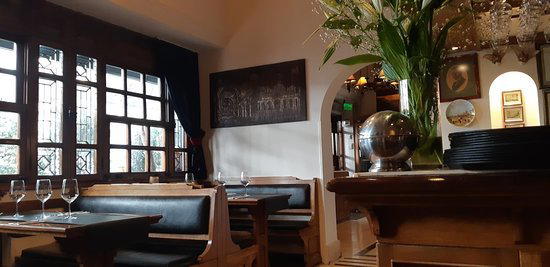
At a Glance
- Scenic
- Elegant
- Business Dinner
- Date Night
- Family
- Waterfront
- Terrace
- Waterfront
Current opening hours
- Monday
- 11 AM–11:30 PM
- Tuesday
- 11 AM–11:30 PM
- Wednesday
- 11 AM–11:30 PM
- Thursday
- 11 AM–11:30 PM
- Friday
- 11 AM–11:30 PM
- Saturday
- 11 AM–12 AM
- Sunday
- 11 AM–11:30 PM
Hours can change for holidays and private events. Last verified .
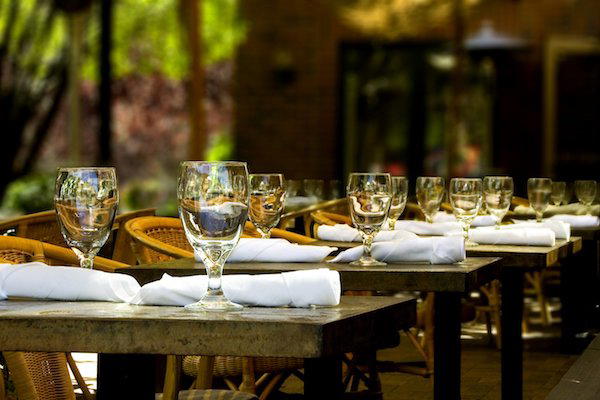
Relaxed seaside atmosphere with terrace seating offering bay views, no-frills interior focused on fresh flavors.