
Michelin Bib Gourmand
Our verdict
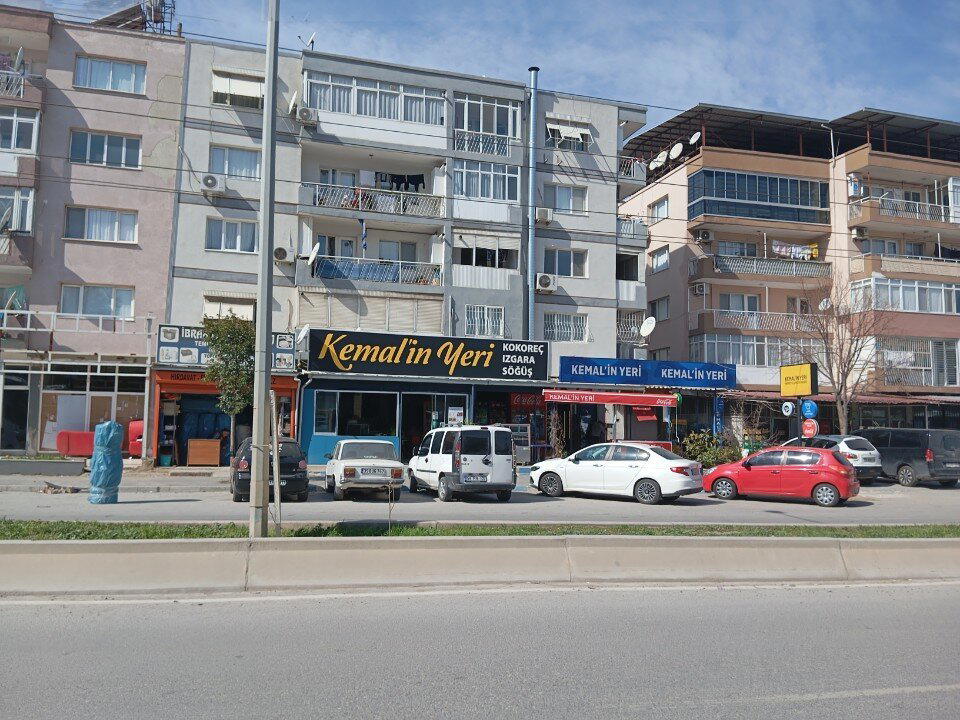
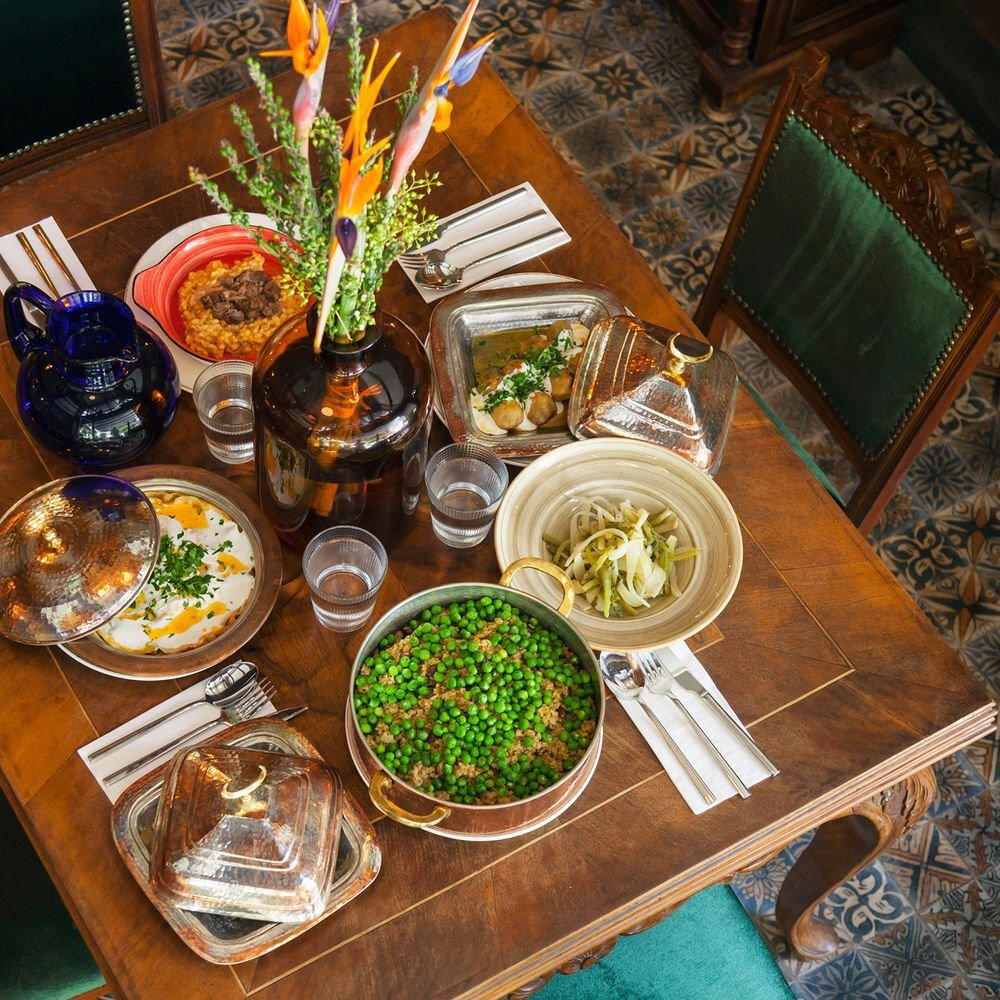
At Kemal'in Yeri, the menu changes daily based on whatever Kemal Özçakar brings back from his morning farm rounds in the Izmir region. Housed in a centuries-old building on a quiet Alsancak street, the kitchen turns market produce into a surprise-format spread that locals fill the room for every service. Fava purées with dill, fried lamb sweetbreads with herbs: the cooking is precise, generously seasoned, and rooted in Aegean tradition.

Pearl is the En Primeur Club membership app, where members save venues, book tables and use the concierge.
The menu
What to order
- Fava bean purée with dill and lemon
- Lamb sweetbreads with oregano, thyme and garlic
- Paçanga
The Room Before the Food
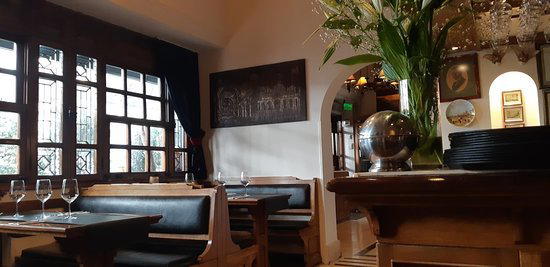
There is a particular kind of Aegean restaurant that exists at the overlap of domestic architecture and civic dining room. Kemal'in Yeri occupies one of those spaces: a centuries-old house on 1453. Sokak in Alsancak, Konak, with the high ceilings and layered plaster surfaces that belong to a different era of Izmir construction. The building does not perform its age, it simply carries it. By midday, the room is packed with locals, a fact more instructive than any published review. Neighbourhood regulars are, as a rule, harder to impress than tourists passing through once, and they are rarely loyal to a table that disappoints them.
Alsancak itself sits at the northern edge of Konak, a district where older residential fabric survives alongside bars and small restaurants. The street-level dining scene here runs from meyhane-format Turkish tables to fish-forward Aegean kitchens, and Kemal'in Yeri operates in that tradition without trying to modernise it for outside consumption. It reads, from the outside and in, as a restaurant made for the city it is in, which, in a coastal Turkish city with a serious food culture, is a significant compliment. For a broader picture of where it sits within Izmir's dining scene, the full Izmir restaurants guide maps the range of options across the city.
How the Menu Works
The structural logic at Kemal'in Yeri is worth understanding before you sit down, because it shapes the entire experience. There is no fixed menu. Each morning, Kemal Özçakar makes rounds to farms in the Izmir region, sourcing vegetables, fruit, and other produce based on what is ready. The kitchen then builds the day's offering from those ingredients, a surprise-format spread that changes with the season and, within a season, with the week. This format is demanding to execute consistently, because the kitchen has no menu to fall back on and no opportunity to standardise dishes across service periods.
The approach places Kemal'in Yeri in a category of Turkish cooking that is older than the current farm-to-table trend: the tradition of the haftalık, the weekly or daily market-based kitchen that predates imported restaurant concepts. What makes the execution here notable is that the cooking does not lean on the seasonal-sourcing narrative as a marketing point. The produce sourcing is the method, not the message. The result arrives as food rather than as ideology.
From the available record, the menu at its finest demonstrates real technical range within apparent simplicity. A fava bean purée with dill and lemon appears as a mezze: the dish is common in Aegean cooking but the execution here, velvety in texture, calibrated in its acidity, reflects careful attention to temperature and proportion. Crisp-fried lamb sweetbreads finished with oregano, thyme, and garlic represent the kind of offal preparation that demands both sourcing confidence and timing precision. These are not difficult dishes to describe, but they are demanding dishes to cook well across daily repetition. The seasoning, noted consistently as generous and exact, is the signature quality more than any individual item.
This model, surprise format, market-driven, mezze-to-main arc, differs from the more structured tasting menus found at restaurants like OD Urla or the cuisine-specific focus at Teruar Urla further along the Urla peninsula. Those kitchens operate with a different set of constraints and a different price tier. Kemal'in Yeri functions closer in spirit to Vino Locale's country cooking sensibility or the accessible Turkish format of Adil Müftüoğlu, though with a daily-change structure that is its own distinct category.
Aegean Cooking in a National Context
Turkish cooking has attracted serious international attention over the past decade, with restaurants like Turk Fatih Tutak in Istanbul placing the cuisine at a fine-dining register and drawing global press. That momentum has also thrown a spotlight on the regional diversity within Turkish food, Aegean, Anatolian, Black Sea, and southeastern cooking are substantially different traditions. The Aegean strand, running through Izmir and its surrounding villages, is defined by olive oil, fresh herbs, legumes, seafood, and seasonal vegetables in ways that have more in common with Greek island cooking than with central Anatolian meat traditions.
Kemal'in Yeri operates squarely within the Aegean register, and the sourcing model reinforces regional specificity: the farms visited each morning are in the Izmir region, so the produce reflects local soil and climate rather than a generic Turkish pantry. This distinguishes it from the more nationally composite menus found at restaurants further from a strong regional farming base. Comparable commitments to Aegean produce and tradition can be found at Narımor in Izmir, and the approach finds different expressions further around the Turkish coast at places like Maçakızı in Bodrum and Ahãma in Göcek.
The broader Turkish regional dining picture also includes 7 Mehmet in Antalya, which anchors a different southern tradition, and Aravan Evi in Ürgüp, which works within Cappadocian Anatolian cooking. Against those reference points, Izmir's Aegean style has a lightness and herb-forward quality that sets it apart within the national range.
Planning a Visit
Kemal'in Yeri is at Alsancak, 1453. Sokak No:22, Konak, a walkable address from the main Alsancak thoroughfares. The daily-changing format and the consistent local demand that fills the room every service both point toward the same practical conclusion: arrive with some flexibility about what you will eat, and do not assume a table will be available without planning ahead. A restaurant running a surprise market menu with a full house of regulars is not the kind of place that holds tables.
Price point data is, but the format, mezze-led, market-sourced, daily-changing, places it structurally in the mid-range of Izmir's serious dining options, below the higher tiers occupied by Teruar Urla and comparable destination kitchens. For those building a wider Izmir itinerary, the city's hotels guide, bars guide, wineries guide, and experiences guide cover the broader picture.
Frequently asked questions
Is Kemal'in Yeri award-winning?
Kemal'in Yeri has received recognition including: Each morning, Kemal Özçakar makes his morning rounds to farms in the region to source fresh vegetables, fruit and other wonderful produce. What follows is a carefully crafted surprise menu that never disappoints. Apparent simplicity belies ….
Where exactly is Kemal'in Yeri?
Kemal'in Yeri is located at Alsancak, 1453. Sokak No:22, Konak, Izmir.
What's the must-try dish at Kemal'in Yeri?
The menu changes daily based on what Kemal Özçakar sources from farms that morning, so no single dish is guaranteed to appear. That said, two preparations stand out in descriptions of the kitchen's range: a fava bean purée with dill and lemon, and crisp-fried lamb sweetbreads finished with oregano, thyme, and garlic. Both reflect the kitchen's approach of precise seasoning over elaborate technique.
Should I book Kemal'in Yeri in advance?
The restaurant fills with locals every day, which signals consistent demand rather than occasional hype. Given the daily-changing format and the limited seating a centuries-old house allows, arriving without a reservation is a risk worth avoiding, particularly at lunch or on weekends. Contact details are not listed publicly, so visiting in person or asking your hotel concierge to arrange a reservation is the practical approach.
Recognition Snapshot
Comparable venues nearby, for context on price, style, and recognition.
| Venue | Cuisine | Price | Awards | Notes |
|---|---|---|---|---|
| Kemal'in YeriThis venue (the venue you are viewing) | Traditional Turkish Regional Cuisine | $20–30 | Michelin Bib Gourmand | Not listed |
| Aslında Meyhane | Traditional Turkish Meyhane | $30–50 | Michelin Bib Gourmand | Urla |
| Tavacı Recep Usta | Traditional Turkish | $20–30 | Michelin Bib Gourmand | Alsancak |
| Kasap Fuat | Turkish Meats and Grills | Not listed | Michelin Plate | Kültür |
| Terakki | Modern Turkish Aegean | Not listed | Michelin Plate | Alaçatı |
| Ristorante Pizzeria Venedik | Classic Italian Pizzeria | $20–30 | Michelin Plate · Wine Spectator Best of Award of Excellence | Alsancak |
Recognition history
Dated appearances from independent guides and award organizations, with the underlying list record or original source where available.
Michelin Bib Gourmand
Michelin
Continue exploring
More in Izmir
Restaurants in Izmir
All restaurants in Izmir →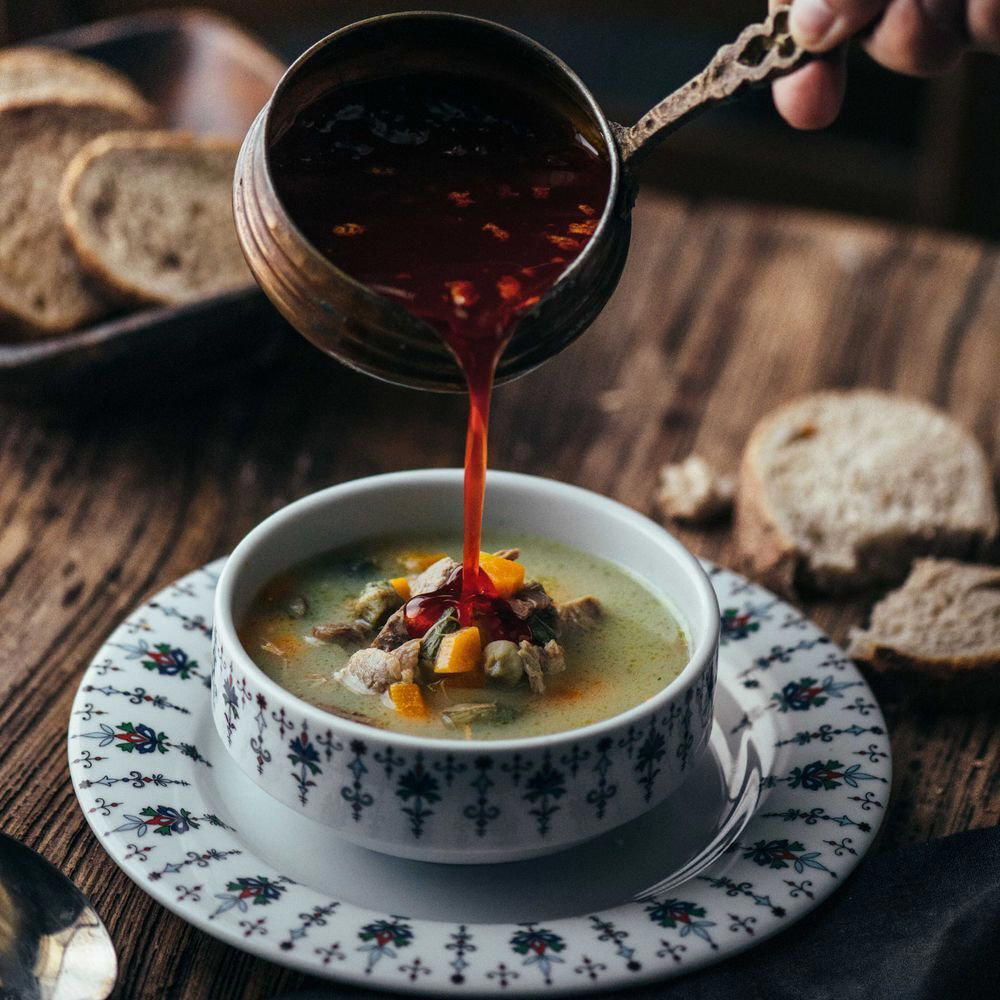
Hotels in Izmir
All hotels in Izmir →
Wineries in Izmir
Browse all →
Details
- Rustic
- Classic
- Cozy
- Well Known
- Casual Hangout
- Group Dining
- Family
- Historic Building
- Standalone
- Farm To Table
- Local Sourcing
- Set Menu
- Family Style
- Vegetarian Friendly
Current opening hours
- Monday
- 1 PM–12 AM
- Tuesday
- 1 PM–12 AM
- Wednesday
- 1 PM–12 AM
- Thursday
- 1 PM–12 AM
- Friday
- 1 PM–12 AM
- Saturday
- 1 PM–12 AM
- Sunday
- Closed
Hours can change for holidays and private events. Hours as of .