Delbar

Michelin Plate
Our verdict
Delbar brings the communal, herb-forward traditions of Persian and broader Middle Eastern cooking to Inman Village with a consistency that has earned consecutive Michelin Plate recognition in 2024 and 2025. The format rewards sharing, patience, and an appetite for food that unfolds in layers rather than arriving all at once.

Pearl is the En Primeur Club membership app — saves, bookings, and concierge access live there. Same editors, same standards.
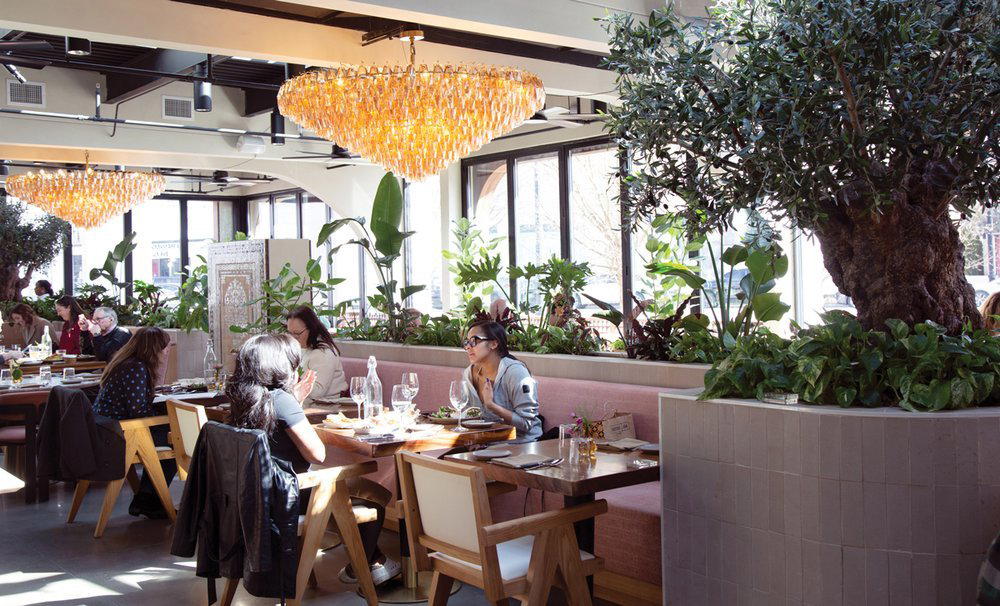
The Ritual Before the First Bite
There is a particular rhythm to eating well in the Middle Eastern tradition, and Inman Village's Delbar has built its entire format around it. Dishes arrive not in the linear procession of a Western tasting menu but in overlapping waves, the table gradually filling with small plates, dips, and herb-laden accompaniments that ask diners to slow down, pour more wine, and figure out what they actually want to eat next. That pacing is not an accident. It reflects a dining culture where the table itself is the destination, not merely a staging ground for individual courses.
Delbar sits at 870 Inman Village Parkway NE, in a neighbourhood that has matured considerably over the past decade from its post-industrial roots into one of Atlanta's more considered dining destinations. The address places it at a distance from the concentrated fine-dining corridor around Buckhead and Midtown, where one-star Michelin operators like Atlas and Bacchanalia operate, and also from the tasting-menu specialists like Lazy Betty and Hayakawa. Inman Village operates on a different register: neighbourhood-anchored, accessible in price, but serious in execution.
What Michelin Plate Recognition Actually Means Here
Michelin awarded Delbar a Plate in both 2024 and 2025, a designation that the guide reserves for restaurants producing food of consistent quality that inspires the inspectors to return but does not yet meet the additional criteria for a star. In practical terms, a Plate signals that the kitchen is operating at a level above its price bracket. For a restaurant priced at $$, that gap between price point and recognised quality is meaningful. Atlanta's starred restaurants, including Lazy Betty and the omakase counter Mujō, operate at significantly higher price tiers. Delbar's consecutive Plate recognition places it in the rarer category of accessible-priced restaurants that Michelin inspectors find worth noting, a smaller cohort than the starred list and, in some respects, a more useful one for the reader planning an actual week of eating in Atlanta.
Ratings at that scale and consistency are unusual; they tend to emerge from restaurants where the experience is repeatable rather than dependent on a single great visit. The volume suggests a broad base of returning diners, not just one-time visitors chasing a reservation.
The Mechanics of Sharing at Table
Middle Eastern communal dining operates on principles that differ substantially from both the tasting-menu format dominating Atlanta's fine dining tier and the casual-American approach of ordering one dish per person. The expectation at a table like Delbar's is that multiple plates arrive together, are passed, negotiated, and depleted collectively. That requires a different kind of attention from the diner: less passive receipt of what the kitchen decides to send, more active engagement with what is on the table and what it needs.
The Persian and Levantine traditions that inform this kind of cooking share a particular emphasis on freshness and contrast. Herbs function not as garnish but as primary material. Acidity, often from preserved lemons, pomegranate molasses, or fermented dairy, appears alongside richness rather than after it. The result is a table that demands more of the eater's palate than most cuisines in the American restaurant context do. That is, in part, why the format rewards groups of three or more, who can work through a wider range of the menu without over-ordering any single dish.
For diners more accustomed to the structured progression of Atlanta's tasting-menu scene, where operators like Lazy Betty or the technically precise kitchens found at Alinea in Chicago or Le Bernardin in New York City set the pace entirely, the communal format at Delbar can initially feel less guided. That is a feature, not a failure. The pacing is returned to the table.
Atlanta's Middle Eastern Dining in Context
Middle Eastern restaurants occupy a specific and underexamined position in American fine dining. In cities like Dubai and Doha, operations such as Bait Maryam and Baron have demonstrated that the cuisine can anchor serious, high-investment dining experiences with full critical attention. In American cities, the category has moved more slowly through the critical recognition pipeline, often sitting in a mid-price bracket regardless of execution quality. Delbar's consecutive Michelin recognition represents a correction of sorts: an acknowledgment that the cooking is operating at a level that merits formal critical notice.
Within Atlanta specifically, the cuisine fills a gap. The city's Michelin-recognised restaurant list skews heavily toward New American, contemporary tasting formats, and Japanese precision counters. A restaurant working within the herb-forward, fire-adjacent traditions of Persian and broader Middle Eastern cooking occupies its own category rather than competing directly within those formats.
For comparative reference beyond Atlanta, the communal Middle Eastern format shares structural DNA with the kind of hospitality-forward, sharing-plate experiences one encounters at Emeril's in New Orleans or the ingredient-led discipline of Single Thread Farm in Healdsburg, though the traditions informing the cooking differ entirely.
Planning a Meal at Delbar
Delbar is priced at the $$ tier, which in Atlanta's restaurant context places it well below the tasting-menu operators and broadly accessible for multiple visits. The address in Inman Village is most practically reached by car or rideshare; street parking exists in the area but varies.
Groups of three to five will get the most from the menu format. Pairs can eat well but may find the range of the menu harder to explore. The $$ price point means that ordering generously remains within reach without the planning required at Atlanta's higher-price tier operators. For anyone building a longer Atlanta itinerary that spans the full dining register, our full Atlanta restaurants guide maps the scene across price points and formats, and our Atlanta hotels guide, bars guide, wineries guide, and experiences guide cover the city's broader offer.
Frequently asked questions
Does Delbar have a Michelin star or similar recognition?
Delbar has received recognition including: Michelin Plate (2025); Michelin Plate (2024).
What's the best thing to order at Delbar?
Delbar's Michelin Plate recognition in both 2024 and 2025 points to consistent kitchen execution across the full spread, not a single standout item. Order for the table, not the individual.
Is Delbar expensive?
Pricing at Delbar is listed as $$.
Quick Comparison
A quick peer reference to anchor this venue in its category.
| Venue | Cuisine | Price | Awards | Notes |
|---|---|---|---|---|
| DelbarThis venue — the venue you are viewing | Persian Middle Eastern | $50–100 | Michelin Plate | Not listed |
| Bacchanalia | Contemporary American Fine Dining | $100–150 | 1 Michelin Star · James Beard Award Best Chefs | New American, American |
| Lazy Betty | Modern Inventive Tasting Menu | $200–300 | 1 Michelin Star · Star Wine List | Contemporary |
| Staplehouse | New American Fine Dining | $50–100 | Michelin Plate | New American, Contemporary |
| Atlas | Modern American Fine Dining | $200–300 | 1 Michelin Star · La Liste Top Restaurants | Modern European, New American, American |
| Gunshow | Modern Southern Dim Sum-Style | $50–100 | Michelin Plate | Northern Chinese, American |
Recognition history
Dated appearances from independent guides and award organizations, with the underlying list record or original source where available.
Michelin Plate
Michelin
Full recognition history (2 entries)
Michelin Plate
Michelin
Continue exploring
More in Atlanta
Restaurants in Atlanta
All restaurants in Atlanta →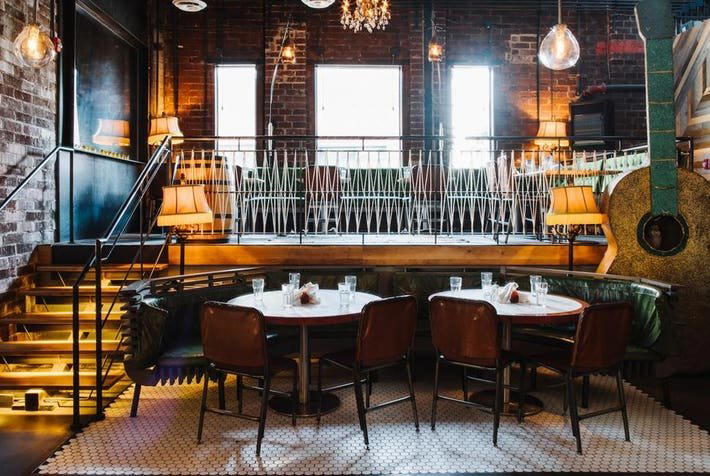
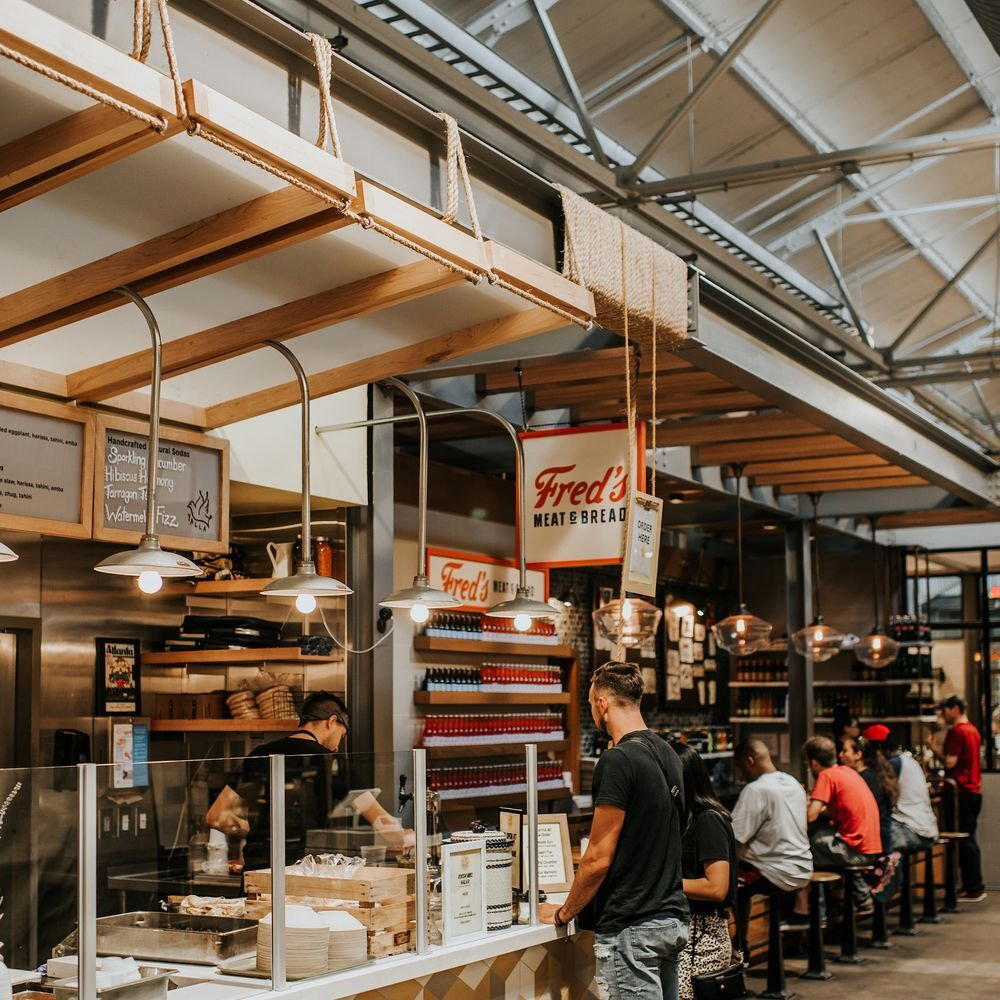
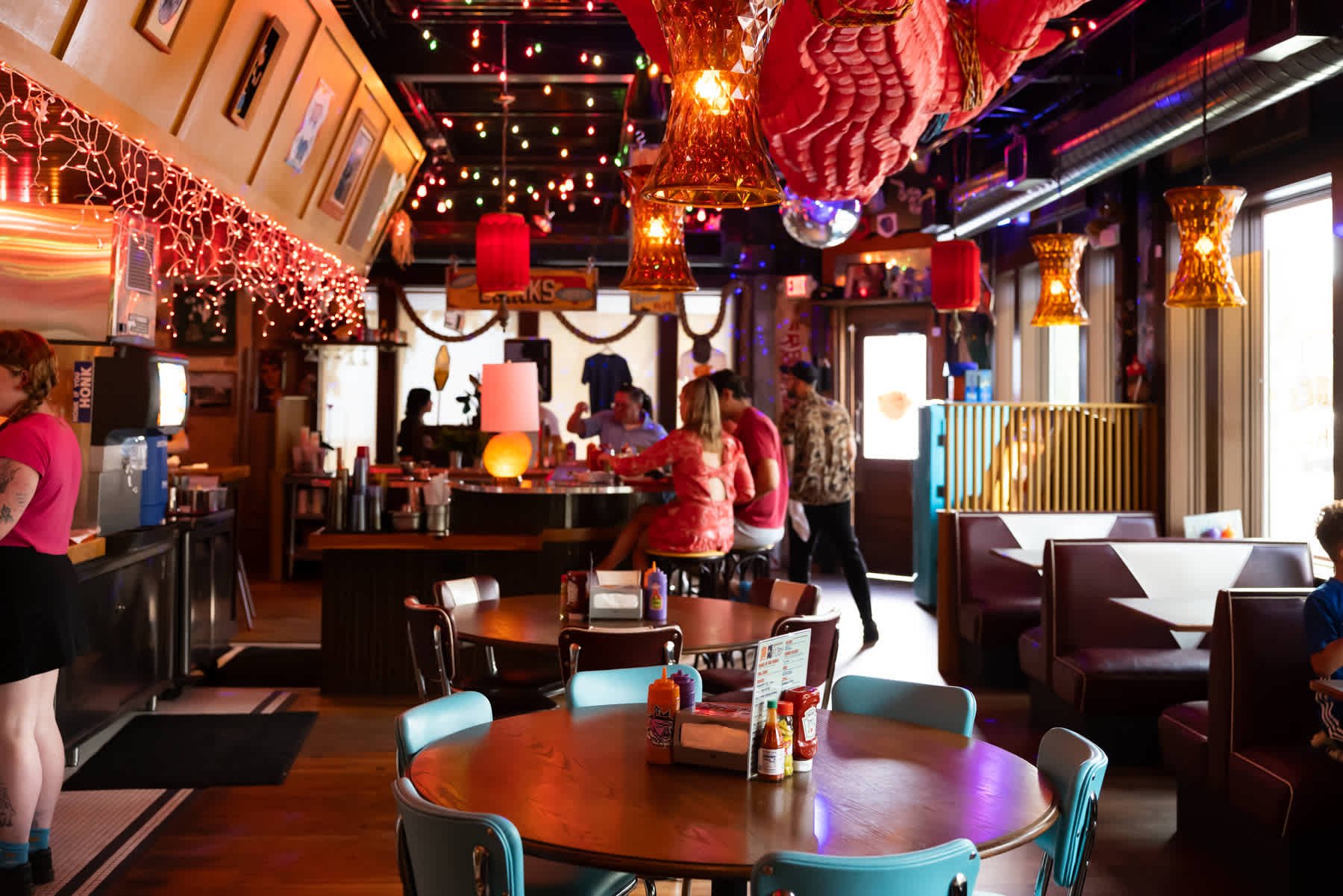
Bars in Atlanta
All bars in Atlanta →






Details
- Elegant
- Lively
- Trendy
- Sophisticated
- Date Night
- Group Dining
- Special Occasion
- Open Kitchen
- Terrace
- Craft Cocktails
- A La Carte
- Small Plates
- Vegetarian Friendly
- Vegan Options
Current opening hours
- Monday
- 4–10 PM
- Tuesday
- 4–10 PM
- Wednesday
- 4–10 PM
- Thursday
- 4–10 PM
- Friday
- 4–11 PM
- Saturday
- 11 AM–11 PM
- Sunday
- 11 AM–9 PM
Hours can change for holidays and private events. Last verified .
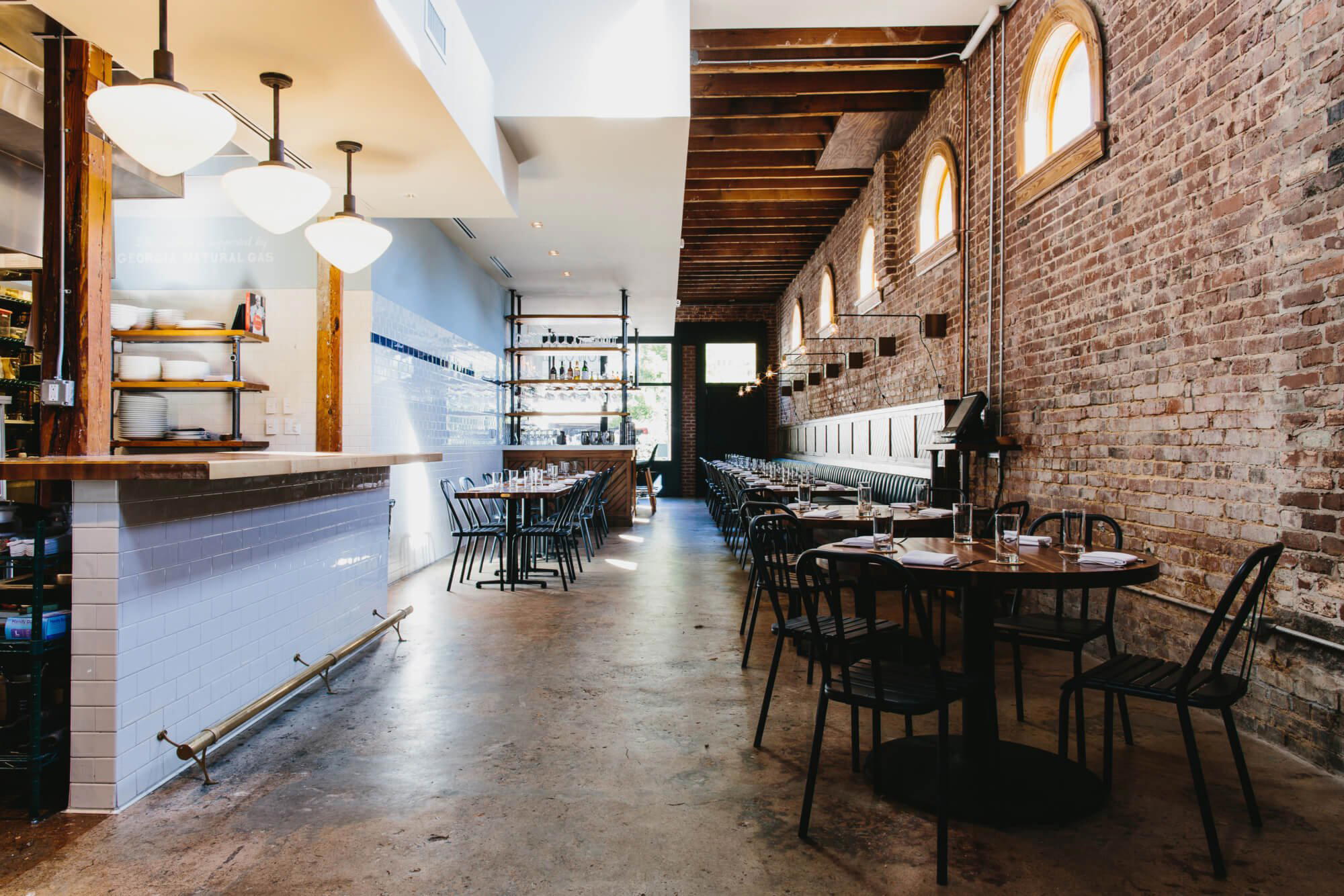
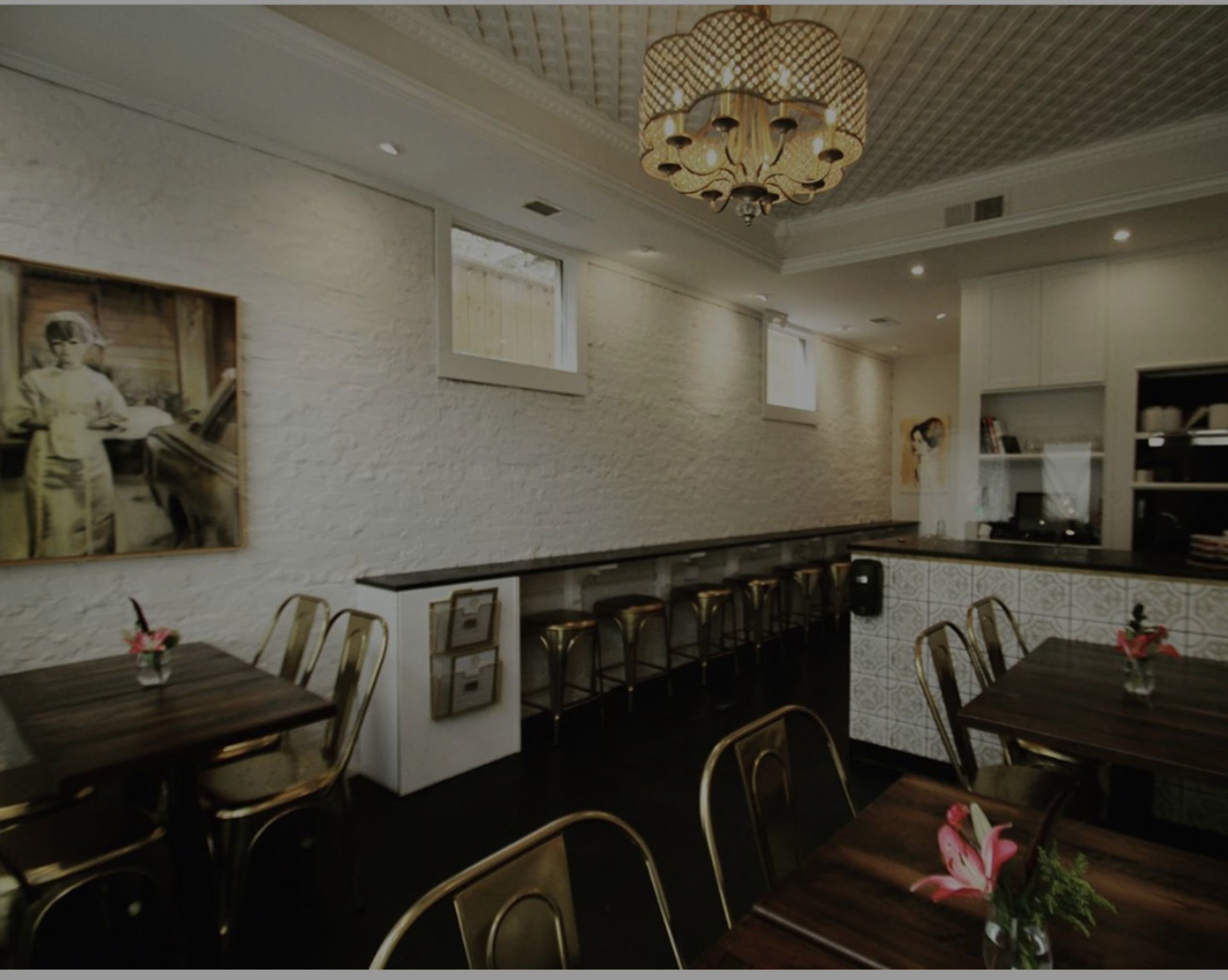
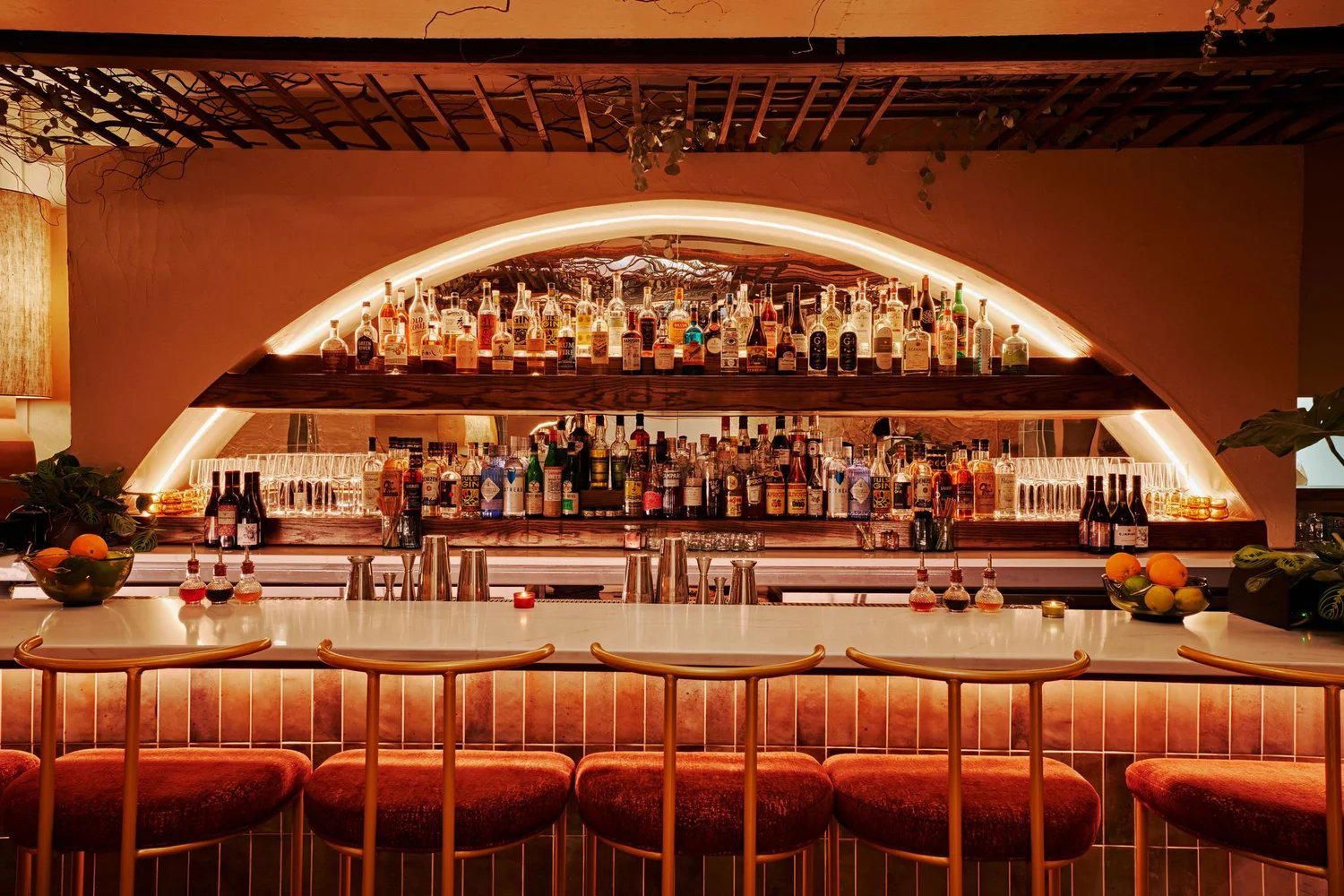
Elegant design with mood lighting, plants, and chandeliers creating a warm, lively setting.