
On Dominick Street in Galway's west end, Dela operates as a restaurant, roastery, and working farm rolled into one coherent project. Produce from Clooniffe farm anchors a kitchen now directed by Shannon Di Cola Schiano, whose approach suits the venue's longstanding character: serious about ingredients, unshowy about it. The weekend brunch is a fixture in Galway's eating calendar.
Pearl is the En Primeur Club membership app — saves, bookings, and concierge access live there. Same editors, same standards.
- Address
- 51 Dominick St Lower, Galway, H91 E3F1, Ireland
- Phone
- +353 91 449 252
- Website
- dela.ie
- Directions
- Get directions
 Saves & bookings on Pearl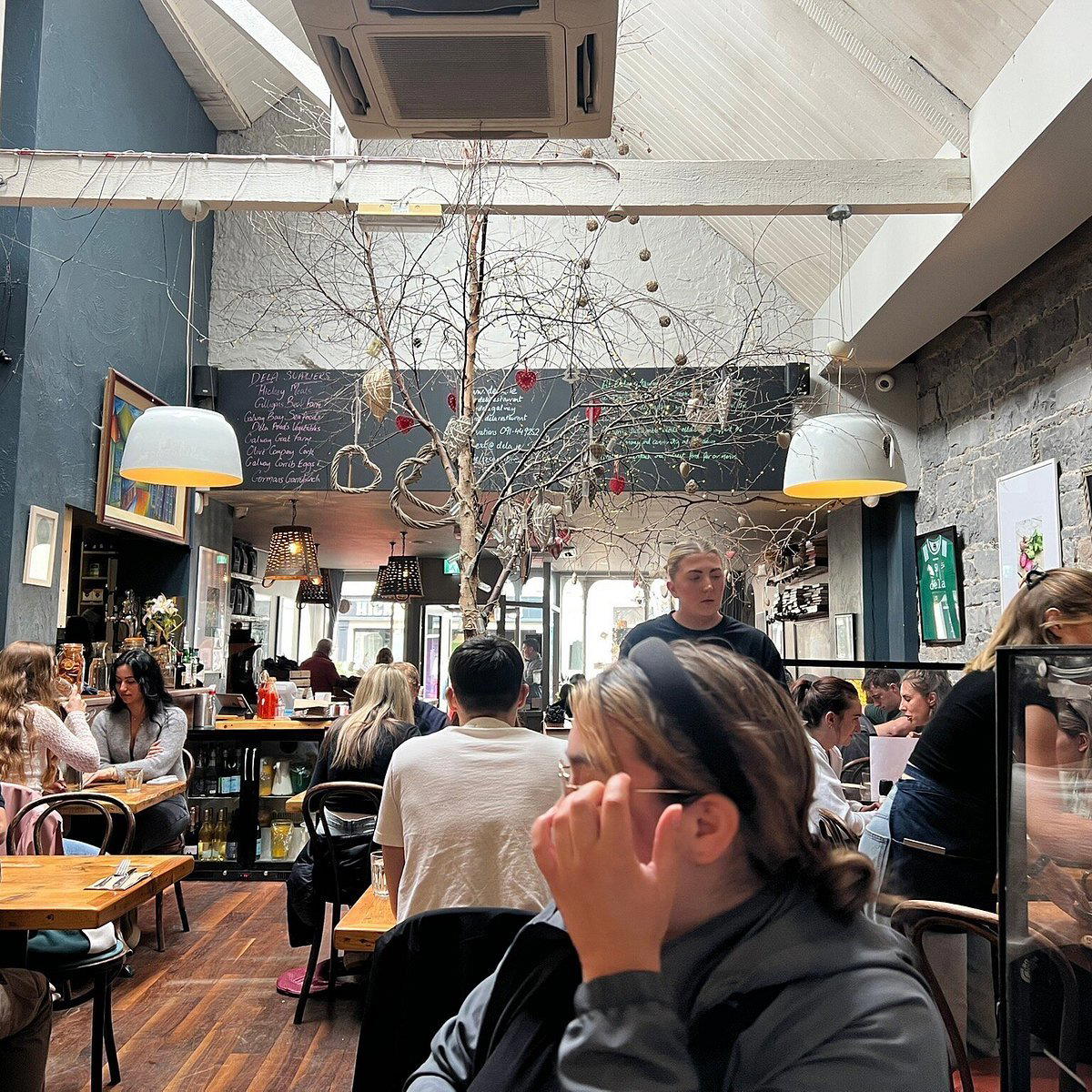
Dominick Street and What It Asks of a Restaurant
The west end of Galway, anchored by Dominick Street Lower, has developed a particular kind of food culture over the past decade: independent, ingredient-focused, slightly resistant to the polish of the city's more tourist-facing dining corridor. The street rewards venues that commit to something specific rather than casting wide. Dela, at number 51, has operated in that spirit since its founding by Joe and Margaret Bohan, combining a restaurant with a roastery and a working farm — Clooniffe — that feeds directly into the kitchen. That combination is not branding. It sets the operational constraints and creative possibilities that define what appears on the plate.
In a city where Aniar holds the formal fine-dining benchmark at the Michelin one-star level and Kai Restaurant has built sustained recognition around produce-led cooking, Dela occupies its own position: less formal than Aniar, more structured around farm ownership than Kai. The Clooniffe farm supply creates a direct editorial line from soil to dish that most urban restaurants can reference only abstractly. Here it is a logistical fact.
The Kitchen's Current Direction
Shannon Di Cola Schiano has led the kitchen for approximately the past year, and the transition has been noted by those following the Galway dining scene closely. The direction fits the venue's established character rather than redirecting it. What has sharpened is the handling of the farm's output: land cress, purple potatoes, banana shallots, pea shoots, kale leaves, and marigold petals are not garnishes in the decorative sense but functional components whose freshness and provenance justify their presence in each dish.
This is a useful point of comparison when placing Dela against the broader Irish independent restaurant scene. At places like dede in Baltimore or Bastion in Kinsale, the sourcing story often travels from farm or sea to kitchen via supplier relationships. At Dela, the ownership of the supply chain is more direct, which changes the creative calculus available to the cook. Small-batch, highly seasonal, occasionally imperfect produce arrives in quantities that reflect what the farm actually yields rather than what a wholesale order allows.
The results in the current menu direction reflect that constraint productively. Flank steak with Dunmore Brie is cited as a dish where the banana shallots carry material weight, not as a supporting note but as a component that changes the character of the plate. White beans with green tomatoes is framed around kale and a romesco verde sauce, an arrangement that asks vegetable-forward combinations to do serious flavour work. These are not dishes structured around luxury ingredients or technical spectacle. They are structured around the specificity of what the farm produces and what the kitchen does with it.
Brunch as a Galway Institution
The weekend brunch at Dela has acquired the status of a regular fixture in the city's eating calendar, which is a different thing from being merely popular. In Galway, a city with enough good options that casual visitors have genuine choices, a brunch that draws consistent early arrivals has earned that position over time rather than through novelty. The instruction to arrive early is practical rather than promotional: tables at Dela's brunch are not a resource that expands to meet demand.
Among Galway's broader dining week, brunch occupies an interesting structural role. The city's most discussed dinner operations, including Ard Bia and daróg, each address different parts of the market, but the Saturday and Sunday morning window at Dela has few direct competitors at the same level of farm-to-table coherence. That gap is part of why the weekend service carries the weight it does.
Where Dela Sits in the Irish Independent Scene
Ireland's independent restaurant sector has developed a recognisable strand of farm-connected, ethos-driven operations over the past fifteen years, and Dela belongs clearly within it. At the formal end, Liath in Blackrock and Chapter One by Mickael Viljanen in Dublin represent the tier where technical ambition and ingredient sourcing converge at a high price point. At the other end, neighbourhood bistros and casual cafes draw on local suppliers without the same structural commitment. Dela occupies a middle position that is harder to define and arguably more interesting: serious enough in its food thinking to draw comparisons with Campagne in Kilkenny or Terre in Castlemartyr, but grounded in a community character that keeps the formality low.
The roastery adds a dimension that most farm-to-table restaurants lack. Coffee sourcing and roasting at this level requires the same kind of supply-chain thinking as vegetable and meat procurement, and the presence of both under one ownership suggests a project with consistent underlying values rather than one that applies farm credentials selectively. For visitors coming to Galway from cities where this kind of integrated operation is rare, Dela represents a format worth understanding on its own terms before comparing it to reference points elsewhere.
For those tracking Ireland's independent scene against international benchmarks, it is worth noting that the structural model Dela represents, farm-owned, roastery-connected, with a kitchen that treats small-scale produce as the primary creative material, has parallels in operator-led restaurants in cities like New York, where venues such as Atomix and Le Bernardin approach the question of ingredient integrity from very different price points and contexts. The comparison is not one of scale or ambition but of seriousness about supply: a quality that does not require Michelin recognition to be legible to an informed diner.
Planning a Visit
Dela is located at 51 Dominick Street Lower in Galway's west end, a short walk from Eyre Square but in a different neighbourhood register. For weekend brunch, arriving early is the reliable advice, the service is a known draw and the room does not expand. Galway itself is well served by rail from Dublin Heuston, with the journey running approximately two and a quarter hours, and the city's compact centre means the restaurant is walkable from all central accommodation. Those building a wider Galway itinerary will find the city's food and drink scene mapped across our full Galway restaurants guide, with further options across hotels, bars, wineries, and experiences also covered. Blackrock Cottage is among the options worth pairing with a Dela visit for those spending more than a single day in the city.
The Minimal Set
A quick peer reference to anchor this venue in its category.
| Venue | Cuisine | Price |
|---|---|---|
| DelaThis venue — the venue you are viewing | Not listed | Not listed |
| Aniar | Modern Irish, Modern Cuisine | €€€€ |
| daróg | Modern Cuisine | €€ |
Recognition history
Dated appearances from independent guides and award organizations, with the underlying list record or original source where available.
The Sunday Times Ireland’s 100 Best Restaurants
The Sunday Times

At a Glance
- Cozy
- Intimate
- Elegant
- Rustic
- Date Night
- Brunch
- Casual Hangout
- Group Dining
- Family
- Standalone
- Craft Cocktails
- Beer Program
- Farm To Table
- Local Sourcing
Current opening hours
- Monday
- 9:30 AM–3 PM
- Tuesday
- 9:30 AM–3 PM
- Wednesday
- 9:30 AM–3 PM
- Thursday
- 9:30 AM–3 PM, 6–10 PM
- Friday
- 9:30 AM–3 PM, 6–10 PM
- Saturday
- 9:30 AM–3 PM, 6–10 PM
- Sunday
- 9:30 AM–4 PM
Hours can change for holidays and private events. Last verified .
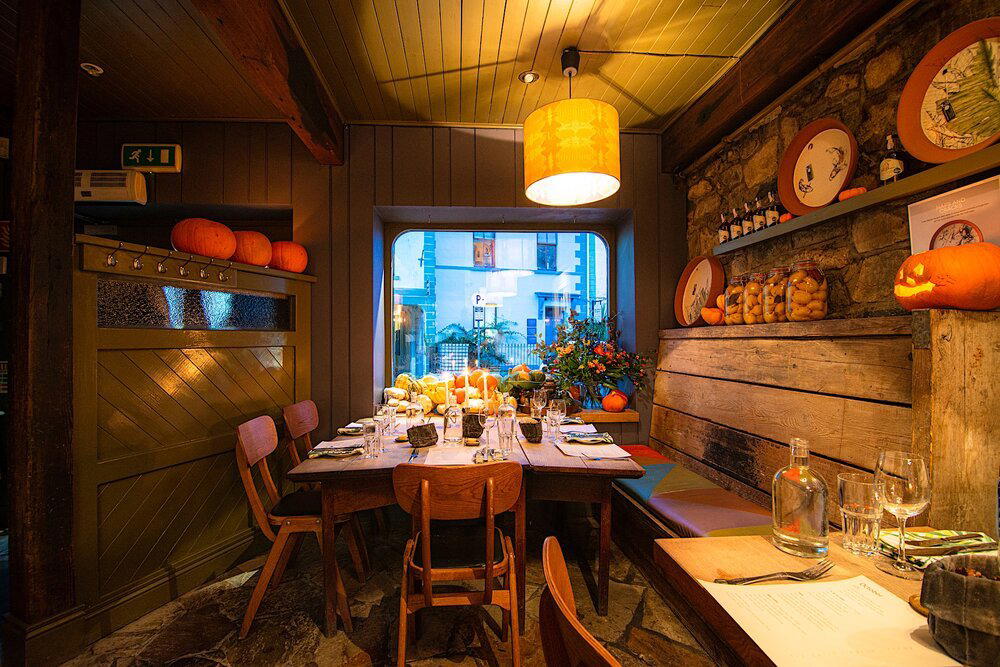
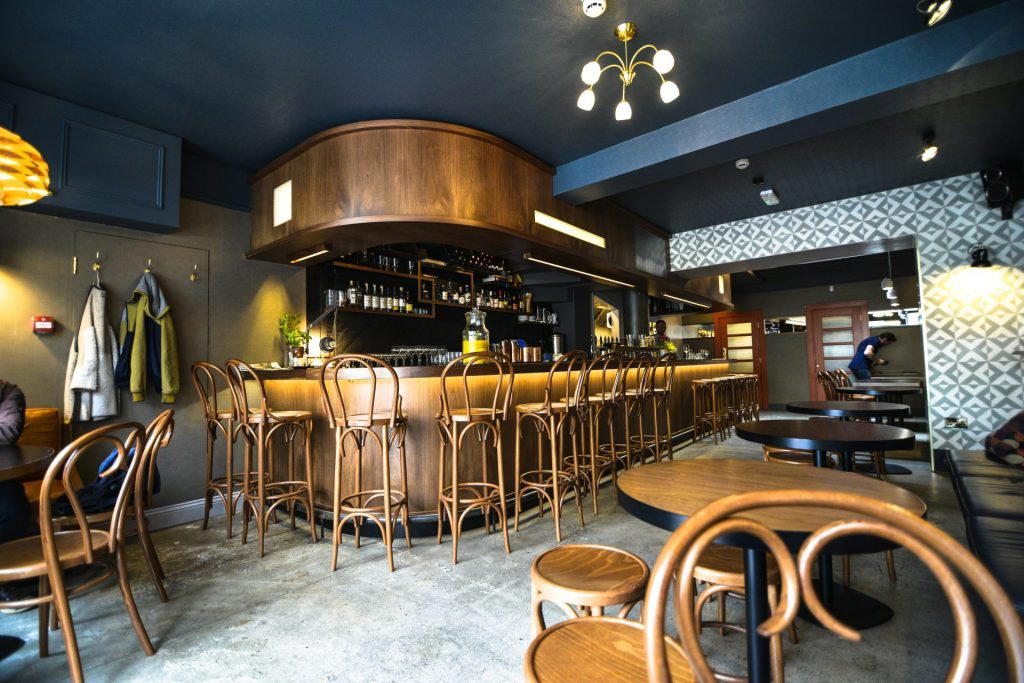
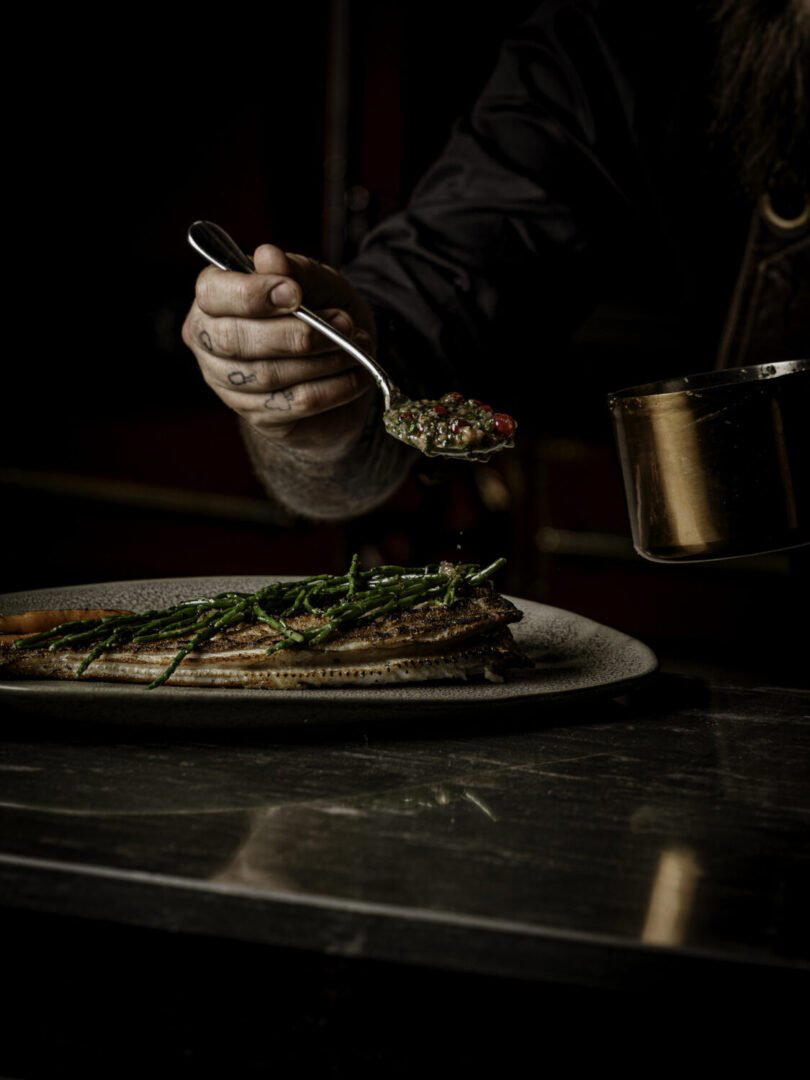
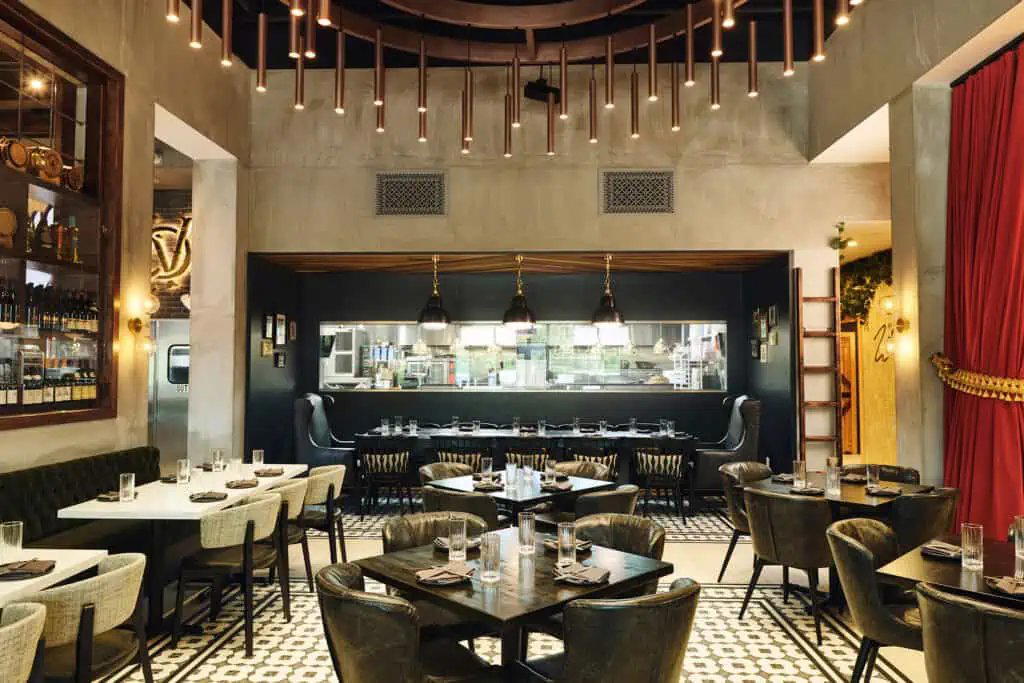
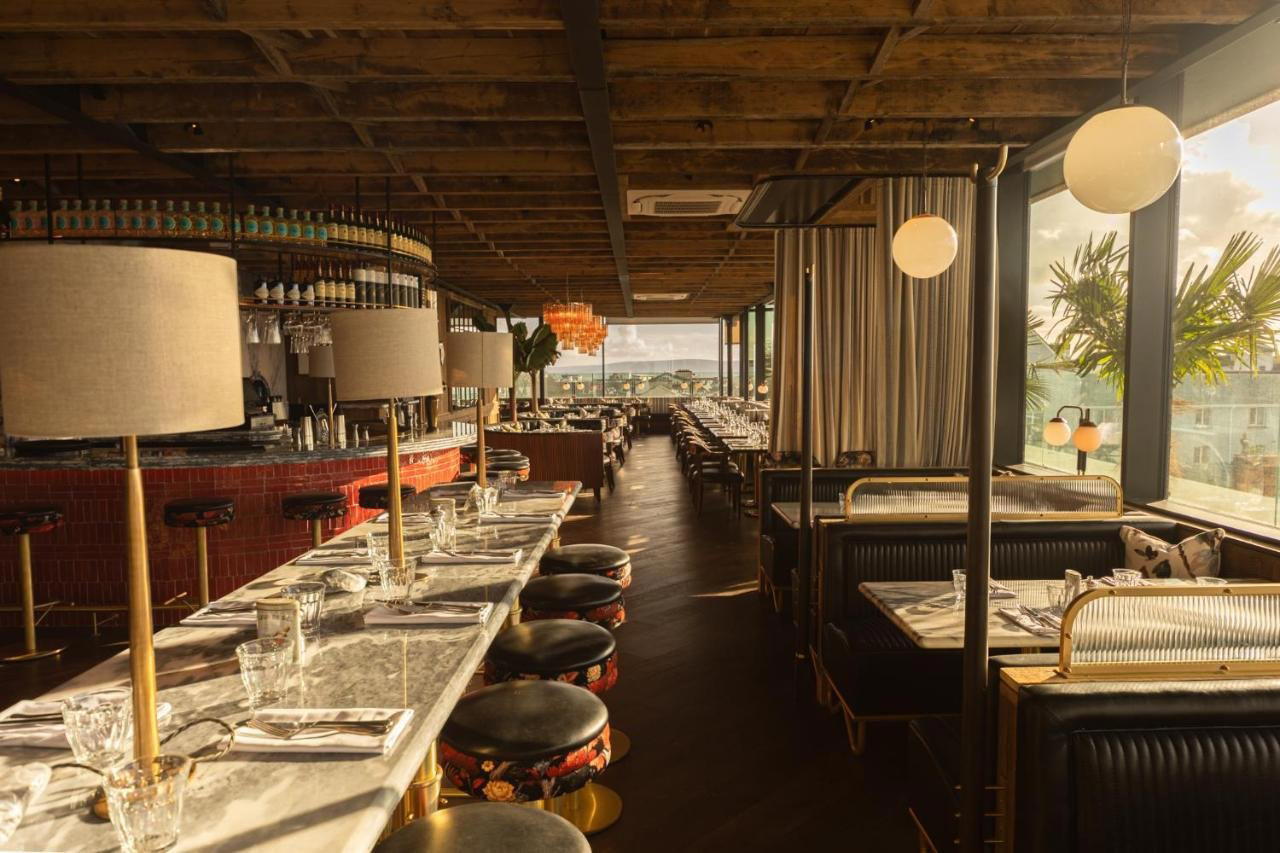
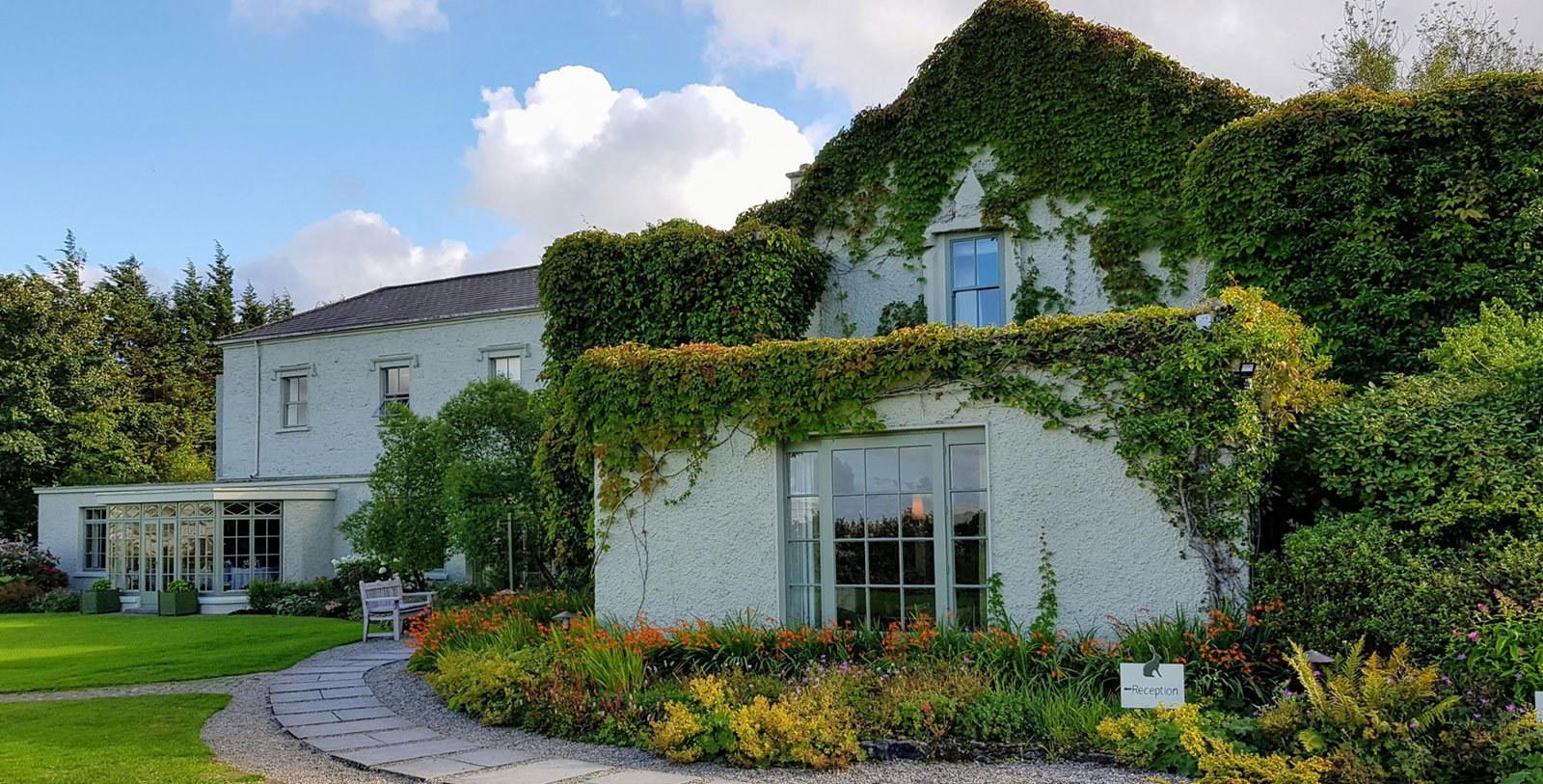
Warm, welcoming, and intimate with twinkly lights, gentle clinking of glasses, and a cosy atmosphere; described as having a homey feel with careful attention to detail in plating and presentation.
Know Before You Go
- Getting there
- 51 Dominick St Lower, Galway, H91 E3F1, Ireland