


On Sea Road in Galway's West End, Kai has spent fourteen years shaping the city's food culture as much as reflecting it. A Michelin Plate holder running on local produce and seasonal instinct, the restaurant operates two distinct formats: walk-in lunches built around one course and house-baked pastries, and a three-course evening à la carte that draws from the surrounding landscape and lesser-known wine producers.
Pearl is the En Primeur Club membership app — saves, bookings, and concierge access live there. Same editors, same standards.
- Address
- 22 Sea Rd, Galway, H91 DX47, Ireland
- Phone
- +353 91 526 003
- Website
- kairestaurant.ie
- Directions
- Get directions
 Saves & bookings on Pearl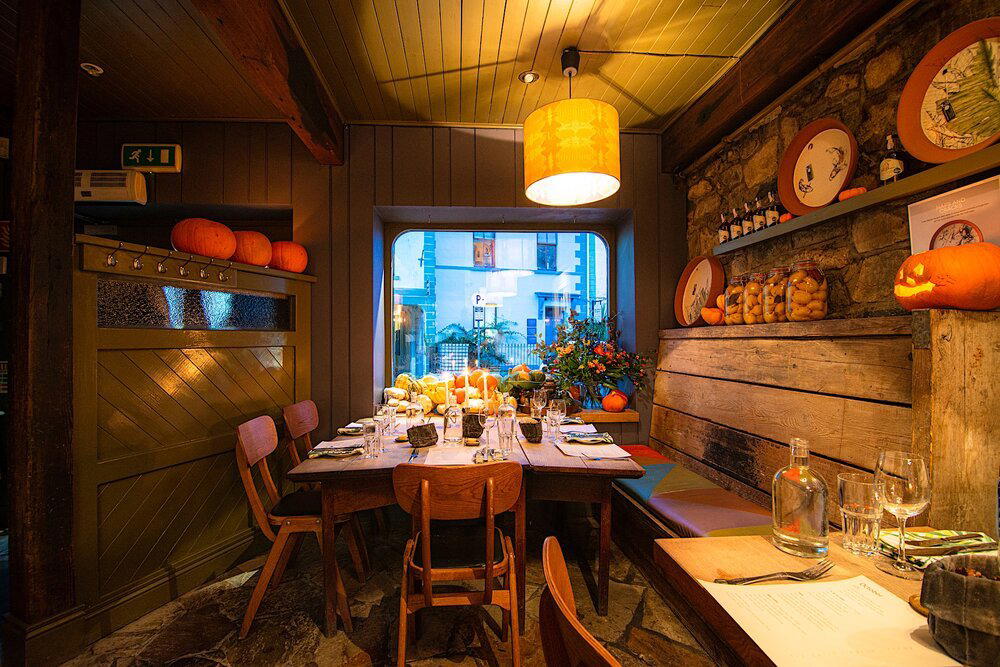
Sea Road and What It Tells You About Galway's West End
Sea Road runs west from the city centre toward Salthill, and the stretch around number 22 has become one of the more telling indicators of how Galway eats. This part of the West End sits at a slight remove from the tourist circuit of Shop Street and Quay Street, which means the restaurants here tend to answer to a local audience first. That selection pressure produces a different kind of place: kitchens that earn repeat business through consistency rather than novelty, and rooms that feel inhabited rather than staged. Kai has occupied this address for fourteen years, and its longevity on Sea Road is not incidental to what it has become.
Galway's food scene has grown considerably during that period. The city now holds multiple Michelin-recognised addresses, and the conversation around Irish seasonal cooking has matured to the point where producers, provenance, and technique are discussed at the bar as readily as the food on the plate. Kai sits within that broader shift but also helped generate it. For context on how the broader dining picture fits together across the city, our full Galway restaurants guide maps the current range of options.
Two Restaurants, One Address
The practical structure of Kai is worth understanding before you arrive, because the lunch and dinner experiences operate on meaningfully different terms. At lunch, the kitchen takes walk-ins only and serves a single course alongside homemade cakes and pastries from the in-house bakery. The format is deliberately low-barrier, almost café-adjacent in its accessibility, and it draws a mix of locals and visitors who treat it as an anchor point in the working week. The baking operation is taken seriously enough to function as a draw in its own right.
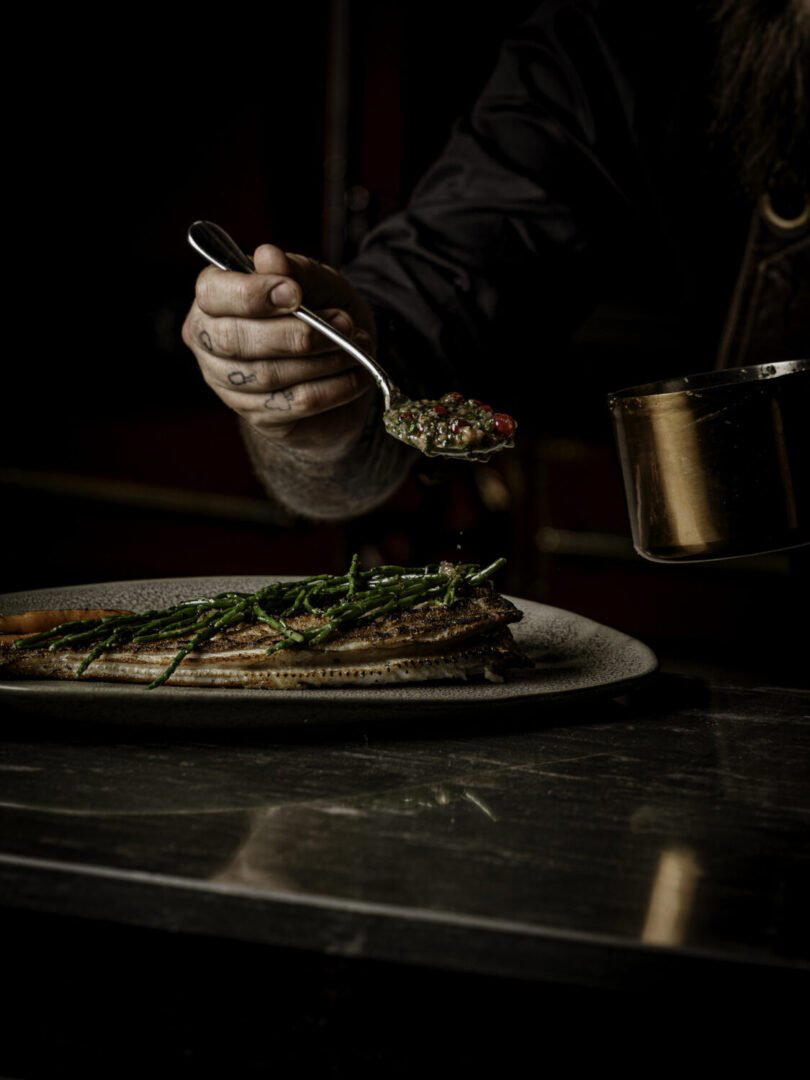
Dinner runs as a three-course à la carte, and the register shifts accordingly. The menu is guided by season and locality, with dishes that tend toward restraint in their composition: a handful of ingredients, relationships between flavour built through technique rather than accumulation. The awards entry notes combinations like ox-tongue terrine with black walnut and aioli, hake with 'nduja broth and clams, and striploin with XO butter and miso hispi cabbage. These are dishes that resist easy categorisation, drawing from European tradition but moving freely across influence when the produce calls for it.
This dual-format model is more common in cities with a strong café culture than in Irish dining contexts, and it gives Kai an unusually wide reach across the day. It also means the restaurant functions differently depending on when you visit, which is worth factoring into any planning.
Where Kai Sits in the Galway Dining Tier
Kai holds a Michelin Plate for 2025, a distinction that signals inspectors found cooking worth noting without elevating it to star level. In Galway's current dining map, that positions it in a mid-to-upper tier alongside addresses like daróg and Dela, and at a different price point from Aniar, which operates at the €€€€ level.
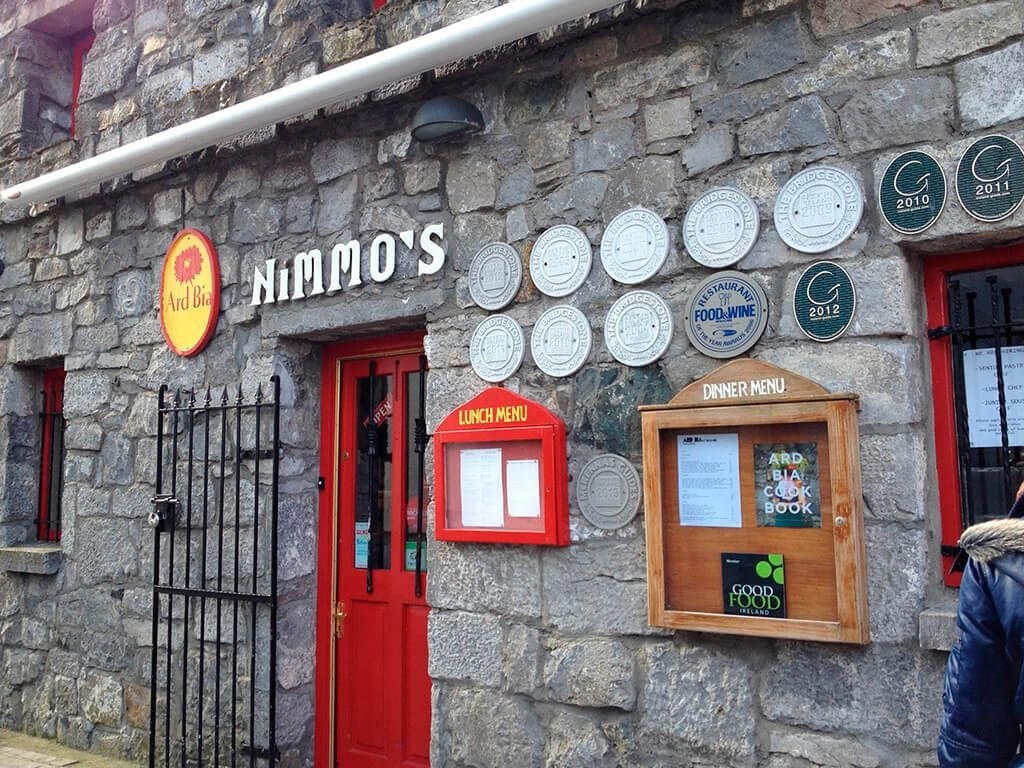
Within the broader Irish context, the approach at Kai shares some ground with places like Ard Bia in its commitment to produce-led cooking in an informal room, and with Blackrock Cottage in its neighbourhood-first positioning. Nationally, the model of high-quality seasonal cooking at accessible price points has found expression at places like dede in Baltimore and Bastion in Kinsale, while the more technically ambitious end of Irish modern cuisine is represented by addresses such as Aniar in Galway itself, Liath in Blackrock, and Chapter One by Mickael Viljanen in Dublin. At the international end of the modern cuisine register, Frantzén in Stockholm and FZN by Björn Frantzén in Dubai represent a more resource-intensive tier against which Kai is clearly not competing, nor trying to.
The Wine List as a Directional Signal
Ireland's natural and orange wine movement has developed steadily over the past decade, and a restaurant's list often signals its overall sensibility more clearly than the menu does. Kai's wine approach, described in the Michelin notes as concise and weighted toward lesser-known producers with a clear preference for natural and orange styles, is consistent with the kitchen's instinct toward restraint and craft. A short list built around unfamiliar names requires a level of conviction that a longer, safer selection does not. It also tends to attract a particular kind of regular: someone who is eating out frequently enough to be curious rather than cautious about what's in the glass. For broader context on Galway's drinks culture, see our full Galway bars guide and our full Galway wineries guide.
Culture Embedded, Not Imported
Fourteen years in a city the size of Galway is a meaningful number. The restaurant has operated through multiple cycles of the local economy, through the growth of the Galway International Arts Festival into a major cultural event, and through the city's increasing visibility as a food destination. The Michelin notes describe Kai as having embedded itself into Galway's food and festival culture and, more pointedly, as having played a part in defining it. That kind of institutional weight is difficult to manufacture and takes time to accumulate. For visitors building a fuller picture of what Galway offers beyond the table, our full Galway hotels guide and our full Galway experiences guide are worth consulting alongside the restaurants guide.
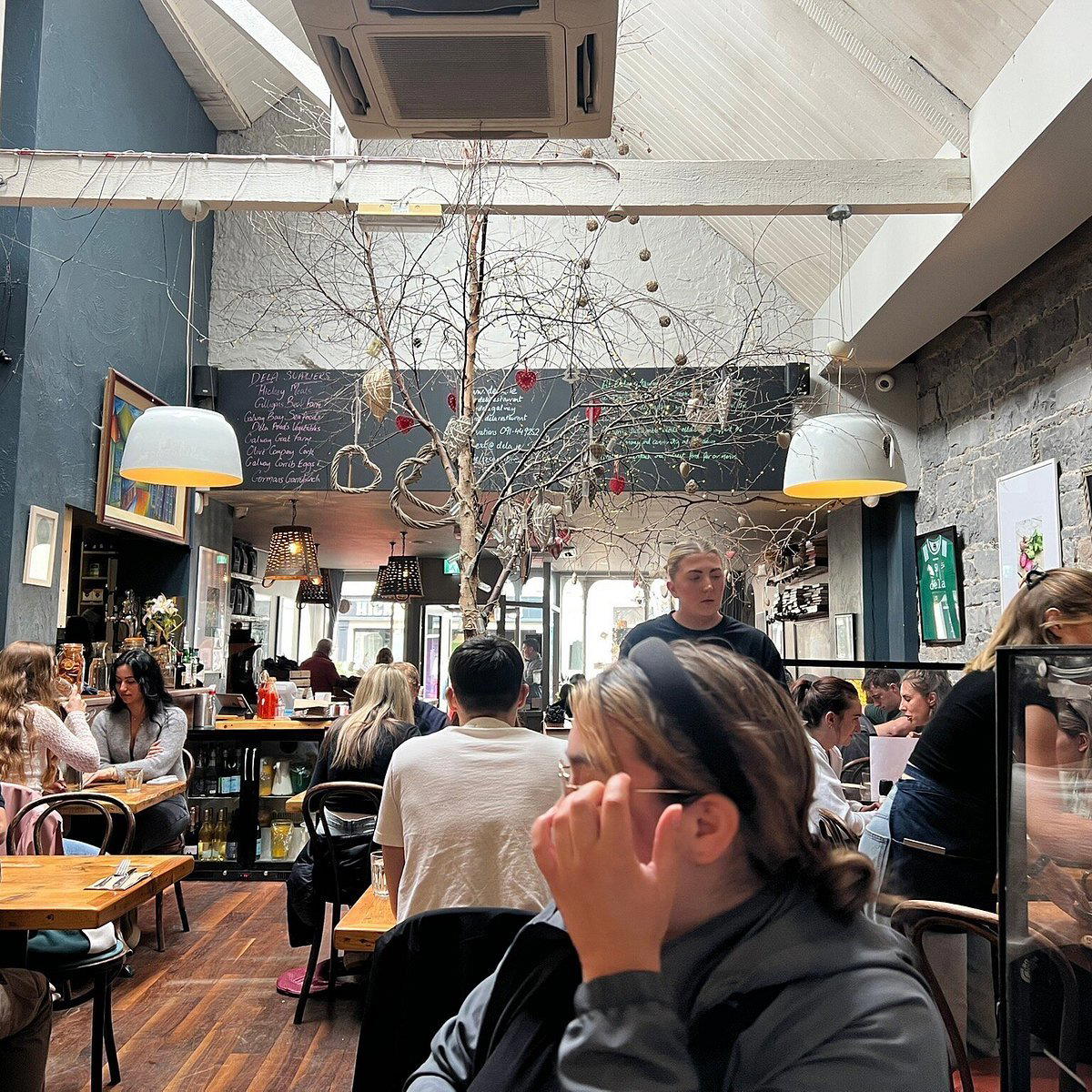
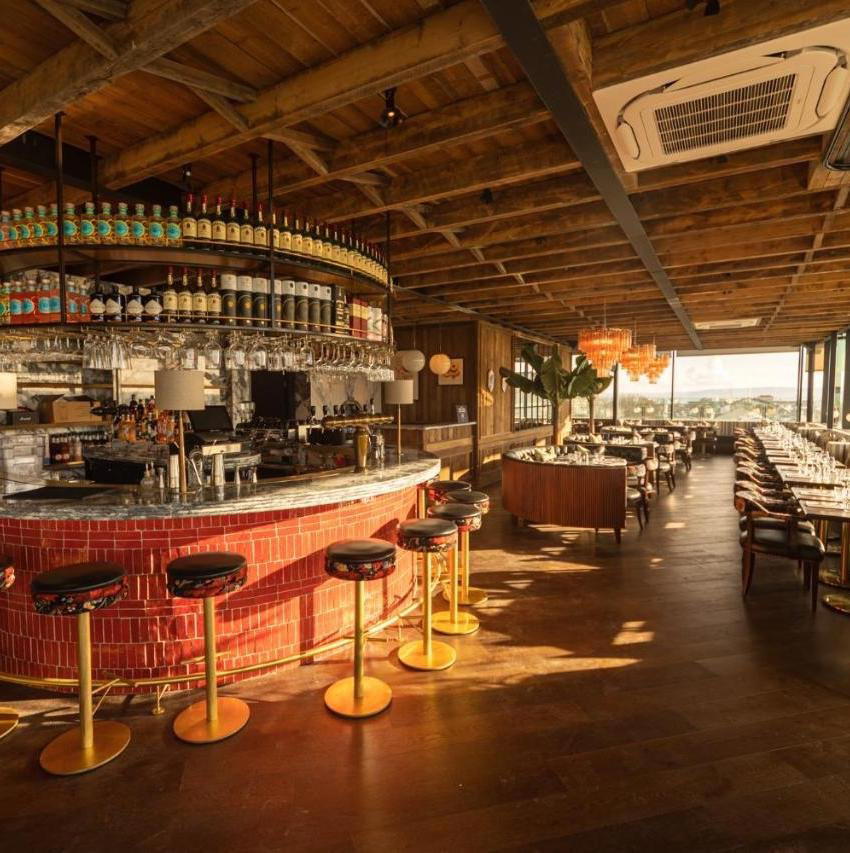
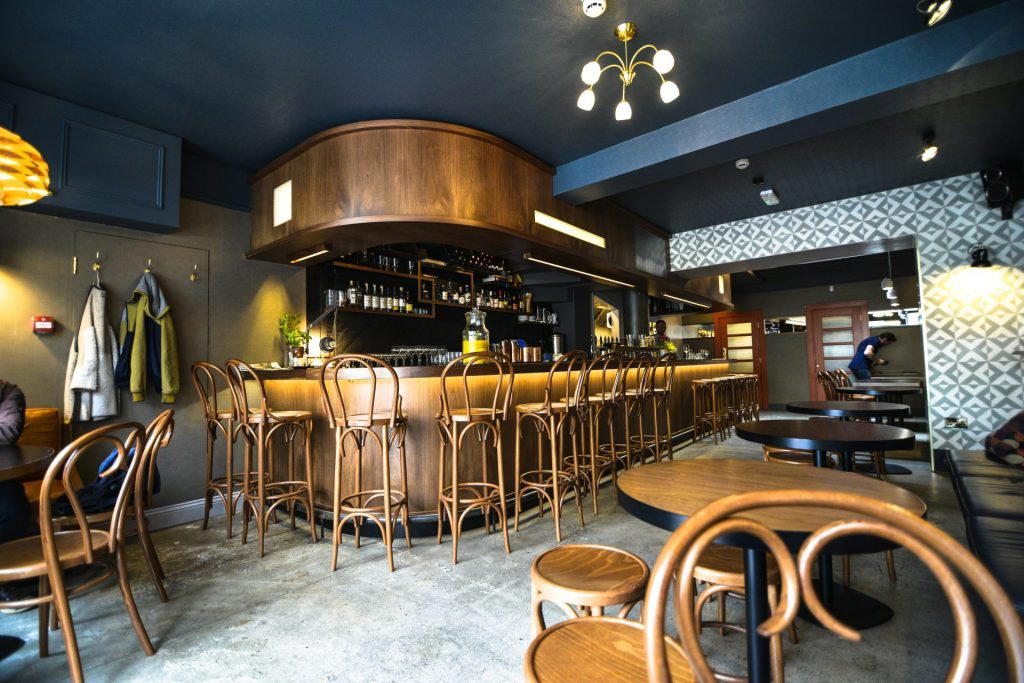
The room itself is described in the Michelin record as charming, which in the context of West End Galway means a kind of lived-in warmth rather than designed hospitality. It is not the place to go if you are looking for the kind of precision-engineered environment that newer high-end openings tend to offer. It is, however, a useful place to understand what Galway's food culture actually values, which is proximity to producers, honesty in the cooking, and a room that makes people want to stay. Places like Campagne in Kilkenny and Terre in Castlemartyr represent the more formally structured end of Irish regional dining, and the contrast clarifies what Kai is choosing to be.
Planning Your Visit
Kai is at 22 Sea Road, a ten-minute walk from Galway city centre heading toward Salthill. Lunch operates on a walk-in basis, which makes it a practical option on shorter or less planned visits. Dinner, given the restaurant's profile and the size of the room, warrants advance booking, particularly at weekends or during festival periods when the city's accommodation fills quickly. The €€ price range puts the evening à la carte within reach of most travel budgets, and the format, three courses with a concise natural wine list, makes for a manageable evening rather than a drawn-out occasion. Chef Drew Anderson leads the kitchen. For a fuller picture of where else to eat in the city, the Galway restaurants guide covers the current range across price points and cuisine types.
Credentials Lens
| Venue | Cuisine | Price | Awards |
|---|---|---|---|
| Kai RestaurantThis venue — the venue you are viewing | Modern Cuisine | €€ | Not listed |
| Aniar | Modern Irish, Modern Cuisine | €€€€ | Michelin 1 Star |
| daróg | Modern Cuisine | €€ | Modern Cuisine |
Recognition history
Dated appearances from independent guides and award organizations, with the underlying list record or original source where available.
Michelin Plate
Michelin
Forbes 5-Star
Forbes
Michelin Plate
Michelin
The Sunday Times Ireland’s 100 Best Restaurants
The Sunday Times
At a Glance
- Rustic
- Cozy
- Intimate
- Date Night
- Special Occasion
- Open Kitchen
- Local Sourcing
Current opening hours
- Monday
- Closed
- Tuesday
- 11 AM–4 PM, 6–11:30 PM
- Wednesday
- 11 AM–4 PM, 6–11:30 PM
- Thursday
- 11 AM–4 PM, 6–11:30 PM
- Friday
- 11 AM–4 PM, 6–11:30 PM
- Saturday
- 11 AM–4 PM, 6–11:30 PM
- Sunday
- Closed
Hours can change for holidays and private events. Last verified .
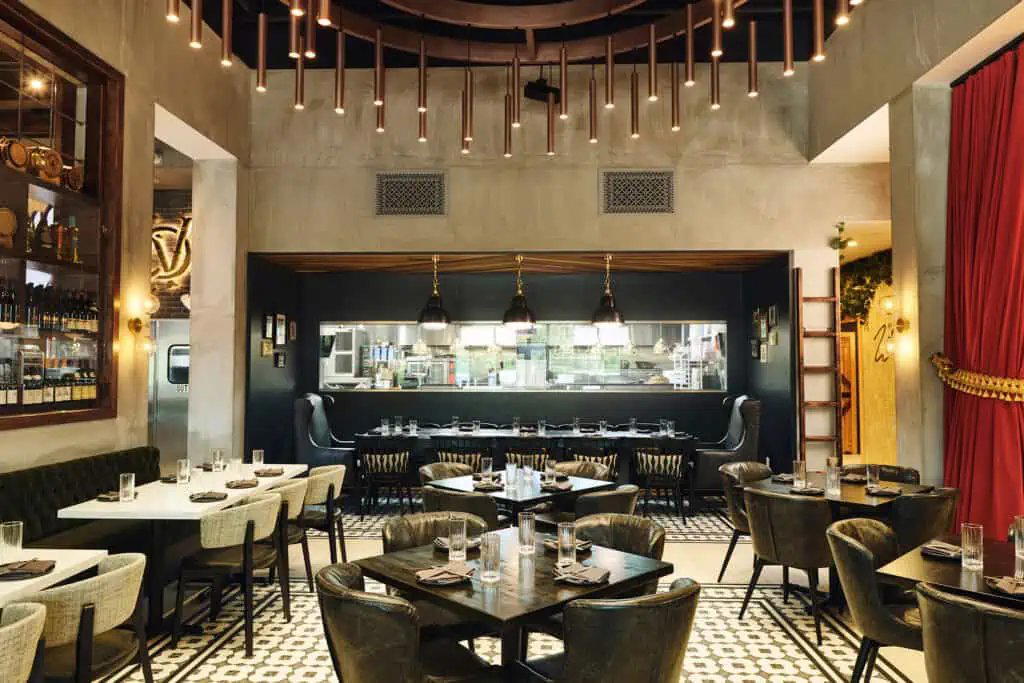
Rustically charming with a relaxed, cozy atmosphere featuring warm decor and pleasant, unhurried vibe.
Know Before You Go
- Getting there
- 22 Sea Rd, Galway, H91 DX47, Ireland