David's 388
David's 388 operates from a fixed address on Cottage Road in South Portland, Maine, occupying a corner of the city's quieter residential dining scene. The restaurant draws from the larder that coastal Maine provides year-round, placing it squarely in the farm-and-sea-to-table tradition that defines serious cooking in the region. For visitors working through South Portland's restaurant options, it represents a grounded, locally anchored choice.
Pearl is the En Primeur Club membership app — saves, bookings, and concierge access live there. Same editors, same standards.
- Address
- 388 Cottage Rd, South Portland, ME 04106
- Phone
- +12073477388
- Website
- davidsrestaurant.com
- Directions
- Get directions
 Saves & bookings on Pearl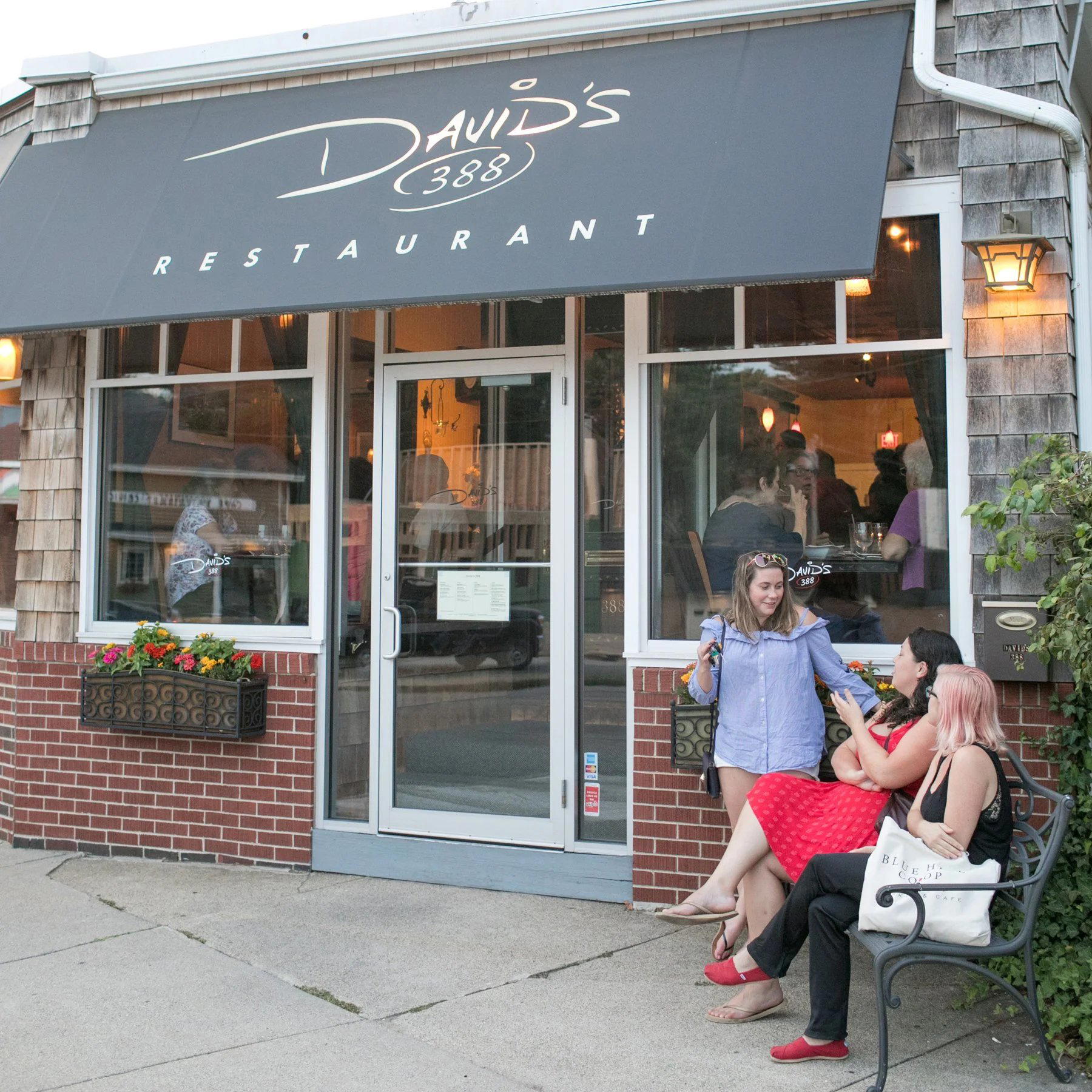
Cottage Road and the Quiet Side of Maine Dining
South Portland does not announce itself the way Portland proper does. Cross the Casco Bay Bridge heading south on Route 77 and the city shifts register: fewer destination restaurants trading on media coverage, more places that have earned loyalty through consistency rather than hype. Cottage Road, where David's 388 sits at number 388, belongs to that quieter residential corridor, the kind of street where a serious neighborhood restaurant can build a decade-long following without ever appearing on a national magazine's year-end list. In coastal New England, that pattern is more common than outsiders expect, and it tends to produce cooking that answers to regulars rather than to algorithm.
Maine's dining identity has always been shaped by geography before anything else. The Gulf of Maine's cold, nutrient-rich water produces shellfish and finfish that require little intervention to be interesting. Inland, a short growing season concentrates flavor in ways that milder climates do not replicate. The restaurants that work within those constraints rather than around them occupy a specific tier in the regional hierarchy: not the destination-tasting-menu format you find at operations like Single Thread Farm in Healdsburg or Blue Hill at Stone Barns in Tarrytown, but something more durable: the neighborhood anchor that sources well and cooks without pretension.
Where the Food Comes From
The sourcing story in coastal Maine is, in many respects, easier to tell than in landlocked cities. The question is whether a kitchen is organized to use it seriously. Lobster, clams, oysters, and finfish from the Gulf of Maine arrive at South Portland restaurants within hours of being landed, a supply chain that most American cities cannot replicate regardless of budget. The farms and small-scale fisheries operating in Casco Bay and along the Maine coast represent an ingredient base that even kitchens with far larger reputations would envy. Providence in Los Angeles and Le Bernardin in New York City build their seafood programs around sourcing discipline at the four-dollar-sign tier; a neighborhood restaurant in coastal Maine that takes the same approach operates with a structural advantage those kitchens pay premiums to approximate.
That geographic fact shapes what serious eating in South Portland can mean. The ingredient quality ceiling is genuinely high, and a restaurant that respects it does not need elaborate technique to deliver a compelling plate. This is the context in which David's 388 should be read: a Cottage Road address that sits inside one of the country's more privileged sourcing environments, where the raw material, not the decoration, is the argument.
The Neighborhood Restaurant Tier in a Competitive Region
Maine's dining scene has grown considerably more sophisticated over the past fifteen years, with Portland proper accumulating recognition that places it alongside cities several times its size. That concentration of attention in the Old Port and Fore Street corridors has had a secondary effect: South Portland's restaurants operate with less ambient noise around them, serving a more local audience with less patience for theater. The format that survives in that environment tends toward honest cooking, a dining room that functions as a room rather than a set, and a menu that changes when the market warrants it rather than on a publicist's schedule.
That model has national analogues. Frasca Food and Wine in Boulder and The Wolf's Tailor in Denver both operate in cities where the dining scene is serious but not oversaturated, and both have built reputations on cooking that reads as place-specific rather than generic. The comparison is not about price tier or format but about the orientation: restaurants that locate their identity in where they are rather than in what category they are trying to occupy. South Portland, with its proximity to working waterfront infrastructure and its residential character, produces that orientation naturally.
Sourcing Ethics and the Ingredient-First Argument
Across the country, the ingredient-sourcing frame has become so common in restaurant marketing that it risks losing meaning. The distinction worth drawing is between kitchens that source locally as a positioning statement and those that source locally because the calendar and the proximity leave them no better option. In coastal Maine, the latter is closer to the truth. A chef working with Casco Bay product in late autumn is not making an ideological choice so much as an obvious one: what is in season is what the water and the land are offering, and working with it is simpler than working against it.
That pragmatic sourcing discipline, at its leading, produces menus that read like a record of what Maine actually looks like in a given week. It is the same logic that drives programs at places like Smyth in Chicago and Oyster Oyster in Washington, D.C., both of which have built formal recognition on the premise that ingredient integrity is a more durable foundation than technical spectacle. In a neighborhood restaurant format, that same premise operates without the tasting-menu architecture or the reservation scarcity that drives attention to those addresses. The food either argues for itself or it does not.
Planning a Visit to David's 388
The restaurant is located at 388 Cottage Road in South Portland, Maine 04106, accessible from downtown Portland via the Casco Bay Bridge and a short drive south on Route 77. South Portland's Cottage Road corridor is not a destination strip in the conventional sense; arriving with a car is the practical approach, and street parking along Cottage Road is generally available in the evening. The restaurant is recommended for reservations, serves dinner daily, and is priced around $60 per person.
Comparable Venues
Comparable venues nearby, for context on price, style, and recognition.
| Venue | Cuisine | Price | Notes |
|---|---|---|---|
| David's 388This venue — the venue you are viewing | Contemporary American with Seasonal Coastal Influences | $$ | Not listed |
| Taj Indian Cuisine | Authentic Indian | $$ | Clarks Pond |
| Blyth & Burrows | American Seafood Bar with Asian Influences | $$ | Old Port |
| The Abbey | Modern American Small Plates & Cocktails | $$ | downtown Brunswick |
| Novare Res Bier Cafe | European-Inspired Bier Cafe | $$ | Old Port |
| Luncheonette | Modern American Cafe | $$ | Bayside |
Continue exploring
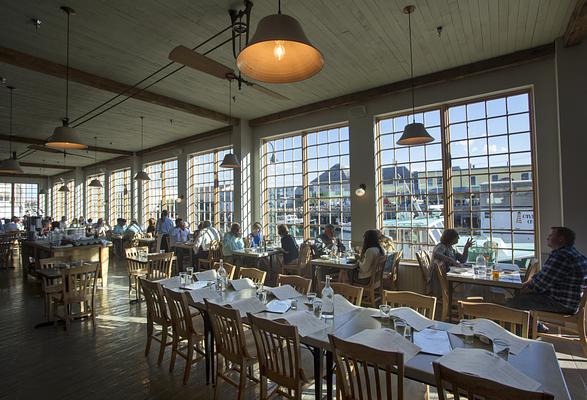
More in South Portland
Restaurants in South Portland
Browse all →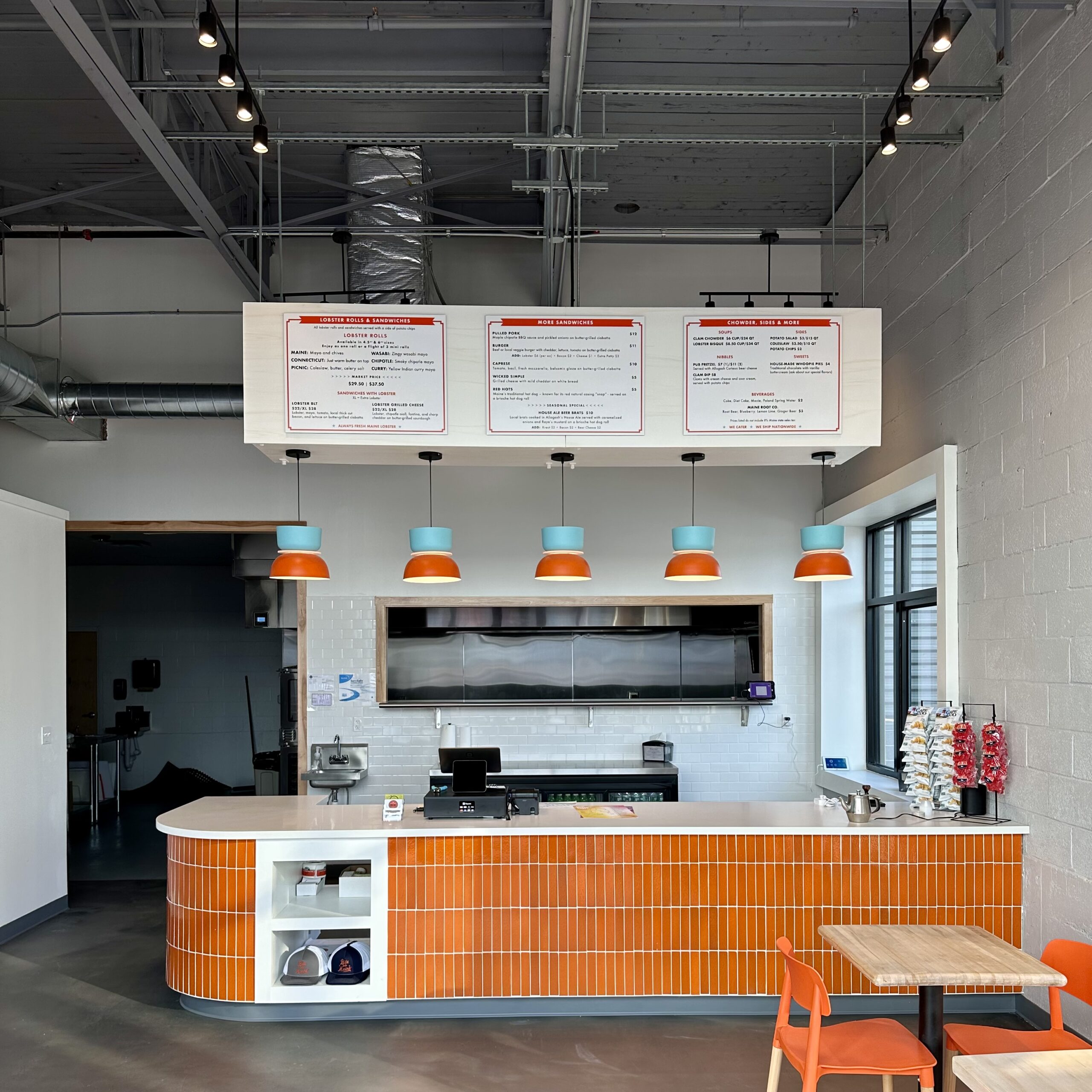
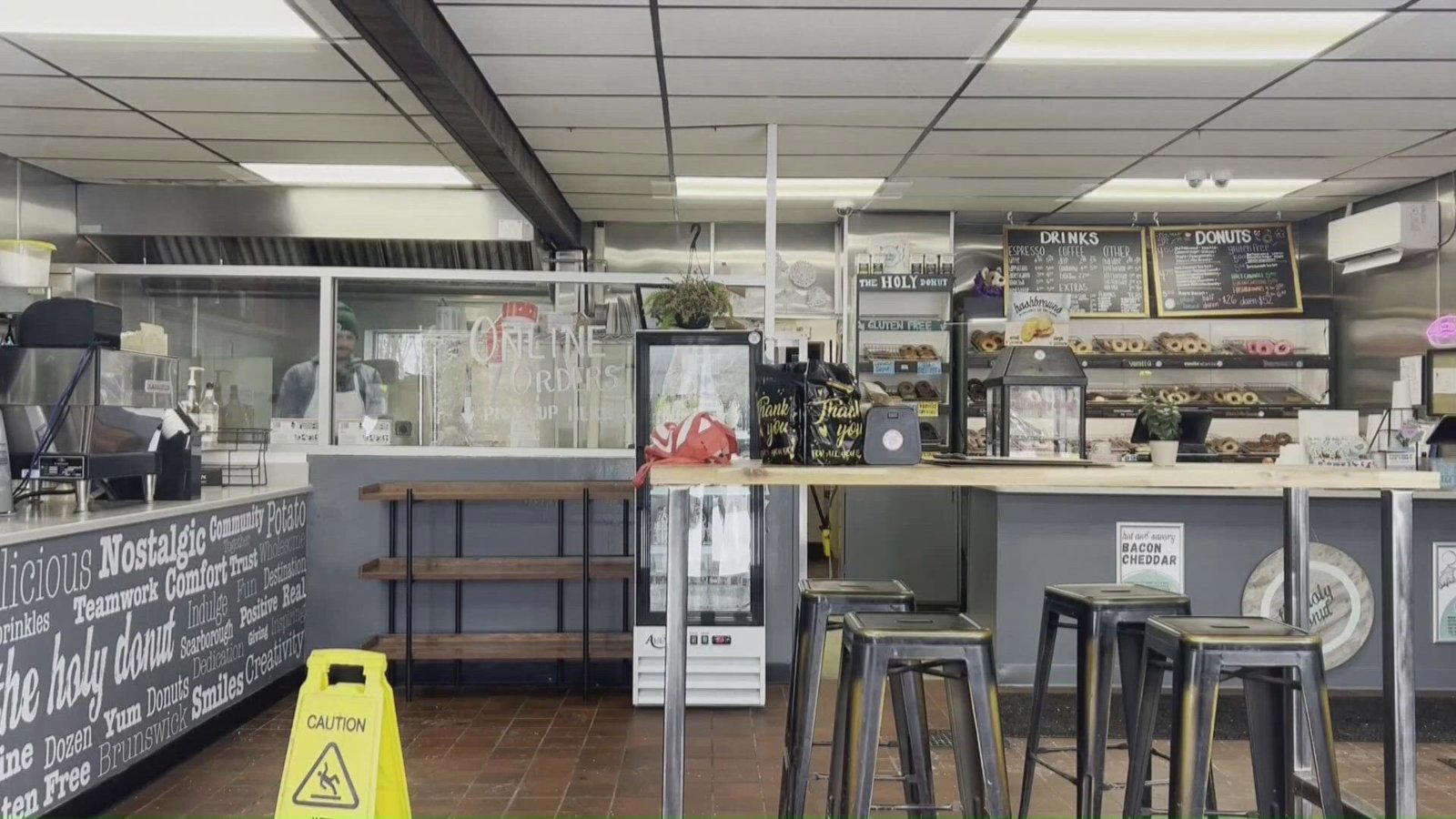
Bars in South Portland
Browse all →
At a Glance
- Cozy
- Intimate
- Classic
- Date Night
- Casual Hangout
- Special Occasion
- Chefs Counter
- Open Kitchen
- Standalone
- Extensive Wine List
- Craft Cocktails
- Local Sourcing
Current opening hours
- Monday
- 5–8:30 PM
- Tuesday
- 5–8:30 PM
- Wednesday
- 5–8:30 PM
- Thursday
- 5–8:30 PM
- Friday
- 5–9 PM
- Saturday
- 5–9 PM
- Sunday
- 5–8:30 PM
Hours can change for holidays and private events. Last verified .
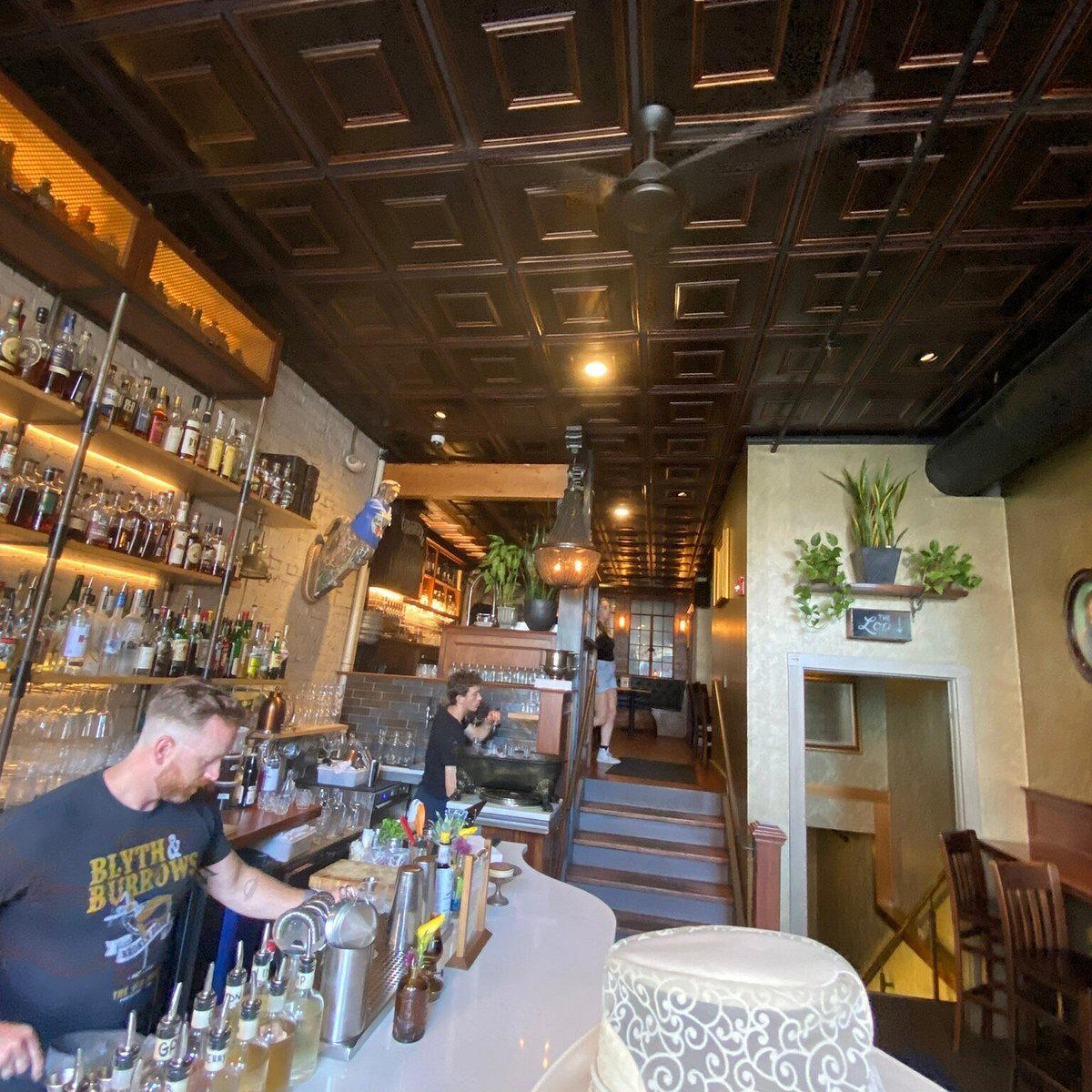
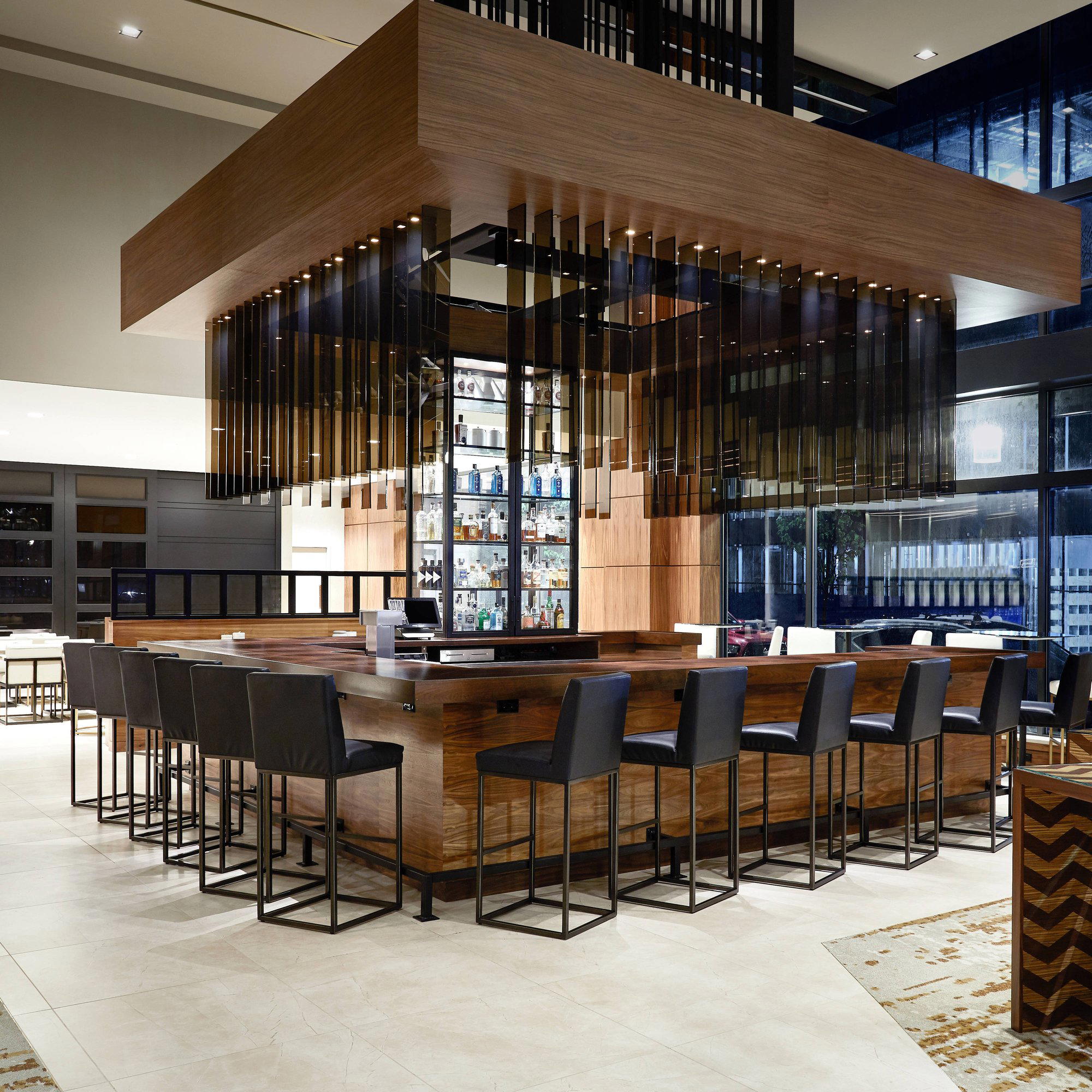
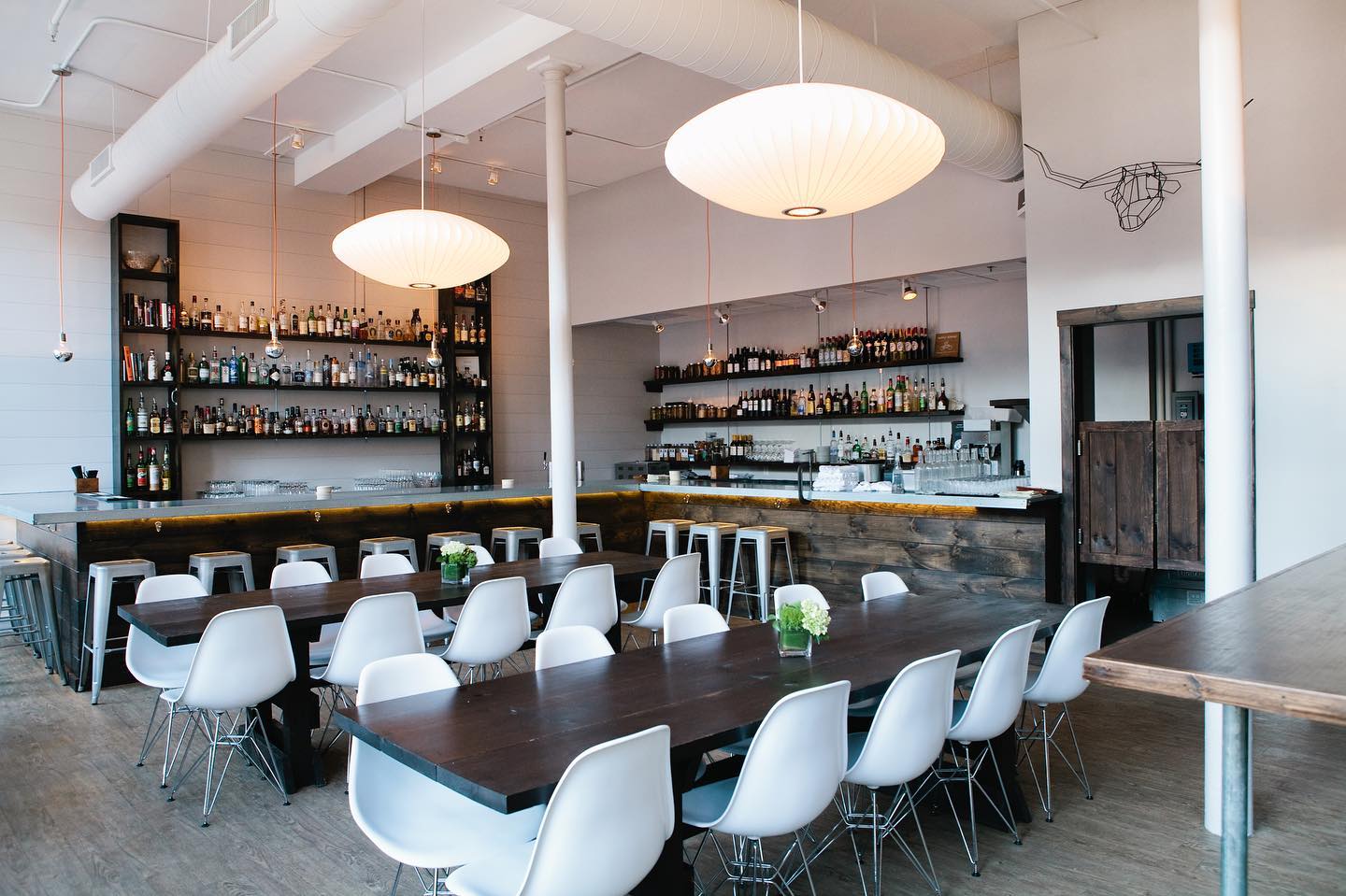
Warm, welcoming, and cozy with a comfortable casual neighborhood atmosphere and intimate dining room.