Davenport's Family Restaurant
Our verdict
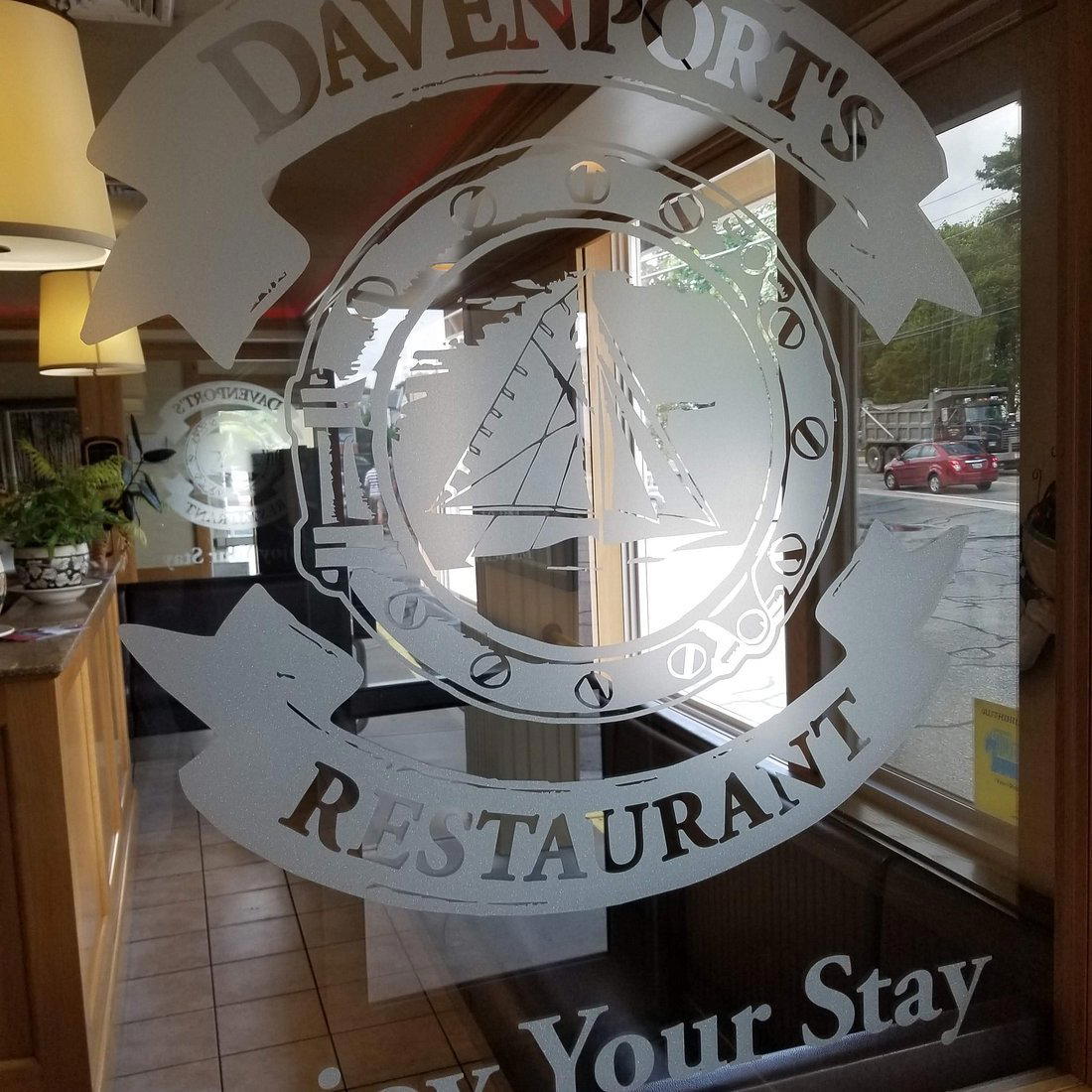
A family restaurant on Mendon Road in Cumberland, Rhode Island, Davenport's occupies a corner of the state's northern dining scene where unpretentious cooking and familiar formats have held ground for generations. Rhode Island's agricultural and coastal supply chains run close enough to shape what ends up on plates in communities like this one. For visitors and locals mapping the Cumberland area, it serves as a reference point for everyday American family dining in the region.

Pearl is the En Primeur Club membership app — saves, bookings, and concierge access live there. Same editors, same standards.
- Address
- 1070 Mendon Rd, Cumberland, RI 02864
- Phone
- (401) 334-1017
- Hours
- Mon–Thu 11 AM–9:30 PMFri–Sat 11 AM–10:30 PMSun 11 AM–9:30 PM
- Website
- davenportsri.com
- Directions
- Get directions
- Booking
- Book on OpenTable
The menu
What to order
- Chicken Family Style
- Clam Cakes and Chowder
- Fish and Chips
Where Northern Rhode Island Eats on a Tuesday
Cumberland sits in Providence County's upper tier, separated from the Massachusetts border by a few miles of suburban sprawl and river-cut woodland. The town's dining character has never chased Providence's restaurant-week energy or the coastal seafood circuits that dominate Newport and Bristol. Instead, the restaurants that persist here are the ones that answer a more direct question: what does a community eat when it is not performing for visitors? Davenport's Family Restaurant, at 1070 Mendon Road, belongs to that category. It is a neighborhood anchor in a town that has always preferred function over fashion at the table.
Family restaurants in New England's smaller cities operate inside a supply geography that is genuinely short. Rhode Island is among the smallest states by land area, which means that the distance between a farm in the Blackstone Valley and a kitchen in Cumberland is often under thirty miles. The state's agricultural identity leans toward root vegetables, dairy, and small-scale produce operations, with coastal shellfish accessible within an hour's drive. For a restaurant drawing on that proximity, the sourcing story writes itself without any marketing effort — the ingredients are simply close.
The Sourcing Geography of the Blackstone Valley
The Blackstone Valley corridor, which runs from Worcester down through Woonsocket and into Providence, has a working-class food culture shaped by successive immigrant communities and a practical relationship with local produce. Rhode Island's farm-to-table conversation, when it happens at all in this corridor, tends to be transactional rather than ideological: farmers sell to whoever is buying at fair price, and kitchens buy what is available and affordable. That is a different dynamic from the curated sourcing programs at restaurants like Blue Hill at Stone Barns in Tarrytown or Single Thread Farm in Healdsburg, where sourcing is the editorial center of the dining proposition. In Cumberland, proximity to supply is a structural fact, not a positioning statement.
Rhode Island's coastal access means that seafood, particularly quahogs, littlenecks, and stuffed clams, circulates into kitchens across the state at a frequency you don't find in landlocked regions. The quahog is not just a menu item in Rhode Island; it is a cultural marker, showing up in chowder, in stuffies (the local term for stuffed clams baked in the shell), and in preparations that vary by town and by cook. Family restaurants along the Mendon Road corridor have historically served these dishes as staples rather than specials, which is a meaningful distinction: the ingredient is treated as everyday, not refined.
How Family Dining Holds Its Ground
The American family restaurant format has been under structural pressure for two decades, squeezed between fast-casual chains on the low end and a proliferating middle tier of gastropubs and farm-forward casual operations. The restaurants that survive in that pressure are generally the ones with loyal repeat customer bases drawn from a tight geographic radius, low enough price points to absorb cost volatility, and menus broad enough to accommodate a table of four with divergent preferences. These are operational strengths, not glamorous ones, but they are real.
Across the country, the restaurants doing the most interesting work with sourcing and seasonality often operate at a different price tier entirely. Smyth in Chicago and The Wolf's Tailor in Denver have built sourcing-led tasting menus into their core identity. Lazy Bear in San Francisco and Addison in San Diego operate at the upper end of the American fine-dining spectrum, where sourcing transparency is an expected component of the value proposition. Providence in Los Angeles and Le Bernardin in New York City treat their seafood sourcing as central to their critical identity. The family restaurant in a New England suburb is not in competition with any of these, but the comparison is useful: it shows that ingredient sourcing matters across every tier of dining, even if the vocabulary around it differs entirely.
In communities like Cumberland, sourcing integrity often shows up not in menu language but in what the kitchen chooses not to substitute. A clam chowder made with Rhode Island quahogs rather than canned clam juice is a sourcing decision, even if no one at the table knows to ask. The same applies to whether eggs come from local farms, whether the beef is regional, and whether produce tracks the New England seasons rather than arriving year-round from distant distributors. These decisions are made in the kitchen, below the level of marketing, and they are what separate a neighborhood restaurant worth returning to from one that is merely convenient.
Planning a Visit to Cumberland
Davenport's Family Restaurant is located at 1070 Mendon Road in Cumberland, Rhode Island 02864. Cumberland is accessible from Providence in under thirty minutes via Route 146 north, and from the Massachusetts border towns of Attleboro and North Attleborough in under fifteen minutes. The restaurant's positioning on Mendon Road places it in a commercial corridor that serves the surrounding residential neighborhoods rather than a downtown dining district. For visitors coming from outside the immediate area, it is most logically paired with other Blackstone Valley stops rather than treated as a standalone destination.
For a broader picture of where Davenport's fits within the full spectrum of Cumberland dining options, our full Cumberland restaurants guide maps the area's options by format and occasion. Those planning a wider New England or northeastern food itinerary might also consider how the region's sourcing geography connects to the approaches taken at restaurants like Oyster Oyster in Washington, D.C., which has built a produce-focused menu with similar attention to the regional supply chain, or Bacchanalia in Atlanta, where farm sourcing has been central to the kitchen's identity for years. Further afield, Frasca Food and Wine in Boulder, Emeril's in New Orleans, The Inn at Little Washington, ITAMAE in Miami, Atomix in New York City, The French Laundry in Napa, and Atelier Moessmer Norbert Niederkofler in Brunico each represent how sourcing discipline at different price points and cultural contexts shapes what ends up on the plate.
Frequently asked questions
Is Davenport's Family Restaurant suitable for children?
The name and format signal a family-oriented operation, and Cumberland's residential character on Mendon Road places it squarely in neighbourhood dining territory rather than destination fine dining. That context points toward a setting where children are accommodated as a matter of course. For specific high-chair availability or kids' menu options, contacting the restaurant directly before your visit is the practical step.
What is the atmosphere like at Davenport's Family Restaurant?
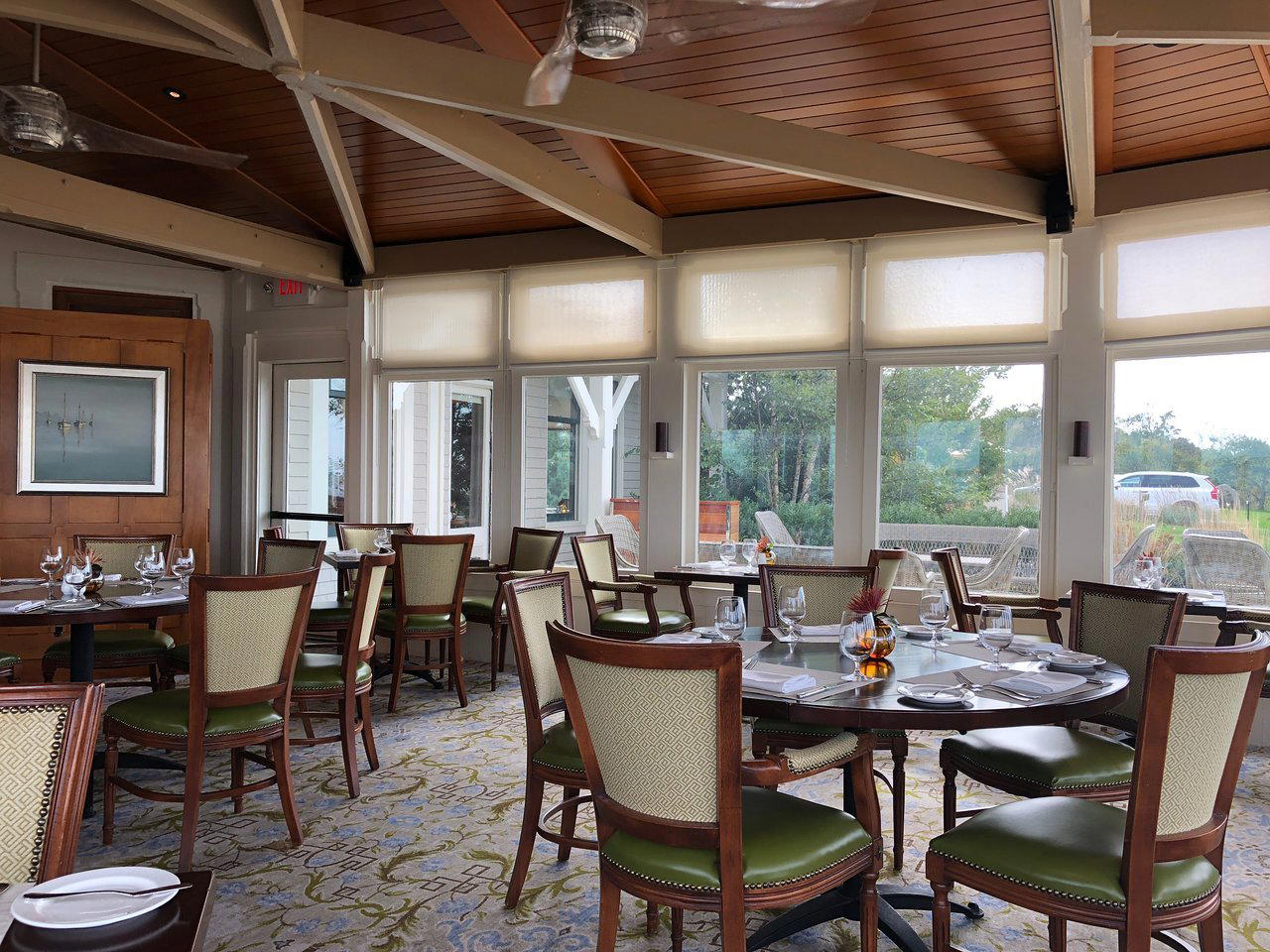
Located at 1070 Mendon Road in a Providence County suburb, Davenport's operates in a corridor defined by working-class food culture rather than trend-driven dining rooms. Expect a no-frills setting shaped by repeat local custom — the kind of place where regulars eat on weeknights rather than special occasions. The body of written local coverage frames it as a neighbourhood constant in Cumberland's upper county area.
How far is Davenport's Family Restaurant from Providence, and is it worth the drive from the city?
Cumberland sits in Providence County's northern reach, and 1070 Mendon Road is accessible from downtown Providence in under thirty minutes by car via Route 146. For diners based in the city, the draw is less about a destination meal and more about entering a distinct food culture — the Blackstone Valley's working-class table tradition differs meaningfully from Providence's restaurant district. It functions as a local institution for Cumberland and the surrounding communities rather than a city-to-suburb excursion venue.
What do people recommend at Davenport's Family Restaurant?
The Blackstone Valley's food culture — shaped by mills, immigrant communities, and diner tradition — tends to favour hearty, portion-forward plates at family restaurants in this corridor.
Comparison Snapshot
Comparable venues nearby, for context on price, style, and recognition.
| Venue | Cuisine | Price | Notes |
|---|---|---|---|
| Davenport's Family RestaurantThis venue — the venue you are viewing | American Seafood | $20–30 | Not listed |
| Night Shift - Providence | Detroit-Style Pizza & Brew Pub | $20–30 | Providence Place |
| Bayberry Garden | Modern New England Seafood | $50–100 | Innovation District |
| Tree House Tavern | American Gastropub with Fusion | Not listed | Centerville |
| River Falls | American Steakhouse & Seafood | $30–50 | Downtown Woonsocket |
| The Trap North | Modern American Gastropub | $20–30 | Smithfield |
Continue exploring
More in Cumberland
Restaurants in Cumberland
Browse all →
Bars in Cumberland
Browse all →
Hotels in Cumberland
Browse all →

Wineries in Cumberland
Browse all →

Details
- Cozy
- Classic
- Family
- Casual Hangout
- Historic Building
- A La Carte
- Vegetarian Friendly
- Vegan Options
- Gluten Free Options
Current opening hours
- Monday
- 11 AM–9:30 PM
- Tuesday
- 11 AM–9:30 PM
- Wednesday
- 11 AM–9:30 PM
- Thursday
- 11 AM–9:30 PM
- Friday
- 11 AM–10:30 PM
- Saturday
- 11 AM–10:30 PM
- Sunday
- 11 AM–9:30 PM
Hours can change for holidays and private events. Last verified .
Warm, welcoming family-centric atmosphere with friendly service and a comfortable, renovated space.