Das Stübli beim Kreuz
Das Stübli beim Kreuz sits in the village of Dallenwil in canton Nidwalden, a corner of central Switzerland where the Engelbergertal valley shapes both landscape and larder. The Stübli format, a more intimate, traditionally furnished dining room within a Gasthaus, represents a specific Swiss hospitality tradition that prizes locality and craft over spectacle. For travellers moving between Lucerne and the alpine interior, it offers a grounded alternative to the destination dining circuit.
Pearl is the En Primeur Club membership app — saves, bookings, and concierge access live there. Same editors, same standards.
- Address
- Stettlistrasse 3, 6383 Dallenwil, Switzerland
- Phone
- +41416282020
- Website
- kreuz-dallenwil.ch
- Directions
- Get directions
 Saves & bookings on Pearl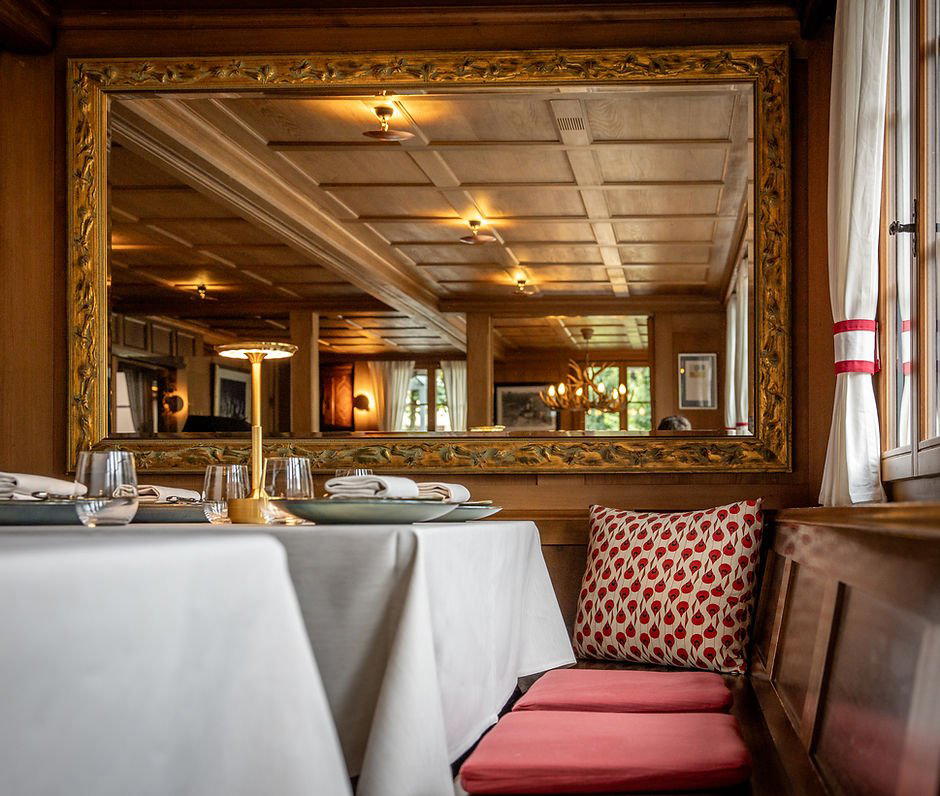
The Stübli Tradition in Swiss Village Dining
Switzerland's Gasthaus culture divides into two recognisable formats: the larger, more versatile Gaststube open to passing trade, and the smaller Stübli, a room with fewer covers, a more deliberate pace, and cooking that tends to track the seasons more closely. Das Stübli beim Kreuz occupies that second category, set within the Kreuz complex in Dallenwil, a village of roughly two thousand residents tucked into the lower reaches of the Engelbergertal valley in canton Nidwalden. The Kreuz itself houses more than one dining concept, the Gasthaus zum Kreuz - Bijou operates an Asian and Western format alongside the Gasthaus zum Kreuz - Stübli, which makes the address something of a local dining cluster rather than a single-concept operation.
Dallenwil itself sits at roughly 470 metres above sea level, below the cable car station that ascends to Wirzweli and within a short drive of Stans, the cantonal capital. The position matters for the Stübli format: this is not a destination restaurant drawing visitors from Zurich or Geneva on reservation lead times of months, but a rooted village establishment where proximity to the agricultural and pastoral traditions of the Nidwalden valleys is both a practical and culinary fact.
Where the Food Comes From
Central Switzerland's farming character shapes the raw material available to kitchens like the one at Das Stübli beim Kreuz more directly than in urban restaurant markets. The Engelbergertal and the surrounding Nidwalden countryside operate a mixed agricultural economy: dairy production is dominant, with alpine cheese-making traditions that trace back centuries, and smaller-scale meat production aligned to the seasonal rhythm of alp and valley. A Stübli kitchen drawing from that supply chain works with ingredients whose provenance is often local by default rather than by deliberate sourcing philosophy, the distances between farm, abattoir, dairy, and kitchen are simply shorter here than in a city context.
This regional specificity is part of what separates Swiss village dining from the broader category of Swiss cuisine as marketed to tourists. The fondue and raclette consumed in Lucerne's lakefront restaurants arrives through consolidated supply chains that may source across multiple cantons or across the border. A kitchen in Dallenwil, serving a primarily local clientele, is more likely to work with named dairies and nearby butchers whose product is familiar rather than curated. That is not a romantic claim but a logistical one: the economics of a village Stübli depend on reliable, cost-effective local supply in a way that urban fine dining does not.
Switzerland's federal agriculture system, with its direct payments to mountain farmers and strict designations for products like Nidwaldner cheese traditions, reinforces this structure. Restaurants at the Stübli tier benefit from a supply infrastructure designed primarily to support the farming community, not the hospitality industry, which means ingredients arrive with a regional character that is structural rather than styled.
The Competitive Position: Not Destination Dining, Not Fast Casual
The wider Swiss fine dining circuit operates at a different register. Addresses like Hotel de Ville Crissier, Schloss Schauenstein in Fürstenau, Memories in Bad Ragaz, and Cheval Blanc by Peter Knogl in Basel operate in a tier defined by multi-course tasting formats, international wine lists, and Michelin recognition that positions them within a European rather than purely Swiss comparable set. Maison Wenger in Le Noirmont, Einstein Gourmet in Sankt Gallen, and Da Vittorio in St. Moritz similarly occupy a destination-dining bracket that requires advance planning and a specific kind of visit.
Das Stübli beim Kreuz does not compete in that tier, nor is it positioned to. It belongs instead to the category of Swiss Gasthaus dining that provides the actual daily food culture of smaller communities, the same category that venues like Mammertsberg in Freidorf and La Table du Valrose in Rougemont occupy in their respective regions, though each with its own format and price signal. The Stübli format specifically implies something more sheltered and deliberate than the main dining room of a Gasthaus, which in practice often means a more curated approach to what goes on the menu even when the price point stays accessible.
Regionally, the comparison worth making is with the creative Swiss tradition represented at focus ATELIER in Vitznau, itself within the greater Lake Lucerne catchment, or the Swiss-creative approach at Taverne zum Schäfli in Wigoltingen. Those addresses push toward a contemporary register; the restaurant, by contrast, sits closer to the classical Nidwalden cooking tradition, where the logic of the dish follows the logic of the ingredient rather than the other way around.
For visitors who want something further afield in register, The Japanese Restaurant in Andermatt offers a different genre of alpine dining entirely, and addresses like Skin's in Lenzburg signal how much the central Swiss restaurant scene has diversified beyond the Gasthaus model. Internationally, the kind of produce-first discipline that defines good Stübli cooking has parallels in the sourcing philosophies visible at Le Bernardin in New York City and the communal local-sourcing model at Lazy Bear in San Francisco, contexts where what arrives in the kitchen determines the menu direction.
Planning a Visit
Dallenwil is accessible from Stans by car in under ten minutes, and from Lucerne the drive follows the A2 south before turning into the valley, a journey of roughly 25 kilometres depending on the approach. Visitors using public transport can reach Stans by train from Lucerne and connect onward to Dallenwil, though the village sits off the main rail corridor. The Kreuz complex at Stettlistrasse 3 is the anchor point for dining in the village, and given the multi-concept nature of the address, it is worth confirming which room you are booking. The Stübli specifically is the more intimate of the formats on site. Booking ahead is advisable, particularly for weekend evenings when local demand typically absorbs capacity before visitor interest is factored in. For broader context on dining in the area, the full Dallenwil restaurants guide covers what the village offers across formats.
A Quick Peer Check
Comparable venues nearby, for context on price, style, and recognition.
| Venue | Cuisine | Price | Awards | Notes |
|---|---|---|---|---|
| Das Stübli beim KreuzThis venue — the venue you are viewing | Modern Alpine Cuisine | $$$$ | Not listed | Not listed |
| Gasthaus zum Kreuz - Stübli | Alpine Gourmet Cuisine | $$$$ | Michelin 1 Star | Dallenwil |
| Gasthaus zum Kreuz - Bijou | Swiss-Asian Fusion Fine Dining | $$$$ | Michelin 1 Star | Dallenwil |
| Restaurant Volkshaus | Modern Swiss Brasserie | $$$ | Not listed | Aussersihl |
| Restaurant Reussbad | Classic French Fine Dining | $$$$ | Not listed | Altstadt |
| gurtners | Modern Swiss with panoramic views | $$$ | Not listed | Gurten / Wabern bei Bern |
Continue exploring
More in Dallenwil
Restaurants in Dallenwil
Browse all →
Bars in Dallenwil
Browse all →
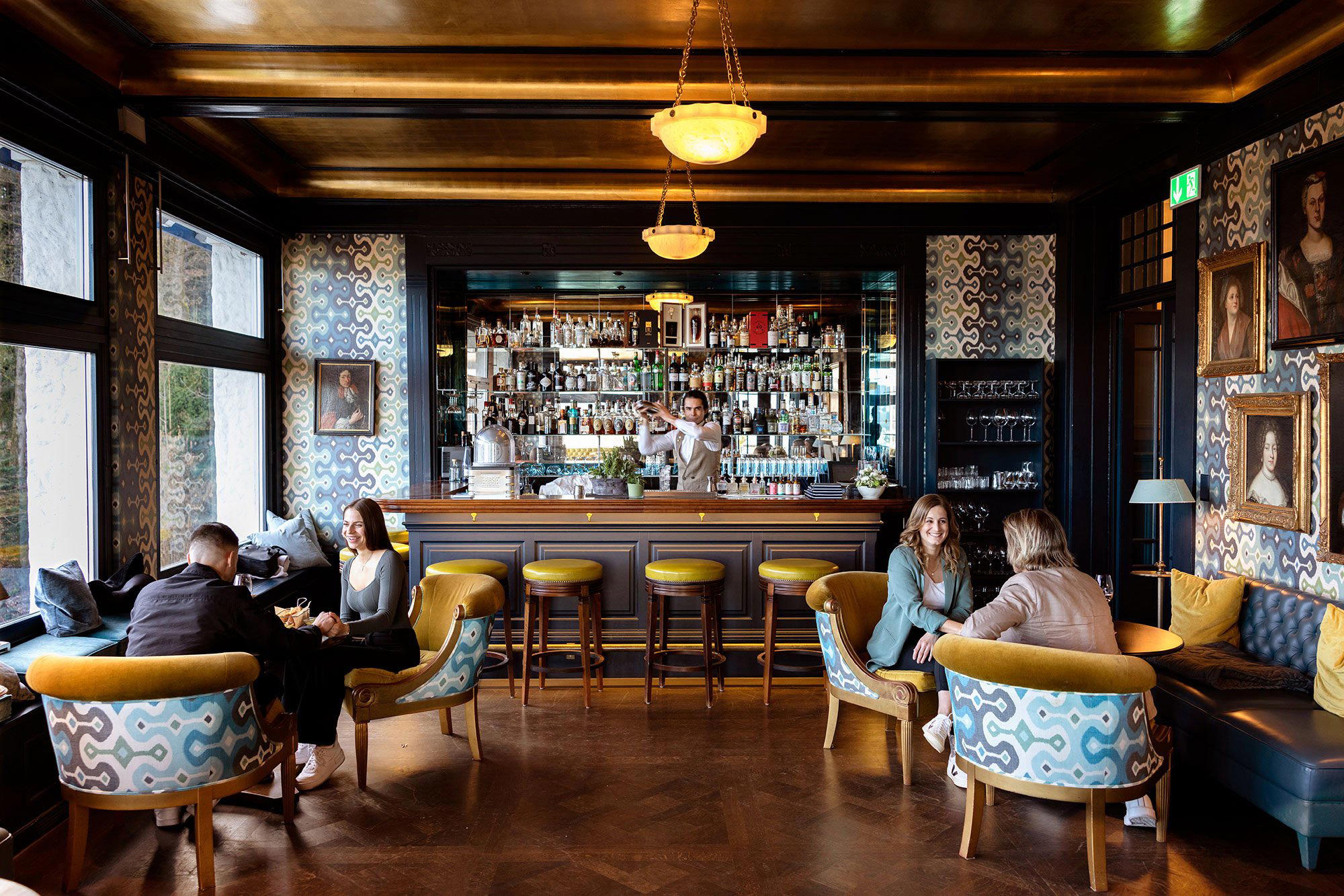
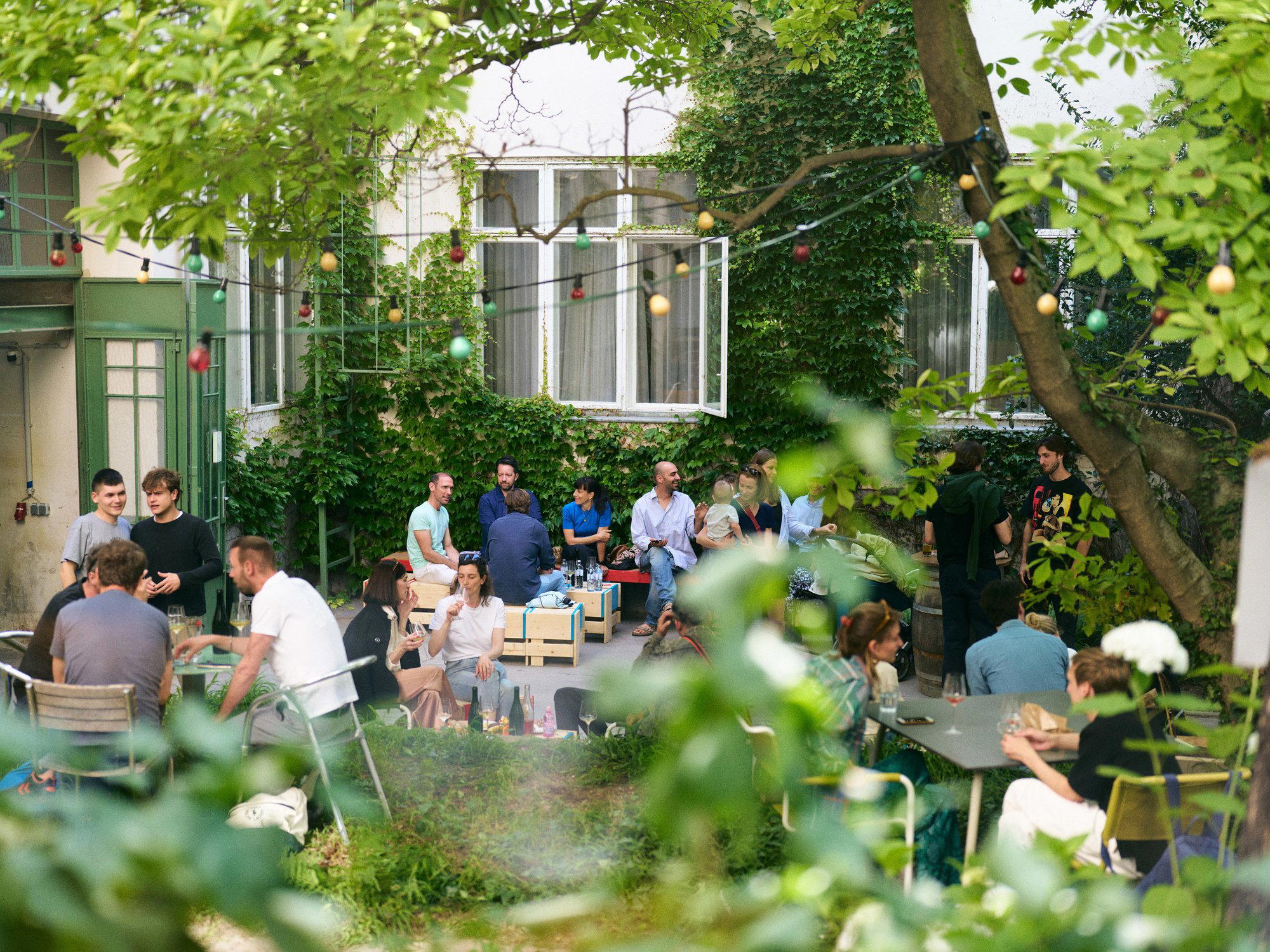
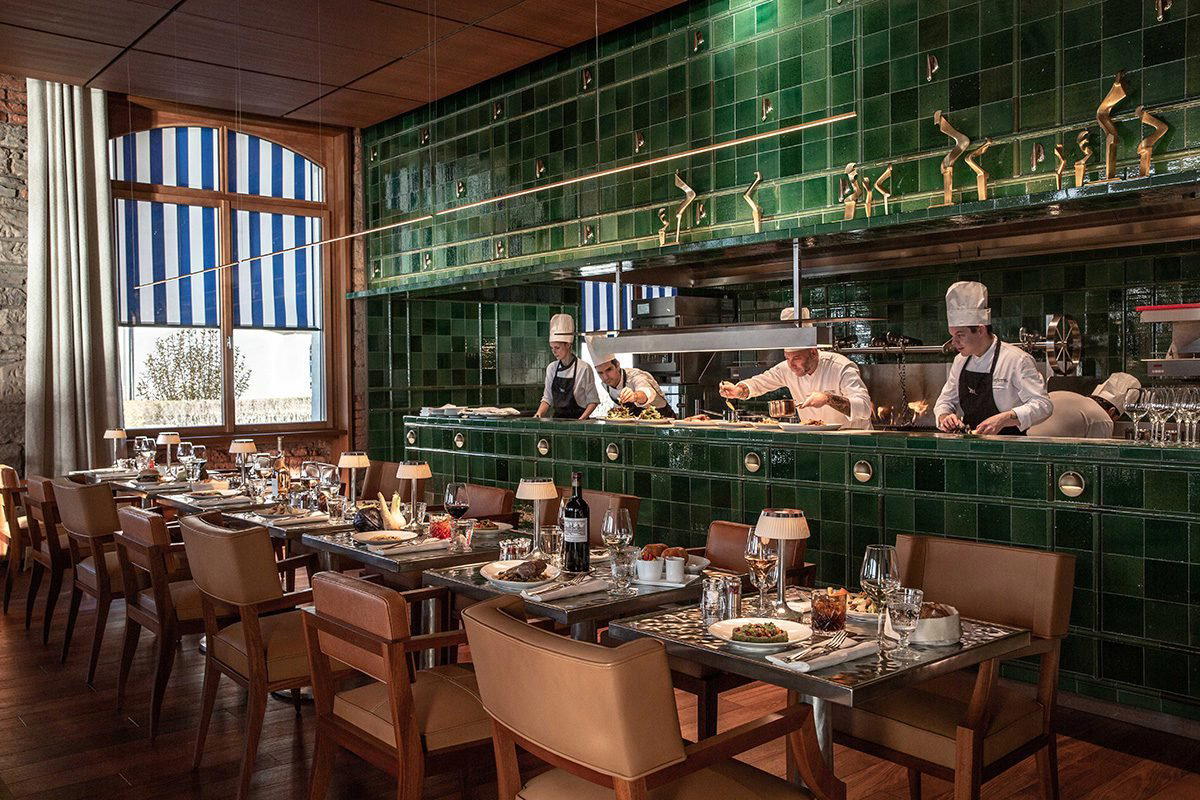
Hotels in Dallenwil
Browse all →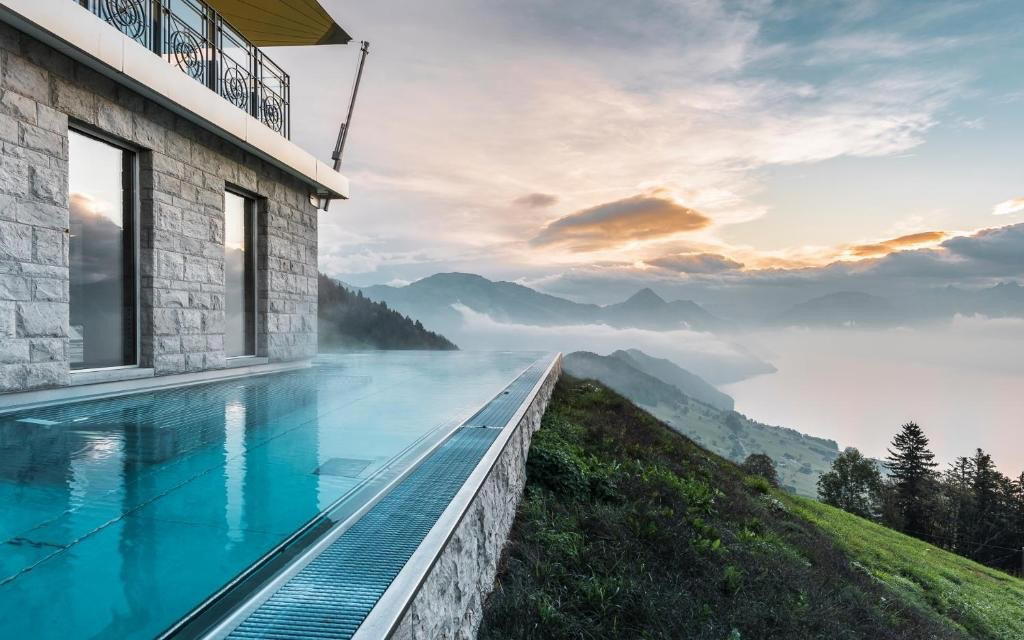

At a Glance
- Cozy
- Elegant
- Rustic
- Intimate
- Classic
- Date Night
- Special Occasion
- Historic Building
- Extensive Wine List
- Local Sourcing
- Mountain
Current opening hours
- Monday
- Closed
- Tuesday
- Closed
- Wednesday
- Closed
- Thursday
- 6:30–9:30 PM
- Friday
- 11:30 AM–2 PM, 6:30–9:30 PM
- Saturday
- 11:30 AM–2 PM, 6:30–9:30 PM
- Sunday
- 11:30 AM–2 PM, 6:30–9:30 PM
Hours can change for holidays and private events. Last verified .
Charming wood-panelled interior with warm lighting and elegant, cultivated atmosphere.