Restaurant Volkshaus
Restaurant Volkshaus occupies a storied address in Zurich's Aussersihl district, where the building's century-old labour movement history gives the dining room a weight that few restaurants in the city can claim. The cooking sits within a broader Swiss tradition of civic hospitality, and the address at Stauffacherstrasse 60 places it squarely inside one of Zurich's most culturally layered neighbourhoods.
Pearl is the En Primeur Club membership app — saves, bookings, and concierge access live there. Same editors, same standards.
- Address
- Stauffacherstrasse 60, 8004 Zürich, Switzerland
- Phone
- +41 44 242 11 55
- Website
- restaurantvolkshaus.ch
- Directions
- Get directions
 Saves & bookings on Pearl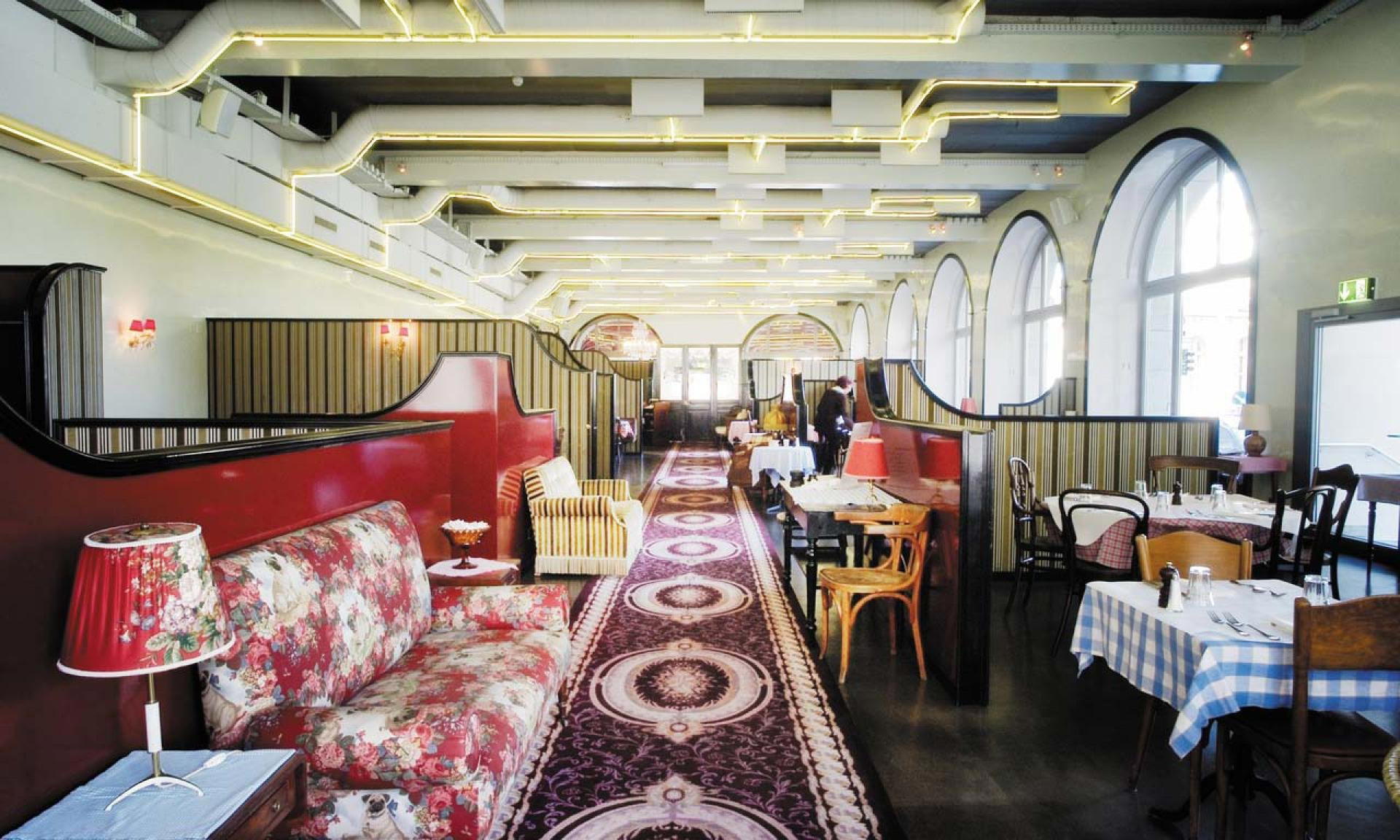
A Neighbourhood Built on Civic Tradition
Aussersihl, the district that spreads west of the Sihl river around Zurich's postal district 4, has always occupied a different register from the old town's polished lakefront. Historically working-class, densely residential, and politically charged, it developed a dining and gathering culture rooted in communal life rather than occasion dining. The Volkshaus — the German term translates directly as "people's house" — is a concept with deep roots across German-speaking Europe: a civic building that served as meeting hall, theatre, and restaurant for the labour movement. Restaurant Volkshaus sits within that tradition, at Stauffacherstrasse 60, in a building whose history long predates any contemporary dining ambition.
That context matters in a city where most premium dining gravitates toward the lake, the Bahnhofstrasse corridor, or the converted industrial shells of Hürlimann Areal. Choosing to eat in Aussersihl is itself a statement about what kind of Zurich dining you are looking for. District 4 has developed steadily over the past decade into a neighbourhood where serious restaurants, neighbourhood bars, and cultural institutions coexist at a density that the centre rarely achieves.
What the Building Carries Into the Room
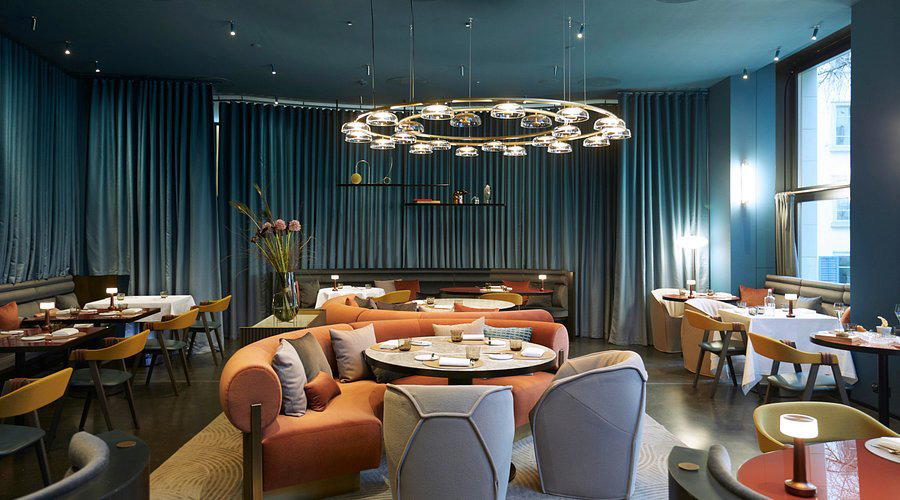
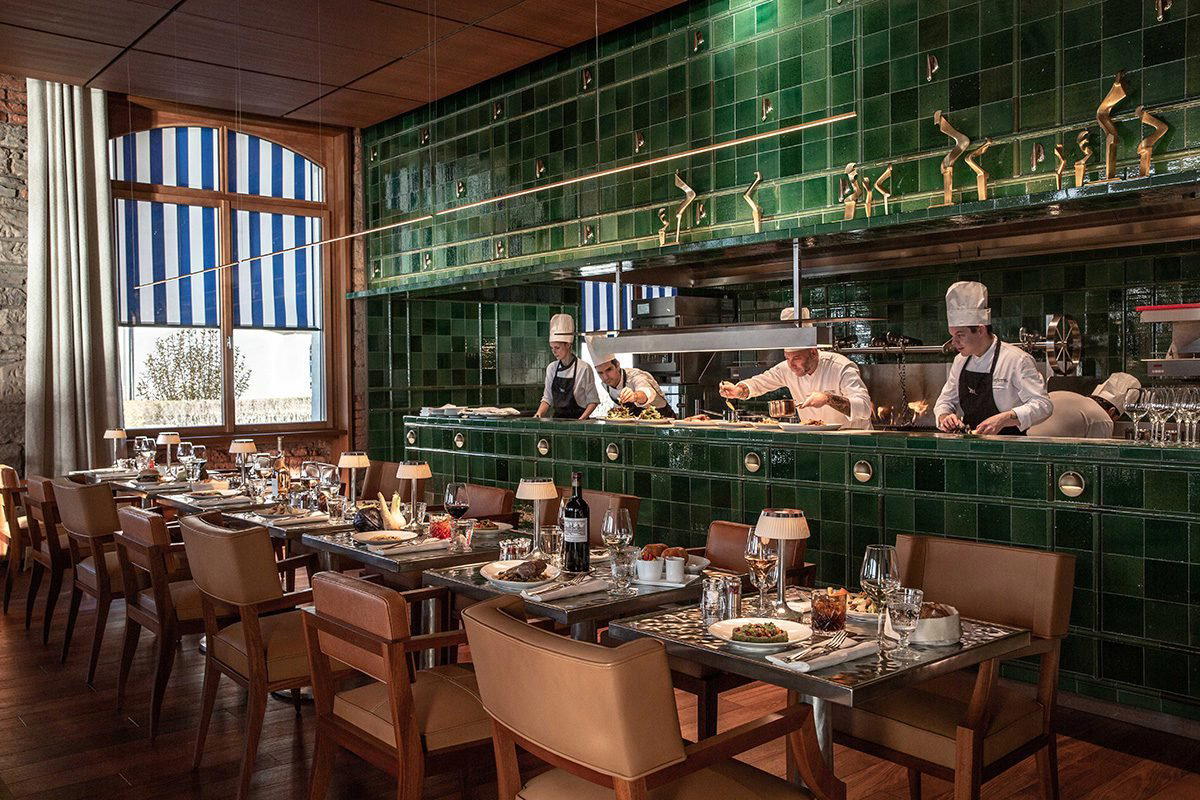
Approaching Volkshaus along Stauffacherstrasse, the building asserts itself before you reach the door. The architecture belongs to the early twentieth century, solid, civic, and built to last in a way that the glass-and-steel restaurant fit-outs of the 2010s conspicuously were not. Inside, the spaces retain structural bones that carry the weight of the building's history into the dining experience. High ceilings, period detail, and a sense that the room existed before the restaurant arrived in it are features that take years to accumulate and cannot be replicated by design alone.
This kind of inherited atmosphere places Volkshaus in a specific tier of Zurich dining. It is not the calculated minimalism of The Counter, nor the grand hotel formality of The Restaurant. It occupies the category of places where the physical fabric of the room does editorial work, telling the diner something about the city's social history before the menu arrives.
Swiss Civic Cooking and Its Contemporary Position
Swiss restaurant culture in the German-speaking cantons has long balanced two distinct registers: the formal fine dining that Switzerland exports to international attention, and the bürgerlich tradition of solid, civic cooking that serves the everyday life of Swiss cities. The first category is well represented at addresses like IGNIV Zürich by Andreas Caminada, where sharing-format tasting menus sit at the top of the city's price and ambition range. The second tradition, of which Volkshaus is part, tends to produce cooking that is less internationally legible but more deeply embedded in how the Swiss actually eat.
Across Switzerland, this civic hospitality tradition has produced some of the country's most durable restaurants. The comparison set extends well beyond Zurich: Hotel de Ville Crissier in Crissier and Schloss Schauenstein in Fürstenau occupy buildings with their own historical weight, and in each case the architecture functions as part of the hospitality offer rather than mere backdrop. Memories in Bad Ragaz and Einstein Gourmet in Sankt Gallen similarly sit within buildings whose civic presence precedes the restaurant operation.
Within Zurich specifically, the restaurant sits at a different register from Widder, which represents the hotel-anchored version of historic-building dining, and from Eden Kitchen & Bar, which imports an Italian register into the city's international dining conversation. Volkshaus is more locally inflected, in both its address and its cultural framing.
District 4 in Context
The neighbourhood around Stauffacherstrasse has undergone a documented shift over the past fifteen years. What was once the least fashionable quadrant of inner Zurich now holds some of the city's most credible independent restaurants, creative studios, and cultural venues. The Volkshaus building itself anchors the cultural end of this shift: it houses a concert hall and various event spaces alongside the restaurant, which means the dining room draws from a mixed audience of locals, cultural attendees, and visitors with a deliberate interest in the district.
For visiting diners, this matters logistically. District 4 is accessible from the city centre in under ten minutes by tram, and the neighbourhood density means that an evening at Volkshaus connects naturally to the surrounding streets, bars, and venues rather than requiring a standalone destination visit. This is a different dynamic from the destination-restaurant model that applies to, say, focus ATELIER in Vitznau or Mammertsberg in Freidorf, where the journey to the venue is part of the structure of the evening.
The contrast with international destination dining is worth noting. Restaurants like Le Bernardin in New York City or Lazy Bear in San Francisco have built their reputations on tightly controlled, high-intensity dining formats. The Volkshaus tradition operates on different terms: legibility, civic welcome, and architectural memory over culinary theatrics.
Planning Your Visit
Volkshaus sits at Stauffacherstrasse 60 in Zurich's 8004 postal district, reachable by tram from Zurich's Hauptbahnhof in roughly eight minutes. The building hosts multiple operations, so confirming which entrance and reservation system applies to the restaurant before arrival saves time. For visitors building a Swiss dining itinerary that extends beyond Zurich, Cheval Blanc by Peter Knogl in Basel, Maison Wenger in Le Noirmont, La Table du Valrose in Rougemont, and Da Vittorio in St. Moritz represent the range of formats and registers available across the country's dining scene. The full EP Club Zurich restaurants guide maps the city's dining scene by neighbourhood and format for those building a multi-day programme.
How Restaurant Volkshaus Zürich compares with similar nearby venues.
| Venue | Cuisine | Price |
|---|---|---|
| Accademia del Gusto | Italian | €€€ |


At a Glance
- Cozy
- Historic
- Classic
- Lively
- Group Dining
- Brunch
- Casual Hangout
- Historic Building
- Extensive Wine List
- Local Sourcing
- Organic
Current opening hours
- Monday
- 9 AM–12 AM
- Tuesday
- 9 AM–12 AM
- Wednesday
- 9 AM–12 AM
- Thursday
- 9 AM–1 AM
- Friday
- 9 AM–1 AM
- Saturday
- 9 AM–1 AM
- Sunday
- 10 AM–12 AM
Hours can change for holidays and private events. Last verified .
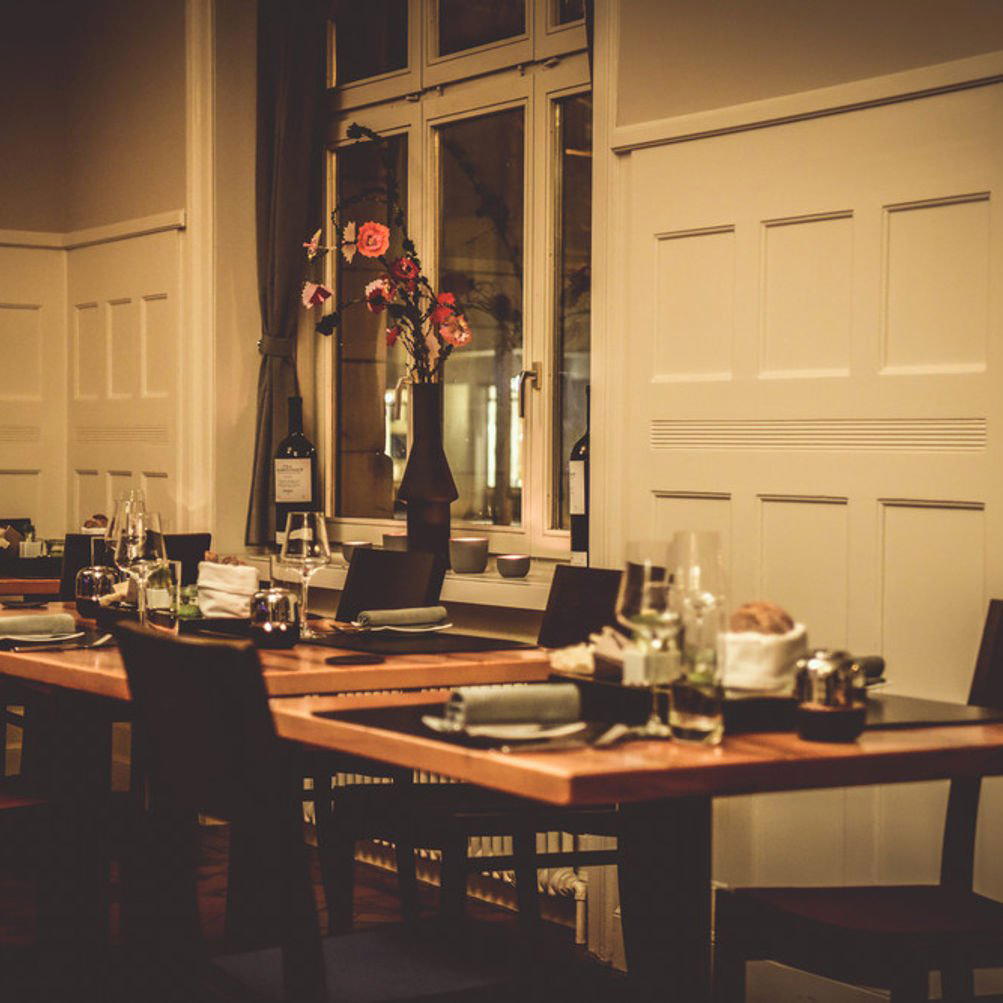
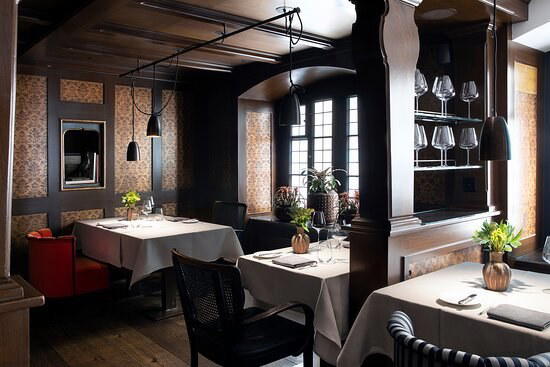
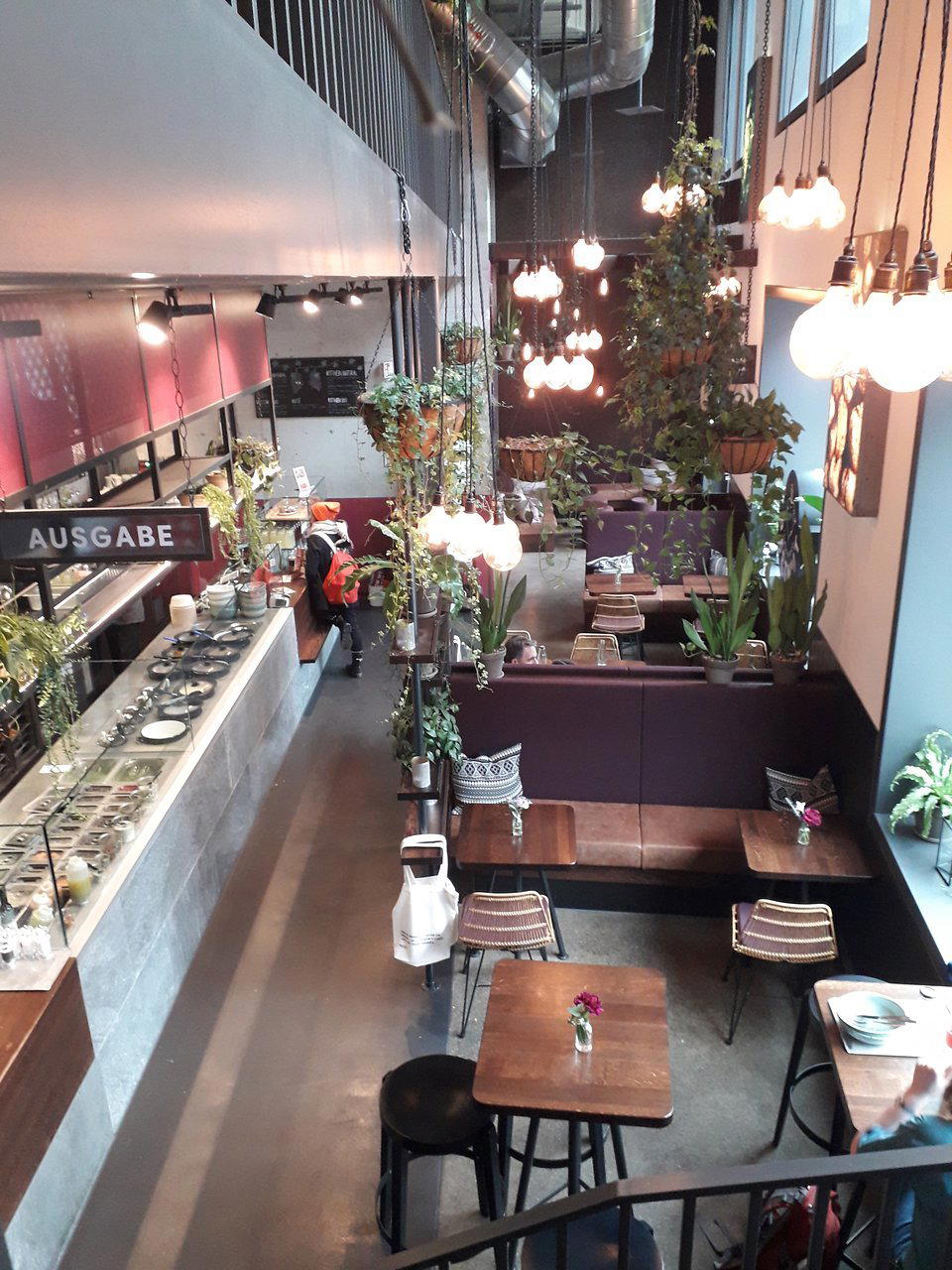
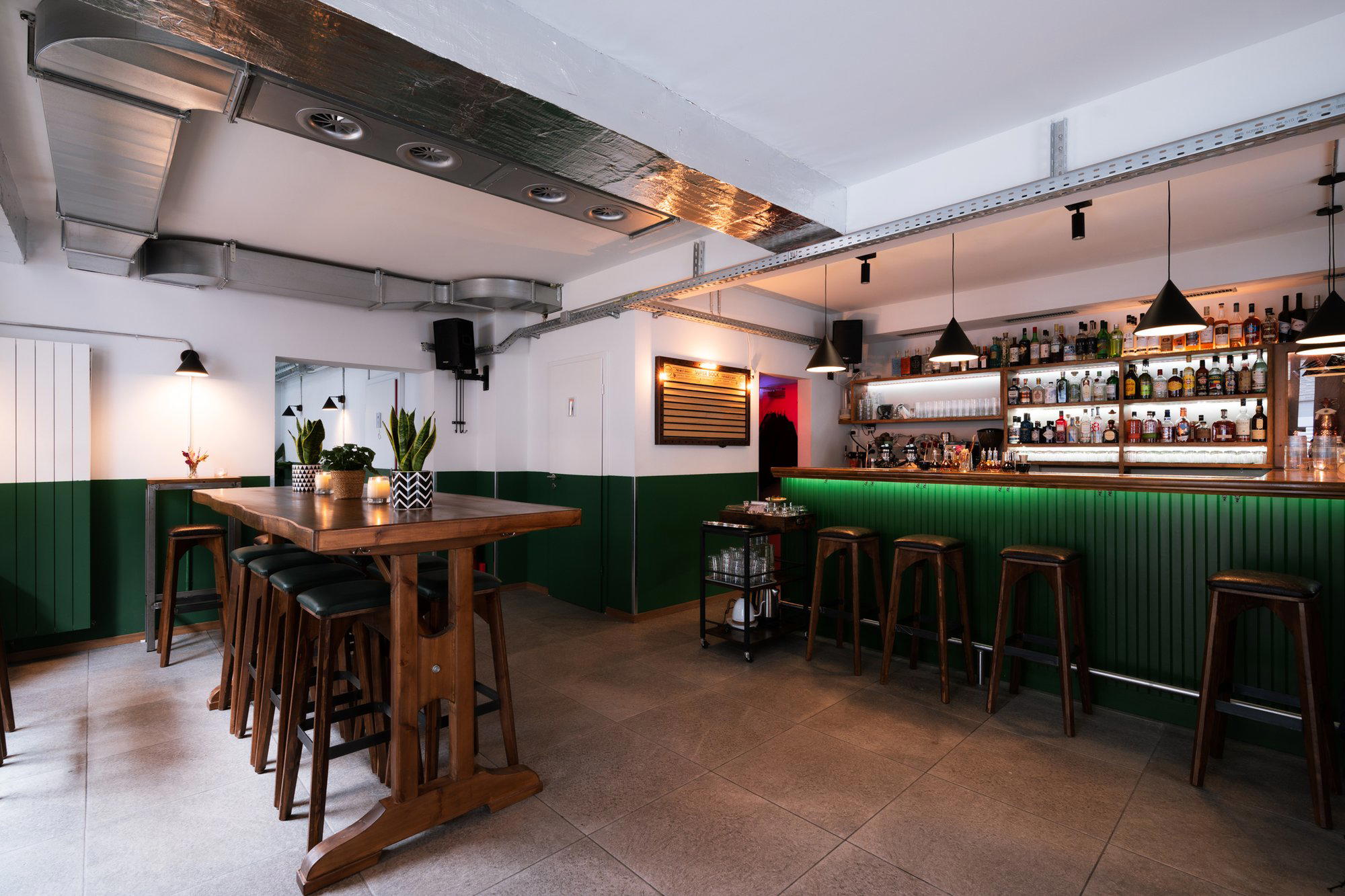
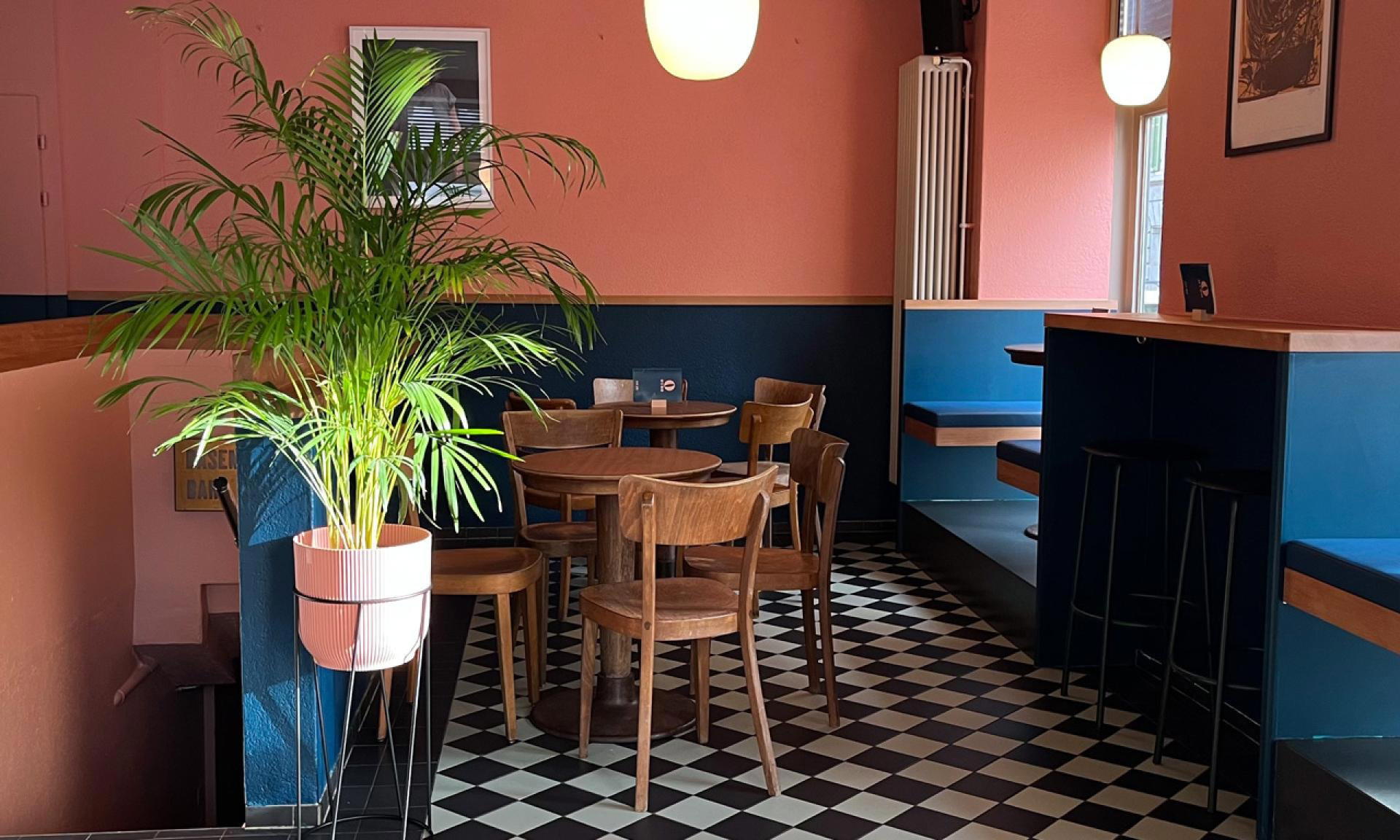
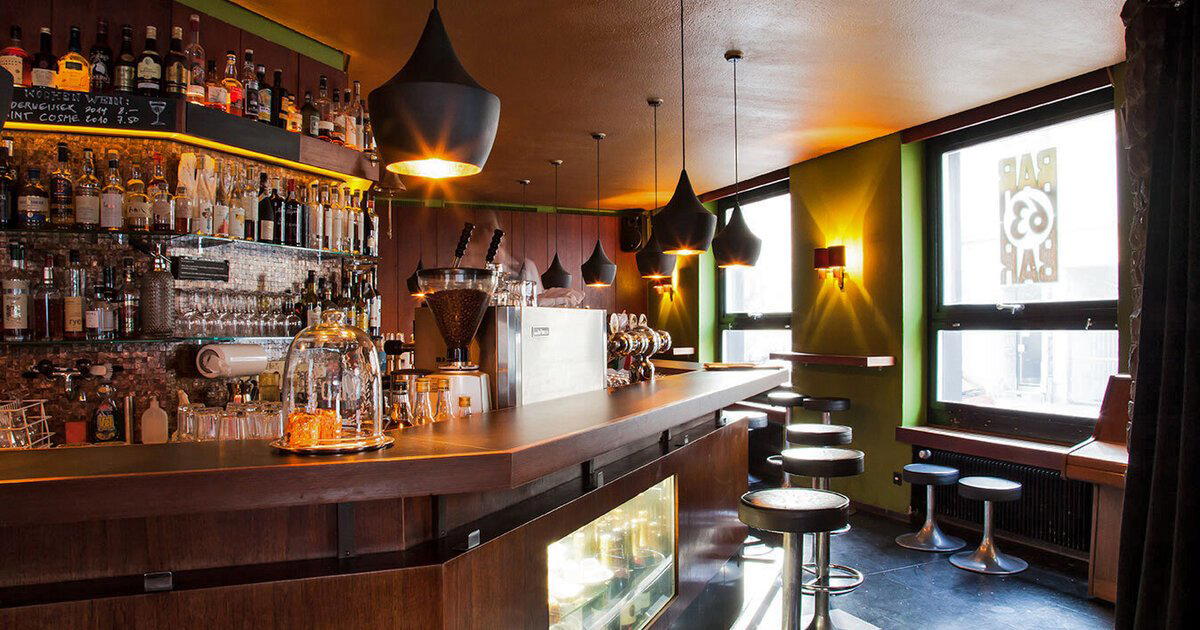
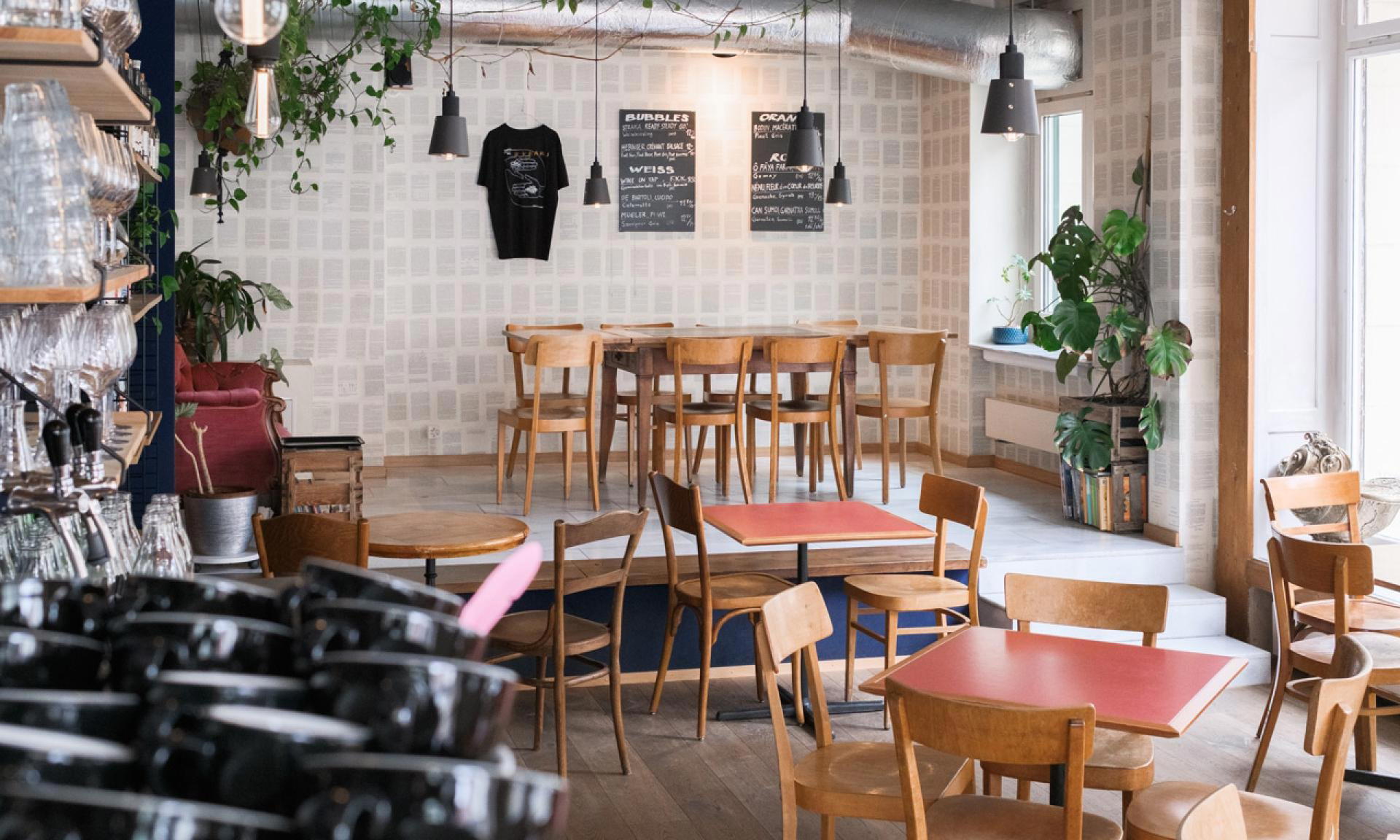
Cozy and intimate niches created in a huge historic hall with beautiful interior, curved counters, leather seats from pommel horses, and diner-style booths, blending old-Europe charm with lively energy.