
On Naamsestraat, one of Leuven's main commercial arteries, d'Artagnan holds a Michelin Plate in consecutive years, 2024 and 2025, for Modern French cooking priced at the mid-premium €€€ tier. The kitchen works within the classical French tradition while addressing contemporary expectations around technique and composition, placing d'Artagnan in the same broad bracket as Leuven's other serious dining addresses without the full-star pricing of EED or EssenCiel.
Pearl is the En Primeur Club membership app — saves, bookings, and concierge access live there. Same editors, same standards.
- Address
- Naamsestraat 72, 3000 Leuven, Belgium
- Phone
- +32 16 29 26 26
- Website
- restaurantdartagnan.be
- Directions
- Get directions
 Saves & bookings on Pearl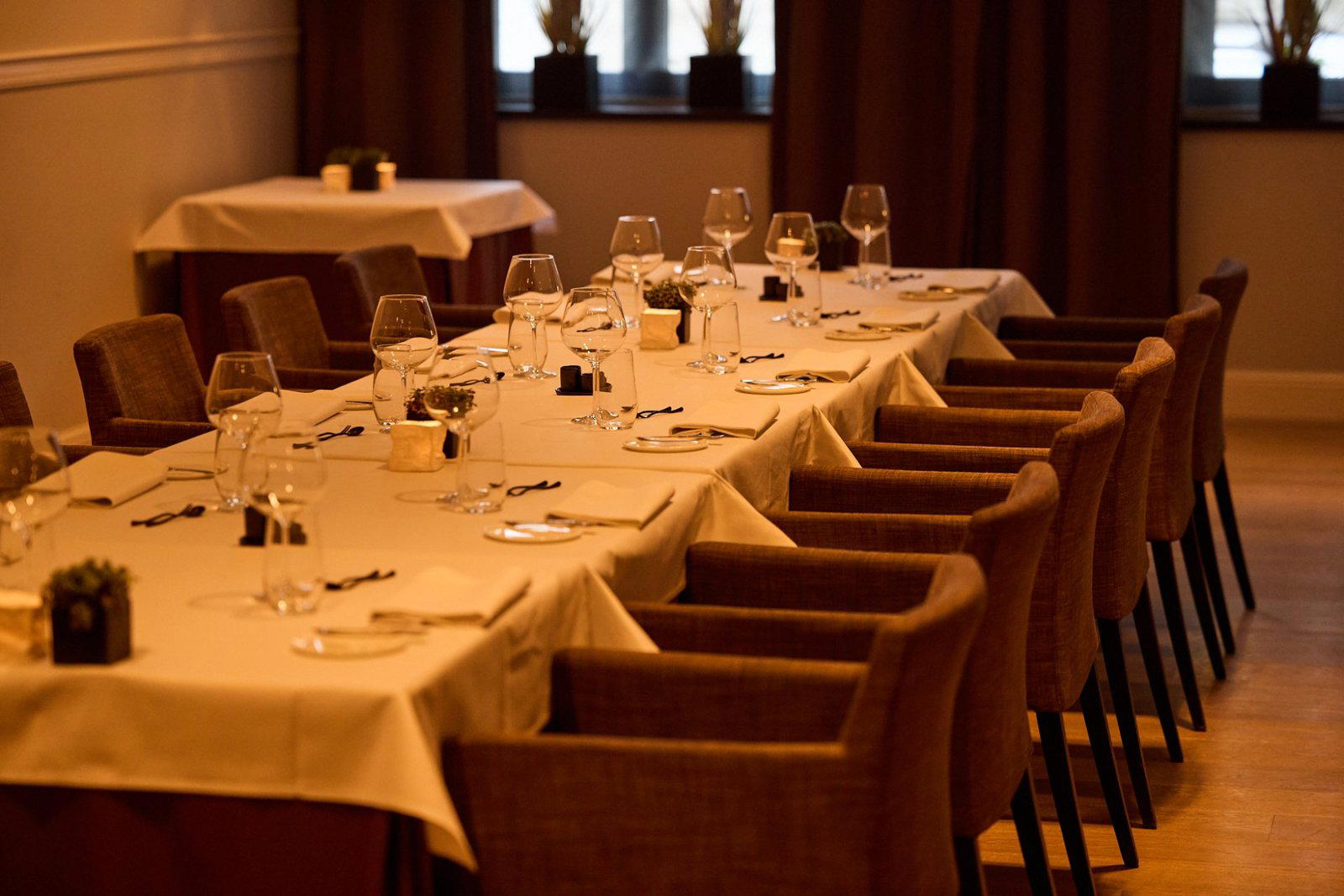
French Discipline on a Flemish Street
Naamsestraat runs south from Leuven's historic centre toward the university quarter, and its architecture tells the story of a city that has layered commercial life over centuries of Flemish civic building. Number 72 sits in that mix: a street-level entrance that signals neither spectacle nor understatement, the kind of address that rewards a second look rather than announcing itself from the pavement. d'Artagnan is a restaurant in Leuven serving Contemporary French-Belgian Fine Dining at the €€€ price tier. This is the register in which it operates, considered, restrained, serious about what arrives at the table.
The Modern French category in Belgium occupies an interesting position. France's classical vocabulary, sauce work, protein handling, structured plating, arrived in Flemish cities through decades of cross-border culinary traffic, and Belgian kitchens have absorbed it, tested it, and increasingly pushed back against its more rigid conventions. At the €€€ price tier, that tension is most visible: the cooking has to justify classical reference points with actual technique rather than borrowed prestige.
Where d'Artagnan Sits in Leuven's Dining Structure
Leuven's restaurant scene divides fairly cleanly between the starred tier and the mid-premium bracket below it. EED and EssenCiel both carry a single Michelin star and price at €€€€, positioning them as the city's reference points for formal tasting-menu dining. d'Artagnan, at €€€, occupies the tier immediately below: recognised for cooking of genuine quality, but priced and formatted to draw a different audience, one that wants serious French technique without committing to the full occasion of a starred meal.
That recognition is worth unpacking. Two consecutive Plates, across the 2024 and 2025 guides, indicate consistent kitchen performance rather than a single strong year. In a city the size of Leuven, with a relatively compact fine-dining tier, that consistency matters. For comparison, Cum Laude and Convento Wijnbistro work in overlapping price territory with distinct style differences: Convento leans toward farm-to-table informality, while Bistro Tribunal anchors its identity in meats and grills. The restaurant's French orientation sets it apart within that cluster.
Classical Technique, Contemporary Pressure
The tension that runs through Modern French cooking globally, the pull between classical structure and contemporary expectations around lightness, sourcing, and seasonal responsiveness, plays out differently depending on how a kitchen positions itself. At the starred end of Belgium's scene, that tension has produced some of the country's most discussed cooking: Hof van Cleve in Kruishoutem, Boury in Roeselare, Zilte in Antwerp, Willem Hiele in Oudenburg, and Bartholomeus in Heist each represent different answers to what Belgian fine dining can be at the highest level.
The kitchen needs to deliver reliable satisfaction across a broader range of guests, but the French framework itself provides structure. Classical saucing and precise protein cookery are disciplines that either hold up under scrutiny or they don't. That consistency suggests the fundamentals are in order. Beyond Belgium, the same tension surfaces at Sketch's Lecture Room and Library in London and Schanz in Piesport, both of which represent how Modern French can be pushed in different cultural and geographic directions, useful reference points for understanding what the genre allows.
In Brussels, Bozar Restaurant operates at a comparable register in a more high-profile institutional setting. The contrast is instructive: a capital city fine-dining address in an arts venue carries a different set of expectations around occasion and visibility than a Leuven neighbourhood restaurant on a student-and-professional street. The restaurant operates with less performative weight, which tends to focus attention on what's actually on the plate.
The Guest Picture and What It Tells You
4 across 175 reviews positions the restaurant comfortably in the well-regarded bracket: high enough to reflect consistent satisfaction, with enough volume to suggest a genuinely used restaurant rather than a limited sample. For a mid-premium French address in a mid-sized Belgian city, that profile points to a regular local clientele alongside visiting academics, professionals connected to the university, and the occasional Brussels day-tripper who wants serious cooking at a price point the capital rarely offers in the same category.
The €€€ pricing places the restaurant meaningfully below its starred Leuven peers without crossing into casual territory. For guests deciding between options, that gap is relevant: EED and EssenCiel are full-occasion restaurants priced accordingly, while the restaurant offers French technique at a level Michelin has formally recognised, without the occasion overhead. It is the kind of restaurant that works as a regular dining address for guests who want quality as a baseline rather than an event.
Planning a Visit
The restaurant is at Naamsestraat 72, 3000 Leuven, a short walk from the city's main square and accessible from Leuven train station in under fifteen minutes on foot. Leuven is approximately 25 minutes by train from Brussels-Central, which makes it a practical choice for visitors based in the capital who want to explore Flemish dining outside the Brussels circuit. Reservations are recommended, particularly for weekend evenings when Naamsestraat addresses draw a full local crowd. The address sits in a mixed commercial and residential stretch, so arrival by public transport or on foot is especially practical approach given Leuven's compact centre.
Where It Fits
Comparable venues nearby, for context on price, style, and recognition.
| Venue | Cuisine | Price | Awards | Notes |
|---|---|---|---|---|
| d'ArtagnanThis venue — the venue you are viewing | Contemporary French-Belgian Fine Dining | $$$ | Michelin Plate | Not listed |
| Mariette | Franco-Belgian Bistro | $$$ | Not listed | Wilsele |
| Zarza | Modern Belgian-French Fine Dining | $$$ | Michelin Plate | Leuven |
| Trente | Modern French-Belgian Fine Dining | $$$$ | Not listed | Stads centrum |
| Guzzi | Authentic Neapolitan Pizza | $$$ | Michelin Plate | Leuven |
| bittersweet | Artisanal Belgian Chocolate | $$$ | Not listed | Leuven Centre |
Recognition history
Dated appearances from independent guides and award organizations, with the underlying list record or original source where available.
Michelin Plate
Michelin
Michelin Plate
Michelin
Michelin Plate
Michelin
Continue exploring
More in Leuven
Restaurants in Leuven
Browse all →
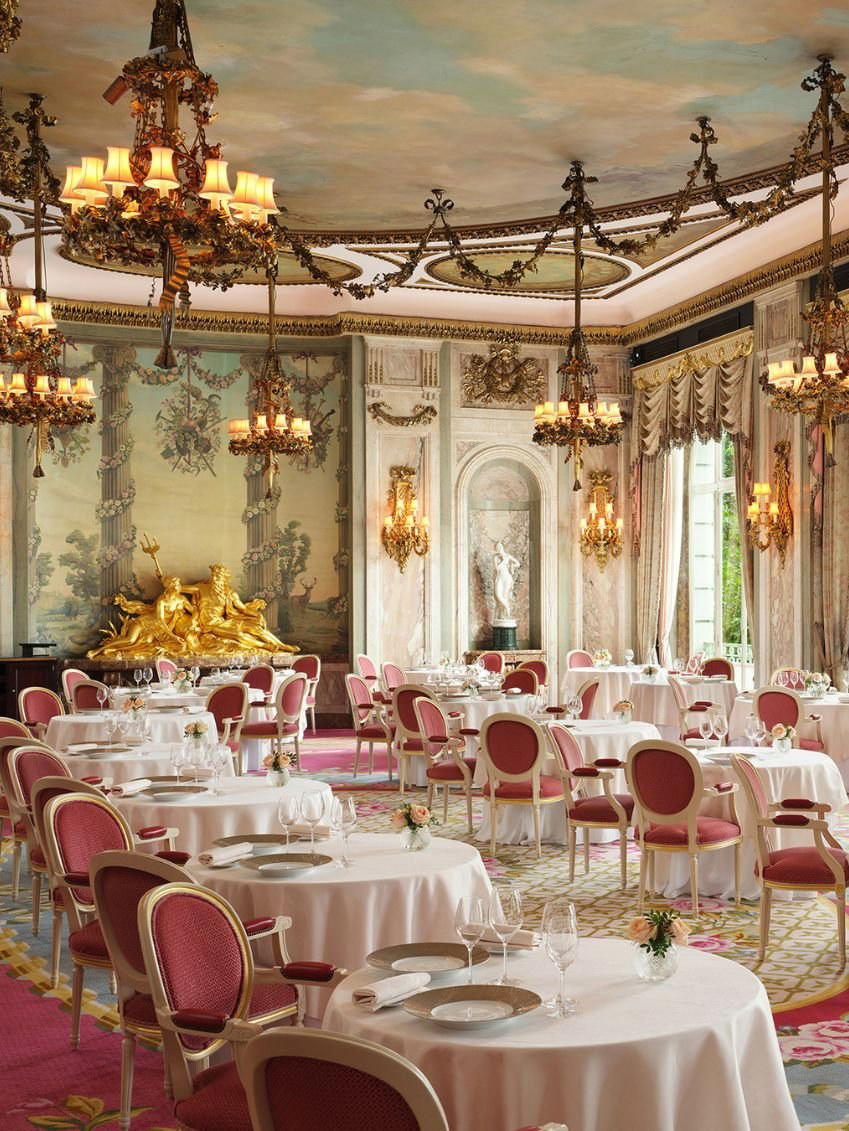
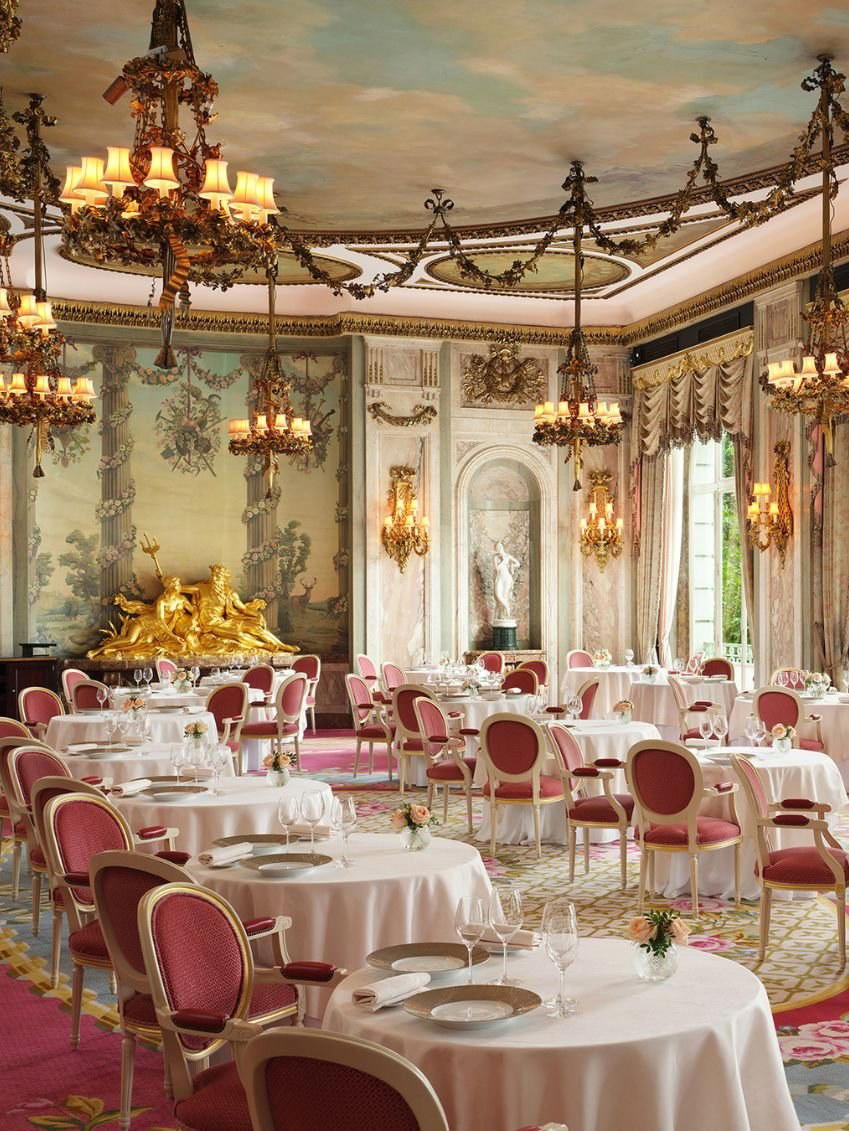
Bars in Leuven
Browse all →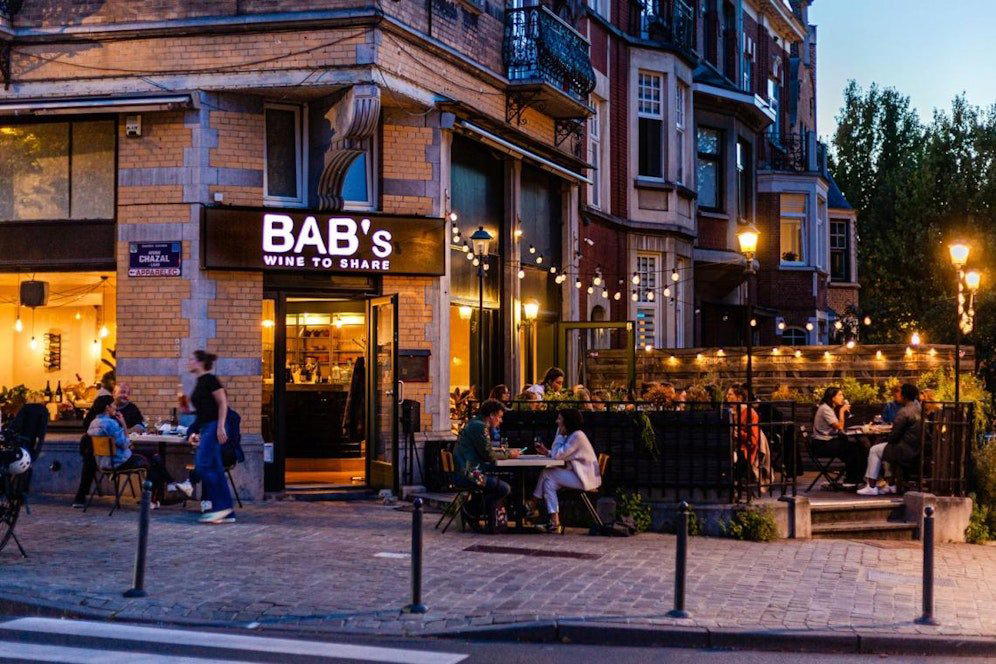
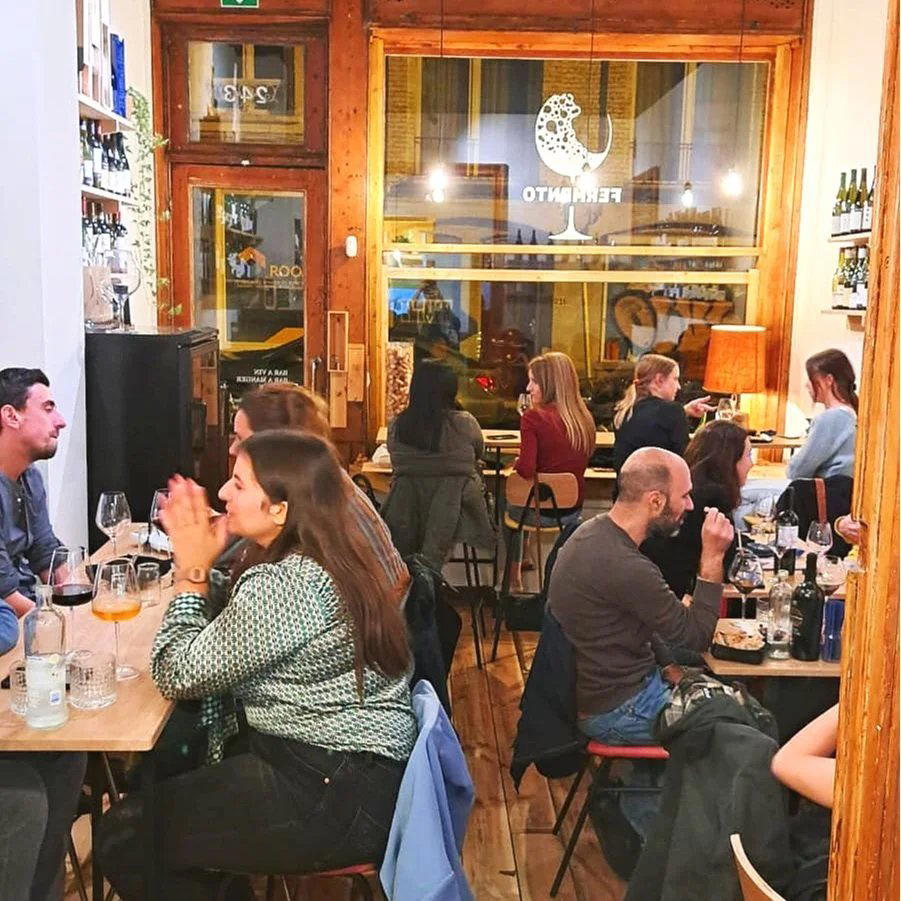
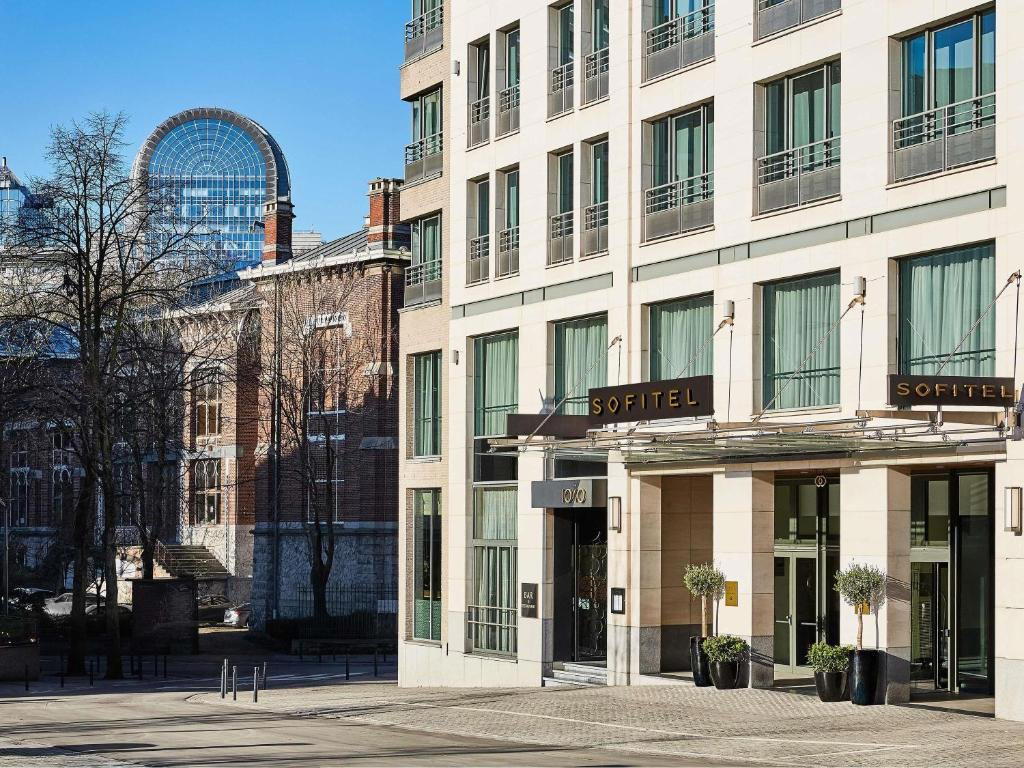
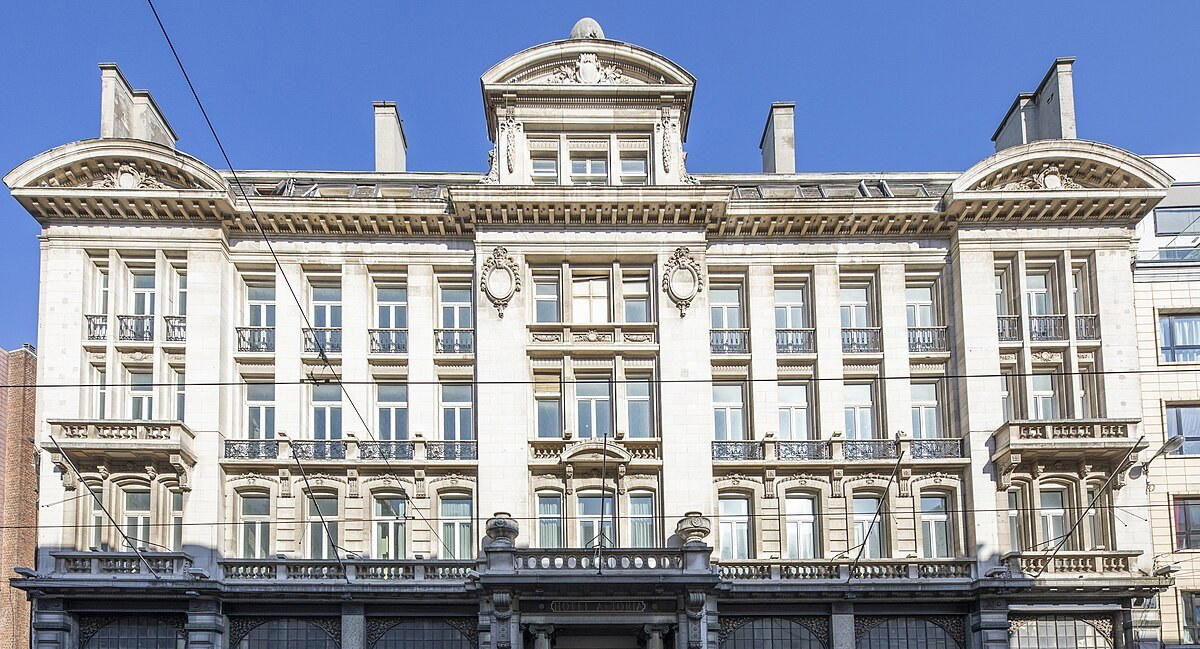
Hotels in Leuven
Browse all →
Wineries in Leuven
Browse all →
At a Glance
- Elegant
- Cozy
- Sophisticated
- Intimate
- Date Night
- Business Dinner
- Special Occasion
- Terrace
- Private Dining
- Extensive Wine List
- Local Sourcing
- Garden
Current opening hours
- Monday
- Closed
- Tuesday
- 12–2 PM, 6:30–8:30 PM
- Wednesday
- 12–2 PM, 6:30–8:30 PM
- Thursday
- 12–2 PM, 6:30–8:30 PM
- Friday
- 12–2 PM, 6:30–8:30 PM
- Saturday
- 6:30–8:30 PM
- Sunday
- Closed
Hours can change for holidays and private events. Last verified .
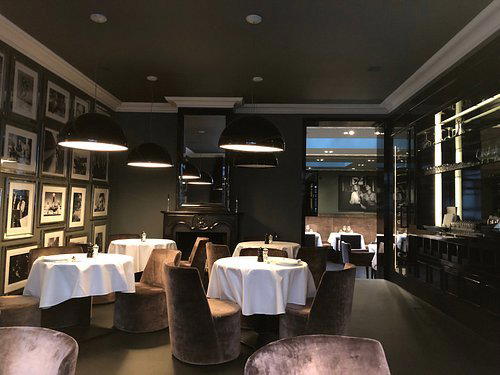
Elegant refined interior with warm welcoming atmosphere and peaceful garden terrace.