
Michelin Plate
Our verdict
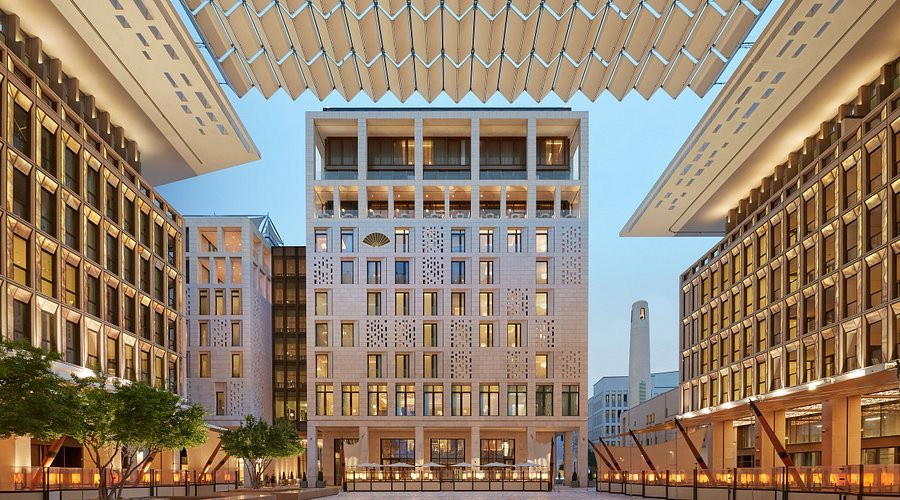
A Michelin Plate-recognised Moroccan restaurant at Doha Oasis, Dar Yema brings North African Maghrebian cooking into one of Qatar's most architecturally considered dining settings. The menu centres on traditional tagines, Algerian boureks, and house-baked breads, with housemade ice cream rounding out a menu that reflects genuine kitchen investment.

Pearl is the En Primeur Club membership app, where members save venues, book tables and use the concierge.
The menu
What to order
- Chicken Tagine with Lemon and Olives
- Lamb Tajine
- Couscous
Maghrebian Cooking in a Gulf City
Moroccan restaurants outside North Africa tend to fall into two categories: the tourist-facing approximation, heavy on theatrical decor and light on culinary depth, and the rarer proposition where the cooking is the point. Dar Yema, located at Doha Oasis on Al Khaleej Street, positions itself firmly in the second group. Doha's dining scene has expanded rapidly over the past decade, absorbing French fine dining, contemporary Middle Eastern formats, and a global range of imported concepts. Against that backdrop, a kitchen committed to the traditions of the Maghreb, Morocco, Algeria, Tunisia, the coastal and mountain cuisines that predate most Western restaurant categories, occupies a distinct and relatively uncrowded position.
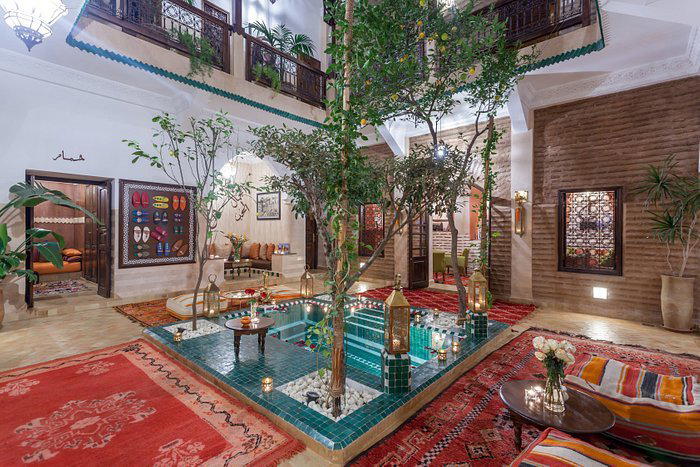
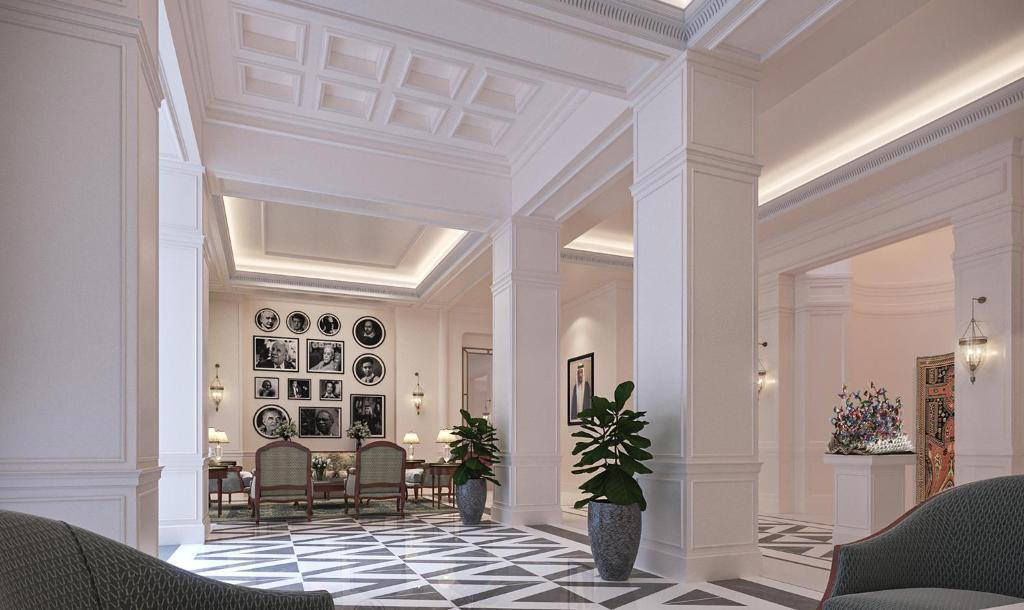
The dining room is spacious and considered, the welcome reportedly warm and unhurried. Those qualities matter more than they might sound: in a city where hospitality theatre can overwhelm the actual meal, a room that lets the food lead is a deliberate editorial choice by the kitchen.
The Cuisine and Its Regional Logic
North African Maghrebian cooking is among the most historically layered in the world. It draws on Berber, Arab, Andalusian, Ottoman, and French colonial influences across centuries, and the result is a cuisine of complexity that serious restaurants elsewhere spend considerable effort trying to represent honestly. In Paris, venues like Mansouria and Le Sirocco have built reputations around exactly this kind of careful Moroccan representation, and both the French capital's Moroccan diaspora and its broader dining public treat the cuisine with the seriousness it demands. Dar Yema brings a comparable orientation to Doha.
The tagine is the format through which most diners encounter Moroccan cooking, and for good reason: the slow-cooked, clay-vessel technique produces a depth of flavour that fast-format cooking cannot replicate. The kitchen here executes a chicken tagine with lemon and olives that has drawn consistent note from reviewers and from Michelin's inspectors alike. The combination, preserved lemon, cured olives, poultry cooked until the collagen gives, is a classic of the Moroccan table, and its presence on a Doha menu at this level of execution is notable. Tagines appear in other Doha venues, but fewer kitchens treat them as the primary expression of skill rather than a supplementary menu item.
Algerian boureks extend the menu's Maghrebian range beyond Morocco proper. These filled pastries, typically constructed from thin dough around meat, cheese, or vegetable fillings and fried or baked, reflect the broader North African breadth the kitchen is working with. They sit in the same culinary family as Tunisian brik and Moroccan bastilla, and their inclusion signals a kitchen with genuine regional range rather than one focused on a single country's greatest hits.
Bread, Housemade Details, and What They Signal
Homemade bread at a restaurant is not, by itself, remarkable. What it signals depends on context. In a kitchen where the economics would allow for purchased product with no visible trade-off in the dining experience, choosing to make bread in-house indicates a kitchen with a particular orientation toward craft. At Dar Yema, the bread is described as plentiful and carefully made, which in the context of Moroccan dining is meaningful: khobz and other traditional breads are integral to the meal structure, used to scoop, dip, and accompany tagines and shared dishes. A kitchen that takes the bread seriously is almost certainly taking the rest of the meal seriously.
The housemade ice cream at the end of the meal follows the same logic. Dessert production in this category of restaurant is frequently outsourced or simplified. The decision to produce ice cream in-house at Dar Yema suggests a kitchen invested in completing the meal on its own terms, rather than treating the sweet course as an afterthought.
Where Dar Yema Sits in Doha's Dining Structure
Doha's restaurant scene now includes Michelin-recognised venues across multiple price tiers and cuisines. At the top of the price structure, IDAM by Alain Ducasse holds a Michelin Star at the four-riyal price tier. Dar Yema's two consecutive Michelin Plate awards (2024 and 2025) place it in the recognition tier below starred venues but above the general pool, at a two-riyal price point that makes it considerably more accessible. For context, Argan, another Moroccan option in the city, operates at the one-riyal tier. Dar Yema's positioning between mass-market Moroccan and fine dining French reflects a specific niche: regional cuisine executed with sufficient rigour to attract inspector attention, priced for regular rather than special-occasion visits.
Among Doha's broader mid-range dining options, Baron and Bayt Sharq represent Middle Eastern alternatives at a similar price bracket, while Alba covers Italian at the same tier. Dar Yema is the only Michelin-recognised Moroccan option at this price point in the city's current guide listings.
For those exploring broader Moroccan cooking in other contexts, Aziza in San Francisco and Kous Kous in Valle de Guadalupe offer points of comparison in very different settings, demonstrating how far the cuisine has travelled across premium dining circuits globally.
Planning Your Visit
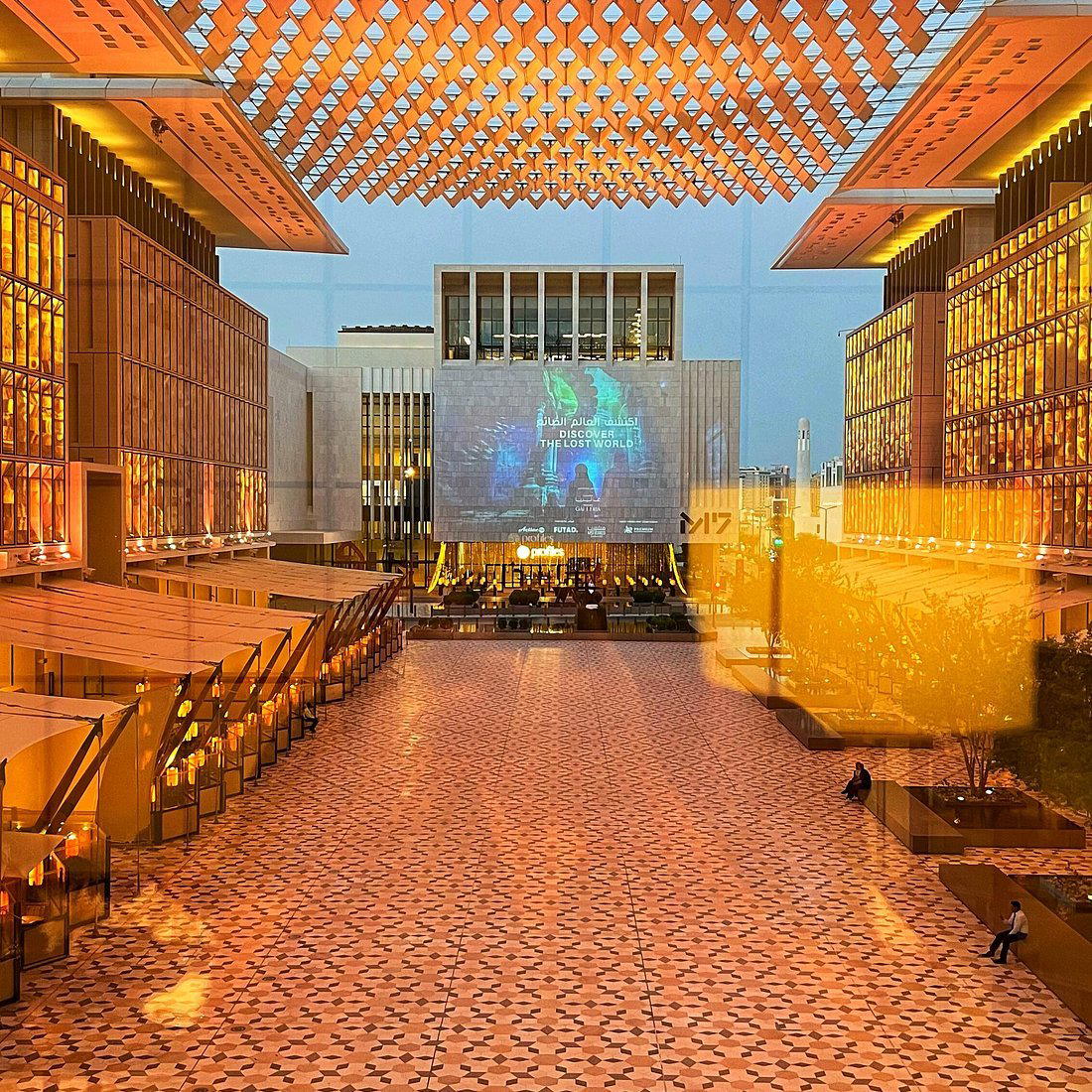
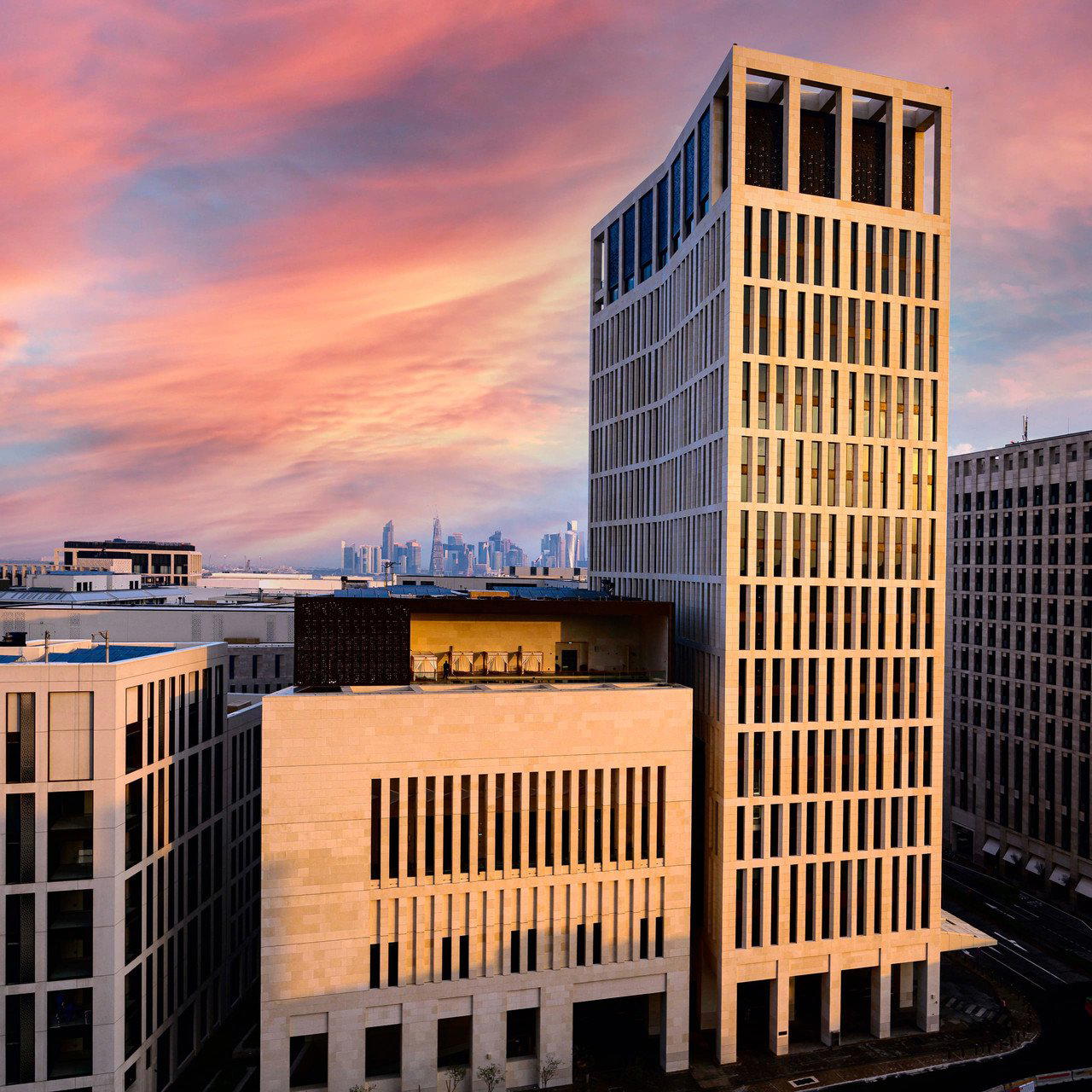
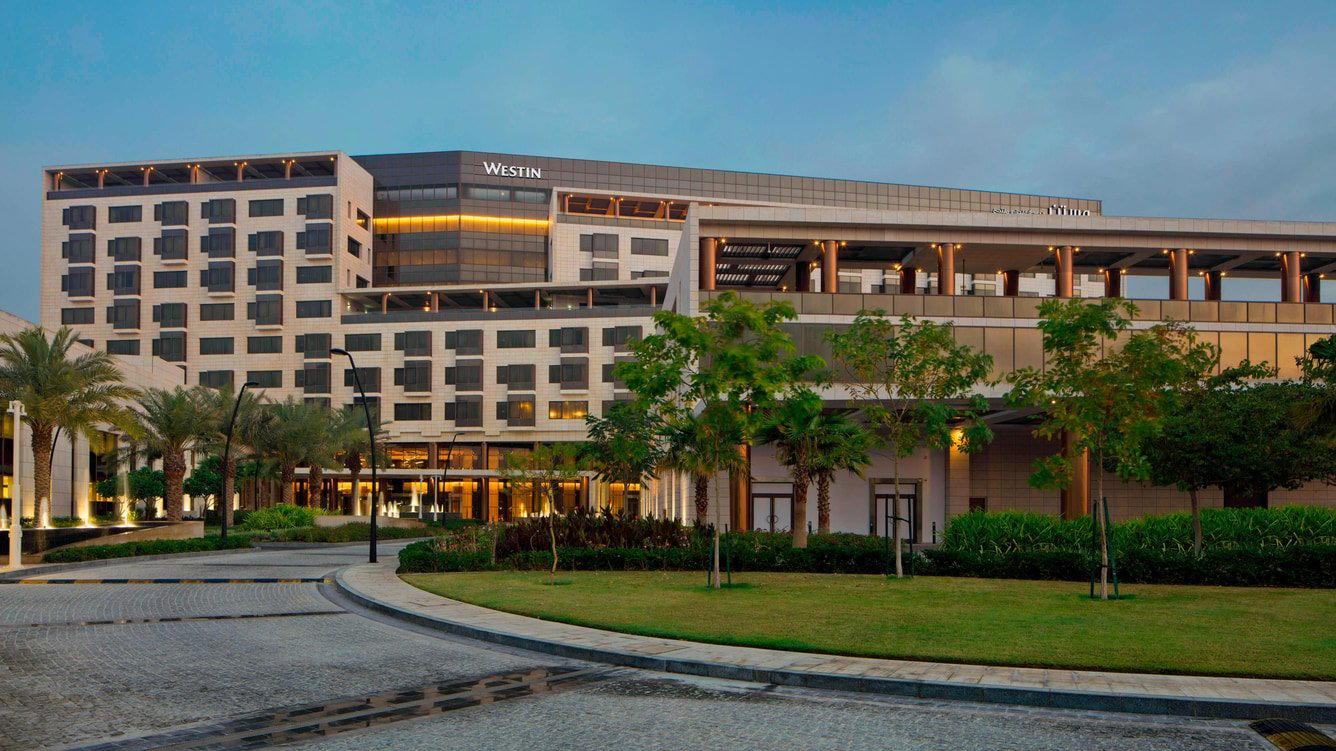
Dar Yema is located at Doha Oasis on Al Khaleej Street, a central address that places it within reach of the city's main hotel and business districts. The two-riyal price range positions it as a mid-tier spend by Doha standards, broadly accessible for a table of two or a group. The spacious dining room format suggests the venue can accommodate groups comfortably, and the traditional menu structure of shared breads, tagines, and pastries lends itself to table-wide ordering rather than individual plates.
For a broader picture of where Dar Yema sits within the city's dining options, the full Doha restaurants guide covers the range of Michelin-recognised and EP Club-rated venues across cuisines and price tiers. Those building a longer Doha itinerary can also consult the Doha hotels guide, Doha bars guide, Doha wineries guide, and Doha experiences guide.
Frequently asked questions
What kind of setting is Dar Yema?
Dar Yema occupies a spacious, formally appointed dining room at Doha Oasis on Al Khaleej Street. The atmosphere is described by Michelin inspectors as warm and welcoming, with a gracious service team. At the two-riyal price tier for a Michelin Plate-recognised venue in Doha, it sits in a mid-range bracket that is noticeably more accessible than starred options like IDAM by Alain Ducasse, while offering a more considered setting than entry-level Moroccan dining in the city. The room's scale and the traditional menu format make it suited to both couple dining and group tables.
What should I order at Dar Yema?
The Michelin Plate recognition across 2024 and 2025 specifically notes the chicken tagine with lemon and olives as a highlight of the traditional Moroccan menu. Algerian boureks are cited alongside it as a standout. The homemade breads arrive throughout the meal and are described as plentiful, making them part of the experience rather than a side note. The kitchen also produces its own ice cream, so working through to the dessert course is worth the time. The menu draws from North African Maghrebian traditions broadly, so the most productive approach is to order across multiple dishes rather than treating it as a single-plate format.
Is Dar Yema child-friendly?
That said, the spacious dining room, the traditional shared-format menu (breads, tagines, pastries), and the mid-range price point at the two-riyal tier in Doha all suggest a setting without the formality that would make families feel out of place. Traditional Moroccan dining culture is inherently communal and meal-centred, which tends to translate well to family tables. Confirming any specific arrangements directly with the venue or through Doha Oasis is advisable before visiting with young children.
Peers You’d Cross-Shop
Comparable options at a glance, pulled from our tracked venues.
| Venue | Cuisine | Price | Awards | Notes |
|---|---|---|---|---|
| Dar YemaThis venue (the venue you are viewing) | Moroccan & North African | $50–100 | Michelin Plate | Not listed |
| IDAM by Alain Ducasse | Contemporary French Mediterranean with Arabian influences | $50–100 | 1 Michelin Star · World's 50 Best #44 | French, French Contemporary, ﷼﷼﷼﷼ |
| Argan | Authentic Moroccan | $20–30 | Michelin Bib Gourmand | Moroccan, ﷼ |
| Hakkasan | Modern Cantonese | $100–150 | Michelin Plate | Chinese, ﷼﷼﷼﷼ |
| Jiwan | Modern Qatari Fine Dining | Not listed | Michelin Bib Gourmand | Middle Eastern, ﷼﷼ |
| Morimoto | Contemporary Japanese Fusion | $100–150 | Michelin Plate · Wine Spectator Award of Excellence | Japanese, Sushi, Japanese Contemporary, ﷼﷼﷼ |
Recognition history
Dated appearances from independent guides and award organizations, with the underlying list record or original source where available.
Michelin Plate
Michelin
Full recognition history (3 entries)
Michelin Plate
Michelin
Michelin Plate
Michelin
Continue exploring
More in Doha
Restaurants in Doha
All restaurants in Doha →
Bars in Doha
All bars in Doha →
Details
- Elegant
- Cozy
- Classic
- Date Night
- Family
- Special Occasion
- Live Music
- A La Carte
- Family Style
Current opening hours
- Monday
- 5 PM–1 AM
- Tuesday
- 5 PM–1 AM
- Wednesday
- 5 PM–1 AM
- Thursday
- 5 PM–1 AM
- Friday
- 5 PM–1 AM
- Saturday
- 5 PM–1 AM
- Sunday
- 5 PM–1 AM
Hours can change for holidays and private events. Hours as of .
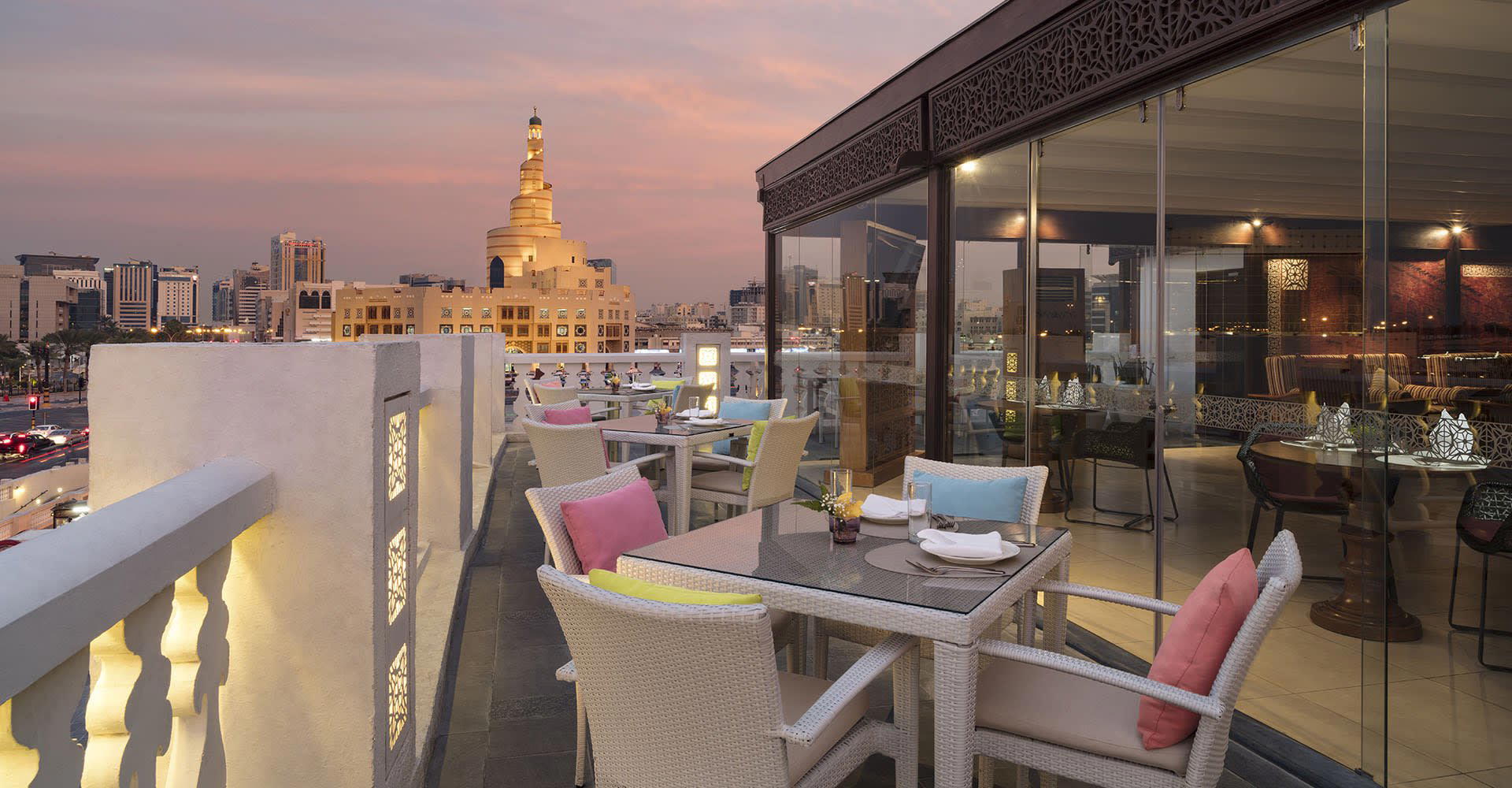
Beautiful and spacious dining room with traditional Moroccan decor creating a warm, home-like and immersive North African experience.