
Michelin Plate
Our verdict
One of Paris's longest-standing Moroccan addresses, Mansouria at 60 Rue de Charonne has held a Michelin Plate since 2024 and draws a loyal following in the 11th arrondissement. Its menu reads as a structured argument for classical North African cooking rather than a survey of crowd-pleasing approximations. For Parisian Moroccan dining at a mid-range price point, it occupies a clearly defined position.

Pearl is the En Primeur Club membership app, where members save venues, book tables and use the concierge.
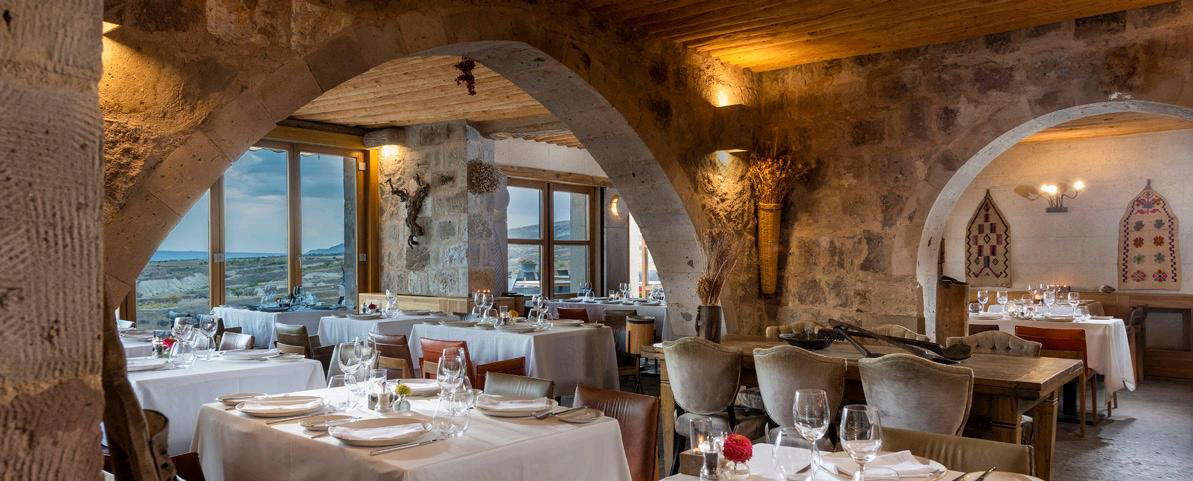
The menu
What to order
- Lamb mourouzia Al-Andalus
- Pigeon pastilla
- Couscous
Moroccan Cooking in Paris: What the Menu Reveals
Paris has accumulated a substantial Moroccan dining scene over several decades, shaped by the city's deep ties to North Africa through immigration, trade, and cultural exchange dating back through the twentieth century. That history has produced two recognisable tiers: a large casual market of couscous-and-tajine addresses aimed at volume, and a smaller cohort of restaurants that treat Moroccan cuisine as a serious culinary tradition with its own internal logic, regional variation, and technical demands. Mansouria, at 60 Rue de Charonne in the 11th arrondissement, has operated within that second category for long enough to become one of the reference points against which newer arrivals are measured.
The Michelin Plate awarded in 2024 confirms the restaurant's position within that more serious tier. In Michelin's own taxonomy, the Plate designation indicates cooking that is good enough to be worth knowing about, without the full-star recommendation. For a Moroccan address in Paris, where the guide has historically applied its star criteria with a focus on French and European traditions, a Plate carries real weight as an acknowledgment that the kitchen is operating at a consistent level. Among Moroccan restaurants globally, addresses like Argan in Doha and Aziza in San Francisco have staked out comparable positions in their respective cities, placing serious North African cooking within a fine-dining framework. Mansouria's approach in Paris belongs to the same broader tendency, though it operates at a notably more accessible price point than either of those comparators.
How the Menu Is Built
The architecture of a classical Moroccan menu is itself an argument about hospitality and sequence. The traditional Moroccan feast does not follow the French model of a single protein with accompaniments; it moves through a procession of small dishes, pastilla, harira, and kemia before arriving at a centrepiece tajine or couscous, and then continues into pastries and mint tea. This structure encodes a different relationship between host and guest, one in which generosity is expressed through accumulation and variety rather than through the refinement of a single plate.
Mansouria's menu reflects this inherited architecture rather than flattening it for a Parisian audience. The kitchen works within the grammar of Moroccan cooking: slow-braised proteins, spice combinations built on preserved lemon, saffron, ras el hanout, and aged olives, and the kind of textural contrasts between tender meat and crisp pastry that define dishes like pastilla. For a diner arriving from the high-concept French kitchens further west in the city, whether from a tasting menu at Arpège or the architectural precision of Kei, the shift is significant. The menu at Mansouria is asking a different set of questions about what a meal is for.
At the €€ price range, the restaurant occupies a middle position in the broader Paris dining market. The multi-course temples of French classical cooking at places like L'Ambroisie or the modernist ambition of Alléno Paris au Pavillon Ledoyen operate at €€€€, with price points that reflect both their star counts and the cost of their raw materials and brigade sizes. For Parisian dining in the Michelin-acknowledged category, the 11th arrondissement address is one of the more accessible options on the list.
The 11th Arrondissement Context
The 11th has a distinct character within Paris's restaurant geography. It is not the polished arrondissement of grand boulevard dining, nor the tourist-facing concentration of the Marais. Over the past two decades it has become one of the more active zones for independent restaurant openings, with a mix of natural wine bars, small bistrots, and ethnically diverse kitchens that reflect the neighbourhood's working-class history and its subsequent gentrification. Rue de Charonne sits within this context: a street that contains both old-school neighbourhood institutions and newer arrivals drawn by lower rents and a local clientele with genuine appetite for serious eating.
Within this neighbourhood's Moroccan dining options, Mansouria occupies the higher-end position. Le Sirocco represents another option within the city's North African dining category, but Mansouria's Michelin recognition places it in a distinct tier. For context on the broader Paris dining scene across categories and arrondissements, our full Paris restaurants guide covers the city's range in detail, with additional coverage of bars, hotels, wineries, and experiences across the city.
France's Wider Dining Benchmark
It is worth placing Mansouria within the broader context of what France's restaurant culture can produce at its upper levels, not to diminish the address but to calibrate expectations. The country's starred establishments include multi-generational institutions in the provinces: Auberge de l'Ill in Illhaeusern, Troisgros in Ouches, Paul Bocuse's Auberge du Pont de Collonges, Bras in Laguiole, Flocons de Sel in Megève, and Mirazur in Menton. Against that backdrop, Mansouria's Plate signals a kitchen that takes cooking seriously within a tradition that French fine dining has historically undervalued. That framing matters: the Plate is an acknowledgment that quality can be found outside the dominant French canon, and that the guide's inspectors found something at Rue de Charonne worth signalling to readers.
Planning a Visit
Mansouria is located at 60 Rue de Charonne, reachable from the Ledru-Rollin or Charonne Métro stations on line 8, both within easy walking distance of the address. At a €€ price point, it attracts a broader demographic than the starred houses, which means Friday and Saturday evenings tend to fill quickly. Booking ahead is advisable for those evenings; midweek lunch or dinner typically carries less risk. For visitors planning a wider Paris itinerary, the 11th makes a practical base given its density of independent restaurants and its direct Métro connections to the major arrondissements.
Frequently asked questions
Has Mansouria won any awards?
Mansouria has received recognition including: Michelin Plate (2024).
What's the must-try dish at Mansouria?
The slow-braised tajines are the clearest expression of what the kitchen does at its most considered level, the kind of dish that requires time and technique in equal measure. Where available, the pastilla is equally worth ordering: it is one of the more demanding preparations in classical Moroccan cooking and a reliable indicator of a kitchen's ambition. Mansouria holds a 2024 Michelin Plate, which signals consistent execution across the menu rather than a single showpiece dish.
What should I budget for a meal at Mansouria?
Pricing at Mansouria is listed as €€.
Should I book Mansouria in advance?
For Friday or Saturday evenings, a reservation is the practical choice. The €€ price range makes it accessible enough that tables turn with frequency, but that same accessibility drives consistent footfall.
How It Stacks Up
Comparable venues nearby, for context on price, style, and recognition.
| Venue | Cuisine | Price | Awards | Notes |
|---|---|---|---|---|
| MansouriaThis venue (the venue you are viewing) | Authentic Moroccan | $50–100 | Michelin Plate | Not listed |
| Liza | Modern Lebanese | $50–100 | Michelin Plate | Vivienne |
| Capitaine | Modern French Bistro | Not listed | Michelin Plate | Le Marais |
| Istr | Modern Seafood & Oyster Bar | Not listed | Michelin Plate | Marais (3rd Arrondissement) |
| Calice | Modern French-Japanese Bistro | $30–50 | Michelin Plate | 5th arrondissement |
| Shirvan Café Métisse | Modern Silk Road Fusion | $50–100 | Michelin Plate | 8th arrondissement (Place de l'Alma) |
Recognition history
Dated appearances from independent guides and award organizations, with the underlying list record or original source where available.
Michelin Plate
Michelin
Continue exploring
More in Paris
Restaurants in Paris
All restaurants in Paris →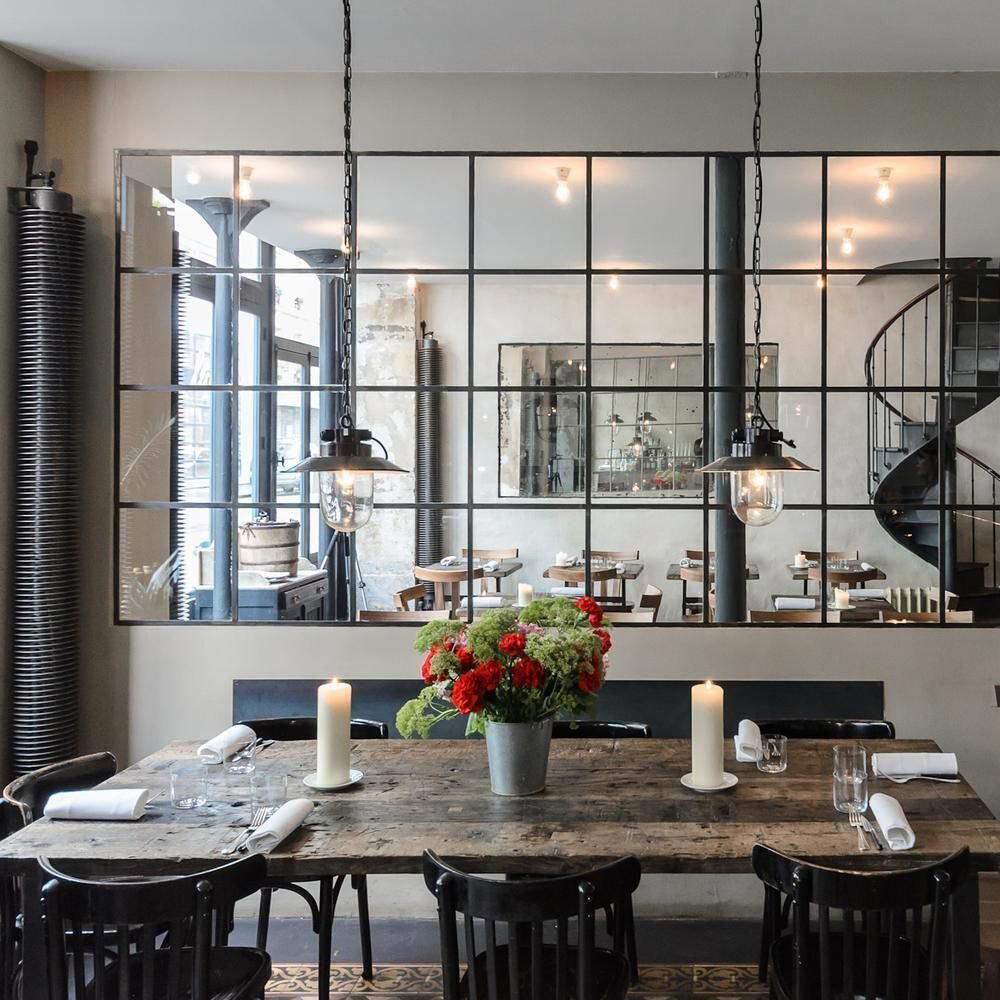
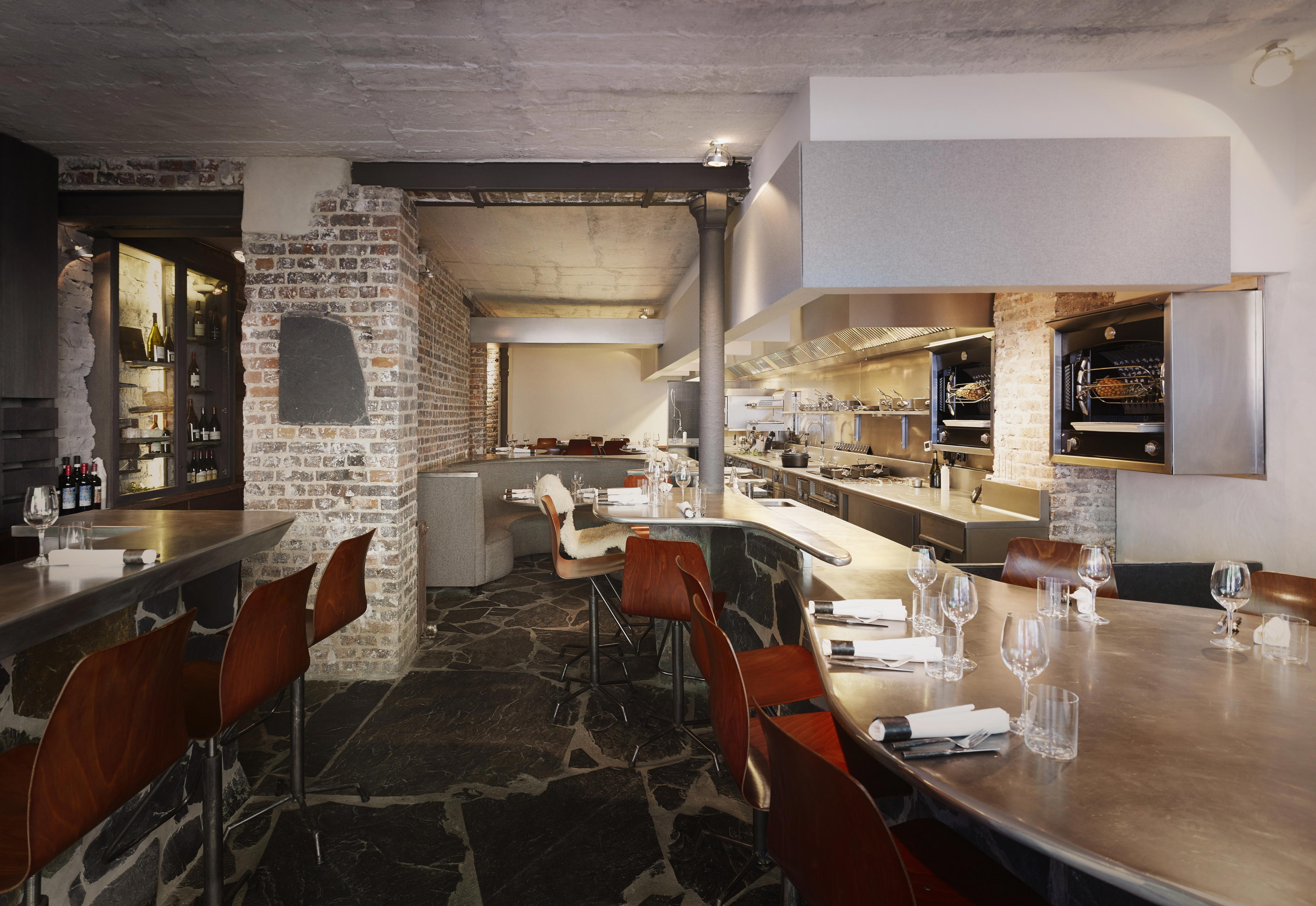
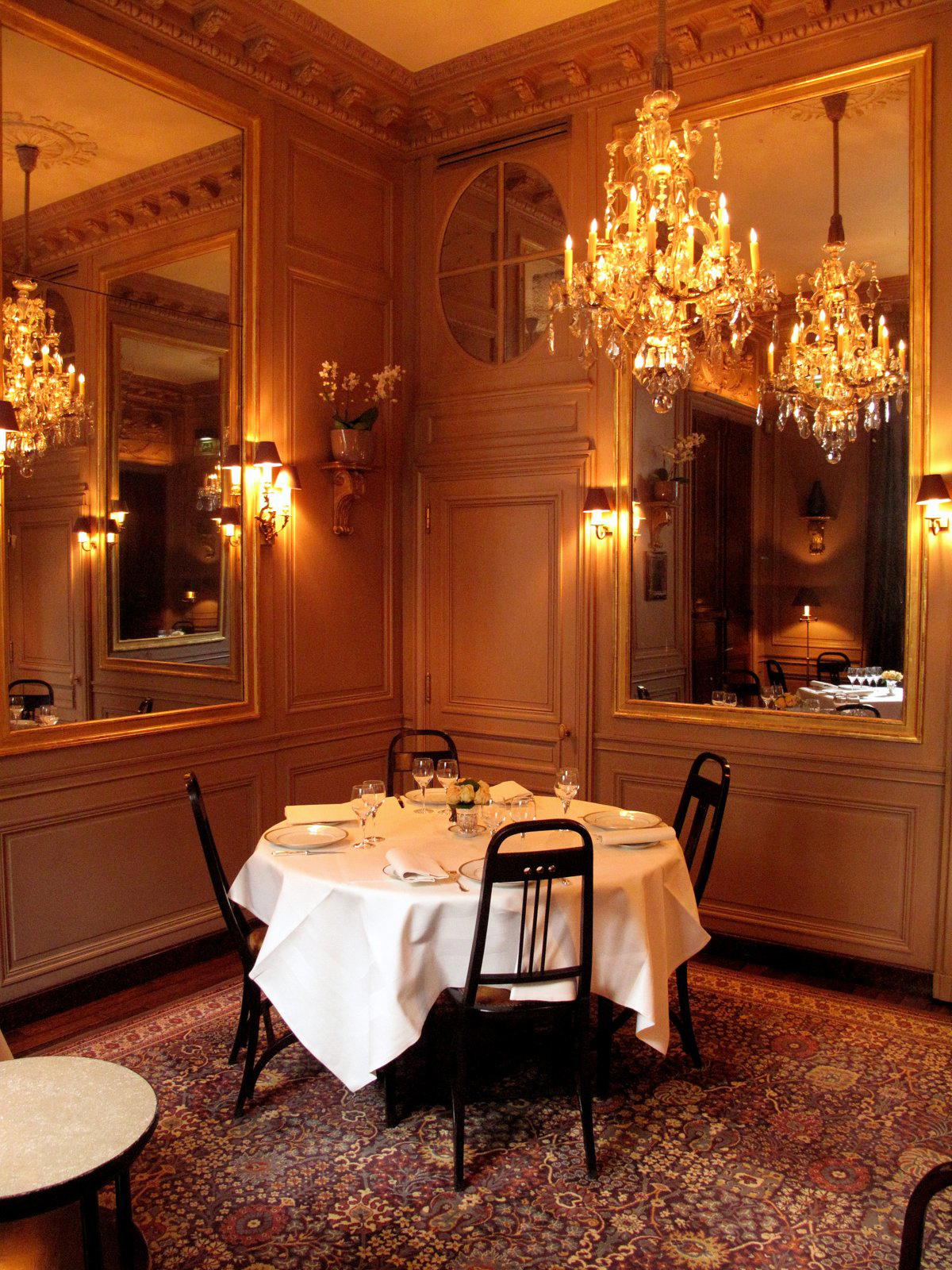
Bars in Paris
All bars in Paris →




Details
- Elegant
- Intimate
- Classic
- Cozy
- Special Occasion
- Date Night
- Historic Building
- Extensive Wine List
- A La Carte
- Halal
Current opening hours
- Monday
- Closed
- Tuesday
- 6–11 PM
- Wednesday
- 12–2:30 PM, 6–11 PM
- Thursday
- 6 PM–12 AM
- Friday
- 12 AM–2:30 PM, 6–11 PM
- Saturday
- 12–2:30 PM, 6–11 PM
- Sunday
- 12–3:30 PM
Hours can change for holidays and private events. Hours as of .
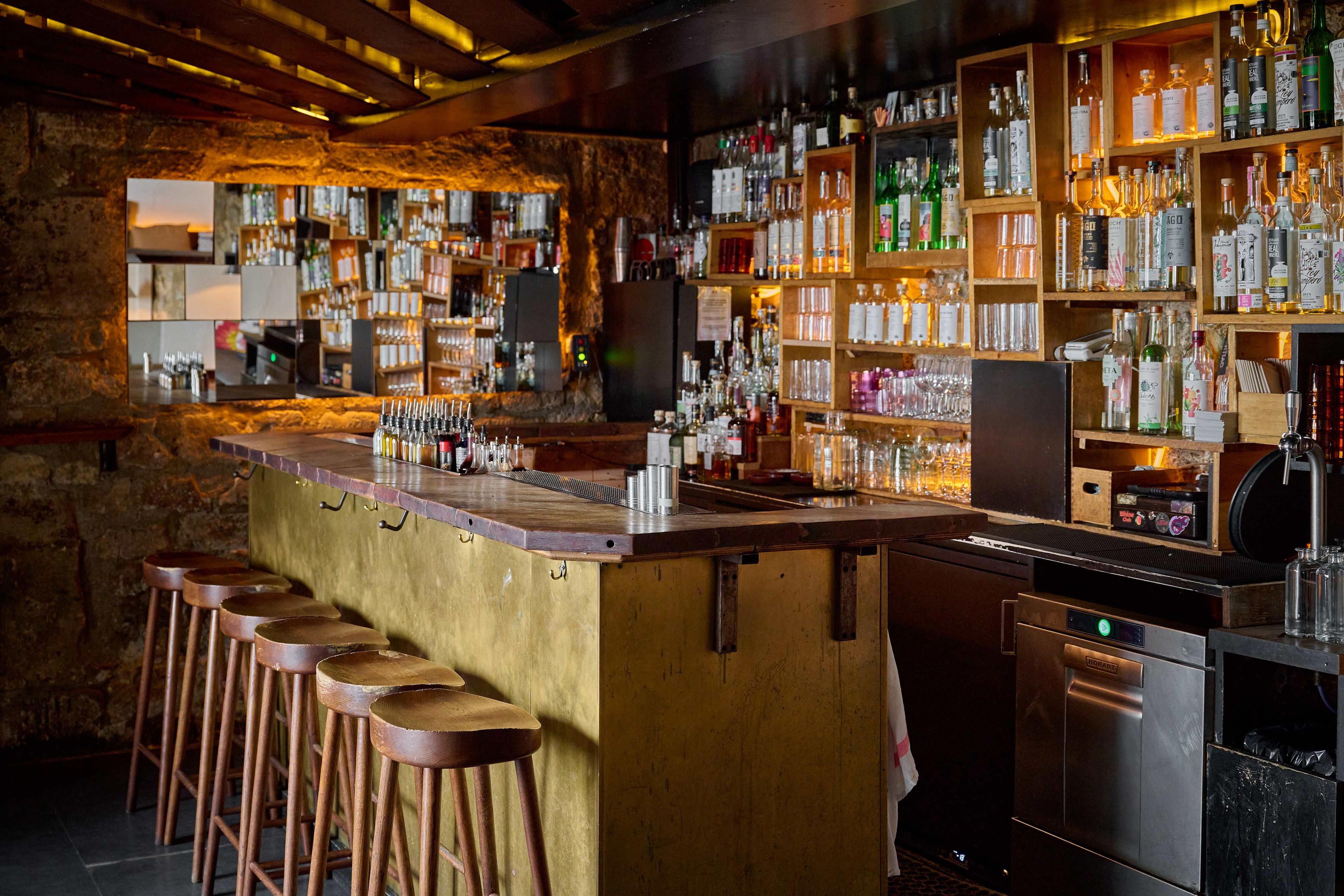
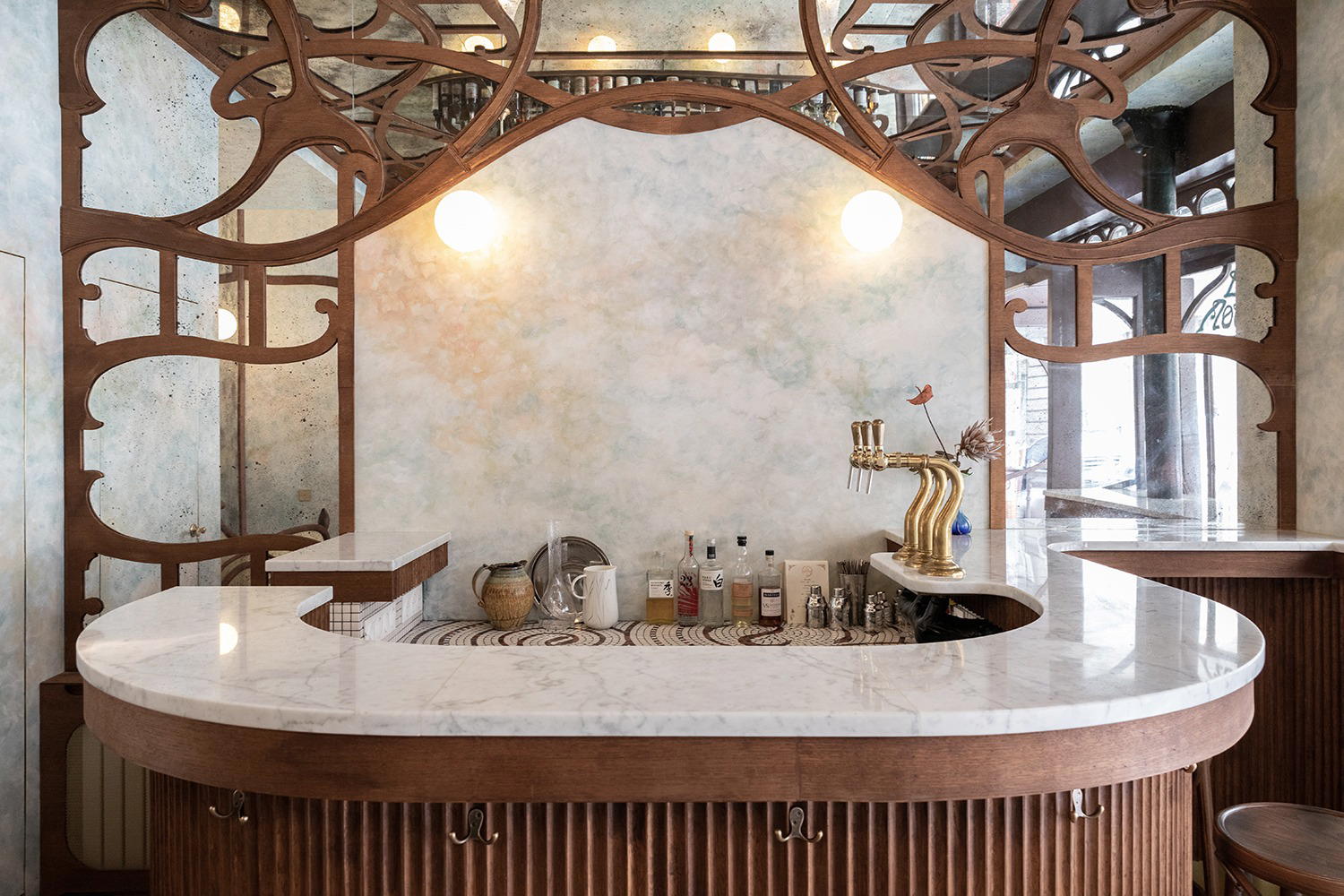
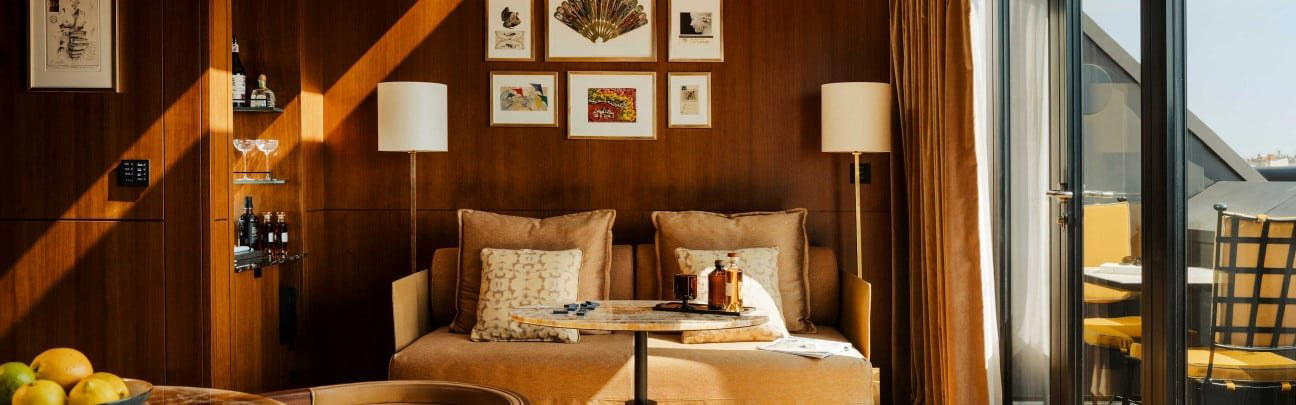
Understated North African decor with warm woods, lantern light glow, and serene, contemplative atmosphere.