
Tabelog 100
Our verdict
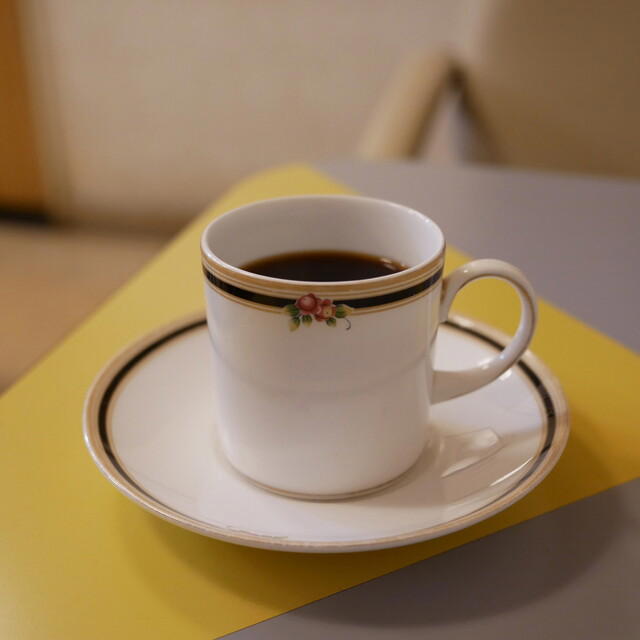
Daphne belongs to Tokyo’s kissaten tradition rather than the city’s newer specialty-coffee circuit: small room, slow tempo, low spend, and a ritual built around staying put. Its Tabelog 100 Kissaten selections in 2021 and 2022 place it among the city’s more closely watched old-school coffee-shop addresses, while the six-seat format keeps the experience intimate by design.

Pearl is the En Primeur Club membership app — saves, bookings, and concierge access live there. Same editors, same standards.
The menu
What to order
- Apollon (bitter blend coffee beans)
- Daphne (mild blend coffee beans)
- Sweet Briar (light sour blend)
- Single-origin Kilimanjaro medium roast
- Single-origin Mandheling dark roast
Approaching a Tokyo kissaten is different from walking into a contemporary coffee bar. The room asks for a slower register: less turnover theatre, and a social code built around quiet occupation rather than laptop sprawl or takeaway speed. In Tokyo, Daphne sits inside that older urban rhythm, where coffee is less a quick stimulant than a pause in the middle of the city’s everyday flow.
Tokyo’s kissaten culture has always occupied a separate lane from café fashion. The category is tied to brewed coffee, compact rooms, house rules that vary by time and venue, and a form of hospitality that depends on restraint. Daphne’s placement in Tabelog’s 100 Kissaten list in 2022 matters because the award category is not measuring novelty; it rewards a style of coffee shop that survives through regulars, consistency, and a narrow sense of purpose.
A small-format kissaten, not a café built for churn
The scale shapes the ritual. Daphne reads as the opposite of a large Tokyo café where the room absorbs noise and movement. In a compact kissaten, pacing becomes part of the experience. A solo coffee, a two-person conversation, or a short afternoon stop all read differently when the room asks for restraint. That is the point of the kissaten format: the venue does not need to perform abundance.
The price band sits under JPY 999 for both lunch and dinner references, putting Daphne in a category where value is not expressed through quantity or luxury cues. The comparison across Tokyo is useful. Other dining can stretch from casual rooms such as Chuogo Hanten Mita to higher-spend rooms like Chinese Hanten Mita ten or Mita Basara Honten, while Horumon Masaru occupies another casual lane. A kissaten at this spend does another job entirely: it gives the city a low-cost, modest-format place to pause, which is increasingly rare in Tokyo.
That distinction is easy to miss if Tokyo dining is viewed only through formal counters, structured dining rooms, and reservation-led restaurants. The city’s everyday food culture also depends on small places that operate with fixed habits and little spectacle. For travellers mapping a broader Tokyo itinerary, this is the same reason other Tokyo dining rooms, visual cafés, or casual addresses can teach more about the city than another generic coffee stop.
The Tokyo coffee ritual is about conduct as much as drink
Kissaten etiquette is practical, not ceremonial. The room is typically approached as a narrow-format stop, so the experience rewards flexibility rather than planning bravado. The smarter move is to treat Daphne as a pause rather than the anchor of an entire day. Arrive with time to wait or pivot, keep the party small, and read the room before assuming a long stay is appropriate.
House policies in old-school coffee shops can be part of the atmosphere, and they should not be assumed from the outside. For travellers sensitive to smoke, seating rules, or payment methods, timing and a quick check of the latest venue information are sensible. The point is not to manage Daphne like a major restaurant booking, but to approach it with the patience that a small Tokyo kissaten deserves.
There is no need to overstate the menu when the category itself carries the editorial weight. Daphne is listed as a kissa, or Japanese coffee shop, and café. That means the draw is the coffee-shop ritual, not a chef-led tasting format, not a cocktail-style signature list, and not a high-design dessert counter. The absence of a named chef in the provided record is appropriate here; the authority comes from category recognition and selection by a Japanese dining platform that tracks kissaten as its own genre.
For a broader Tokyo dining day, this kind of stop pairs better with contrast than similarity. A structured restaurant meal, a casual address, or other dining in Japan will make the kissaten’s restraint more legible. The point is not to rank these formats against one another; it is to see how Japanese dining culture moves between high-structure meals and tiny rooms built for repetition.
How Daphne fits into a Tokyo itinerary
Daphne belongs to Tokyo rather than to the neon shorthand often used to sell the city. It is practical and everyday in feel, which suits a coffee shop that functions as part of daily city life. Travellers can use it as a daytime pause rather than a destination dinner substitute. The venue’s Tabelog score of 3.70 and Tabelog 100 Kissaten 2022 recognition give enough reason to pay attention, but the kissaten format argues for humility: this is a small-room ritual, not a group-outing spectacle.
Tokyo’s dining map rewards that kind of calibration. Use Our full Tokyo restaurants guide to build the meal structure, then balance it with Our full Tokyo bars guide, Our full Tokyo hotels guide, Our full Tokyo experiences guide, and Our full Tokyo wineries guide for the rest of the trip. For cross-city context, compare Japan’s small-format café and casual-dining culture with other dining across Japan and beyond. Those references show how Japanese formats change in different settings; Daphne is valuable because it remains tied to Tokyo’s daily grammar.
Frequently asked questions
What's Daphne's location?
Tokyo.
What's the pricing like at Daphne?
Pricing at Daphne is listed as - JPY 999 - JPY 999 View spending breakdown.
What are the operating hours at Daphne?
Check the venue's official channels for the latest details.
What's the signature at Daphne?
Those details are not published. Daphne is a kissaten and cafe in Tokyo, selected for Tabelog 100 Kissaten 2022, so the focus is the format rather than a single flagged dish or drink. Check the venue's official channels for the latest details.
How does Daphne handle allergies?
No allergy policy is listed in the public record. Any request should be checked against the team on site. Check the venue's official channels for the latest details.
Would Daphne be comfortable with kids?
Check the venue's official channels for the latest details.
Comparable Options
Comparable venues by price and recognition.
| Venue | Cuisine | Price | Awards | Notes |
|---|---|---|---|---|
| DaphneThis venue (the venue you are viewing) | Traditional Japanese coffee shop (kissaten) and coffee bean roastery | $1–10 | Tabelog 100 | Not listed |
| Mon-Rico | Spanish restaurant with Japanese seasonal ingredients | Not listed | Tabelog 100 #32 | JPY 6,000 - JPY 7,999 JPY 1,000 - JPY 1,999 |
| Chuogo Hanten Mita | Ramen | Not listed | Not listed | Not listed |
| Chinese Hanten Mita ten | Not listed | Not listed | Not listed | JPY 15,000 - JPY 19,999 JPY 1,000 - JPY 1,999 |
| Horumon Masaru | Horumon & Yakiniku Izakaya | $30–50 | Tabelog 100 #74 | JPY 3,000 - JPY 3,999 - JPY 999 |
| Mita Basara Honten | Tomato Sukiyaki & Modern Japanese Kaiseki | $50–100 | Tabelog 100 #68 | JPY 10,000 - JPY 14,999 JPY 2,000 - JPY 2,999 |
Recognition history
Dated appearances from independent guides and award organizations, with the underlying list record or original source where available.
Tabelog 100
Tabelog · Tabelog 100 - Kissaten - 2026
Full recognition history (2 entries)
Tabelog 100 #18 · No. 18
Tabelog · Tabelog 100 - Kissaten - 2022
Continue exploring
More in Tokyo
Restaurants in Tokyo
All restaurants in Tokyo →
Bars in Tokyo
All bars in Tokyo →


Details
- Quiet
- Classic
- Cozy
- Solo
- After Work
- Casual Hangout
- Standalone
- Design Destination
- A La Carte
- Counter Dining
- Coffee
Current opening hours
- Monday
- 10 AM–6 PM
- Tuesday
- 10 AM–6 PM
- Wednesday
- Closed
- Thursday
- 10 AM–6 PM
- Friday
- 10 AM–6 PM
- Saturday
- 10 AM–5 PM
- Sunday
- 10 AM–5 PM
Hours can change for holidays and private events. Last verified .
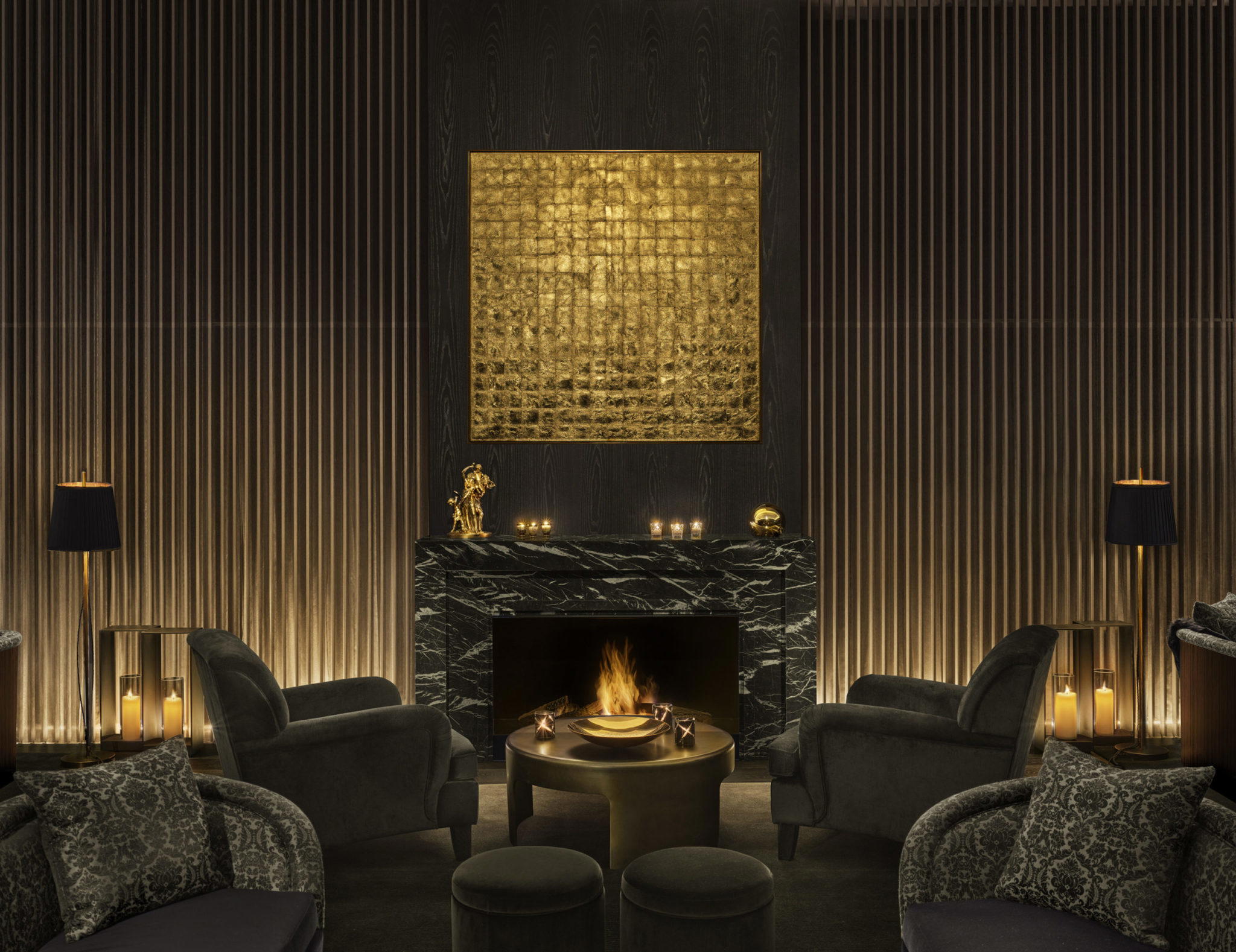
A classic kissaten atmosphere with just a few tables, a calm and relaxed feel, and a ‘hideout’ vibe where guests quietly enjoy serious coffee rather than a bustling café scene.