
Tabelog 100 #68
Our verdict
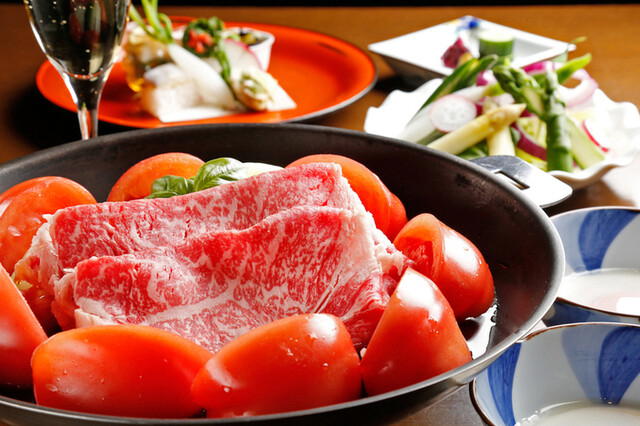
Mita Basara Honten places sukiyaki and shabu shabu in a polished Minato setting, with Tomato Sukiyaki as the defining idea rather than a minor variation. Its selection for Tabelog 100 - Hot Pot - 2024 gives the restaurant a clear marker inside Tokyo’s competitive hot-pot field, while private-room options and a broad drinks program point to a meal built for composed group dining.

Pearl is the En Primeur Club membership app, where members save venues, book tables and use the concierge.
The menu
What to order
- Tomato sukiyaki
- Tomato sukiyaki kaiseki
- Lettuce shabu-shabu
- Basara lunch set (Basara zen)
The approach to dining in Tokyo shifts the meal’s register before the pot arrives. Tokyo hot pot is often linked to winter appetite and group tables, but it can also feel more deliberate: controlled heat, shared pacing, and a format where the table becomes the kitchen. Mita Basara Honten belongs to this composed branch, where sukiyaki and shabu shabu are not add-ons to a Japanese menu but the evening’s structure.
The restaurant’s public identity is anchored in hot pot, a useful signal in a city where sukiyaki can become a matter of richness alone. A well-managed pot changes the conversation, pushing the dish beyond pure sweetness and fat toward balance, timing, and shared attention. That matters in contemporary Tokyo dining, where Japanese cooking is judged not only by richness but by how intelligently a kitchen manages excess. A hot pot built around shared portions can be lower-waste when handled with discipline, though the proof lies in portion control and purchasing, not slogans.
Sukiyaki gives the hot-pot format a focused edge
Sukiyaki carries specific cultural weight in Japan: a celebratory dish tied historically to beef’s rise in the modern Japanese diet, still shaped by the pleasure of cooking at the table. Shabu shabu is cleaner in structure, with thinly sliced ingredients passed briefly through broth. The formats ask different things of a restaurant. Sukiyaki rewards control of sweetness, fat, and reduction; shabu shabu rewards clarity, pacing, and ingredient quality.
In that context, Mita Basara Honten’s focus on sukiyaki and shabu shabu is less about novelty than about disciplined pacing. The strongest hot-pot meals avoid one long rich arc and instead work as a sequence: cooking, dipping, pausing, and returning to the pot with attention. The sustainability angle becomes practical rather than decorative: hot pot is built for whole-table ordering, shared ingredients, and measured cooking, which can reduce plate waste associated with overextended tasting menus. The format depends on coordination before and during the meal rather than improvisation alone at the table.
Tabelog’s 2024 Hyakumeiten recognition gives the restaurant a clear trust marker in a category where local diner consensus matters. The listed score of 3.60 is less trophy than context: Tokyo’s specialist Japanese restaurants occupy fiercely competitive rating bands, and recognition for a hot-pot specialist means the restaurant is judged against sukiyaki and shabu shabu peers, not only general Japanese dining rooms.
Tokyo's quieter dining rhythm suits a controlled group meal
Tokyo’s dining map contains both high-visibility visitor zones and calmer pockets where the meal can take on a more deliberate tempo. That quieter rhythm helps this restaurant. The city’s office, residential, and occasion-dining currents create useful conditions for a meal built on conversation and shared timing. Nearby comparison venues underline the point: Chinese Hanten Mita ten, Mon-Rico, Chuogo Hanten Mita, Chuogo Honten Mita, and Daphne each suggest different registers of local dining. Within that spread, a hot-pot specialist has a defined role: structured group dining.
The room count matters less than the seating logic. The restaurant reads as a social meal rather than a counter-driven chef encounter. That distinction matters in Tokyo, where many premium meals are designed around silence, sequence, and chef proximity. Here, value sits elsewhere: a table that can manage pacing, heat, drinks, and conversation without turning dinner into performance.
The drinks side should be understood in relation to the food rather than as a separate spectacle. Sukiyaki need not be locked into a single pairing route; the sweetness of the seasoning profile and the cleaner broth logic of shabu shabu can support different drinking choices. That places the restaurant closer to a planned occasion than a purely spontaneous neighborhood hot-pot stop.
How to place it in a Tokyo itinerary
For visitors mapping Tokyo dining, this is a useful counterweight to sushi counters, yakitori rooms, and ramen queues. It shows premium Japanese dining from the table outward rather than the chef outward: ingredients cooked communally, service calibrated around groups, and a dish structure that absorbs tradition through heat, timing, and restraint. Readers comparing formats can place it beside other Tokyo dining rooms generically rather than treating every meal as a counter-seat pursuit. Casual specialists, visual-concept cafes, seafood-focused rooms, and grill-led restaurants all sit on different branches of the city’s broad dining spectrum.
Outside Tokyo, sukiyaki comparison can stretch to other Japanese dining rooms, while broader Japan dining research might include regional restaurants, cafes, curry specialists, and comfort-food counters. Across the Pacific, Japanese drinking and comfort-food culture abroad offers another frame, but it is a different conversation from a Tokyo hot-pot specialist. For Mita Basara Honten, the more useful comparison remains within Tokyo itself: how a shared pot changes the tempo of an evening.
The broader Tokyo plan should not treat hot pot as a fallback after sushi and tempura. Disciplined sukiyaki or shabu shabu explains another side of the city: communal, seasonal in instinct, and attentive to heat as seasoning. For wider planning, use Our full Tokyo restaurants guide alongside Our full Tokyo hotels guide, Our full Tokyo bars guide, Our full Tokyo wineries guide, and Our full Tokyo experiences guide. The smarter itinerary leaves room for a shared pot, because it captures a form of Japanese hospitality counter dining cannot: the meal as managed conversation around heat, timing, and restraint.
Budget Reality Check
Comparable venues side-by-side for orientation.
| Venue | Cuisine | Price | Awards | Notes |
|---|---|---|---|---|
| Mita Basara HontenThis venue (the venue you are viewing) | Tomato Sukiyaki & Modern Japanese Kaiseki | $50–100 | Tabelog 100 #68 | Not listed |
| Akasaka Misuji | Modern Yakiniku (Japanese BBQ) by Yoroniku | $50–100 | Tabelog 100 #15 | Minato, Modern Yakiniku (Japanese BBQ) by Yoroniku |
| Zakuro Ginza ten | Traditional Wagyu Shabu-shabu & Sukiyaki | $50–100 | Tabelog 100 #57 | Chūō, Traditional Wagyu Shabu-shabu & Sukiyaki |
| モリ | Traditional Japanese Cuisine | $50–100 | Not listed | Shibuya, Traditional Japanese Cuisine |
| Sushi Inase | Edomae Omakase Sushi | $100–150 | Not listed | Shibuya, Edomae Omakase Sushi |
| Kourai Tei | Korean-style Yakiniku (Japanese BBQ) | $100–150 | Tabelog 100 #87 | Shibuya, Korean-style Yakiniku (Japanese BBQ) |
Recognition history
Dated appearances from independent guides and award organizations, with the underlying list record or original source where available.
Tabelog 100 #68 · No. 68
Tabelog · Tabelog 100 - Hot Pot - 2024
Continue exploring
More in Tokyo
Restaurants in Tokyo
All restaurants in Tokyo →
Bars in Tokyo
All bars in Tokyo →



Details
- Elegant
- Modern
- Cozy
- Intimate
- Sophisticated
- Business Dinner
- Date Night
- Celebration
- Special Occasion
- After Work
- Group Dining
- Private Dining
- Standalone
- Design Destination
- Extensive Wine List
- Tasting Menu
- Set Menu
- Wine
Current opening hours
- Monday
- 11:30 AM–3 PM, 5–11 PM
- Tuesday
- 11:30 AM–3 PM, 5–11 PM
- Wednesday
- 11:30 AM–3 PM, 5–11 PM
- Thursday
- 11:30 AM–3 PM, 5–11 PM
- Friday
- 11:30 AM–3 PM, 5–11 PM
- Saturday
- 11:30 AM–3 PM, 5:30–10:30 PM
- Sunday
- 5:30–10 PM
Hours can change for holidays and private events. Hours as of .
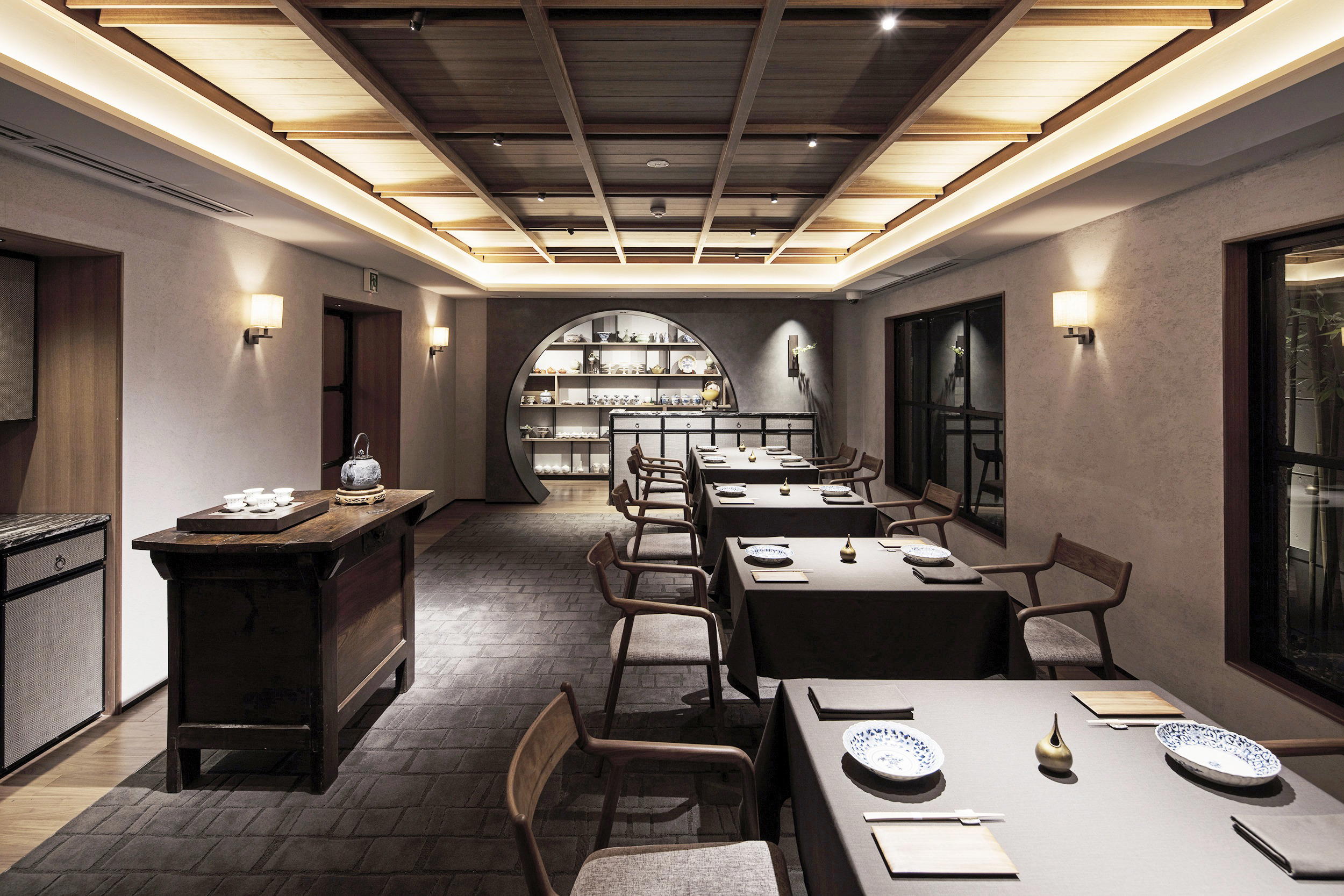
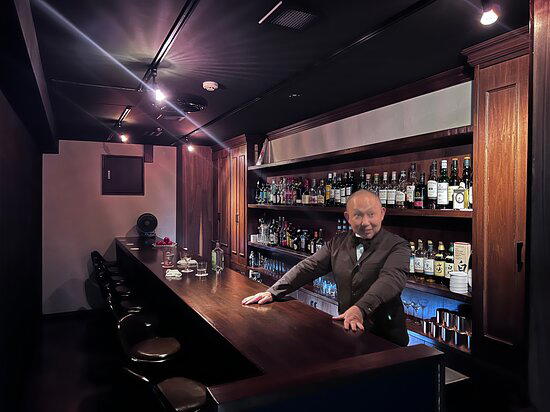
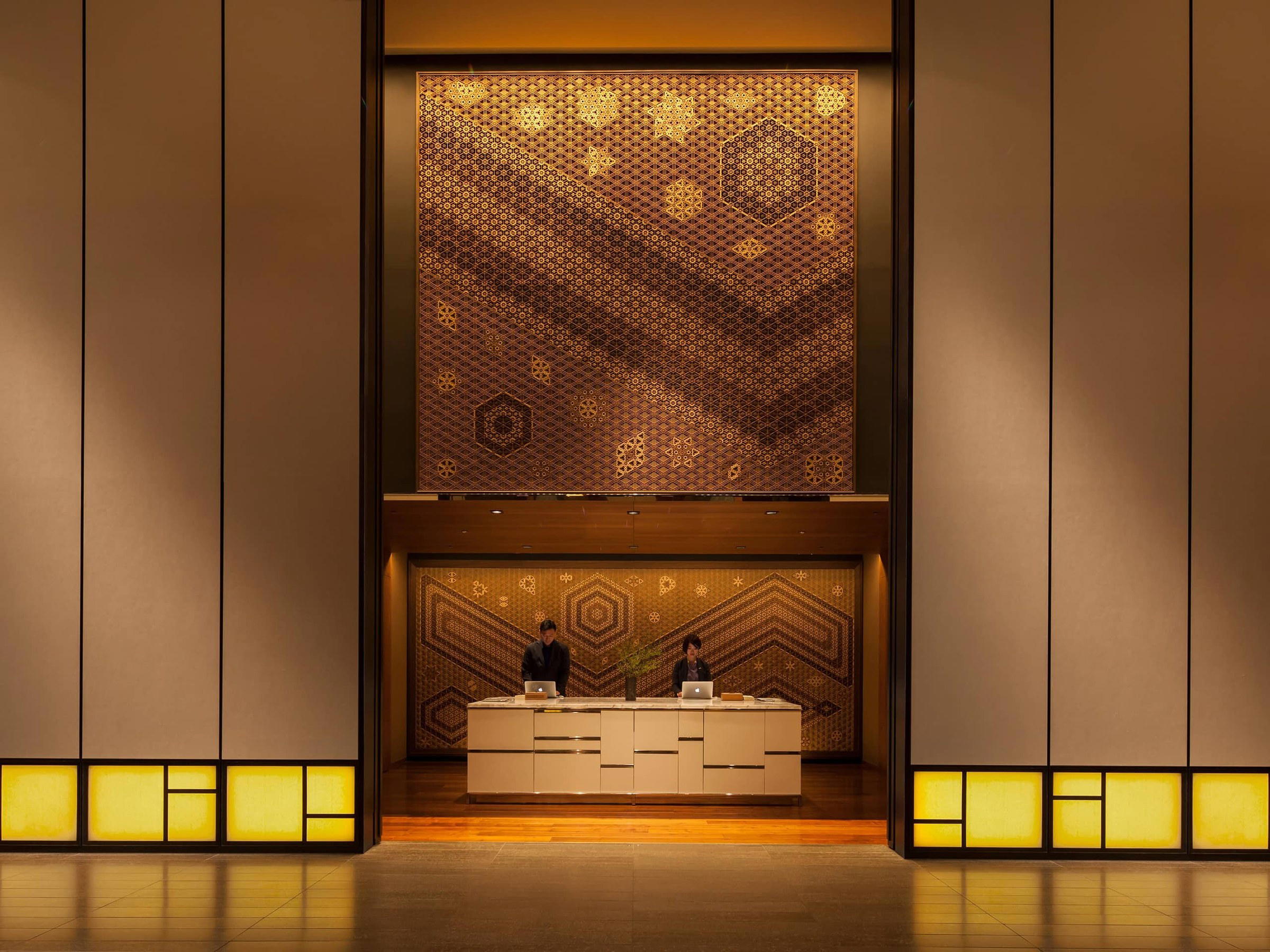
A carpeted, Japanese-modern dining room with a calm, upscale feel; service staff handle the hot pot at the table, creating a relaxed yet polished atmosphere well-suited to business dinners and special occasions.