CUT New York

CUT New York sits at the sharper end of Manhattan's premium steakhouse tier, where aged beef, precise technique, and a dining room calibrated for serious occasions set the standard against which the city's other high-end steak programs are measured. The Wolf Gang Puck brand carries documented weight in this category, and the New York outpost holds its place in a competitive field that includes some of the most demanding diners in the country.
 Discover on Pearl
Pearl is the En Primeur Club membership app — saves, bookings, and concierge access live there. Same editors, same standards.
- Address
- Beverly Wilshire, A Four Seasons Hotel, 9500 Wilshire Blvd, Beverly Hills, California, United States
- Phone
- 310-276-8500
- Website
- wolfgangpuck.com
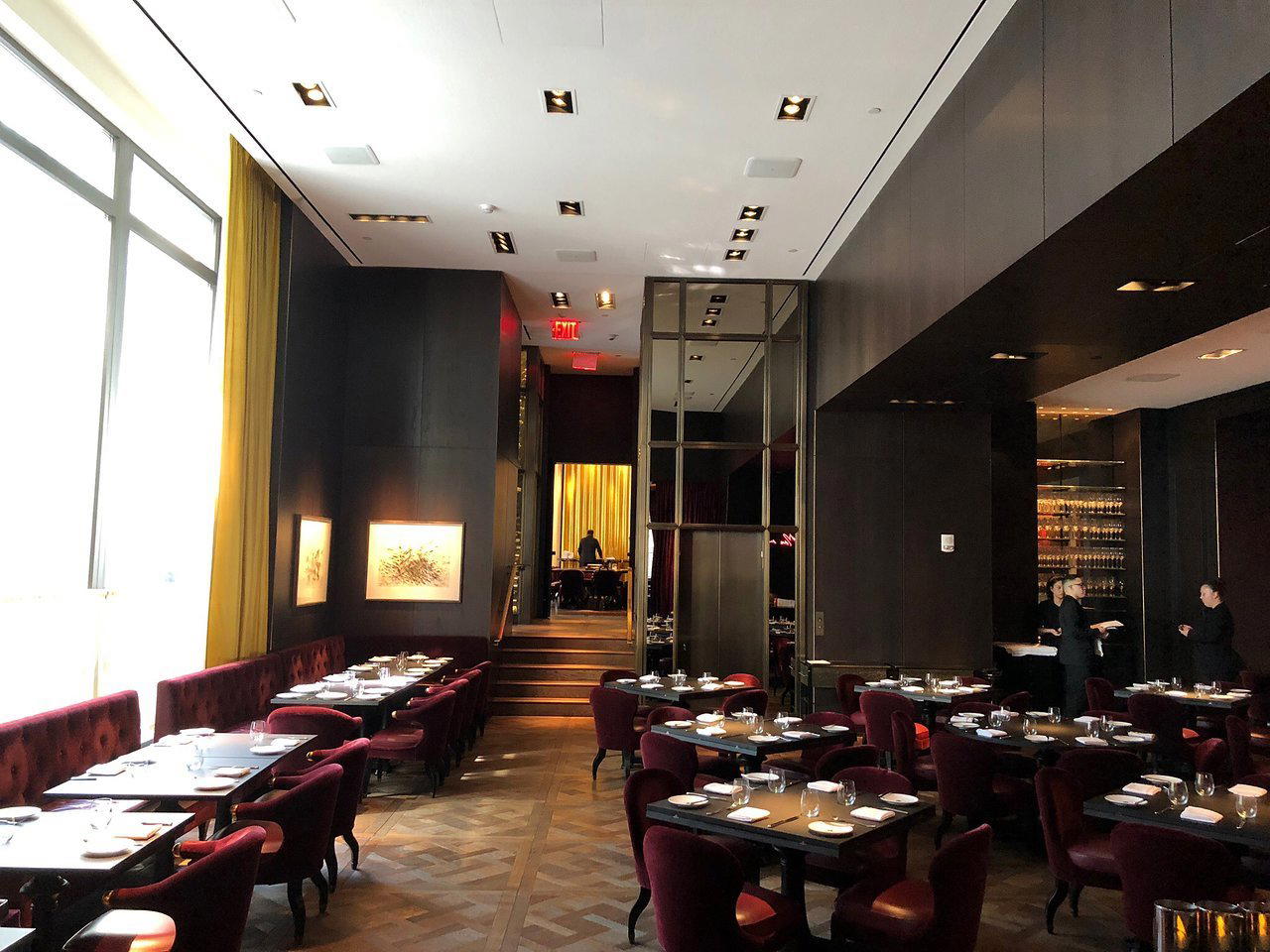
Walking Into the Room
CUT New York is a modern steakhouse in Beverly Hills at Beverly Wilshire, A Four Seasons Hotel, with reservations essential and an approximate price of $150 per person. On one side sit the old-guard houses, with their mahogany paneling, cigar-era formality, and menus that haven't changed since the Clinton administration. On the other, a newer tier of steakhouses occupies hotel dining rooms with architectural ambition, wine programs that could hold their own in any fine dining context, and beef sourcing that treats provenance as a serious editorial point. CUT New York belongs to this second cohort, and the room signals that immediately. CUT New York is a modern steakhouse in Beverly Hills at Beverly Wilshire, A Four Seasons Hotel, with reservations essential and an approximate price of $150 per person. The environment is designed to feel contemporary without feeling cold, with lighting calibrated to flatter the table rather than the frame, and a dining rhythm that moves at the pace of considered conversation rather than efficient turnover.
That atmosphere is not accidental. The broader CUT brand, associated with Wolfgang Puck, operates in cities where premium dining rooms are a known quantity, and each location has been built to hold its own against the local competition rather than simply import a formula. In New York, that means competing against some of the most demanding dining rooms in the country, from the seafood precision of Le Bernardin to the austere Japanese counter discipline of Masa. A steakhouse that wants to be taken seriously in that company has to earn it through execution rather than reputation alone.
The Beef Argument
The central question any premium steakhouse has to answer is whether its beef program justifies the price of entry, and the answer is embedded in sourcing decisions, aging methodology, and the degree of care applied between the animal and the plate. New York's upper tier of steakhouses now largely agrees that domestic USDA Prime is a floor, not a ceiling, and that meaningful differentiation comes from dry-aging periods, specific regional producers, and access to Japanese Wagyu cuts that arrive in the United States in carefully controlled allocations.
CUT positions itself within that conversation rather than outside it. The format acknowledges that serious beef diners arrive with reference points, and the menu is built to give them a comparative framework rather than a single house style. This is the approach that separates the modern hotel-anchored steakhouse from its predecessors: the willingness to present multiple provenance options as evidence of a broader argument about what premium beef can mean, rather than simply asserting that a single cut on the menu is the only answer.
For context on where this approach sits in the wider American fine dining picture, the model has been refined across Puck's broader network and draws on the same culinary intelligence that informs high-end programs at places like The French Laundry in Napa and Alinea in Chicago, where the expectation is that every ingredient on the plate has been considered before it arrived there.
Where It Sits in the Manhattan Dining Grid
New York's top-end restaurant tier is structured in a way that makes peer comparison unavoidable. The city publishes its Michelin distinctions annually, the press covers openings and closings at a frequency that shapes public perception faster than in almost any other market, and diners at this price point routinely cross-reference options before committing to a booking. Per Se and Le Bernardin define the upper bracket of the tasting-menu and seafood categories respectively. CUT operates in a different lane, one where the format is explicitly a la carte and the occasion is often celebratory rather than contemplative.
That distinction matters for how the room reads on a given evening. Where a tasting-menu counter requires the table to surrender control of the meal's structure, a premium steakhouse at this level requires the kitchen to execute on demand, at different intervals, to varying levels of doneness, and across a range of accompanying dishes that each carry their own technical requirements. The discipline required is different, and in some respects more exposed: there is no narrative arc to hide behind if a cut is overcooked or a sauce arrives at the wrong temperature.
Other Manhattan addresses worth considering in the same occasion-driven bracket include Saga and César, both of which offer formal dining experiences with serious culinary intent but in formats that diverge from the steakhouse model. The comparison is useful precisely because it clarifies what CUT is committing to: a format with deeply legible expectations and very little margin for ambiguity.
The Sensory Register
The sounds of a well-run dining room at this tier follow a recognizable pattern: the low register of tableside conversation, the muffled percussion of a kitchen working at pace behind a door that never quite closes, the specific acoustic of a room where the chairs have been chosen as much for sound absorption as for comfort. The smell arriving from the kitchen at CUT carries the particular intensity of rendered fat and caramelized crust that defines the high-heat steakhouse method, a sensory signature that separates this category from every other fine dining format.
These are not incidental details. At the level of pricing and expectation this dining room operates at, atmosphere is part of the value proposition. Diners paying at the upper end of the Manhattan a la carte market are paying for a total environment, not just a plate. The room has to hold its own through a three-hour meal, and the leading hotel dining rooms, from New York to the international references in this tier such as Alain Ducasse's Louis XV in Monte Carlo and 8½ Otto e Mezzo Bombana in Hong Kong, understand that service pace and environmental design are as load-bearing as the menu itself.
The Broader Network
The Puck steakhouse model has been tested across multiple markets, giving CUT New York a comparative track record that a single-location independent cannot replicate. The brand's ability to sustain a consistent approach to beef sourcing and dining room standards across different cities, from Beverly Hills to Singapore, functions as a form of institutional credibility. For diners who have eaten at other CUT locations or at Puck properties more broadly, the New York address operates as a known quantity with local specificity layered on leading.
That cross-market intelligence is also visible in how the wine program tends to be assembled at this tier. Premium steakhouses with serious ambitions typically build lists that support the beef program first, with California Cabernet and Burgundy holding the structural positions, and international selections from Bordeaux, Tuscany, and Argentina filling in around them. The expectation, at this price point, is that the sommelier team can move through the list fluently rather than recite it. For a broader map of how this restaurant fits into the city's dining character, the EP Club New York City restaurants guide provides the full competitive picture, alongside guides to hotels, bars, wineries, and experiences across the city.
Comparable high-end dining programs in other American cities that share the same tier logic include Lazy Bear in San Francisco, Providence in Los Angeles, Single Thread Farm in Healdsburg, and Emeril's in New Orleans, each of which anchors a specific category within its local market in the way CUT anchors the premium hotel steakhouse category in New York.
Know Before You Go
- Format: A la carte, hotel dining room setting
- Occasion fit: Business dinners, celebratory meals, occasions where the room matters as much as the plate
- Price tier: Upper bracket of Manhattan a la carte dining; consistent with comparable hotel steakhouse programs at the $$$$ level
- Booking: Reservations are advisable; demand at this tier in Manhattan means walk-in availability is unreliable, particularly on weekends
- Wine approach: Expect a list anchored in California and Burgundy with international depth; sommelier guidance is part of the service proposition
- Dress code: Business casual; the room skews toward business and occasion dressing
Fast Comparison
Comparable venues nearby, for context on price, style, and recognition.
| Venue | Cuisine | Price | Awards | Notes |
|---|---|---|---|---|
| CUT New YorkThis venue — the venue you are viewing | Modern Steakhouse | $$$$ | , | |
| Gui | Korean Contemporary Steakhouse | $$$$ | , | Times Square |
| Tuscany Steakhouse | Italian Steakhouse | $$$$ | , | Central Park |
| Wall Street Grill | Kosher Steakhouse | $$$$ | , | Financial District-Battery Park City |
| Reserve Cut | Contemporary Kosher Steakhouse | $$$$ | , | Financial District-Battery Park City |
| Del Frisco's Double Eagle Steakhouse | Premium American Steakhouse | $$$$ | 1 recognition | Midtown-Times Square |
Continue exploring
More in New York City
Restaurants in New York City
Browse all →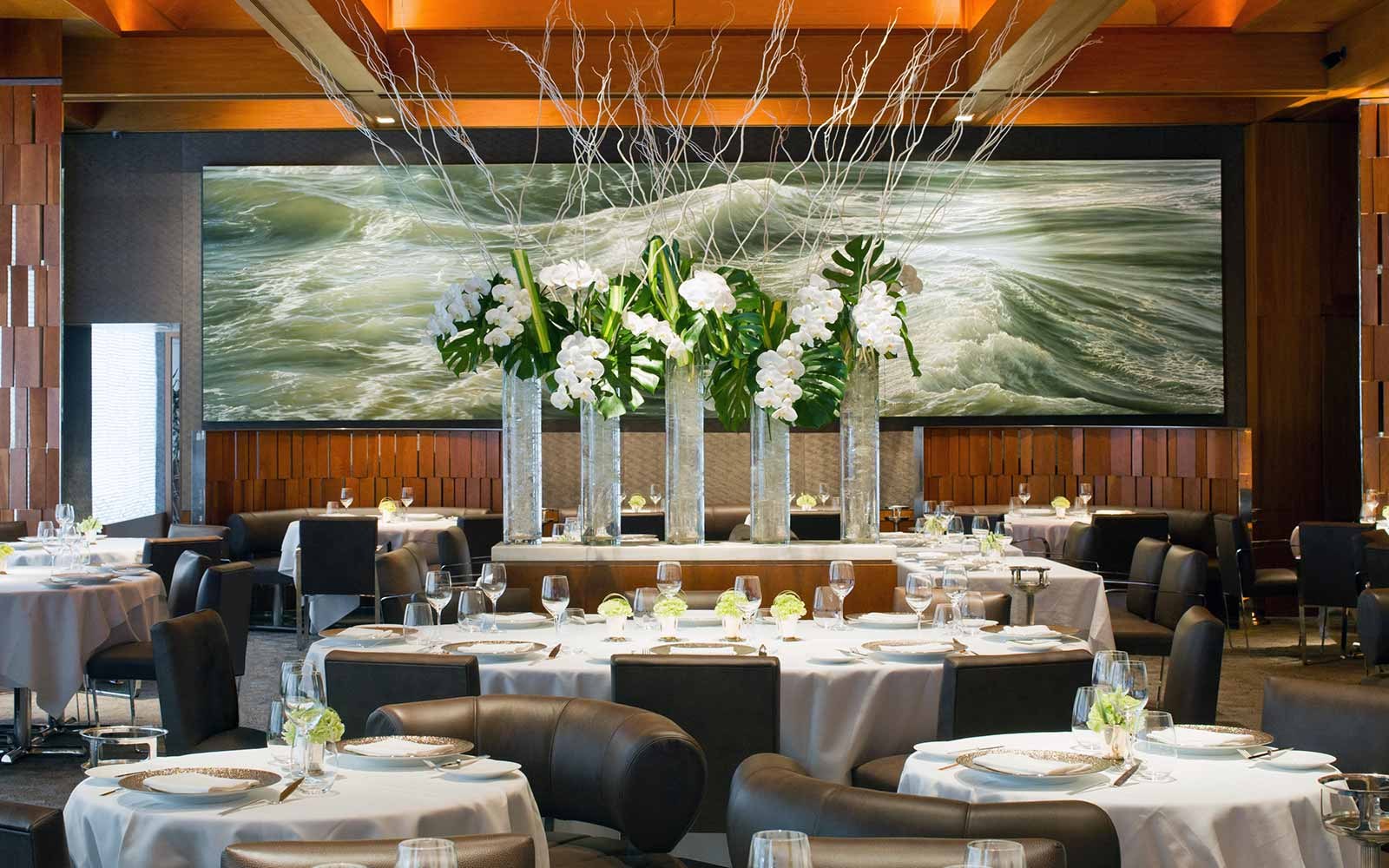
Bars in New York City
Browse all →
Hotels in New York City
Browse all →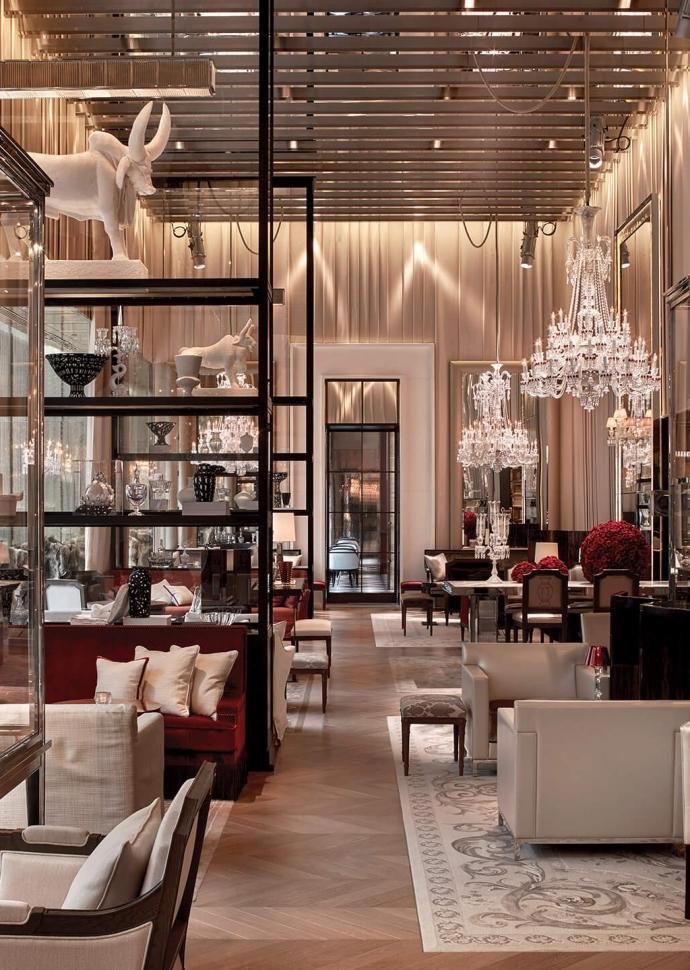

Wineries in New York City
Browse all →
At a Glance
- Elegant
- Sophisticated
- Lively
- Date Night
- Business Dinner
- Special Occasion
- Group Dining
- Hotel Restaurant
- Open Kitchen
- Extensive Wine List
- Craft Cocktails
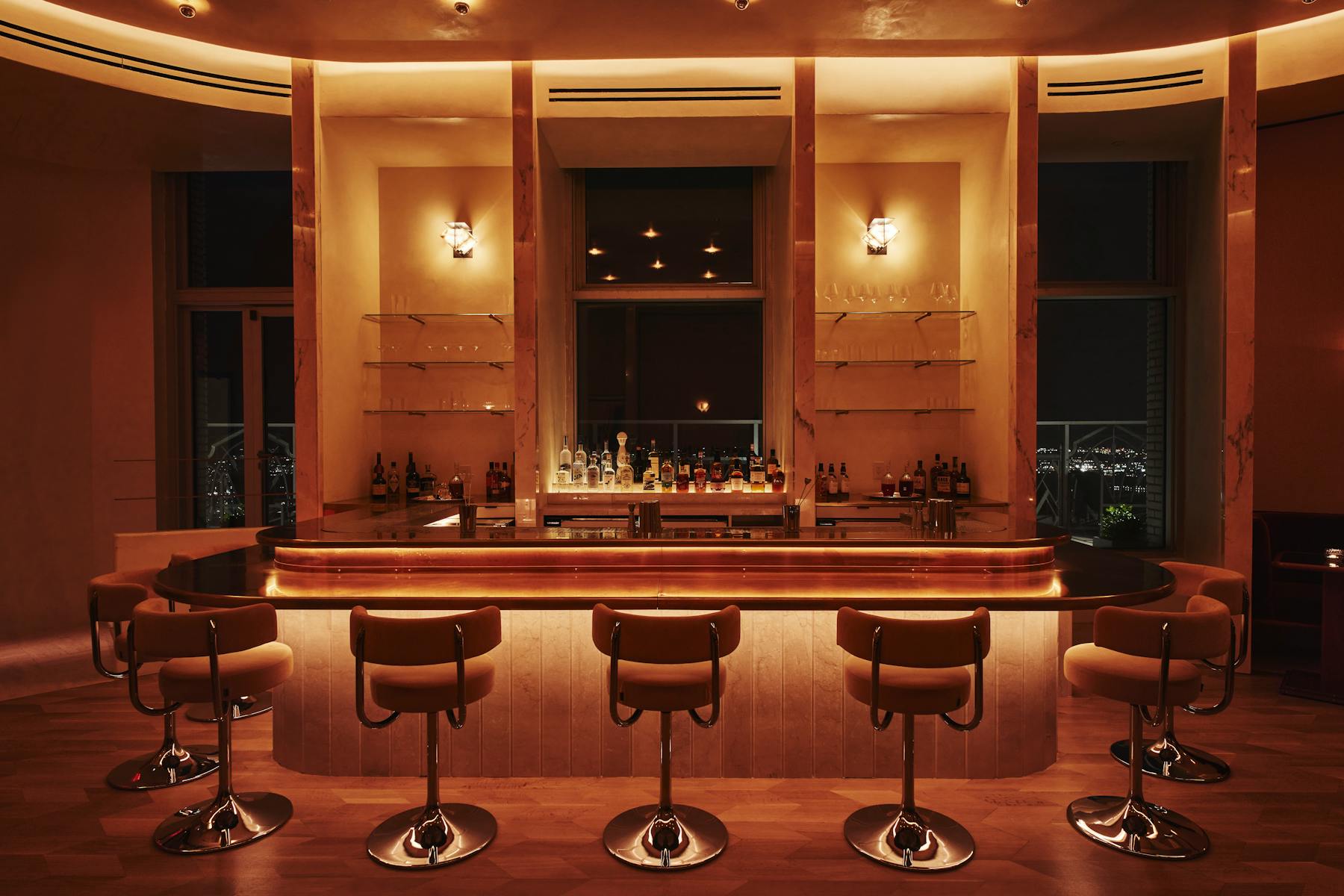
Sophisticated and chic with dimmed lighting, plush seating, contemporary decor, and a warm inviting atmosphere perfect for memorable evenings.