
Curry & Spice Warung puts Osaka’s spice-curry culture in a compact Kitahorie setting, with Indian and Indian-curry categories rather than the city’s more familiar ramen, takoyaki, or kushi-katsu lanes. Its Tabelog 100 selections for Asian and ethnic cuisine in West Japan give it a clear credential for travelers mapping Osaka beyond the obvious food circuits.
Pearl is the En Primeur Club membership app — saves, bookings, and concierge access live there. Same editors, same standards.
- Address
- 3 Chome-4-17 Kitahorie, Nishi Ward, Osaka, 550-0014, Japan
- Phone
- +81 6-6616-9712
- Website
- tabelog.com
 Saves & bookings on Pearl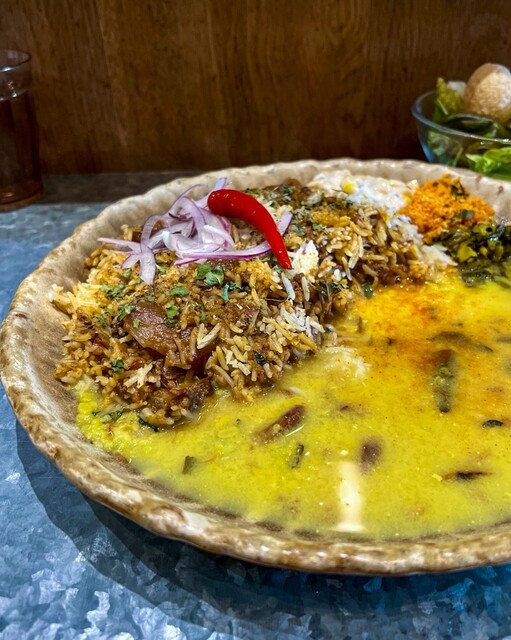
Kitahorie changes register quickly: design shops, low-rise apartment blocks, and quieter side streets pull Osaka’s appetite away from the neon shorthand of Dotonbori. In that setting, Curry & Spice Warung belongs to a local dining pattern that rewards precision over ceremony. The room is compact, with counter seating, tatami space, and an open terrace, which places it closer to Osaka’s everyday specialist restaurants than to destination tasting rooms. The point is not grandeur; it is the city’s habit of taking a narrow category seriously and letting repeat customers do the ranking.
Osaka travelers often arrive with a checklist of batter, broth, and pork buns. That list has merit, but it misses how deeply the city has absorbed spice cooking into its casual restaurant culture. Japanese curry has its own history, but Osaka’s contemporary spice-curry scene tends to be more layered, more individual, and less dependent on the brown-sauce grammar familiar from chain shops. Curry & Spice Warung sits in the Indian and Indian-curry lane, a distinction that matters because it signals a spice-led meal rather than a generic curry stop.
Kitahorie's spice-curry lane, not the Dotonbori script
For visitors planning meals across Osaka, this is the kind of address that changes the rhythm of a day. The city’s food reputation is often framed through speed and spectacle, but smaller category specialists operate on a different logic: limited space, a narrow focus, and customers who know what they came for. A Tabelog score of 3.60 and selection for Tabelog 100 Asian cuisine / Ethnic cuisine WEST 2024 place the restaurant inside a recognized regional bracket rather than the anonymous curry middle. Earlier Tabelog 100 selections in Asian and ethnic cuisine, plus a 2020 Curry WEST selection, reinforce that this is not a single-year anomaly.
The competitive context is useful. Osaka has excellent low-cost specialists across categories, from ramen counters such as Menya Taku to bakeries including Boulangerie P&B and patisserie names such as Patisserie Rechercher. Curry & Spice Warung plays in a similar value-conscious register, but the editorial interest is different: spice curry asks the traveler to treat lunch as a serious category rather than a convenience between temple, shopping, and train plans. That is also why it pairs well with a broader city itinerary built from Our full Osaka restaurants guide, then balanced with Our full Osaka bars guide for the evening and Our full Osaka hotels guide for neighborhood positioning.
Compared with Mrs. Yun, which sits in a higher casual-dining spend band, or sub-¥1,000 peers such as Kirschblute, this address lands in the affordable specialist zone where the decision is less about occasion and more about appetite, timing, and route. That is the practical Osaka move: choose a concentrated lunch, then keep the rest of the day flexible. The city rewards this approach because strong food is not confined to formal rooms.
Why the booking experience is about timing
The planning issue here is not ceremony. It is cadence. Small Osaka restaurants with a recognized following can make a simple meal feel logistically competitive, especially when travelers try to compress multiple sought-after stops into one day. Curry & Spice Warung’s appeal lies in fitting a serious spice-curry meal into a compact window without turning lunch into a half-day production. For solo diners, that matters; for pairs or small groups, it means treating the meal as a scheduled anchor rather than a casual fallback.
The format also affects expectations. Counter seating and a small-room feel tend to reduce the gap between kitchen and diner, while take-out and delivery signal that the operation is embedded in neighborhood demand as much as visitor attention. Drinks are not the headline, though shochu and cocktails are listed, which underlines the restaurant’s place in the everyday-specialist category rather than the bar-restaurant hybrid now common in larger cities. Non-smoking status and the absence of private rooms also clarify the use case: focused, informal, and better suited to a tight meal than a drawn-out business dinner.
Osaka’s broader dining map helps set the frame. A traveler can build a day around contrast: coffee or bakery stops such as .cafe and 52CHO-ME BAKERY, a classic city snack run at 551 Horai (551蓬莱), then a specialist curry lunch before moving toward Italian cooking at a canto (Italian) or pizza at 99 Pizza Napoletana Gourmet. The value of Curry & Spice Warung is its ability to interrupt the predictable Osaka script without asking the traveler to abandon the city’s casual pace.
How to read it within Japan's wider casual-dining circuit
Japanese regional dining is often judged too narrowly from Tokyo outward. Osaka’s better casual specialists deserve to be read alongside small-format restaurants elsewhere in the country, not as consolation prizes below fine dining. That comparison can stretch from sukiyaki in Kamakura at -Grilled beef Sukiyaki- KAMAKURA TANUKIAN 鎌倉 たぬき庵 in Kamakura to charcoal and tuna cooking at. 鮪と炭火焼き うお炭 秋葉原店 in Tokyo, Vietnamese cooking at (Shoku) Vietnam in Kawasaki, curry in Hokkaido at [Curry Senmon Ten] Maruyama Kyoju. in Sapporo, Kyoto’s smaller creative rooms such as [ki:] in Kyoto, and Kumamoto addresses like.know in Kumamoto. The common thread is specialization at human scale.
For Osaka specifically, that scale is the argument. Curry & Spice Warung is not trying to be the city’s grand dining statement; it is a proof point for why Osaka’s food culture remains stronger than its clichés. The restaurant’s Tabelog 100 recognition gives travelers a reliable external signal, but the smarter reason to prioritize it is structural: spice curry adds range to an itinerary otherwise dominated by wheat, broth, frying, and grill smoke. Add Our full Osaka experiences guide for daytime planning, Our full Osaka wineries guide if wine is part of the trip, and keep global Japanese-adjacent references such as Jōdo Saké Bar in Los Angeles and Onigiri Time in Pasadena in a separate mental file: they show how Japanese casual formats travel, while Kitahorie shows how they live at home.
Reputation First
Comparable venues for orientation by cuisine and category.
| Venue | Cuisine | Price | Notes |
|---|---|---|---|
| Curry & Spice Warung | Osaka Spice Curry & Indian Curry | $$ | Nishi |
| Satch's Curry | Indian-style Curry Shop | $ | Kita |
| Sosaku Curry Tsukinowa | Japanese Curry | $ | Chūō |
| REBEL CURRY | Indian Curry | $$ | Chūō |
| Osaka Halal Restaurant | Traditional Pakistani Halal Restaurant | $ | Nishiyodogawa |
| Seoul K | Casual Korean Restaurant | $$ | Nishi |
Recognition history
Dated appearances from independent guides and award organizations, with the underlying list record or original source where available.
Tabelog 100 #57 · No. 57
Tabelog · Tabelog 100 - Asian cuisine / Ethnic cuisine - WEST - 2024
Continue exploring
More in Osaka
Restaurants in Osaka
Browse all →




Bars in Osaka
Browse all →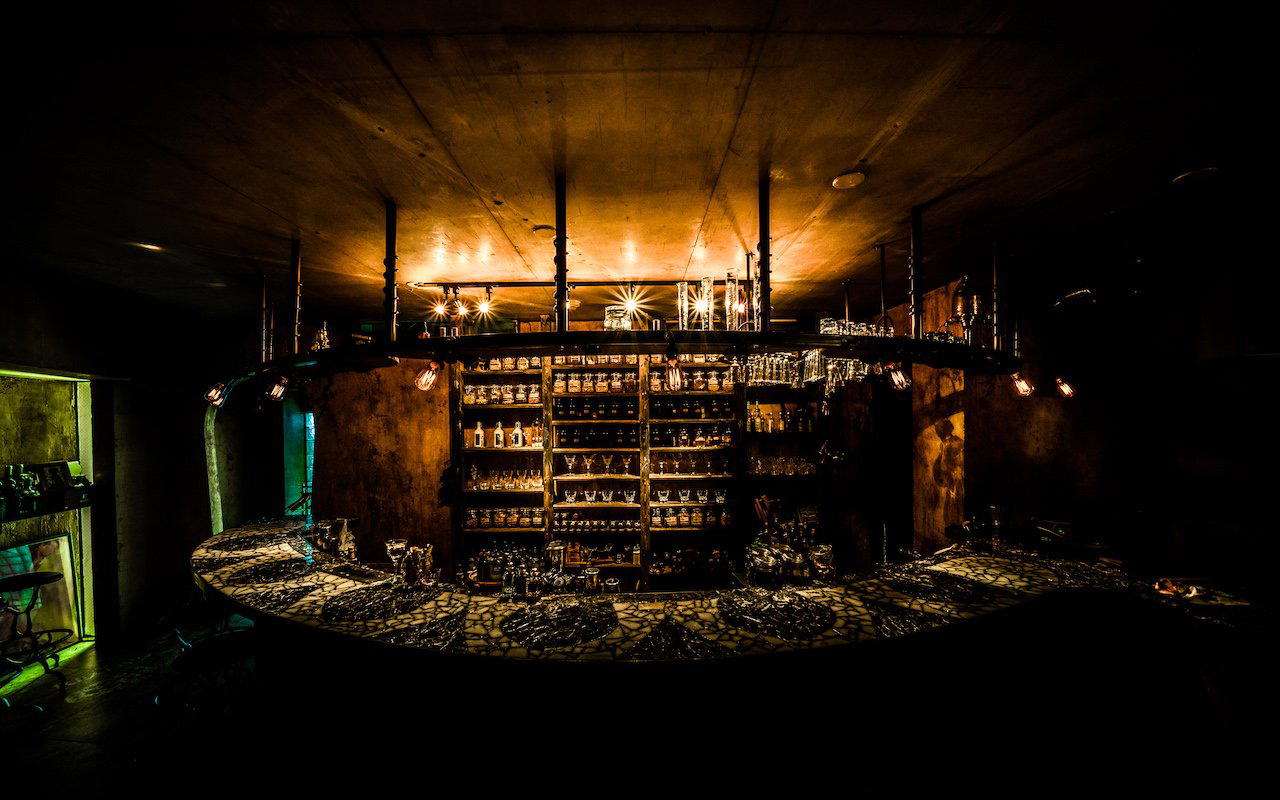
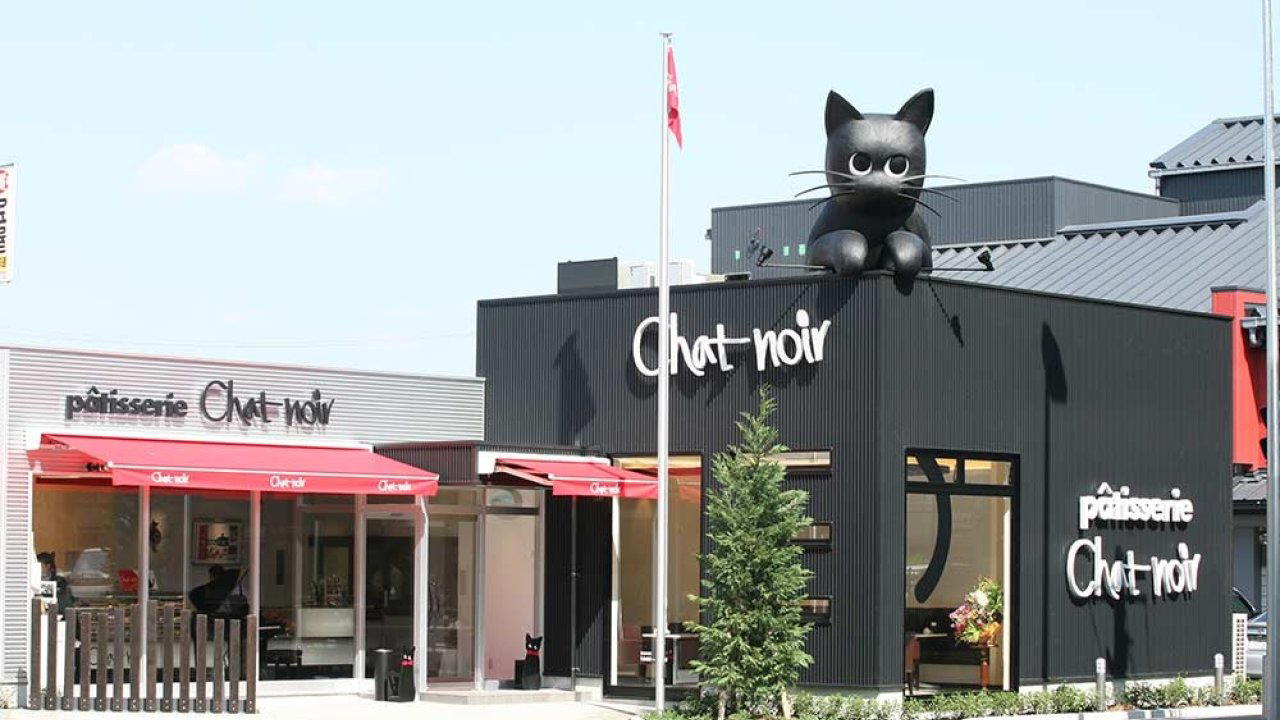


Hotels in Osaka
Browse all →



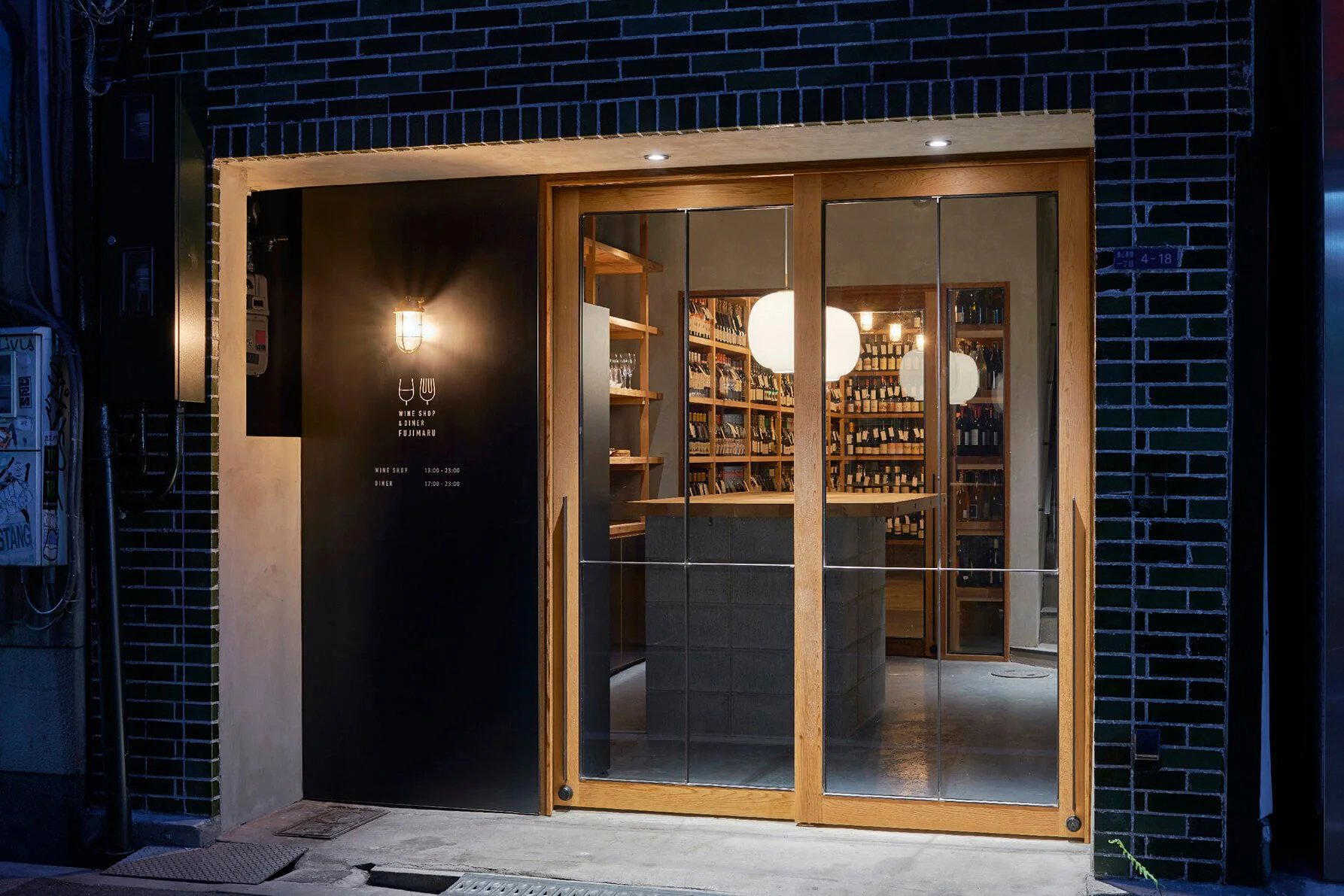
Wineries in Osaka
Browse all →
At a Glance
- Trendy
- Cozy
- Modern
- Solo
- Casual Hangout
- After Work
- Group Dining
- Standalone
- Terrace
Current opening hours
- Monday
- Closed
- Tuesday
- 8–10:45 AM, 11:30 AM–6 PM
- Wednesday
- 8–10:45 AM, 11:30 AM–6 PM
- Thursday
- 8–10:45 AM, 11:30 AM–6 PM
- Friday
- 8–10:45 AM, 11:30 AM–6 PM
- Saturday
- 9–10:45 AM, 11:30 AM–4 PM
- Sunday
- 9–10:45 AM, 11:30 AM–4 PM
Hours can change for holidays and private events. Last verified .
A small, stylish curry shop with counter and tatami seating plus an open terrace, creating a cozy yet lively neighborhood feel suited to solo diners and friends rather than large groups or formal occasions.