Cuq en Terrasses

Michelin Plate
Our verdict
Garden-led refinement defines Cuq en Terrasses in Cuq-Toulza, where a serene 18th-century house, panoramic terraces, and plant-forward fine dining meet thoughtful service and a focused, seasonal menu.

Pearl is the En Primeur Club membership app, where members save venues, book tables and use the concierge.
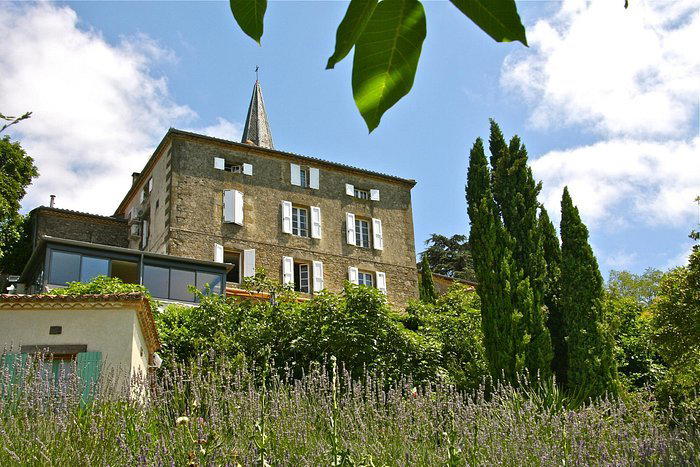
A Hilltop Setting That Earns Its Address
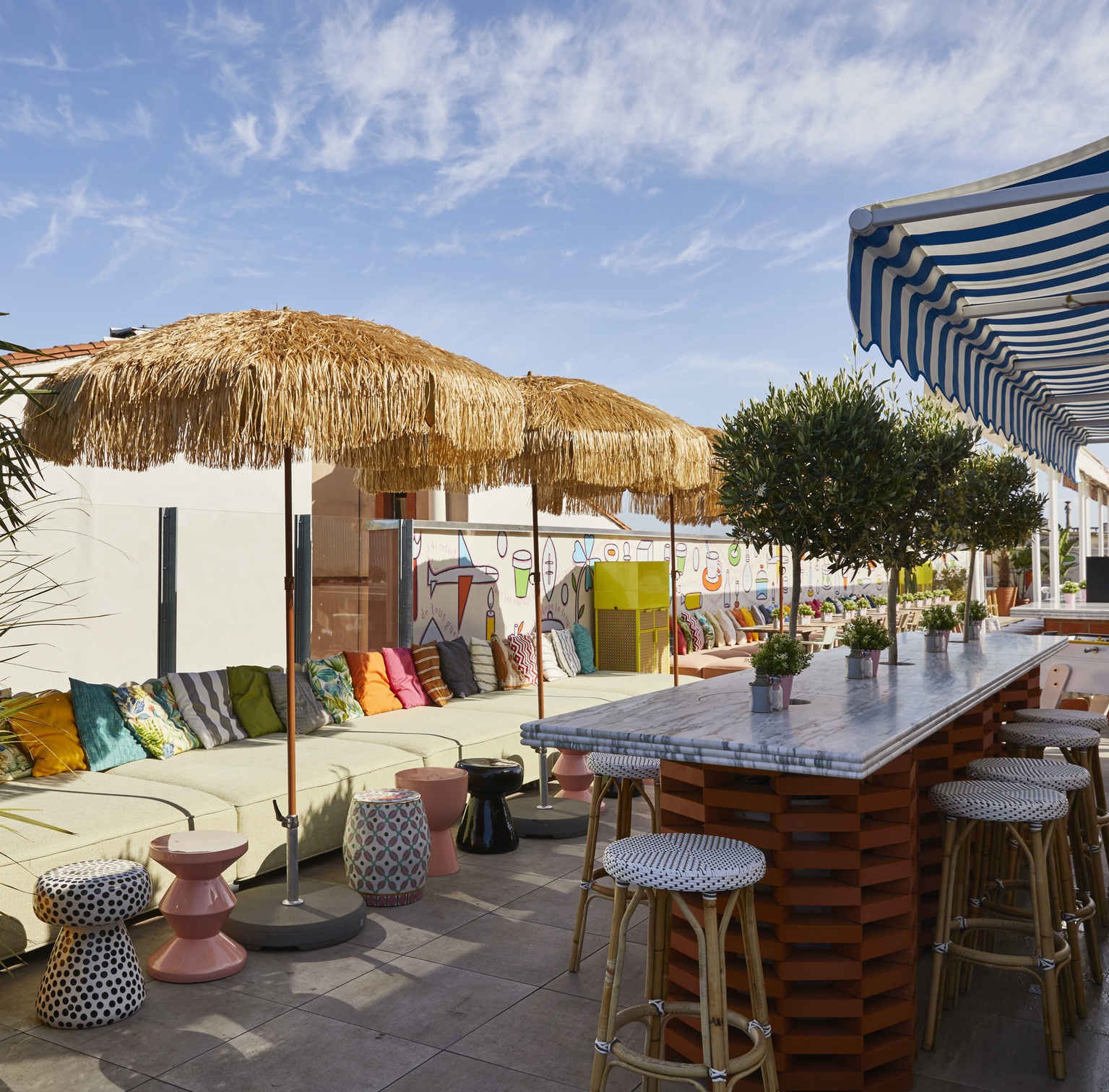
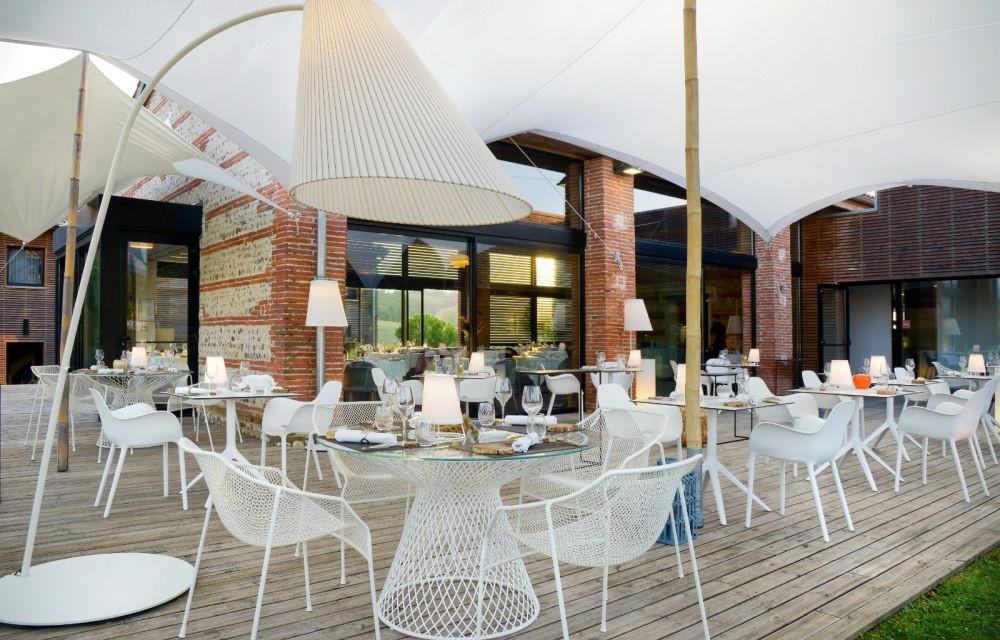
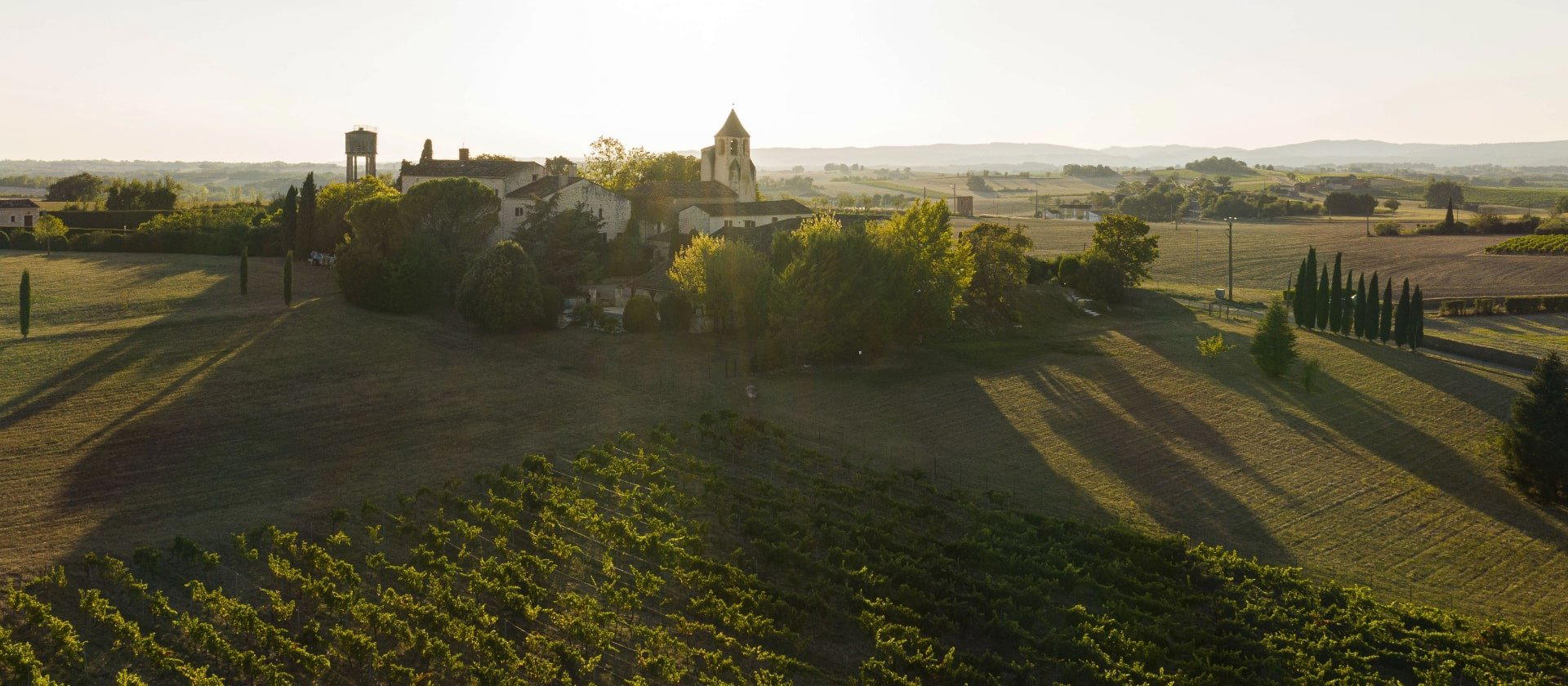
The village of Cuq-Toulza sits in the Tarn, roughly halfway between Toulouse and Castres, on the kind of rolling agricultural terrain that southern France does quietly and without ceremony. Arriving at Cuq le Château, the address that houses Cuq en Terrasses, you are dealing with a building that announces itself through position rather than signage: a stone structure on refined ground, with views that extend across the garrigue and sunflower fields below. The terrace, which gives the restaurant half its name, functions as more than a selling point. In a region where the light shifts dramatically between lunch and dinner service, the outdoor setting genuinely shapes the pace of a meal.
Modern Cuisine in a Region That Favours Tradition
The Tarn department sits within a broader Occitanie food tradition that prizes cassoulet, confit duck, and Roquefort over modernist technique. Restaurants operating in a contemporary mode in this part of France tend to either anchor themselves firmly in local product or risk feeling disconnected from their surroundings. Cuq en Terrasses, under chefs Bastien Salvatge and Charline Mage, operates in the modern cuisine category, which in the French Michelin framework places it alongside properties working with regional produce but applying considered technique rather than strict classical form. The Michelin Plate recognition in both 2024 and 2025 confirms the kitchen is being watched, even if it has not yet moved into the starred tiers occupied by properties like Bras in Laguiole or Auberge du Vieux Puits in Fontjoncouse, both of which operate in the broader southern French fine-dining conversation.
Michelin Plate is a functional credential: it signals that inspectors have visited, assessed the food as worth attention, and returned to confirm consistency across two consecutive guide years. In rural Occitanie, where the density of recognised properties is lower than in Paris or Lyon, that sustained recognition carries meaningful weight within its competitive set. It places Cuq en Terrasses above the generalist auberge tier without positioning it against the multi-starred destinations further afield, such as Mirazur in Menton or Flocons de Sel in Megève.
The Kitchen and Its Approach
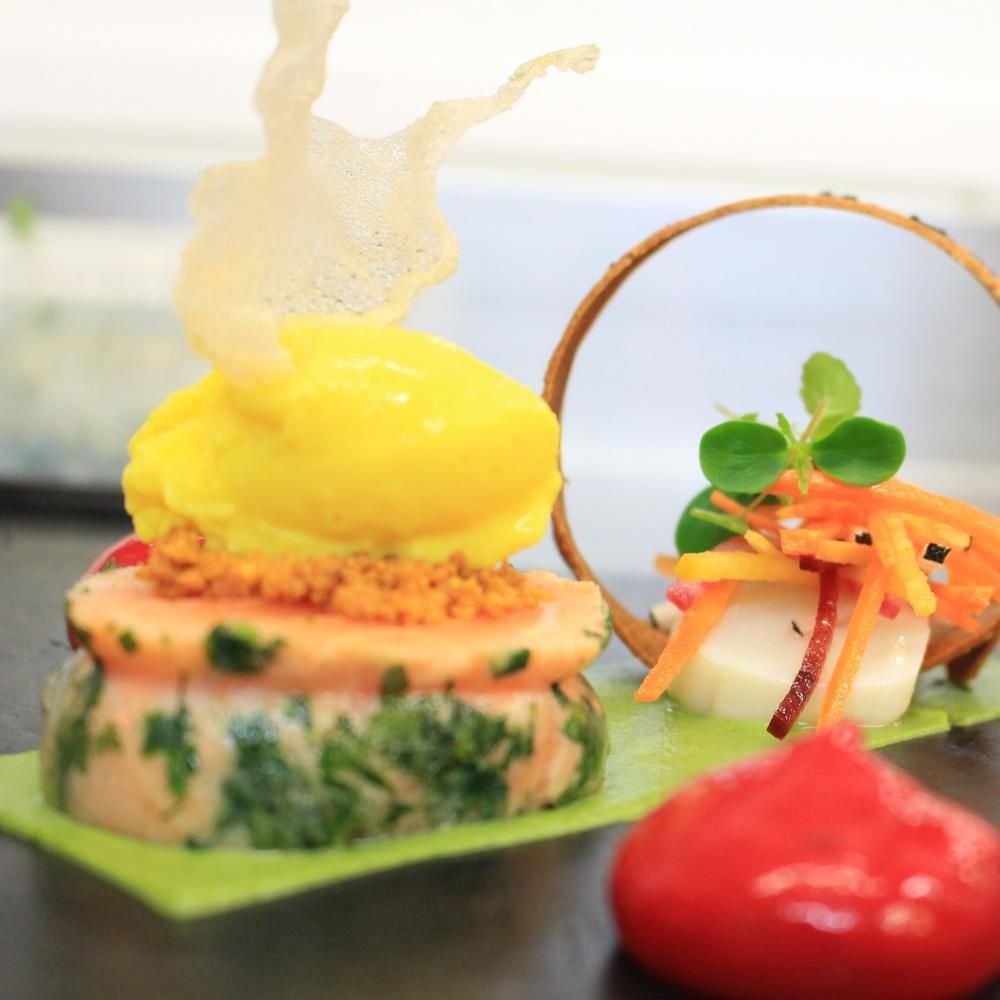
French modern cuisine at this price point and in this geography tends to follow a clear logic: seasonal produce sourced within a defined regional radius, a menu structure that shifts across the year, and a kitchen philosophy that leans toward restraint rather than spectacle. Bastien Salvatge and Charline Mage represent a dual-chef arrangement, a format that has become more visible in French fine dining as partnerships replace the single-auteur model. The editorial interest here is less in their individual biographies and more in what the arrangement signals about how the kitchen operates: shared authorship over a menu implies a collaborative testing process rather than top-down direction, which in practice often produces more disciplined editing of dishes.
This model also reflects a broader shift in French provincial fine dining, where younger chefs without the institutional backing of a Paris-based group are building serious programs in secondary cities and rural settings. Properties at this level in the Tarn are operating with smaller teams, tighter margins, and a direct reliance on local producer relationships in a way that the larger destination restaurants, like Alléno Paris au Pavillon Ledoyen or Troisgros - Le Bois sans Feuilles in Ouches, no longer need to manage in the same way. That proximity to supply is frequently visible on the plate.
Pricing and What It Positions Against
The €€€ price designation places Cuq en Terrasses in the mid-to-upper tier for the region, above casual bistro pricing and below the tasting-menu-only operations that typically carry the €€€€ designation. For reference, Michelin three-star addresses in France such as Assiette Champenoise in Reims or Au Crocodile in Strasbourg operate in a different economic register entirely. At €€€, guests are looking at a serious meal without the commitment of a full destination-tasting-menu budget. In a rural Tarn context, that bracket represents genuine ambition. There are few restaurants in the immediate Cuq-Toulza area with comparable recognition credentials, which means the venue is not competing locally so much as drawing guests who are already travelling through the region or specifically routing to it.
Where It Sits in the Wider French Fine-Dining Map
France's Michelin-recognised restaurant geography spreads well beyond Paris and the major gastronomic cities. The southern corridor from the Languedoc through to the Aveyron has produced properties that operate with serious intent in settings that would be considered remote by urban standards. Paul Bocuse - L'Auberge du Pont de Collonges established the destination-dining-in-the-provinces model decades ago; Auberge de l'Ill in Illhaeusern operates in a similar register in Alsace. Cuq en Terrasses is not in that company by award tier, but it is working within the same tradition: a property in a non-urban French setting that treats cooking as the primary reason to visit. The comparison is structural, not hierarchical. For guests curious about the modern cuisine scene beyond the major metros, properties like AM par Alexandre Mazzia in Marseille or Frantzén in Stockholm (for a northern European counterpart in format discipline) illustrate the broader context within which ambitious kitchens operate. FZN by Björn Frantzén in Dubai represents the opposite end of the scale: an urban export model that removes the rural-setting variable entirely.
For those building a southern France itinerary with food as a primary driver, Cuq en Terrasses fits logically alongside exploration of the region's other offerings. Our full Cuq-Toulza restaurants guide covers the wider dining picture, while our Cuq-Toulza hotels guide, bars guide, wineries guide, and experiences guide map the surrounding area for those extending their stay.
Frequently asked questions
What should I budget for a meal at Cuq en Terrasses?
Pricing at Cuq en Terrasses is listed as €€€.
Where is Cuq en Terrasses in Cuq-Toulza?
Cuq en Terrasses is located at Cuq le Château, 8 Cuq Toulza, 81470 Cuq-Toulza, France, Cuq-Toulza.
Quick Comparison
| Venue | Cuisine | Price | Awards | Notes |
|---|---|---|---|---|
| Cuq en TerrassesThis venue (the venue you are viewing) | Modern French Fine Dining | $30–50 | Michelin Plate | Not listed |
| Alléno Paris au Pavillon Ledoyen | Modern French Fine Dining | $150–200 | 3 Michelin Stars · World's 50 Best #79 | Creative |
| Kei | Contemporary French, Modern Cuisine | Not listed | Michelin 3 Star | Not listed |
| L'Ambroisie | Classic French Haute Cuisine | $300–500 | 2 Michelin Stars · World's 50 Best #23 | French, Classic Cuisine |
| Le Cinq - Four Seasons Hôtel George V | Modern French Fine Dining | $300–500 | 3 Michelin Stars · World's 50 Best #24 | French, Modern Cuisine |
| Plénitude | Modern French Sauce-Led Fine Dining | $300–500 | 3 Michelin Stars · World's 50 Best #14 | Contemporary French |
Recognition history
Dated appearances from independent guides and award organizations, with the underlying list record or original source where available.
Michelin Plate
Michelin
Full recognition history (3 entries)
Michelin Plate
Michelin
Michelin Plate
Michelin
Continue exploring
More in Cuq-Toulza
Restaurants in Cuq-Toulza
All restaurants in Cuq-Toulza →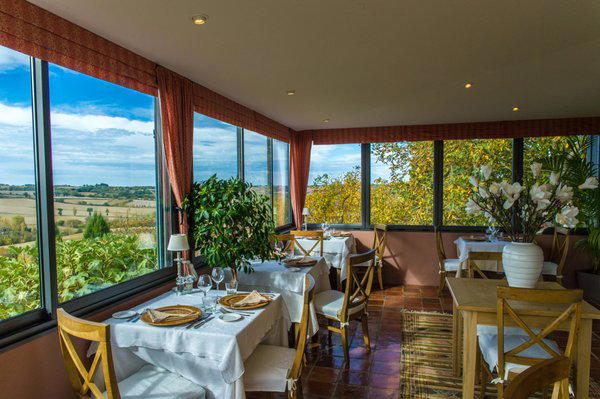
Bars in Cuq-Toulza
Browse all →

Details
- Romantic
- Scenic
- Elegant
- Rustic
- Cozy
- Intimate
- Date Night
- Special Occasion
- Terrace
- Garden
- Local Sourcing
- Garden
- Mountain
- Tasting Menu
- Vegetarian Friendly
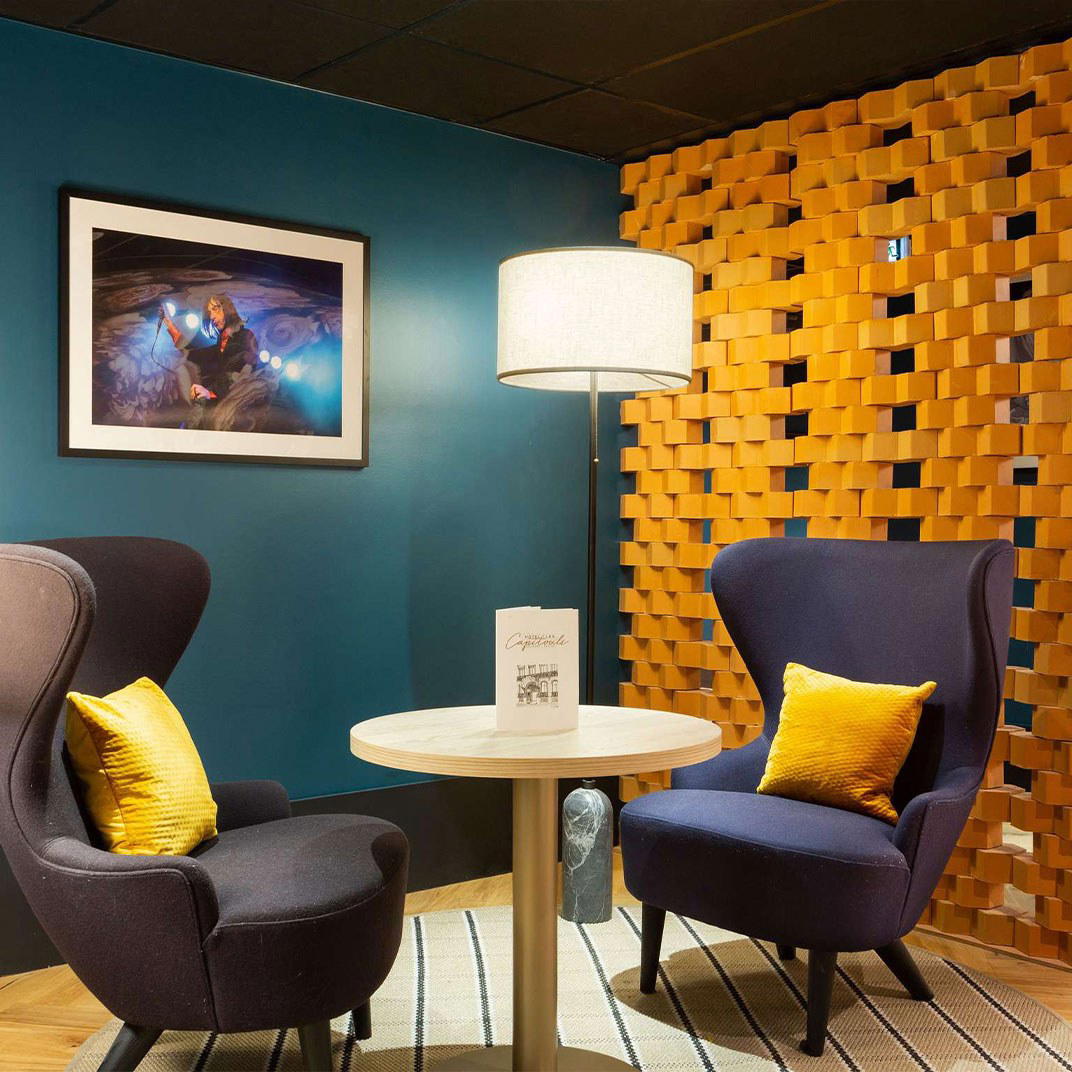
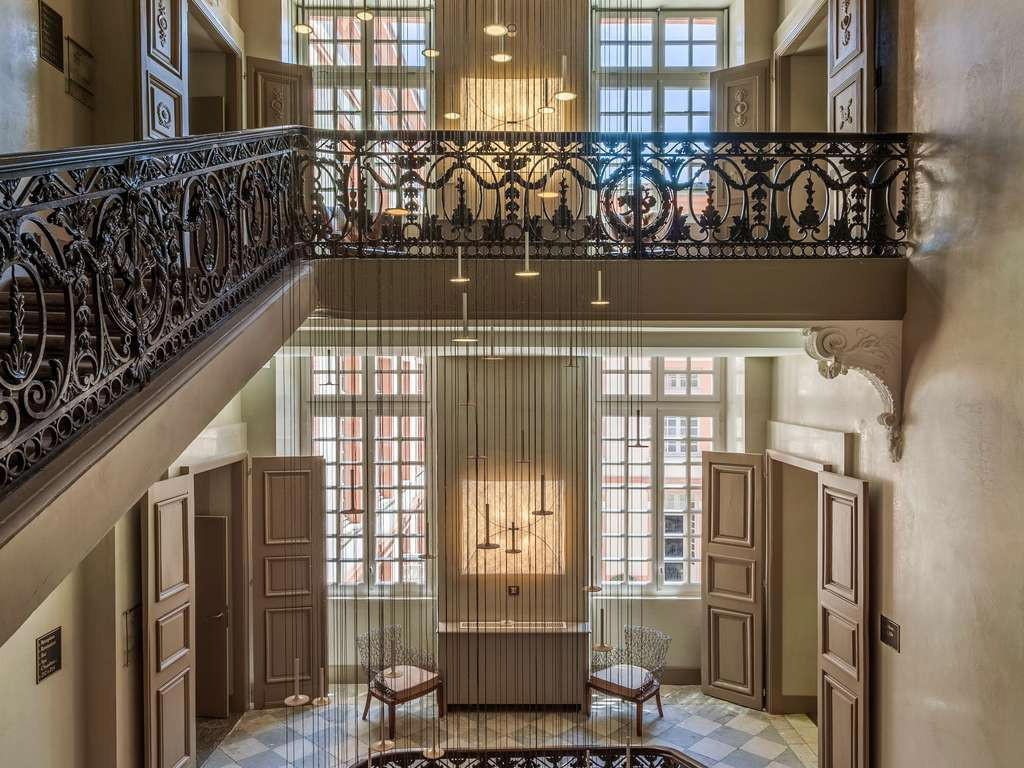
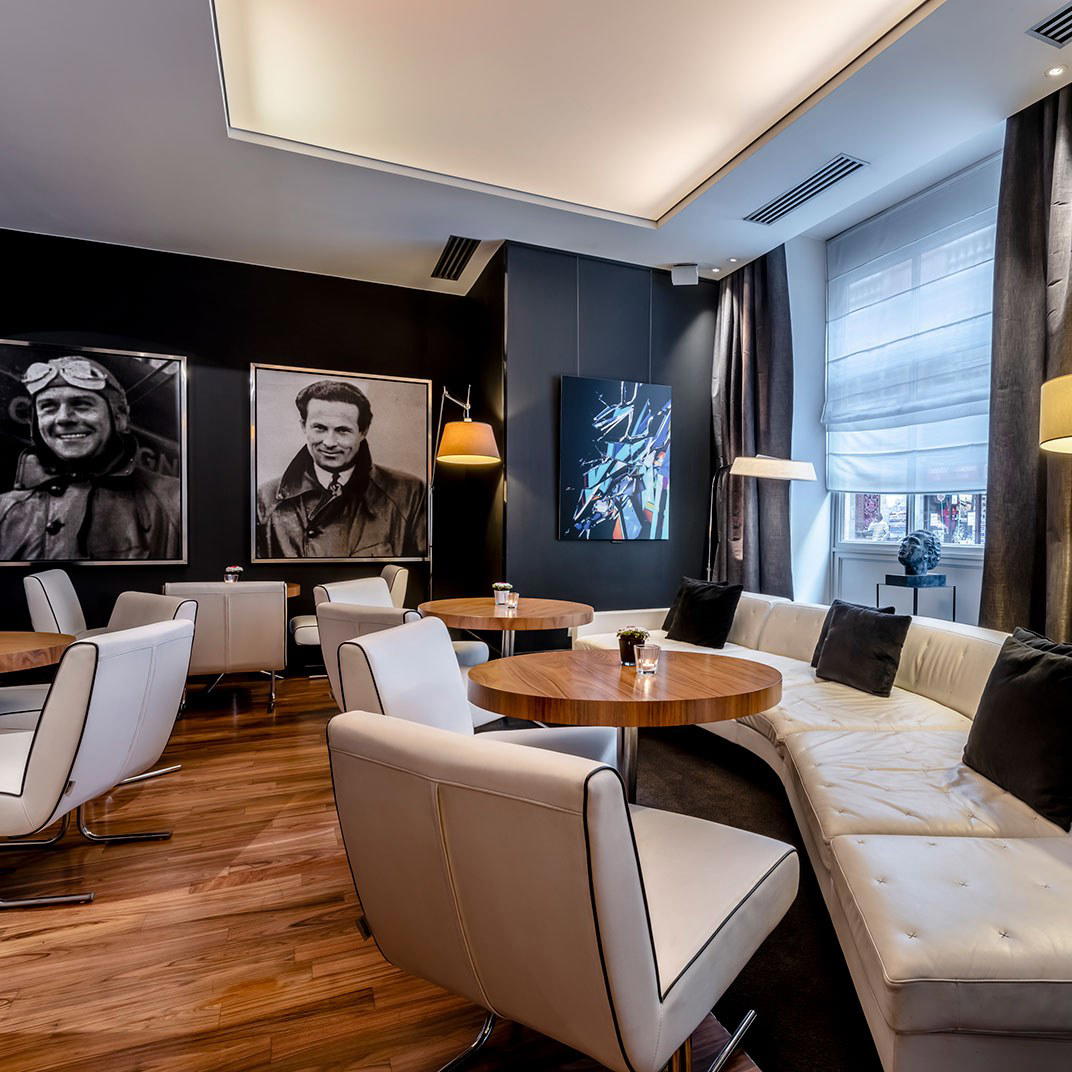
Haven of peace in a characterful historic house with warm, attentive service, beautiful terrace sunsets, and a serene, welcoming atmosphere.