Cue Barbecue
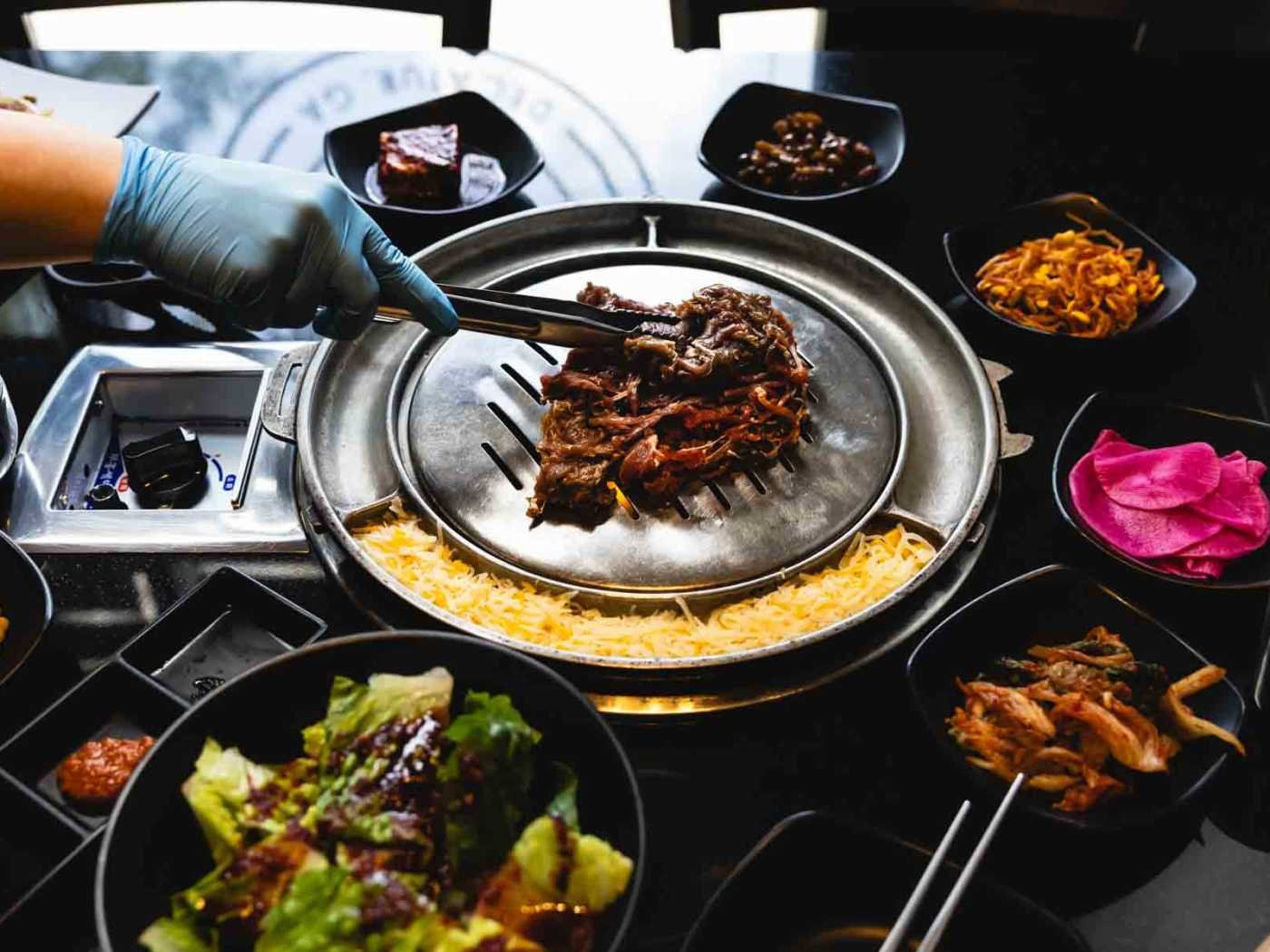
Cue Barbecue operates out of a roadside address on GA-9 in Milton, Georgia, positioning itself within the broader North Atlanta barbecue corridor where pit-driven cooking and local sourcing define the conversation. The format reads as casual and smoke-forward, sitting in a different tier from Milton's Italian and European-leaning dining options. For smoked meat in the northern suburbs, it draws consistent local traffic.
Pearl is the En Primeur Club membership app — saves, bookings, and concierge access live there. Same editors, same standards.
- Address
- 13700 GA-9, Alpharetta, GA 30004
- Phone
- +17706670089
- Website
- cuebarbecue.com
- Directions
- Get directions
 Saves & bookings on Pearl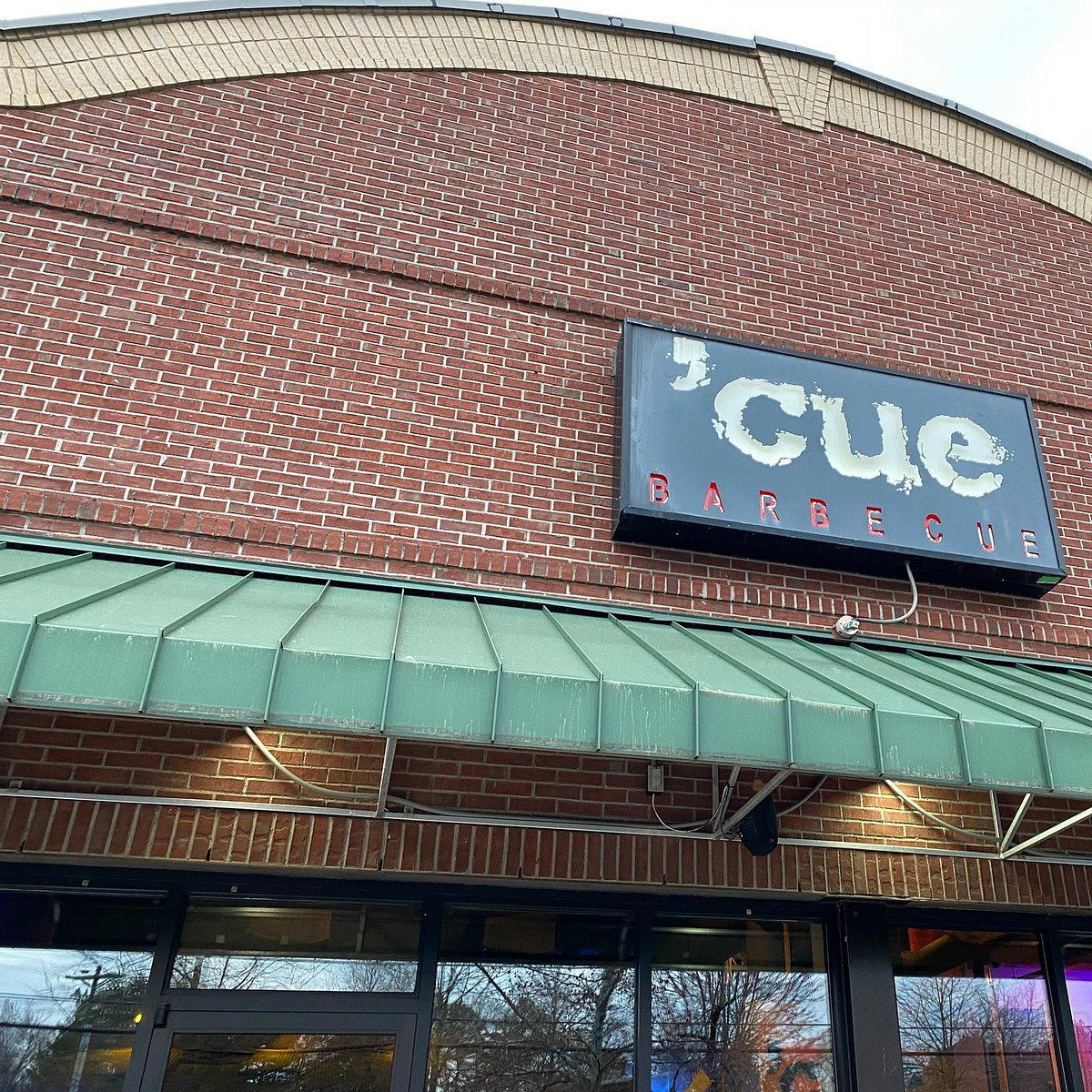
Smoke on the Northern Fringe: Barbecue in the Milton-Alpharetta Corridor
The stretch of GA-9 running through Milton and into Alpharetta doesn't announce itself as a dining destination. The road moves through horse country and low-density commercial strips, the kind of Georgia terrain where a well-placed barbecue pit finds its audience without needing a neighbourhood brand behind it. Cue Barbecue is a casual Hickory-Smoked Barbecue restaurant at 13700 GA-9, Alpharetta, GA 30004, priced around $25 per person. It's not angling for the downtown Alpharetta crowd hunting craft cocktails alongside their brisket. It's pulling from the residential sprawl to the north and west, where the appetite runs toward direct smoked meat over open pits rather than anything that needs a reservation window.
That roadside positioning places Cue Barbecue in a distinct tier within the North Atlanta barbecue conversation. Georgia's smoked meat tradition sits at a crossroads: the state has its own low-and-slow lineage, drawing from both Carolinas-style whole hog traditions and the Georgia coastal practice of whole animal cooking, while also absorbing the brisket-forward Texas influence that has spread through the American South over the past two decades. The better pit operations in the Atlanta suburbs tend to reflect this tension, some lean hard into one regional identity, others run hybrid menus that treat the smoker as a democratic tool. Where Cue Barbecue lands on that spectrum matters to how you approach it.
The Sourcing Logic Behind Smoked Meat
Barbecue, more than most American cooking formats, is an ingredients-first discipline. The smoke is the technique, but the animal is the argument. Regional barbecue cultures evolved partly around what was available locally, whole hogs in the Carolinas because pork was the dominant agricultural protein, beef brisket in Texas because cattle ranching defined the economy. In Georgia, particularly in the northern counties where Milton sits, the agricultural picture is more mixed: the state produces significant poultry, pork, and some beef, while proximity to farmers markets and regional food networks has given pit operators more sourcing options than earlier generations had.
For any serious barbecue operation, the sourcing chain for pork and beef determines the ceiling of what the pit can produce. Commodity proteins and heritage breeds behave differently under extended smoke exposure, fat distribution, moisture retention, and connective tissue breakdown all vary with animal genetics and feed. Operations that work with consistent, quality-sourced protein can calibrate their cooking times and wood selection to a predictable outcome. Those working with variable commodity supply tend toward saucing and sides to smooth out inconsistencies. This distinction doesn't always show up on a menu, but it surfaces quickly in the eating. It's the kind of intelligence worth carrying into any pit-forward restaurant in the outer Atlanta suburbs, Cue Barbecue included.
Milton's dining scene runs heavily toward Italian and European formats: Ippolito's anchors the casual Italian end, Madre Osteria sits in the more considered mid-market Italian tier, and Steel & Rye occupies a different casual American register. The restaurant is the pit-focused outlier in that mix, which makes it the default address for smoked protein in the immediate area, a structural advantage that doesn't depend on menu innovation to sustain a local audience.
Regional Context: Where North Atlanta Barbecue Sits Nationally
American barbecue has become one of the country's more discussed food categories over the past decade, with serious critical attention shifting toward pitmasters the way it once moved toward fine dining chefs. The recognition infrastructure, from Texas Monthly's annual rankings to James Beard attention landing on barbecue for the first time, has raised the visibility of regional operators and created a more educated consumer base willing to drive significant distances for well-sourced, properly smoked meat. In that environment, suburban Atlanta operations sit in an interesting position: close enough to a major metropolitan dining culture that expectations have risen, but operating in a price and format environment that remains accessible compared to destination barbecue further afield.
To understand how far that national barbecue conversation has traveled from its regional roots, consider the sourcing obsession that now defines the highest tier of farm-to-table cooking more broadly. Operations like Blue Hill at Stone Barns in Tarrytown built their entire identity around agricultural sourcing as a public-facing commitment. Single Thread Farm in Healdsburg runs its own farm as part of the restaurant's operational structure. Even in the fine dining register, Smyth in Chicago and The Wolf's Tailor in Denver have made ingredient provenance a structural part of their editorial identity. The logic that drives those choices, that sourcing determines flavor outcomes, applies equally to a pit smoker in Milton, Georgia, even if the format and price point sit in a different universe from The French Laundry or Le Bernardin.
Closer to the barbecue register, the broader American South has seen pit cooking take on more critical seriousness alongside operations like Emeril's in New Orleans, which helped map the South's culinary geography for national audiences. That visibility has lifted regional operators across the board, including the suburban Atlanta corridor.
Planning Your Visit
The restaurant's GA-9 address puts it at the Alpharetta-Milton boundary, accessible by car from both communities and from the residential developments further north in Cherokee County. The format reads as counter-service or casual dining rather than reservation-required, which is standard for the category. Smoked meat operations typically run until they sell out, which at quality pit restaurants often means arriving before mid-afternoon on peak days. Current hours, walk-in availability, and daily offerings are reflected in the venue details below. The address at 13700 GA-9 is fixed and confirmed.
For those building a day around Milton's dining options, the local spread is wide enough to warrant a longer look at the Italian-leaning options alongside this barbecue entry. Visitors approaching from further afield who want a sense of how American farm-to-table cooking has evolved at its most ambitious end might also reference Addison in San Diego, Providence in Los Angeles, Lazy Bear in San Francisco, Atomix in New York City, Frasca Food & Wine in Boulder, The Inn at Little Washington, and Atelier Moessmer Norbert Niederkofler in Brunico for comparative context on how sourcing-driven cooking operates across formats and price tiers.
Quick Comparison
Comparable venues nearby, for context on price, style, and recognition.
| Venue | Cuisine | Price | Notes |
|---|---|---|---|
| Cue BarbecueThis venue — the venue you are viewing | Hickory-Smoked Barbecue | $$ | Not listed |
| Tarahumata Mexican Grill | Upscale Tex-Mex Grill & Tequila Bar | $$ | Windward |
| Crust Pasta & Pizzeria | Modern Italian Pizza and Pasta | $$ | Downtown Alpharetta |
| Ray's at Killer Creek | Steakhouse & Seafood | $$$ | Alpharetta |
| Made Kitchen & Cocktails | Spanish Tapas & Grilled Small Plates | $$ | Downtown Alpharetta |
| di Paolo | Northern Italian | $$$ | Rivermont Square |
Continue exploring
More in Alpharetta
Restaurants in Alpharetta
Browse all →
Bars in Alpharetta
Browse all →

At a Glance
- Lively
- Rustic
- Casual Hangout
- Group Dining
- Family
- Live Music
- Beer Program
Current opening hours
- Monday
- 11 AM–9 PM
- Tuesday
- 11 AM–9 PM
- Wednesday
- 11 AM–9 PM
- Thursday
- 11 AM–9 PM
- Friday
- 11 AM–10 PM
- Saturday
- 11 AM–10 PM
- Sunday
- 11 AM–9 PM
Hours can change for holidays and private events. Last verified .
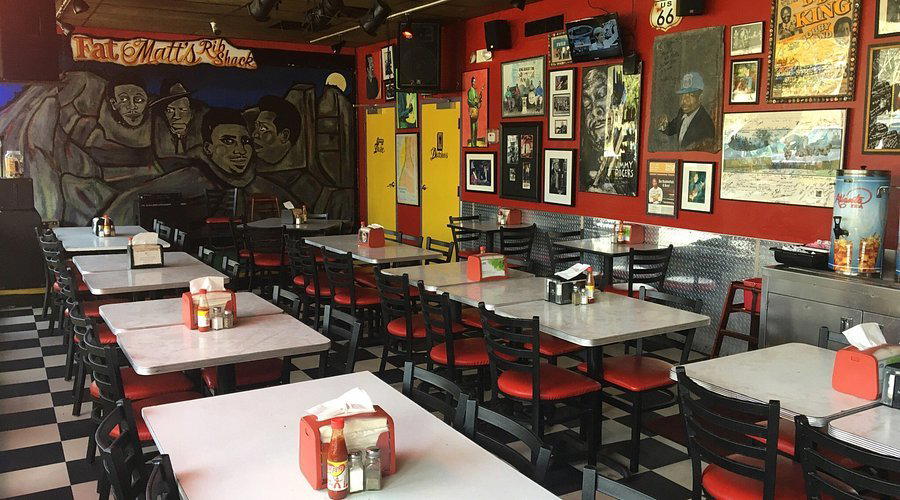
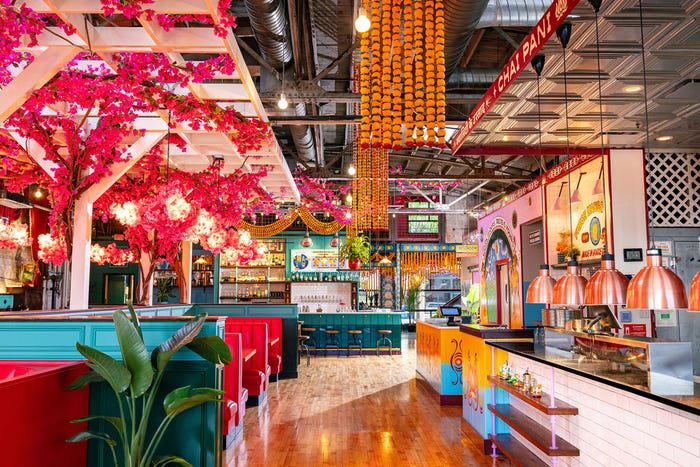
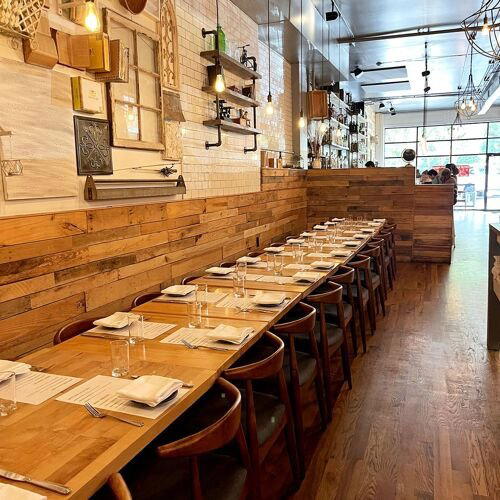
Casual and welcoming with live music on weekends creating a lively atmosphere.