California Dreaming
California Dreaming sits on Beaver Run Boulevard in Surfside Beach, South Carolina, drawing from the coastal ingredient tradition that defines the Grand Strand's most grounded dining. The restaurant operates in a beach-town market where sourcing proximity and casual authority matter more than formal credentials, placing it alongside a small tier of Surfside spots committed to honest, coastal-facing cooking.
Pearl is the En Primeur Club membership app — saves, bookings, and concierge access live there. Same editors, same standards.
- Address
- 2657 Beaver Run Blvd, Surfside Beach, SC 29575
- Phone
- +18432155255
- Website
- californiadreaming.rest
- Directions
- Get directions
 Saves & bookings on Pearl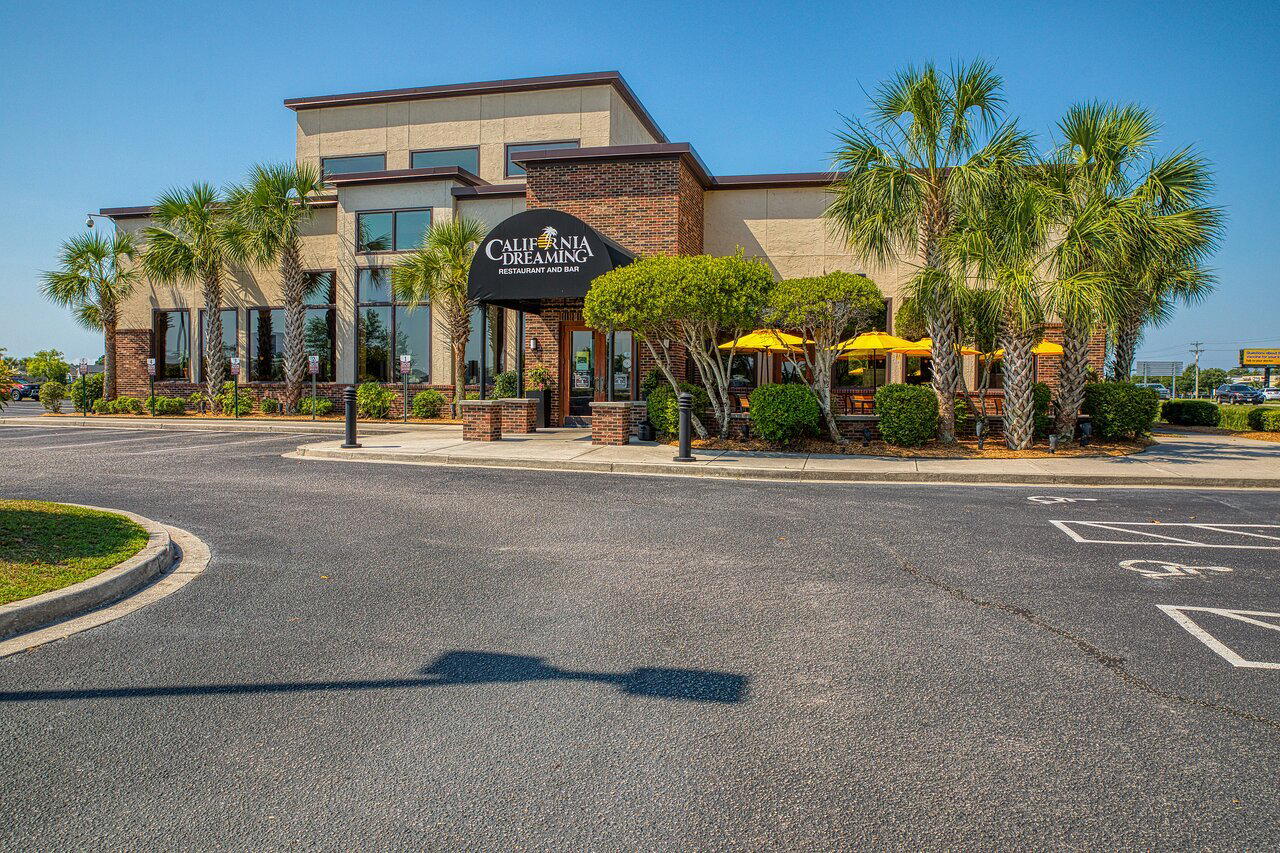
Sourcing at the Shore: What Coastal Proximity Means for a Grand Strand Kitchen
The leading kitchens here understand that the Atlantic is the larder, and that the argument for eating well in a beach town begins and ends with how close you are to the source. California Dreaming, at 2657 Beaver Run Boulevard, operates inside that logic. In a town where the distance between ocean and kitchen is measured in minutes rather than supply-chain days, the question worth asking is not whether a restaurant can source locally, but whether it chooses to build its identity around that proximity.
Coastal South Carolina occupies a distinct position in the broader American seafood conversation. Unlike the tightly credentialed coastal dining rooms, Le Bernardin in New York City or Providence in Los Angeles, where provenance is narrated course by course and priced accordingly, the Grand Strand operates on a more democratic register. What it lacks in formal hierarchy it compensates for with directness: the shrimp that were trawled off Murrells Inlet this morning are on the plate tonight, without a tasting-menu apparatus around them. That directness is both the appeal and the standard by which places like California Dreaming are reasonably assessed.
The Ingredient Logic Behind Beach-Town Cooking
South Carolina's low country and coastal zones produce a specific pantry: blue crab, white shrimp, flounder, grouper, and in the warmer months, soft-shell crab that briefly dominates menus across the region. The Grand Strand's restaurant scene has historically been less disciplined about showcasing that pantry than, say, the kitchens in Charleston an hour to the south, where the farm-and-sea sourcing narrative has been refined into a recognizable culinary identity. Surfside Beach sits in that gap: close enough to serious coastal ingredients to use them well, but without the critical infrastructure of a city food scene to enforce consistency across the market.
This is the context that makes sourcing emphasis relevant for a restaurant like California Dreaming. In a market where seasonal proximity to quality ingredients exists almost by default, the differentiator is commitment: whether a kitchen treats the coastal supply chain as an opportunity or a formality. The restaurants at the more rigorous end of this spectrum, from Single Thread Farm in Healdsburg to Blue Hill at Stone Barns in Tarrytown, have made ingredient origin the central argument of every plate. Beach-town kitchens operate at a different scale, but the underlying logic is transferable: the closer the sourcing, the more the kitchen has to say for itself.
Where California Dreaming Fits the Surfside Scene
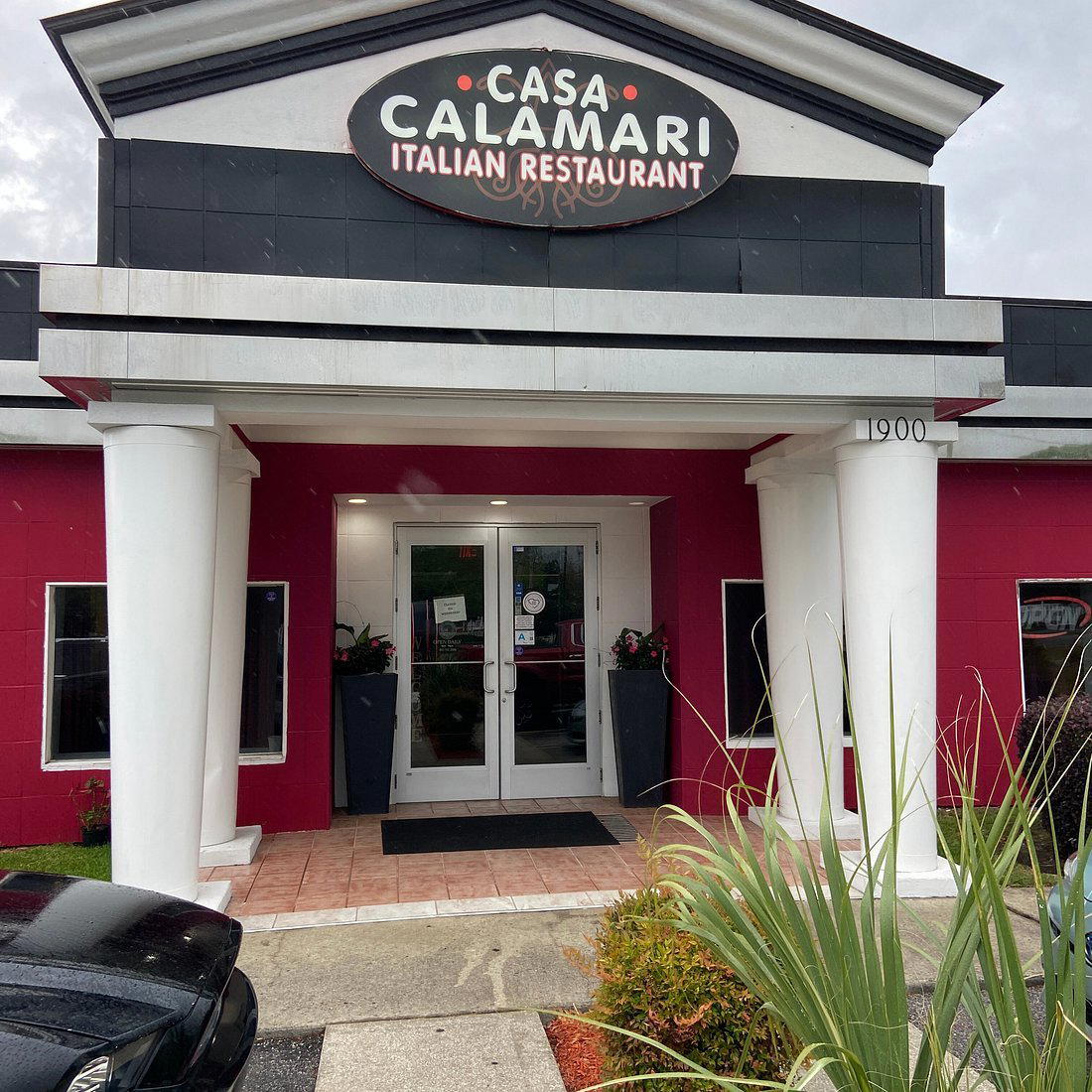
Surfside Beach's dining tier breaks into a few legible categories: the seafood-forward casual spots that do volume on tourist traffic, the Italian and Mediterranean rooms that appeal to longer-stay visitors, and a smaller group of places that hold repeat local business by staying consistent across seasons. For Italian-leaning options in the immediate area, Malibu of Surfside Italian Restaurant and Casa Calamari represent the neighbourhood's European-inflected side of the market. The restaurant sits in the coastal-casual band, where the name itself signals an orientation toward the kind of relaxed, sun-adjacent dining that the Grand Strand's visitor base expects.
The name carries a specific register in American restaurant culture: the restaurant as a brand connotes an idealised, beach-adjacent ease, the kind of cooking that doesn't ask the diner to work but does expect the kitchen to. That positioning aligns with how the Grand Strand functions as a dining destination: it is not the place where diners come seeking the formal rigor of The French Laundry in Napa or the conceptual density of Atomix in New York City. It is the place where the right crab cake, made with the right crab, served at the right distance from the ocean, constitutes a genuine argument for quality.
Reading the Coastal American Dining Spectrum
The broader American dining conversation around ingredient sourcing has matured considerably over the past decade. At the summit of the tier, places like Smyth in Chicago, Addison in San Diego, and The Inn at Little Washington have built identities around sourcing transparency that is verifiable and documented. Further down the formality scale, places like Emeril's in New Orleans demonstrate that regional ingredient identity can anchor a dining room without requiring tasting-menu architecture. And at the granular local level, restaurants like Frasca Food and Wine in Boulder or The Wolf's Tailor in Denver show how a specific regional pantry can become the central editorial argument of a restaurant's identity.
What all of these operations share, despite their obvious differences in price point and ambition, is that the sourcing decision is legible to the diner. The ingredient story is told, not assumed. Coastal South Carolina kitchens have the raw materials to participate in that conversation at a local level, and the leading ones in the Grand Strand area do so without pretension. For the visitor arriving in Surfside Beach, the relevant question is not how the restaurant compares to ITAMAE in Miami or Lazy Bear in San Francisco, but whether it is taking full advantage of its particular geographic position. Proximity to the Atlantic is not a marketing point; it is an operational advantage, and kitchens that treat it as such tend to be the ones worth returning to.
Planning Your Visit
The restaurant is located at 2657 Beaver Run Boulevard in Surfside Beach, South Carolina 29575, a direct drive from the main beach access roads and accessible from the larger Myrtle Beach corridor. As a beach-town casual room, it operates in a market where walk-in traffic is common during tourist season and reservations become more relevant during peak summer weeks when Grand Strand occupancy is at its highest. Visitors planning to eat during July and August, when the South Carolina coast sees its most concentrated visitor traffic, would be advised to contact the restaurant directly in advance rather than assuming table availability on arrival.
In Context: Similar Options
Comparable venues nearby, for context on price, style, and recognition.
| Venue | Cuisine | Price | Notes |
|---|---|---|---|
| California DreamingThis venue — the venue you are viewing | American Steakhouse & Seafood | $$ | Not listed |
| Malibu Of Surfside Italian Restaurant | Authentic Italian Trattoria | $$ | Surfside Beach |
| Casa Calamari | Authentic Italian-American Trattoria | $$ | Surfside Beach |
| The Glass Onion | Lowcountry Southern Comfort Food | $$ | West Ashley |
| Three Little Birds | American Cafe | $$ | West Ashley |
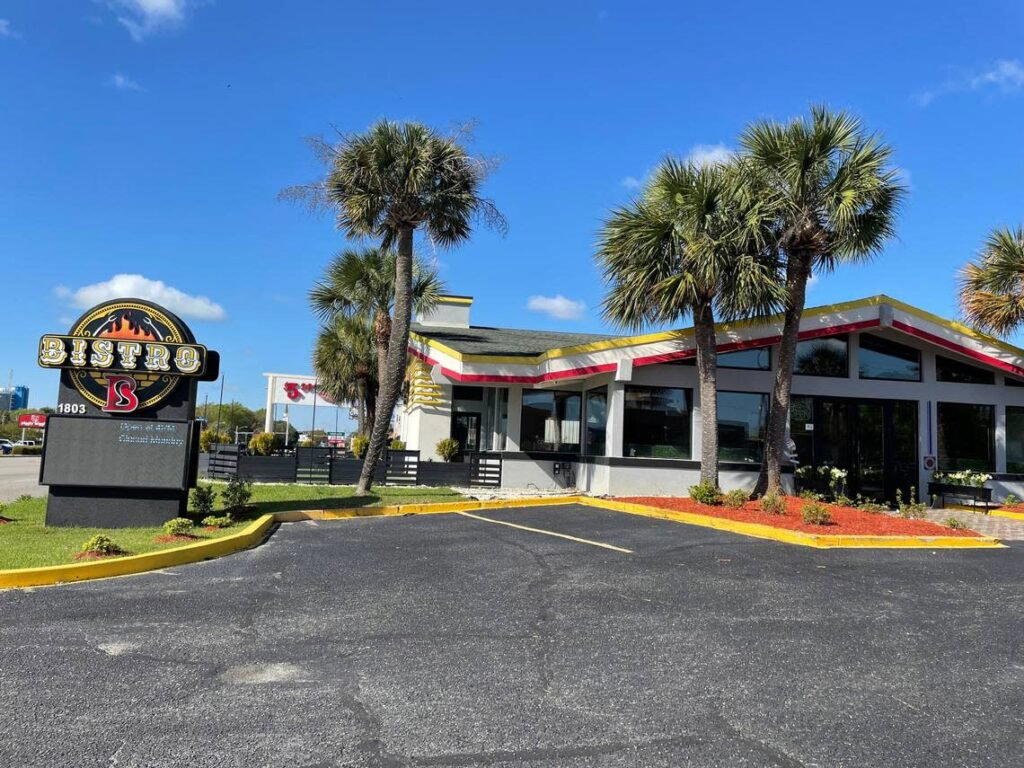
| Bistro B | Modern American Bistro with Sushi | $$ | downtown |
Continue exploring
More in Surfside Beach
At a Glance
- Lively
- Cozy
- Classic
- Family
- Casual Hangout
- Date Night
- Group Dining
- Terrace
- Beer Program
Current opening hours
- Monday
- 11 AM–9 PM
- Tuesday
- 11 AM–9 PM
- Wednesday
- 11 AM–9 PM
- Thursday
- 11 AM–9 PM
- Friday
- 11 AM–9 PM
- Saturday
- 11 AM–9 PM
- Sunday
- 11 AM–9 PM
Hours can change for holidays and private events. Last verified .
Clean and simple decor with wood tones and elegance; family-friendly with a seaside, spirited atmosphere suitable for both casual vacations and date nights.