Coure Andorra
Our verdict
Coure Andorra serves Modern Mediterranean and Catalan dishes with a sommelier-led wine list, an open kitchen, and a conversational pace in Andorra la Vella.

Pearl is the En Primeur Club membership app, where members save venues, book tables and use the concierge.
The menu
What to order
- Pigeon from Bresse
- Patatas Bravas
- Ceviche
- Croquettes
- Tartare
Where the Pyrenees Meet the Plate
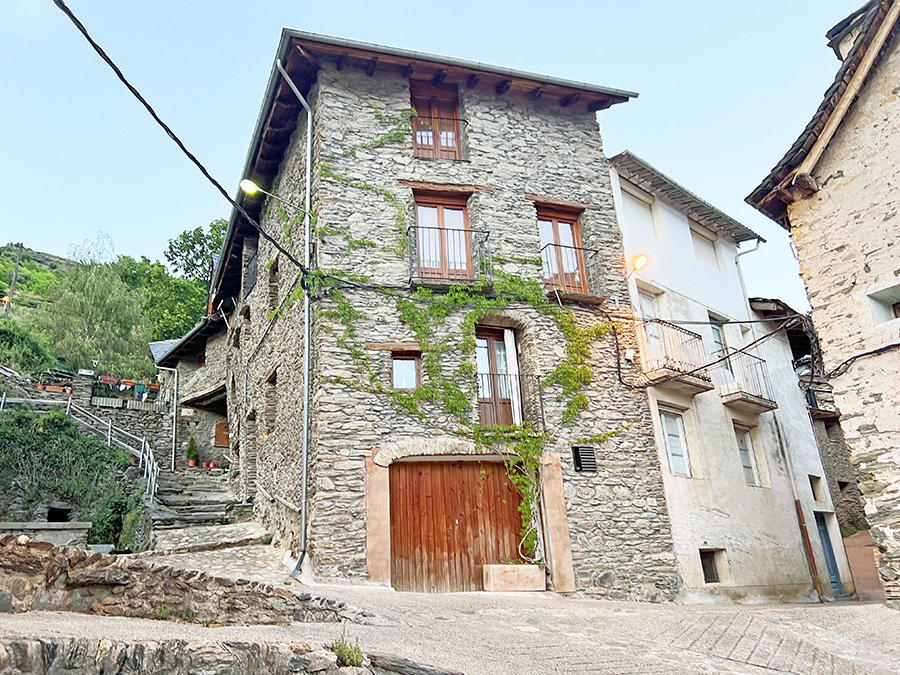
Carrer de la Borda sits in the older residential grain of Andorra la Vella, away from the duty-free strips and ski-gear outlets that dominate the capital's commercial identity. Arriving at number 3, the atmosphere shifts: the street is quieter, the scale more human. This is the address of Coure Andorra, a dining room that occupies a different register from the loud, transactional energy that defines much of eating out in the principality's centre.
Andorra is a small country that has historically punched below its weight in fine dining, largely because its economic model runs on retail and ski tourism rather than culinary culture. That context matters when reading any serious restaurant here. Places that survive and develop a reputation in Andorra la Vella do so against a backdrop where the default expectation is convenience food between shopping and the slopes. Coure operates in a different mode, positioning itself within the tier of address-led dining that requires a specific decision by the guest rather than a casual walk-in.
The Cultural Roots of Catalan-Influenced Mountain Cooking
Andorra's cuisine sits at the intersection of Catalan and Pyrenean traditions, drawing from both sides of a border that is, in geographic and culinary terms, more permeable than any political map suggests. The principality shares linguistic and gastronomic heritage with Catalonia, which means the foundational vocabulary of its kitchen runs through olive oil, dried pulses, slow-cooked meats, and the bold reductive sauces that distinguish Catalan cooking from the cream-heavy registers of French mountain cuisine to the north.
This is not a cuisine built on delicacy alone. Mountain cooking at altitude demands substance: dishes that were historically designed to fuel shepherds and traders crossing passes. The refinement that contemporary restaurants apply to this tradition involves editing for richness without erasing the weight of the original. That tension, between heritage ingredients and modern technique, is what defines the more serious end of Andorran dining. It places restaurants like Coure in conversation with kitchens across the broader Pyrenean arc, from Catalonia into Aragon, where chefs are increasingly treating regional produce as a point of competitive identity rather than a default.
For context on how that tradition plays out at different price points and formats across the capital, the full Andorra la Vella restaurants guide maps the scene in detail. The contemporary tier here is occupied by places like Celler d'en Toni at the accessible end and Kökosnøt stepping up in ambition and price, with Angel Belmonte representing a different register entirely.
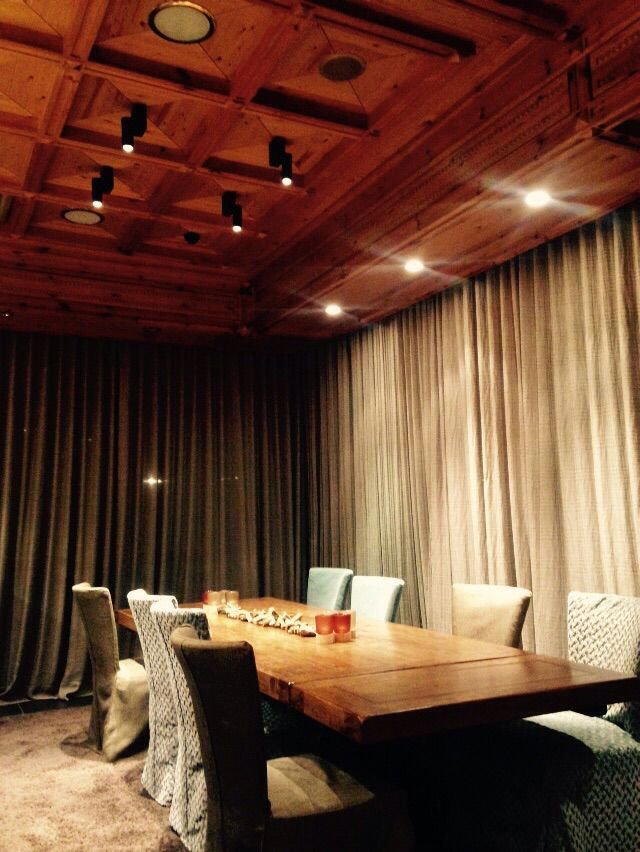
The Dining Room and What It Signals
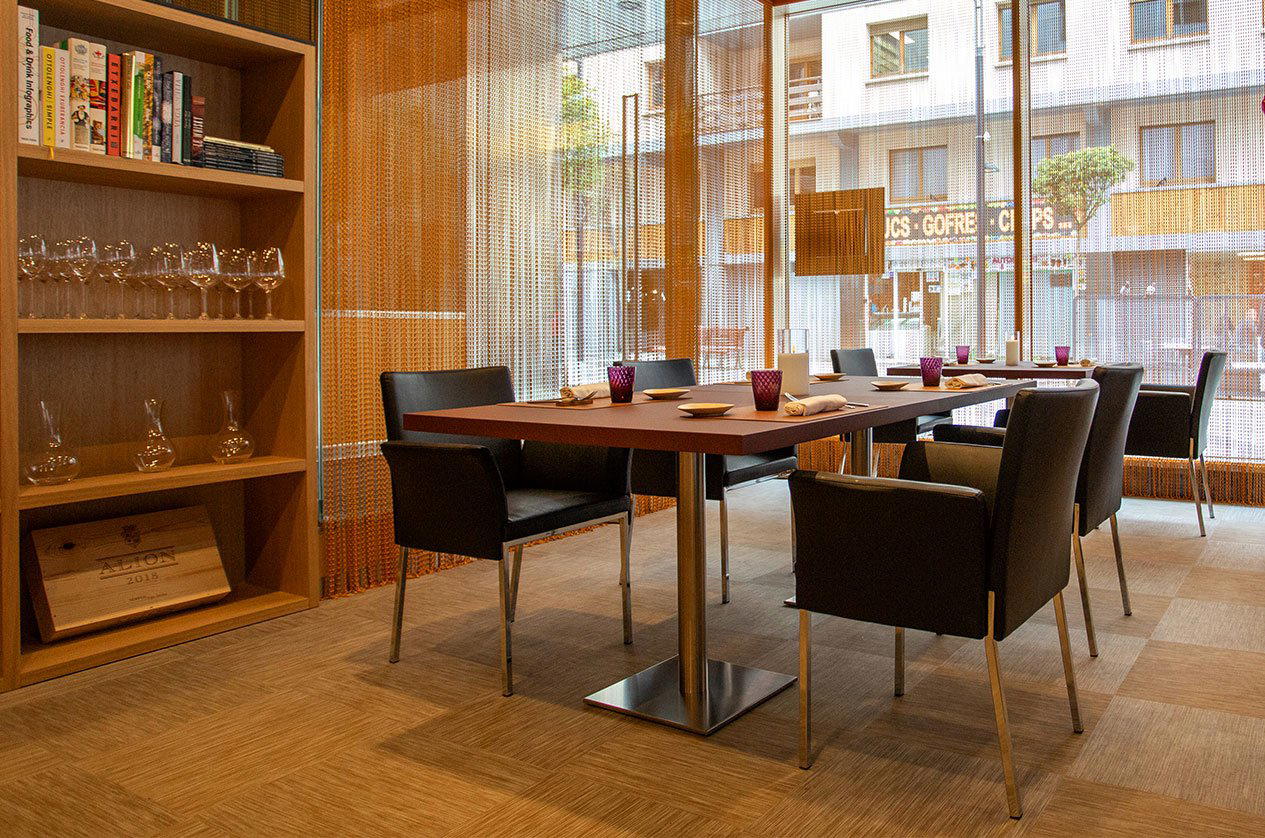
Coure's address on Carrer de la Borda places it in a part of Andorra la Vella where the built environment is less polished than the commercial districts. That positioning is a legible signal: this is a restaurant that relies on word of mouth and repeat visits rather than footfall. Restaurants that choose quieter streets in small capitals tend to direct their resources inward, toward the kitchen and service, rather than outward toward a shopfront designed to catch passing trade.
The format here leans toward the considered rather than the casual. Guests arriving expecting the easy, no-commitment atmosphere of the principality's many ski-season brasseries will find themselves in a different contract with the room. That is not a criticism; it is a description of how serious dining rooms in small mountain capitals tend to operate. They serve a local clientele that returns with specific intent, supplemented by visitors willing to step away from the resort default.
Beyond the Capital: The Wider Andorran Restaurant Context
The principality's dining scene extends well beyond Andorra la Vella. In the mountains, Ibaya in Soldeu operates in a ski-resort context that brings different pressures and a different guest profile. Les Pardines 1819 in Encamp represents another approach to rooted Andorran cooking, while Beç in Escaldes-Engordany and Andrea in La Massana show how the country's seven parishes each produce their own version of serious dining. Fideus in Escaldes takes a more focused approach around a single Catalan pasta tradition.
This distributed pattern is characteristic of small mountain countries where population density is low and no single district concentrates all cultural and culinary life. Coure's position within the capital means it serves as a point of reference within that wider map: a place to benchmark the city against what the country can produce at its more committed end.
Restaurants operating in small-country capitals with limited culinary infrastructure face a set of structural challenges that their peers in major cities do not. Supply chains for premium ingredients are shorter and more fragile. The pool of trained kitchen talent is smaller. Seasonal tourism creates demand spikes that require different staffing and menu strategies than a stable year-round urban market. These are the conditions under which kitchens like Coure operate, and they are worth naming because they shape what a restaurant can realistically offer.
At the sharper end of European mountain dining, the benchmark restaurants work in different conditions. Atelier Moessmer Norbert Niederkofler in Brunico operates in a comparable alpine context with the full weight of Michelin recognition behind it. Reale in Castel di Sangro shows what mountain-rooted Italian cooking looks like at two-star level in an equally remote setting. Further afield, the sustained technical commitment of restaurants like Dal Pescatore in Runate or the urban intensity of Atomix in New York City, Le Bernardin, or HAJIME in Osaka illustrates the range of what serious dining can look like when infrastructure and talent pool align. Lazy Bear in San Francisco, Emeril's in New Orleans, and Quattro Passi in Marina del Cantone each represent how region-rooted cooking finds its competitive identity in specific local contexts. Coure exists in a different order of scale, but the underlying question it answers is the same: what does cooking that takes its place seriously look like in this particular country?
Planning Your Visit
Coure Andorra is located at Carrer de la Borda, 3, in Andorra la Vella. Given the limited published information about hours, booking methods, and current pricing, the most reliable approach is to contact the restaurant directly on arrival in the country or to ask your hotel concierge to make inquiries on your behalf. Andorra la Vella is compact and walkable from most central accommodation, and Carrer de la Borda is reachable on foot from the main commercial district in under ten minutes. Visitors arriving from Spain typically enter via the southern border at Sant Julia de Loria; those from France via Pas de la Casa. Neither crossing takes more than a short drive to the capital. As with any restaurant in a small market, confirming opening periods in advance is advisable, particularly during shoulder season when ski-trade drops off and some kitchens reduce their service schedule.
Frequently asked questions
Is Coure Andorra child-friendly?
Andorra la Vella draws a broad visitor mix across ski families, retail tourists, and couples, so the city's dining culture generally accommodates children. Coure's position on Carrer de la Borda, away from the commercial strips, suggests a more deliberate dining setting rather than a high-volume family restaurant. check the venue's official channels before visiting with young children to confirm current seating arrangements.
What's the overall feel of Coure Andorra?
The address on Carrer de la Borda, 3 places Coure in the older residential fabric of Andorra la Vella rather than the duty-free corridor that defines most visitors' experience of the capital. That location signals a restaurant built around repeat local custom and intentional dining rather than passing tourist footfall. The Catalan-Pyrenean culinary tradition this area draws from tends toward ingredient focus and technique over spectacle.
How does Coure Andorra fit into the broader Andorran dining scene?
Andorra la Vella's restaurant offer sits between ski-resort catering in the mountain parishes and a small cluster of more considered addresses in the capital itself. Coure's location on Carrer de la Borda, in the less commercialised part of the city, places it closer to the latter category. For context, the principality also has resort-facing dining in Soldeu and Arinsal, but urban Andorra la Vella is where Catalan culinary identity tends to read most clearly.
What's the must-try dish at Coure Andorra?
Verified menu data for Coure is not available, and naming a specific dish without it would be fabrication. Kitchens working within the Catalan-Pyrenean tradition typically centre seasonal mountain produce, cured meats, river fish, and legumes, so dishes tied to that regional larder are a reasonable point of focus. Ask the team on arrival what is currently in season.
Price Lens
Comparable venues nearby, for context on price, style, and recognition.
| Venue | Cuisine | Price | Awards | Notes |
|---|---|---|---|---|
| Coure AndorraThis venue (the venue you are viewing) | Modern Mediterranean & Catalan | $50–100 | Not listed | Not listed |
| Celler d'en Toni | Traditional Catalan Mediterranean | Not listed | Michelin Plate | Andorra la Vella, Traditional Catalan Mediterranean |
| Angel Belmonte | Classic Mediterranean | $50–100 | Not listed | Andorra la Vella, Classic Mediterranean |
| Kökosnøt | Modern Fusion Fine Dining | $50–100 | Michelin Plate | Andorra la Vella, Modern Fusion Fine Dining |
| Fideus | Handmade Chinese Noodles | Not listed | Not listed | Escaldes-Engordany, Handmade Chinese Noodles |
| Les Pardines 1819 | Mediterranean Market Cuisine with Pyrenean Influences | $50–100 | Michelin Plate | Encamp, Mediterranean Market Cuisine with Pyrenean Influences |
Continue exploring
More in Andorra La Vella
Details
- Elegant
- Sophisticated
- Intimate
- Date Night
- Special Occasion
- Celebration
- Group Dining
- Private Dining
- Open Kitchen
- Standalone
- Extensive Wine List
- Sommelier Led
- Local Sourcing
- Farm To Table
- A La Carte
- Family Style
- Tasting Menu
- Wine
- Allergy Accommodating
Current opening hours
- Monday
- 1–3:30 PM, 8–10:30 PM
- Tuesday
- 1–3:30 PM, 8–10:30 PM
- Wednesday
- 1–3:30 PM, 8–10:30 PM
- Thursday
- 1–3:30 PM, 8–10:30 PM
- Friday
- 1–3:30 PM, 8–10:30 PM
- Saturday
- 1–3:30 PM, 8–10:30 PM
- Sunday
- 1–3:30 PM, 8–10:30 PM
Hours can change for holidays and private events. Hours as of .
Welcoming and professional atmosphere with tranquil surroundings; guests appreciate the menu and well-presented plating.