

Guía Repsol 1 Sol · Macarfi 8 Food Rating
Our verdict
Lo Paller Del Coc gives Rialp a serious mountain-dining reference point: a 2026 Guía Repsol 1 Sol restaurant in Surp, where the appeal lies in Pyrenean context rather than urban polish. Read it through sourcing, altitude, and rural Catalan appetite, then compare it with the broader Spanish restaurant map rather than with city tasting-menu rooms.

Pearl is the En Primeur Club membership app, where members save venues, book tables and use the concierge.
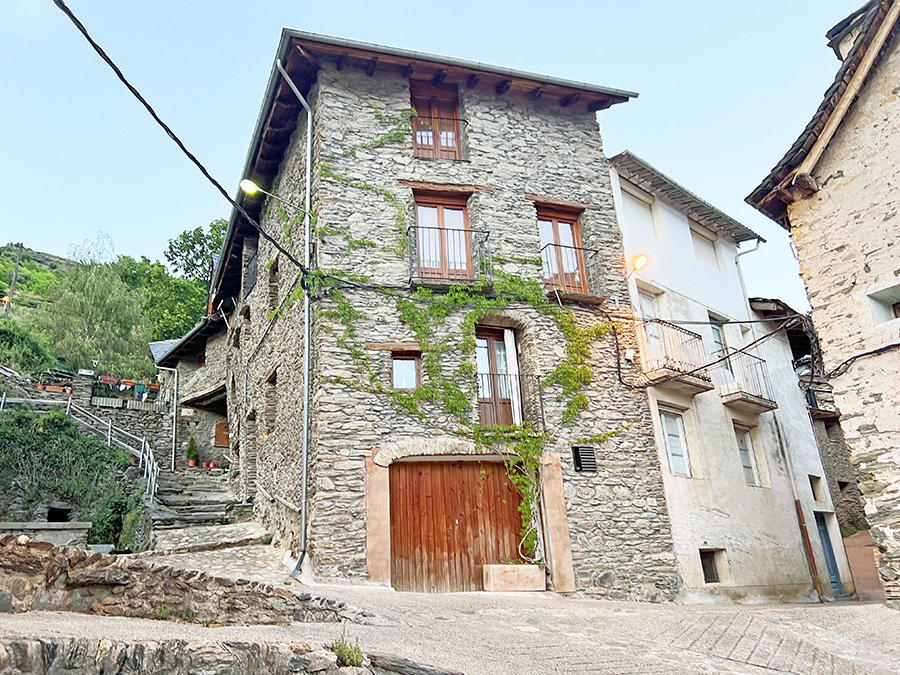
Rialp does not let a restaurant float free of its surroundings. Scale, setting, and mountain weather set the terms before the first plate, and Lo Paller Del Coc belongs to that Pyrenean register: in Rialp, with a dining identity better judged by place, timing, and local rhythm than metropolitan ceremony.
Inland northern Spain has a different culinary grammar from coastal or big-city dining. A restaurant here earns attention by making its setting feel coherent without sanding off its origin. The 2026 Guía Repsol 1 Sol recognition places Lo Paller Del Coc inside Spain’s serious regional conversation, but the stronger editorial point is geographical: place is not decorative context; it is the argument.
Pyrenean sourcing gives the room its logic
Ingredient-led cooking in the Pallars area starts with constraint. Mountain regions do not cook like port cities, and they do not need to. The local pantry is best understood through seasonality, proximity, and the rhythms of a smaller place rather than through the expectations of a capital-city dining room. National guide recognition here signals more than technical competence; it suggests the kitchen makes a regional vocabulary legible to diners whose expectations may be shaped by larger Spanish cities.
That is the useful way to read Lo Paller Del Coc. Its value is not in pretending Rialp is a miniature capital. It sits in a smaller, specific category: destination rural dining with enough recognition to justify a detour, but with its centre of gravity in Rialp rather than luxury theatre. Nearby comparison venues underline the split. Fogony and El Raier point to other local ways of reading the area’s dining scene. Lo Paller Del Coc occupies a place-bound lane, where the question is less “how inventive is it?” than “how clearly does the area speak through the table?”
That distinction helps when planning a wider Spanish eating itinerary. A diner moving between Rialp and larger Spanish cities will not be comparing like with like. Urban addresses answer to a different appetite for precision and velocity, while island and coastal restaurants answer to different visitor patterns and dining habits. For a broader frame, EP Club’s Spain restaurant coverage ranges across city, coastal, and island dining rooms in very different dining economies. Rialp’s strength is scale, proximity, and the direct line between setting and plate.
Rialp rewards diners who think beyond the meal slot
Rialp is small enough that dining folds into the day rather than sitting apart from it. The Pyrenean setting changes the cadence: colder months bring one kind of appetite and movement, while warmer months suit slower drives, village time, and longer daylight. A serious meal should be read as part of a mountain itinerary, not dropped into a dense urban schedule.
The implication is editorial as much as logistical. Restaurants in small mountain settlements often carry more cultural weight than their room count or address suggests, translating between visitors and local food systems. A Guía Repsol Sol here is a regional trust signal: it separates a considered rural table from generic tourist feeding and sets expectations correctly. This is not velvet-rope drama or a parade of imported luxury ingredients. The sharper pleasure is whether a kitchen can make its setting feel structured, current, and rooted.
For a Rialp trip, treat the restaurant as one anchor among several local decisions: where to sleep, what to drink, and how much time to leave for the valley rather than only the table. Start with the full Rialp restaurants guide, then widen the plan through the full Rialp hotels guide, the full Rialp bars guide, the full Rialp wineries guide, and Our full Rialp experiences guide. The better itinerary gives the meal room to register as part of the place, not just as a pin on a map.
How it fits into Spain's regional dining map
Spain’s restaurant culture is often flattened into a few familiar centres, but the more interesting pattern is regional confidence outside the large-city circuit. Different regions draw from different supply chains and dining customs. Comparisons should be made by function rather than fame: is the restaurant a neighbourhood regular, a destination dining room, a regional-product specialist, or a contemporary room with local accents?
Lo Paller Del Coc belongs in the regional-product conversation. It shares that broad terrain with restaurants that make local identity central, even when formats differ, and it can be read alongside nearby names such as Andrea, Angel Belmonte, Coure Andorra, El Raier, and Fogony. Each belongs to a separate local conversation, but the shared lesson is that Spanish dining depth often appears away from the obvious capitals.
For EP Club readers, the verdict is clear: come for a grounded Pyrenean meal with national guide validation, not urban spectacle. The reward is context. Rialp gives the restaurant its frame, the mountains give the experience its discipline, and the 2026 Sol gives travellers a credible reason to pay attention. Readers extending the trip beyond Spain can keep the same category lens when comparing ingredient-led formats abroad: format changes, but the question remains whether the food has a clear relationship to place, sourcing, and purpose.
Frequently asked questions
Is Lo Paller Del Coc suitable for children?
Lo Paller Del Coc is a Guía Repsol 1 Sol restaurant in Rialp, so plan it as a serious meal rather than an improvised casual stop. Families should decide based on the child’s comfort with a focused dining room.
What should I expect atmosphere-wise at Lo Paller Del Coc?
Expect a setting-led restaurant in Rialp, where the place matters as much as the plate. The Guía Repsol 1 Sol gives it clear dining credibility, so the mood should be approached as focused rather than purely casual.
How do I find Lo Paller Del Coc?
Rialp.
Can I walk in to Lo Paller Del Coc?
Lo Paller Del Coc is in Rialp, and its Guía Repsol 1 Sol status signals a restaurant worth planning for rather than improvising around. Walk-ins may work at quieter moments, but a prepared booking is the safer approach.
Snapshot
Comparable venues by cuisine and price in the same metro.
| Venue | Cuisine | Price | Awards | Notes |
|---|---|---|---|---|
| Lo Paller Del CocThis venue (the venue you are viewing) | Creative Spanish | $30–50 | Guía Repsol 1 Sol · Macarfi 8 Food Rating | Not listed |
| Fogony | Modern Catalan Pyrenean | $50–100 | 1 Michelin Star · Macarfi 7.9 Food Rating | Modern Cuisine |
| El Raier | Modern Pallars Cuisine with Oriental Fusion | $50–100 | Michelin Bib Gourmand · Macarfi 7.9 Food Rating | Contemporary |
Recognition history
Dated appearances from independent guides and award organizations, with the underlying list record or original source where available.
Guía Repsol 1 Sol
Guía Repsol
Macarfi 8 Food Rating
Macarfi
Continue exploring
More in Rialp
Restaurants in Rialp
All restaurants in Rialp →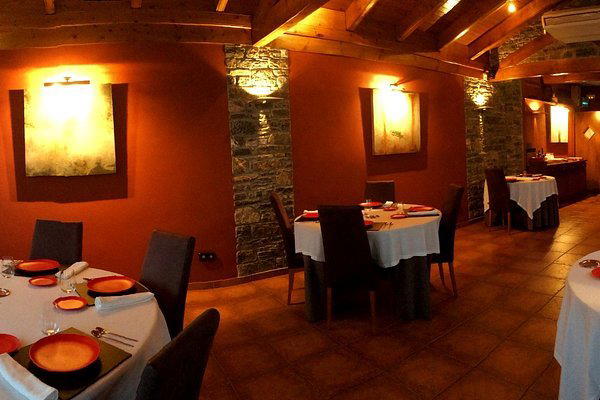
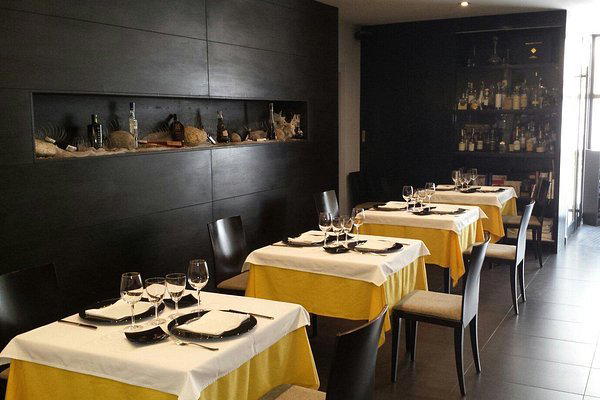
Hotels in Rialp
Browse all →
Wineries in Rialp
Browse all →
Details
- Cozy
- Rustic
- Quiet
- Date Night
- Family
- Special Occasion
- Casual Hangout
- Garden
- Terrace
- Historic Building
- Standalone
- Local Sourcing
- Garden
- Mountain
- Tasting Menu
- A La Carte
- Vegetarian Friendly
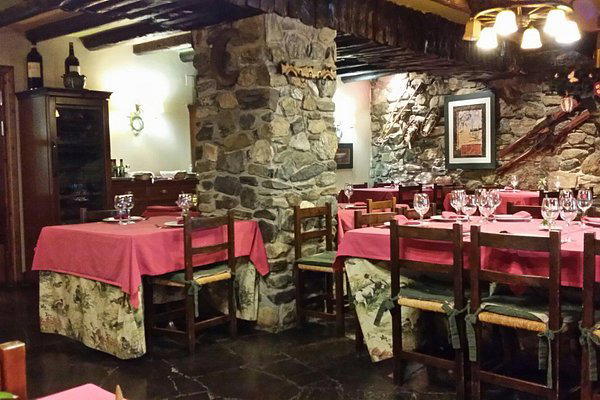
Family-run and peaceful, with a small, intimate, historic feel and a focus on relaxed meals in a rural setting.