Andrea
Our verdict
In La Massana, Andrea occupies a specific place in Andorra's evolving dining scene: a sit-down address on Carrer Costes de Teixidó where the surrounding mountain terrain shapes what arrives at the table. The principality's position between France and Spain means its kitchens draw from two of Europe's most ingredient-rich food cultures, and Andrea works within that dual inheritance.

Pearl is the En Primeur Club membership app, where members save venues, book tables and use the concierge.
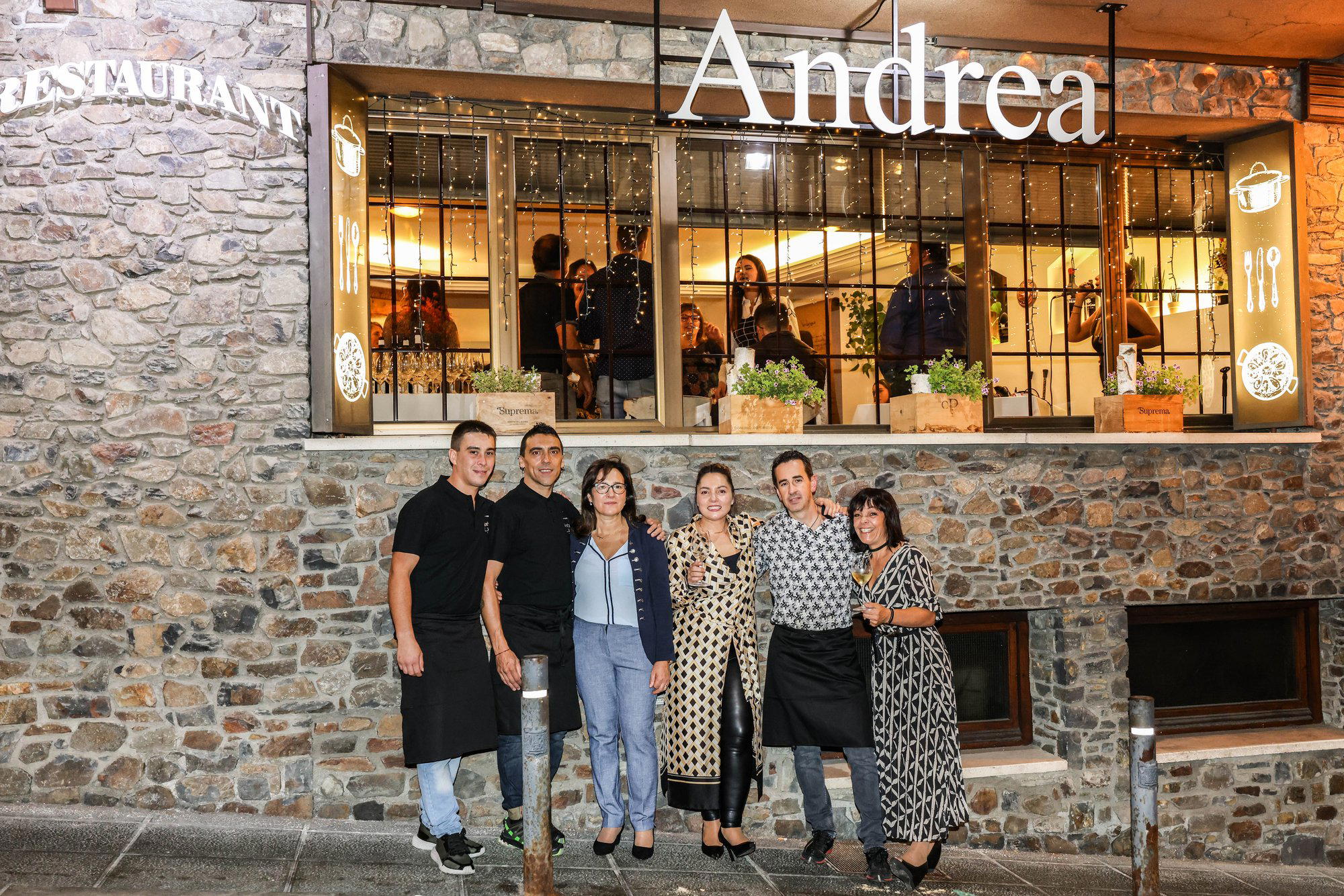
Where the Pyrenees Shape the Plate
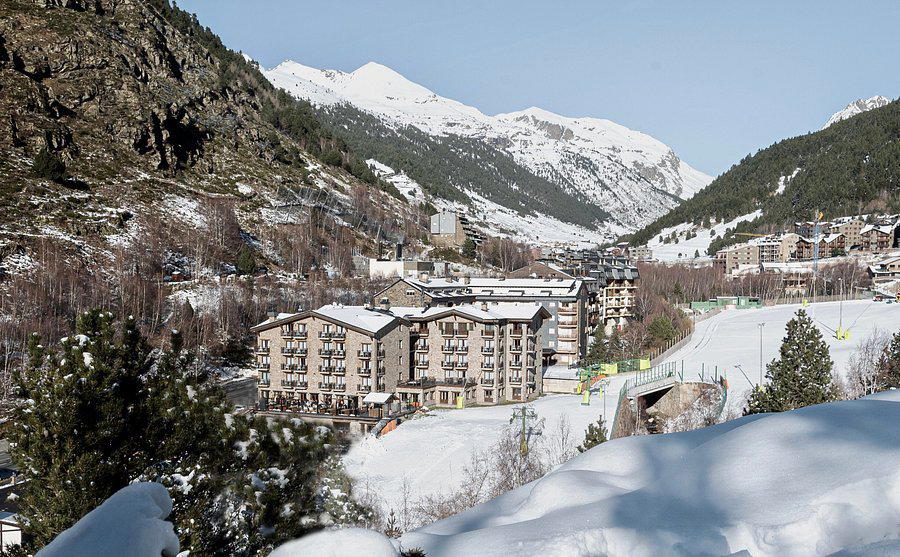
La Massana sits at roughly 1,200 metres in the Andorran interior, and that altitude is not incidental to how its restaurants source and cook. The Pyrenean parishes have always operated on a logic of proximity: what the surrounding valleys, forests, and smallholders produce tends to define what ends up on the menu. Andrea, on Carrer Costes de Teixidó in the centre of La Massana, belongs to this tradition. Its address places it in a quiet parish town that draws visitors primarily in ski season but maintains a year-round local dining culture oriented around the mountains rather than the duty-free commerce that dominates Andorra la Vella.
For context on the broader dining scene across the principality, see our full La Massana restaurants guide, which maps how the parish's restaurants compare to addresses in the capital and the ski resort villages.
Andorra's Ingredient Geography
The case for Andorra as a serious food destination rests, more than most visitors expect, on its position as a transit point between Catalan and French culinary traditions. Restaurants across the principality have access to produce networks that would be the envy of many larger European cities: Catalan charcuterie and cured meats from just across the southern border, French dairy and terroir-driven vegetables from the north, and local Pyrenean lamb, wild mushrooms, and game from the mountains themselves.
This dual inheritance creates a distinctive sourcing logic. The leading kitchens in Andorra are not simply importing French or Spanish technique wholesale; they are working the seam between both traditions, selecting ingredients based on altitude, season, and the specific microclimates of the Pyrenean valleys. It is a model that has driven serious recognition at addresses like Ibaya in Soldeu, where creative and modern cuisine at the leading price tier signals what committed sourcing and technique can produce at altitude. Les Pardines 1819 in Encamp operates within a similar logic, grounding its menu in the historical food culture of the Andorran parishes.
Andrea occupies La Massana's quieter end of this spectrum. The parish does not generate the volume of high-end dining traffic that the ski resort corridors do, which shapes both the pace and the character of eating here. Restaurants in this context tend to run on local repeat business alongside seasonal visitor trade, a combination that rewards consistency over novelty.
The Setting on Carrer Costes de Teixidó
The physical approach to Andrea along Carrer Costes de Teixidó runs through a part of La Massana that reads as genuinely residential rather than tourist-configured. The street-level character is quieter than the main commercial arteries, which matters for the atmosphere inside: addresses in this part of town tend to operate at a pace set by their regulars rather than by footfall. That is a different dining proposition from what you find at the busier resort-facing restaurants, and it suits a certain kind of visit: unhurried, grounded in the place rather than passing through it.
In the wider context of European mountain dining, the most compelling addresses have generally been those that resist the temptation to perform altitude and instead let the sourcing do the work. Atelier Moessmer Norbert Niederkofler in Brunico is the clearest benchmark for how seriously a mountain kitchen can commit to hyper-local sourcing at the fine dining level. La Massana restaurants operate in a different register and price bracket, but the underlying logic, that the mountains themselves should be the primary supplier, is consistent.
La Massana in the Andorran Dining Hierarchy
Andorra's restaurant tier structure is worth understanding before visiting. At the top of the price range, addresses like Beç in Escaldes-Engordany and Koy Hermitage run Japanese and traditional cuisine at the highest price points and draw a clientele that treats Andorra as a destination rather than a transit stop. The mid-tier, where contemporary Catalan-influenced cooking sits alongside traditional Andorran dishes, is better represented in La Massana and Encamp than in the capital, partly because land costs and the local demographic sustain a different kind of restaurant economy.
Celler d'en Toni in Andorra la Vella and Fideus in Escaldes represent the contemporary end of the mid-market in the capital cluster. Andrea in La Massana belongs to a parish tradition that is less visible to visitors who stick to Andorra la Vella, but more representative of how Andorrans actually eat.
For reference points on what ingredient-driven mountain cooking looks like when it reaches the highest formal level, the comparison set extends well beyond Andorra. Reale in Castel di Sangro and Piazza Duomo in Alba both demonstrate how rural Italian addresses have built international reputations on hyper-local sourcing and terroir commitment. The ambition is different in scale from what La Massana currently sustains, but the principle, that geography should dictate the menu, is the same.
Planning a Visit
La Massana is accessible from Andorra la Vella by road in under fifteen minutes, making it a practical dinner destination for visitors staying in the capital or passing through on the way to the Vallnord ski area. Andrea's address on Carrer Costes de Teixidó is in the walkable core of the parish town. Given the limited published data on booking methods and current hours, contacting the restaurant directly before visiting is the sensible approach, particularly outside the main ski season when trading hours in La Massana can contract. The principality's restaurants tend to be busiest from late December through March and again in July and August; shoulder months offer a quieter dining environment with the same local-facing menu logic.
For those building a broader Andorra itinerary around serious eating, pairing a La Massana visit with dinner at addresses in Escaldes or Encamp gives a more complete picture of how the principality's parishes each sustain their own distinct dining character. Dal Pescatore in Runate, Uliassi in Senigallia, and Waterside Inn in Bray represent the endpoint of what sustained local sourcing commitment looks like when formalised over decades; Andorra's scene is earlier in that arc, which makes the current moment a reasonable time to be paying attention.
Frequently asked questions
Is Andrea a family-friendly restaurant?
La Massana is a parish town rather than a resort village, and its restaurant culture reflects a local population that dines in groups across generations. Restaurants on streets like Carrer Costes de Teixidó, away from the ski corridor, tend to serve the resident community rather than a transient crowd.
Is Andrea better for a quiet night or a lively one?
Carrer Costes de Teixidó sits in a residential part of La Massana rather than the main commercial strip, which shapes the atmosphere before you arrive. This is not the address for late-night energy or bar-adjacent noise. The setting reads as a neighbourhood table: suited to conversation and a slow meal rather than a scene.
How close is Andrea to Andorra la Vella, and is it worth the trip from the capital?
La Massana sits under fifteen minutes from Andorra la Vella by road, making Andrea on Carrer Costes de Teixidó a practical dinner option for visitors based in the capital. The parish has a distinctly different character from Andorra la Vella's commercial centre, which is part of the reason to make the short drive. The residential setting of the street itself adds to that contrast.
What do regulars order at Andrea?
Restaurants in La Massana with a local repeat-customer base in the Andorran interior tend to anchor their offer in seasonal produce shaped by both Catalan and French culinary traditions, given Andorra's position as a crossroads between the two. What that means at Andrea specifically requires a visit or direct contact with the restaurant.
How do I find Andrea?
Andrea is located at Carrer Costes de Teixidó, 4, AD700 La Massana, Andorra, La Massana.
Do they take walk-ins at Andrea?
Smaller restaurants outside La Massana's main ski resort corridors have historically been more accommodating of walk-ins than high-demand addresses in Andorra la Vella, but that is a general pattern rather than a guarantee. Contacting Andrea directly before arriving is the practical approach.
What has Andrea built its reputation on?
No awards or published critical recognition appear in the available record. Andrea's standing operates within La Massana's local dining circuit, where reputation is built through repeat neighbourhood custom rather than international press. That is a different kind of credibility from a Michelin-flagged address, and for some visitors it is the more useful one.
Side-by-Side Snapshot
| Venue | Cuisine | Price | Awards | Notes |
|---|---|---|---|---|
| AndreaThis venue (the venue you are viewing) | Mediterranean Spanish Seafood | $50–100 | Not listed | Not listed |
| Celler d'en Toni | Traditional Catalan Mediterranean | Not listed | Michelin Plate | Contemporary |
| Kökosnøt | Modern Fusion Fine Dining | $50–100 | Michelin Plate | Contemporary |
| Koy Hermitage | Japanese Haute Cuisine | Not listed | Michelin Plate | Japanese |
| Beç | Modern Spanish Gastropub | $50–100 | Michelin Plate | Traditional Cuisine |
| Ibaya | Creative Modern Andorran Fine Dining | Not listed | 1 Michelin Star · Guía Repsol 1 Sol | Creative, Modern Cuisine |
Continue exploring
More in La Massana
Restaurants in La Massana
All restaurants in La Massana →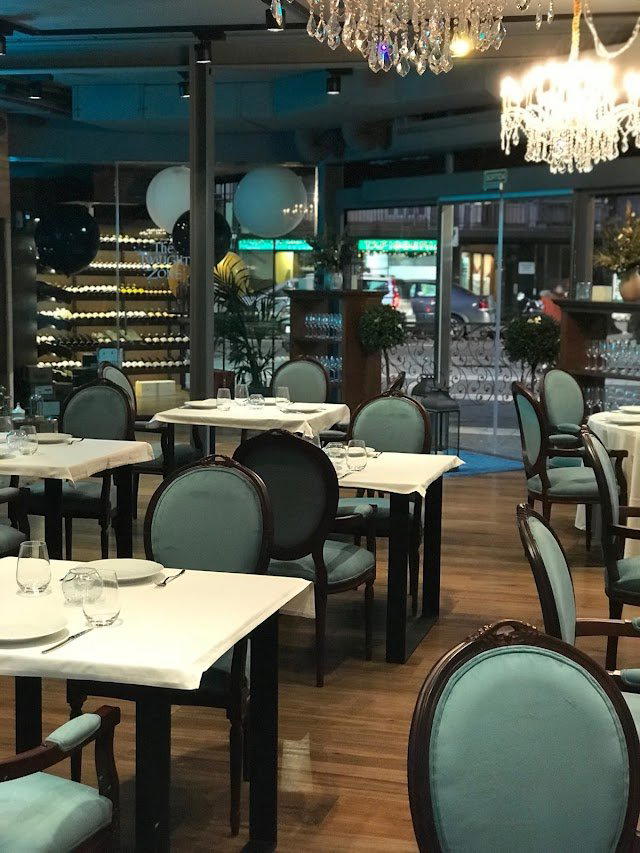
Details
- Cozy
- Elegant
- Classic
- Family
- Date Night
- Special Occasion
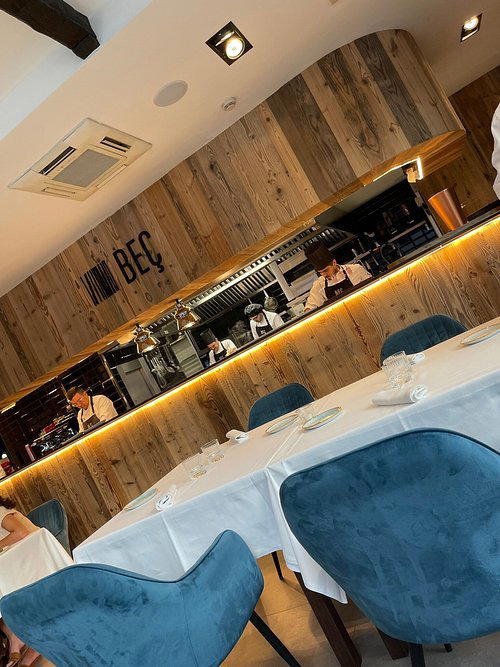
- Open Kitchen
- Extensive Wine List
- A La Carte
- Vegetarian Friendly
- Vegan Options
- Gluten Free Options
Current opening hours
- Monday
- 1–3:30 PM, 8–10:30 PM
- Tuesday
- Closed
- Wednesday
- Closed
- Thursday
- 1–3:30 PM, 8–10:30 PM
- Friday
- 1–3:30 PM, 8–10:30 PM
- Saturday
- 1–3:30 PM, 8–10:30 PM
- Sunday
- 1–3:30 PM, 8–10:30 PM
Hours can change for holidays and private events. Hours as of .
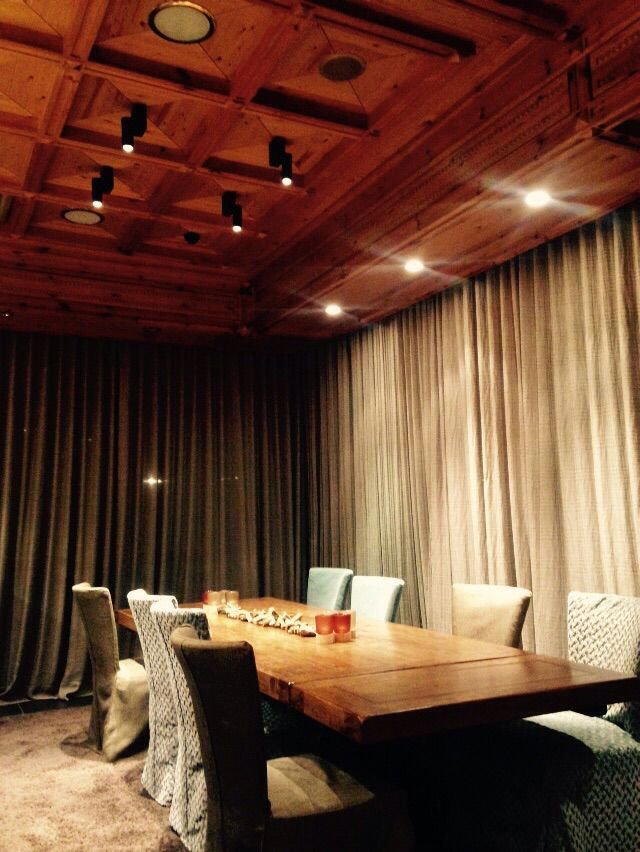
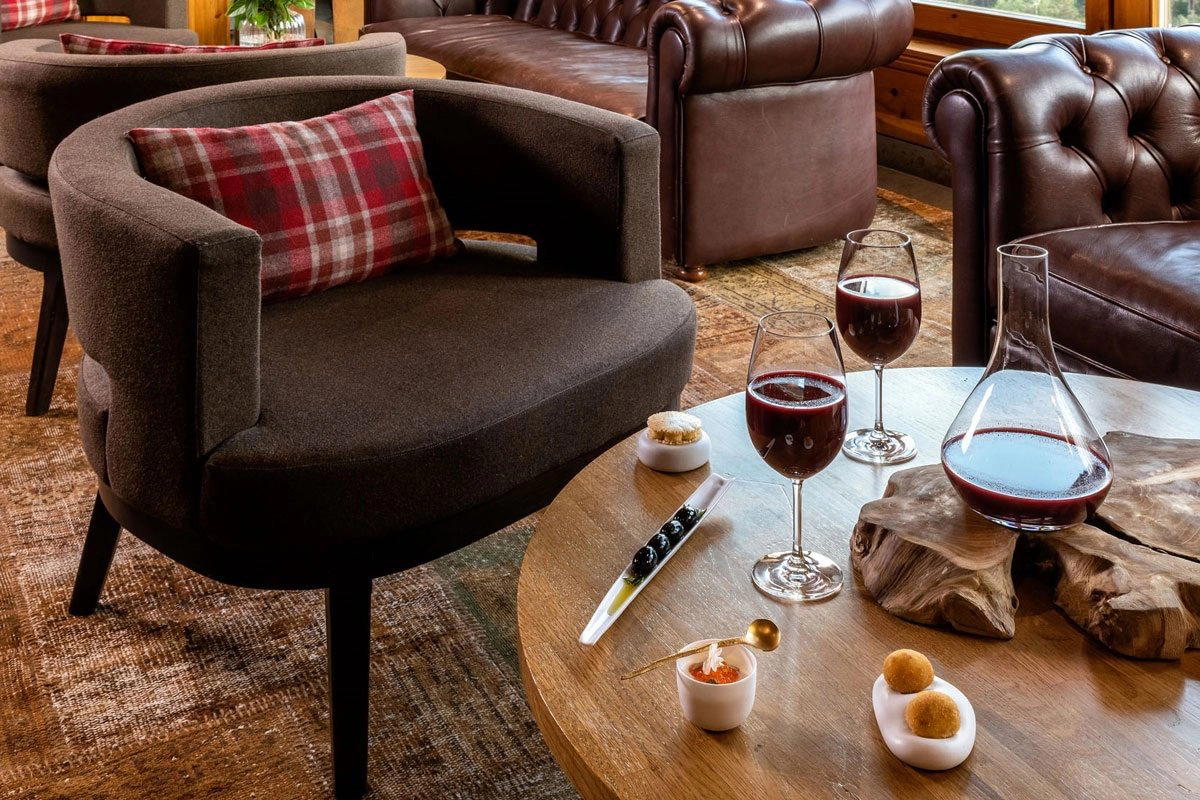
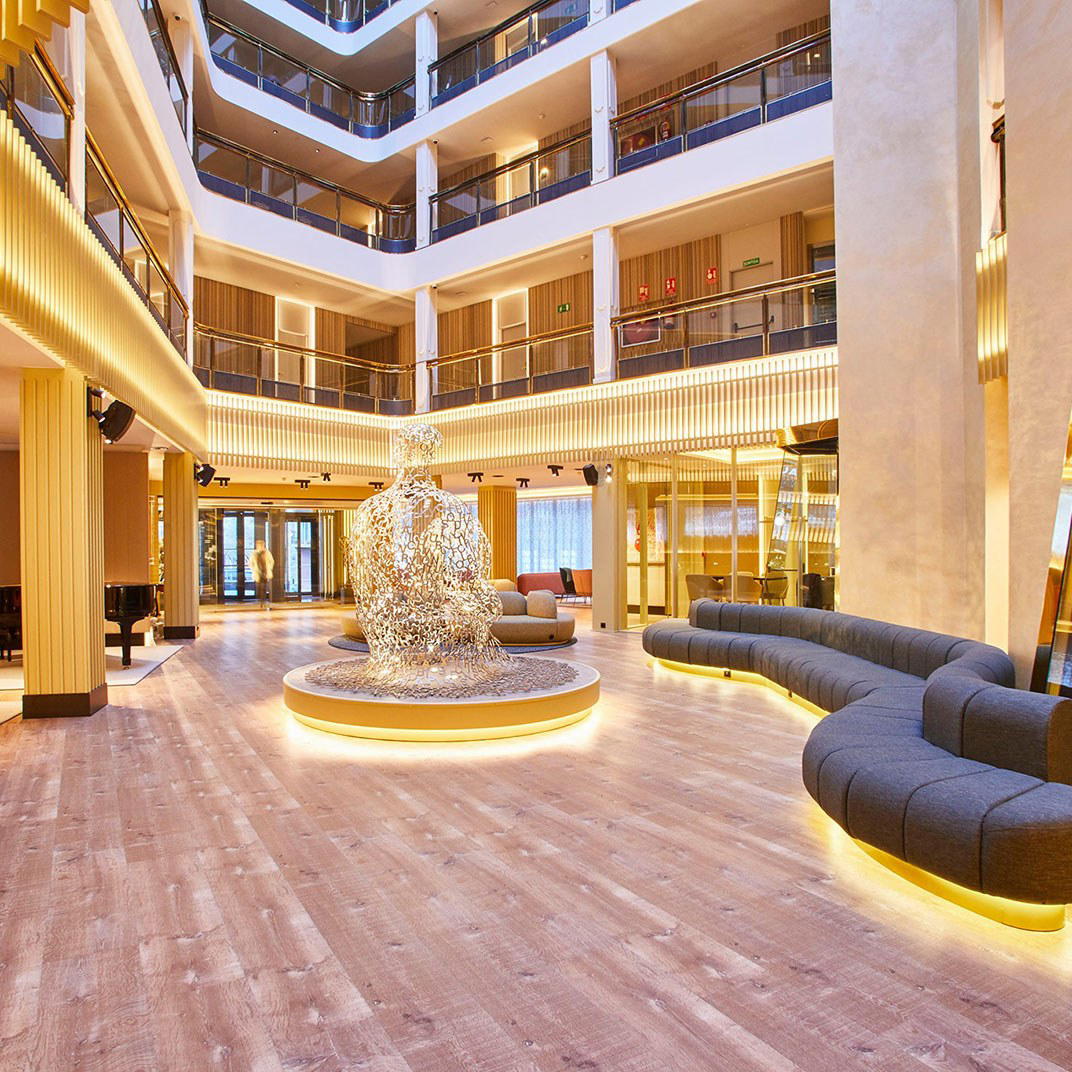
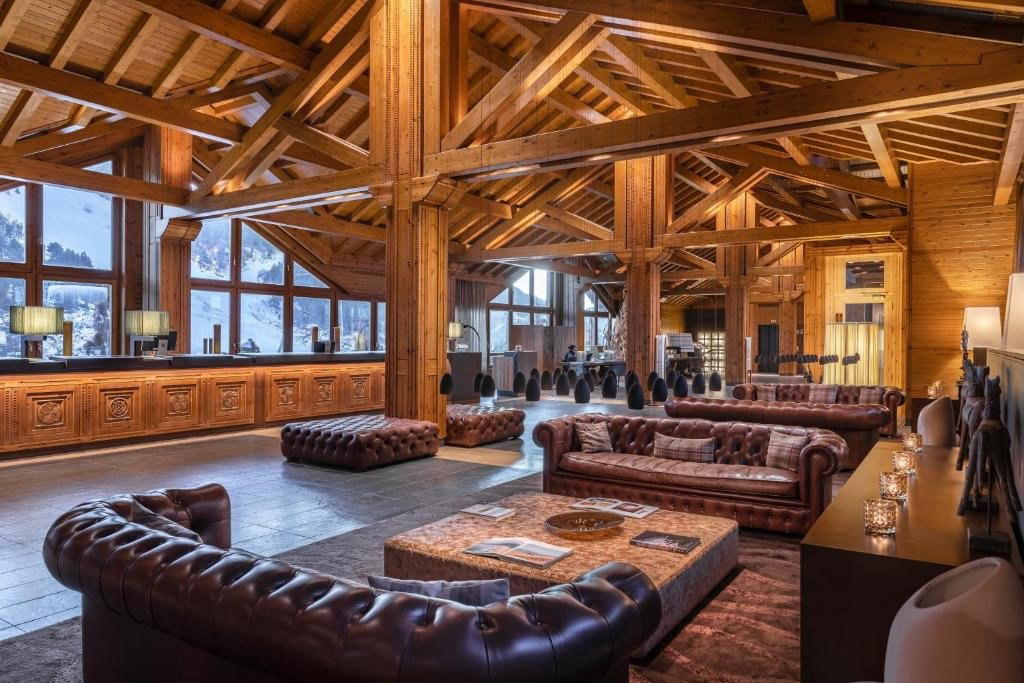
Nicely decorated with refined decor, warm and inviting atmosphere, and polished service.